Day 7: Farm Toys for Tots

12 days of Christmas… with a twist.

Day 7:  The outstanding generosity of hundreds of farmers and ag folks inspired the first ever Farm Toys for Tots (purchasing farm toys and delivering them to Toys for Tots.)

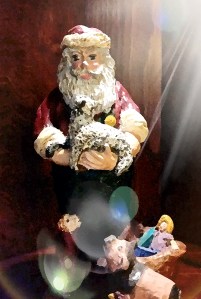
santa2015-12-21 14.54.26 (1)

Santa comes in all shapes and sizes. For 70 years, Santa has come for up to 7 million children via the Marine Corps-sponsored Toys for Tots. This year, hundreds of farmers made sure trucks, tractors and other farm toys will be under some of those Christmas trees via Farm Toys for Tots.

With a GoFundMe campaign, they raised $7,025 and enlisted the help of 21 volunteer elves to deliver the purchased Farm Toys to Toys for Tots locations in more than 20 states “from sea to shining sea.”

The GoFundMe campaign for Farm Toys for Tots is completed for 2015. Organizer Diana Prichard tells the whole story … how it began, how it evolved, and gives all the stats at her “Righteous Bacon” blog right here !

Meanwhile, with 4 days ’til Christmas, the TOYS FOR TOTS Foundation could still use donations as they bring toys to 7 million children annually.

TOYS FOR TOTS is a program run by the United States Marine Corps Reserve which distributes toys to children whose parents cannot afford to buy them gifts for Christmas. The program was founded in 1947 by reservist Major Bill Hendricks. The Marine Toys for Tots Foundation, a 501(c)(3) not-for-profit public charity located in Triangle, Virginia, serves to fund, raise funds for, and support the program.

FARM TOYS FOR TOTS: Plans are being made to continue the campaign to bring Farm Toys to Toys for Tots annually!


Day 6: Purpose-driven bond is Feeding America

12 days of Christmas… with a twist.

Day 6:  Food banks say the most requested and least available item is fresh milk. Dairy producers have set out to change that, just as the North American Meat Institute ‘meating the need’ partnership provides fresh meat and poultry, and produce growers donate 800 million pounds of fresh fruits and vegetables annually — along with canned and boxed donations from many citizen sources — provide 3 billion meals to the 46.5 million Americans (including 12 million children) who face hunger and rely on the Feeding America Food Bank system. Farmers and ranchers have a purpose-driven bond with their land and animals, and thank God they do. Look for links in this blog post to help!

flag9770

By Sherry Bunting

Nothing against a plate of cucumbers, but there is something intangibly dynamic about this relationship-of-purpose between man and beast. It is a purpose-driven bond, and on farms and ranches, it is a working relationship.

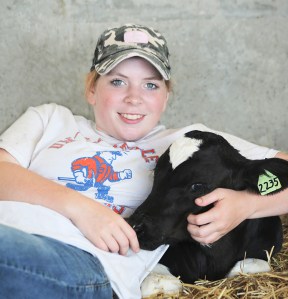
HELT-26w

Farms have had to expand over the years to survive with multiple generations operating larger farms together. But size doesn’t matter when it comes to the principles of caring for land and animals. Farmers and veterinarians use today’s advances to make the purpose-driven life of animals ever better.

What it comes down to is how we look at animals as a culture — the acceptance of animals as being useful to man, and of our role to protect and foster those animals in their service to man.

Beyond caring for the cows, farmers also care about their consumers and are the first to donate the fruits of their labor to the disadvantaged among us. Simply put: Farmers don’t like to see hunger. They constantly improve their practices to efficiently produce wholesome food that is affordable.

But hunger persists in America. Over 46 million Americans, including 12 million children rely on Feeding America food bank donations each year. Milk is one of the most requested and least donated items.

Leave it to farmers to pool their resources to help change that.

At the upcoming Pennsylvania Farm Show, a milk can for donations will be placed near the famous Pa. Dairyman’s milkshake stand for visitors to join with the companies and producers that are helping to “Fill a glass with hope.” In order to provide fresh milk, the cost of transport, refrigeration and distribution to families who rely on the Food Bank are part of what it takes. Those donations help move more milk to more food insecure families. Each dollar donated provides 8 servings of milk to a neighbor facing hunger. This has been going for one year, and to-date, 850,000 servings of milk have been donated.

Nationally, dairy producers are instrumental in the Great American Milk Drive to get milk to food banks. In its two years (and growing) more than 625,000 gallons (over 10 million servings) of milk have been delivered to families across the country through The Great American Milk Drive food bank donations. Meat and poultry producers also channel surplus to Food Banks as do produce growers, orchards — you name it. Farm folk pitch in because hunger is something they do not like to see.

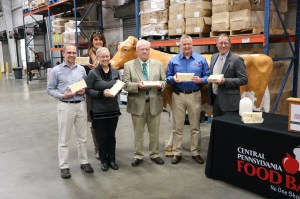
All-AmericanCheeseForFoodBank50076

Another Food Bank drive in Pennsylvania began during the All-American Dairy Show last September, 12,000 gallons of milk (nearly 100,000 pounds) were harvested from cows during their stay at the show. Through the efforts of the show and the Pennsylvania Dairymens Association this milk was turned into four tons of mild, creamy Farmers Cheese and provided to the Central Pennsylvania Food Bank.

Out of the purpose-driven circle-of-life bond between man and animal comes the ability to feed a family and the families of countless others throughout the economy.

Out of this purpose-driven relationship comes a youngster’s first foray into animal care in the calf barn at home or cleaning up after livestock at the county fair.

Out of this purpose-driven relationship comes respect, responsibility, accomplishment and passion instilled in new generations.

Out of this purpose-driven relationship comes life-sustaining food worthy of our respect — not to be taken for granted.

Wherever you are reading this today, consider joining the farmers in their effort to bring fresh food to Food Banks. Check out The Great American Milk Drive, and check out Feeding America to give the gift of holiday meals.

Day 5: ‘The SheepOver’ captivates in time for Christmas

12 days of Christmas… with a twist.

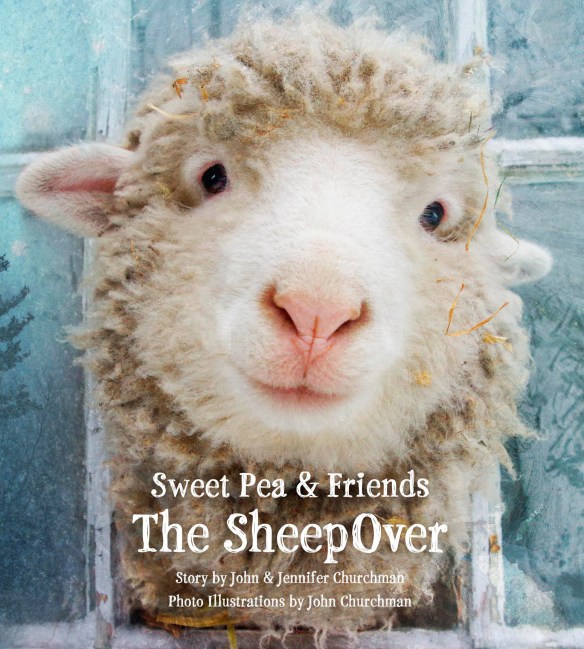
Day 5:  If you love sheep, or beautiful photo art or just want to read and see an authenticly sweet story… I highly recommend Sweet Pea & Friends “The SheepOver,” with its one-of-a-kind storybook style for children and adults, alike. Today’s Farmshine has a story about how John and Jennifer Churchman followed their dream, self-published a children’s book last summer, and after the dust settled on the publishers’ bidding war recently, Little, Brown Books for Young Readers has it widely available in time for Christmas. The 6 preordered copies I purchased all have good homes in Pennsylvania and South Dakota! 🙂  (Photos herein by John Churchman)

 Sweet Pea(book)Churchman


By Sherry Bunting, Farmshine, Dec. 18, 2015 

ESSEX, Vt. — In some ways an ordinary farm, in other ways not so much. John and Jennifer Churchman create photography for commercial purposes at their Essex, Vermont farm where the animals and crops are subjects for client projects.

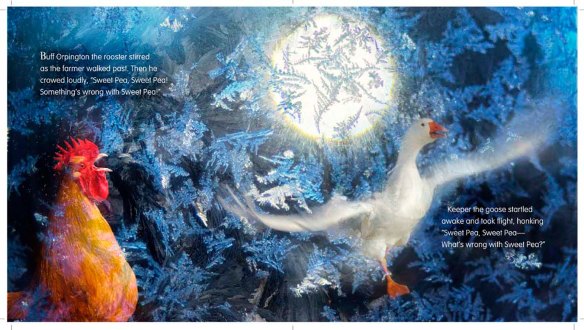
Their work has now yielded an extraordinary book: Sweet Pea & Friends “The Sheepover,” which has taken the children’s literature industry by storm. After the dust settled on a bidding war by five major publishers a few weeks ago, Little, Brown Books for Young Readers took over and immediately moved the farm-rooted, magically-illustrated story about injured lamb “Sweet Pea” to market in time for Christmas.

The Sheepover is available at local book stores, Barnes and Noble, and stores like Target, and Walmart. This link will take those interested to find stores that have it or where to order it in time for Christmas http://www.hachettebookgroup.com/titles/jennifer-churchman/the-sheepover/9780316273565/

In fact The Sheepover went from 20,000th most popular book on Amazon to 500th in a few short days, then sold out in that online venue. Little, Brown is working on re-stocking for Amazon Prime delivery.

SweetPea_spreads(Churchman)

But before all of this excitement, the story began simply when fine art photographer John Churchman and his wife, Jennifer, a writer and photographer, started a self-publishing book project. They didn’t sit down with a marketing plan, nor did they envision the quick sell-out of their first 4000 self-published copies nor the publishers’ “bidding war” that followed.

John&JenniferChurchman

The Churchmans have a small farm in the Green Mountains of Vermont, where sheep and other farm animals are photographic models. The Churchmans designed the unique and story-telling photographic labels that had endeared the former Shenandoah Valley Family Farms milk to communities caring about where their milk comes from and the story about the Virginia farm families behind its production.

When SVF closed its doors last year, the couple threw themselves into what had been on their dream list for a long time: A children’s book.

It began innocently enough. They often posted photos of their idyllic pastoral farm and its animals on their Facebook page, where friends and followers first met Sweet Pea.

“It really came about through social media,” said John in a phone interview this week. “We had developed a good following for Sweet Pea since she was a little orphan bottle lamb, so when she was injured, there was an outpouring of people wishing and following her recovery. We decided to do a book about it.”

They launched a “kick-starter” campaign and made the goal for a first edition printing in 15 hours. Their supporters then saw the creative process of the book take shape with the Churchmans’ regular Facebook posts at the Sweet Pea & Friends page.

John turned his photographs of the farm into unique illustrations and Jennifer wrote the story. They worked back and forth, fitting the images with the story and collaborating on how the book would look and feel.

Just as they had captured the authentic dairy farm life on the former SVF labels and related it to the authenticity of their milk, the Sheepover storybook is both magical and authentic.

The three-book deal with Little, Brown has them already working on book two with a different of their sheep — “the brave and mighty Finn.”

“We worked to make the best book we could, and did it thinking someday we’d have Sweet Pea press and grow our business out to do self-fulfillment of book orders,” John relates.

But when a nearby book store (The Flying Pig) showed their enthusiasm, the Churchmans realized they had something that hasn’t been seen before, in a style not seen before.

Reader feedback has conveyed how the book “gives them a sense of grounding in nature, a calm and safe place,” said Jennifer. “Children are connecting and understanding that animals have character and personality, that they form (herd) communities and have a whole world going on… and if we pay attention, we can watch their stories unfold.”

They also see the bond between animal and man, sustaining each other. The book also introduces children to fine art with John’s photo illustrations. “They invoke a sense of whimsy, but still convey a true story about real animals and real farms,” Jennifer noted.

SweetPea5451Barn_lightings(Churchman

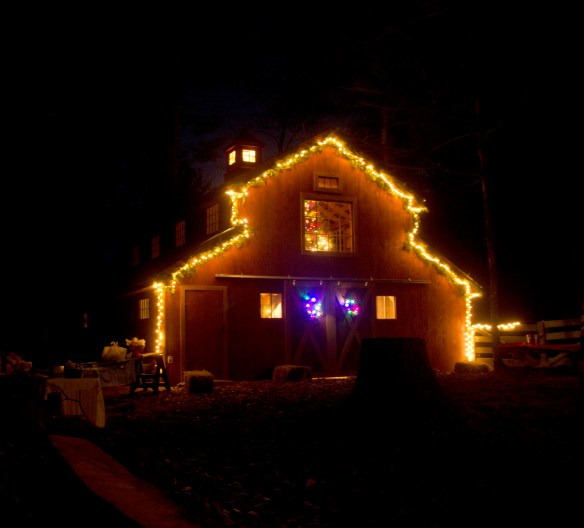
Last week, the couple invited the friends and “kick-starters” to a special new barn lighting.

“We have a summer barn in the open pastures, but this is now their winter home, built with a floor plan, a cozy small monitor-style barn with an open format,” Jennifer explains. They designed the barn as a space to also hold events and invite the community and book fans.

“Instead of a Christmas tree lighting, we had this event as a moving-in of the sheep flock for the winter. We lit the barn with lights and wreathes and a tree,” Jennifer described, surprised to draw a couple hundred visitors instead of the 50 or 60 they expected.

“Instead of having the farm open to visitors, we are planning events for visitors to engage here,” Jennifer said. “After all, we have work to do. We are a working farm.”

Even if it is a storybook farm.


-30-

 See page 33 in Farmshine 


Photo captions – all photos by John Churchman


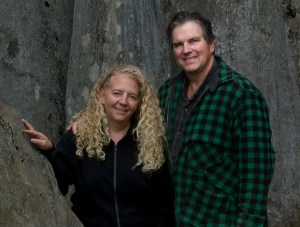
John and Jennifer

John and Jennifer Churchman were the designers of the former Shenandoah Valley Family Farms milk labels and they’ve realized a dream recently in completing a children’s book based on happenings at their small Vermont farm. Photo by John Churchman

SweetPeaBook and/or SweetPeaSpreads

Sweet Pea & Friends “The Sheepover” was self published by the Churchmans. Little, Brown Books for Young Readers has now taken over the publishing and rushed it to market in time for Christmas. Check here to see who has it available http://www.hachettebookgroup.com/titles/jennifer-churchman/the-sheepover/9780316273565/ Photo by John Churchman

SweetPeaBarnLighting

Instead of a Christmas tree lighting, the Churchman hosted a couple hundred visitors last week for a barn lighting and the moving-in of the sheep flock for the winter. Photo by John Churchman


Day 4: Labor of love-in-action, with a decidedly dairy twist

12 Days of Christmas with a twist

Day 4: Another look at how milk and ministry are the gifts that keep giving at Andrea’s Home of Hope and Joy in Bolivia. A cover story in Farmshine was blogged on Day One here at agmoos.com

Now here is the link to the featured ‘Labor of Love In Action’s Decidedly Dairy Twist’ in the Dec. 12 Progressive Dairyman 


Day 3: Impacting future dairy leaders

12 days of Christmas… with a twist.

Day 3:  Youth education events in and beyond the dairy showring are the mission of the All-American Dairy Foundation. This story shares the lesser-known aspects of a great dairy show and the foundation that seeks to build the financial support to keep them going.

AADF(DairyYouthEducation)w


By Sherry Bunting Nov. 20, 2015 Farmshine

Ask how the All-American Dairy Foundation (AADF) impacts the next generation in the dairy industry, and the answer is wrapped up in youth education events at the All-American Dairy Show, which extend beyond the showring for over 2000 young people.

AADF raises funds through contributor-membership by individuals and companies, as well as other fundraising efforts throughout the year including a new matching funds challenge that is underway. The goal is to ensure the future of youth education events and scholarships at the annual All-American Dairy Show. This is critical because state sponsorship of the show and the economic revenue it generates to the Capitol Region each September, only covers a fraction of the costs and it cannot be counted on for the future in these economic times.

Thus, the All-American Dairy Foundation, a 501( c ) 3 applies for grants for its support of youth education activities at the show, but largely relies on the good will of companies and individuals to build its trust fund to insure these opportunities continue in the future.

AA-31w

Whether participating youth go on to their own dairy farms or to manage large herds for others — or to work as consultants, nutritionists, veterinarians and other allied industry careers — the ribbons and awards of their days in Harrisburg each September are just the surface of what sticks as they enter career paths on and off the farm. It is the cow sense, determination, teamwork, competitive drive, communication, decision-making and people skills that follow them into a range of dairy- and ag-related careers.

Youth opportunities at the All-American help the next generation forge lifelong friendships, learn from some of the best cowmen and women of the time, and network with potential mentors among dairy producers and allied industry representatives in ways that help them see the possibilities for their own futures.

These opportunities establish a network of relationships for the next generation of dairymen and women, advance student work ethics and teach students not only the nuts and bolts of dairying, but also the intangibles that are so important to their futures and the future of the dairy industry.

AA-15w

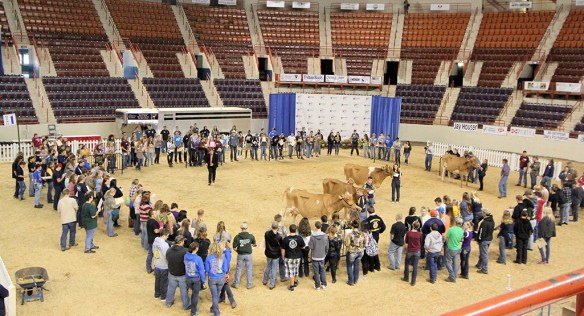
Of the over 2000 youth who participate each September at the All-American Dairy Show, two-thirds participate in the competitions beyond the showring. The Invitational Youth Dairy Cattle Judging Contest draws teams from dozens of universities in multiple states and as far away as California at the collegiate level, as well as another set of teams and states represented at the 4-H and FFA Judging Forum.

In alternating years, a dairy challenge is held for show youth, and their care of their animals is on display through Showmanship and Fitting competitions aside from the Premier National Junior Show’s breed competitions.

AA-2723w

A key competition during All-American Dairy Show week in Harrisburg is the Junior Dairy Management Contest. This contest is unique among all the major youth shows. It has a long history at the All-American, and the number of participants has grown from 60 students as recently as two years ago to over 100 in 2015.

“The Junior Dairy Management contest gives youth a chance to use their knowledge in the dairy industry to compete while also learning more about it,” says Carl Brown of F.M. Brown Sons, Birdsboro, Pa. Brown previously chaired the contest for 27 years.

Many of these individuals go back to the home dairy farm or into related careers such as dairy extension, agriculture law, nutrition consulting, or veterinary medicine. The competition also includes a careers seminar, featuring representatives from allied industries, who interact with the young people about their interests and aspirations.

“This contest brings out the more practical-oriented students,” Brown explains. “I love Dairy Bowl competitions, but the Dairy Management contest at the All-American Dairy Show is more than memorization and knowledge. It is hands-on. It’s as real as it gets in the context of a competition.”

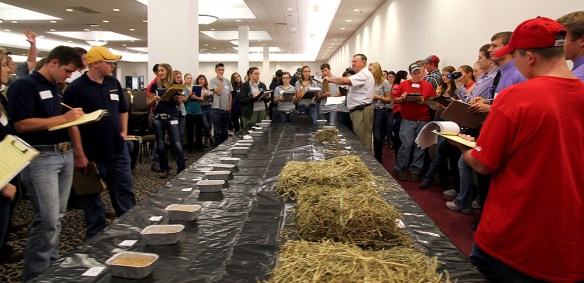
The annual competition consists of a judging component with descriptive type classes, benchmarks in dairy management, tools to evaluate milking management, as well as evaluating feed and nutrient management and dairy records management.

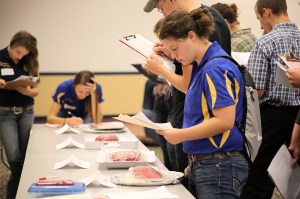
AA-2722wSpecifically, students are judged in seven categories: cattle selection, linear type appraisal, business management, feed and nutrient management, meats and quality assurance, calf management, and DHI records and benchmarks. They receive an overall score as teams and individuals. Part of what they do is to evaluate feedstuffs and their role in dairy rations, milk samples in evaluating milk quality and udder health, reproduction anatomy, animal health and care via dairy records, and even the economically important beef-side of the dairy cow at the end of her productive life reflecting proper handling and proper administration of treatments and withdrawal times.

“This event is one more avenue of learning about the dairy industry and being prepared with information they will need to know to be a part of it,” says Brown.

Throughout All-American Dairy Show week, these and other youth education activities require students to use their knowledge of dairy cows and dairy herd management as well as to hone their communication and decision-making skills to develop the confidence to become quality spokespersons for the industry, no matter what career path they ultimately choose.

At a time when the dairy industry in the U.S. seeks to attract skilled young people, the commercial side of the industry is just beginning to realize the intrinsic connection it has to what youth experience during these competitions inside and outside the showring at the All-American Dairy Show.

Safeguarding and building this is the AADF mission through its financial support.

What the next generation learns at the All-American Dairy Show can “translate to whatever you do in life,” observes Jeremy Daubert, who participated as a youth and today serves as a Virginia Tech dairy extension agent in the Shenandoah Valley. “I feel strongly what is missing most on many commercial dairies is this type of learning that the kids develop showing and judging and interacting with animals and people and practicing their ability to observe and work with cows, to communicate effectively, to make quick, informed decisions and be able to back them up, and the ability to self-evaluate to improve their future results.

“What commercial dairy or allied industry doesn’t want employees and managers with these skills?” he asks, even as his own children are growing into the age groups of participation.

These are the types of experiences the AADF underpins and why the Foundation relies on the good will of companies and individuals to keep funding going for its mission.

“These events are opportunities for our future dairy leaders and managers to not only hone important animal health and husbandry skills, but also develop confident decision-making and valuable interpersonal and leadership skills as they compete for awards, knowledge, self-improvement, and the opportunity to earn scholarships,” says AADF Executive Director Bob Heilman. “Funds donated through our various campaigns enable the Foundation to continue its support of these opportunities for youth to develop the skills they will need in dairy and business in the future.”

To learn more about how to support the AADF mission, contact Bob Heilman at 804-240-1539 or bob_heilman@comcast.netor visit www.AllAmericanDairyFoundation.org and follow the All-American Dairy Foundation on Facebook. Donations and correspondence can be mailed to AADF, P.O. Box 11211, Henrico, VA 23230.


-30-


CAPTIONS


AA-15

The 4-H and FFA Dairy Cattle Judging Forum is another competition beyond the showring that is drawing more 4-H and FFA teams to Harrisburg each September during the All-American Dairy Show. Photo by Sherry Bunting


AA-2722

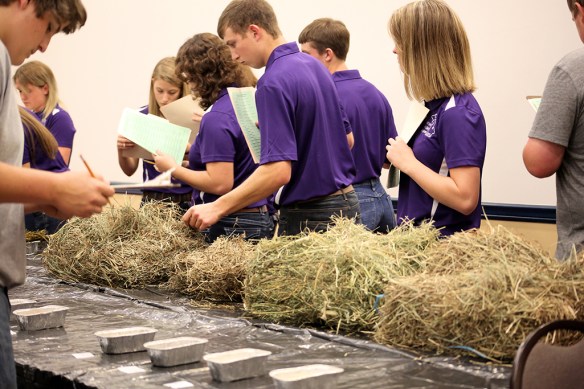
Another aspect of the Junior Dairy Management Contest at the All-American is evaluating milk samples and dairy records management with a focus on milk quality and udder health. Photo by Sherry Bunting


AA-2723

The Junior Dairy Management Contest at the All-American Dairy Show each September includes Beef Quality Assurance of the beef-side of the dairy cow for quality and food safety that reflect proper care and handling. Photo by Sherry Bunting


AA-2728 and/or AA8309 and/or AA-31

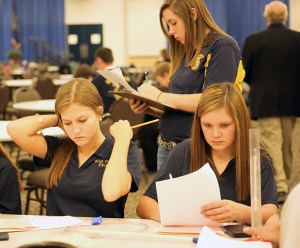
Feedstuffs, nutrition and nutrient management is just one aspect of the Junior Dairy Management Contest. The five top scoring contestants from all FFA and 4-H teams are then interviewed by a panel of judges, who evaluated their oral answers to three dairy industry related questions as they vie for scholarships. Photo by Sherry Bunting


AADF(DairyYouthEducation)

Dr. Carl Brown works with a group of students during the forage and feedstuffs portion of the Junior Dairy Management Contest at the All-American Dairy Show in 2013. He chaired the contest for 27 years and still helps out each September. Photo by Sherry Bunting

Day 2: Nightly event raises charitable funds while making ag ‘cool’

12 days of Christmas… with a twist.

Day 2:  After interviewing Neil Messick two weeks ago for a Farmshine story about this deal running nightly at Messick’s Farm Equipment Dec. 4 through 28, we decided to check it out tonight with the grandchildren! Two thumbs up!

tractor-rowx

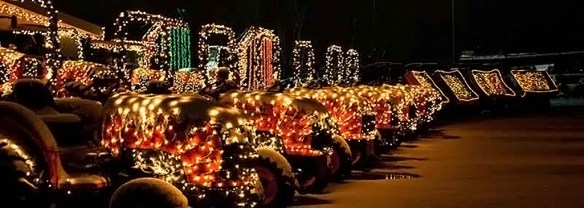
Sneak peek in ‘tractor row’. Photo by Neil Messick

By Sherry Bunting, Dec. 4, 2015 Farmshine

ELIZABETHTOWN, Pa. — Whether or not a new tractor is under your Christmas tree, what farmer wouldn’t love to see a 30-tractor Christmas light show, and then some?

At Messick’s Farm Equipment in Elizabethtown, Lancaster County, Pa., 20 years of light displays along Route 283 gradually became more animated as Neil Messick, marketing and IT manager, and younger brothers Kevin and Lucas began collecting the things they might need to do something grand.

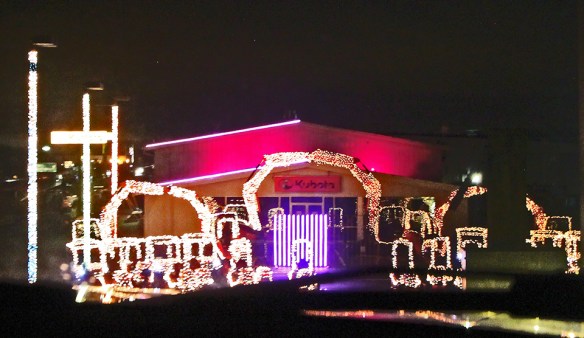
And grand it is. Since 2013, Messick’s, in conjunction with Kubota Tractor, has presented a massive animated Christmas light show set to music and viewable from their parking lot nightly between December 4 and 28.

Even better, the 20-minute program receives donations from viewers and has raised in its first two years a total $50,000 for charities that help local families.

“We obviously enjoy this, or we wouldn’t be doing it,” Neil said in a phone interview with Farmshine this week as the program is ready to kick off Friday. “What has been surprising is the sheer amount of donations. To raise $25,000 a year doing something we enjoy, just shows the giving spirit.”

While many of the visitors are local, it is surprising how far some will drive to see it. Last year’s inclement weather kept viewing traffic to 3500 cars and a dozen buses over the 24 days. Neil anticipates more will come this year, and hopes to raise $35,000 for charities.

Lights and technology are Neil’s “thing” while Kevin and Lucas work with the music and the sequencing.

“It’s something they work on at home at night,” says Neil. “We start in the summer and have the program planned three to four months in advance.”

An estimated 150 man hours of sequencing are involved and another 150 man hours of set up and tear-down. In addition, three to four staff members work nightly with parking, collecting donations and handing out flyers to cars, which can wait in line for up to two hours at the peak of the season.

New this year is the music (Sauniks Carol of the Bells), as well as the use of red-green-blue flood lights to mix the colors and make them more brilliant. Also new is a 44-foot air-operated tower that makes the giant Christmas tree and star move.

lightsIMG_1153

The view from our windshield (wipers included). Four separate sets of carols by digitized orchestra. Great sound via channel 89.1 on the radio dial

Together, Kubota Tractor and Messick’s pay the cost of the display, which includes 30 lit-up Kubota tractors, many of them having animated parts to play in the show.

“This is the combination of everything we love. We enjoy Christmas time and the lights (and of course tractors). We combine these things to make agriculture cool and engage our community in this way,” Neil explained.

Viewed from the upper and lower parking lots, visitors set their car radios to channel 89.1 for the music with which the light show is synchronized.

Click here to see a video preview

The 20-minute display runs from 6:30 to 9 p.m. during the first seven days Dec. 4 to 10 and from 6:30 to 10 p.m. from Dec 11 to 28. For more information on viewing, including a map, visit http://www.messicks.com/2015-light-show

Donations to support the charities are collected at the end of the show. 100% of donations go to support needs of local families through Habitat for Humanity, Community Cupboard of Elizabethtown, Paxton Ministries, Water Street Ministries and Mennonite Disaster Service.

To view what is arguably the largest tractor light display of its kind synchronized to Christmas music, enter the parking lot from Mertz Road off the Rheems/Elizabethtown exit of Rte. 283, and be prepared to wait. Lines can be 90 minutes in the 10-days before Christmas, with lighter crowds generally in the first week of the display.

-30-


Day 1: Milk and ministry are gifts that keep giving

12 days of Christmas… with a twist.

Day 1:  I met these folks last summer, learning of this mission to Bolivia that is rooted in Pennsylvania while visiting the Rice family of Prairieland Dairy in Nebraska last Spring. Two stories in two dairy publications resulted at long last. This one was the cover story in the Nov. 27, 2015 Farmshine and another will be found in the Dec. 14 edition of Progressive Dairyman. What these folks are doing is “love in action” for sure. Milk and ministry are gifts that keep giving. They’d love to share the project with others by speaking at dairy, church and other meetings where people have a passion for children, ministry… and milk!
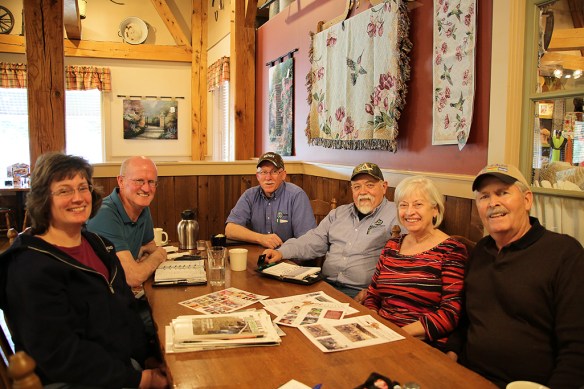
BoliviaDairyCommittee3262web

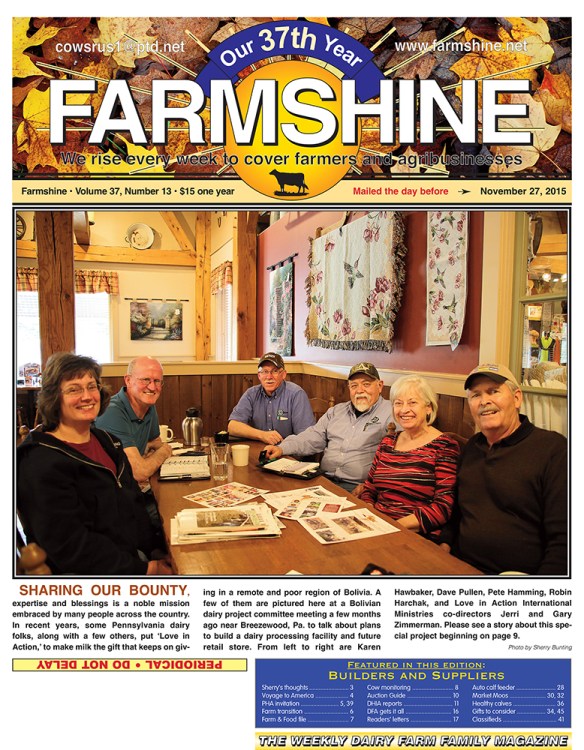
The Bolivian dairy project committee met a few months ago near Breezewood, Pa. to talk about plans to build a dairy processing facility and future retail store: (l-r) Karen Hawbaker, Dave Pullen, Pete Hamming, Robin Harchak, and Love in Action International Ministries co-directors Jerri and Gary Zimmerman. Photo by Sherry Bunting

By Sherry Bunting 

BREEZEWOOD, Pa. — The people we love and lose in our lifetimes leave indelible imprints on how we view the world and connect with others and where we put our time and energies.

For the dairy producers and industry folks involved with Andrea’s Home of Hope and Joy — an orphanage of individual family units in Bolivia — the ‘Love in Action’ is linked to folks from Pennsylvania wanting to see that these children have the gift that keeps giving — Milk, of course!

The first seeds to build a dairy farm at Andrea’s Home were planted by the late Rodney Hawbaker, a Franklin County, Pa. dairy farmer. In late 2007, Hawbaker and his industry friends — Dave Pullen, a dairy nutritionist, Pete Hamming with AI, and Robin Harchak, a milking equipment specialist — brought their idea to Gary and Jerri Zimmerman of Love In Action International Ministries (LIAIM).

By 2009, they were fundraising, designing and planning for a dairy future at Andrea’s Home.

Known as Warm Springs Farm (Finca Aguas de Manantial), the Bolivian dairy project is so named in honor of Hawbaker, who died in a tragic farm accident in 2011 at the family’s Warm Springs Dairy, Chambersburg, Pa.
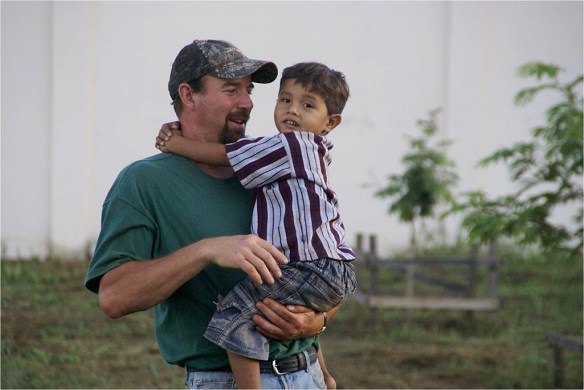
bolivia-rodneyweb

The late Rodney Hawbaker in 2010 with Wilson, one of the children at Andrea’s Home of Hope and Joy, where Hawbaker was instrumental in starting the Bolivian dairy project. It is now entering its next phase named in Hawbaker’s honor as Warm Spring Farm. Photo by Karen Hawbaker

“This was Rodney’s passion,” recalls his wife Karen during a planning meeting of the LIAIM dairy committee just off the Breezewood exit of the Pa. turnpike recently. Karen runs the 160-cow dairy in Franklin County and has taken Rodney’s place on the LIAIM board and dairy committee as well as volunteering with daughter Kirsten to help with the dairy’s progress at Andrea’s Home.

“Rodney was instrumental in helping design the barn as well as spearheading the initial fundraising through our church and a heifer sale in September of 2009,” Karen relates. “Rodney, Pete, Dave and Robin really dug into this, and we would travel to Bolivia every few months to work with the children and provide labor for the barn.”

Andrea’s Home, too, has its history — so-named for the Zimmermans’ youngest daughter Andrea, whom they had lost to cancer. Gary, a carpenter, and Jerri, a teacher, continued their mission work by fulfilling Andrea’s dream to focus the mission work on children. Thus, they set up Andrea’s Home of Hope and Joy through LIAIM. With the advent of the dairy project, the concept of Andrea’s Home has the potential to become a somewhat self-sustaining model for the future.

Divided into four 2-parent / 20 child units, Andrea’s Home currently serves 63 children with plans to build four more to serve 120 children. The dairy has become a key aspect of the planning to realize the goals of expanding Andrea’s Home and to build at a second location.

The heifers and bull for the dairy were delivered in 2014, with calvings ramping up through the summer and fall. Now plans are underway to build a processing facility and retail store.
boliviaworking at barnweb

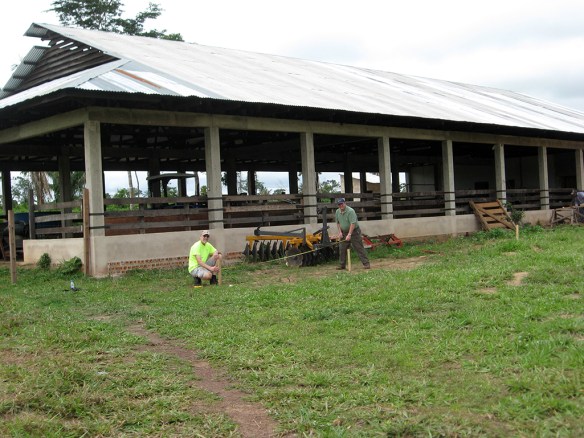
Cows are housed on a bedded pack and milked in eight stalls using a vacuum and bucket system — doable with limited funds and infrastructure. Photo by Karen Hawbaker


The cow-to- consumer dairy has a fourfold purpose: Nutrition for the children, education and skills for the children, a business plan that improves the community infrastructure while employing members of the community, and eventual retail dairy sales to support the growth and mission of Andrea’s Home.

The nearby town of Guayaramerin is home to over 40,000 people. The region is isolated and poor with many children orphaned by tough lives on the street. Being just a mile from the Brazilian border — where coffee houses proliferate — the hope is that Warm Spring Farm can provide a source of milk for the orphanage, the town and additional offshoot sales to tourists crossing the Brazilian border, through a coffee and smoothie house run by the home.

“We are looking for others in this compassionate dairy industry with the heart to come down to Bolivia and help with the processing end of what we are planning,” Gary Zimmerman explained. “We want to have the capability to produce milk and also yogurt, butter and ice cream with the whole project providing a source of revenue for the orphanage, as well as learning opportunities, work and nutrition for the orphans.”
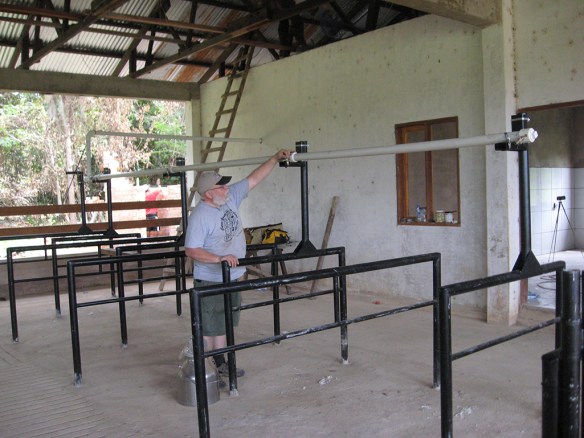
boliviamilking 'parlor'web

Robin Harchak works on the milking parlor. The challenge will be to convert to more advanced technologies as the dairy processing construction is planned. Photo by Karen Hawbaker

“We’re ministering to the needs of the orphans, and also trying to change the culture of what they return to for their futures and that of the region,” he added. For example, when the children age-out of the home, they will have skills and a purpose and something to turn to and a good base on which to continue their education.

Gifted 230 acres of land by the veterinarian who today serves as the farm’s director, they have stocked natural springs with fish and planted orchards and gardens, along with the work of getting the dairy up and running.

The processing and retailing idea began to form when five acres became available last year in the nearby town of Guayaramerin. With a location to build a retail store, the processing facility plan became the logical next step.

Since 2008, the group closest to the Warm Spring Farm project have worked to raise funds and to gather and send work crews to build the dairy. Now that the focus has shifted to processing and retail construction, they are reaching out in search of folks with this expertise. One such person is David Rice, a former Berks Countian who has two sons dairying near Kempton, Pa. and a son that is manager and partner in Prairieland Dairy out in Firth, Nebraska.
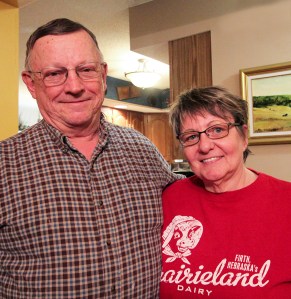
Dave&GloriaRice4263web

Dave and Gloria Rice of Firth, Nebraska (formerly from Berks County, Pa.)

Rice bring his building and dairy background, along with knowledge of the milk bottling and ice cream making at Prairieland, to his volunteer trips to Andrea’s Home.

He observes that, “Not only will the young people learn agriculture and industry skills, they will also learn the business side of operating the future store.”

“All the profits will go back to benefiting the home, and to build a second home with the idea that the business can be developed to cover 65 to 75 percent of the cost of the home’s operation, which now relies mostly on donations,” Zimmerman explains.

While the dairy’s initial cowherd consists of a native breed suited to the climate of life right on the Equator, the dairy committee plans to improve the herd with good milking genetics via AI crossbreeding.
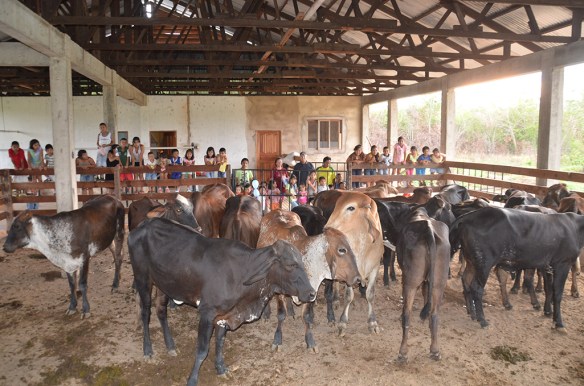
boliviaour cows in the barnweb

As first calvings and milking are underway, the director brings milk to the home from his own primarily beef herd, and the children learn to make dairy products for their own use.
boliviagroupweb

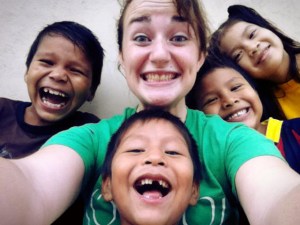
Karen and Rodney Hawbaker’s daughter Kirsten with children at Andrea’s Home of Hope and Joy.

While there are no other dairies in this poor region of northeast Bolivia, the LIAIM dairy committee, and the folks at the home, have toured Brazilian dairies to look at cropping systems and forage ideas such as sugar cane and yucca root, which can be fed as green chop to boost dietary energy for more milk production.


The milking facility uses a vacuum and bucket system, which serves well its current purpose.

“Bolivia is the poorest South American country, and this LIAIM ministry seeks to reach the children here to provide the nutrition of milk while teaching business and industry skills that they can learn to be a part of,” Karen Hawbaker added. “We want to raise them and equip them for life. What better way to teach work habits and skills then through dairy.”

Hamming noted that the kids just love the dairy farm, the animals, seeing things grow, and are anxious to see the whole project move forward.
boliviakidsweb

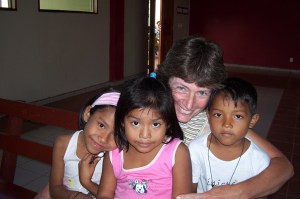
Karen Hawbaker at Andrea’s Home…

Rodney’s good friend and area veterinarian Corey Meyers, DVM, wrote of Hawbaker after his passing: “Rod knew his purpose in life. He got it. Just days before the accident he had commented to friends in a Bible study in Ecclesiastes: ‘When I hear of a righteous man dying, I take it as a challenge or as a reminder that you never know when your time is up. Live each day as if it were your last.’”

Members of the LIAIM dairy committee are also interested in speaking at dairy meetings to raise awareness of the Bolivian dairy project at Andrea’s Home of Hope and Joy.

To learn more visit www.myloveinaction.com. Director Gary Zimmerman can be contacted at 719.440.6979 or email liaim@aol.com
Farmshine

-30-


Ode to long days, warm sunshine, thoughts, images

daisies

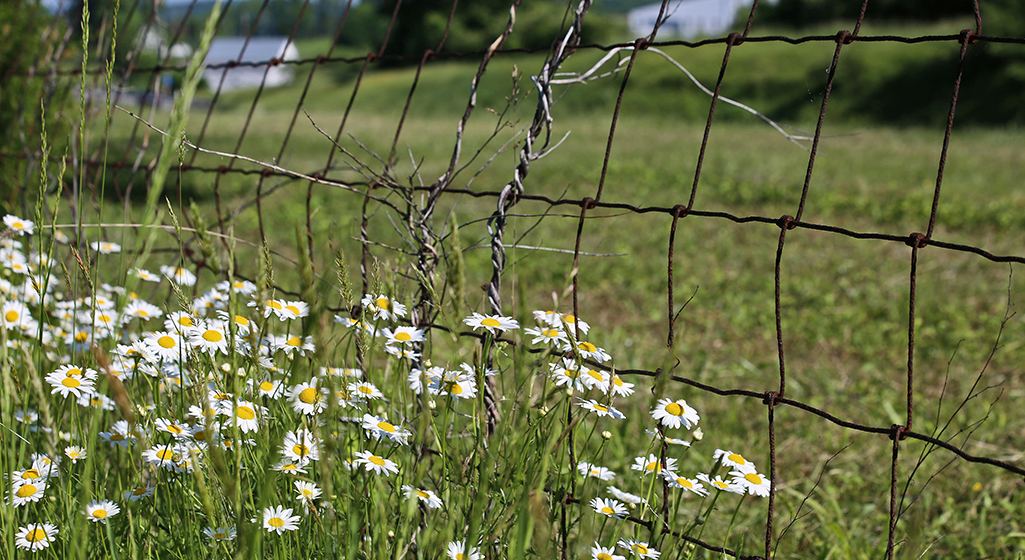
As I sort photos for a newspaper story… it seems a good time to share the random thoughts and images recorded while driving through America’s Heartland from deadline to deadline the last few summers. Much of it, the things I see, but don’t have time to stop for picturing, as I’m always running late for the next deadline. Feel the copious doses of Vitamin D, long days, warm sunshine, rural lands… 

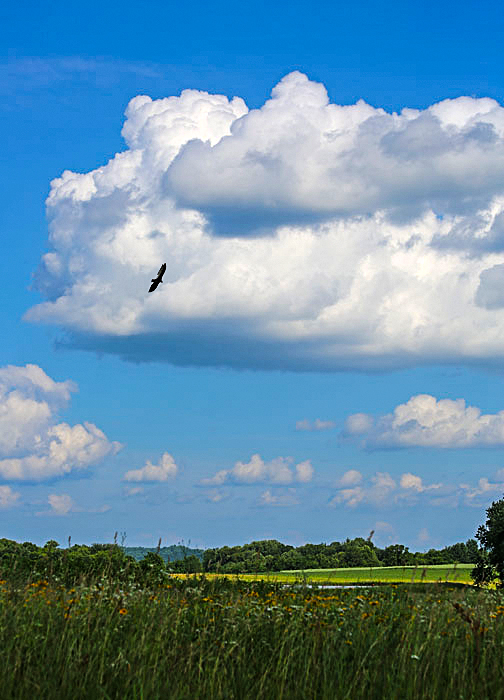
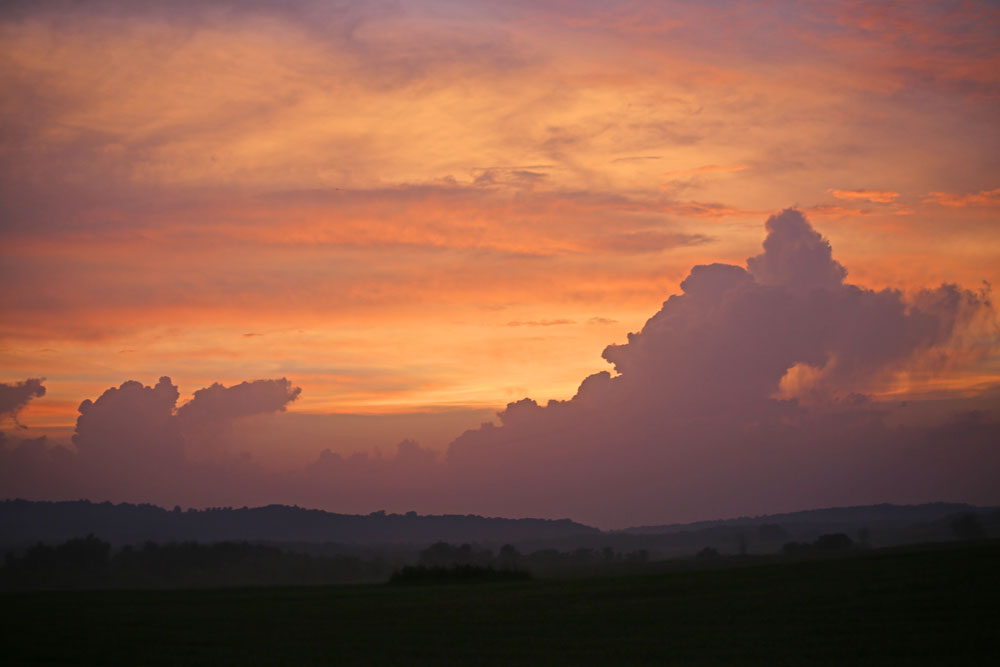
Birds of flight soar between tufts of congregating clouds. Snowy white egrets glow sunset silver above crystal blue lakes… Appearing out of nowhere, they punctuate the landscape and reflect the vivid sky.

thingsyousee100

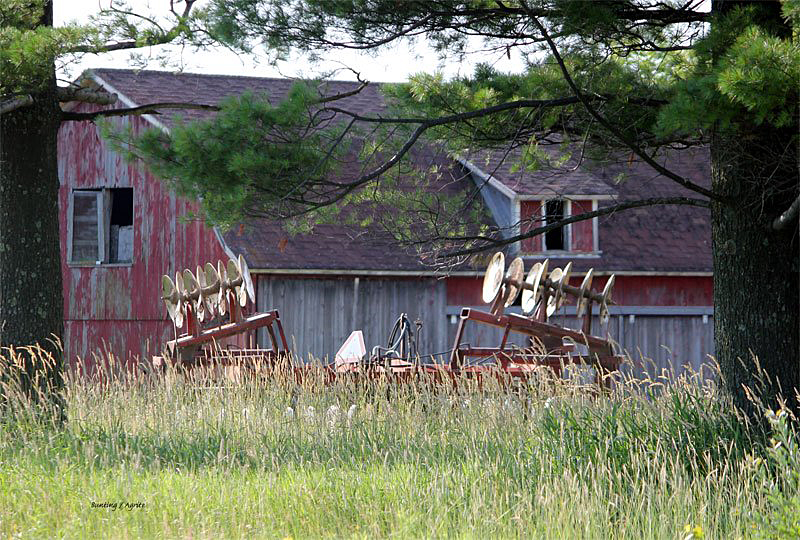
Working metal parked by barns take on the rust red hue.

thingsyousee82

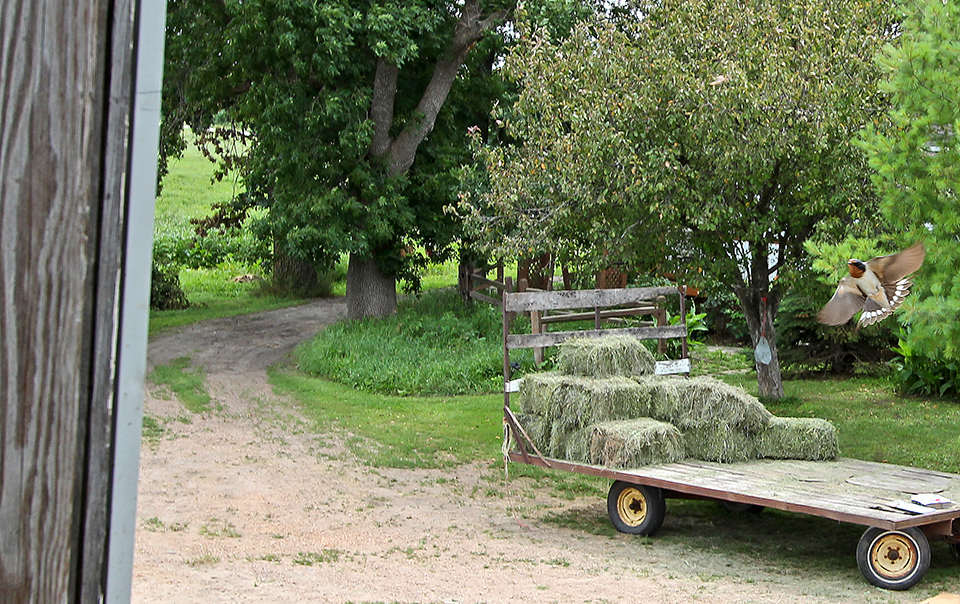
Birds dance atop fields of corn … a burst of orange Tanager, brilliant Blue Bird, the acrobatic, ever-present Swallows, A woodpecker’s crisp white-wing slices  the air…

thingsyousee5752

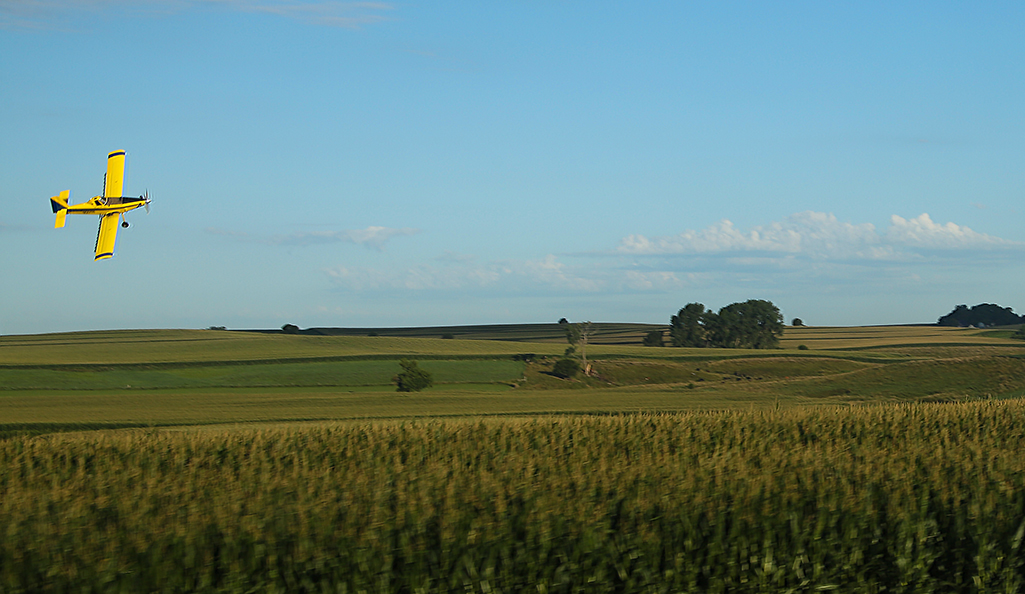
and swallow-like … the sweeps and turns of the yellow crop-duster — left side, right side. Now you see him. Now you don’t.

thingsyousee14

Sunlight plays off green waves of midseason soybean.

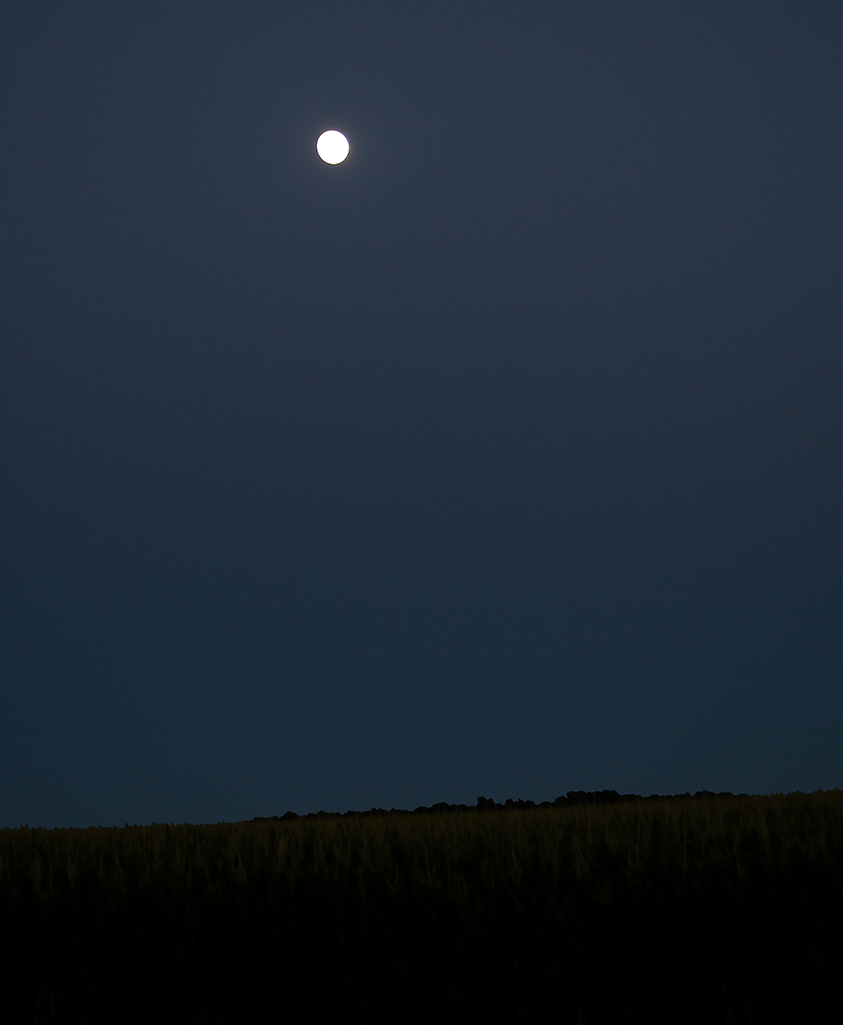
Corn, gold-fringe tasseled under the brilliant moon.

thingsyousee35

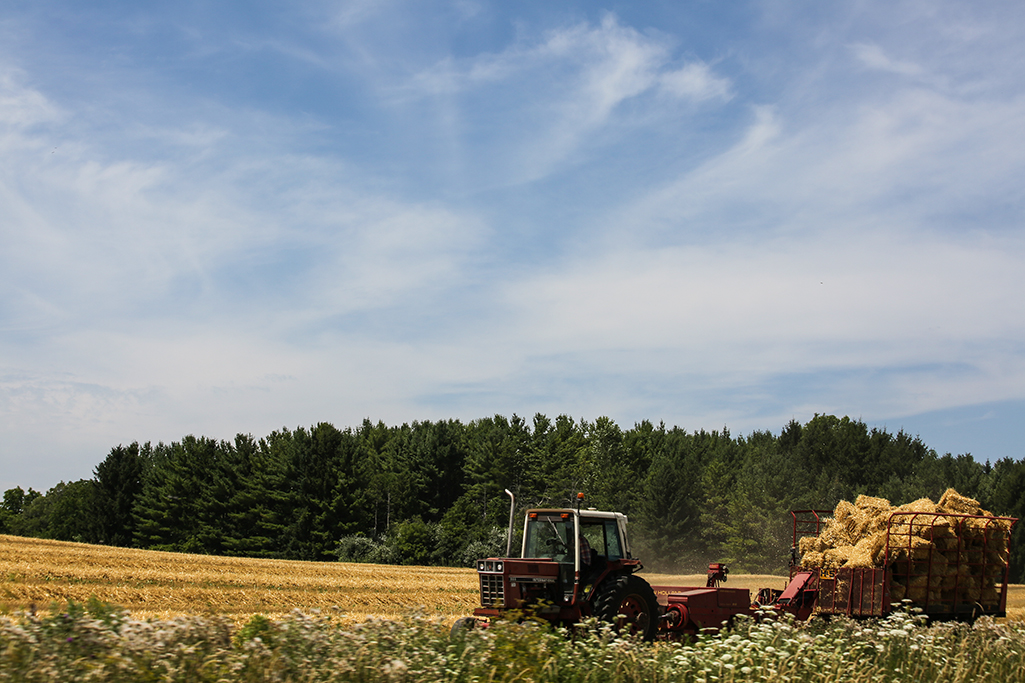
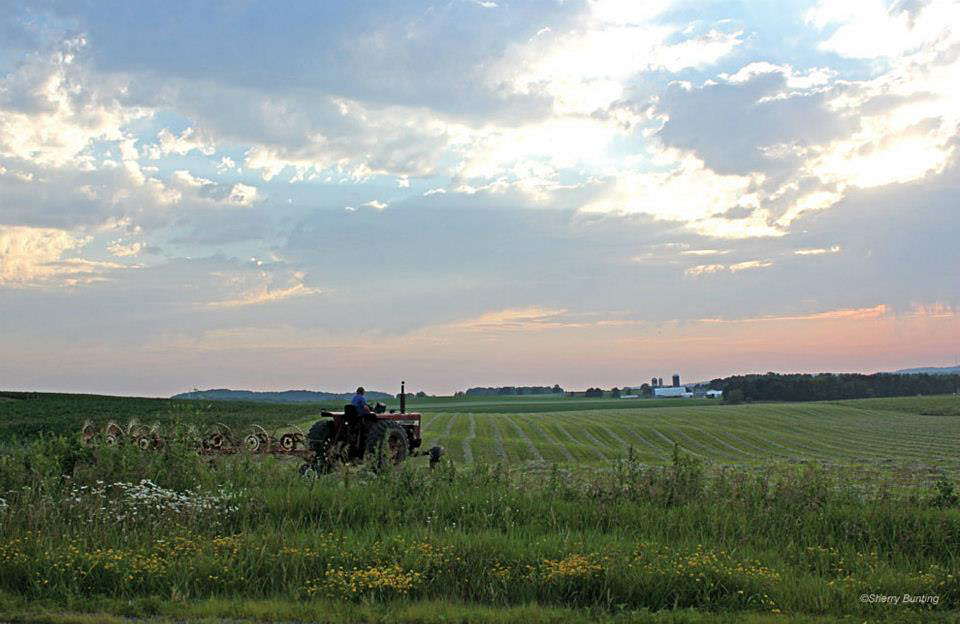
Tractors on a mission up and down the road… Everyone waves.
thingsyousee19

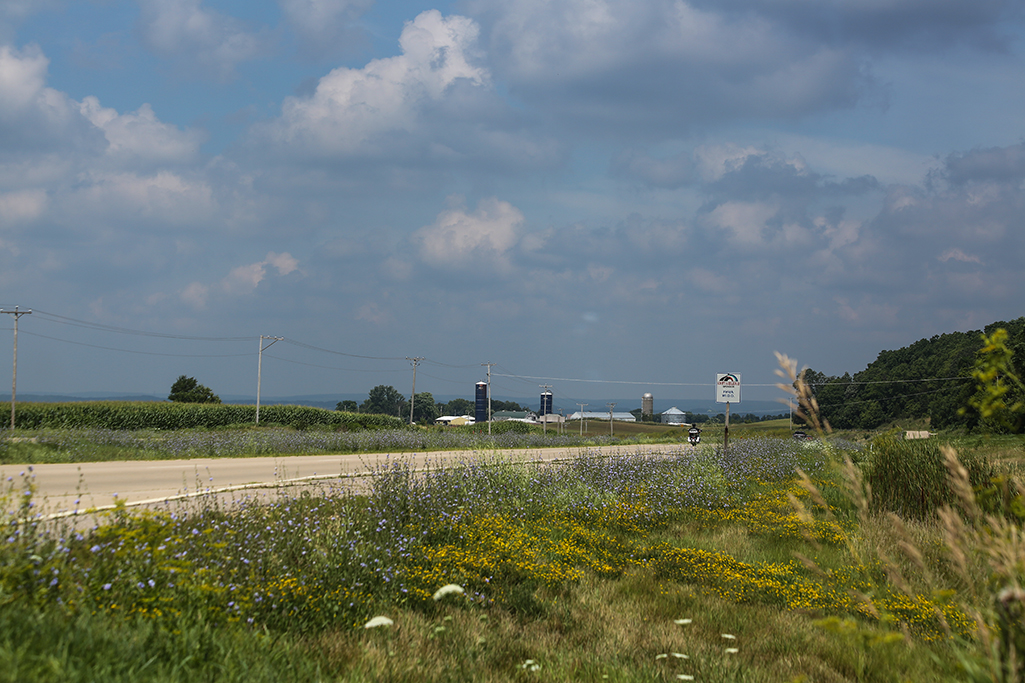
From Wisconsin to the Buffalo Ridge of Minnesota to Sioux Country and the Western Skies Scenic Byway…

thingsyousee25


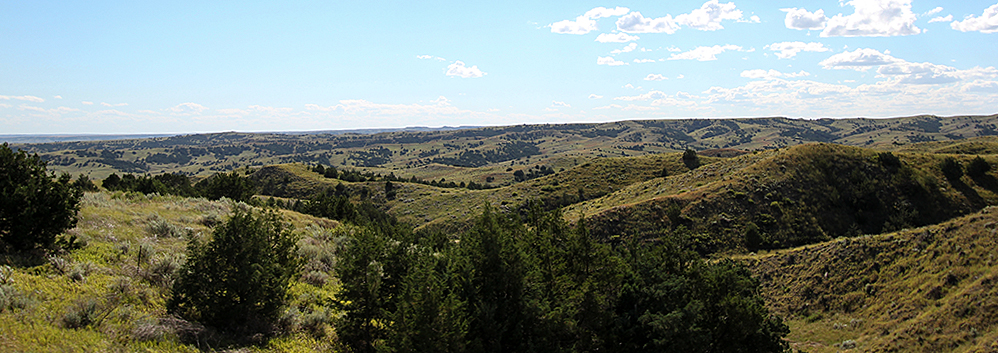
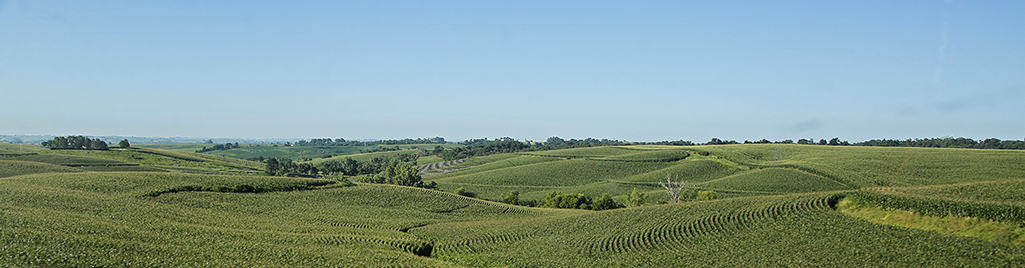
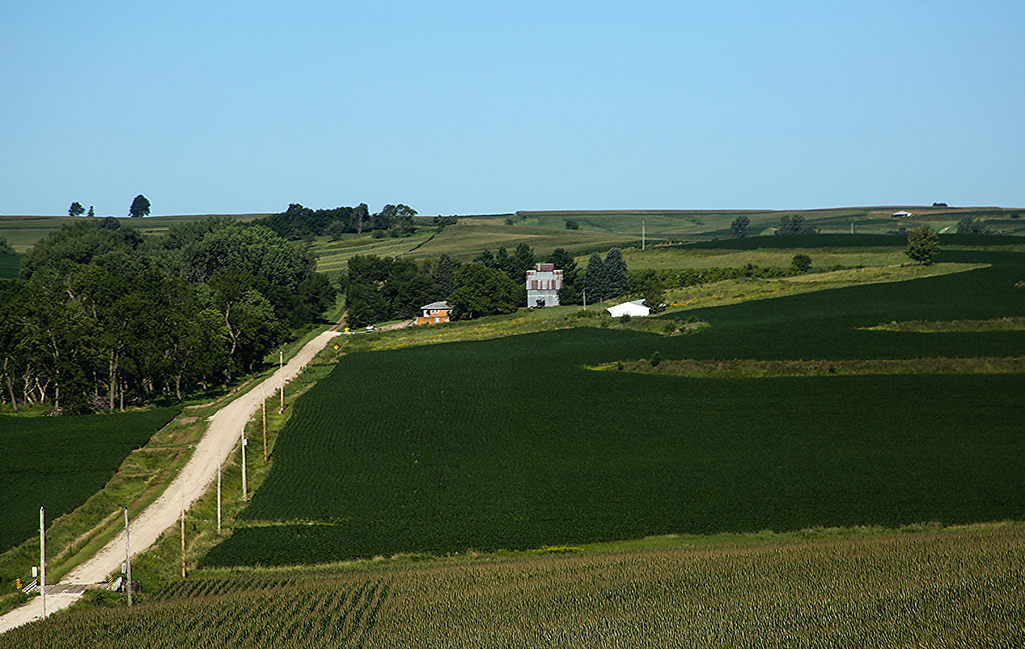
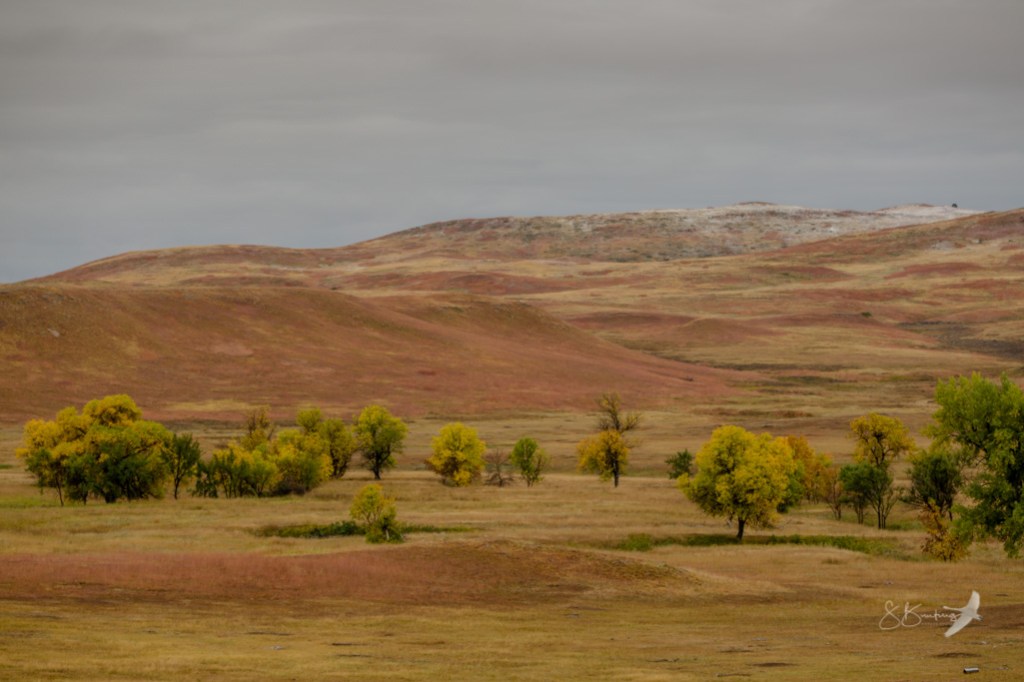
Rolling, potholed landscape almost like that of the Dakotas — where wheatgrass shimmers silvery and sage brushes gold the green sheen dotted by low cedars. But in western Iowa, gentler are the dips melding to the flat, allowing crops to be planted in organized rows that curve to the contours of the land.
thingsyousee87

thingsyousee13

Proud large Hawk atop a Green Barn. No time to stop.

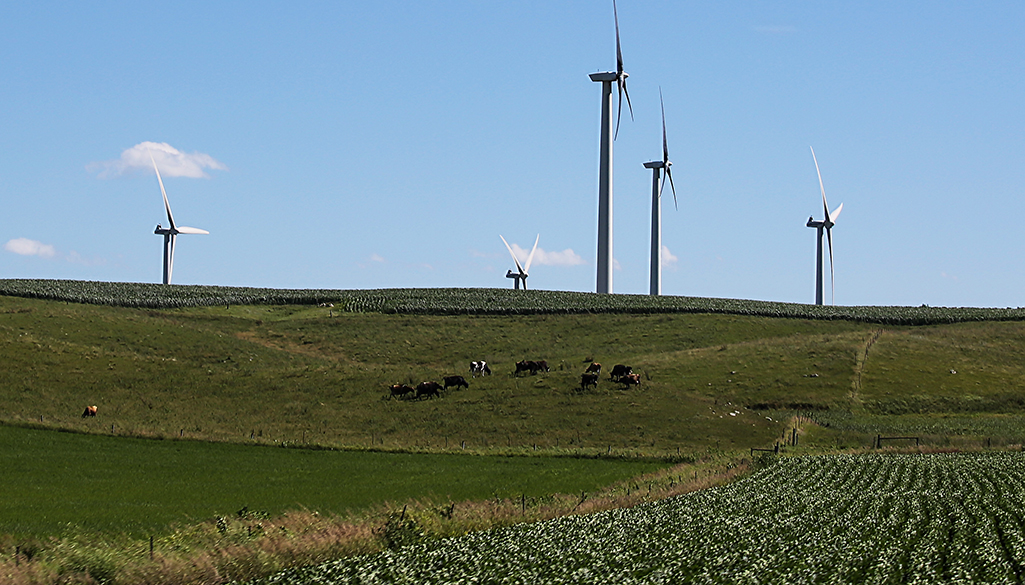
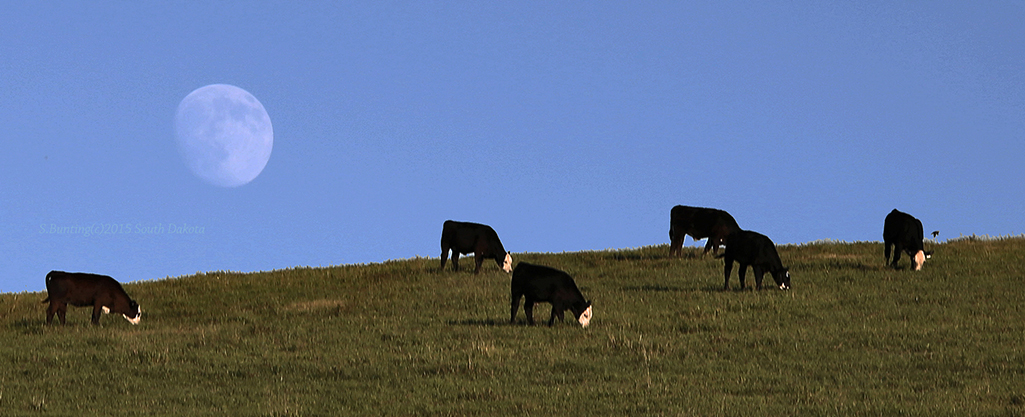
Cattle graze juxtaposed with large wind turbines of the Buffalo Ridge in Minnesota.

thingsyousee16

Rising tall and metallic from the carpet of green… grain elevators every 20 or 30 miles.
Lines of tractors and implements in a rainbowed density of reds, orange, greens and golds.
thingsyousee81

Small towns fringed with angularly parked pickup trucks – clods of dirt between treads as the creases of hard working hands at the wheel.
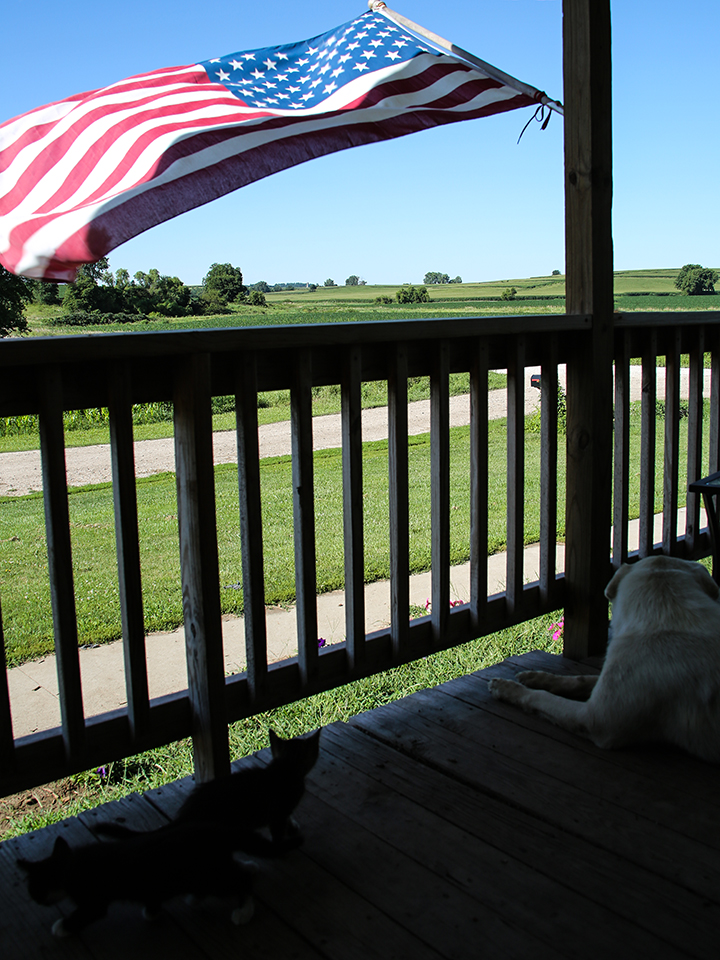
Flags diffuse light on front porches… proud fabric flies in the midst of cornfields, lining small town streets, atop grain elevators and silos.

thingsyousee12

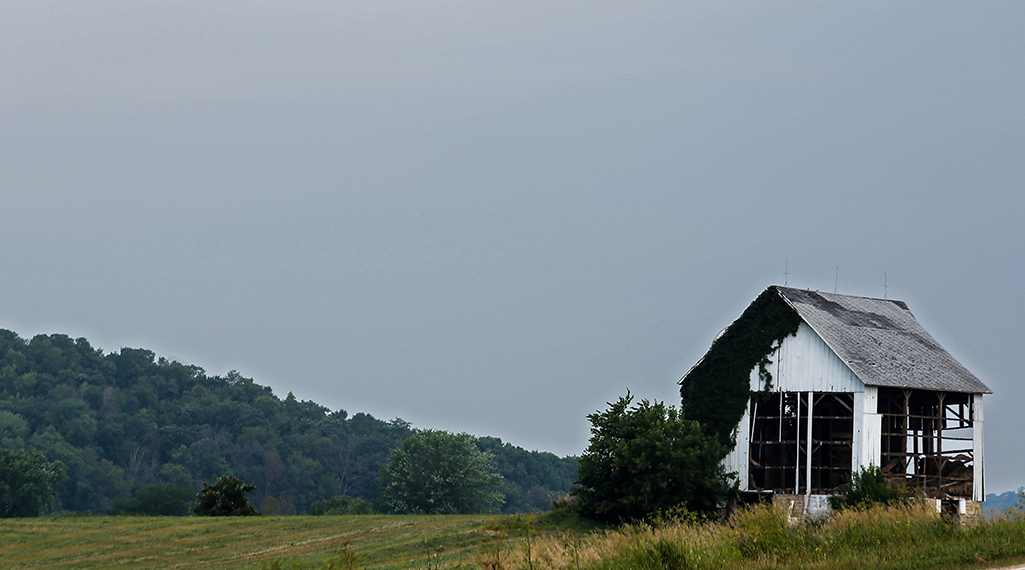
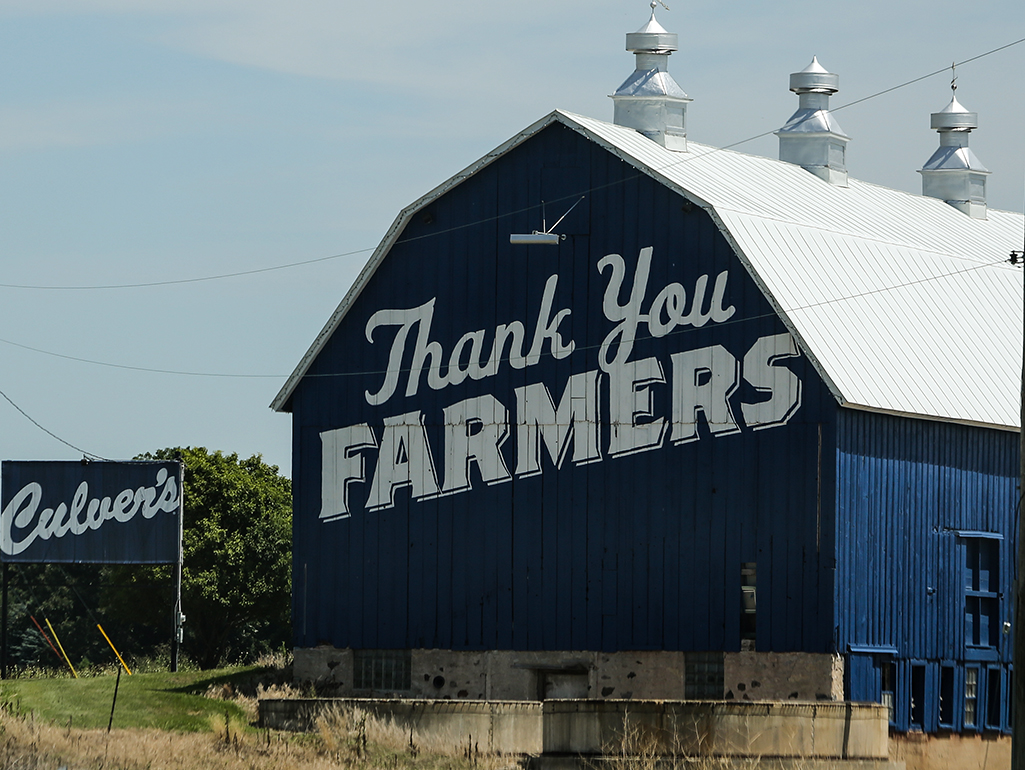
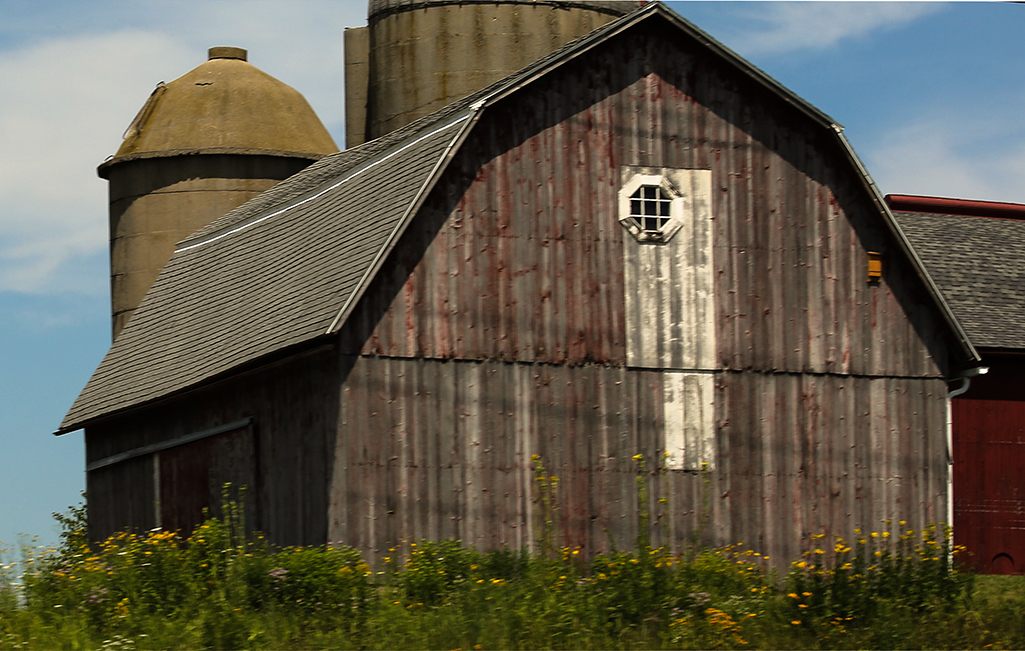
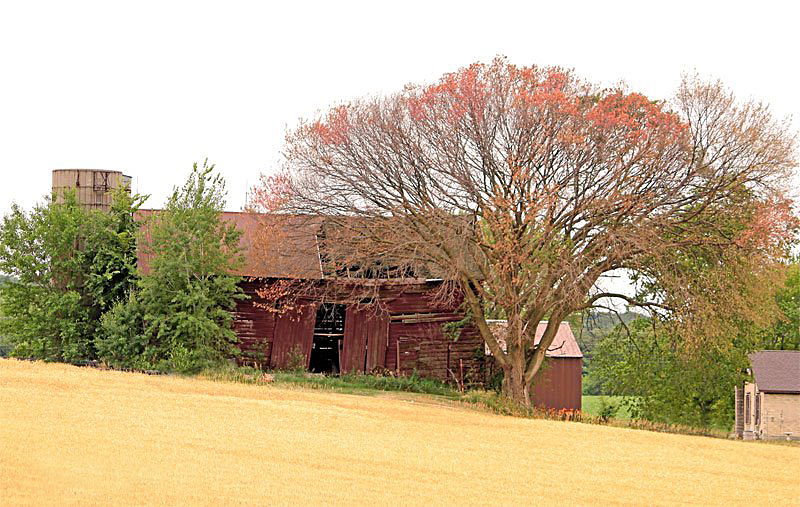
Synergy: old barns juxtaposed with new. Wood, weathered by age, what stories have they seen, will they tell?

flag barn thingsyousee222

thingsyousee80

thingsyousee86

thingsyousee83

thingsyousee85

thingsyousee7

thingsyousee11

thingsyousee26

An old man’s grave from the 1800’s, buried right where he fell walking home from church… a family farming there now farms around the odd space each season.

From the pushed up earth to the flats where one imagines torrents of water resting to round sharp edges into mounds that become smaller as they come together in a swath that eventually lay across miles so flat as to suggest no horizon.

Radio on. Squawking the town’s happenings: a Saturday night fire hall dinner. The local softball standings. A community parade. Radio commentary so thick with farm talk and market reports, suggesting an area, an era, insulated from the coldness of an outside world depending on them for sustenance.

thingsyousee21

Delicate hues soften weathered wood.

thingsyousee20

thingsyousee84

Sandpipers and plover find morsels of grain amid a stiffened manure lagoon.

Two white ducks peer into a farm shop door. Two pigs laying on the concrete stare back… and the chorus that accompanies the leisurely standoff.

A sun-bleached road like ribbon punched through rain-fed emerald green soybeans disappears into another sea foam green of a grassy knoll, meeting the blended hues of the evening’s summer sky.

thingsyousee6

thingsyousee9

thingsyousee212038718_10208305567380955_984244853511889997_o (1).jpg

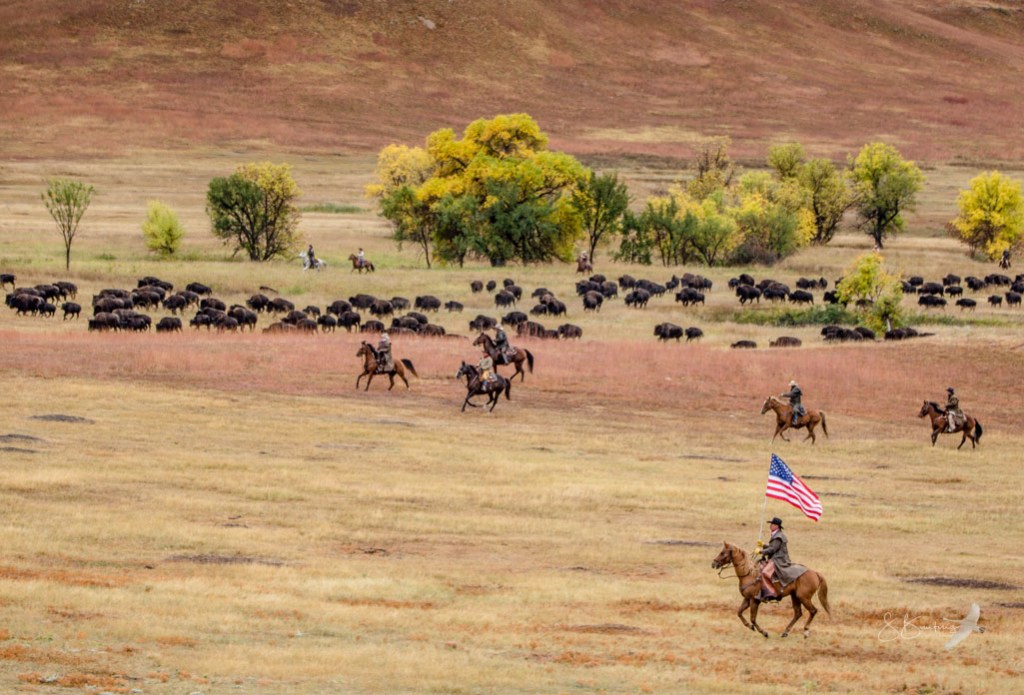
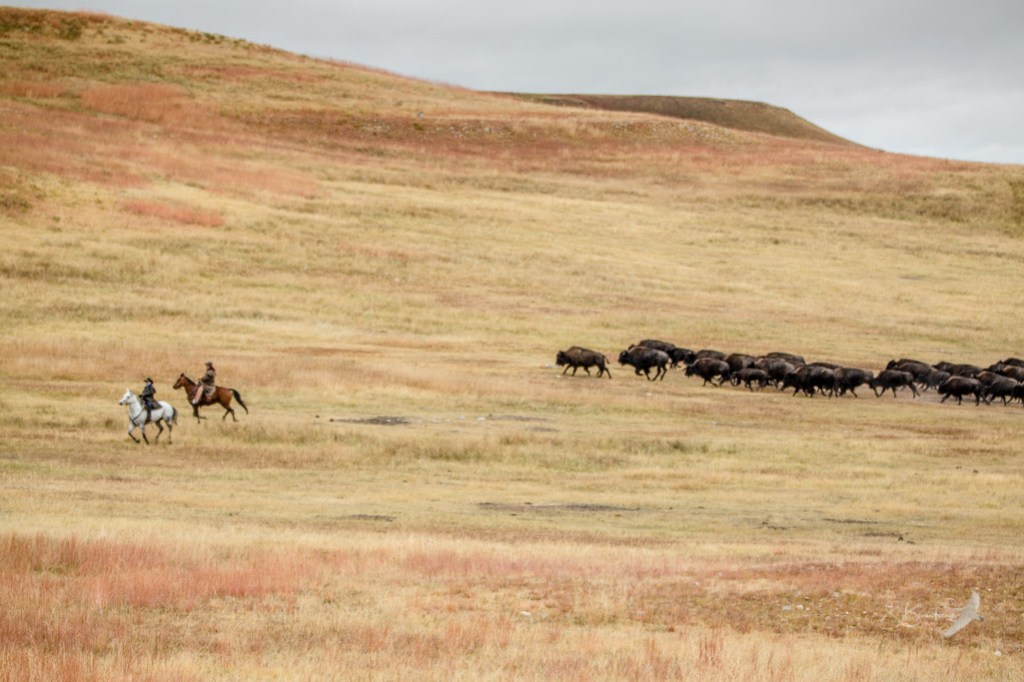
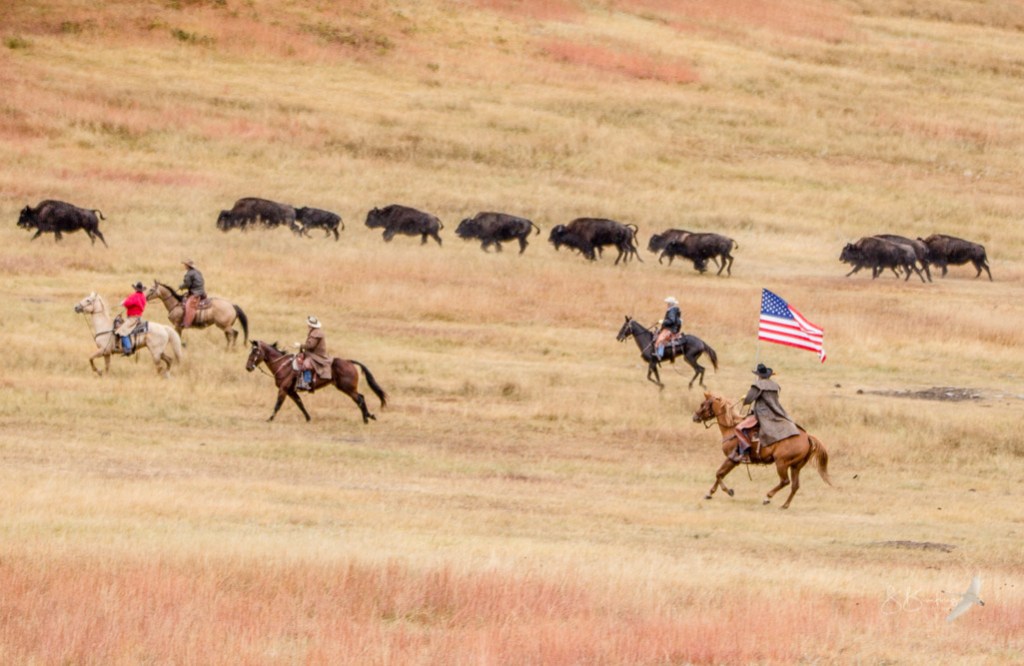
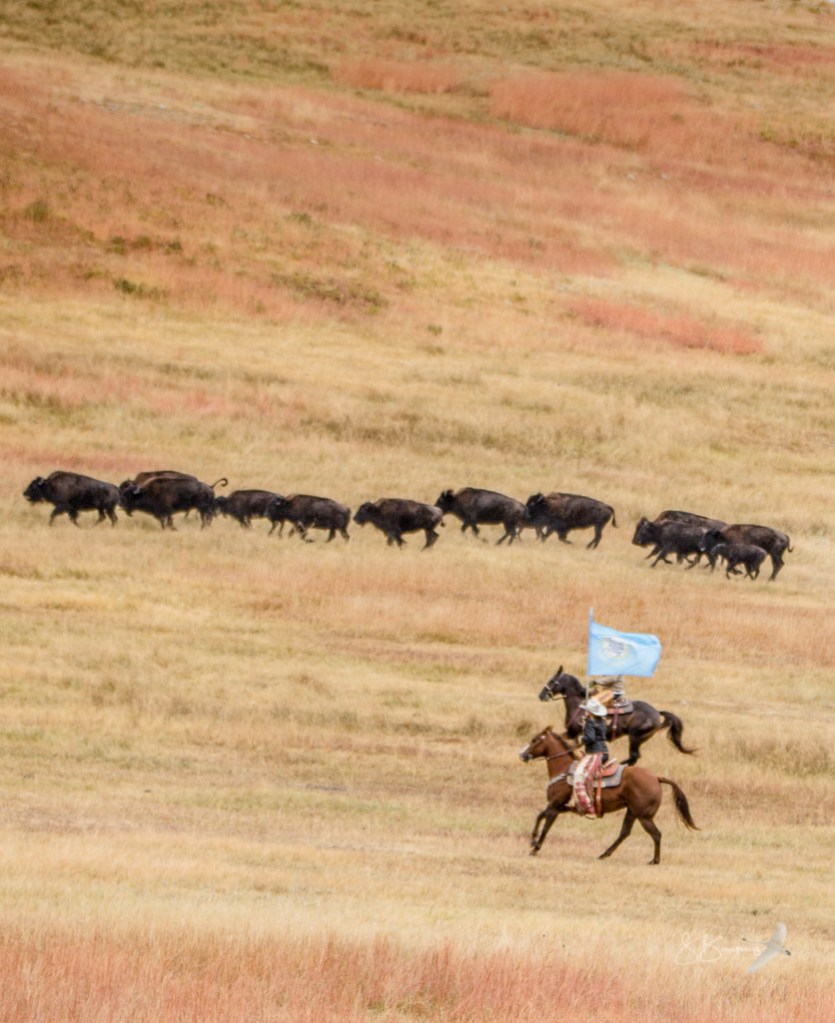
Buffalo Roundup x 4!

custer-61

By Sherry Bunting (@agmoos)

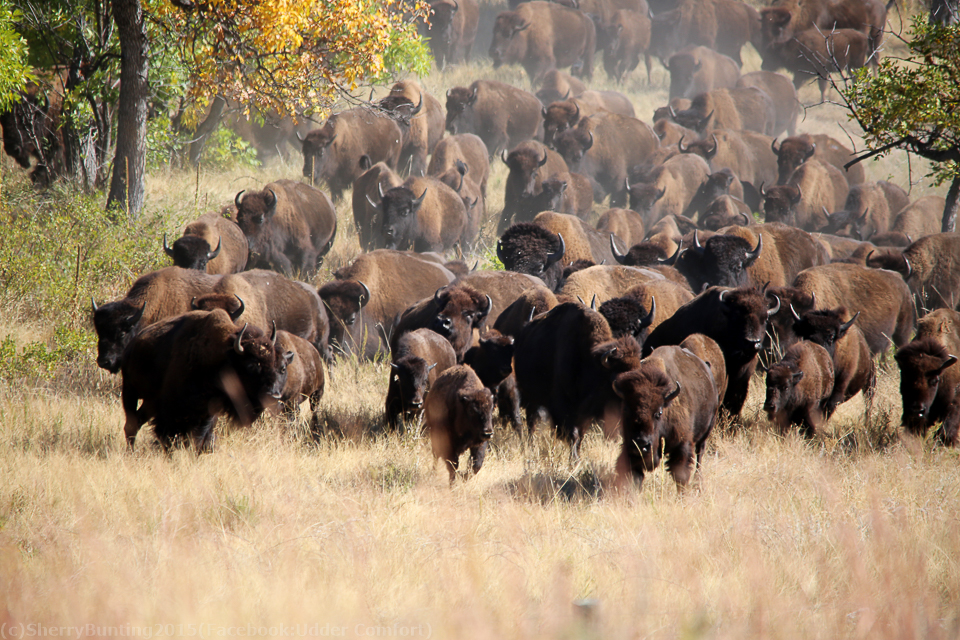
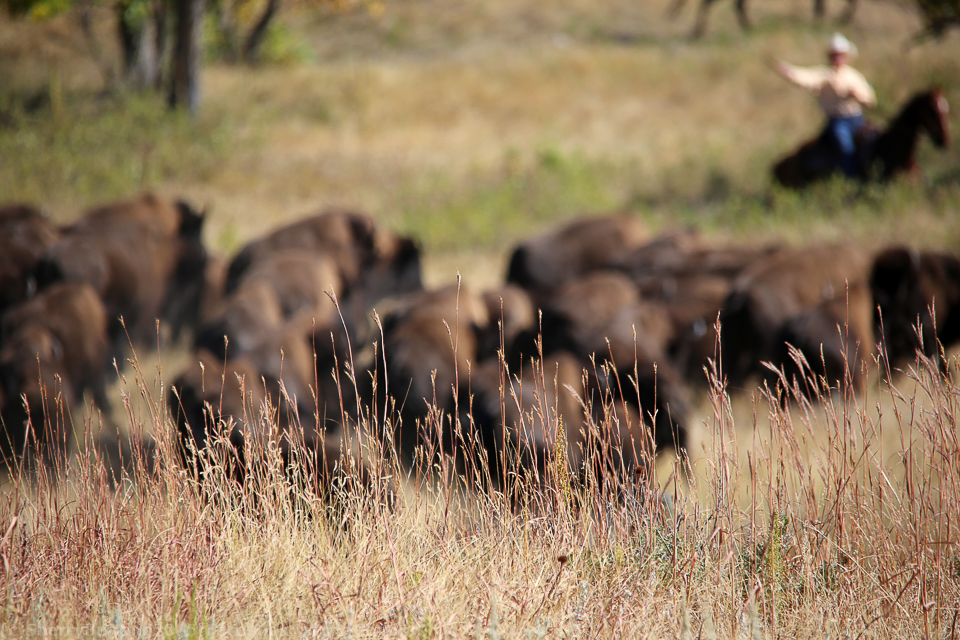
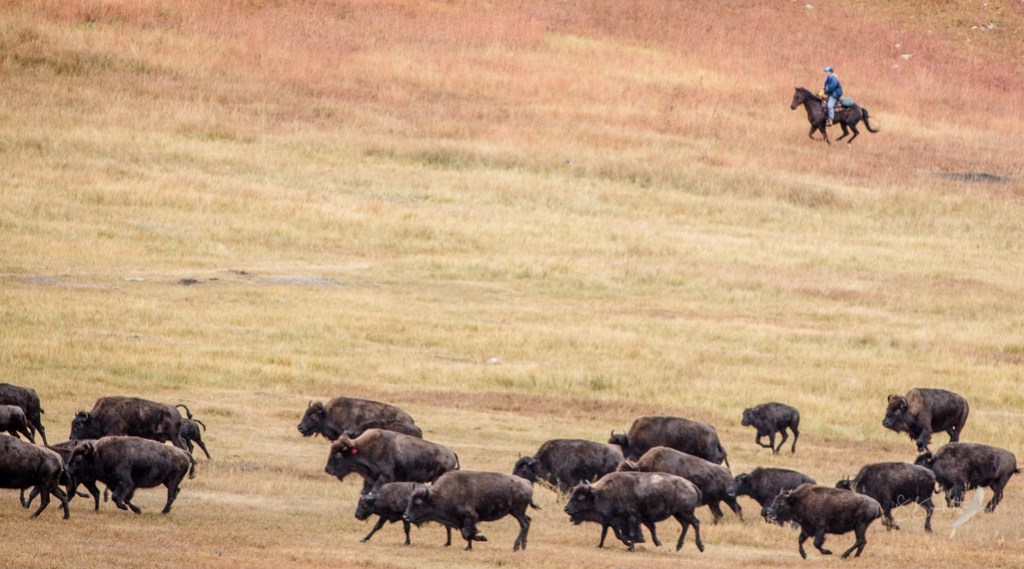
Imagine millions of buffalo thundering across grasslands extending into what seems infinity….

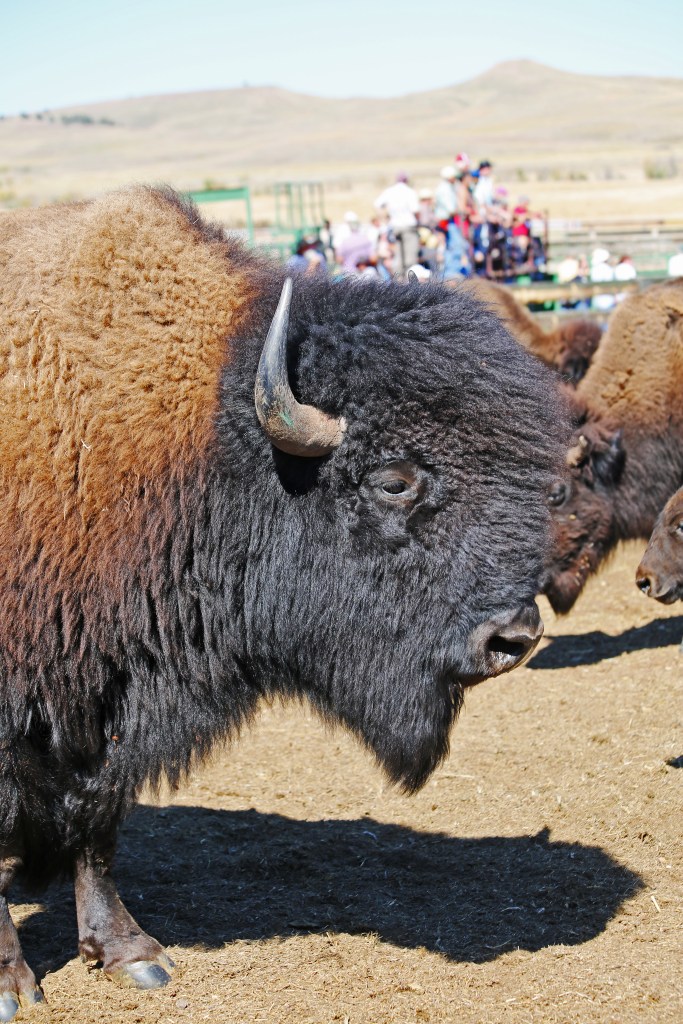
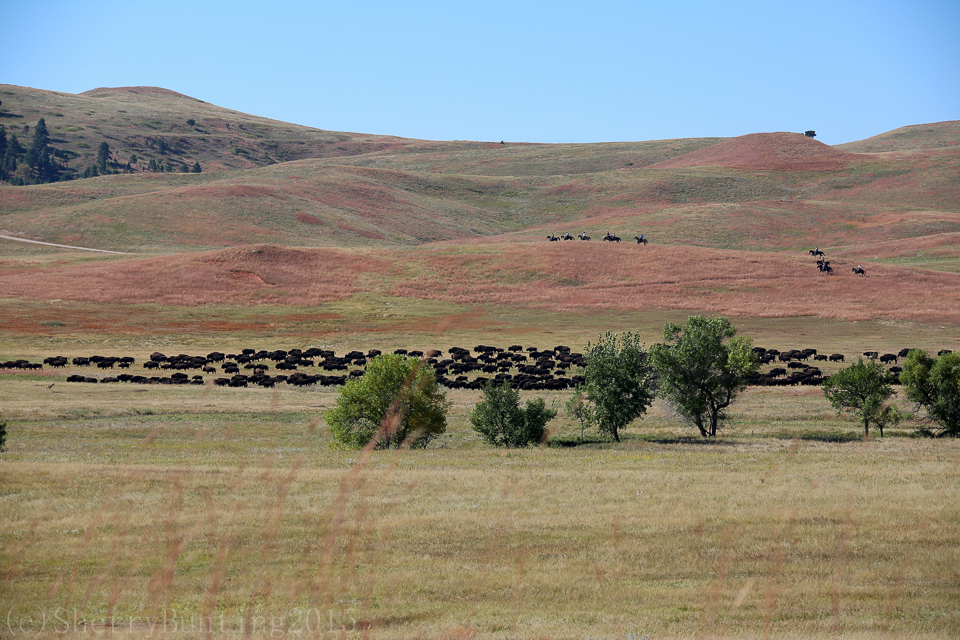
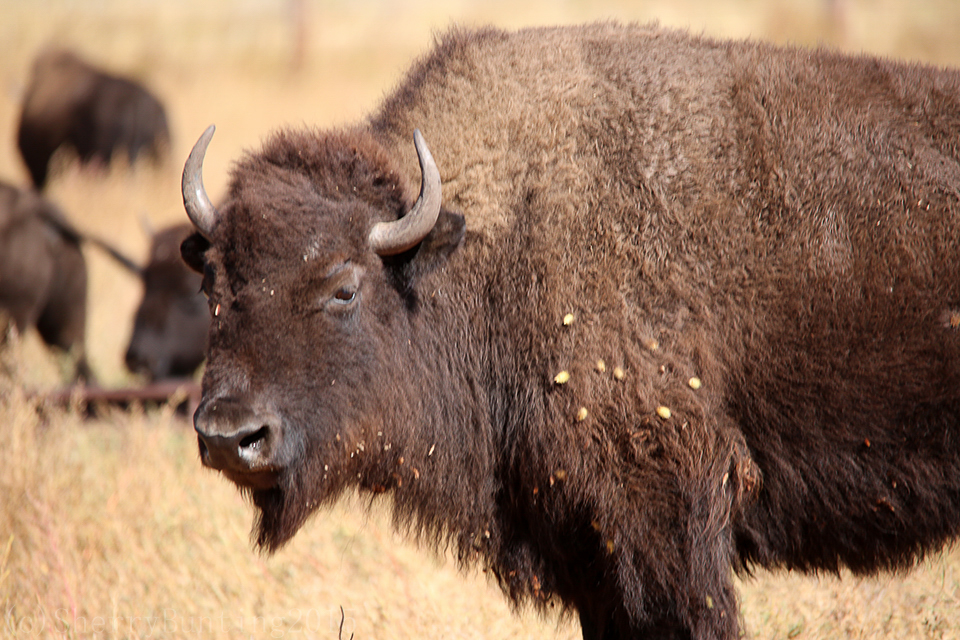
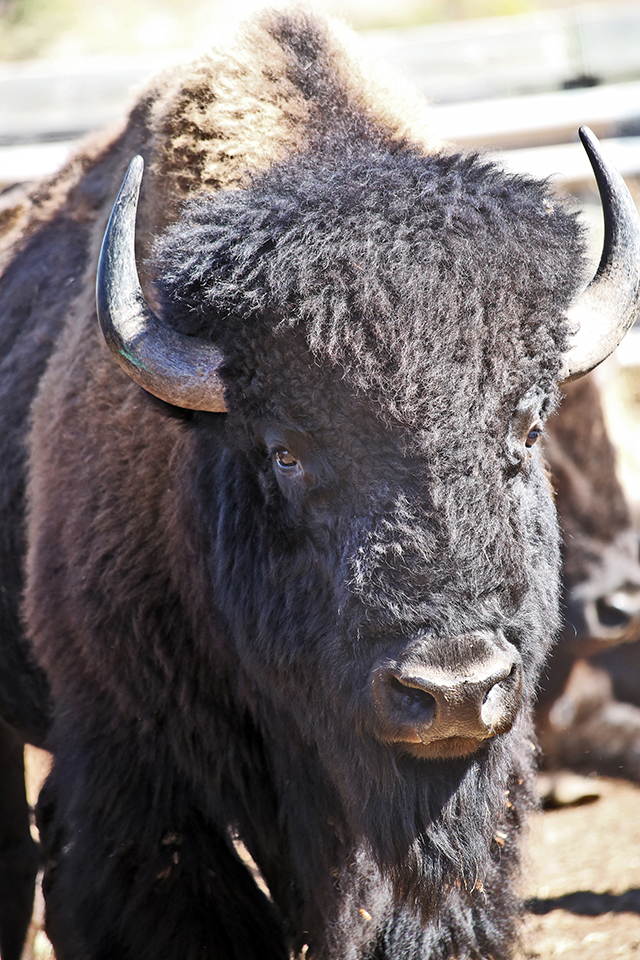
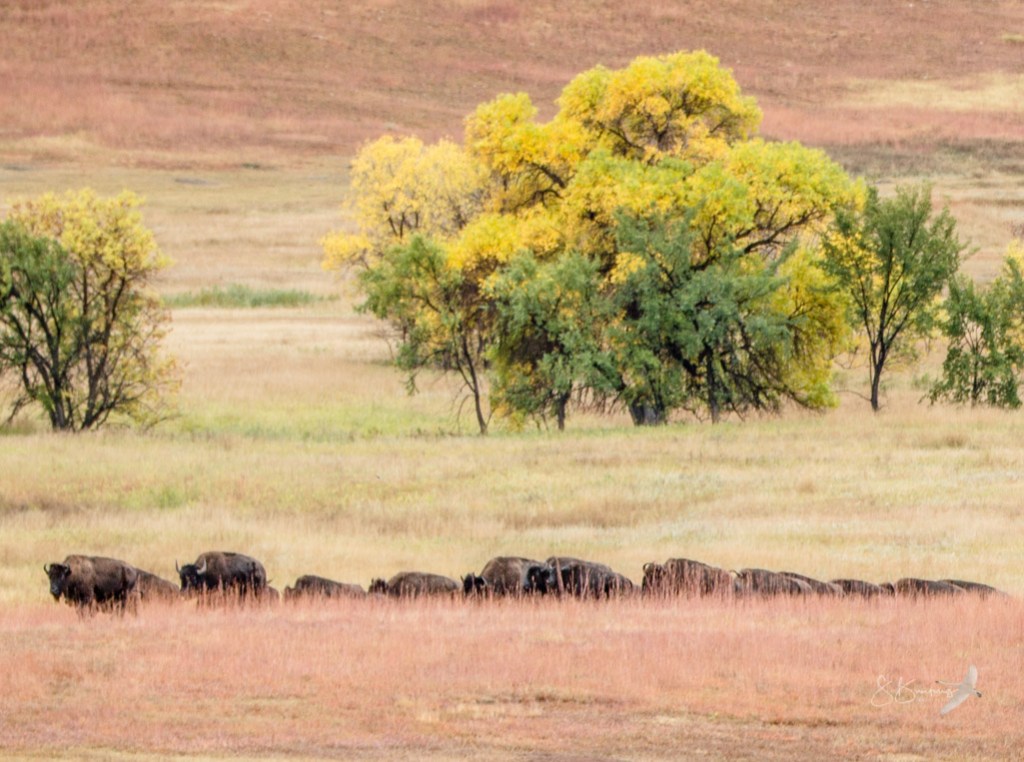
There are a few billion more humans on the planet today than when settlers first homesteaded the Great Plains. Buffalo numbers dwindled, but over the past 100 years, herds like the one at Custer State Park, South Dakota, have bolstered the North American population to half a million.

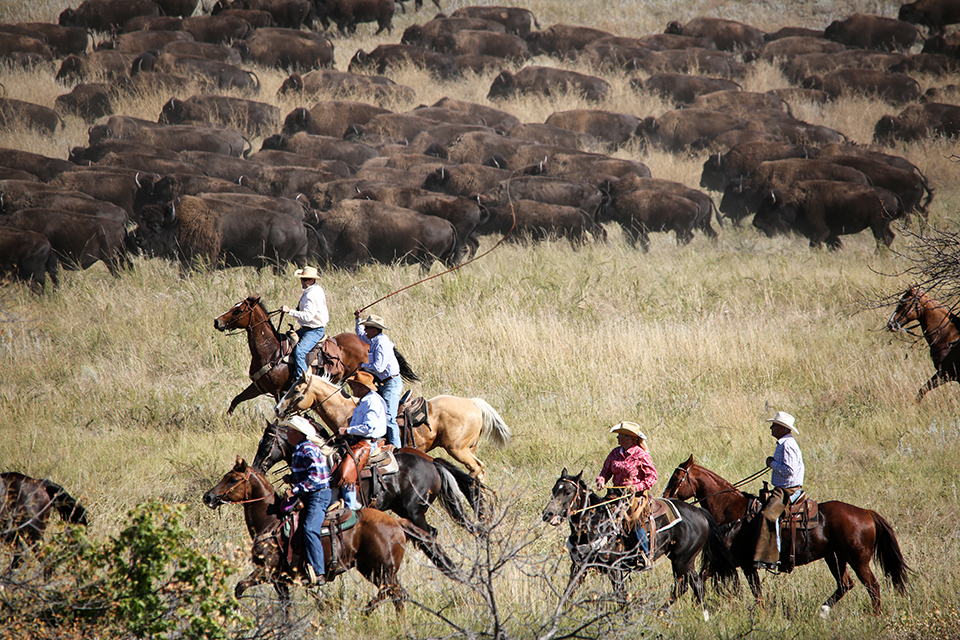
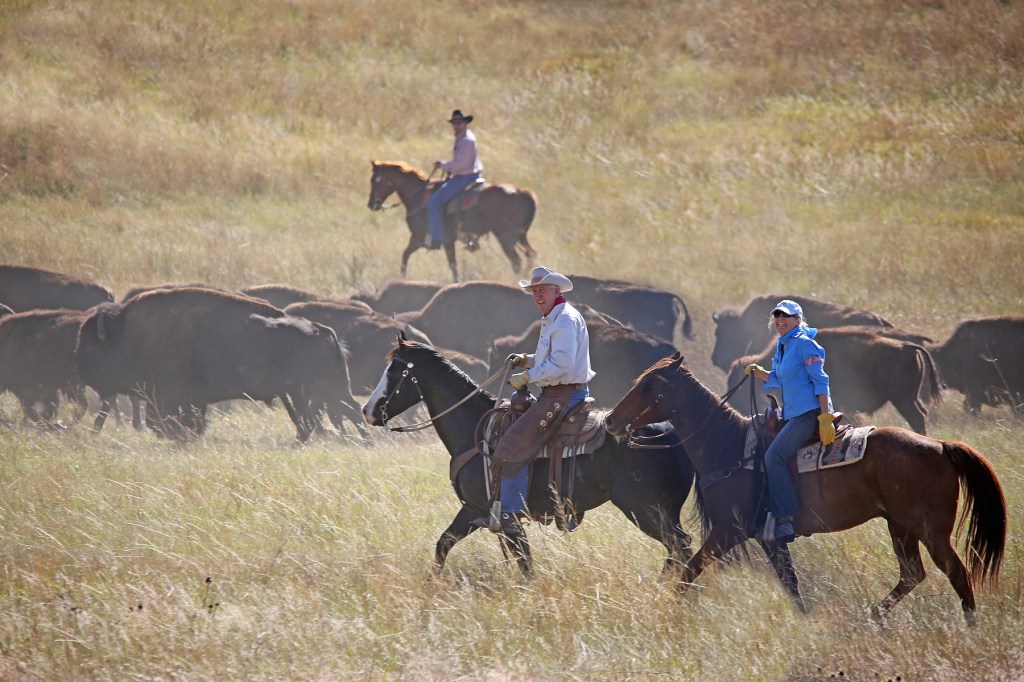
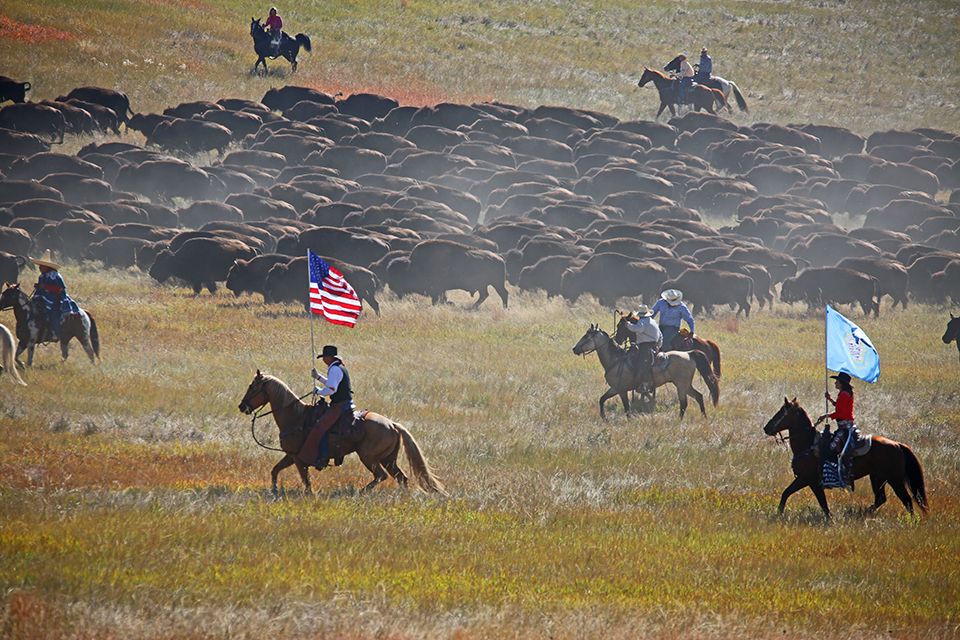
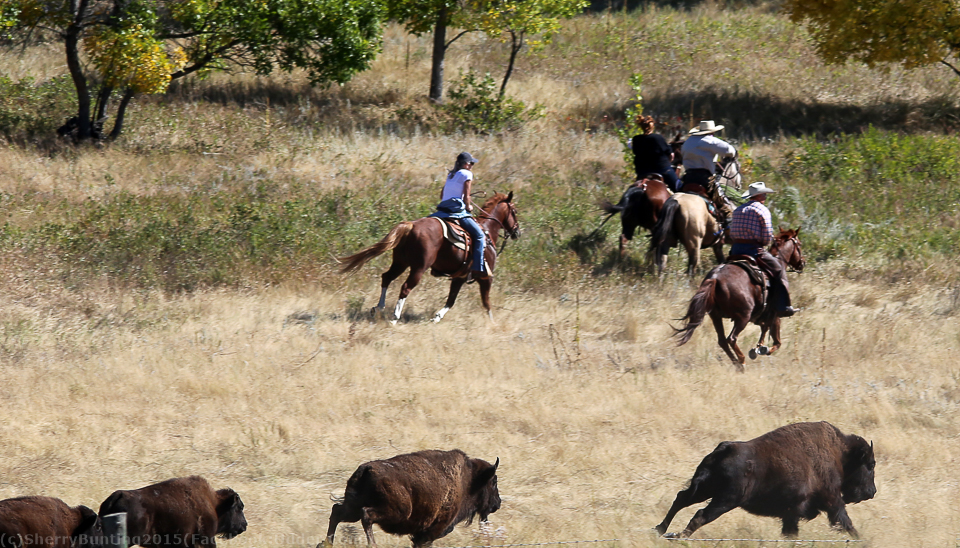
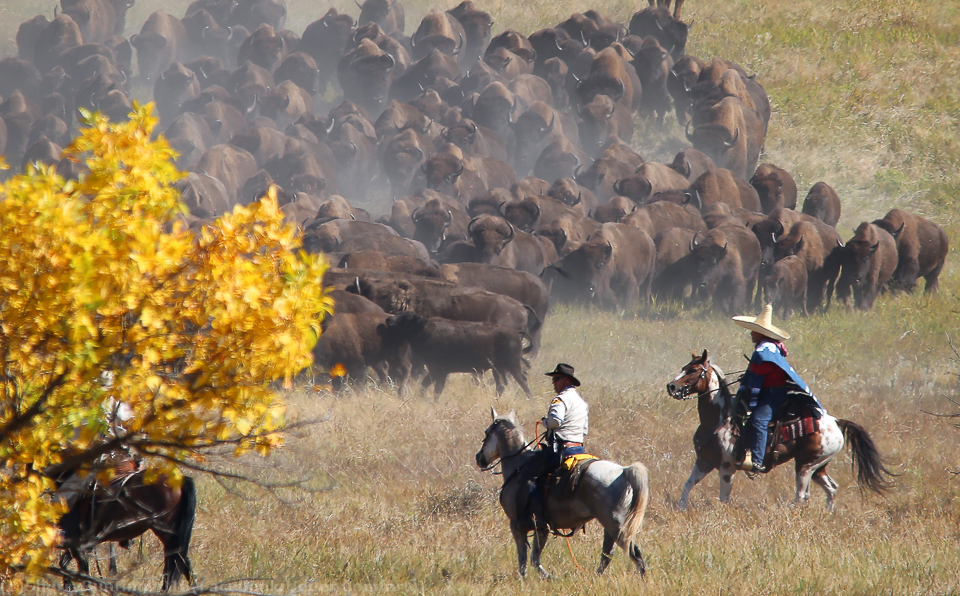
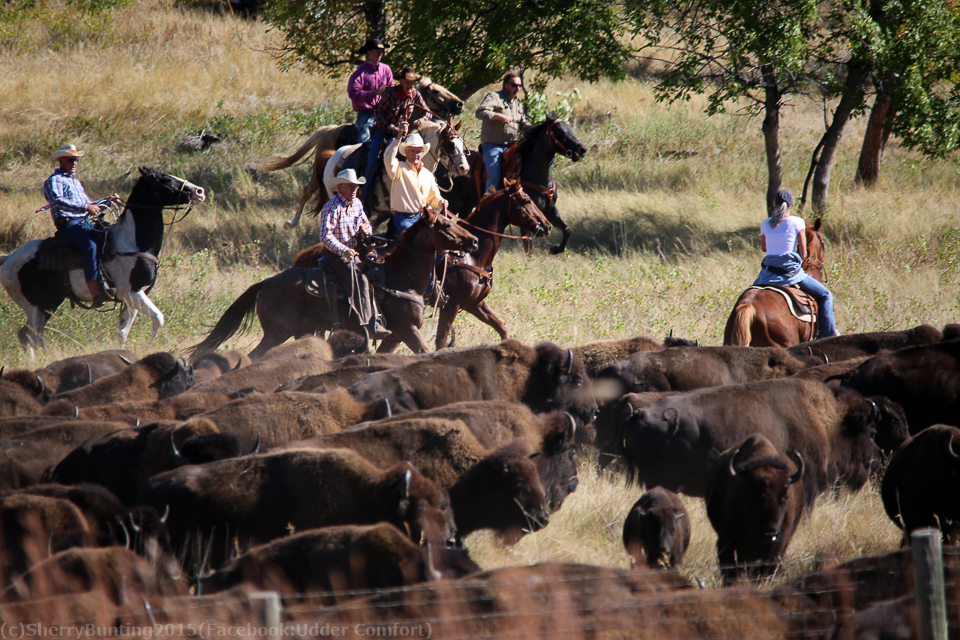
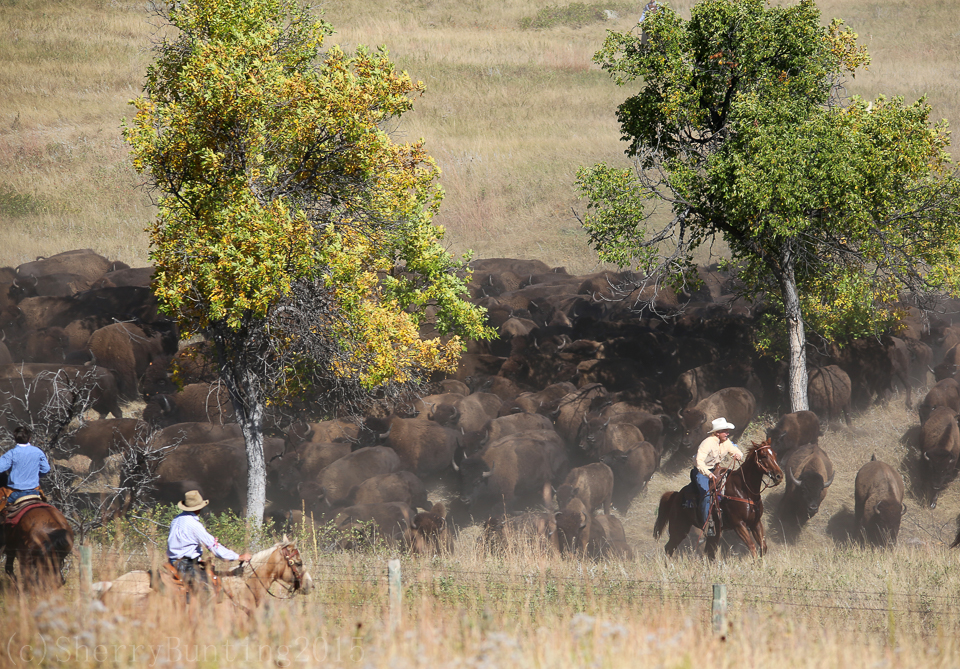
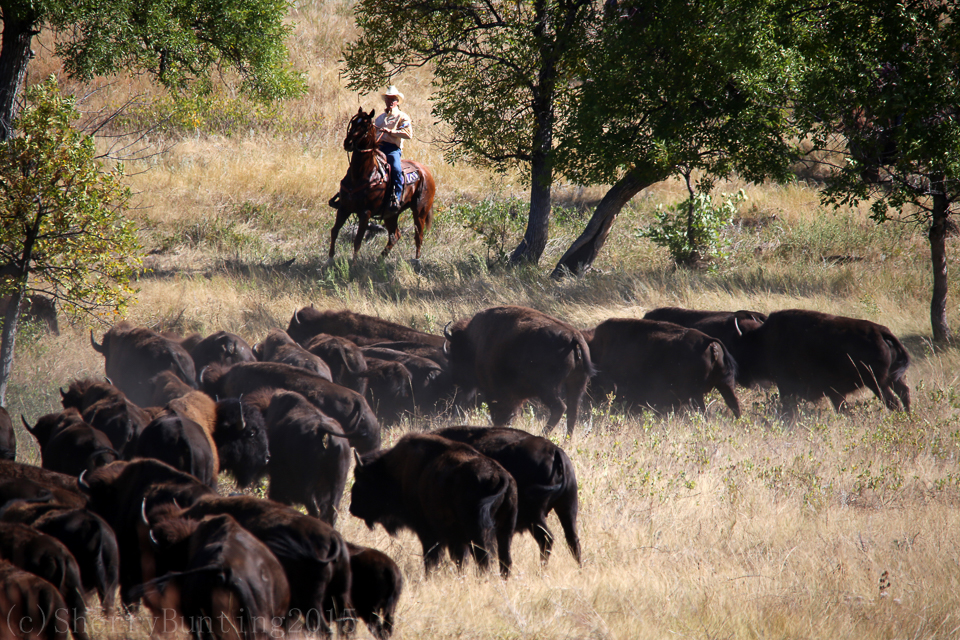
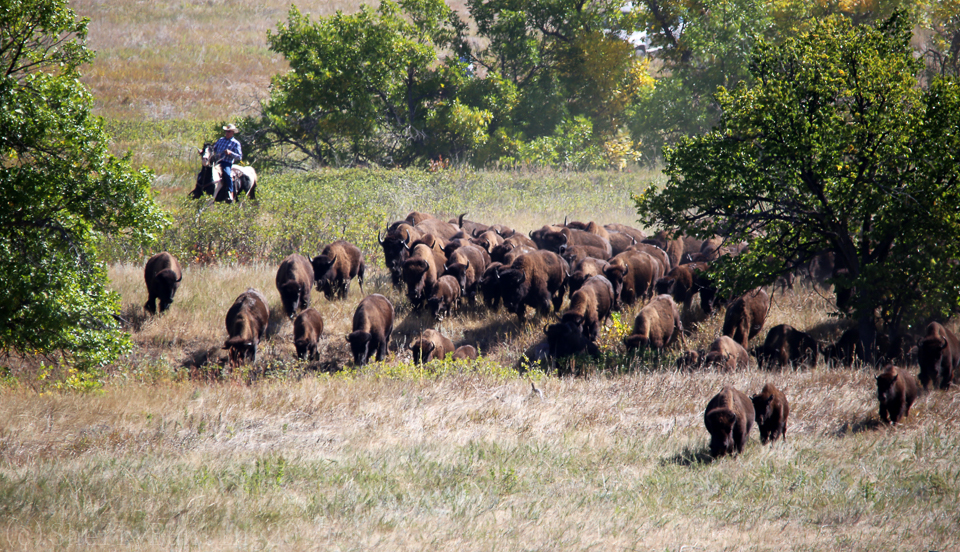
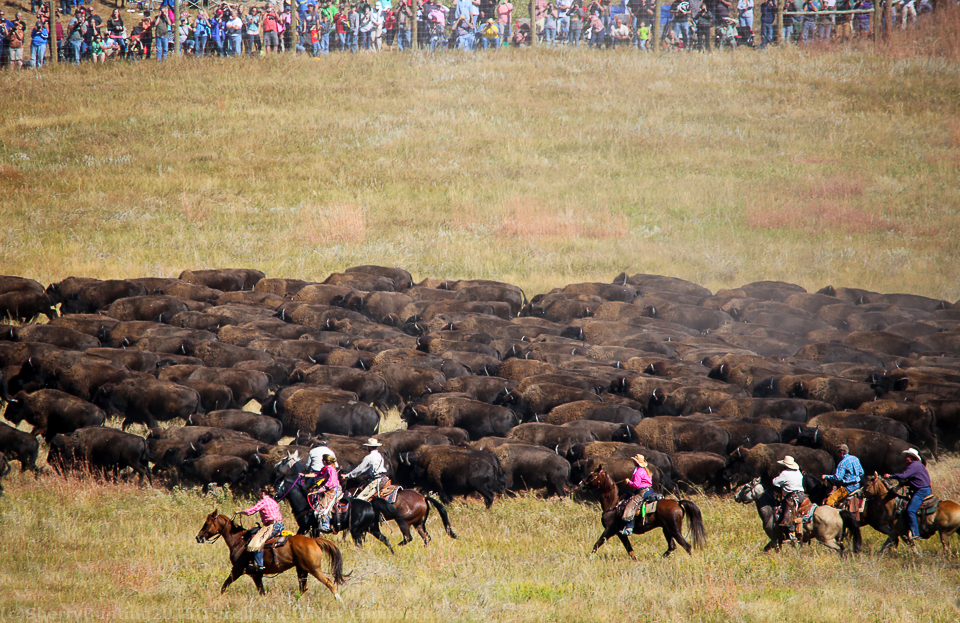
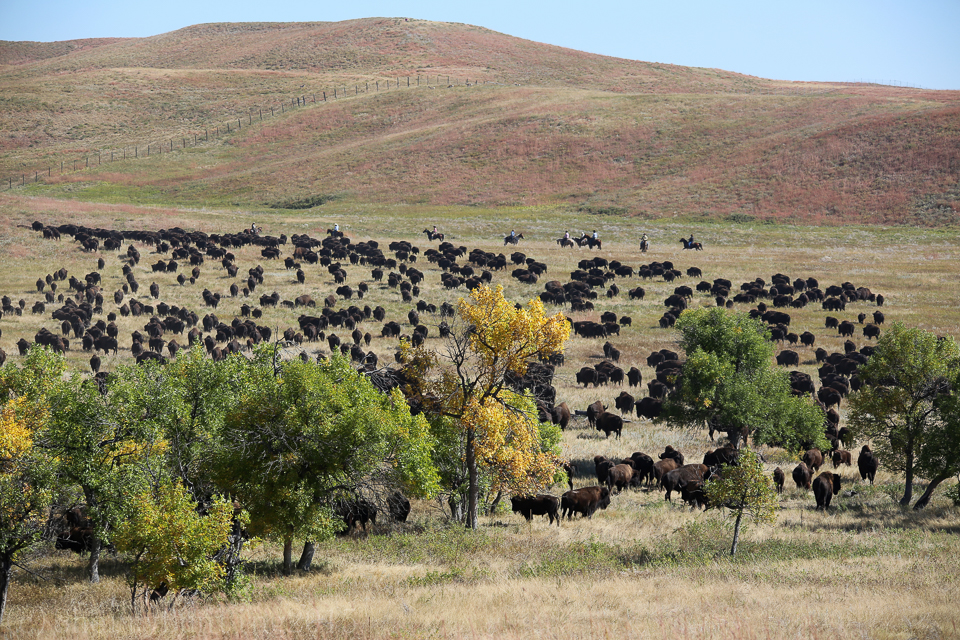
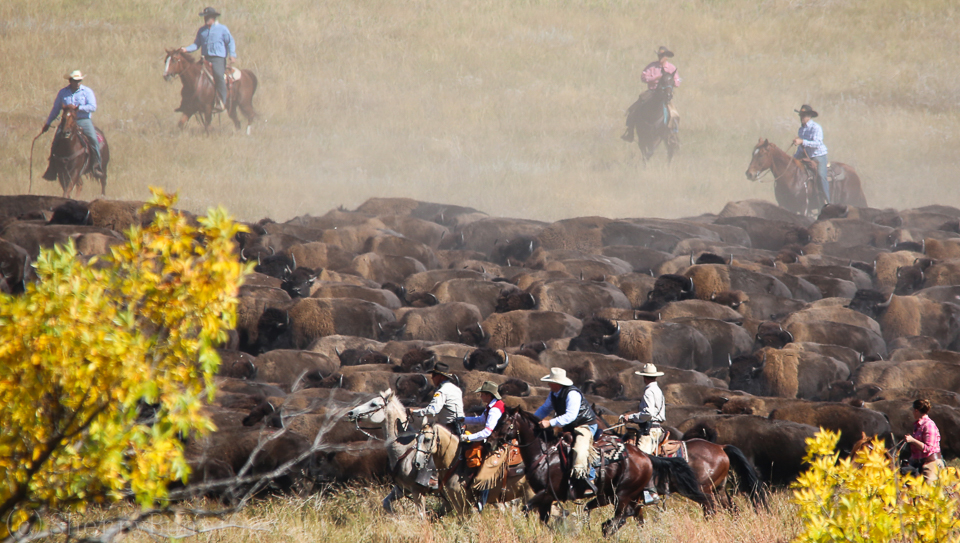
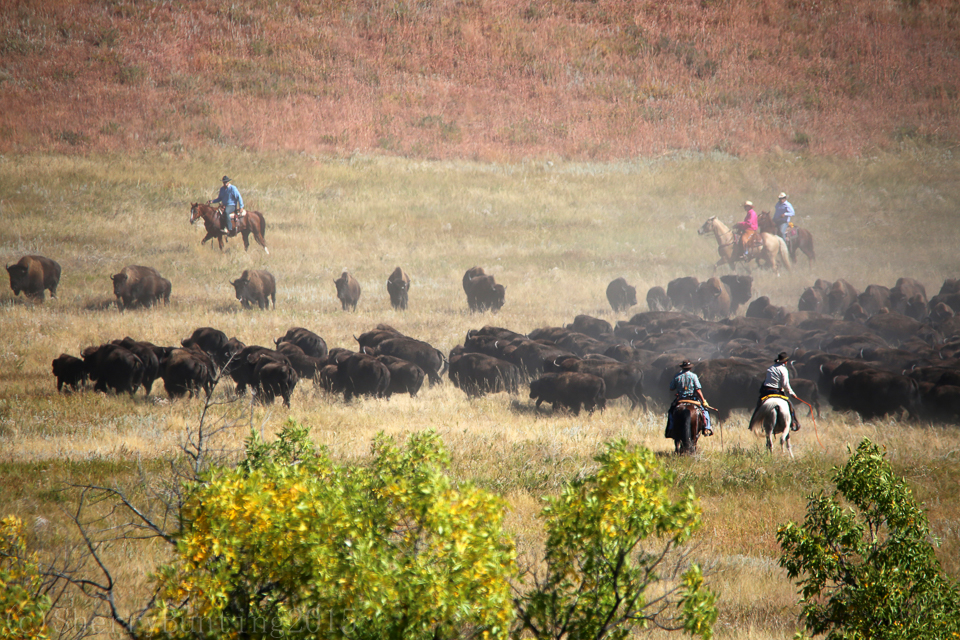
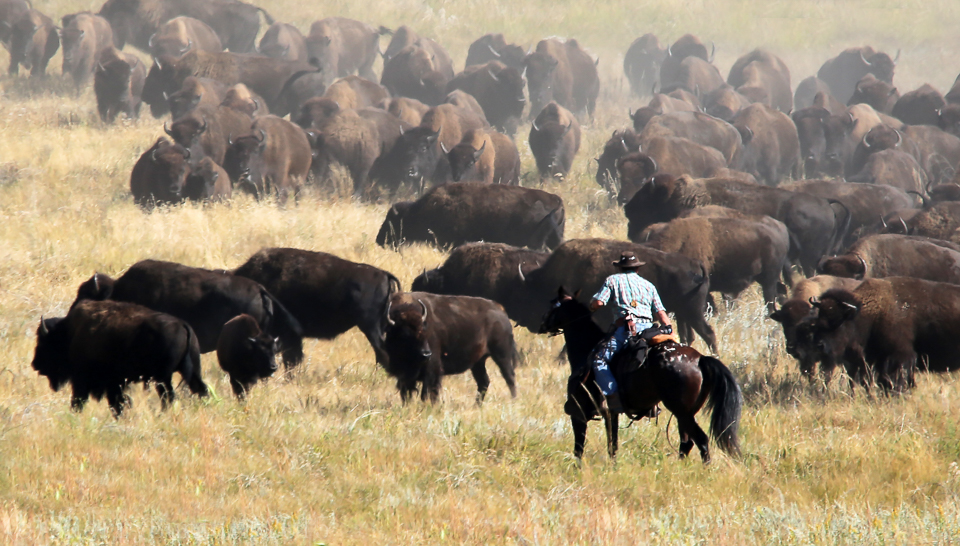
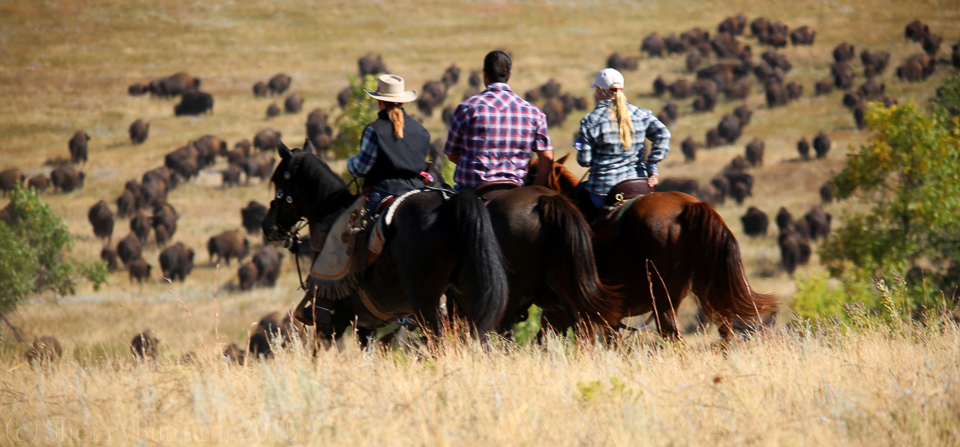
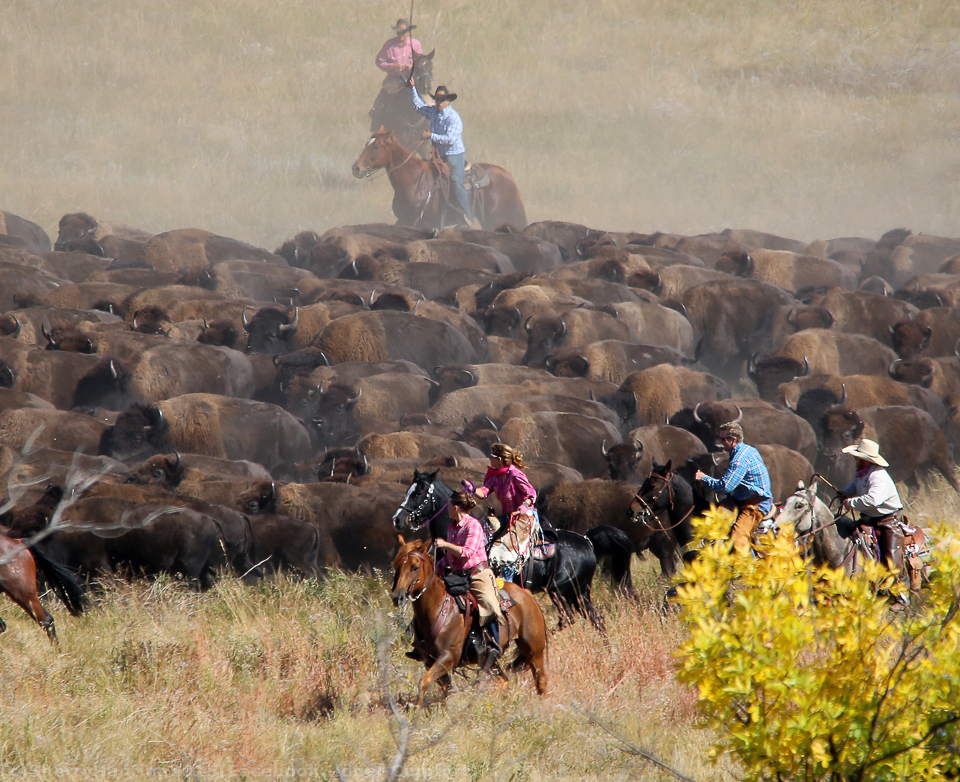
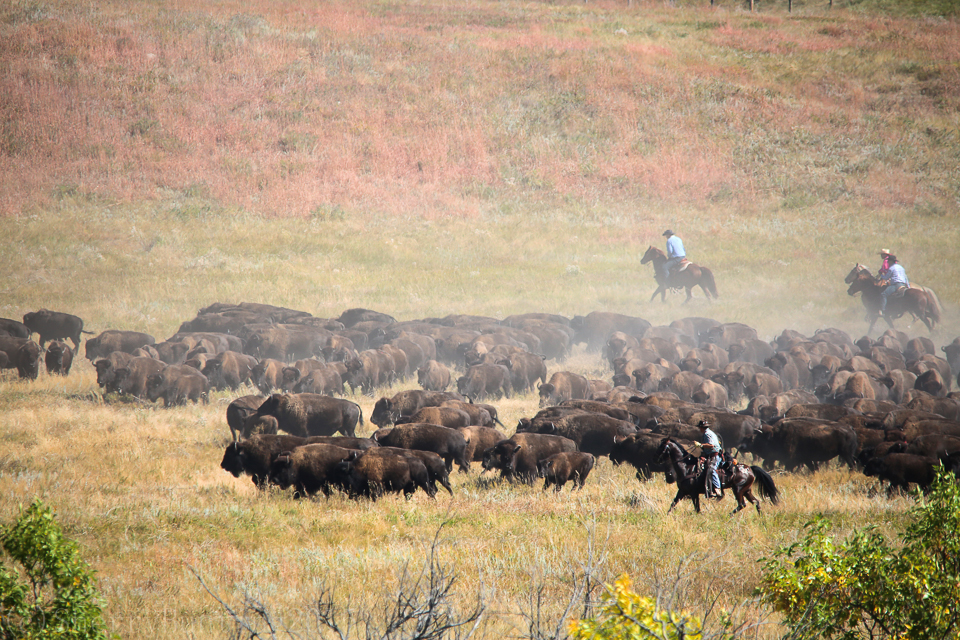
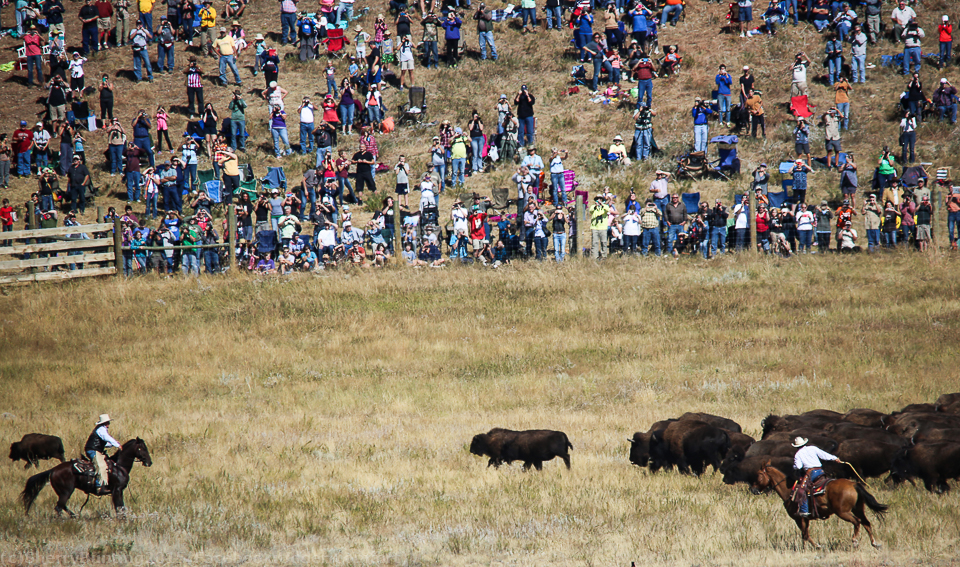
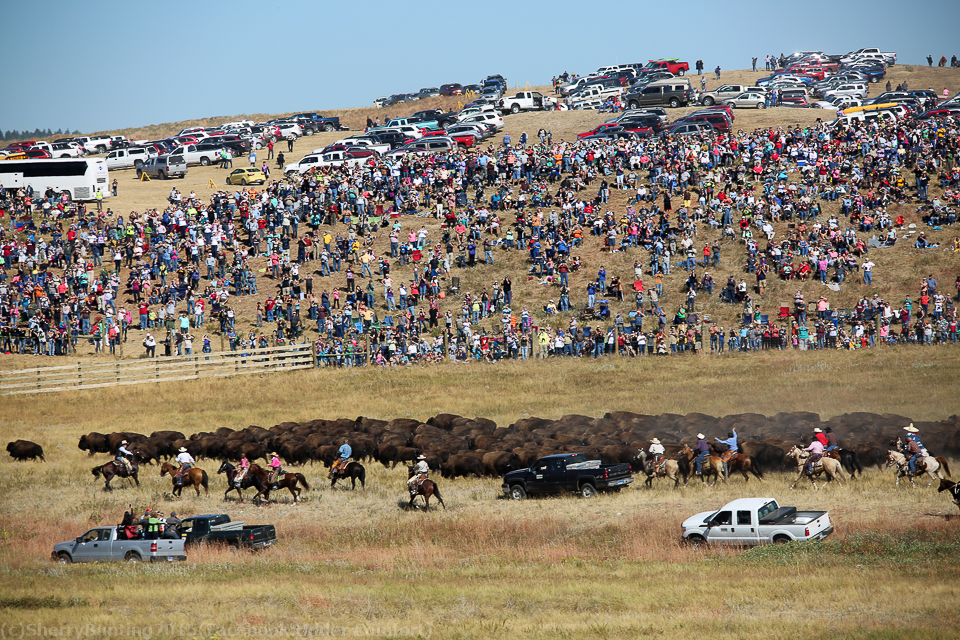
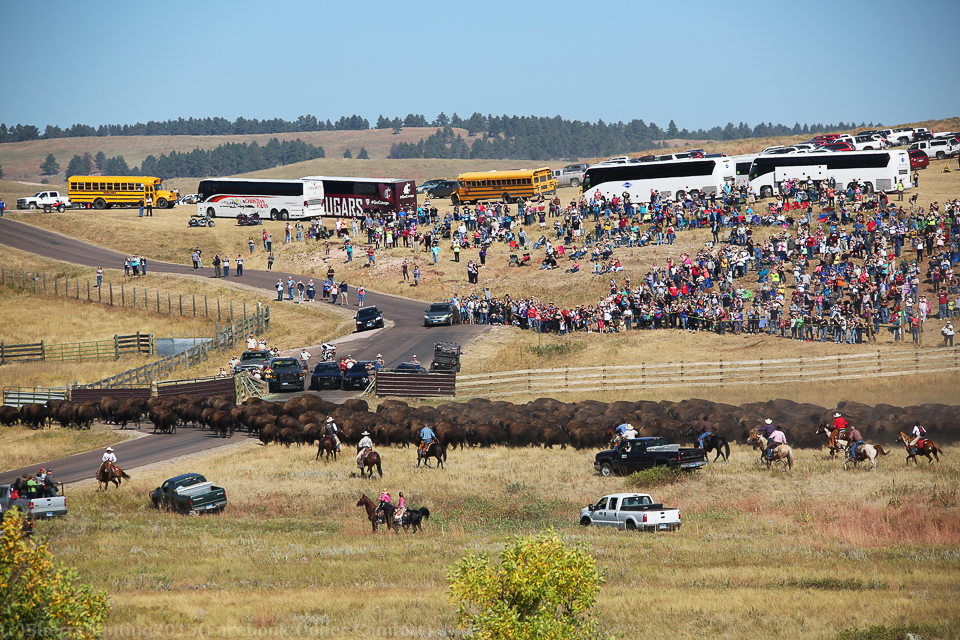
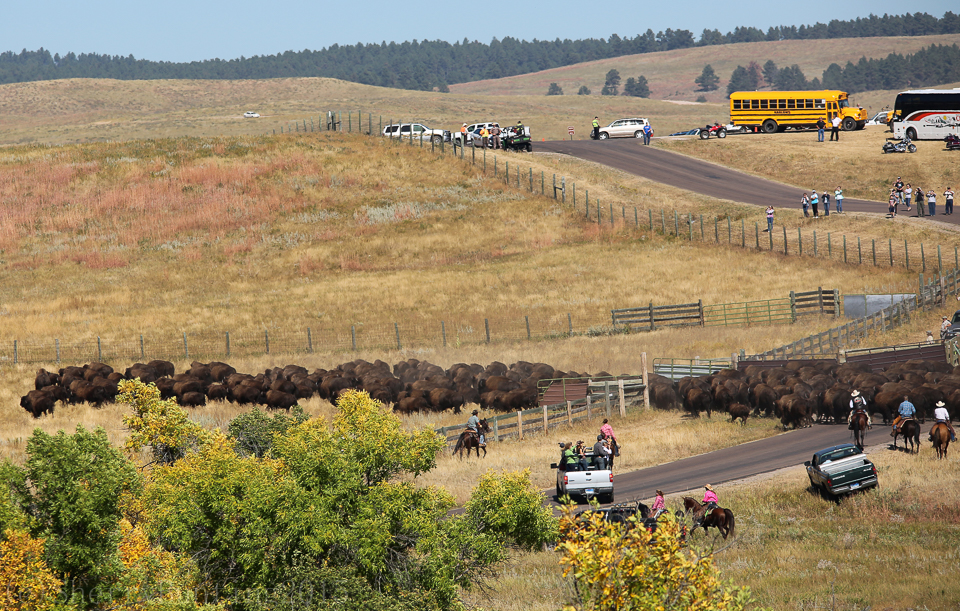
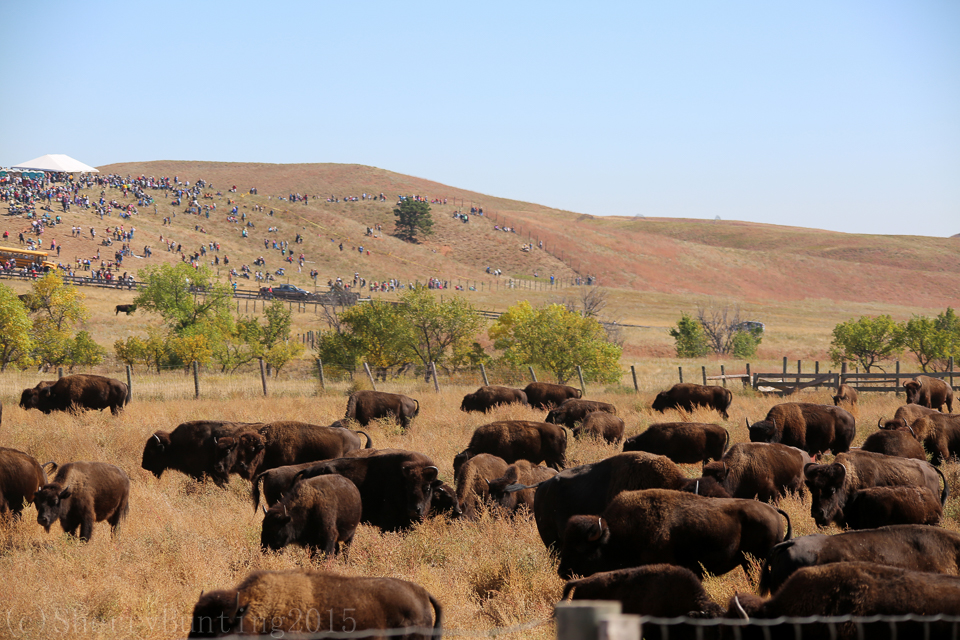
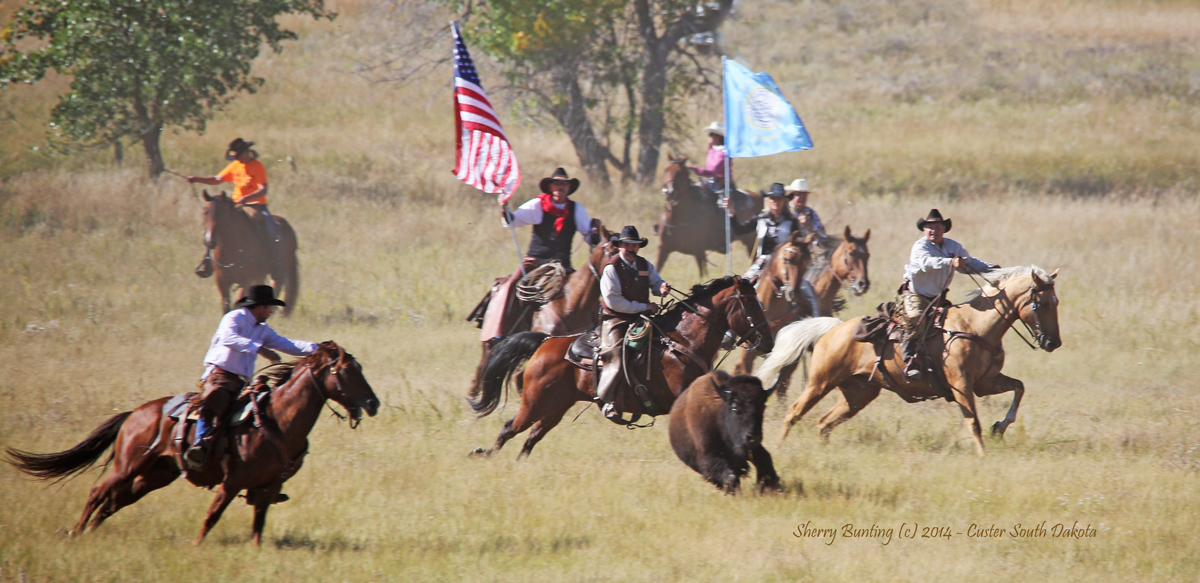
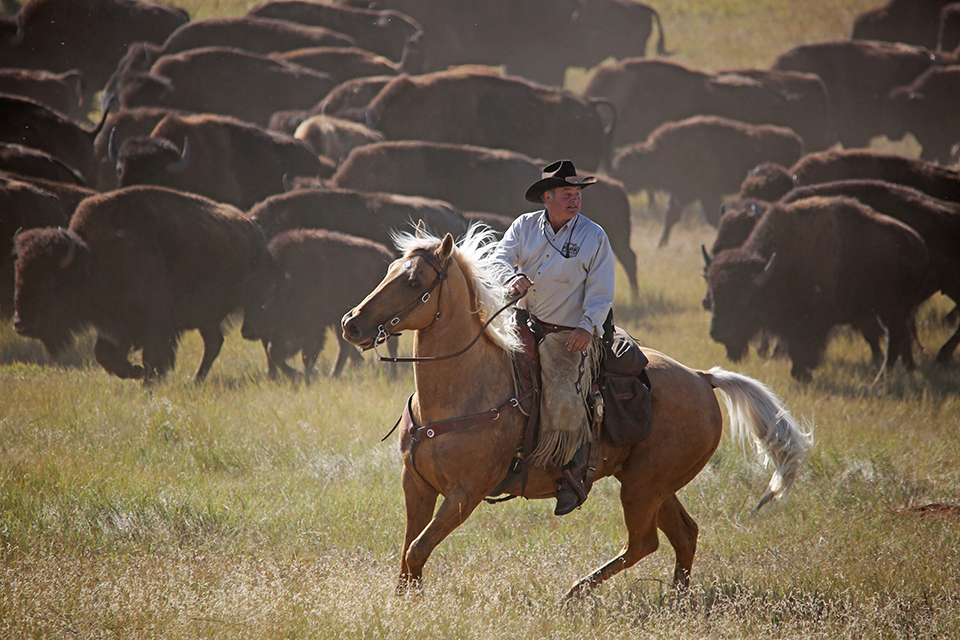
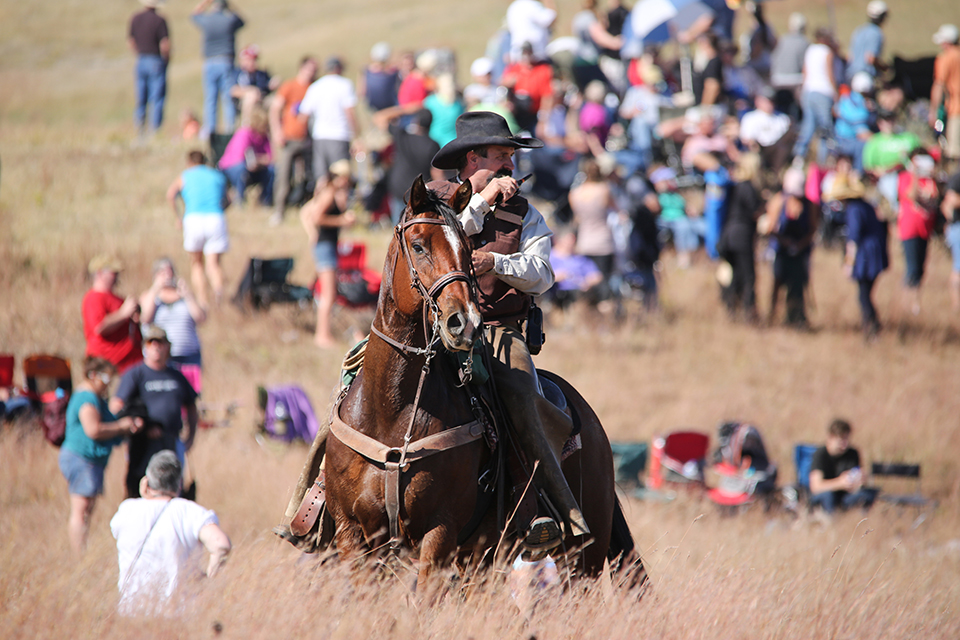
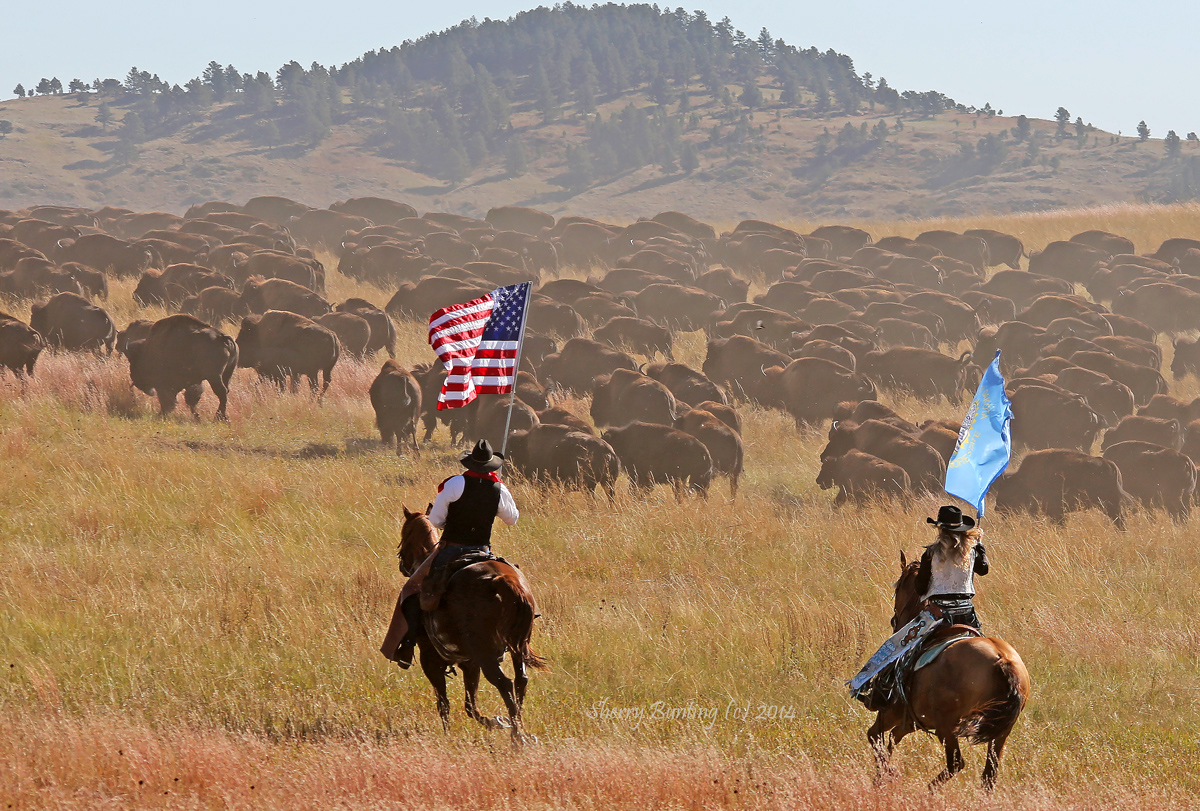
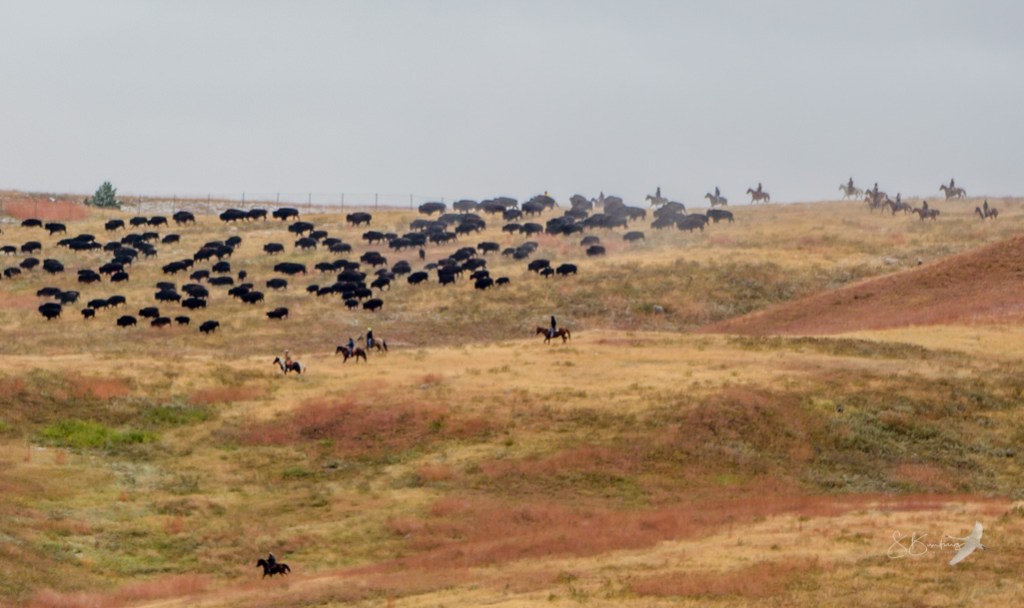
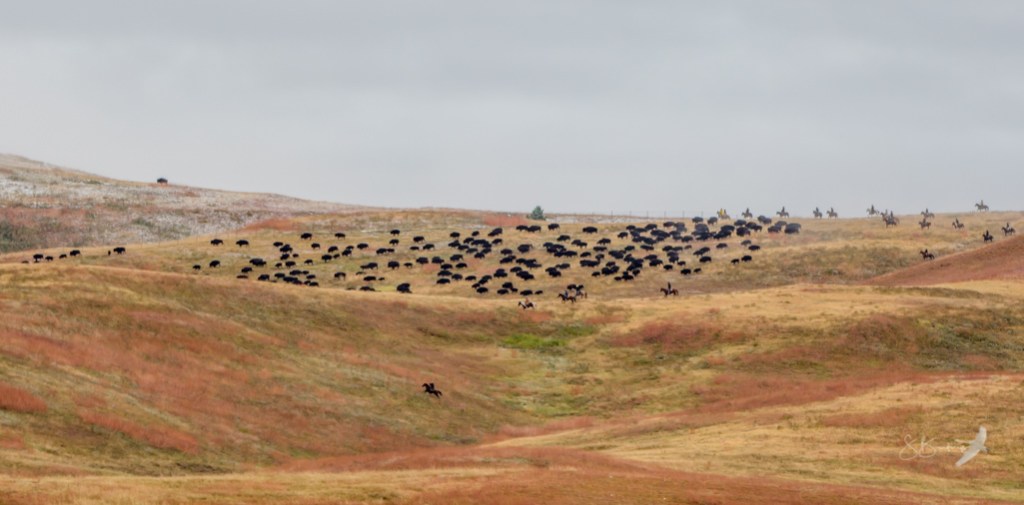
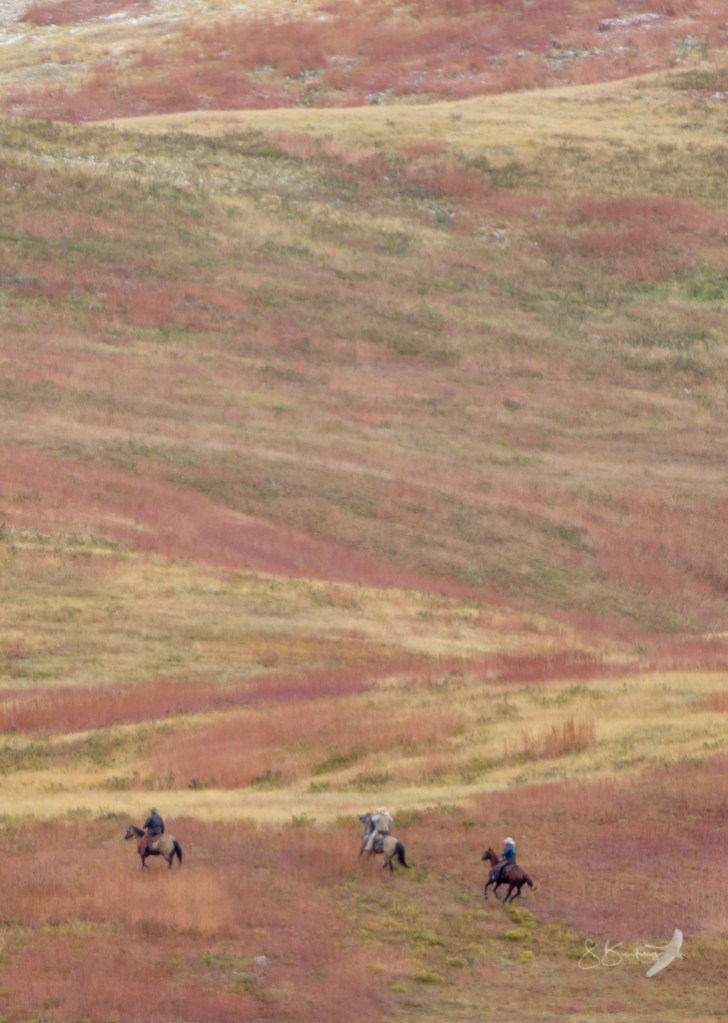
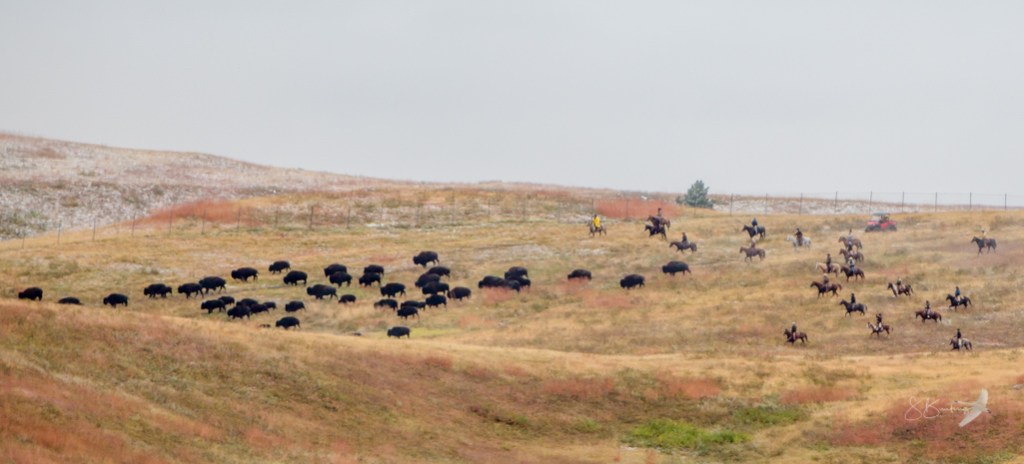
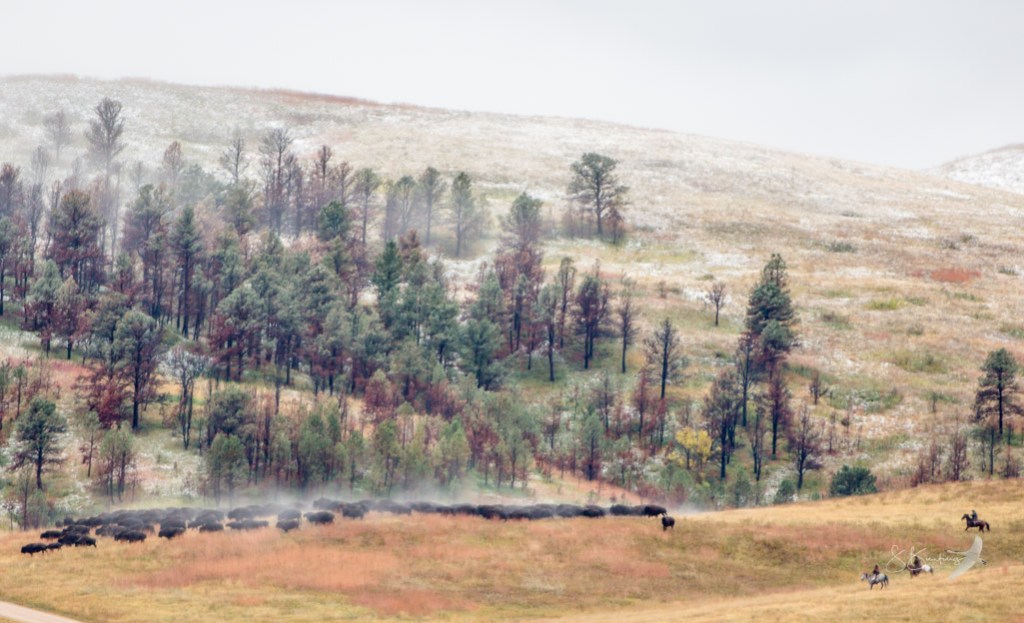
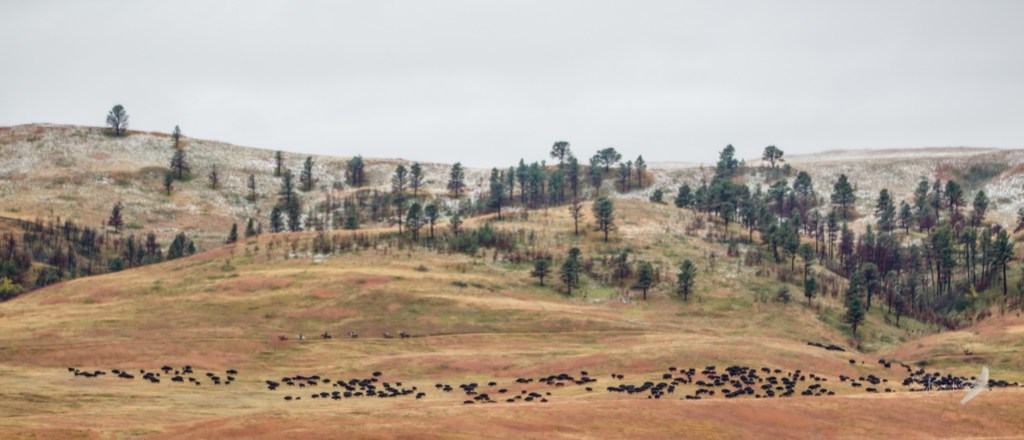
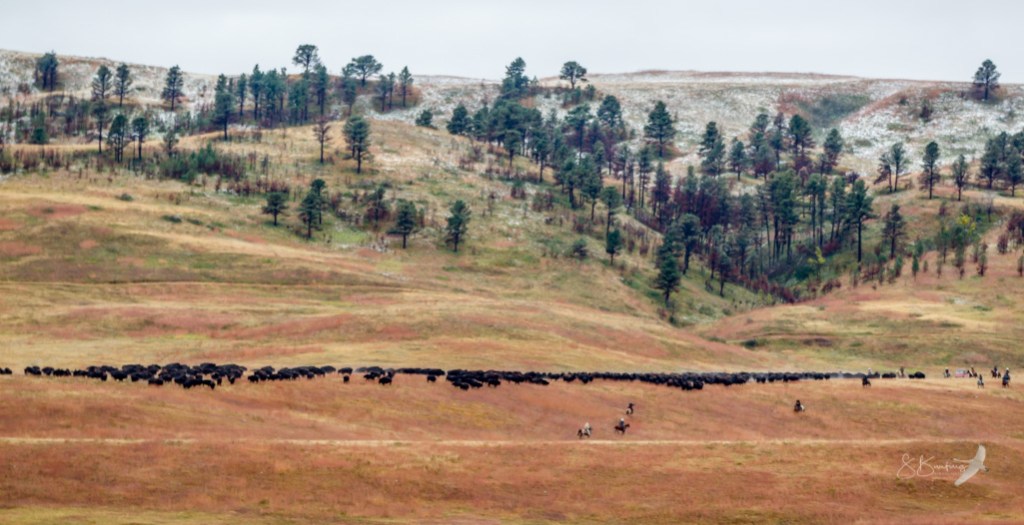
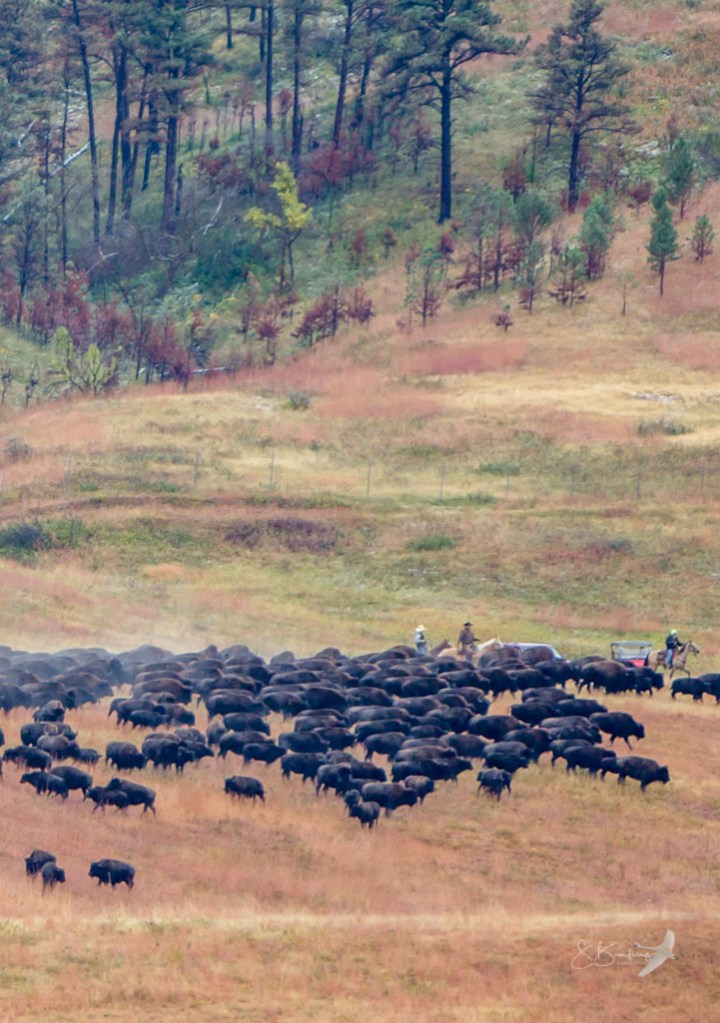
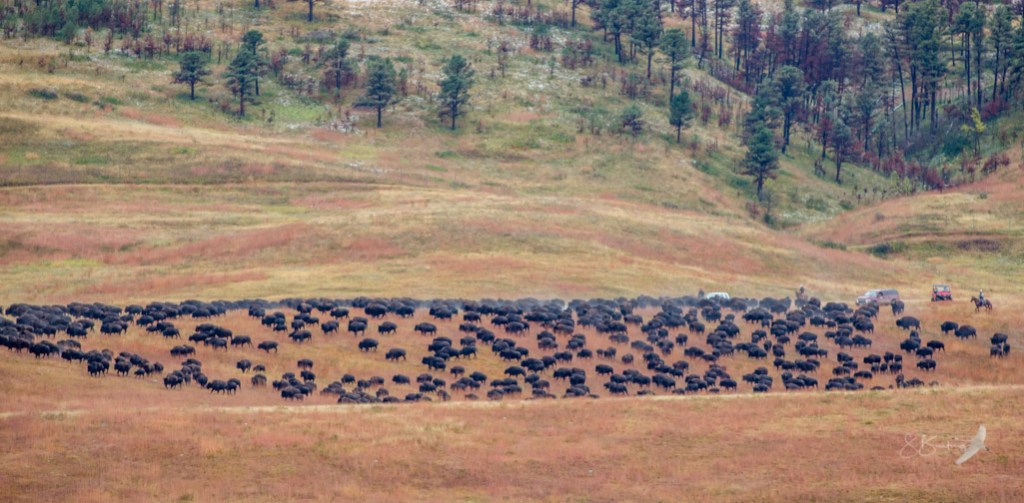
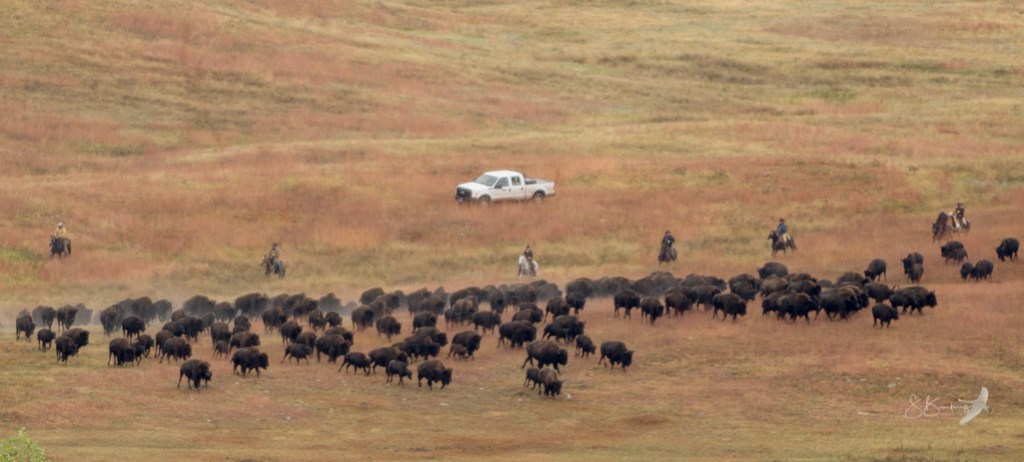
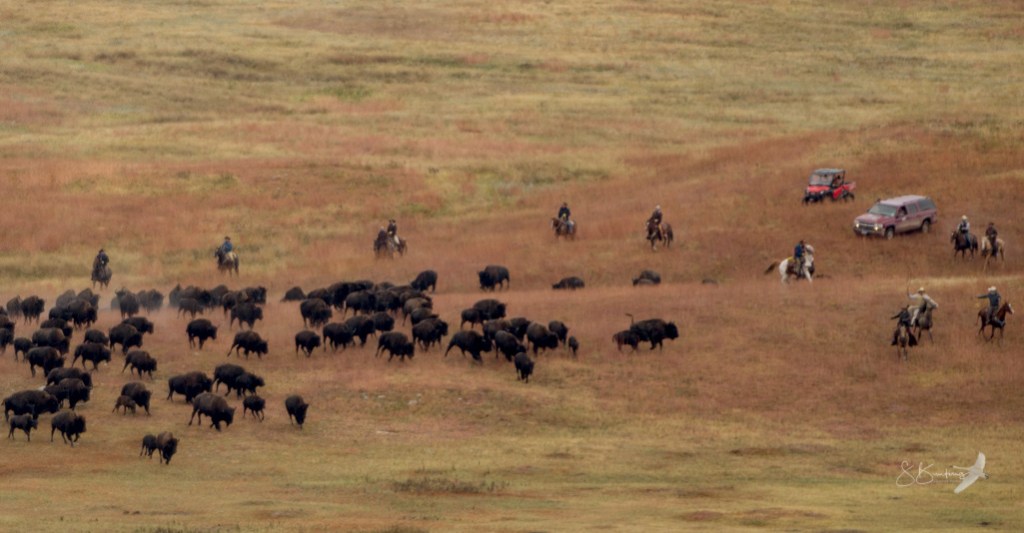
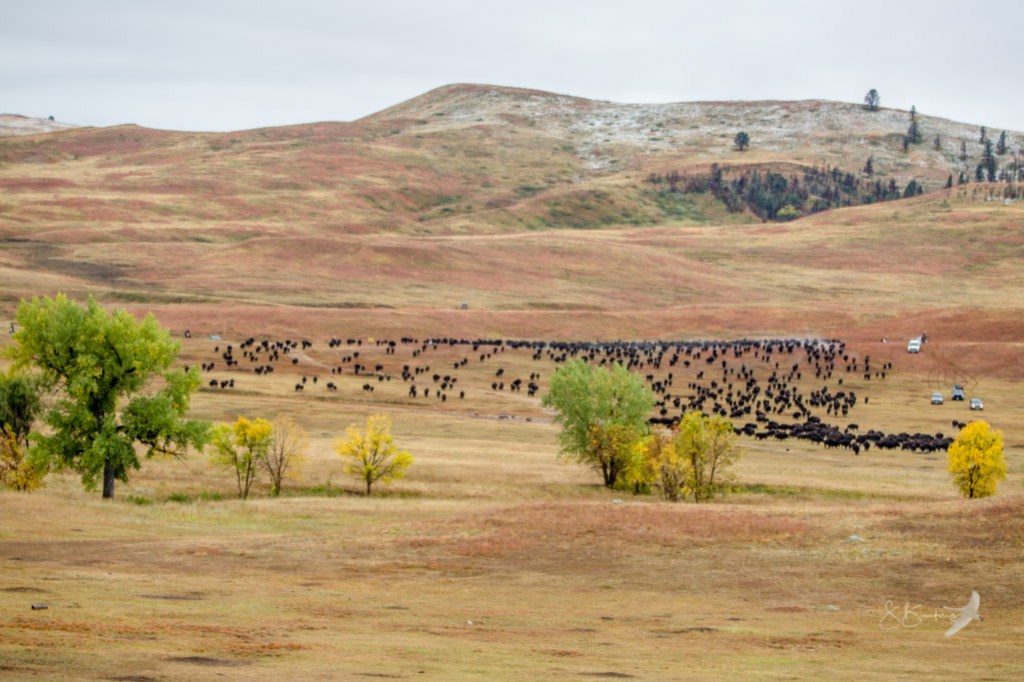
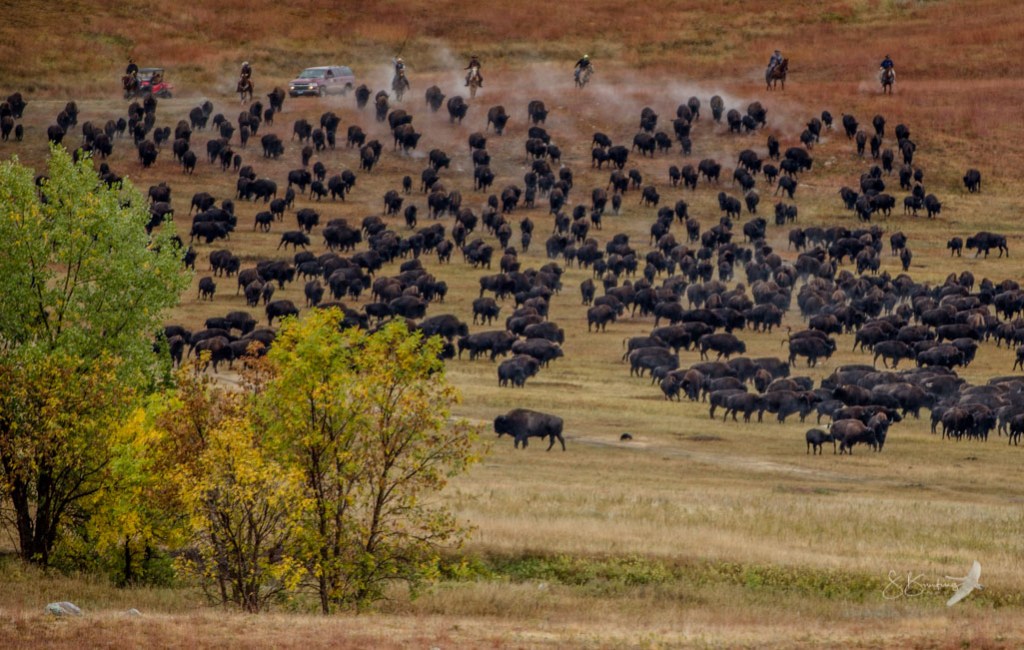
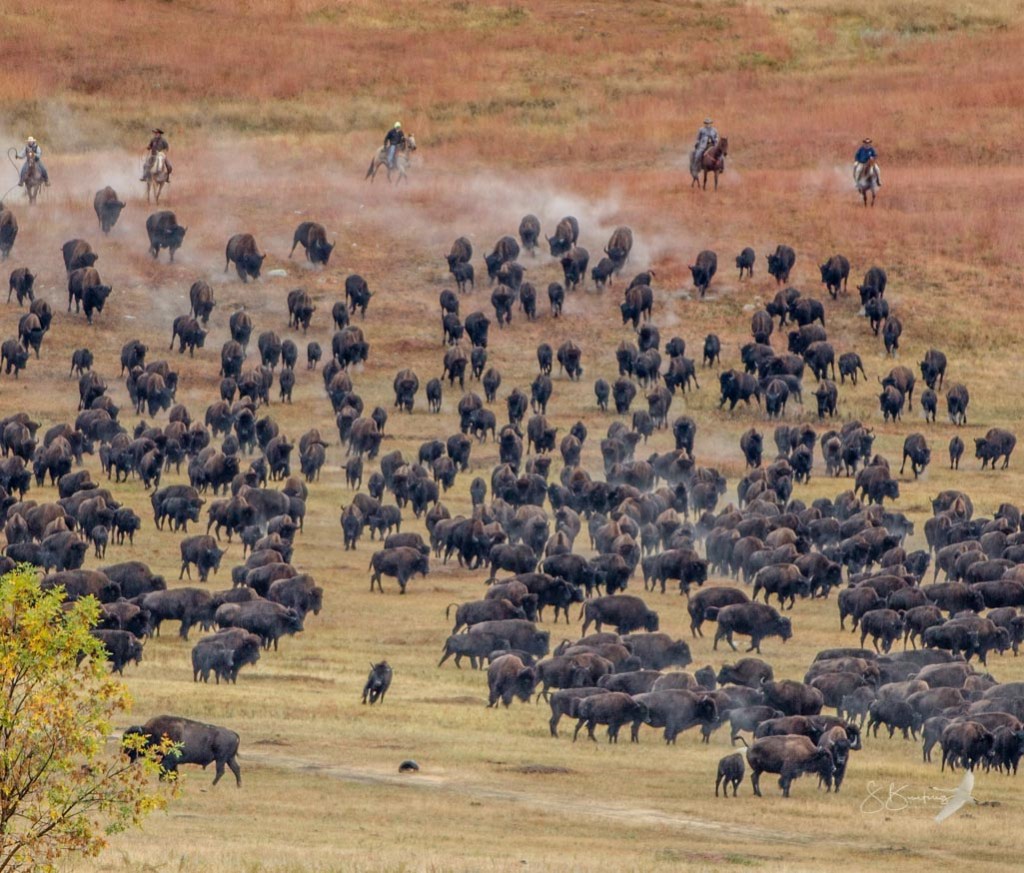
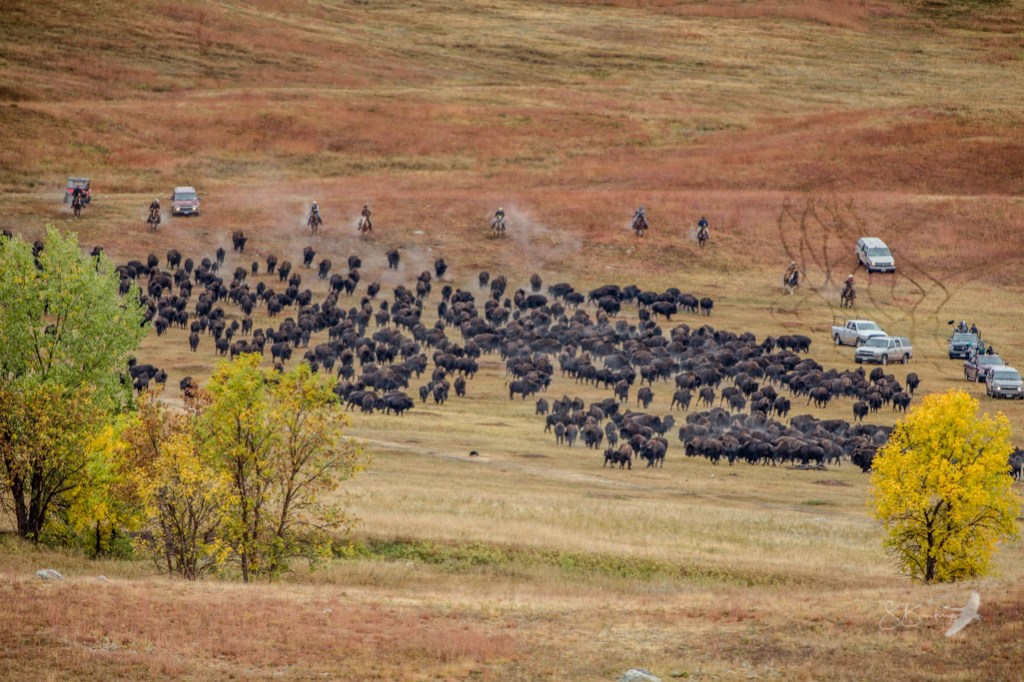
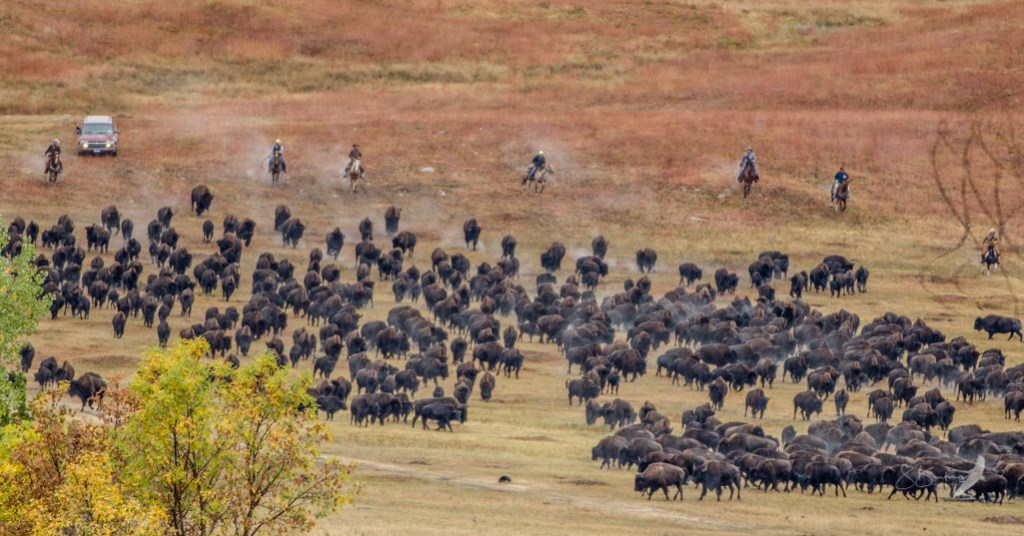
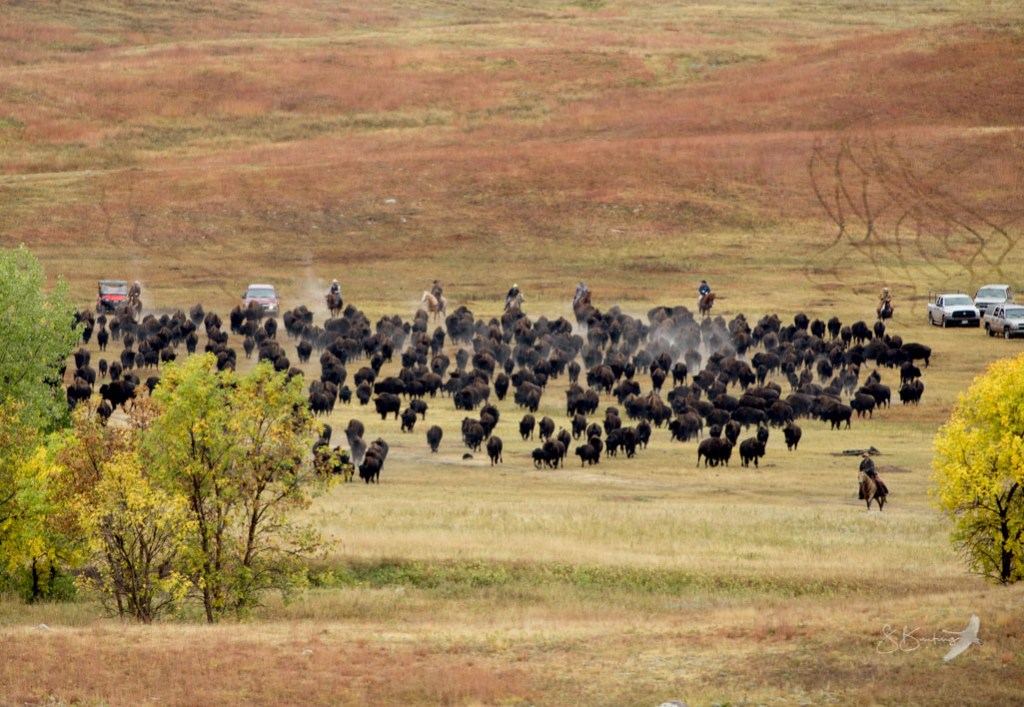
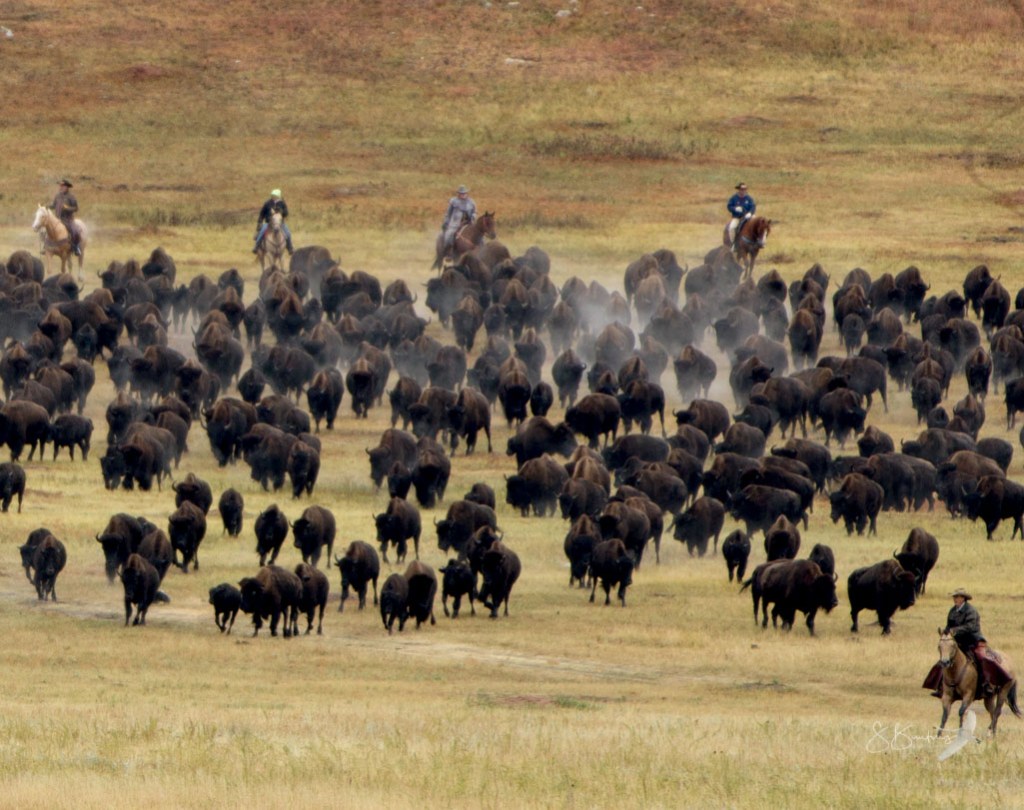
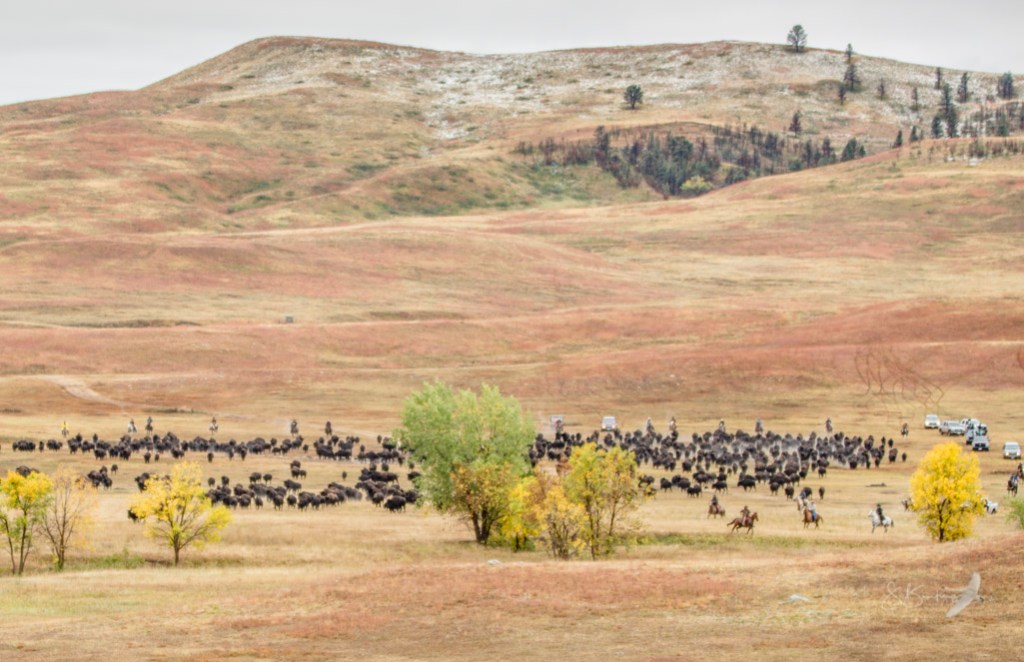
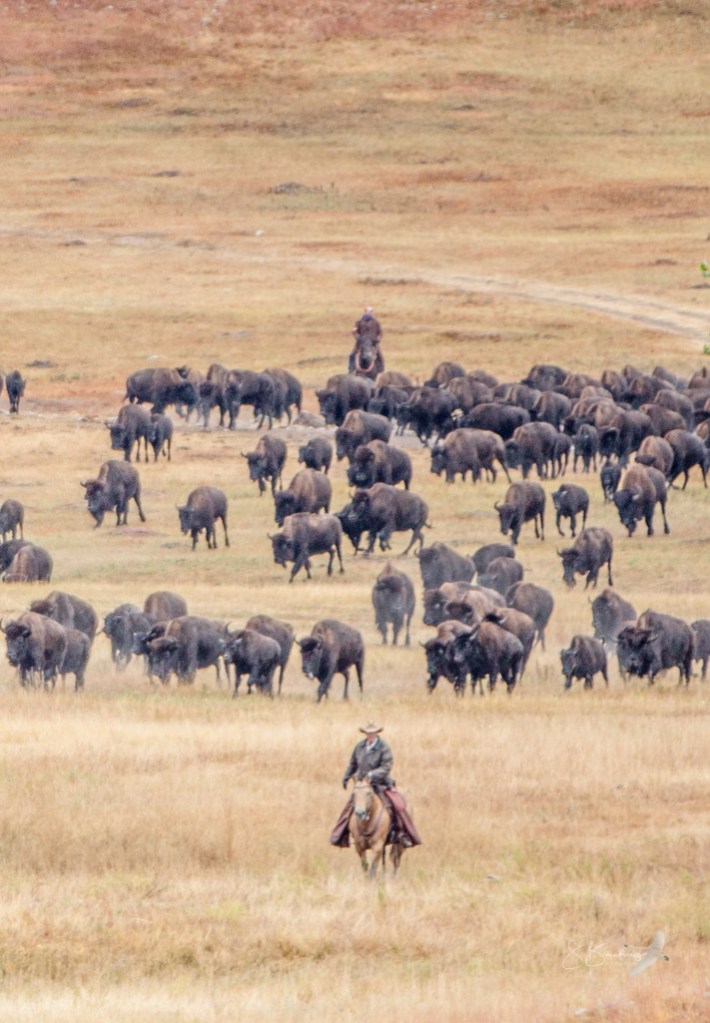
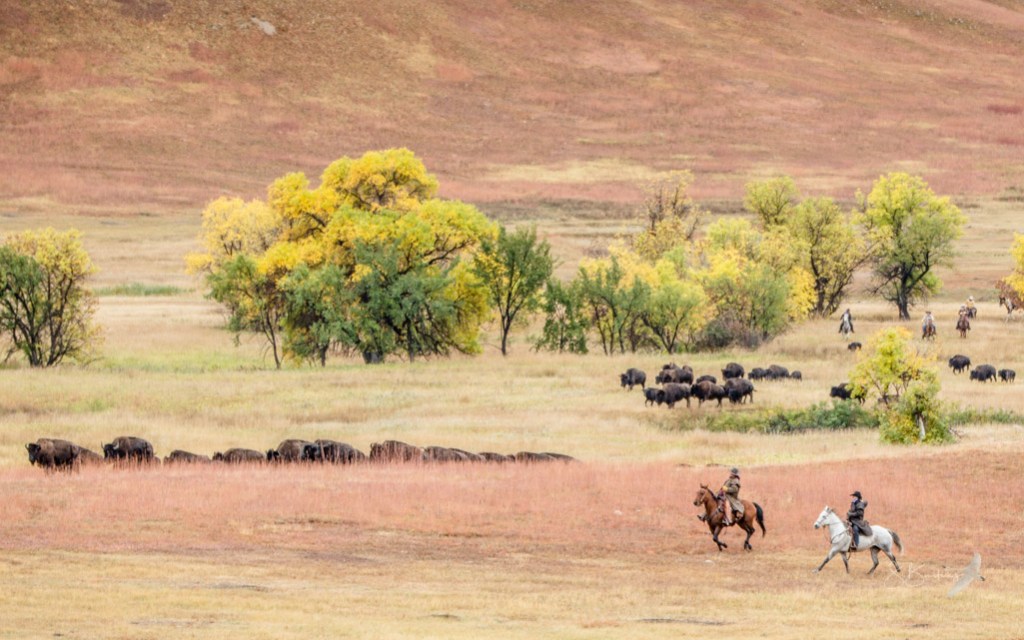
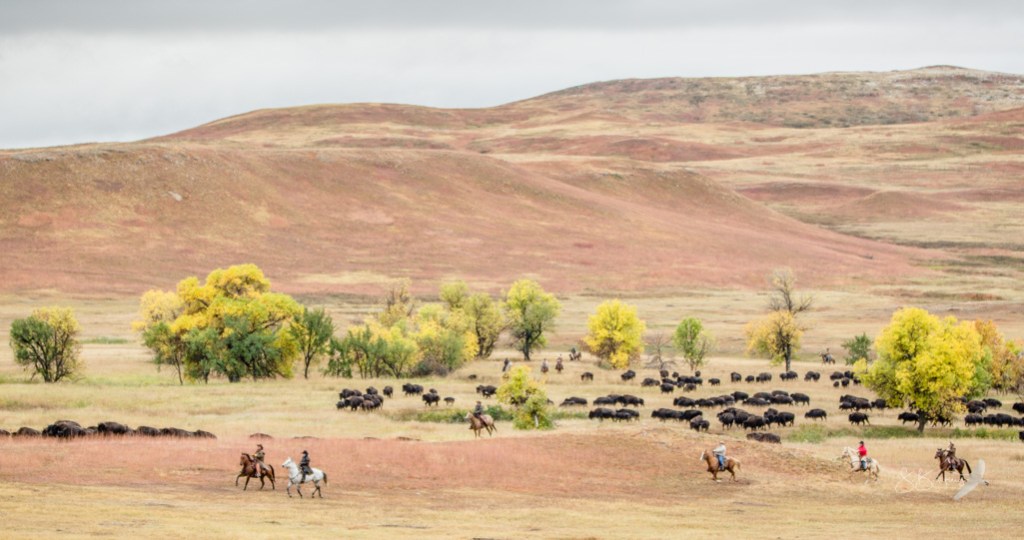
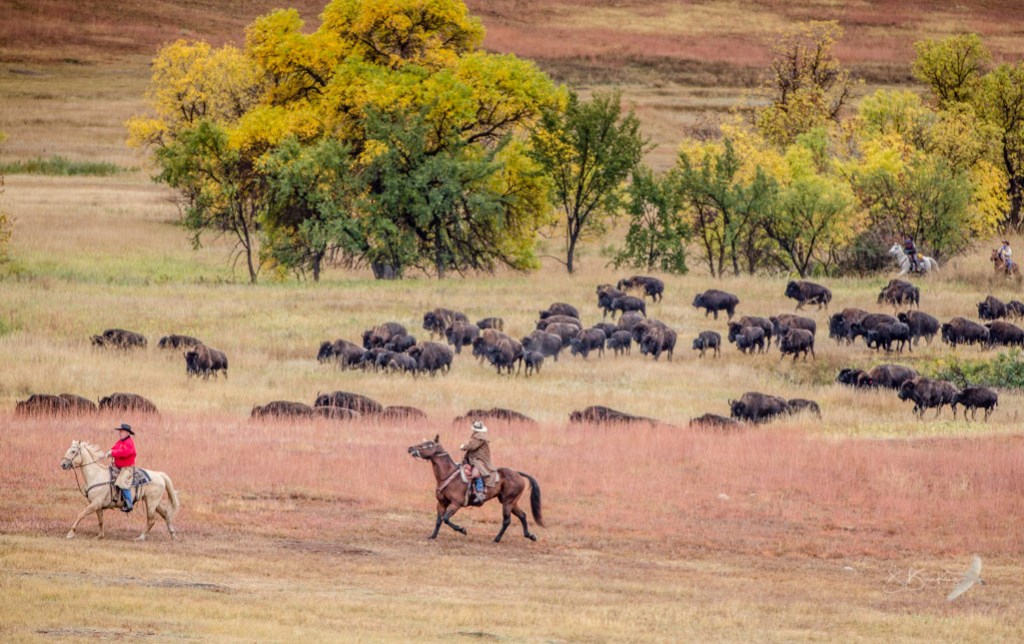
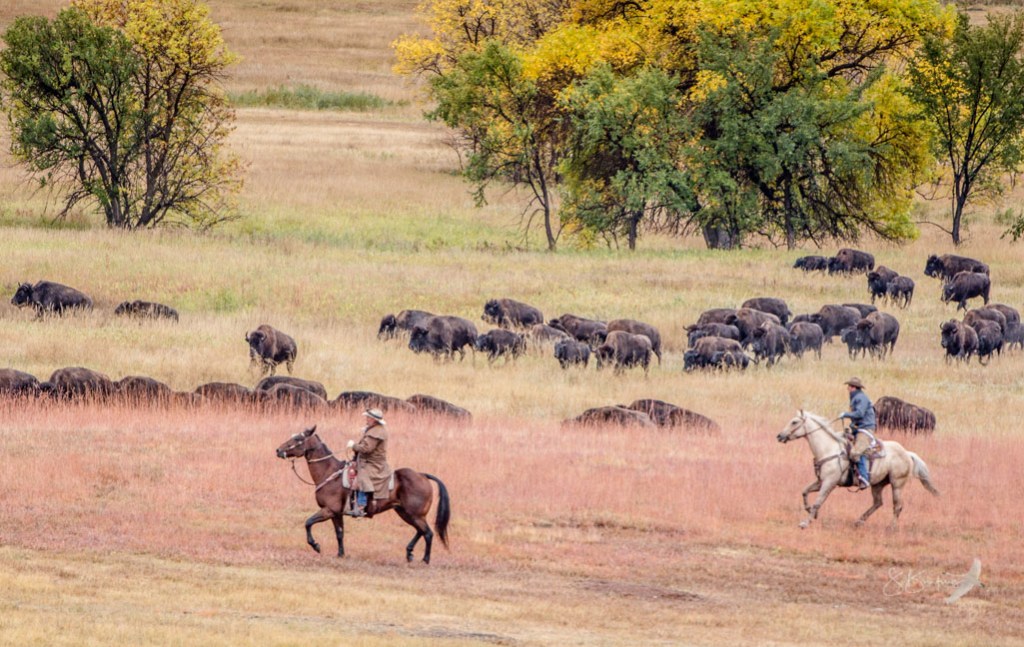
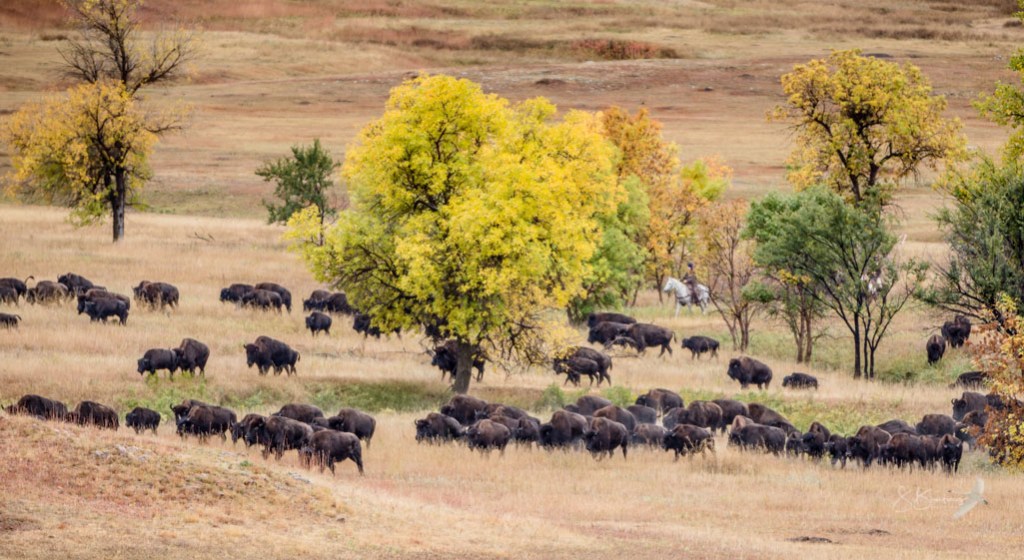
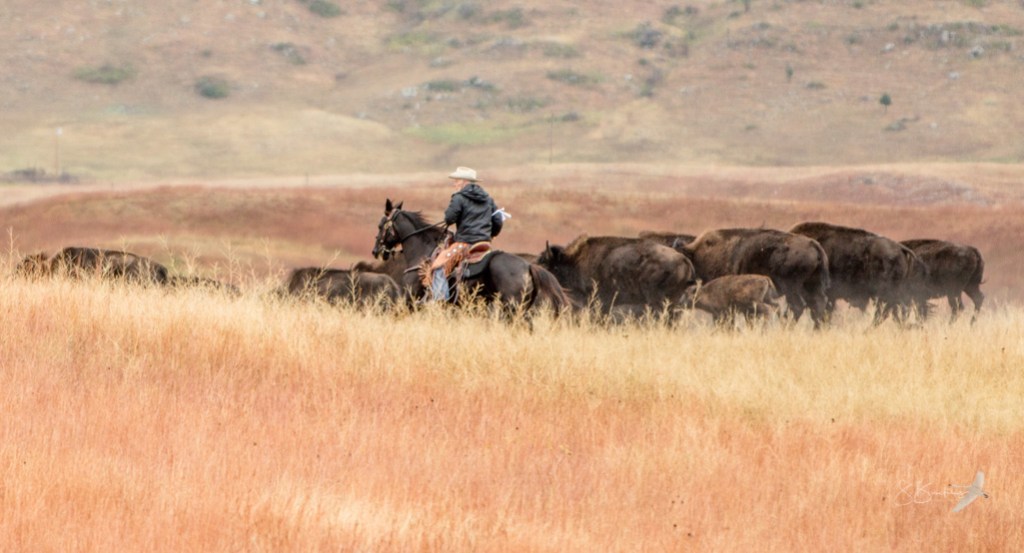
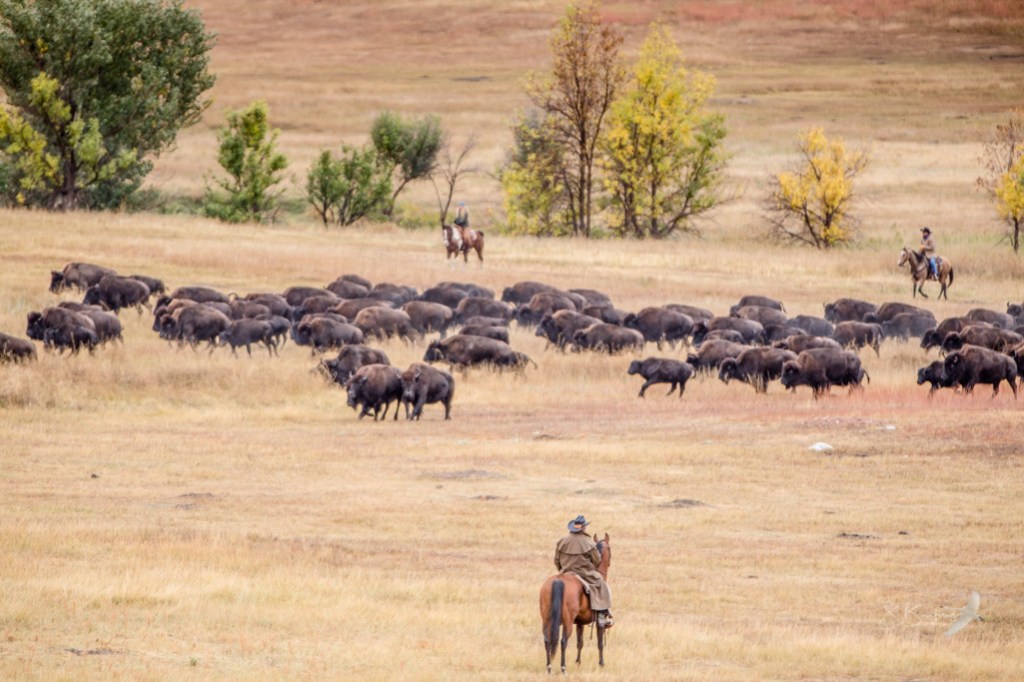
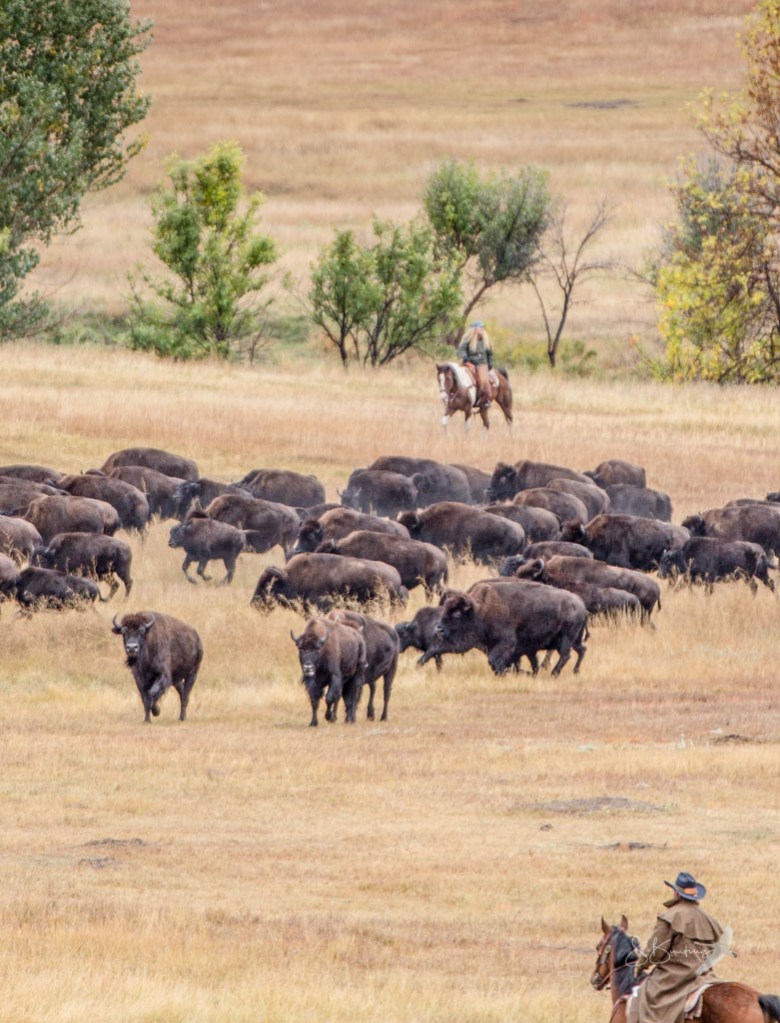
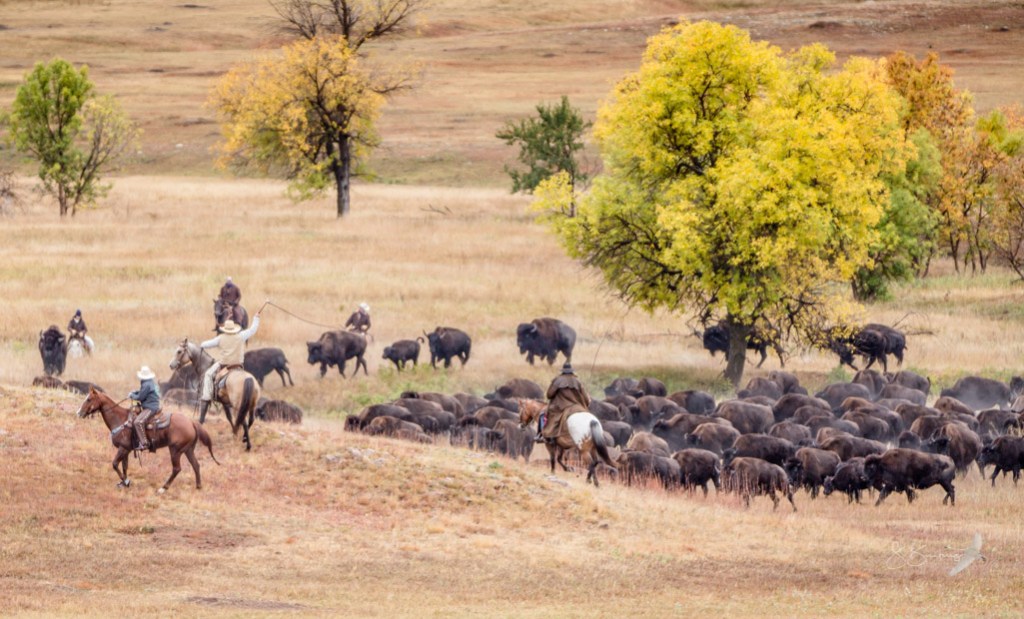
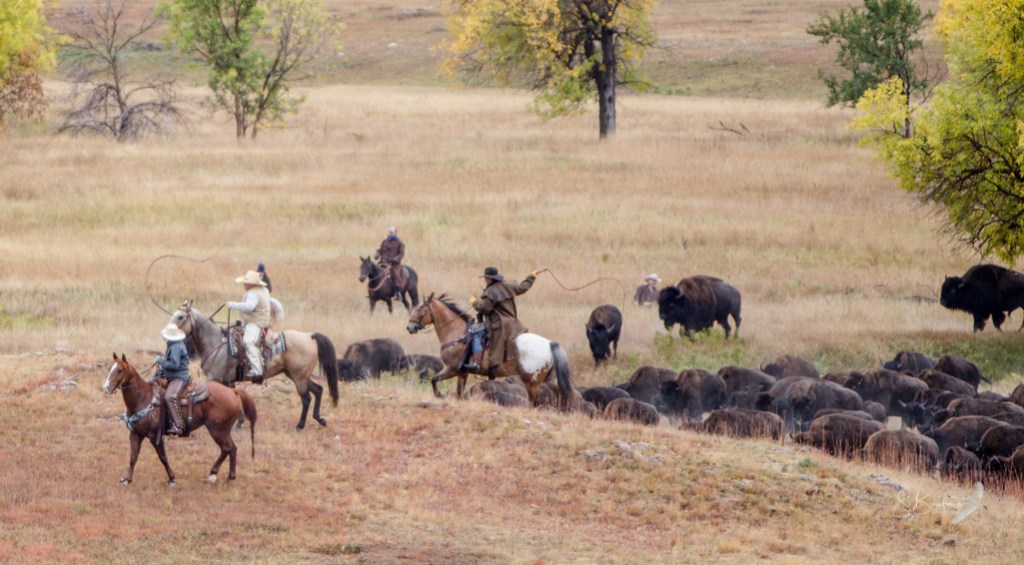
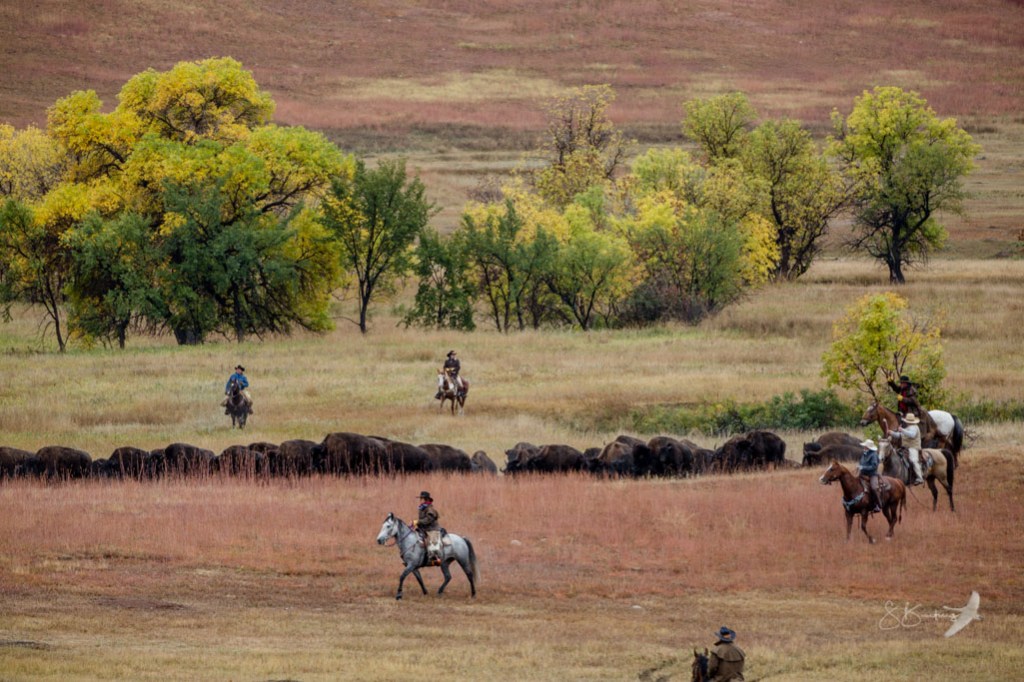
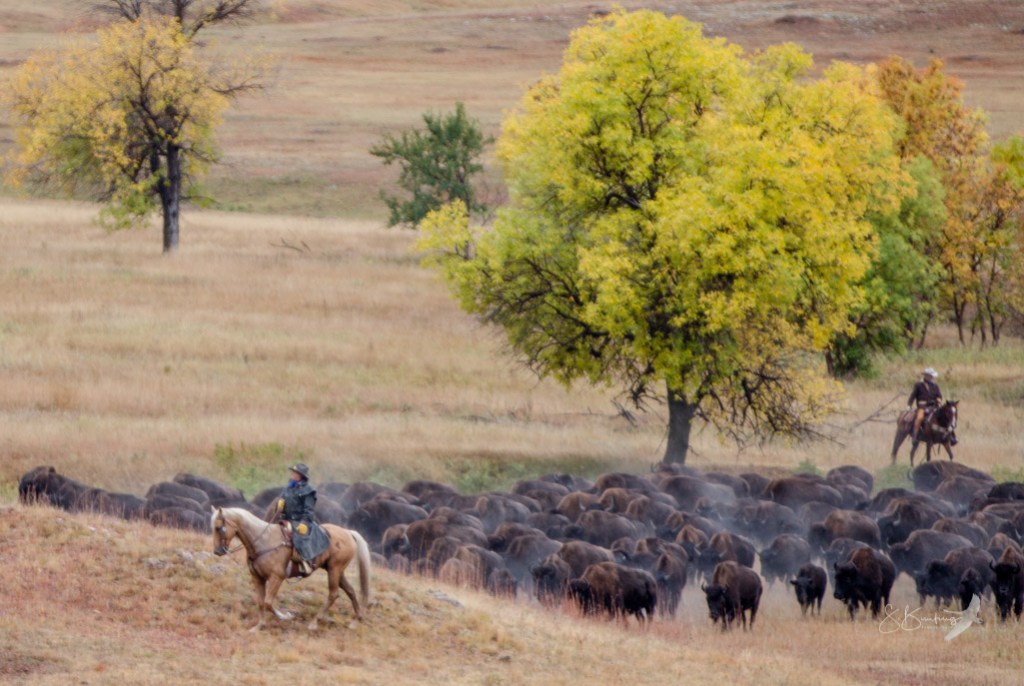
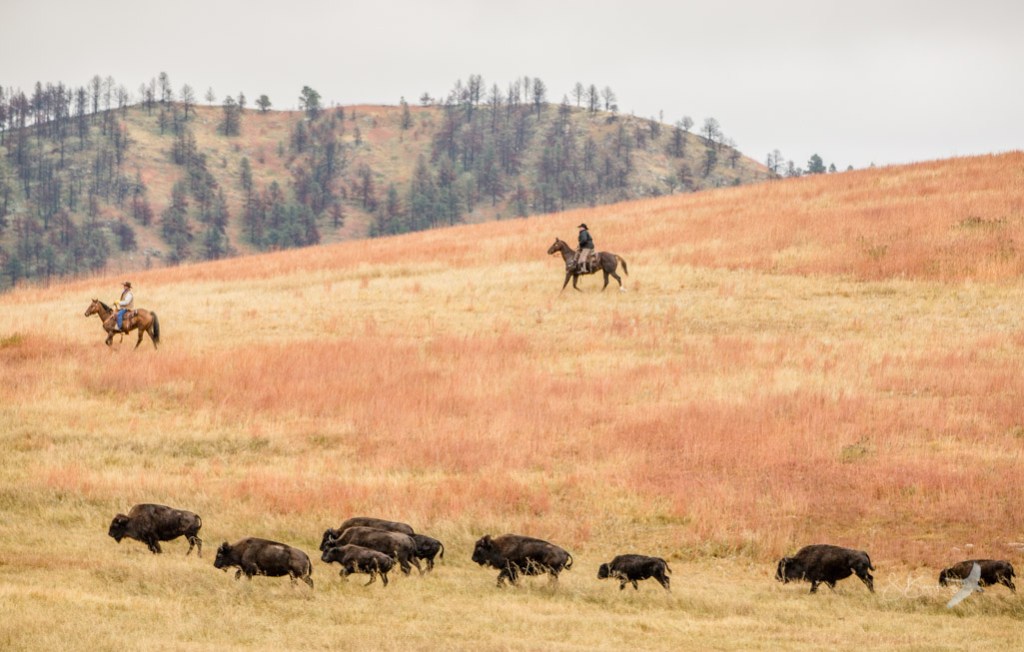
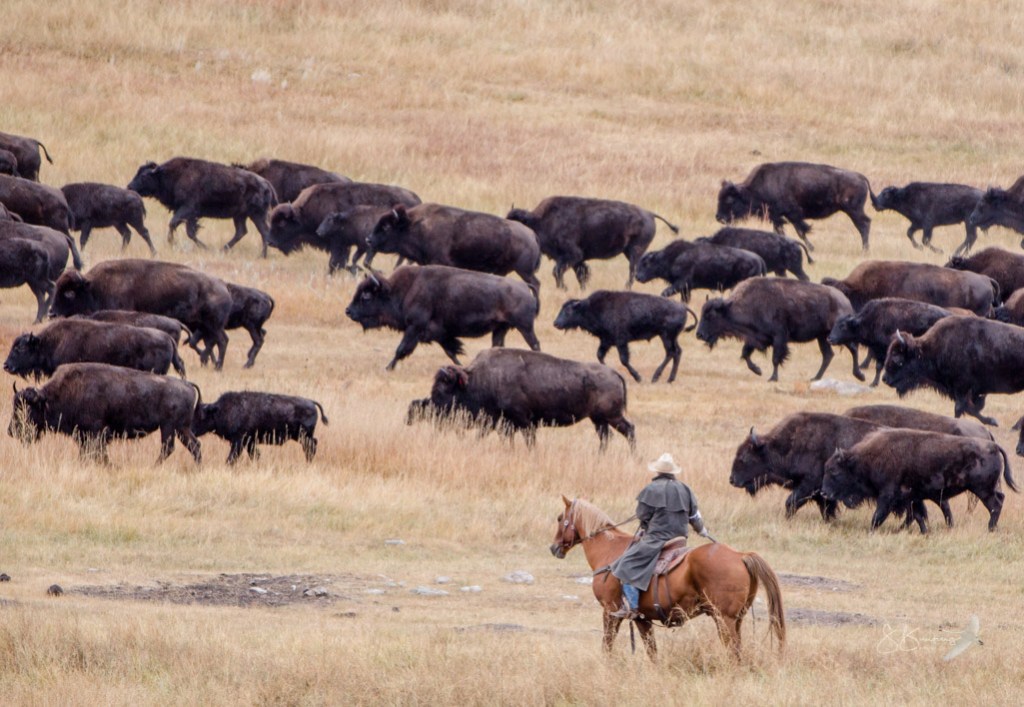
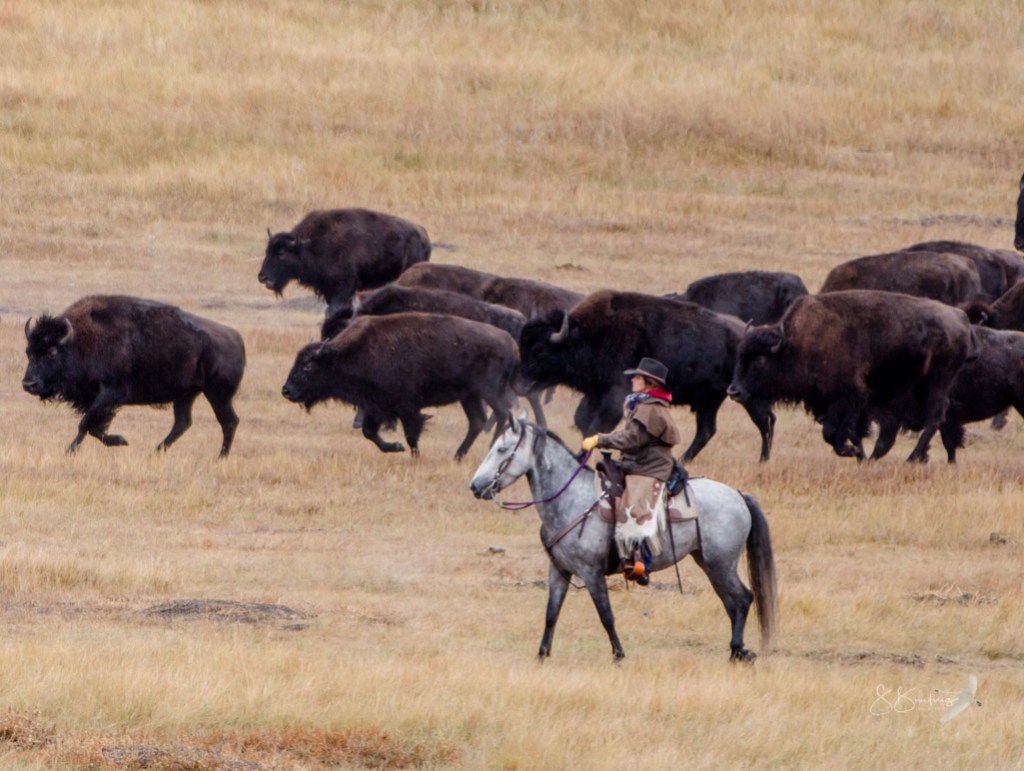
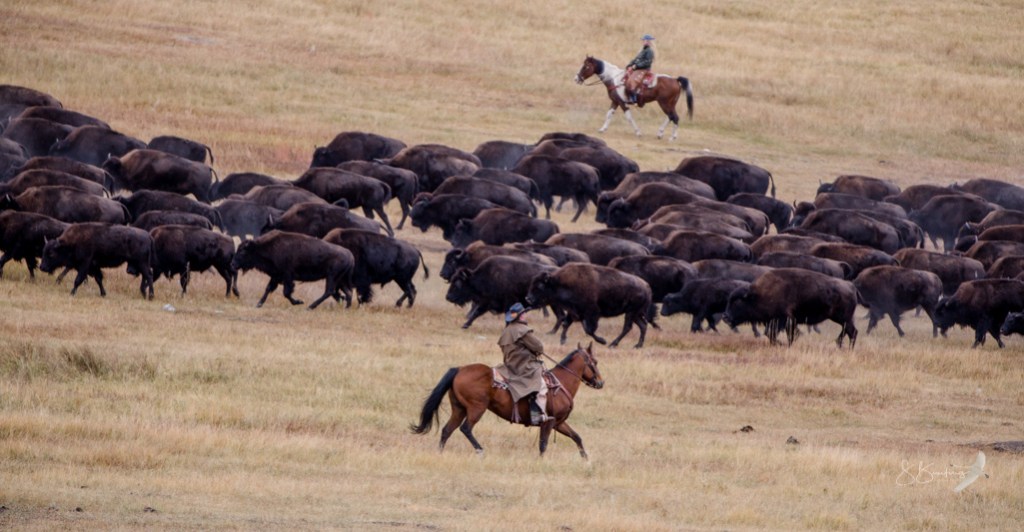
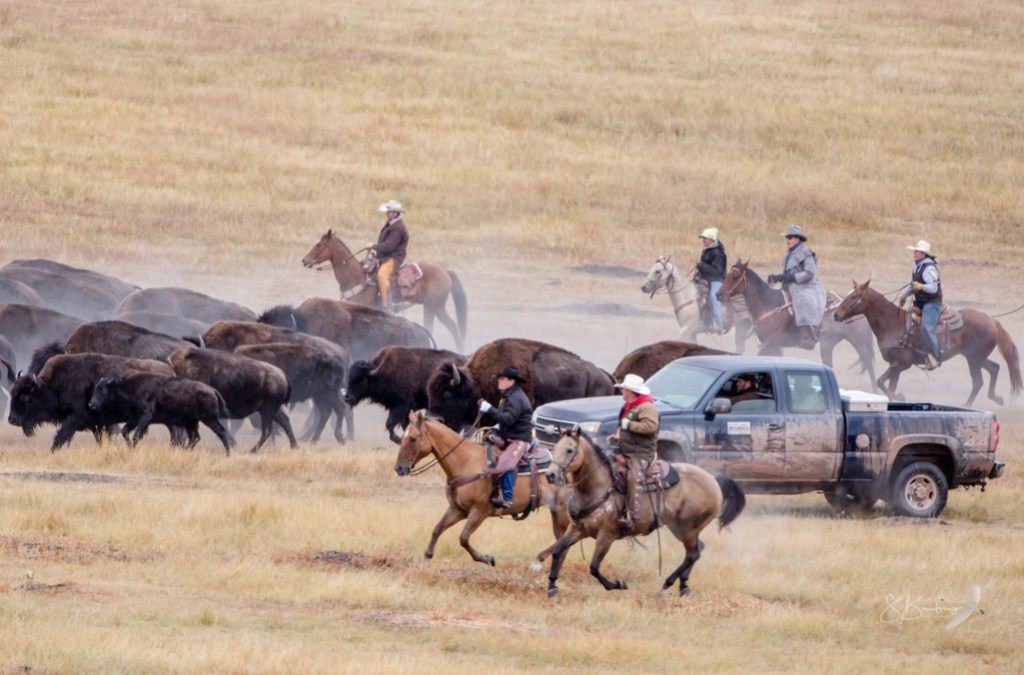
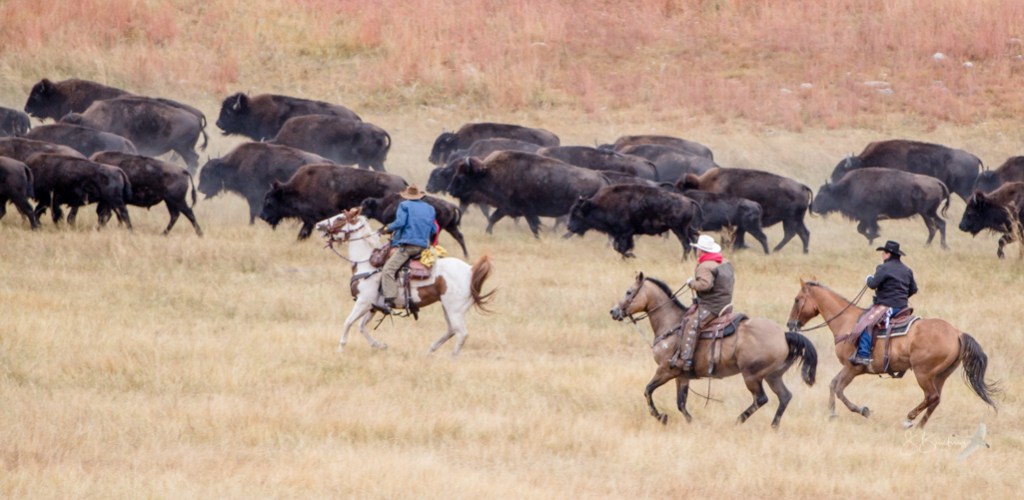
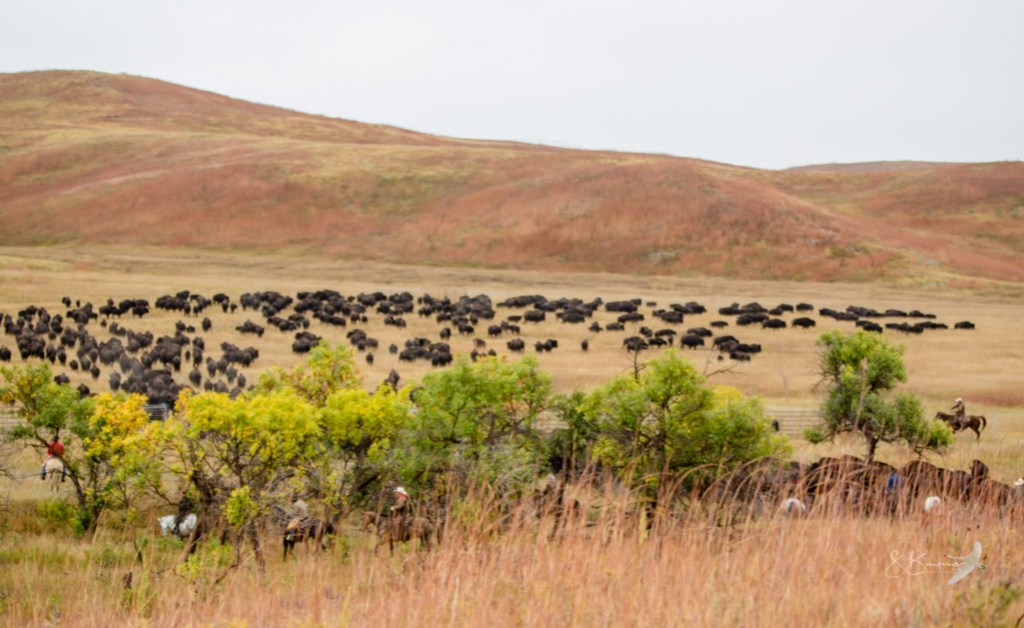
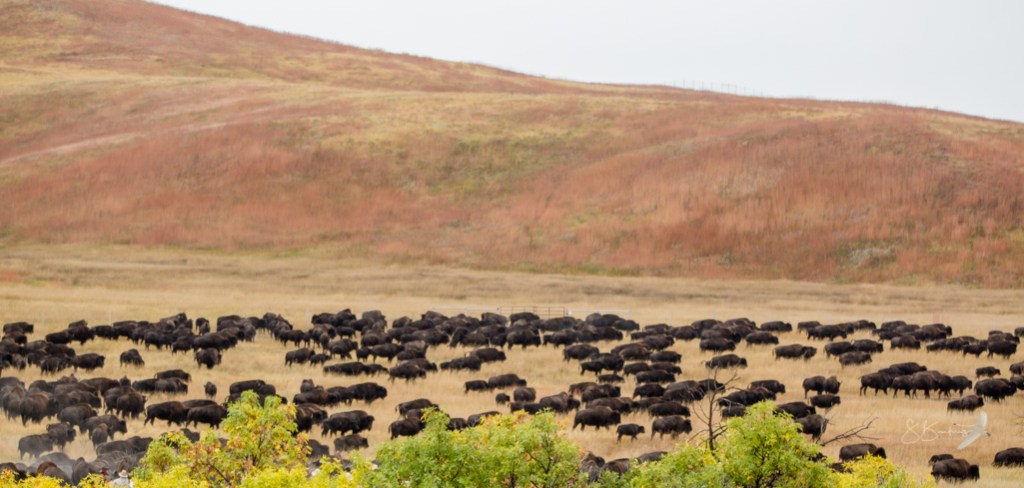
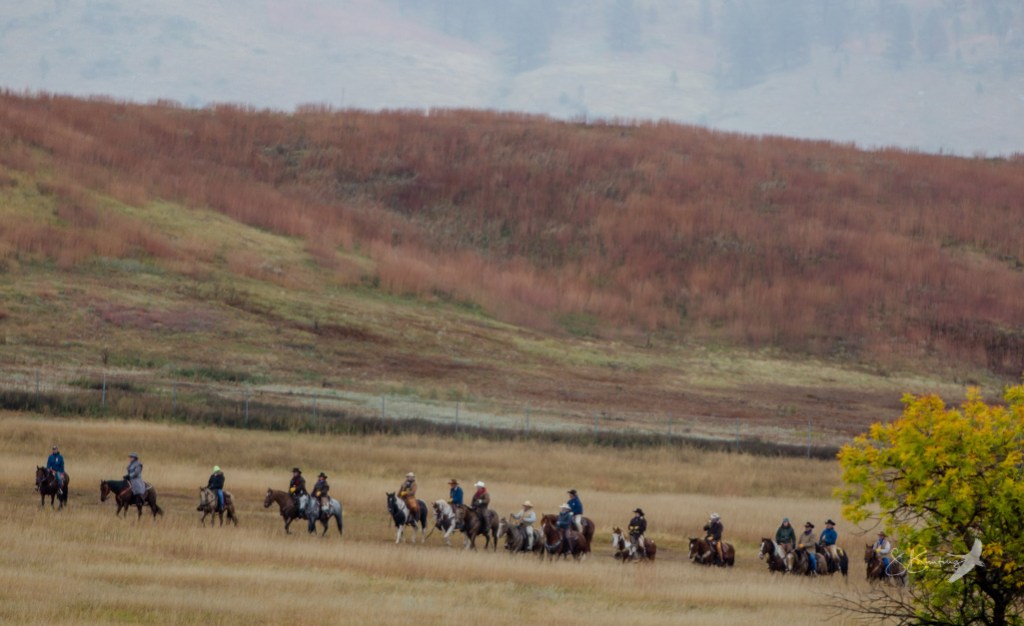
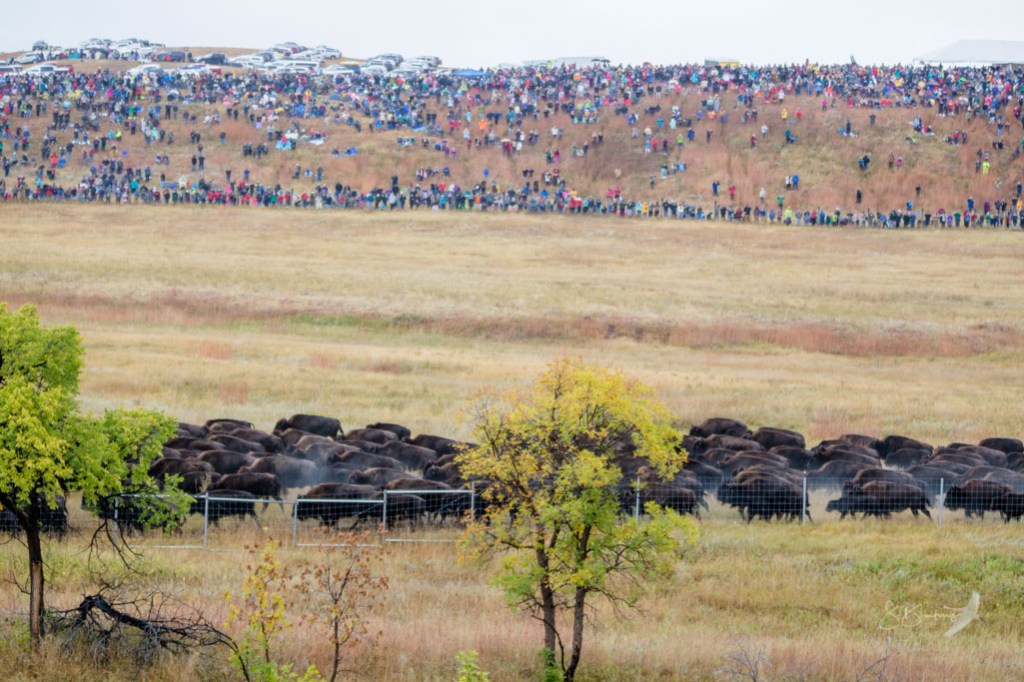
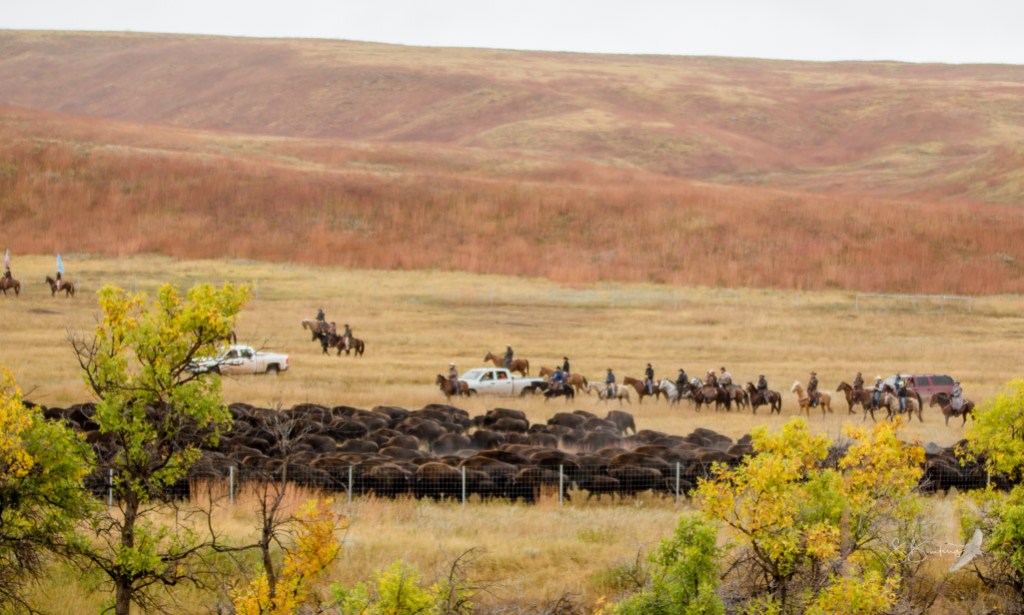
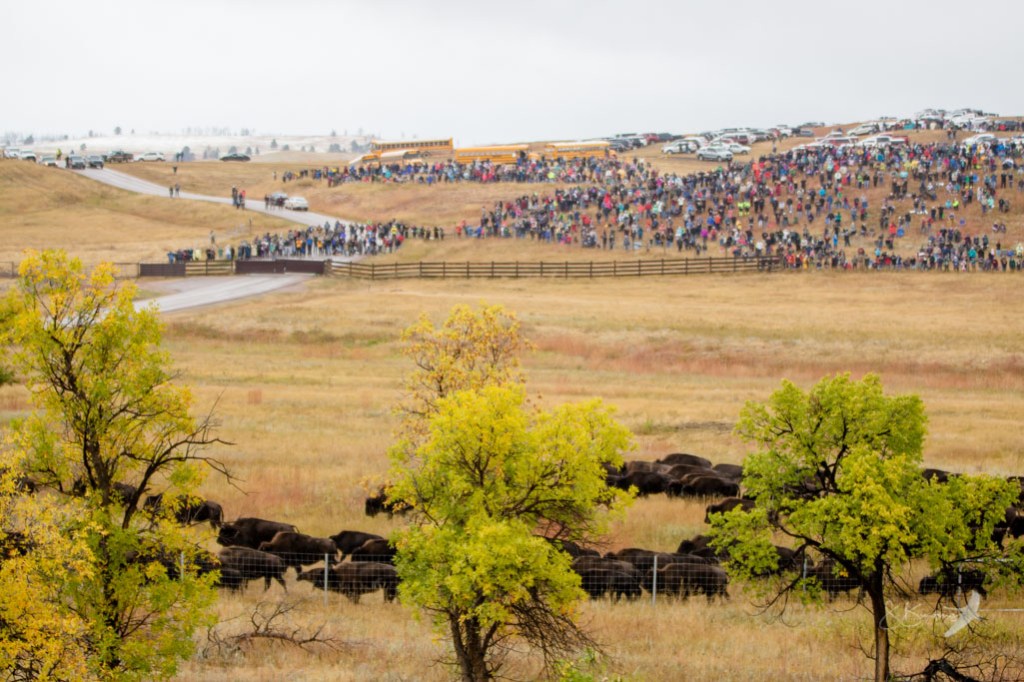
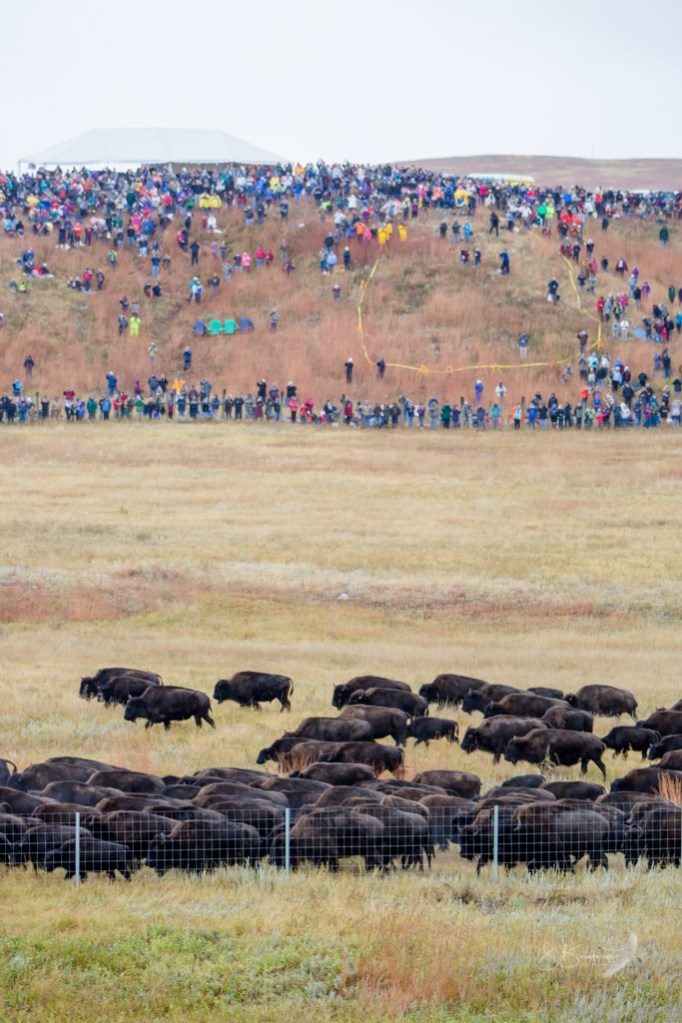
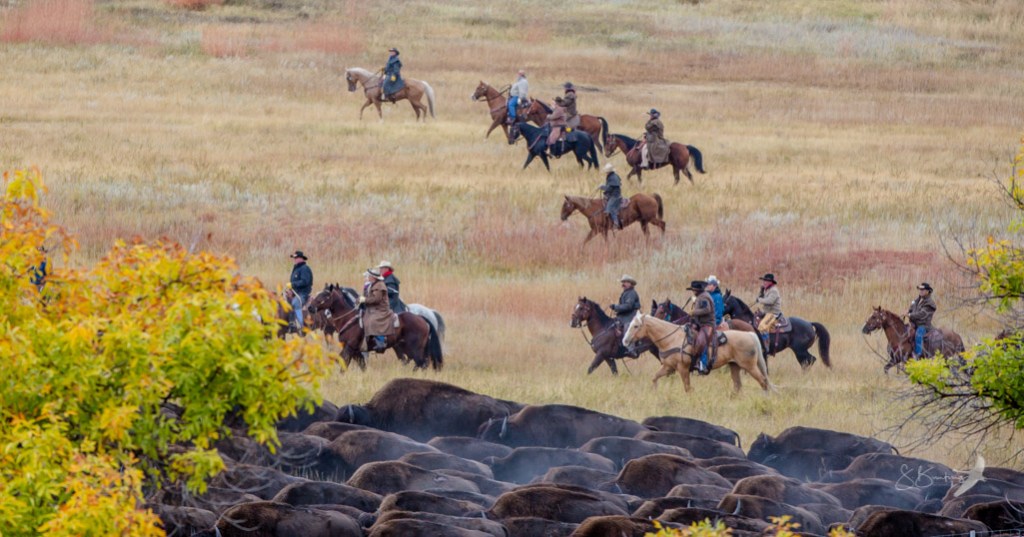
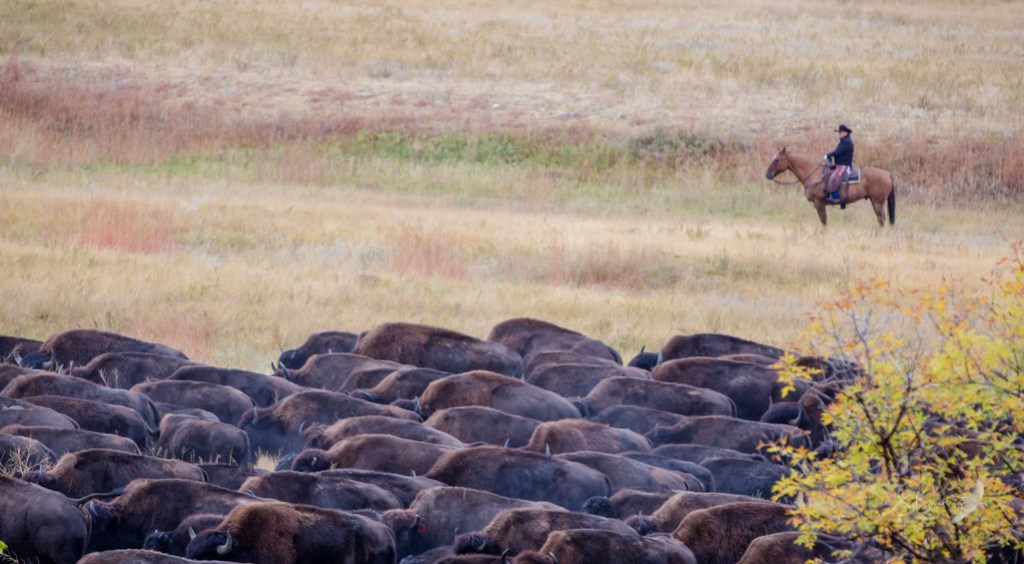
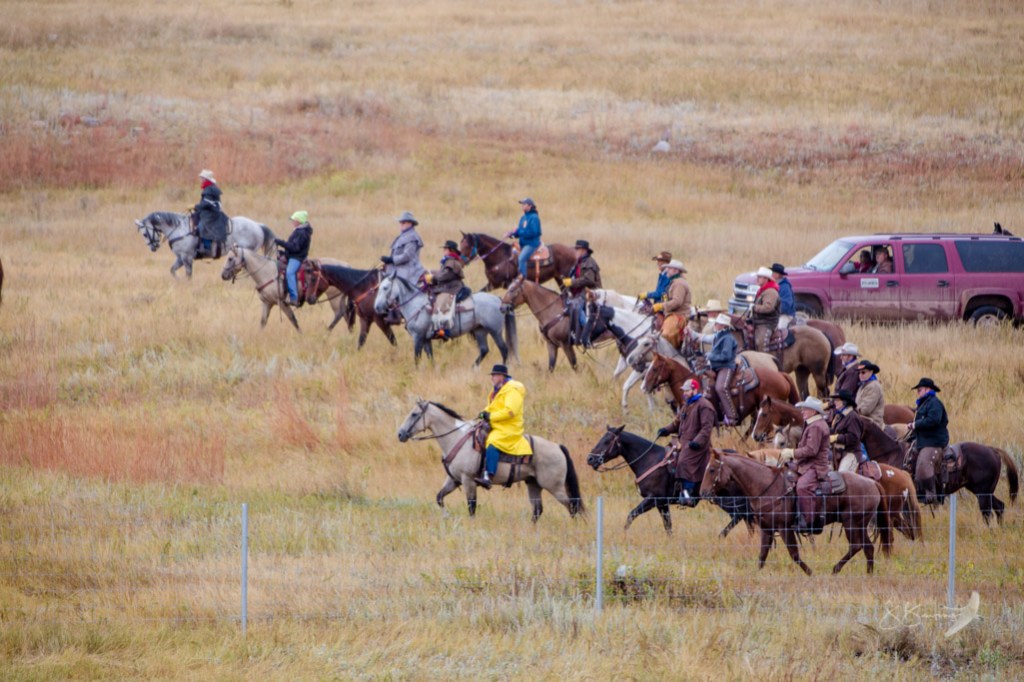
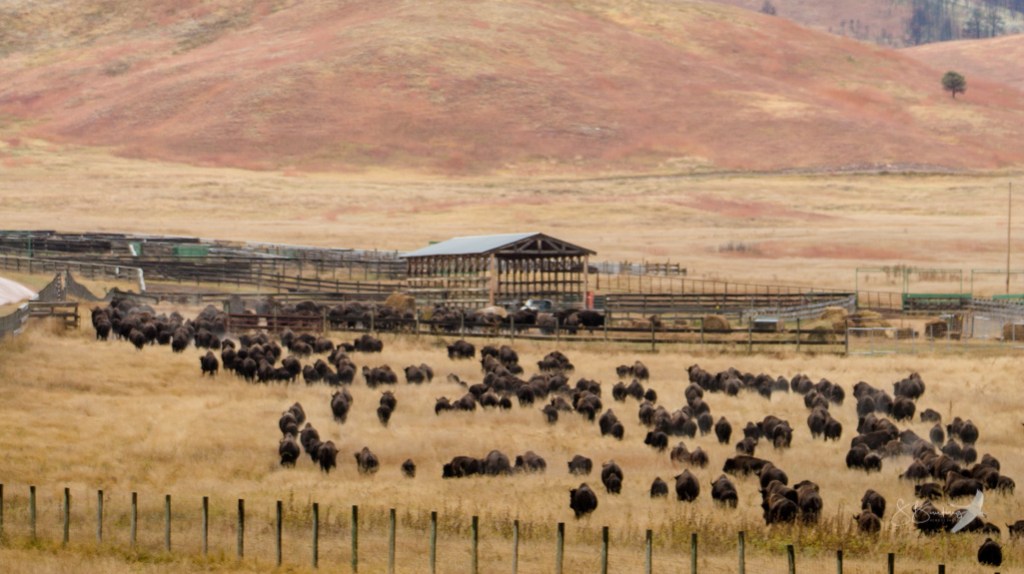
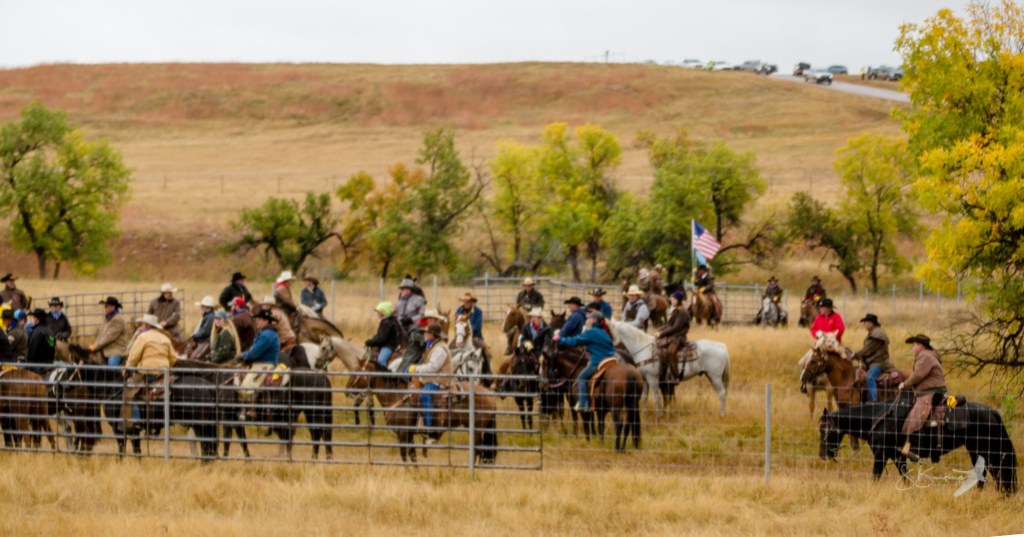
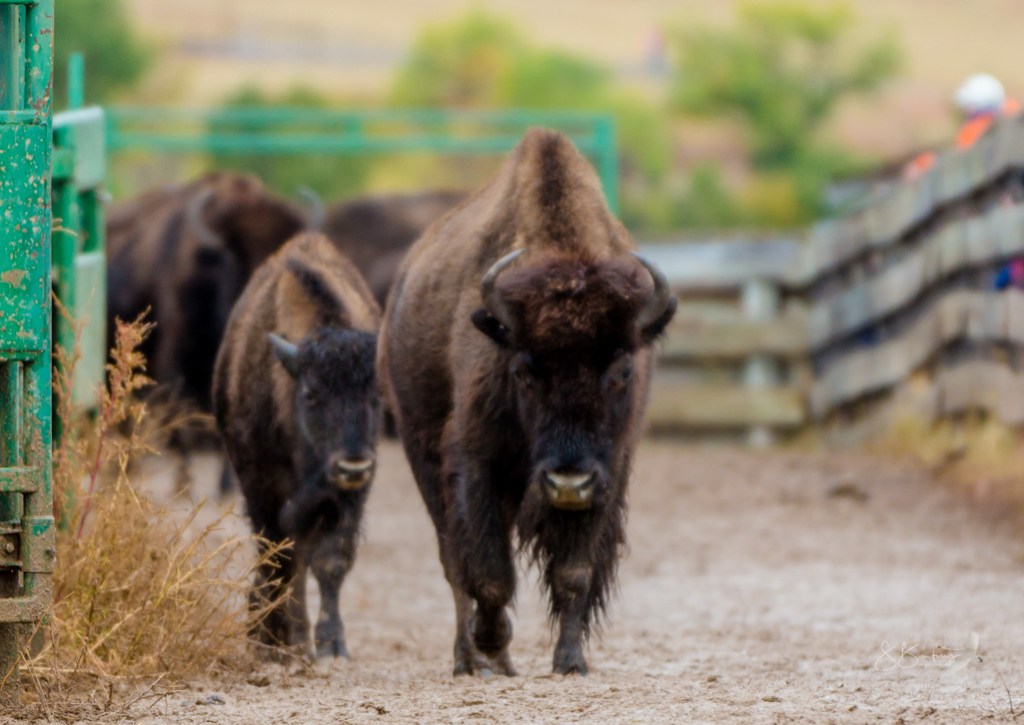
On September 25, 2015, a record 21,000 people watched 15 park staff and 30 volunteer cowboys and girls gather-in around 1200 head of buffalo during the park’s 50th annual Buffalo Roundup — a far cry from the 200 people attending the first roundup in 1965.

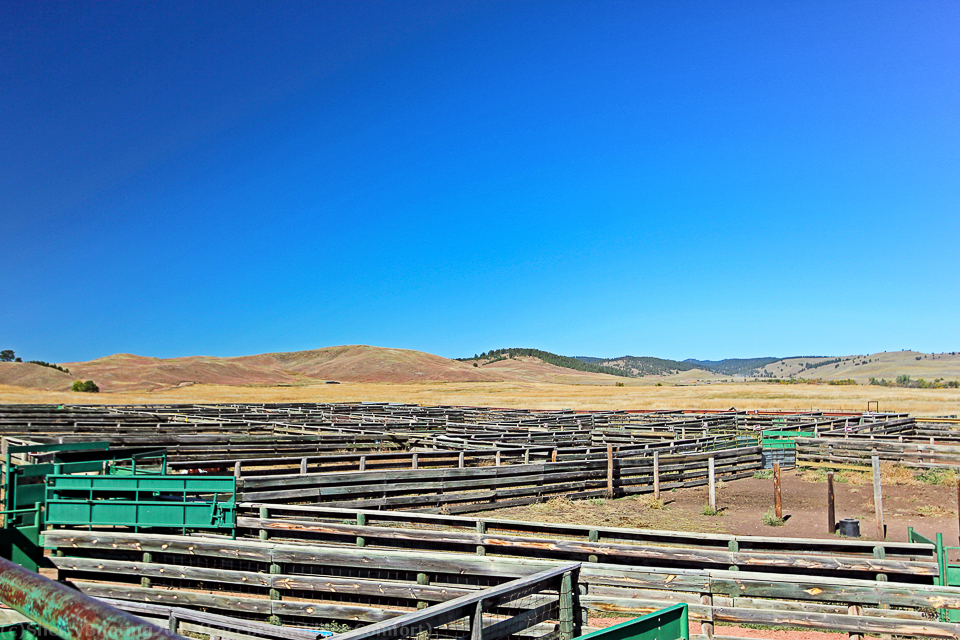
While the roundup has a purpose for vaccinating, sorting sale stock and branding, it is also an event shared with the public to appreciate.

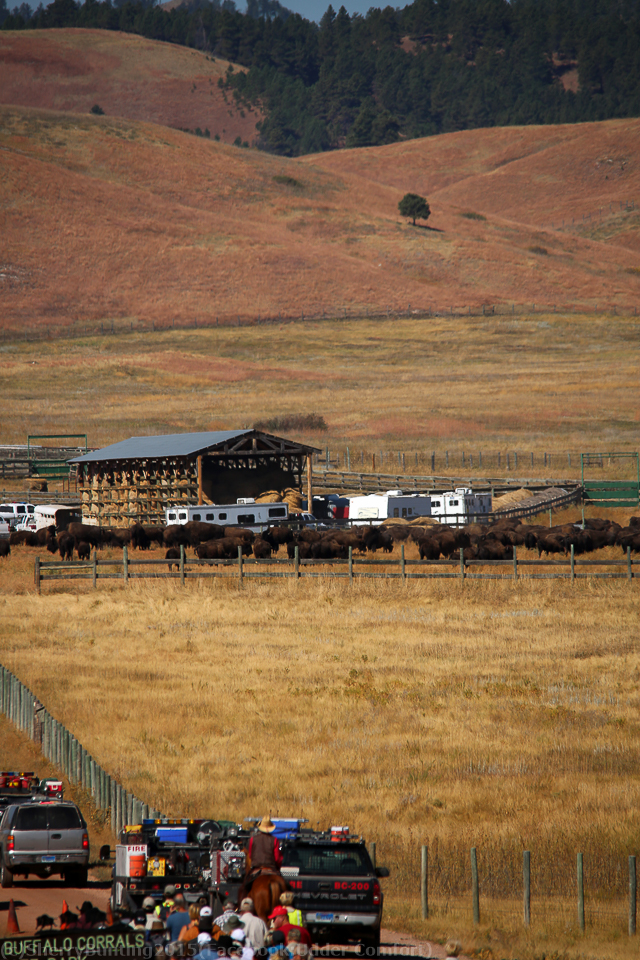
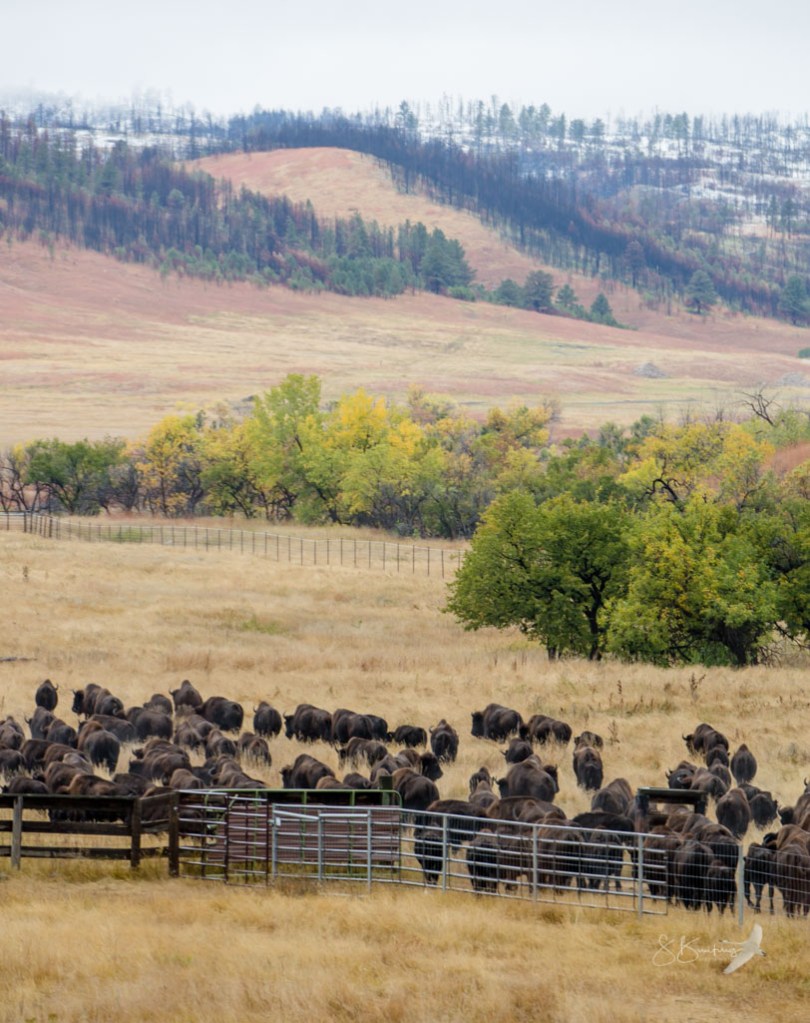
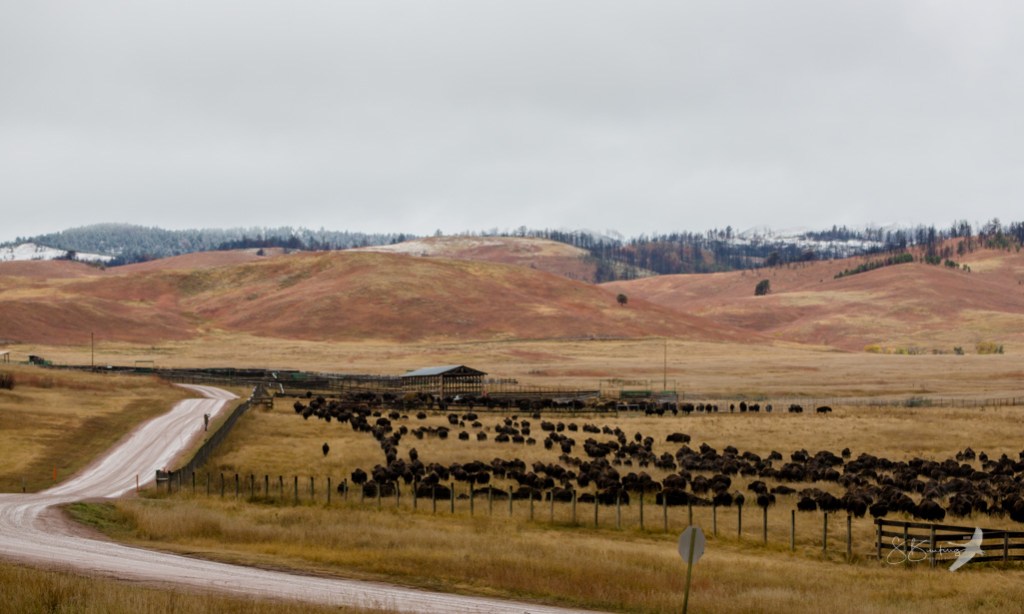
A month-long process, the work begins with locating the bison throughout the park so that on Roundup Day the groups can be easily brought together and pushed past droves of spectators to the corrals for the variety of annual management tasks.

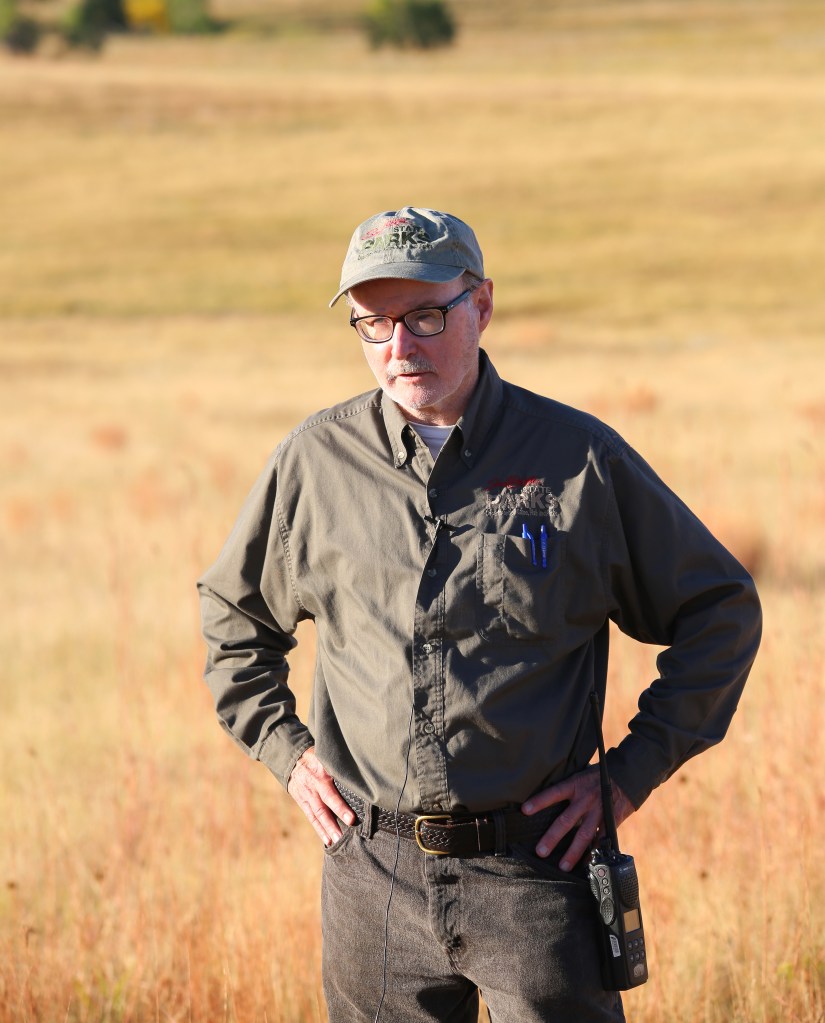
The event is both practical and “spiritual” notes Craig Pugsley who has since retired from the park service.

He has been here for at least 40 of the 55 annual roundups and he says the attendance really ramped up after the movie “Dances with Wolves” recaptured America’s appreciation of the West and its buffalo. The event also spawns a weekend of art festivals and activities that bring end-of-season tourism dollars to the local economy.

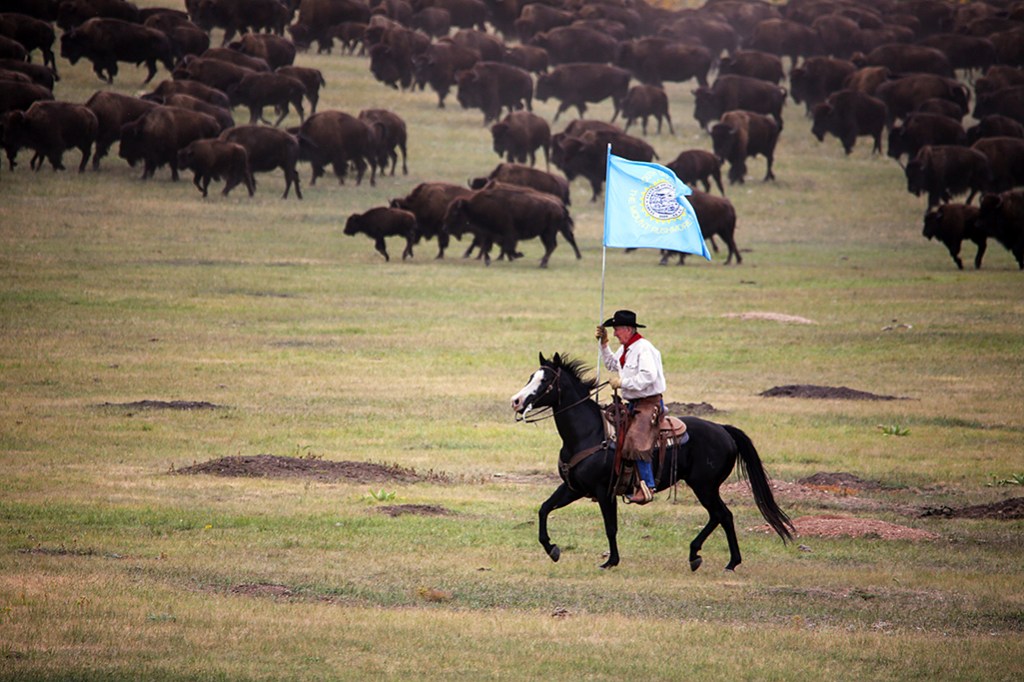
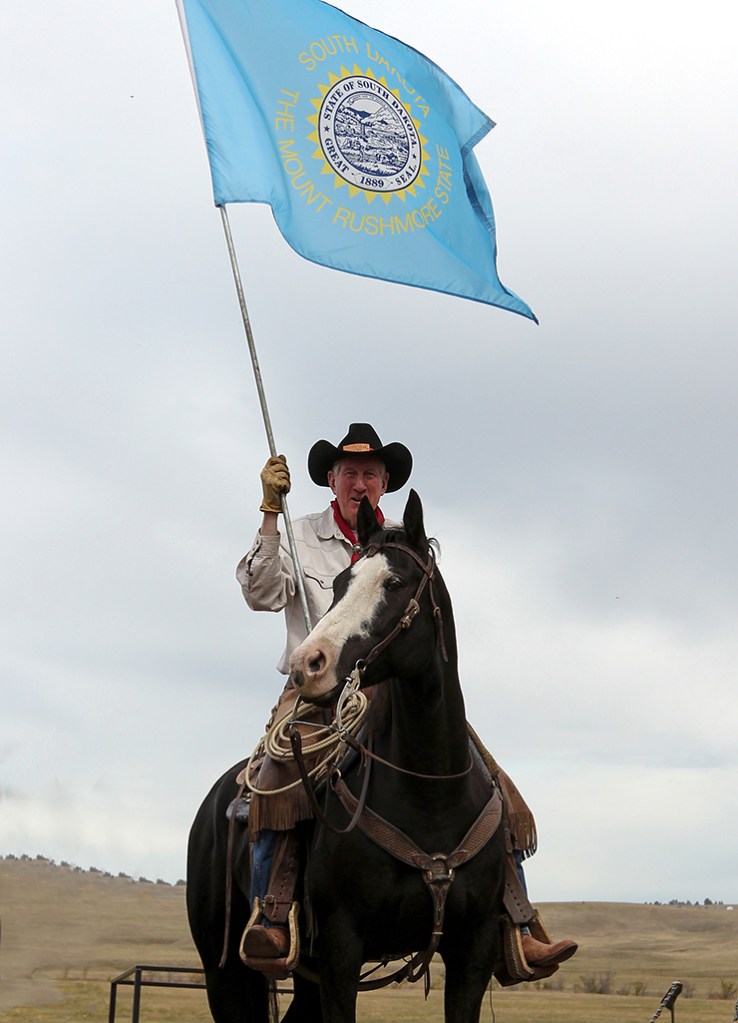
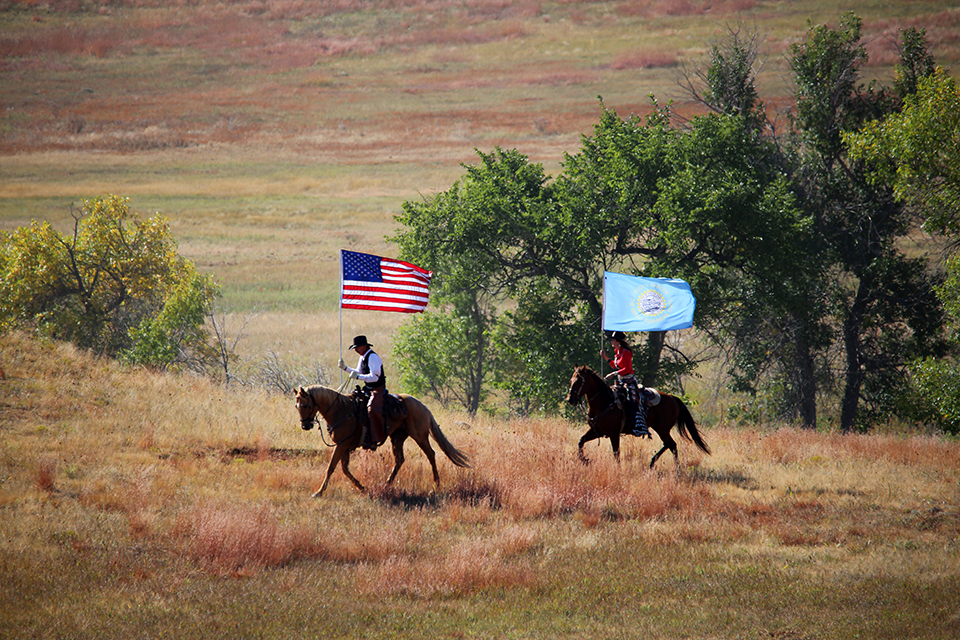
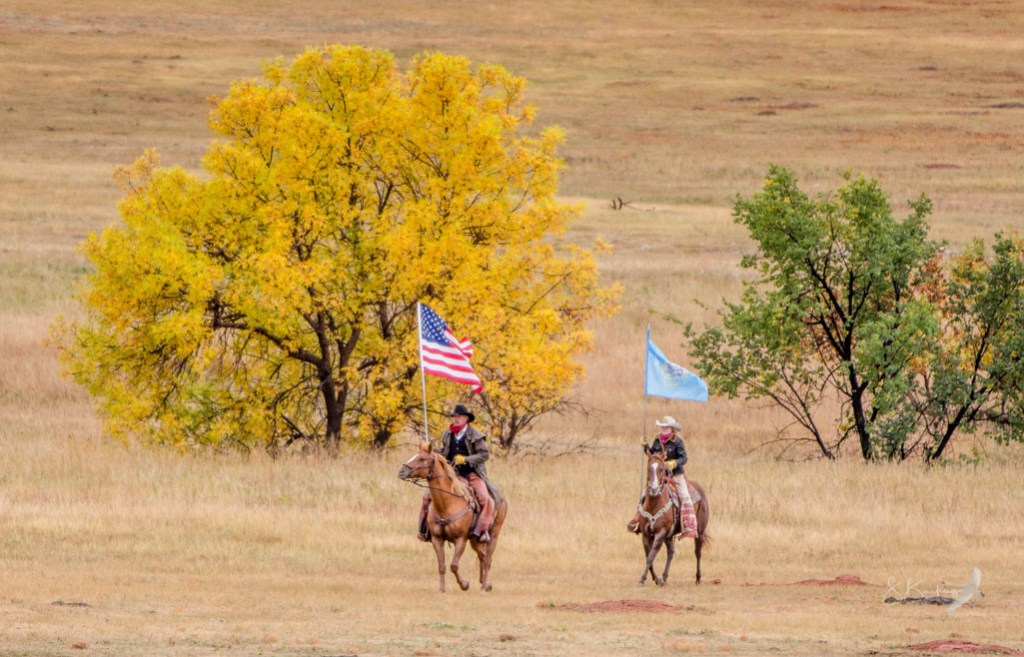
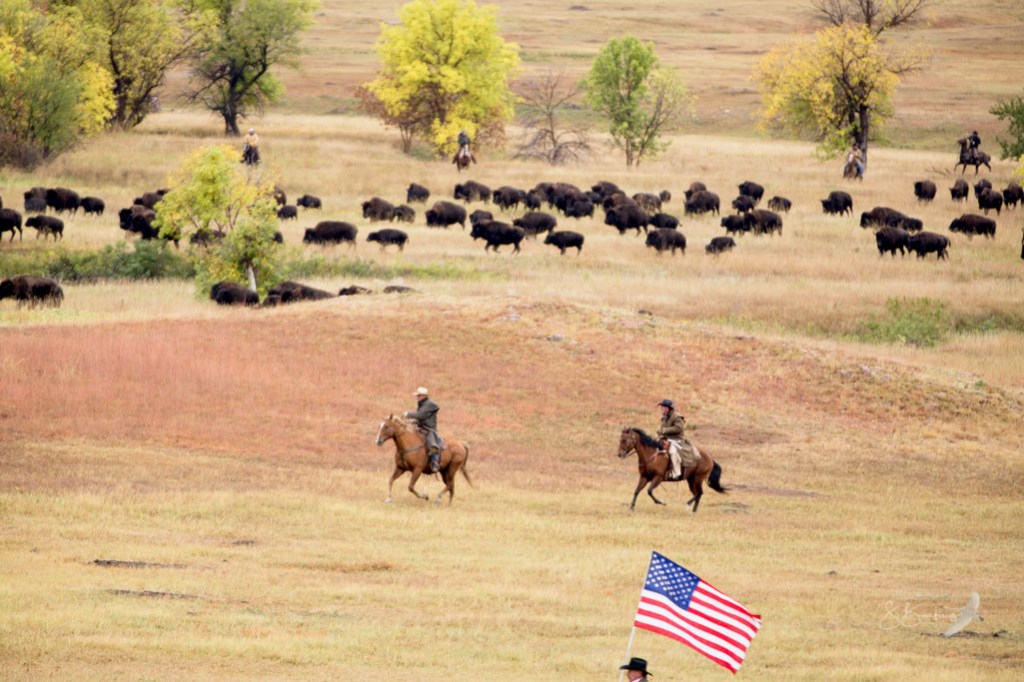
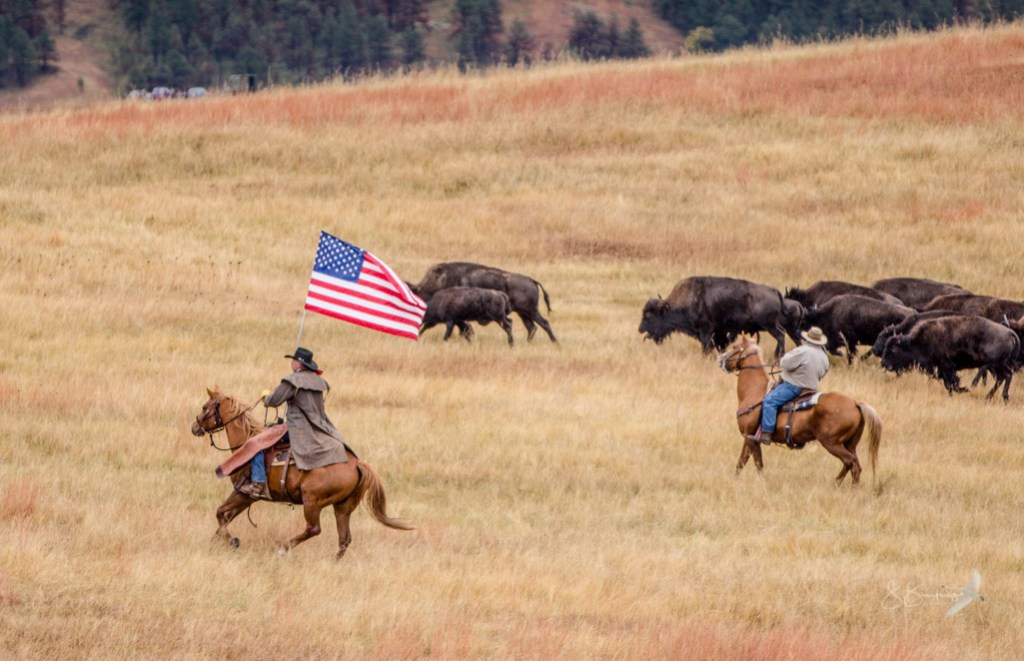
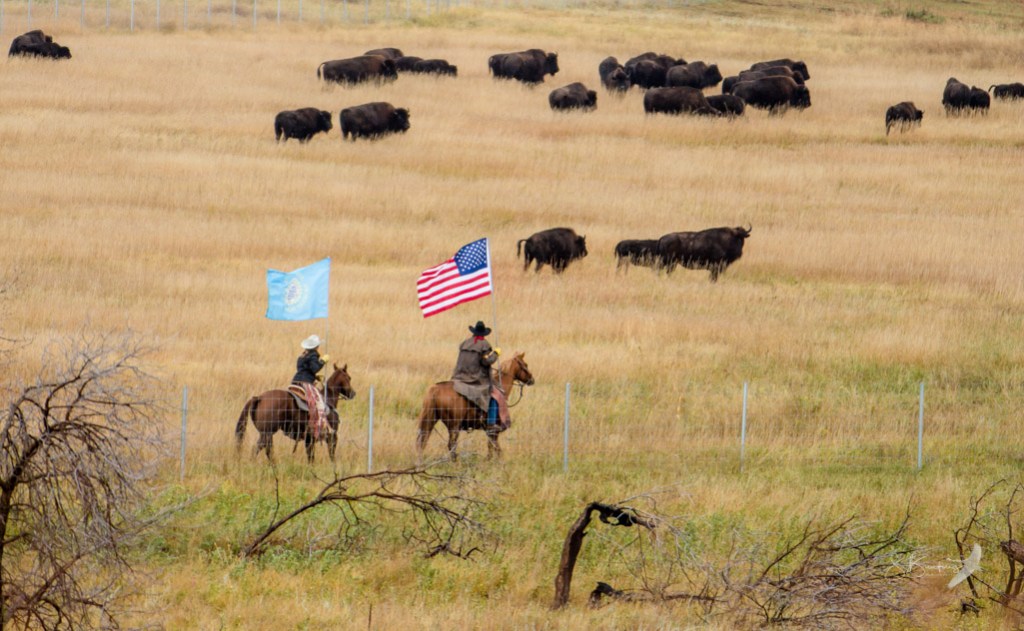
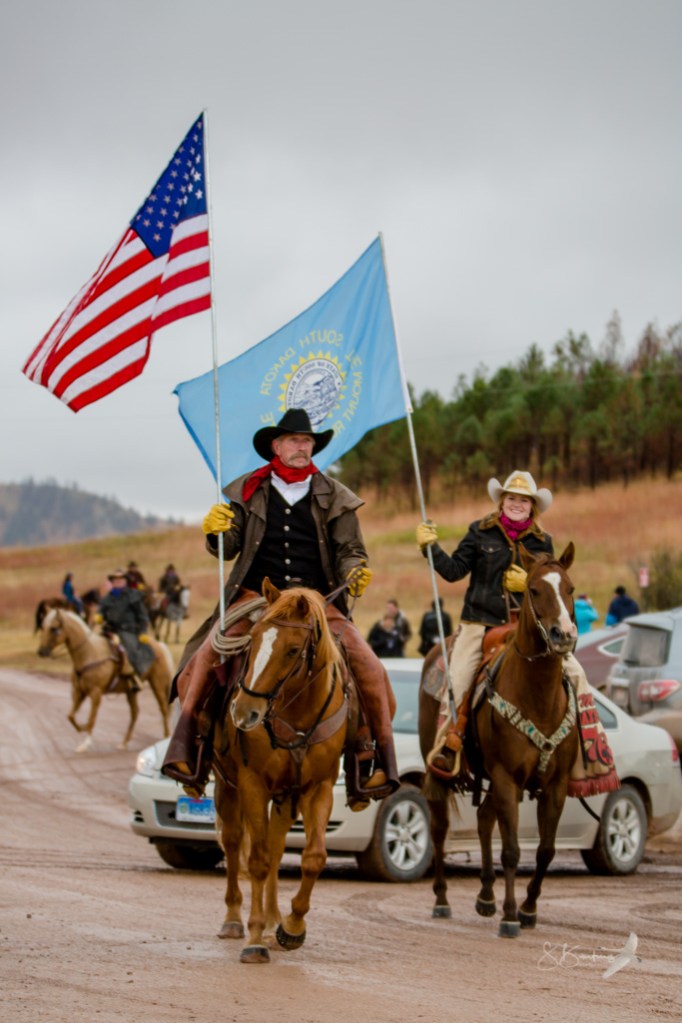
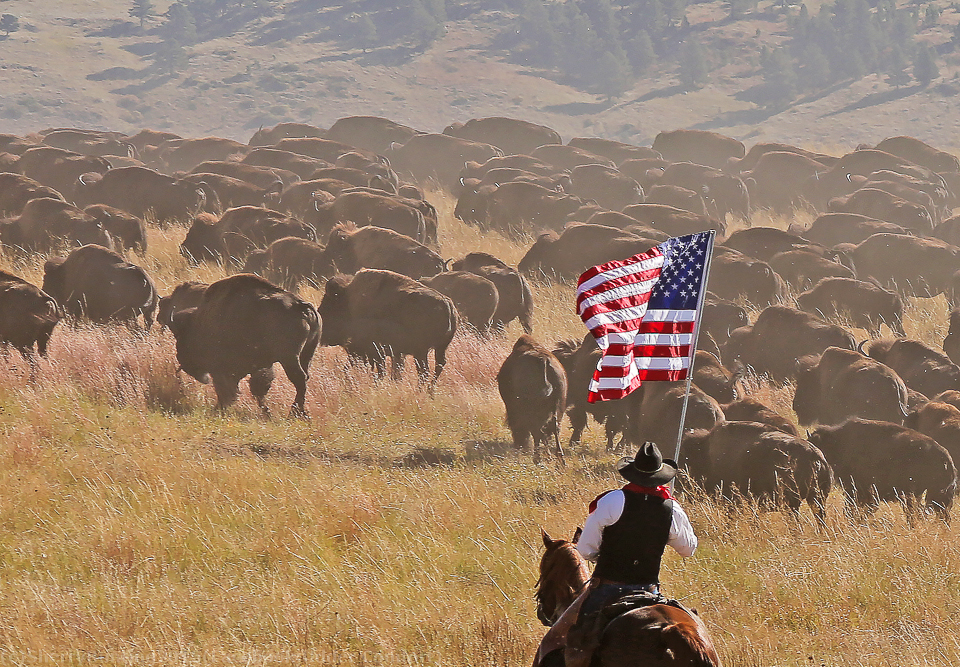
One year (2016), cattle rancher and then Speaker of the House Dean Wink was the South Dakota flag bearer. He has ridden the buffalo roundup quite a few times, but bearing the state flag was a special honor in 2016.

Two years previous, in 2014, both Dean and his wife Joan rode as they have several years before.

use 1

In 2018, I was surprised to learn I knew someone else riding, cattle rancher Scott Phillips, in appreciation for his work on the South Dakota Game, Fish and Parks Commission.

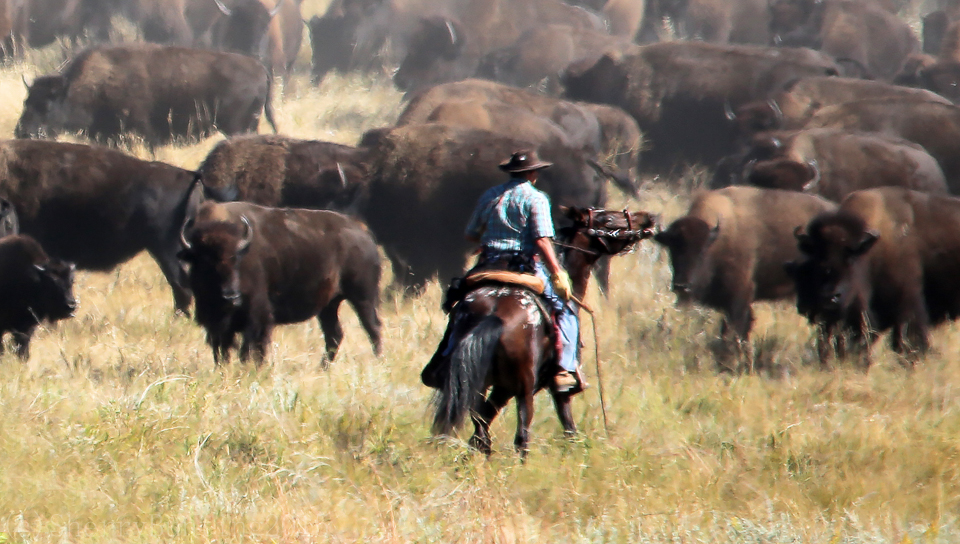
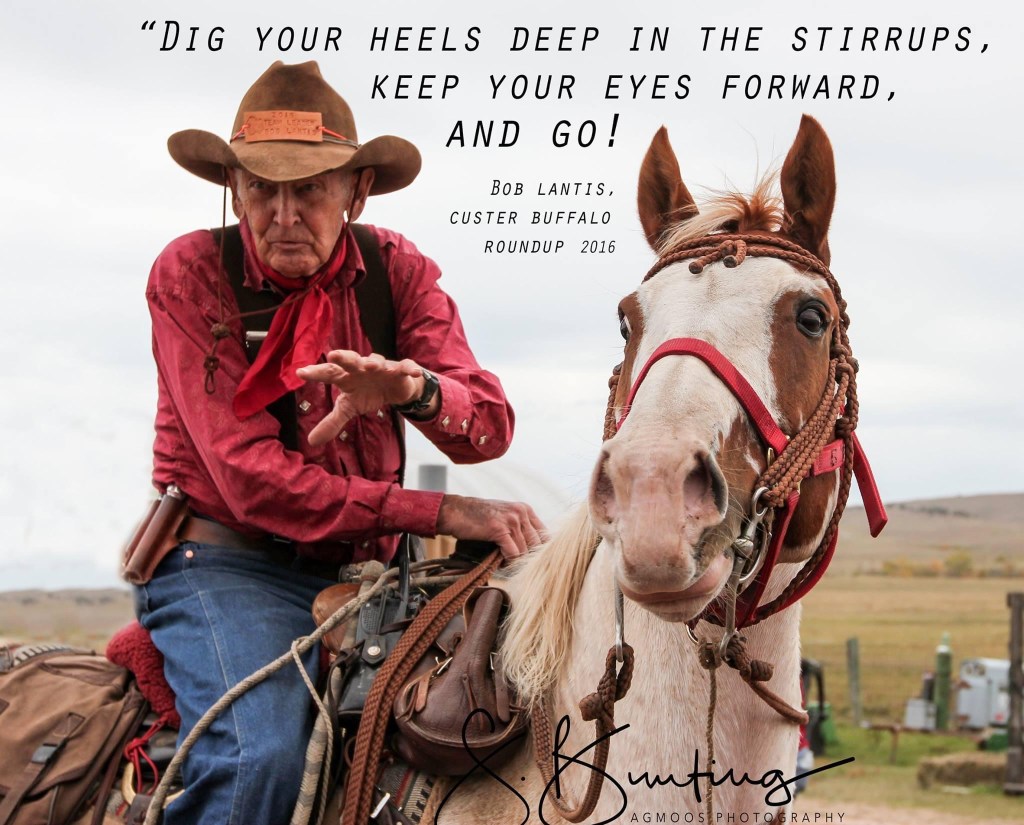
In 2016 year, I met this interesting old-timer, Bob Lantis. He has ridden in at least 42 Custer Roundups. He was for many years the herdsman. In 2016, I found him surrounded by the international press pool of photographers and reporters fascinated by him and his ‘killer horse’ Chip. They were hanging on every word Lantis said as he gave this advice on avoiding the prairie dog holes when there’s no time to pick your path. What a metaphor for life.

“Dig your heels deep in the stirrups, keep your eyes forward, and go!” — Bob Lantis.

Wish you were there? Me too. So…. ‘saddle up’ and ‘ride’ along (photos, captions and slideshow below from 2014, 2015, 2016, 2018!)

buff-blog-8

The morning is crystal clear and cold. At 31 degrees, I need my ice scraper to lift the frozen film of overnight dew clinging to the windshield!

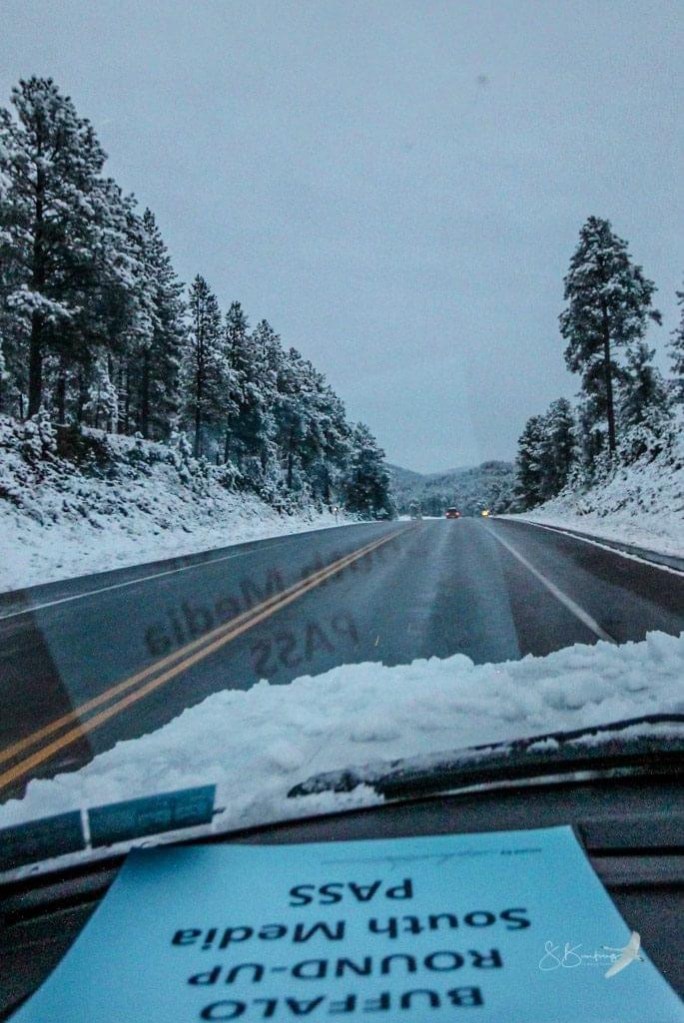
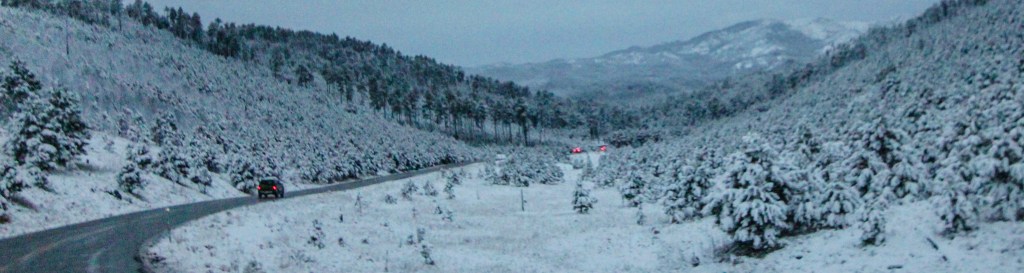
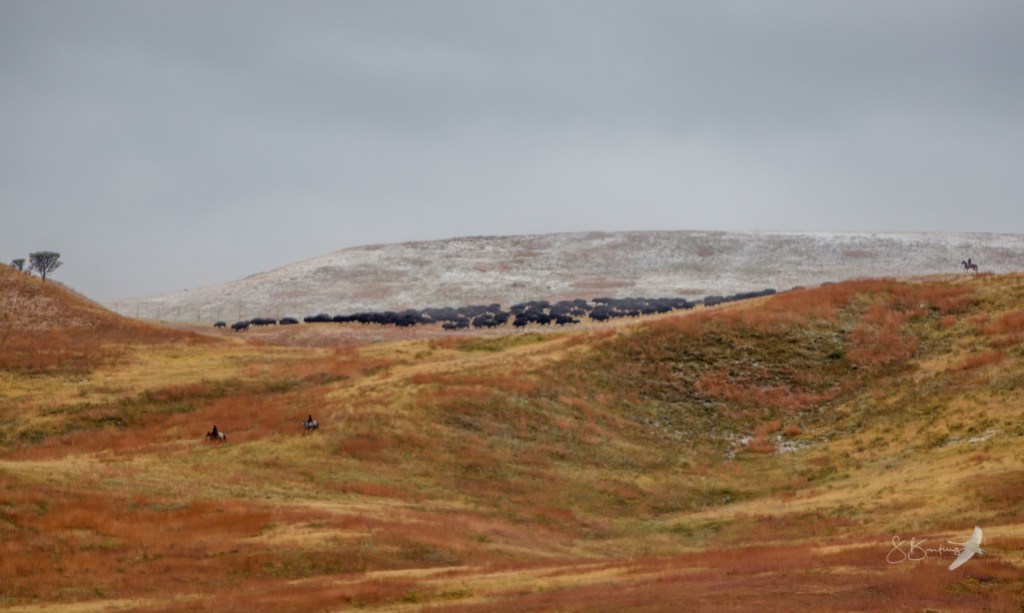
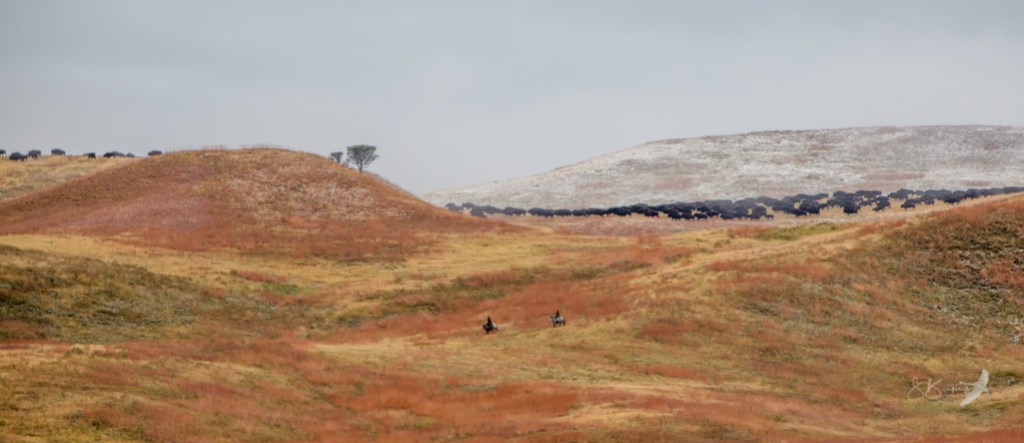
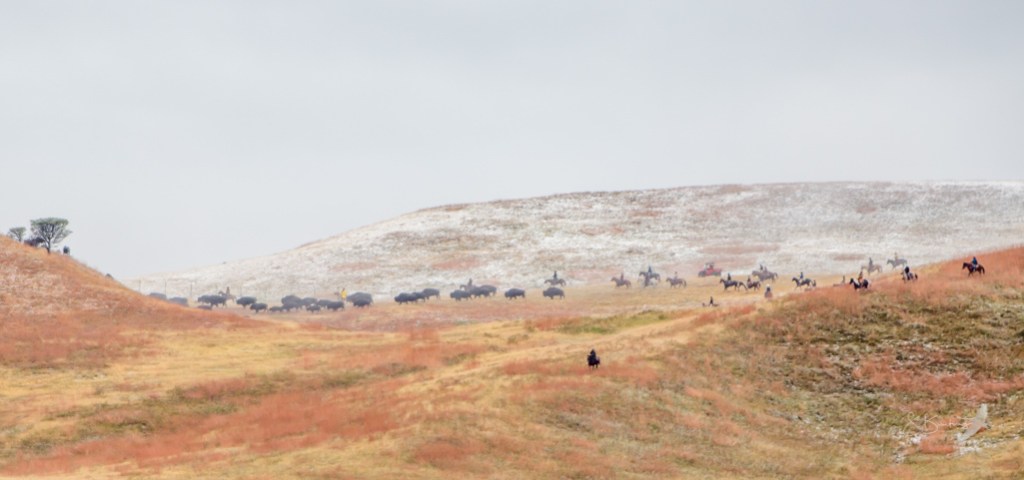
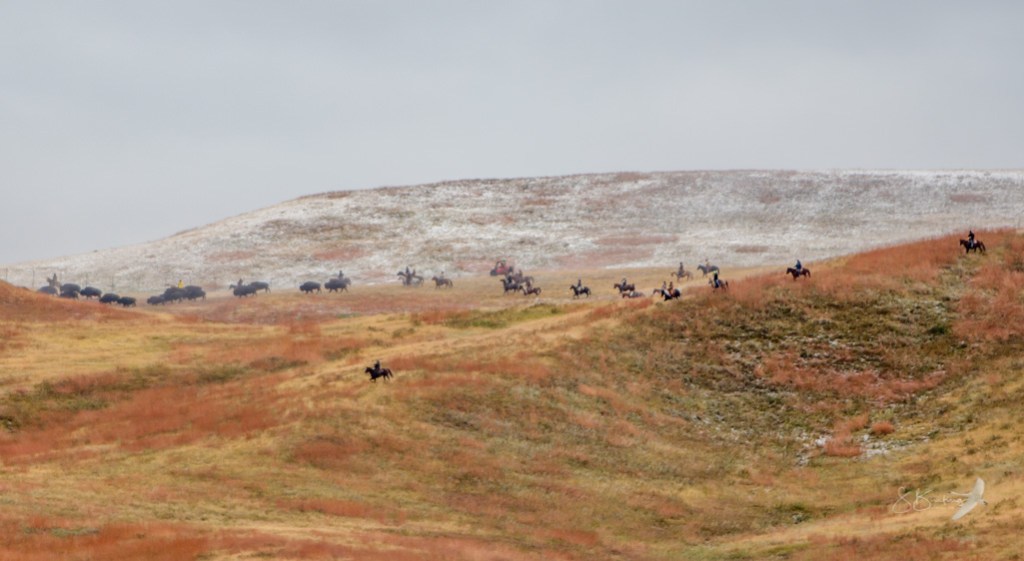
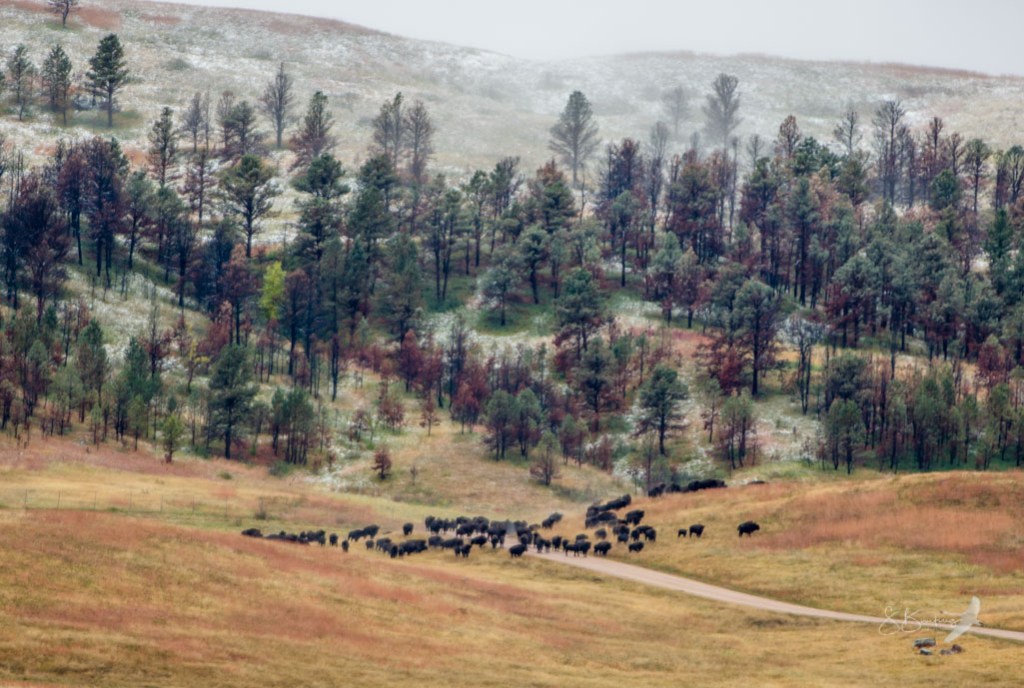
Sometimes it even snows, like in 2018.

buff-blog-11

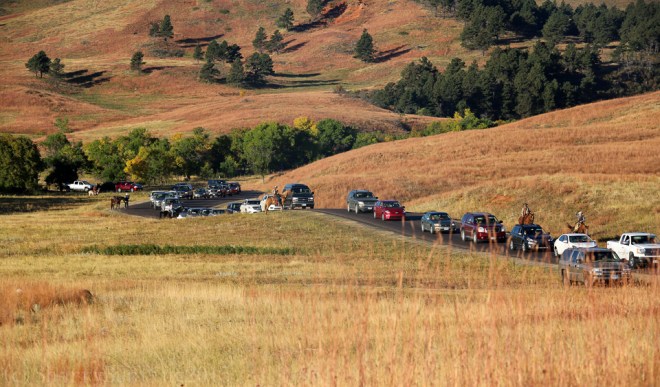
By 6 a.m. as the line of cars snake into the park, the temp reaches 45. Some years, the temp will go from 30 in the early morning to topping 80 by mid-afternoon!

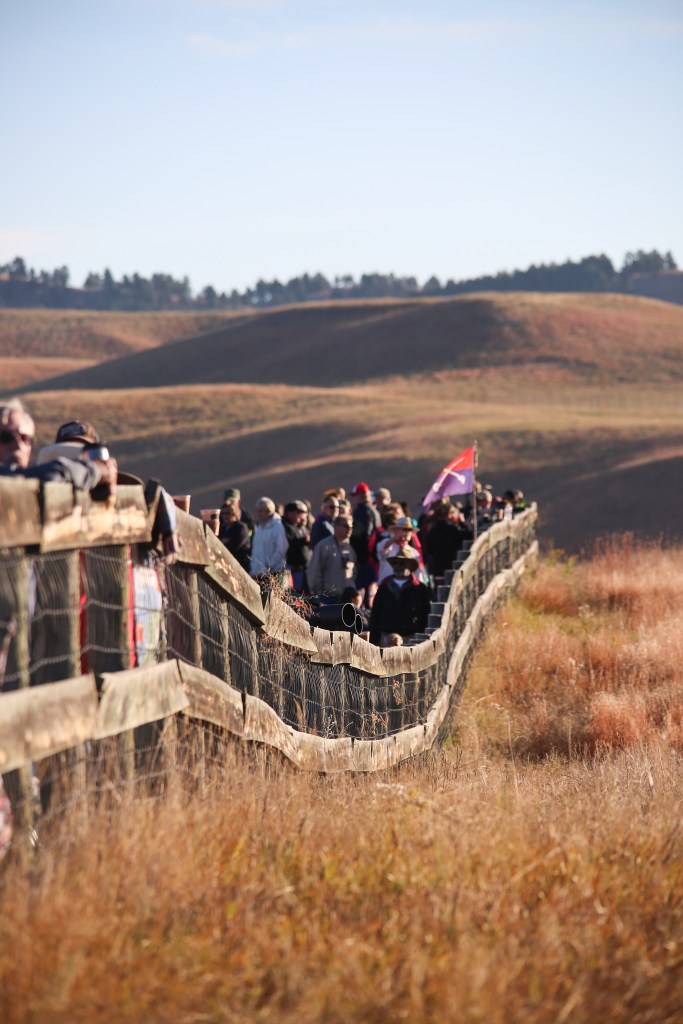
Crowds assemble and enjoy a pancake breakfast. The media area includes journalists from around the world and two documentary film crews, including Smithsonian.

In the media area, we are each given a number designating a truck to hop on when the herd passes by… to follow along. 8 trucks. Lots of cameras.

custer-7

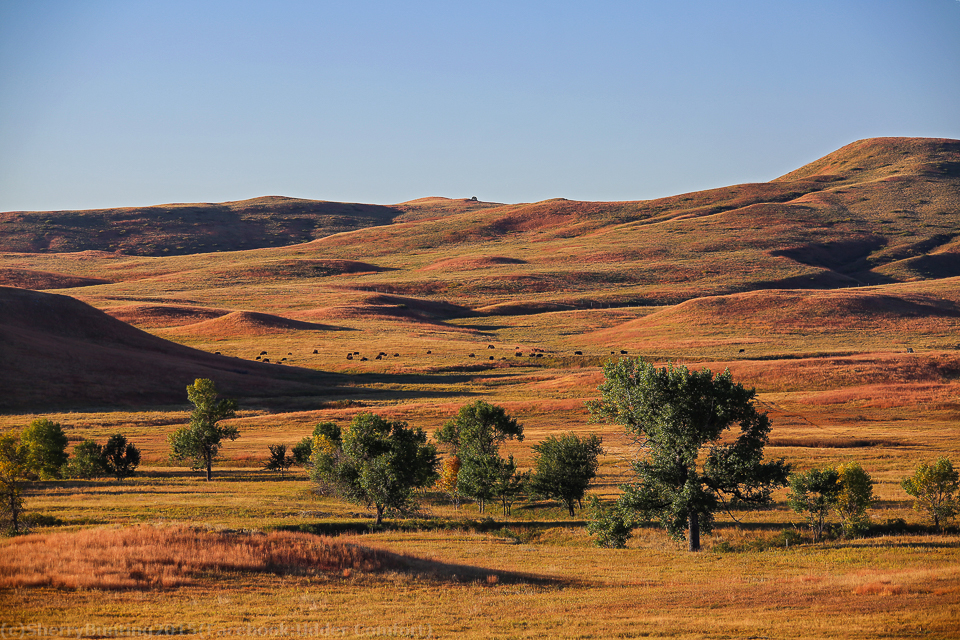
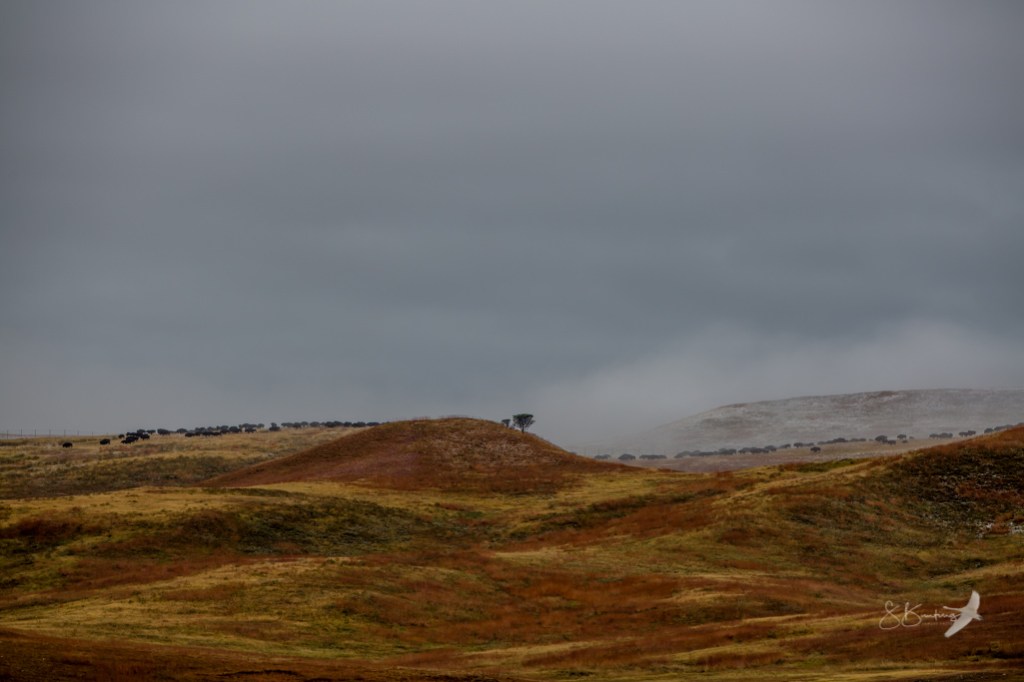
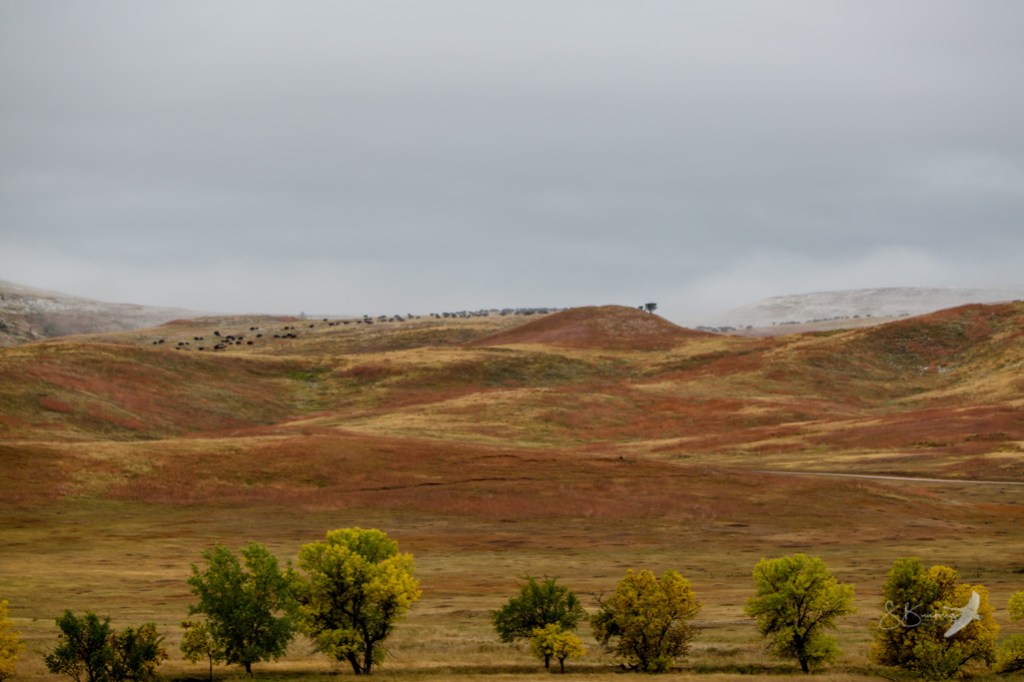
A delayed start safely clears the park of vehicles and riders not working the roundup. I fiddle with photographing grasslands onto which the thundering herd will appear. Rainbow ribbons of color evidence of the year’s moisture.

CusterRoundup-3862

We wait… Then special guests arrive from down off Mount Rushmore. An entertaining foursome!

buff-blog-15

Harbingers of the thunder to come, prairie dogs perch and listen while the ‘begging burros’ of the park high-tail it out ahead of the horsemen and a first set of buffalo on the ridge. 

buff-blog-16
buff-blog-18

buff-blog-21

That first glimpse of the accumulating herd… and then the flag bearers… light gleaming through proud fabric in the late morning sun.

flagreal4036
flag 2
buff-blog-30
buff-blog-27

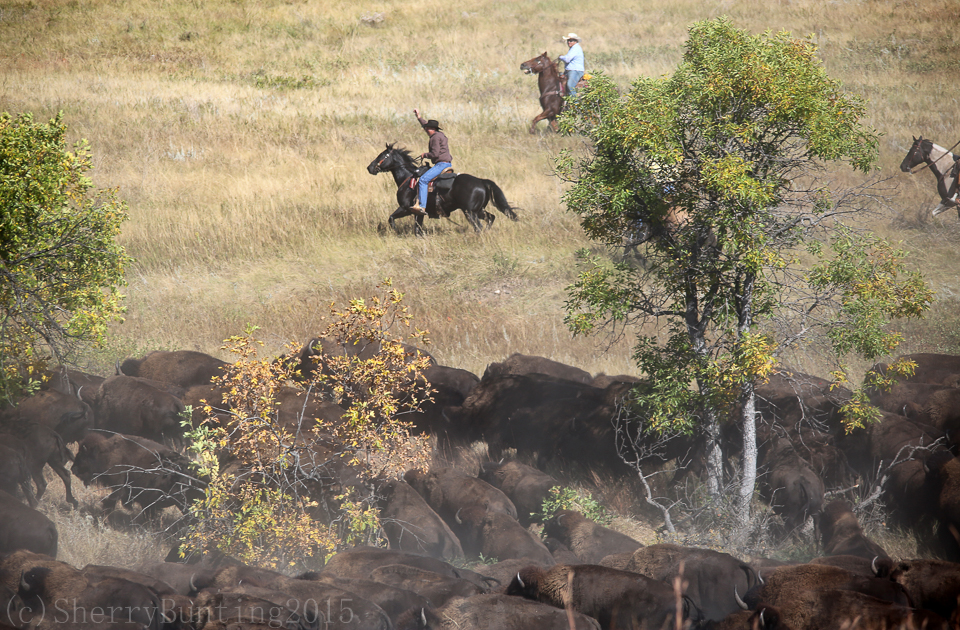
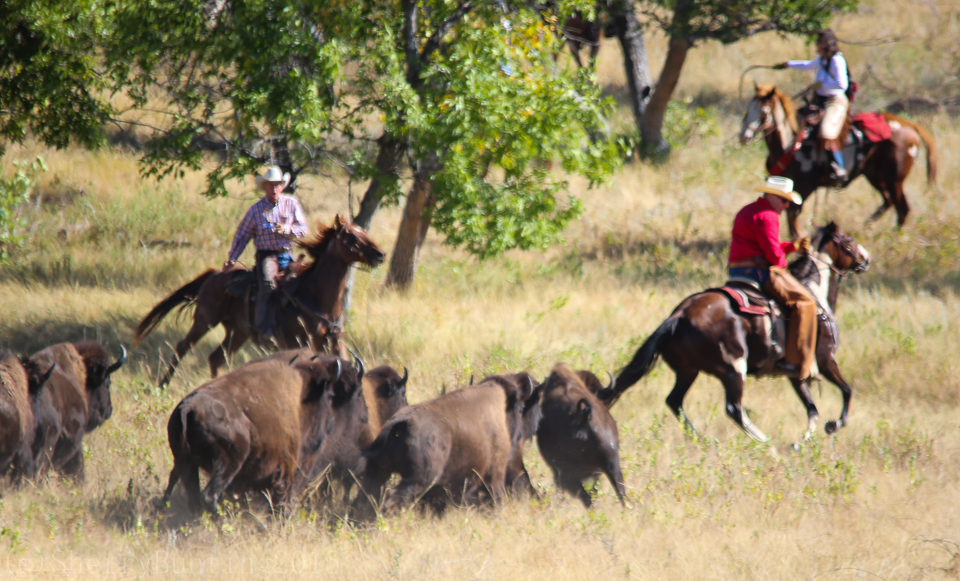
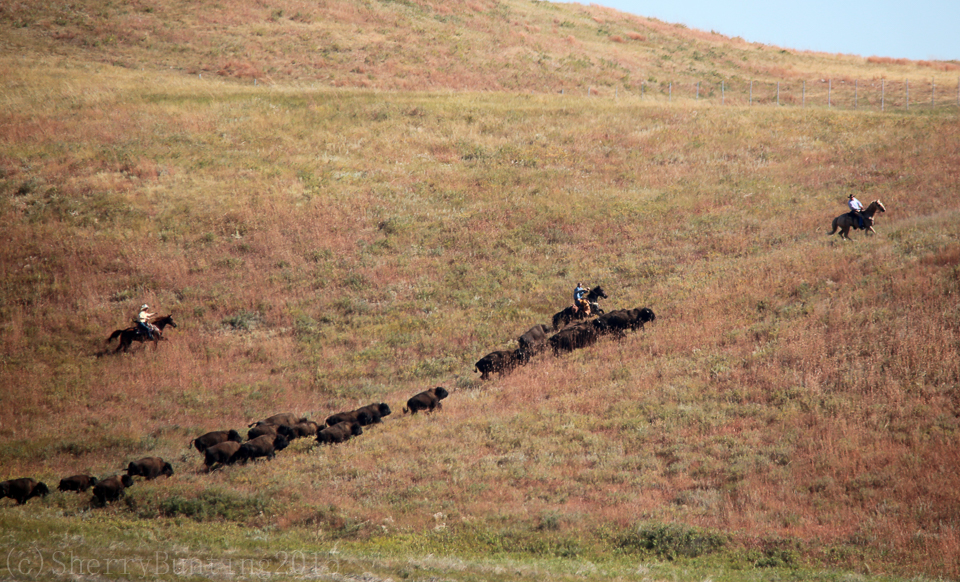
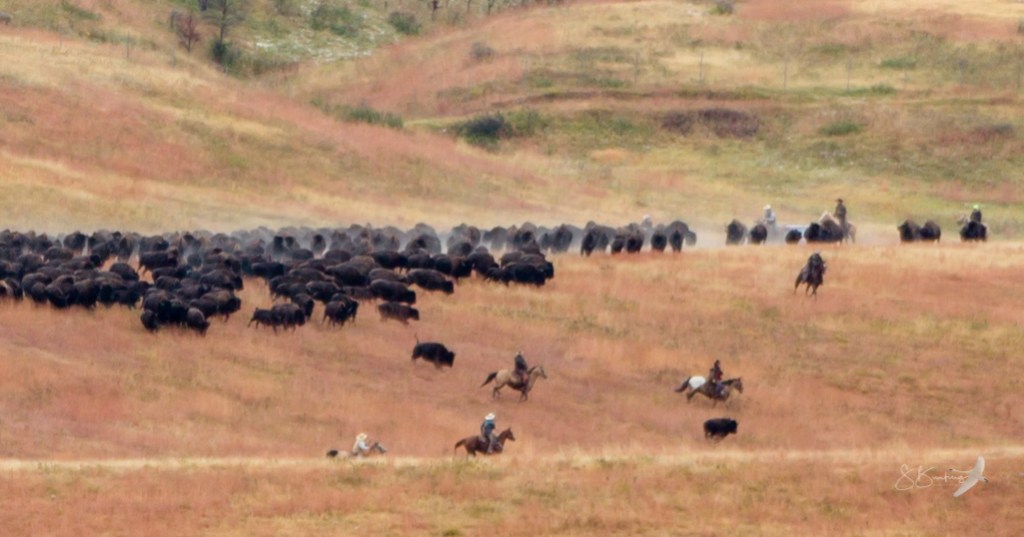
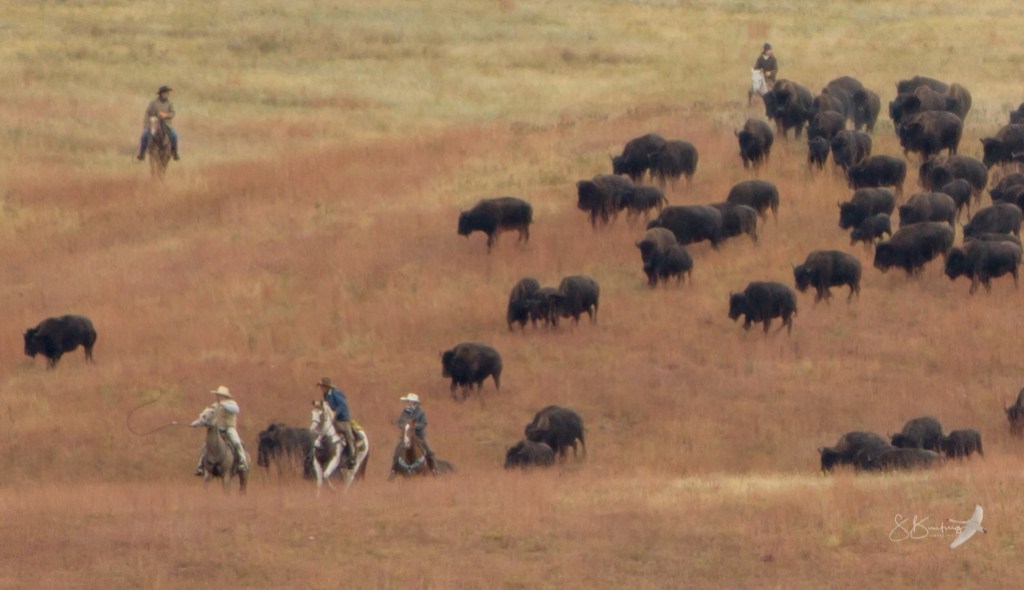
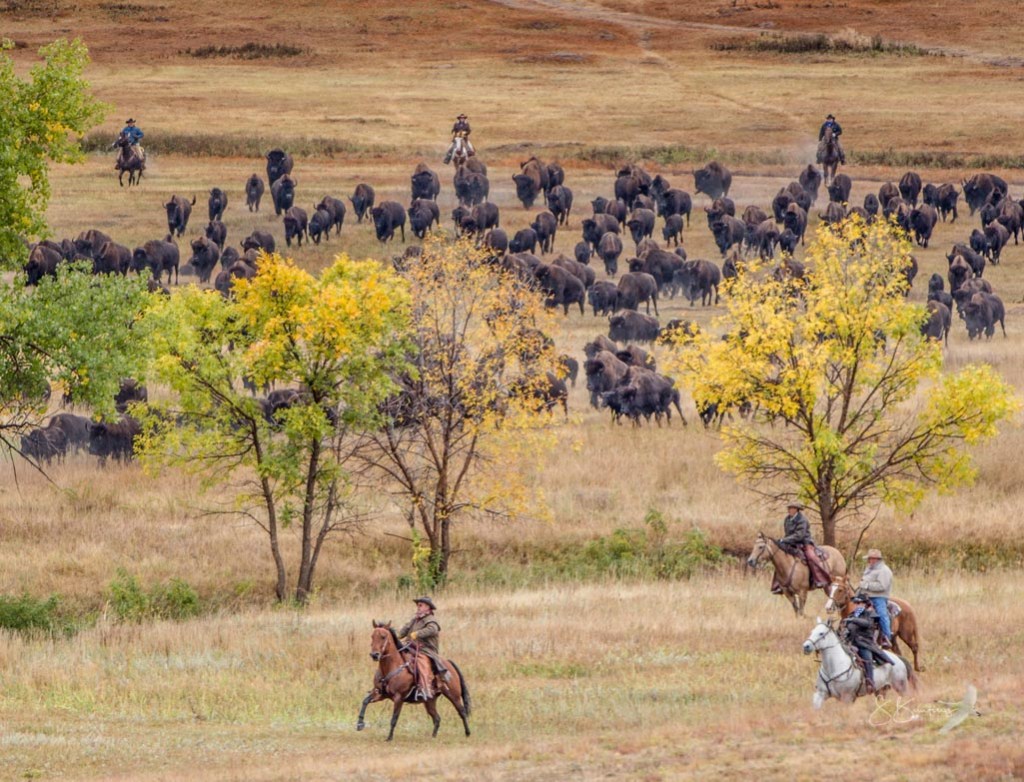
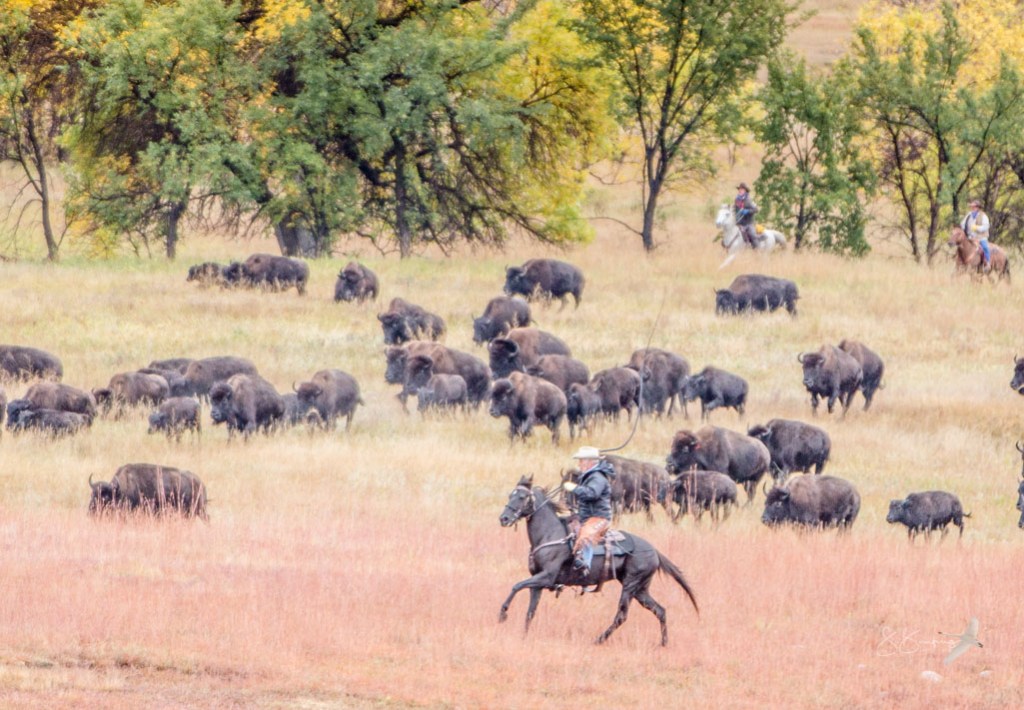
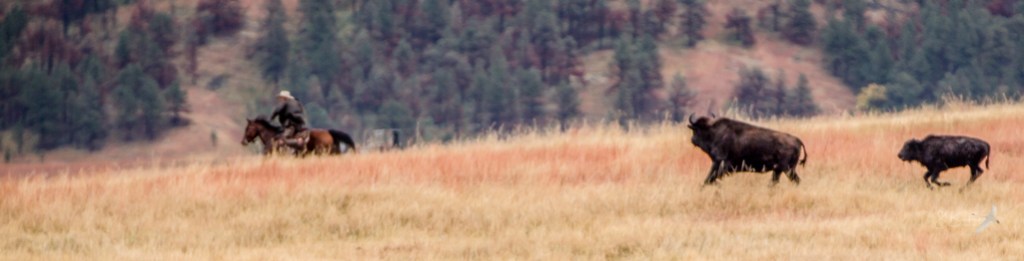
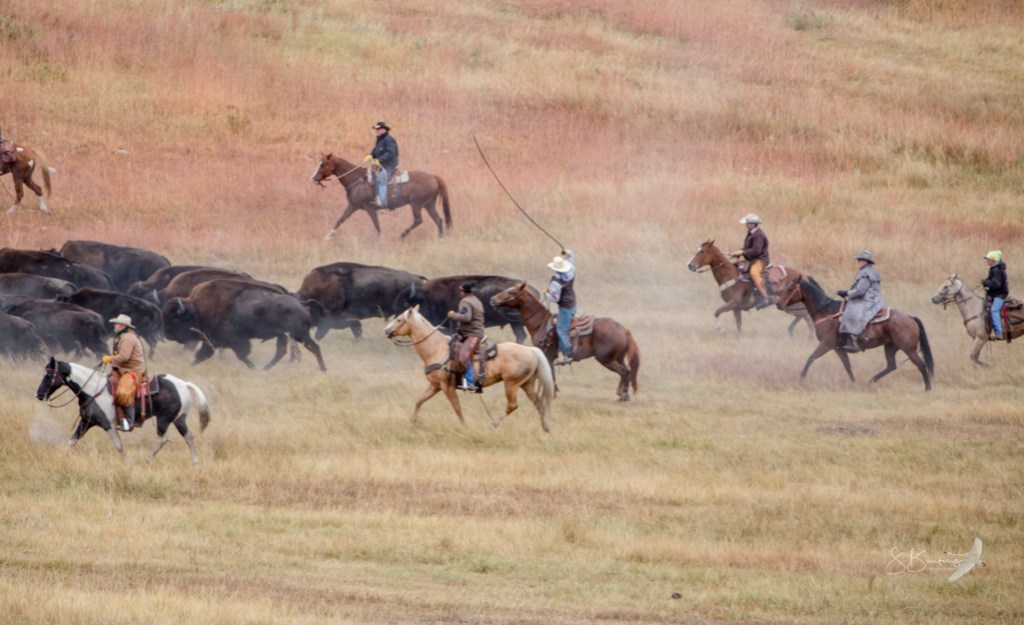
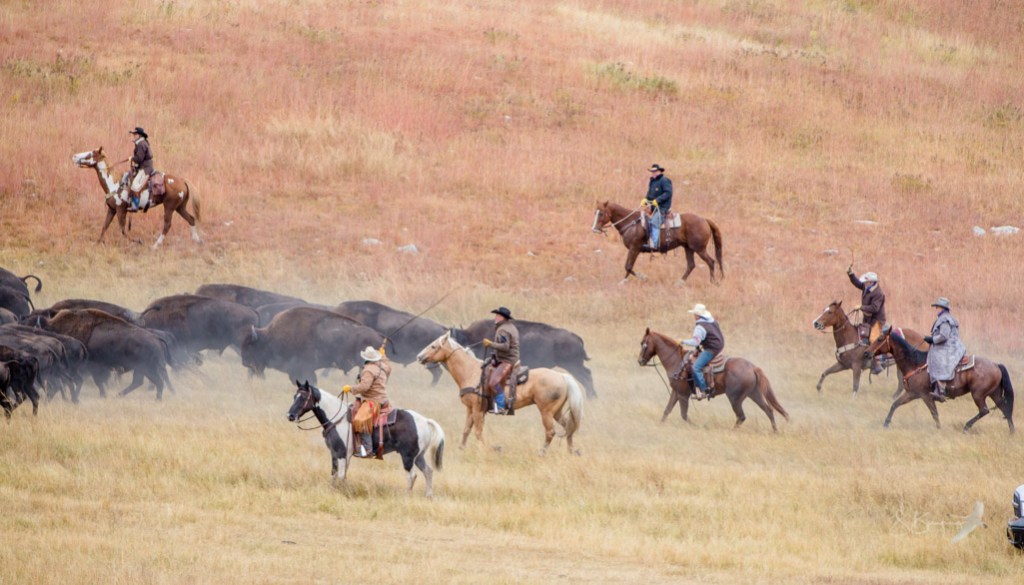
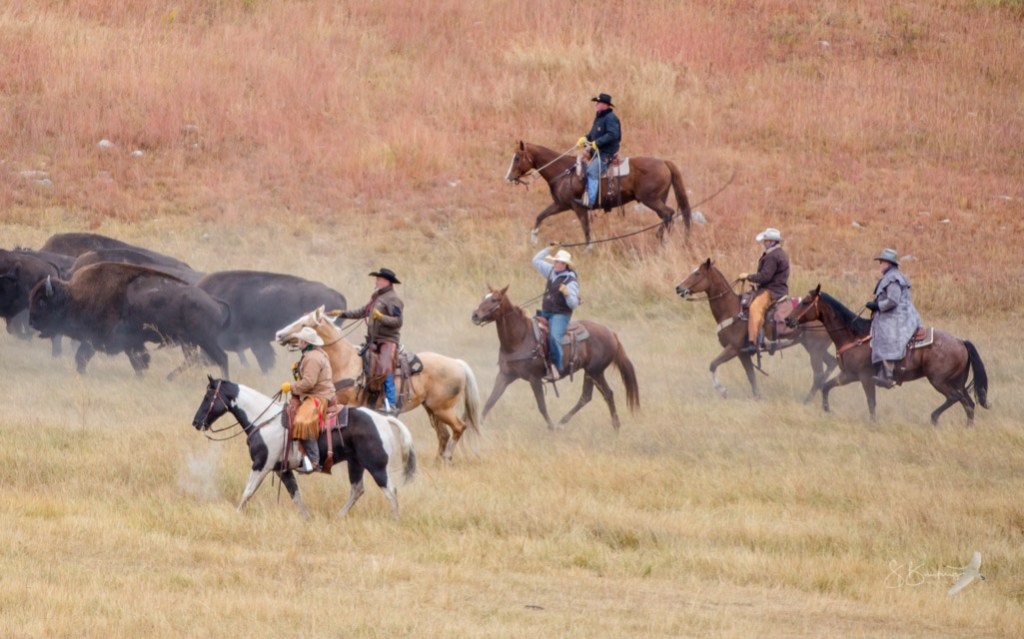
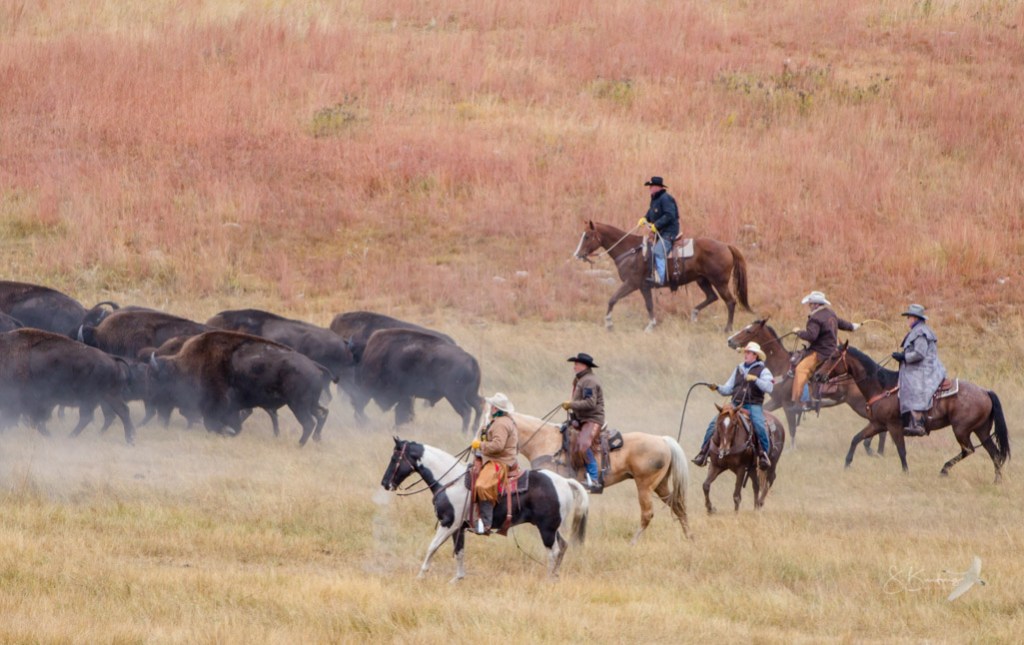
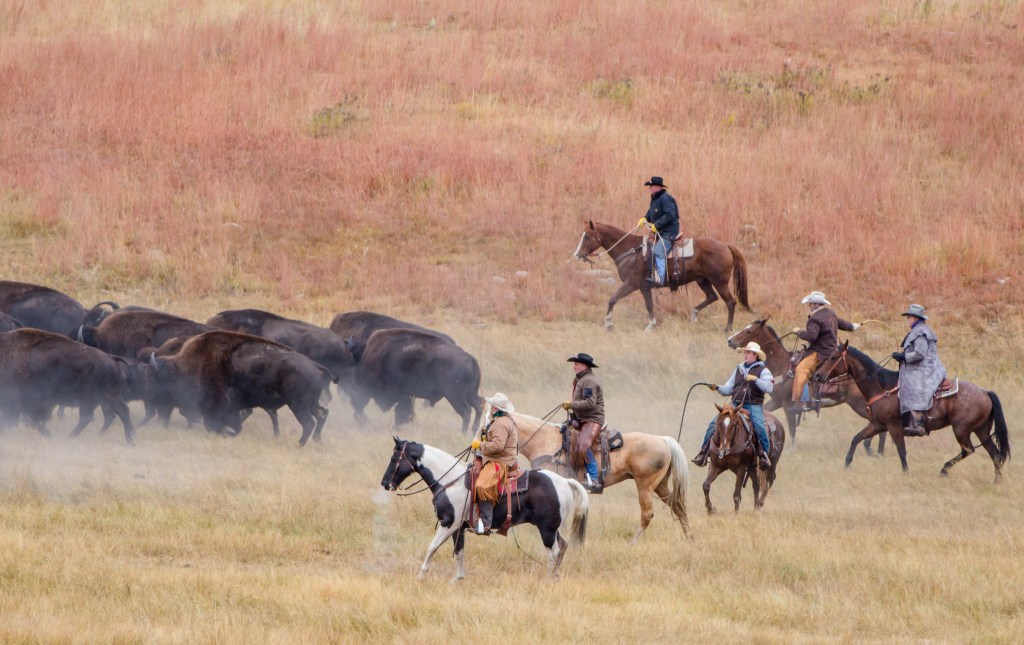
Things go smoothly until they reach the merging point when the run for the corrals gets intense. 40 odd head successfully double back a few times over the hill. This makes for some crowd-pleasing wrangling by core leaders of the cowboy brigade.

custer-79
custer-92
custer-66
custer-67

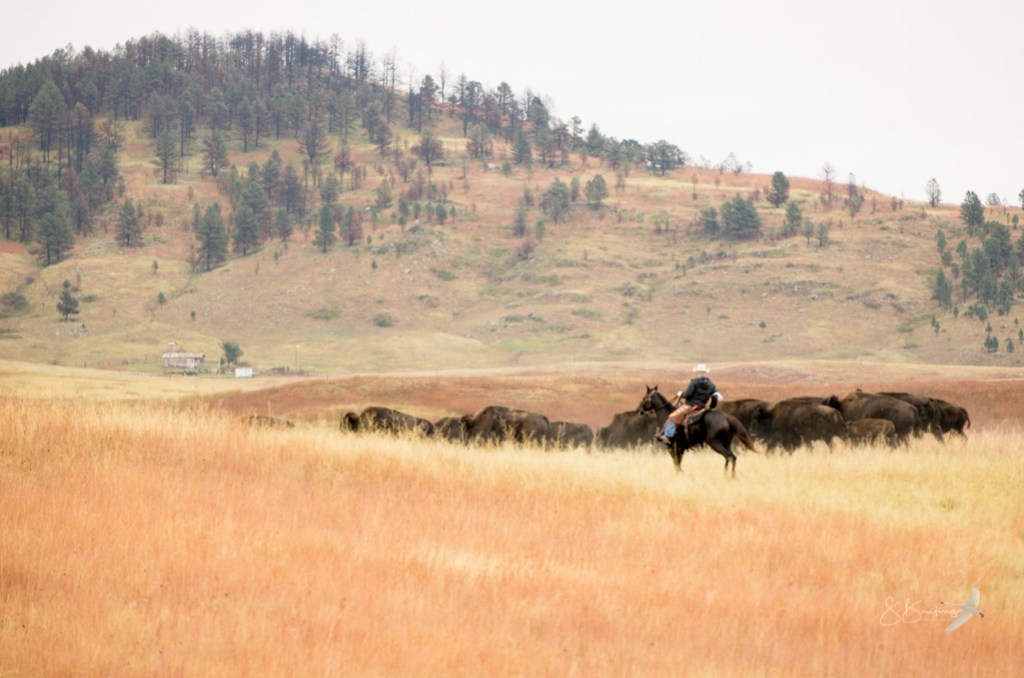
There’s buffalo herd manager Chad Kremer on the dark horse.

buff-blog-60
buff-blog-59
buff-blog-58
buff-blog-57
buff-blog-56
buff-blog-40
buff-blog-39
buff-blog-42
buff-blog-55

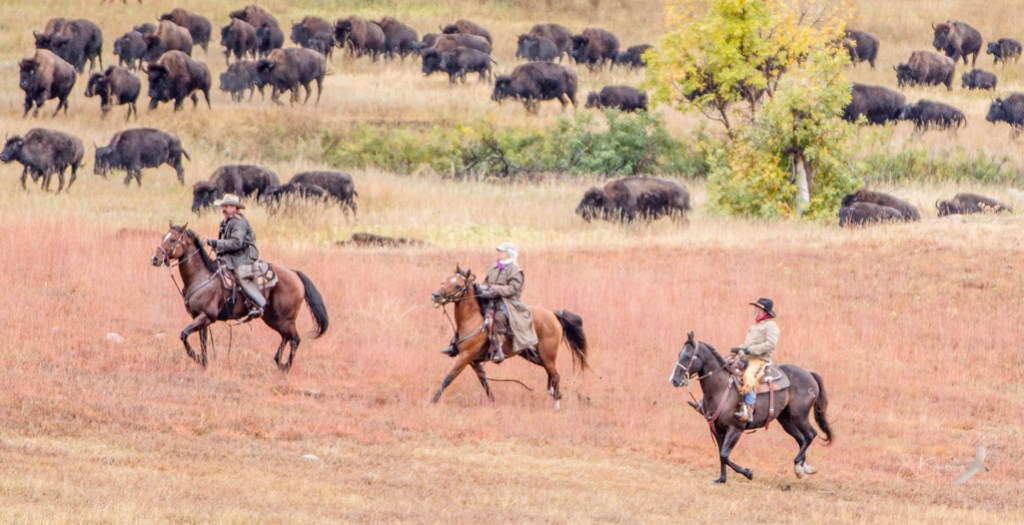
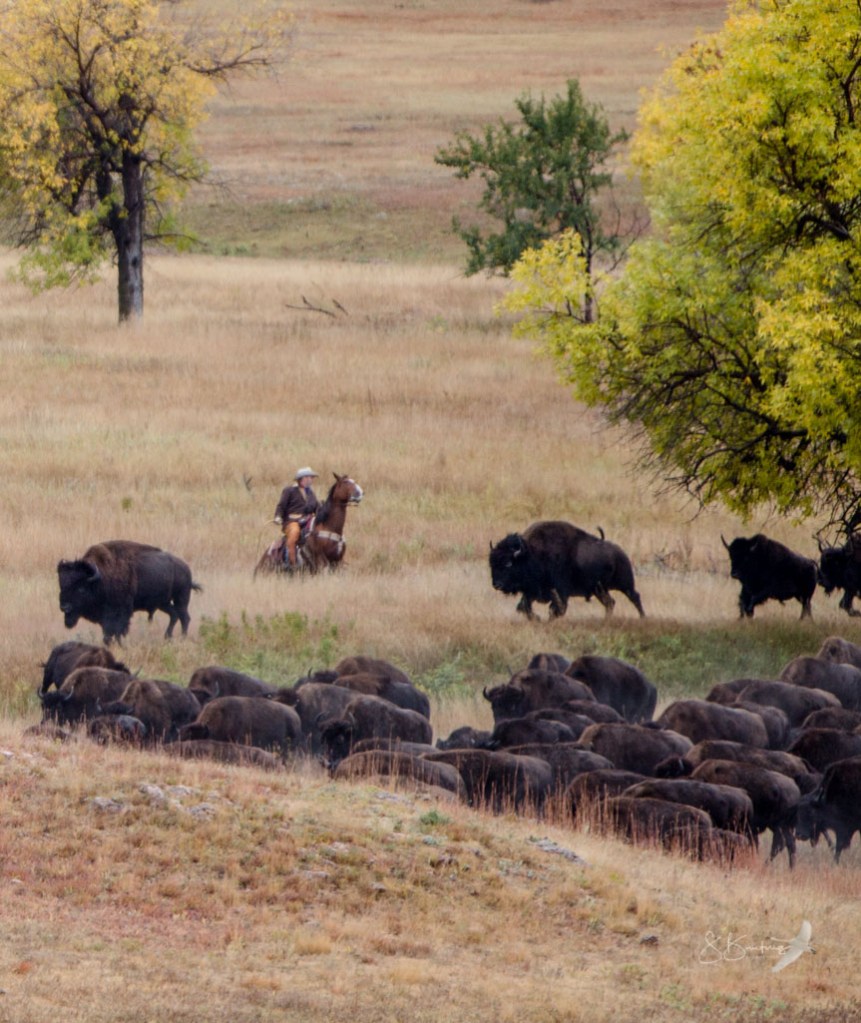
Again the rebels break loose and double back. Bison run fast. Good horses and smart riders run faster and manage to head them off.

buff-blog-63
buff-blog-47
buff-blog-29

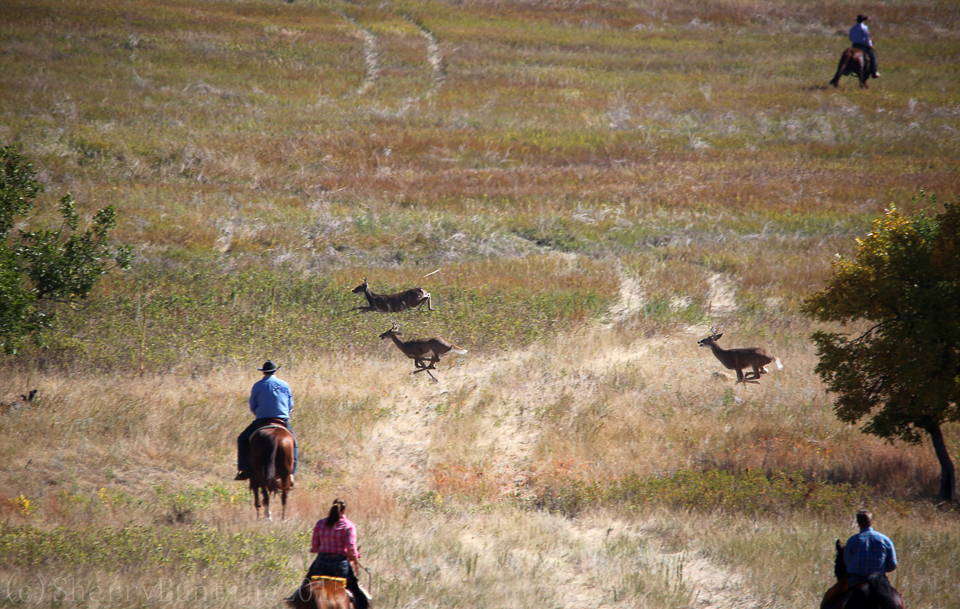
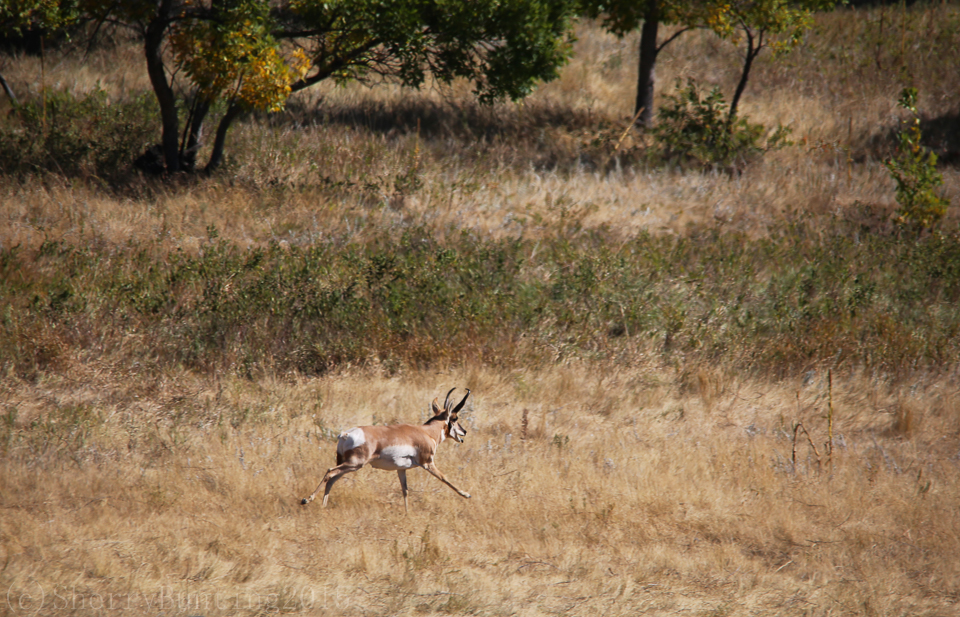
The crowd goes wild when deer and antelope mix into the fray. Guess the park animals soon realize it’s not a normal day at the park!

buff-blog-50
buff-blog-75

Safety is critical… Riders learn behaviors to watch for as the buffalo mill about between two hillsides full of spectators.

custer-104
buff-blog-37
buff-blog-78
buff-blog-81
buff-blog-79
buff-blog-77

A line of riders forms to protect the media after we have jumped off the trucks.

buff-blog-36

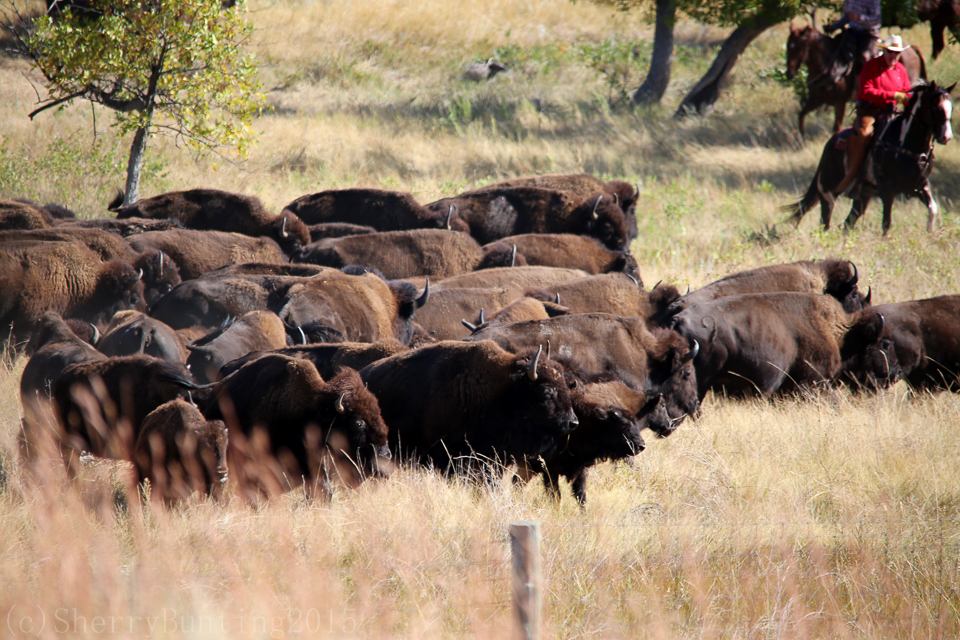
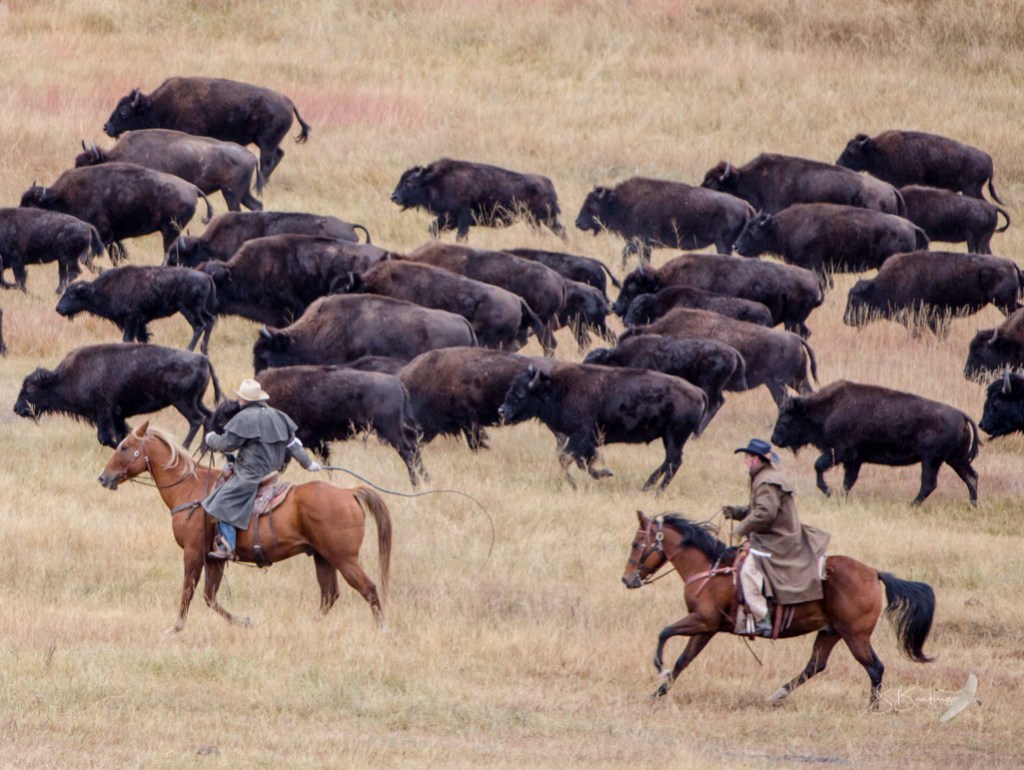
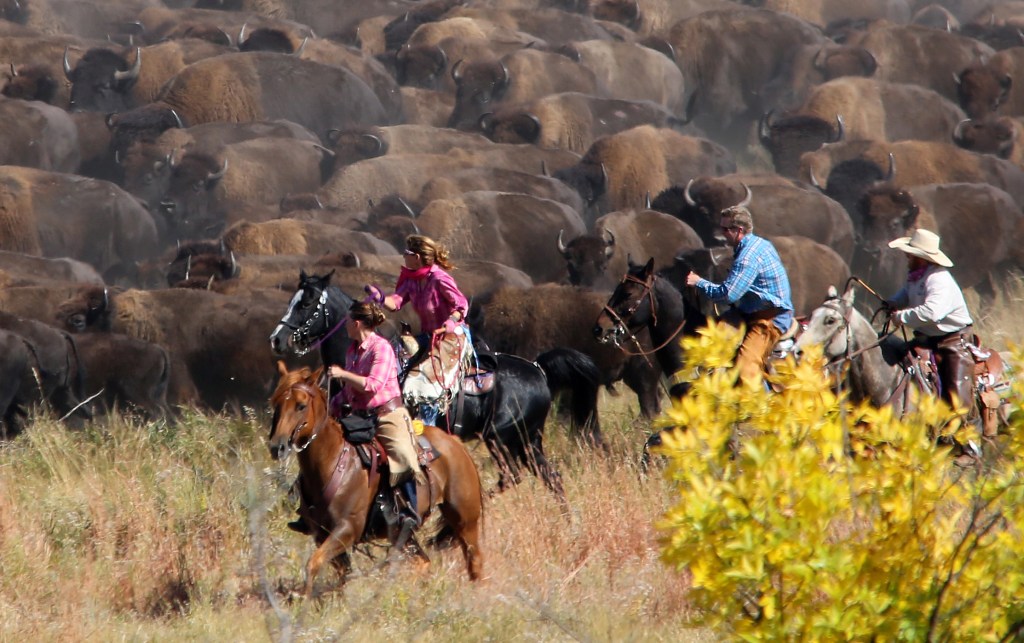
Once the Bison are well collected and moving together in the right direction, it’s time to squeeze them closer together and speed up the push to the corrals. Run the gauntlet, if you will. Don’t be fooled by the whips. They are used simply to make noise to get the bison moving in the desired direction for the desired goal.

custer-103
buff-blog-76
buff-blog-83
custer-106
custer-107
custer-108
buff-blog-85

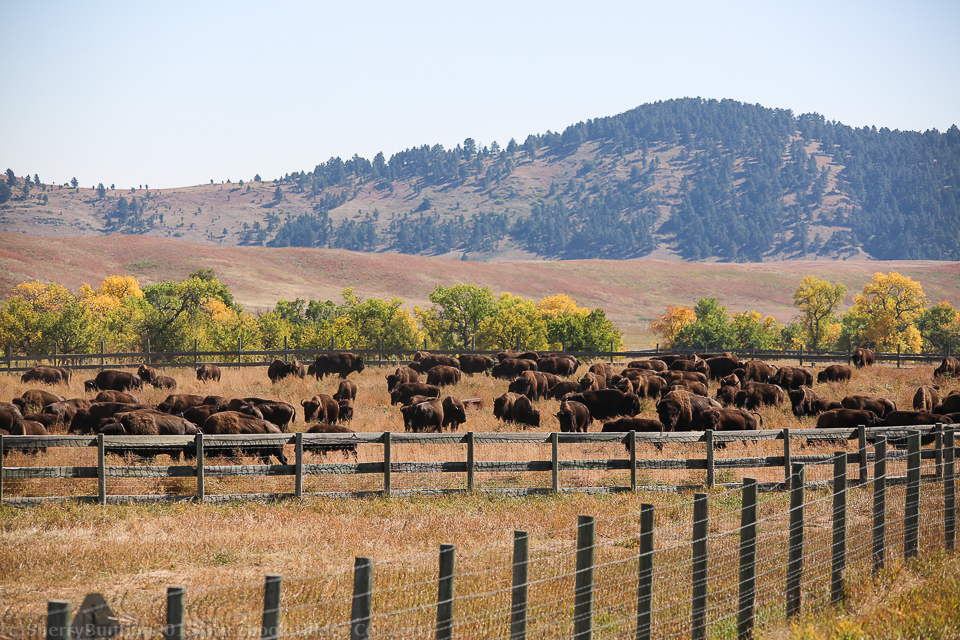
Buffalo — like other species living in finite resource areas — are as much mythical creatures as they are animals whose survival requires some practical management from humans. The Custer Buffalo roam 71,000 acres, but herd manager Chad Kremer and resource manager Gary Brundige evaluate the grasslands to decide how many buffalo to overwinter.

buff-blog-2

Using a random selection process, they pull for sale a portion of the calves of a certain weight as well as some of the non-pregnant females. They also pull a portion of the bulls to leave the herd with a 1 to 5 ratio of bulls to cows. The goal is to get the winter herd to a number that matches what the grasslands can support. For 2014 and 2015, the winter herd targets were 950. For the previous two years, the winter herd targets were 800 due to drought.

custer-115
buff-blog-89
custer-4

Custer State Park was established in the early 1900s after the 1874 Goldrush left in its wake a depression and decimation of resources, Pugsley explains. The Park was established by Governor Peter Norbech. 2014 was the Centenial Year for the buffalo herd’s reintroduction at Custer State Park. The bloodlines go back to 5 calves rescued by Fred Dupree from an 1881 buffalo hunt. Dakota territory rancher Scotty Philip eventually bought that herd (about 70 head). Then, in 1914, Custer State Park purchased from that herd as the root of the 1200 to 1400 head herd at the park today.

other8113

Pugsley gives both men a lot of credit for having the foresight to save the buffalo. Today, “the buffalo play a pivotal role at the park in managing the grasslands,” he says, adding that they are vaccinated to maintain a Brucellosis-free herd.

An auction in November of the animals selected for sale will yield funds going right back into managing the herd at Custer State Park. Buyers come from all over the world. The animals bring good prices as breeding stock and for harvest because of their management and the pure bloodlines back to original herds.

custer-112

“There is a science to this,” says Pugsley. “Buffalo are nomadic. They move and graze. When managed properly, bison keep the grasslands healthy and the grasslands sustain the buffalo.

Perhaps most important, in the absence of predators “culling” the herd, or hunters as in the case of elk and deer; cowboys take care of managing the buffalo similar to the way they manage their cattle — so the herd can not only survive, but thrive.

web063A7672
use 1
use 3
other7863
other7708
custer-2

I’ll leave you with a slide show below from 2018, the year it snowed overnight into the wee hours of the morning. It was the last Custer Buffalo Roundup I attended.