Covering Ag since 1981. The faces, places, markets and issues of dairy and livestock production. Hard-hitting topics, market updates and inspirational stories from the notebook of a veteran ag journalist. Contributing reporter for Farmshine since 1987; Editor of former Livestock Reporter 1981-1998; Before that I milked cows. @Agmoos on Twitter, @AgmoosInsight on FB #MilkMarketMoos
‘Deals with the Devil at Davos’ published in Farmshine June 10, 2022 may have left some readers’ heads spinning. So, let me boil it down to what I see happening: The ramping up of a pervasive global transformation of life itself being leveraged on the masses by the biggest actors in food, energy, capital and policy.
The World Economic Forum (WEF) is the place where plans are hatched to transform food and energy in the name of sustainable climate and environment. (Great Reset)
This includes goals of setting aside 30% of the earth’s land surface by 2030 for re-wilding and biodiversity – 50% by 2050.
This includes top-tier elite billionaire investor plans to transform food through plant-based and lab-created meat and dairy lookalikes and blends, with the purpose of replacing livestock, especially cattle.
This includes “sustainability” measures being enacted by the world’s largest global food and agriculture companies as the leverage point to position producers and consumers into the headlocks of their vision, their capital, their control.
The bottom line is that the dairy and beef checkoff programs have joined in by creating alliances and initiatives as partners with these WEF actors, including individuals, corporations and the World Wildlife Fund (WWF). This gives the appearance of a bottom-up approach, when in reality it is top-down, and has been gradually bringing more farm-level decisions and practices in line with what the Davos crowd is cooking up.
The vehicle? Measuring, tracking and controlling carbon.
In other words, controlling energy, food, and land, and with it life, liberty and pursuit of happiness, with a strategy to condition the next generation to accept an alternate reality.
In short, checkoff funds are used at the national level for many things, one key element being dairy transformation to fall in line with the transformation goals of the globalist elites. We can see the business and policy changes that translate to the farm level just beginning amid a void of understanding for the essential role cattle play in true environmental sustainability and the carbon cycle of life itself.
Of all farm and food animals, the life cycle of cattle is tied to the largest land base. Think about that in the context of the land set-aside goals for 2030 and 2050.
Meanwhile, the consumers that the farmers think they are reaching with their checkoff dollars are having their voices stolen by the supply chain actors. On the other end of the spectrum, farmers are also having their voice stolen as their mandatory dollars target the ways they are and may be expected to conform in order to access this narrowing and consolidating supply chain leverage point and the capital to run their farms.
When farmers and consumers talk directly to one another, they find out that they care about the same things and can reach mutual respect and understanding – as long as the WEF’s Klaus Schwab and friends don’t use their position in the supply chain leverage point, the middle, to set the rules of the game.
How are they herding farmers and consumers into headlocks? By transforming the future through their definitions of measuring, tracking and controlling carbon – the essence of life.
These things are happening without voice or vote, and in part, mandatory checkoff funds have been instrumental over the past 12 to 14 years in shaping this transformation through alliances.
Life on earth would not be possible without carbon. It is one of the most important chemical elements because it is the main element in all living things and because it can make so many different compounds and can exist in different forms.
Bottomline: The measuring, tracking, trading and control of carbon means the measuring, tracking, trading and control of life.
Who will have a voice in life when there is a global consortium laying out the control, access and transformation for the essential element of life – never mind liberty, land (property), and the pursuit of happiness.
Most farmers think they are promoting and educating consumers with checkoff funds. Yes, they are to some degree. However, a significant portion of those funds and/or the direction of funding is tied up in sustainability alliances that ultimately redirect the Davos-hatched transformation agenda right back onto the farm.
DAVOS — Let’s follow your checkoff money all the way to Davos, where Klaus Schwab and friends, known as the World Economic Forum (WEF), gather annually in Switzerland. This is where globalist elites have been plotting and planning the net zero economy, complete with food transformation maps.
On May 26, your message was delivered and your future was signed up, with your money through your checkoff programs — a plan 14 years in the making under the DMI umbrella of multiple so-called non-profit foundations and alliances.
Some of the same global actors in the WEF food transformation movement are also represented in the various non-profit alliances that were created by your checkoff in the 2008 through 2012 time-period.
At Davos, the May 26 panel on “redirecting capital in agriculture” is where “farmers voices were heard for the first time,” they said.
Don’t worry, the purpose was to get you the money from Davos billionaires to do all the things they will be requiring you to do to be part of the new net zero economy they are creating with the net zero goal DMI has set for you — despite the fact you didn’t vote on it or sign up for it, and experts can’t even agree on what it means or how it will be measured.
But that’s okay, your checkoff created surveys, sustainability platforms and strategic alliance non-profits to bring the largest processors together “pre-competitively” to set the timelines, plan the parameters, and craft your messages.
DMI “thought leaders” often talk about getting ahead of “societal issues” such as animal care and the environment via the Innovation Center — to avoid regulation. That is the basis of the FARM program, for example.
But the reality is the regulatory side has at least some accountability — a process via our democratic republic if we still have one.
What democratic process was used to determine the rules your farm will live by — as decreed by the corporations buying what you produce, and now also the access to capital you will need to continue?
Consumers have not asked for this, and neither have you. But your checkoff has done it for you and will help you navigate.
DMI issued a press release just a few days before Davos about how the Sustainability Summit they held state-side to help you, the farmer, navigate this new future they have been creating with your checkoff money.
“Never has the opportunity been greater for us to come together and demonstrate our collective impact,” said DMI CEO Barb O’Brien in opening the pre-Davos Summit. “And frankly, never has it been more urgent as we work to meet the growing demands and expectations of both customers and consumers around personal wellness, environmental sustainability and food security.”
These are pretty words.
The press release cites the U.S. Dairy Stewardship Commitment as having 35 companies representing 75% of the milk market signed on. The four pieces DMI is working on were listed in a vague way: 1) utilizing new ‘digital frontiers’ for point-of-purchase ‘strategies’, 2) promoting a new definition of ‘health and wellness’, 3) fulfilling an ‘impact imperative’ they say exists among consumers positioning U.S. Dairy as the leader in addressing societal challenges such as climate change, and 4) targeting ‘inclusive relevance,’ which O’Brien said Gen Z is the driver as the most diverse generation to-date with societal expectations for companies and brands.
Two weeks later, the thought leader representing you in Davos told the gathered elite, the billionaires, the power-centers, that your soil has “perpetual societal value” and should be invested-in and traded as an “asset class,” that farmers are the “eco workforce to be deployed,” and that investors and lenders should “redirect capital” to “de-risk” the investments farmers must make as “climate warriors that are planting the future.”
We missed that memo. Lots of buzz terms here, so let them sink in.
Here’s the reality: Farmers’ voices were NOT heard in Davos. Instead, what was heard was the voices of the WEF billionaires, the WWF supply-chain leveraging model, the string-pullers (thought leaders), and the plan-developers.
The World Wildlife Fund 2012 “Better Production for a Living Planet” identifies the strategy depicted in this graphic on biodiversity (30×30), water and climate. Instead of trying to change the habits of 7 billion consumers or working directly with 1.5 billion producers worldwide, WWF stated that their research identified a “practical solution” to leverage about 300 to 500 companies that control 70% of food choices. By partnering with dairy and beef checkoff national boards in this “pre-competitive” strategy, WWF has essentially used farmer funds to implement their priorities in lockstep with the World Economic Forum. Image from 2012 WWF Report
We don’t even know all the tentacles behind the pretty words used to describe what you have already been signed up for. Rest assured, DMI will roll them out gradually through the Innovation Center and FARM, and investors, lenders and others will put them in the fine print of farmer access to capital and markets.
It’s more truthful to say the farmers’ voice is being stolen in this process.
Your autonomy, independence and decision-making is being overridden. Your permission is being granted for the WEF Davos billionaires to step right up, help themselves, and determine your options, your future through their investments in a soils asset class — because, climate.
During the WEF panel, it was Erin Fitzgerald who carried “the farmers’ voice” to Davos.
Erin Fitzgerald (USFRA photo)
Fitzgerald is CEO of U.S. Farmers and Ranchers in Action (name changed in 2020 from the previous U.S. Farmers and Ranchers Alliance). She became the USFRA CEO in 2018 after spending the previous 11 years working for DMI as Vice President of Sustainability and several other roles and titles while the FARM program and net zero framework was being developed. She spoke “for farmers and ranchers” in four sessions at the WEF annual meeting in Davos, including one panel about redirecting capital in agriculture, where she talked about soil as an “asset class” and farmers as the “eco workforce.”
During her comments on the Davos panel about “redirecting capital,” she made it clear that your consumer is “no longer the person at the checkout” in the grocery store. She said it’s the pension fund investors looking for low-risk investments.
Even that is not entirely accurate. The truth is that DMI — in the creation of its many precompetitive alliances — has its sights set on bigger fish: the billionaires at Davos, the venture capitalists, the global corporations investing in climate.
In fact, this is being driven behind the scenes by Edelman, the global PR firm that receives $16 to $18 million in checkoff funds annually as the contractor for DMI over the past decade of plotting and planning. Edelman is a key player at Davos. GENYOUth was the Edelman brainchild, and outgoing CEO Alexis Glick was originally tapped by Richard Edelman, himself, to lead GENYOUth as a former financial analyst who made Davos a high point of her itinerary.
Back to the WEF panel on May 26 — the messages that have been crafted were touted, along with a narrative about what you will do in the next 30 harvests as the “eco workforce” of the “new global net zero economy.”
Listening to some of the livestreamed sessions, other panels highlighted the future of food, energy and financing to all be rooted in carbon impact.
Some panels noted the fast pace of the WEF global transformation is creating inflation pain, but the globalist elites are not concerned, even saying “that’s a good thing.”
Other panels delved into individual carbon tracking, to measure, record and score what each one of us eats, where we go, how we get there.
Truth be told, consumers are also being signed up for the net zero economy, although most don’t even know it yet. In a free America, I’m not sure we voted on this global-control-fast-track either.
Fitzgerald, whose role is described as “building sustainable food systems of the future,” laid it out for the crowd of investors, corporations, regulators, and government officials.
On the Davos stage, she said she brought the farmers’ message and referred specifically to the DMI board chair as “my chair Marilyn, a farmer from Pennsylvania.” (Marilyn Hershey also sits on the USFRA board.)
In the ‘redirecting capital’ discussion, another layer of the World Wildlife Fund (WWF) model of leveraging the few players in the middle of the food supply chain to move consumers and producers at both ends was very much in play.
This is not surprising. The DMI alliance with WWF also spanned a 12-year period from 2008 to 2020 when all of these non-profit alliances were formed under the DMI umbrella to bring global processors together as a platform for “pre-competitively” determining how all farms will operate in the future.
Your innovation and hard work were mentioned, but no credit was given to where you are, what you already accomplish, as farmers. It is all forward-looking to annually “make progress” over “the next 30 harvests.”
The stage was set for farmers to see capital “redirected” to de-risk certain types of operations and to make the soil you farm an “asset class.”
“We officially have our first solution,” declared the Davos panel moderator, turning to the panelist sitting beside Fitzgerald, saying “that’s your area, let’s do it.” Who was this panelist? None other than David MacLennan, the board chair and CEO of Cargill, and a former member of the Chicago Board of Trade and Board of Options Exchange.
Think about this for a moment. Soil as an asset class dovetails nicely with the 30 x 30 land grab, another WEF / WWF / Great Reset / Build Back Better invention.
Lured by money or financing, the soil you farm — if it becomes a tradable asset class with financing channeled to certain practices begs this question: Whose land does it become and what will be your accountability through the Security and Exchange Commission or the Commodity Futures Trading Commission for disclosures? Farm Bureau is already sounding the alarm on proposed rules about supply chain producers being an open book to the SEC for claims made by companies buying their raw commodities.
More importantly, who will make the decisions on your farm? Fitzgerald asked the audience to “put aside the term ‘farmer’ and think about ‘these people’ as the “eco workforce.’”
Your voice, through your checkoff, just went into the den of thieves to offer your land, your future, your autonomy — as a farmer, rancher, landowner, generational steward of God-given resources in your community — and put it on a silver platter for the Davos global elites under the feel-good message of farmer as climate warrior, an eco workforce planting the future in the net zero economy.
They said your voice was heard, your story was told, and they’ll get you the investment funds for projects. In “thinking about soils as a perpetual asset to society,” Fitzgerald said investors can do what was done for the renewable energy sector in 2008 to “prop it up and get it moving.”
“This eco workforce has boots on the ground,” she said. “They have every bit of capability, but they’re going to be battling the real effects of disrupted markets and climate change, and they also have unbelievable talent. Our farmers are doing amazing work as climate eco warriors. Are we as business agents of change here at Davos really creating the finance models to de-risk their investment to let them plant the future and be the eco warriors they can be in the fight on climate change?”
More pretty words that might sound inspiring to some, until we pull back the layers and realize deals are being made with the devil.
CAPTION: The USDA All Cattle and Calf Inventory shows declining numbers of beef and dairy cows. Significant is the 3% decline in both the number of dairy replacement heifers and beef replacement heifers as of Jan. 1, 2022 vs. year ago. More dairy farms are incorporating beef on dairy strategies into their business management.
EDITOR’S NOTE: May is Beef Month, and beef is becoming a bigger part of dairy today. In Part I in this series by Farmshine contributor Sherry Bunting — a former qualified live beef cattle grader, market reporter and past editor of the former Livestock Reporter — provides a helpful and experienced perspective on converging market dynamics that are opening doors to revenue for dairy farms.
By Sherry Bunting, Farmshine, May 13, 2022
EAST EARL, Pa. — The trend among dairy farms to breed a portion of dairy cowherds to beef sires is having a positive impact on revenue in several ways.
First, the bull calves bring more money. Week-old 90- to 120-pound crossbred dairy bull calves bring roughly double the price of a straight dairy calf at the livestock auctions. Last week, auctions in Lancaster County, Pennsylvania. sold crossbred calves averaging $300, while straight Holstein bull calves of the same weight averaged $150.
Many farms are also feeding some crossbreds for beef sales direct to consumers — a burgeoning cottage industry that faces some bottlenecks because of limited small butcher capacity in a consolidated beef industry.
Second, dairy replacement heifers and young cows today are worth more – a lot more. According to the May 6 USDA Monthly Comprehensive Dairy report, fresh cows nationwide averaged $1468 in April, compared with $1009 a year ago; bred cows averaged $1417 vs. $1039, and bred heifers $1363 vs. $985. That’s a 37% increase for bred replacements, 45% increase for fresh animals.
A portion of this gain can be attributed, of course, to the rise in milk prices, but one key factor is the beef on dairy trend that has blunted the expansion curve of gender selection for heifers through sexed semen.
Specifically, there are 3% fewer dairy replacement heifers in the U.S. as of Jan. 1, 2022 compared with a year earlier, and 1% fewer milk cows, according to the January USDA semi-annual All Cattle and Calf Inventory report. The next look we’ll get at these numbers will be July.
Third, milk price gains are supported in the longer termby this restraint on what was previously a runaway train of increasingly available dairy heifers. Fewer replacements blunt the milk production expansion curve capability.
This is happening not just in the United States, but also in New Zealand and Australia, according to analysts quoted in New Zealand’s Farmers Weekly, predicting continued strength in annual milk price — in part due to the limited expansion capability. As feed prices rise, having two commodities — dairy and beef — offers some ways to look at feeding efficiency, such as feeding milk cow refusals to beef animals. Diversification also helps spread risk.
Changing the equation
Like the dairy cow herd, the beef cow herd is in a cycle of decline. The Jan. 1 Inventory Report showed the number of cattle on feed for beef was up slightly, but beef cow numbers are down 2% and beef replacement heifer numbers are down 3%, just like for dairy. This trend is being exacerbated by further culling due to drought in some major beef regions and big concerns for cow-calf operators about concentrated market power in the beef industry.
Total U.S. cattle numbers (beef and dairy of all ages and types) are 91.9 million head as of Jan. 1, down 2%. Looking at cowherds, there are 30.1 million beef cows and 9.3 million dairy cows as of Jan. 1. The additional beef animals produced via crossbreeding on dairy farms is still just a fraction of a much larger beef industry — even as beef cowherd numbers and calf crop decline.
At the same time — contrary to the marketing strategies of elite plant-based globalists — consumers want beef. They want quality beef. And they are looking to source from local farms and small processors or brands.
Anyone who has shopped for beef at the large chain supermarkets in the past two years has found inconsistent availability and poor selection more often than not. A big part of the salable meat is roasts, and if they aren’t inherently tender, people must know how to cook them. Ground beef still reigns, but even that is a crapshoot if you’re shopping at a big box store.
People who taste good beef, will crave good beef, and more people today are starting to realize beef is good for us and the planet — regardless of what the globalists, climate controllers and food police are trying to force-feed us.
The demand for off-farm beef sales has grown to the point where custom slaughter facilities are booked several months to a year in advance. This includes farms that want to process their market dairy cows through voluntary culling, for direct sales to consumers, marketing the circle-of-life concept of beef from dairy. This, along with the concerns about market transparency, is why we hear so much about revitalizing or creating regional infrastructure to expand USDA-inspected small processor capacity and state-inspected custom butchers.
Strategies vary
So, what do ‘beef on dairy’ crossbreeding programs look like? This is something land grant universities are following with research on different breed combinations. Sessions about beef on dairy are well-attended at dairy conferences. The bull studs have been marketing beef sire genetics specifically for dairy, and Holstein USA has a program with the studs using an Angus-Simmental crossbred genetic pool showing how it matches up to Holstein.
How beef on dairy happens varies from farm to farm — 30 to 40 years ago, a dairy farmer would breed first-calving heifers to Angus for a smaller calf. Some also doubled as farmer-feeders with a small feedlot or pasture-growing feeder cattle. Back then, one could afford to feed the purebed Holstein steer to Choice grade with cheap corn. They take longer to finish to a high quality grade, especially when backgrounded on pasture for a few months of frame growth.
But then came the boxed beef carcass-size discounts prevalent from 1994 through 2014. Feeding a backgrounded Holstein to grade at higher grain prices became inefficient and very costly. Veal sales also came under pressure. These combined trends made Holstein bull calves almost worthless for many years.
Today’s beef industry is increasing its tolerance for larger carcasses, appreciating the ability to sell more beef pounds per animal to spread fixed costs, as well as improve the ‘carbon footprint’. We don’t hear the ‘too big for the box’ mantra justifying horrendous carcass-size discounts anymore — as long as they grade — because consumers are returning to good beef, just like they are returning to butter and whole milk.
From Angus and Simmental to Charolais and Fleckvieh, there are beef on dairy strategies popping up everywhere. The black hide continues to be important in many markets where cattle are eventually sold to feedlots that sell to packers that utilize the Certified Angus Beef or other similar ‘House’ brands.
Dietary Guidelines created problem
CAB is a USDA-Certified brand that emerged in the 1980s, when the Angus Association decided to do something about the problems USDA created for beef demand when the Department diluted the Choice quality grade to ‘align’ with emerging government Dietary Guidelines.
We are all familiar with what happened to milk, butter and other dairy products since the advent of the anti-fat Dietary Guidelines 40 years ago. It happened in beef too.
In the late 1970s, USDA ‘widened’ the Choice grade to include the upper third of the ‘Good’ grade and renamed the ‘Good’ grade as ‘Select.’ They said they were responding to consumer demand for lean meat, but the name change and dilution appeared to be more of a stealth approach to herding consumers.
We know today this has backfired, but even back then, there was an almost immediate reaction from the higher value restaurant trade. They were getting ‘Choice’ beef that ranged from ‘old’ Choice to ‘new’ Choice, and that spread in marbling scores (intramuscular fat flecks) is huge.
The lack of uniformity and the increase in unfavorable eating experiences were a problem. Those flecks of fat are what give the beef flavor and tenderness. Today, we know the intramuscular fat is not much different from olive oil in its healthfulness, but that’s another story.
By 1980, the Angus breeders had implemented their solution with Certified Angus Beef and marketed it to the unhappy restaurant trade and eventually industrywide.
More than ‘marketing’
Not only do cattle have to have a ‘predominantly’ black hide to qualify for the CAB-premium and brand, they must also grade in the top two-thirds of Choice on marbling score.
In effect, the Angus folks developed a brand that increased favorable eating experiences and brought back more uniformity by requiring the beef carrying the CAB brand to conform to the ‘old’ USDA Choice grading standards as they were before the anti-fat food police intervened.
Since they came up with the plan, of course, the black hide was important as the vehicle for their Angus genetics, and genetic work ensued to trace back and determine the traits (expected progeny differences, EPDs) that consistently delivered higher quality, more uniform beef grown efficiently and at a moderate frame size to fit the emerging ‘boxed beef’ trend.
As CAB took off and premiums were paid for qualifying cattle, almost every breed focused on developing lines with black hides and better marbling scores and moderate frame without the excess exterior fat. Similar ‘house brand’ Angus programs use some of the same criteria, but it was CAB that repudiated the USDA Choice grade change by creating their own certification program – something USDA graders implement at the slaughter plant for a fee.
Because it solved a real quality problem, the fees paid to the graders and the premiums paid for the cattle were absorbed by the market because CAB could differentiate in a watered-down beef industry to a market hungry for those quality and reliability standards. Buyers wanted to know that if it was stamped Choice, it is Choice, the old Choice.
Fast forward to 2020, amid a global pandemic shutdown, supply chain disruptions, consumer concerns about where their food comes from, the growing awareness of the stranglehold four big meat packers have on the entire global beef business, label confusion, plant-based pushing, and the involvement of the Big-4 in future lab-created meats… All of these factors are opening a door that heretofore only a few dairymen pursued.
Today, dairy farms large and small can succeed with beef on dairy strategies.
Selecting what to cross
When selecting sires for beef on dairy to produce feeder calves or fat cattle that are auctioned or sold on a live basis to feedlots or packers, avoiding white on certain parts of the hide is important and a genetic consideration to avoid discounts. This is especially true at today’s rising corn prices because Holsteins are known to need more time on feed to finish, or a hotter diet fed at a younger age. Some Angus and Simmental genetics are designed to diminish occurrence of a white pattern, deemed a tip-off to buyers of cattle for feedlots that are concerned about feed efficiency differences between beef and dairy breeds.
Those crossbreeding with Charolais will find their dairy breeds produce what feedlots view as the desirable ‘smokey’ hide Charolais with muscling that compensates for the angular dairy frame when visually appraised.
But there’s another twist to this tale, in addition to traditional beef breeds, the unique heritage Wagyu is emerging. The genetics of full blood Wagyu are pricey, American Wagyu a bit less so, and F1 Wagyu x Dairy more affordable — relatively speaking.
In fact, in Japan, where the Wagyu breed originated and is a national treasure, the dairy cross is also popular as a more economical version of their most valued signature beef.
Wagyu have some things in common with dairy breeds, especially Holsteins. They take longer to deposit the intramuscular flecks of fat (marbling), but the Wagyu don’t need a high-energy diet to do so, and the way the flecks are deposited is also compatible with dairy breeds.
Wagyu beef has its high-quality flavor and tenderness reputation because of the even distribution of these smaller flecks of fat throughout the lean. Holsteins tend to marble this way also, but the Wagyu is the master on this score.
Prized for what’s ‘inside’
This heritage breed first arrived in the U.S. in the 1970s and went through a resurgence in the 1990s for its quality consistency in a time of dilution and wide variance. You might have seen it on a menu as Kobe beef, so named for a specific region in Japan where the most elite black-hided strain of the Wagyu is raised.
As the Wagyu is making its third come-back now in the U.S., the F1 cross (Wagyu x Holstein) is a ‘thing’ and quite popular among dairy producers in other countries, like Australia.
The caveat with Japanese and American Wagyu is they do not have quite the beefy outward appearance of a traditional European beef breed. Their conformation is described by breeders as dairy-like, more angular — wider in the front than rear, owing to a history of pulling carts in Japan. They are smaller framed and slower growing.
This means using Wagyu in a dairy crossbreeding program is successful when producers market the beef directly to consumers or sell the cattle to buyers who understand what they are buying. They won’t see what Wagyu are prized for by looking at them from the outside in an auction setting. The value is visible on the inside in how the flecks of fat are distributed for flavor and tenderness.
CAPTION: Dairy producers like Adam Light at Spotlight Holsteins, Myerstown, Pa., raise dairy on beef crossbred cattle right along with the dairy replacements to a certain age when dietary needs start to differ on a beef vs. dairy track. Adam and his cousin Ben have been building their Lightning Cattle Company raising Wagyu x Holstein beef for direct sales.
Making a go of it
For Adam Light of Spotlight Holsteins, Myerstown, Pennsylvania, dairy on beef using Wagyu genetics is very much a part of the operation. He and his cousin Ben Light, a landscaper, are partners in Lightning Cattle Company.
Not only did they begin incorporating the Wagyu genetics into the dairy-on-beef strategy at the 220-cow robotic dairy farm Adam purchased from Ralph Moyer in 2020, they made semen available to other dairies for first-dibs on purchasing offspring, and leased bulls to beef cow-calf herds.
Adam Light grew up on a diversified crop, poultry and beef farm. Working for nearby dairy farms as a youth, he developed an interest in dairying and began renting a dairy barn on a farm his father had purchased for cropland. When the time came to move the operation forward, the Moyer farm was on the market. Adam sold his smaller registered tiestall herd to another dairyman now renting his former barn, and purchased Moyer’s larger herd, farm, and robotic facility.
Next week, we’ll talk with Adam and his cousin Ben about Lightning Cattle and the beef-on-dairy business… and eventually about his robotic dairy transition.
‘Let’s get this done’ — All urged to contact New York Governor and state legislators to ‘put whole milk back in schools’
By Sherry Bunting, Farmshine, May 6, 2022
SHARON SPRINGS, N.Y. — It was a rainy, dreary Monday (May 2), but dairy nutrition advocacy was bright and sunny in the feed room at Ridgedale Farm. The Conard family hosted a press conference supporting New York State legislation to bring whole and 2% milk back to schools.
Patterned after the Pennsylvania bill that has already passed the state House and is expected to be voted on in the Senate this month, the New York bill would support schools in their desire to offer more milk options, including whole and 2% milk produced on New York farms. The bill includes provisions for the Commissioner of Education to notify school superintendents about the flexibility as well as for the State Attorney General to file civil suits on behalf of schools if the federal government withholds other-than-milk funding.
While some media outlets continue to point to the superiority of federal regulations, there is a groundswell of state lawmakers saying “enough is enough” when it comes to the children and the farmers being victims of regs based on false narratives that push young people away from the very nutrition they need, and the very nutrients the Dietary Guidelines committee admitted their government-sanctioned dietary patterns are not providing.
The movement to have state legislatures get involved is not – as some would say – ‘political theater.’ No, this is the reality of where ‘we the people’ get a voice in the very sustenance of farms, food, and future generations.
In Pennsylvania, it began with U.S. Congressman G.T. Thompson (Dist. 15) with H.R. 1861 as well as State Rep. John Lawrence (Dist. 13) with HB 2397. In New York State, it began with Congressman Antonio Delgado (Dist. 19) a prime cosponsor of H.R. 1861 and Assemblyman Chris Tague (Dist. 102) introducing A9990 with 25 cosponsors. Within a week of Tague’s bill, State Senator George Borrello (Dist. 57) sponsored S8999 with cosponsor Peter Oberacker (Dist. 51).
The New York legislation has been referred to each chamber’s Education Committee. Tague and Borrello are Ranking Members of each chamber’s Agriculture Committee.
Tague and Borrello were joined Monday by other supporting lawmakers, government officials, nutrition and education experts, dairy farmers, FFA members, school superintendents, town mayors, school principals, discussing why it is so important and urging a public groundswell to contact all NYS lawmakers and the Governor’s office in support.
“We are going to get whole milk back in schools. We’re dispelling the myths propagated by many over the years,” said Tague.
“I ask every one of you to spread the word — to your friends, to your family, to your neighbors, even your enemies. Ask them to join us. Call, email and text every single member of the New York State legislature. Tell them: ‘Put whole milk back in our schools!” he exclaimed.
“Then call Governor Hochul and tell Kathy we want whole milk back in our schools,” Tague explained that the bill must go through committee, then to the floor, then get voted on, and then it would go to the Governor.
“Government and misinformed people need to stop biting the hand that feeds them,” he added. “We cannot live without good nutritious foods. No farms, no food. How does a young person today make a go at it? Farmers are not only ‘price takers,’ they take everything else that comes at them. There’s never anybody that stands up for them. That ends today. We’re here to stand up for you.”
Senator Borrello reflected on the problem, which he said is “based on false narratives. A long time ago, they convinced us that taking skimmed milk and pouring it on high sugar, no fat, breakfast cereal was somehow a good breakfast choice for kids, and they’ve taken whole milk out of our schools. The result has been more waste, it ends up in the garbage. And what have we told our kids to do? It’s okay to have energy drinks and other things that just aren’t good for your health. We’ve also seen a dramatic rise in obesity rates.”
The data for these dietary patterns just is not there, said Borrello.
“Now we know that having fat in the diet is not only good for kids, it helps with their growth, and the kids that do drink whole milk actually end up with less obesity. The science had changed, but unfortunately, our government has not,” he said. “We should give the children the choice. But most importantly, we should recognize this is a good choice. That’s why this is an important bill. Most people don’t understand, that even whole milk is 97% fat free.”
Borrello observed these current dietary rules have further impact, that they are “the beginning of the push to take us away from products like milk, that want to push us toward things like almond beverage, which is not milk, and other things. That’s the real agenda here. Let’s understand that whole milk is nutritious. It feeds your brain. It feeds your body. It is probably one of the best, most nutritious drinks that you can have. But instead of serving that, they want to push these artificially created products onto our children and tell them that’s okay,” he said.
“We need to give them this (whole milk) choice because it is the right thing to do and because it is also good for agriculture, the most important and largest industry in New York State. People forget that. We are here today from all points of the state standing united to say this is the right time to bring back whole milk into our schools,” Borrello stressed.
Nutrition expert agreed
Toby Amidor, registered dietitian, nutrition expert, food safety consultant, instructor, speaker and author in New York City, drove out from Brooklyn to give her thoughts on the bill and whole milk misconceptions.
She confirmed the 2020-25 Dietary Guidelines for Americans “pinpoint three under-consumed nutrients that are found in milk, that people of all ages, including school age children, adolescent children, even toddlers, they don’t get enough of,” said Amidor.
“Those nutrients are calcium, vitamin D and potassium. Milk is a vehicle that you can get all of this nourishment into children in order to grow and thrive like we want them to. It’s an important thing to give them a choice. Choose (the milk) you want,” she explained.
Amidor was joined by various school system superintendents noting the key concern of student access to nutrition.
“School is where many children get their nourishment. So that’s where you want to give them these choices,” said Amidor. “It’s okay to have the fat in milk… it’s a nourishing drink, the fat increases the palatability of that nourishment – more power to it!”
School officials were blunt
“We have a large food service system and are highly focused on farm-to-school initiatives. Milk is one of those,” said Anita Murphy, Capitol Region Board of Cooperative Educational Services (BOCES) superintendent, representing 24 districts and 80,000 schoolchildren across four NYS counties.
“On a personal level, I don’t drink skim milk. If that’s the only thing there, I pass,” said Murphy. “I think that’s what happens with our children. If you walk into our cafeterias, what you will see is kids passing on milk. A lot of these kids eat two meals a day at school, and that’s it. That’s what they get, so if we don’t give them those things that they need and that they want that are good for them, we are making a mistake. We are willing to lend any support you need to get this done.”
Representing 22 school districts and more than 30,000 students, Dr. Gladys Kruse, Questar III BOCES district superintendent concurred. She thanked the lawmakers for their efforts.
“We need more children to drink milk to get the nutrition they need. We know some of our students get two of their meals a day at our schools. When we hear students throwing away their lunch or their milk, or we hear of farmers having to dump the milk they cannot sell, it is time to reevaluate and reconsider the options and the policies. This legislation is a welcome step in expanding the availability and consumption of milk locally and across the state,” said Dr. Kruse.
Thanking Tague for his leadership, Kruse stated the bill would “provide the flexibility to have more milk options available to our students. This includes whole milk and 2% milk produced here and across the state. From our first beverage as a child to a staple in our daily school lunches, milk is fuel of our young people’s growth and development.”
From the Berne-Knox-Westerlo Central School District, superintendent Dr. Tim Mundell talked about partnership and collaboration, calling the day’s event a great example of that.
“The passage of this bill would help us bring local whole milk to our students, viable nutrition and real value,” said Mundell noting the need for flexibility. “Students get two meals a day from us. Many of our students live in very isolated and rural areas and access to nutritional foods, like whole milk… for their health and well-being, it’s scarce, and it’s scary.”
“When we put kids at the center of all of our decisions and all of our advocacy, great things happen, and the decisions are easy. This (should be) a very easy decision,” he said.
Mundell also observed the losses in enrollments and economic opportunity throughout rural regions of the state. He said FFA leadership learning is so important, and when students are able to see agriculture economically thriving, it gets their minds thinking about life and options after high school.
“Passage of this bill will enhance the capacity of all rural areas in New York State to re-engage in economic development. We are on board for collaboration in making this economic activity happen,” he said.
From the dairy farmer perspective, Ray Dykeman of Dykeman and Sons, Fultonville admitted that farmers prefer being in the field or with the cows and doing the work producing nutritious food, but, he stressed that this advocacy is vital for the future.
“This bill is extremely important for the kids in school (and) for the dairy farmers in the area,” said Dykeman with appreciation to the Conard family and their “beautiful cows” as hosts.
He challenged people to compare whole milk’s label to most other beverage options, “if you can even pronounce half of the ingredients that were made in a laboratory. We were using milk products as many as 10,000 years ago. Why not trust the cow, probably one of the most perfect animals in the world?”
Dykeman also thanked the lawmakers for taking on this issue to bring whole milk back to schools at a time when dairy farms are challenged. “This legislation will support our hard working dairy farm family businesses and get more milk into New York schools. This is very encouraging. Agriculture is our number one industry, and milk is our number one commodity.”
Among the panel of speakers, the New York Farm Bureau and the Northeast Dairy Producers Association (NEDPA), based in Geneseo, were represented. Behind the scenes and joined by 30 other farmers in the Ridgedale feed room were grassroots whole milk promoters Duane Spaulding and Ann Diefendorf. They brought the 97 Milk messages and signage used prominently throughout the event.
In fact, Tague thanked the grassroots efforts of farmers, of 97 Milk, and even mentioned Milk Baleboard originator Nelson Troutman in his opening remarks.
For Farm Bureau, Todd Heyn noted their “long advocacy for the return of whole milk to schools, giving districts the ability to provide this healthy and nutritious dairy product to school kids.”
Heyn reported the bill would “provide additional markets for whole milk, a Class I dairy product that earns dairy farmers a higher price.”
Heyn said this would support New York dairy farmers and raise awareness to find a workable solution at the national level, explaining that Farm Bureau is formally asking USDA to “follow the science around nutrition and revise the school nutrition guidelines for dairy products in the school lunch programs.”
The energy was really high by the time NEDPA executive director Tonya Van Slyke got to the podium. She talked about dairy farmers are part of a global economy but take pride in what they do locally… especially in schools.
While Tague and Borrello held the sign taken from images at 97milk.com touting all the benefits of whole milk, Van Slyke — a mother and dairy farmer — recalled walking intop the school cafeteria and being asked by the director: “’Dairy farmer, how did you let this happen? Why are they taking the healthy fat away from my babies?’ Nutrition helps them have good brain power.”
As she turned to Tague and thanked him and his colleagues, Van Slyke said: “Let’s get this done,” and the room erupted in echoes and applause.
Tague, a former dairy farmer himself, noted he had actually milked a famous cow in the very barn where the event was held Monday. He worked years ago for Wayne Conard and his father Willis. He made a direct appeal to the farmers, encouraging farmers everywhere to get into the game.
“We have a lot of work to do. This press conference today is just the beginning… the squeaky wheel gets the grease. Sometimes as farmers, we are too proud and too busy to let our voices be heard,” he said. “But folks, it ends today. We’ve got to get up and scream it. We’ve got to make them hear us that enough is enough.
“Let’s leave here today with one thing in mind: Whole Milk back in our schools!”
‘Preponderance of evidence’ screams for a Dietary Guidelines course-correction to expand flexibility and increase, not reduce, saturated fat limits as well as to examine the nutrient deficiencies of currently approved dietary patterns in all life stages, and to examine the effects of these overly-prescriptive one-size-fits-all patterns on vulnerable populations in government feeding situations such as children obtaining most of their nourishment at school where DGAs rule.
Editorial opinion by Sherry Bunting, Farmshine, May 6, 2022
Recently, USDA and HHS launched the 2025-30 cycle of the Dietary Guidelines for Americans (DGA). Trouble is, the first and undeniably most important part of the process that will shape WHAT can be amended and the research-screening process for doing so are the “scientific questions” to be examined.
A paltry 30-day public comment period about these already-prepared questions was announced April 15 and expires May 16, 2022.
By the time you read this, there will be fewer than 10 days to comment. To read the USDA HHS proposed scientific questions, click here and to submit a comment to the docket, click here
In addition to the links above, comments can be mailed to Janet M. de Jesus, MS, RD, Office of Disease Prevention and Health Promotion (ODPHP) Office of the Assistant Secretary for Health (OASH), HHS; 1101 Wootton Parkway, Suite 420; Rockville, MD 20852. Be sure to reference HHSOASH-2022-0005-0001 on the submission.
Lack of time to comment on the questions is not the only problem with the 2025-30 DGA launch. The commenting instructions state: “HHS and USDA will consider all public comments posted to Regulations.gov in relation to the specified criteria. Comments will be used to prioritize the scientific questions to be examined.”
These instructions do not leave much opening to amend the already-prepared scientific questions.
I encourage others to join me in requesting an extension of this comment period to 90 days and to open the process into a course-correcting complete re-evaluation of saturated fat limits — to drive home the point that the “preponderance of evidence” screams for higher, more flexible, saturated fat limits (especially for children), to review the science on saturated fat consumption at all life stages on not only cardiovascular health, but also weight management and diabetes, cognitive health, and other areas, including how current saturated fat limits affect under-consumption of essential nutrients, how these limits affect school meal patterns where most children receive most of their nourishment most of the year — considering the 2020-25 DGA Committee admitted the three government sanctioned dietary patterns are deficient in key nutrients of concern for all age groups.
Join me in asking USDA and HHS to educate the public about the true impact of the DGAs on our most vulnerable populations (children and the elderly) and to avoid prescriptive one-size-fits-all dietary patterns.
People don’t seem to pay much attention to the DGA process because there has been no full disclosure of the true impacts of these so-called “guidelines.” People say, oh, they’re “just guidelines.” Maybe that’s true for you and I, but what about the children? What about the elderly? They are under the ruthless thumb of USDA HHS DGA implementation in feeding programs for America’s most vulnerable ages and demographics.
The ink is barely dry on the 2020-25 DGAs, leaving many to believe there is plenty of time to comment on the next round — later — when the process is fully underway. After all, USDA reminds us this is a five-step process, and they are “committed” to providing plenty of opportunities to be heard.
Wrong. This first step is in many ways the most important for public comment because it shapes how the other four steps unfold. It shapes what research will be screened in and out of the process. It shapes what areas of the DGAs can be amended and specific criteria for how they can be amended — no matter how earthshaking a dietary revelation.
This first step also shapes how your future comments will be considered. For example, many comments, even research in the screening process, will be ignored as this 2025-30 DGA cycle unfolds when it is deemed to fall outside of the specific criteria set in the scientific questions of step-one — right now — for this 2025-30 cycle.
USDA and HHS have already formulated the 2025-30 “scientific questions,” leaving most of the failed guidelines ‘base’ pretty much moving forward — as-is.
One area the Departments announced will run parallel is on ‘planetary diets.’
The USDA HHS announcement notes that the 2025-30 DGAs won’t incorporate DIRECTLY any ‘climate-related’ dietary recommendations, stating: “Sustainability and the complex relationship between nutrition and climate change is an important, cross-cutting, high priority topic that also requires specific expertise. HHS and USDA will address this topic separate from the Committee’s process to inform work across the Departments.”
That’s about as clear as mud. In this statement, USDA seems to tie nutrition and climate change together with the term “cross-cutting,” and describes the “relationship” as a “high priority topic,” assuring us that USDA and HHS will handle this separately and then “inform.”
After looking through the scientific questions in the areas of systematic review and dietary patterns, below is my citizen’s comment:
————————–
Dear Secretary Vilsack:
To use the phrase you used repeatedly in a Congressional hearing about the 2015-20 Dietary Guidelines, the ‘preponderance of evidence’ on saturated fat limits for all ages — and for children and adolescents in particular — should be up for a complete re-evaluation in the 2025-30 DGAs.
Study after study show our government-sanctioned dietary patterns are failing our children who receive most of their nourishment at school under the thumb of USDA-HHS Dietary Guidelines. USDA even threatens to financially penalize any school that dares make nutritious, wholesome, satiating, healthful whole milk available — even for students to buy from a vending machine run by an FFA chapter seeking to raise funds for agriculture programs, simply because the calories and percent of calories from saturated fat in that nutrient-dense superior beverage exceed your arbitrary, unscientific DGA limit.
But that’s okay, say the HHS USDA DGA, just have a Mountain Dew Kickstart or a sugar-free Gatorade Zero. PepsiCo thanks you, dear USDA, for caring about the profitability of the Smart Snacks empire they and others have built on your say-so, while children become fatter, sicker and sadder and under-consume key nutrients for health and brain power.
Meanwhile, farmers wonder what on earth they can do to get the nutritious, natural, beautiful, local whole milk product they produce to the children in need of nourishment at school, while doctors bemoan under-consumption of nutrients of concern like calcium, vitamin D and potassium (abundant in milk, better absorbed with the fat).
Even the 2020-25 DGA Committee admitted that all three dietary patterns leave all age groups deficient in key nutrients. That’s okay, just get in line for our vitamin pills, right?
It’s even more concerning to see the diets in reality are even worse than they are on paper, if that’s possible, as students pass-over the obligatory skimmed milk in favor of big-brand junk drinks devoid of nutrition, or they take the skimmed milk and toss it into the trash.
USDA’s own study in 2013 showed that in the first year after the Smart Snacks regulations tied competing beverages to the DGAs — outright prohibiting whole milk and 2% milk from schools — student selection of milk fell 24%, and the amount of milk discarded by students increased by 22%. Other studies since 2012 show milk is among the most frequently discarded items at schools. World Wildlife Fund issued a report saying one way to reduce this waste is to educate schools on the fact that they are not forced to serve milk, they can offer it and educate students not to take the milk if they aren’t going to drink it.
What does that solve? It still leaves children and youth without the nourishment USDA touts in the school lunch program on paper even as the school meal situation has become an increasingly restrictive maze of fat limits and thresholds that schools give up managing it and leave it to the ‘Big Daddy’ institutional foodservice corporations with their pre-packaged, highly-processed deals that come with ‘USDA compliance guarantees.’
Why is the Biden Administration fast-tracking this agenda? There are four bipartisan bills before Congress dealing with school milk and others dealing with childhood nutrition. There are bills about allowing whole milk in schools at the state level in Pennsylvania and New York, with lawmakers in at least two other states watching closely to perhaps do the same.
The Whole Milk for Healthy Kids Act to repeal your whole milk prohibition has 93 cosponsors in 32 states. City schools, rural schools, town mayors, boards, teachers, parents, coaches, dieticians, doctors, nurses, farmers — people from all walks of life — and, yes, food and nutrition scientists are increasingly appalled at the school milk and school lunch issues — all under the thumb of the DGAs.
The DGAs are designed in a way that each 5-year cycle builds on the one before it — since 1990! The scientific questions are formulated to keep moving that way instead of looking back and re-evaluating or re-examining nutritional aspects USDA considers ‘settled science.’
In reality, however, there is nothing settled about the DGA ‘science’ on saturated fat. This build-upon process is flawed.
In fact the ‘preponderance of evidence’ would tell us the process should be opened up for a more thorough and reflective review, toward more flexible saturated fat limits — especially to expand overly-restrictive saturated fat limits that are creating concerns for children and youth and, in effect, keep nutrient-dense whole milk and 2% milk, as well as full-fat dairy products out of schools. By these standards, the DGAs actually embrace artificially-created highly processed beverages and foods — even Impossible Burger over Real Beef.
The preponderance of evidence is undeniable. The DGA saturated fat limits are a straight-jacket for schools, imprisoning children into poor nutritional health outcomes that can stay with them the rest of their lives and may affect their abilities to learn. Our future as a nation, the health of our children, the economic standing of our food producers, our nation’s food security, our national security itself are all rooted in these DGAs that are still centered on false narratives about saturated fat that the preponderance of evidence has disproven.
Please extend this comment period to 90 days and expand the input considerations and the process, especially as relates to saturated fat limits for all life stages and evaluate the current patterns for under-consumption of nutrients of concern for all life stages. Simply amending a failed base product is unproductive at best and creates more negative health consequences at worst. We need a DGA course correction, a re-do, rigorous scientific debate, acknowledgment that the science is not settled against fat with the preponderance of evidence moving toward the healthfulness of dietary fat.
Finally, we need a Dietary Guidelines product that serves more broadly as just that — guidelines — not a prescriptive one-size-fits-all straight-jacket that obviously is failing the majority of Americans.
Public discussion about the process is needed in a more open, thoughtful, comprehensive manner before the 2025-30 DGAs get underway.
EAST EARL, Pa. — While he sees a storm on the horizon via high inflation, rising interest rates, global unrest, Dr. David Kohl is positive on agriculture, believing agriculture is “in position for a re-positioning” and advising farmers to “get focused in an unfocused world.”
He sees the resources provided by farms with dairy, livestock and poultry will become more critical. He sees agriculture as the next big mover, the answer — if farmers are free to be creative, manage their businesses with intensity, and drive the bus. He said transparency is becoming more important for consumers, as well as for farmers.
The Virginia Tech professor emeritus engages audiences in lively discussions of economics and financial management. He also co-owns a dairy farm and creamery in Virginia, so he sees trends on a macro and micro level. He spoke recently at the Univest Bank meeting attended by 300 farmers in southeastern Pennsylvania.
“We’re already doing a good job in agriculture. We just need to be driving the train, rather than letting it run over us. If we have a food and fertilizer shortage, the importance of a safe food and fiber source will have even greater value, and we can market that,” said Kohl.
Sizing up the uncertain times ahead, Kohl urged farmers to get focused, think creatively, be innovative, be right on top of their business numbers, plan and prioritize, set goals, and work with a team of advisors.
U.S. agriculture has strategic advantages. It’s in the lifestyle, the work ethic, the soil. Kohl noted that in China, for example, there is real concern about food in the future because 23% of China’s soils have built-up metal toxicity that is unhealthy for plants and animals.
One of the most critical advantages U.S. farmers have is “return on relationship” – or ROR.
“This is a community that gives back. Too often what we see in the world is people just taking instead of giving back. That’s your advantage. You give back,” he told farmers.
On the geopolitical front, fueled by oil, Kohl observed the U.S. has “played right into the hands of OPEC and Mr. Putin. Think about it, 21 years ago, we had 9-11. The towers went down in New York City, Somerset, Pa. and the Pentagon. We said we’re going to become energy independent in 25 years, and we did it in 10. We became the number-one energy producer in the world,” he said.
The U.S. is now divesting its fossil fuels, talking about going to ‘green energy.’
“This has created a lot of instability, and 8 out of every 10 dollars you spend on your farm is connected in some way to energy,” said Kohl, adding that consumer buying behavior is also connected to energy.
“Now it’s going to be China and India — they’re going to be getting the cheap oil while we’re paying the higher price,” he said. “You’re going to have to think innovatively about what you’re going to do with that.”
The fallout from the Russian invasion of Ukraine is something that is not going away overnight. “It’s going to require a lot of management intensity. We can make it through, but we’re going to have to step-up our game plan,” he said.
Warning of recession on the backside of inflation through “demand destruction,” Kohl said every recession – except for one – was caused by an oil market shock.
When oil prices go up, people start questioning their trips. Consumers start questioning everything they buy. They start cutting back.
“These movies play over and over again because we don’t teach history, and so we’re doomed to repeat the mistakes,” Kohl declared, drawing parallels to the 1970s, when the Soviet Union said it needed wheat.
“Communist countries create these economic bubbles because they’re authoritarian, and then, all of a sudden, those markets disappear, and the American farmer is left hurting,” said Kohl. “The market can be given and taken away, and you have to be careful.”
In the 1970s, land values were spiking, and there was political and military uncertainty. The same thing is going on today, he asserted.
“We had a very stagnant economy that was inflating, and wages weren’t keeping up with inflation. The same thing is happening now,” he said, noting inflation hit 8.5 on April 12th – the highest since 1981 when this similar pattern of events in the economy were precipitated by high energy costs and geopolitical factors and uncertainties.
What moved the U.S. forward then? The development of computer technology and the information age “brought us forward to years of wealth,” Kohl reflected.
What is going to be the ‘big mover’ this time? “Agriculture is one of the answers,” he said.
In the face of skyrocketing fertilizer price and tight availability (which he said will likely be as bad or worse next spring)… “Never has there been a time when manure was so valuable as it is today,” said Kohl, noting the “very real potential” for this to increase into the future as global impacts increase food insecurity.
“We have the solution right here,” said Kohl. “We can adjust to more manure, to poultry litter, to putting biologicals on the soil. We’re going to have to think outside the box, but we’ve got the resources right here to take care of it.”
On the labor front, Kohl noted that the current shortage of workers has every major company in the U.S. working on automation.
“Where we have people shortages now, we will have job shortages later because companies will automate,” he said.
Rising energy costs further complicate this picture as companies try to get back in the groove of work.
Supply chain disruptions will be dominant for the foreseeable future as 40% of China’s manufacturing is in cities that are locked down right now for the COVID variant, Kohl noted.
This is creating supply chain problems now, and when delayed shipments go out later, ports will be overcrowded again.
On the flip side, as China’s economy slows down because of being shut down, this also slows down oil price advances.
Regulations have also played into the issue. Kohl hears from truckers. They tell him they are retiring in droves due to so many additional regulations put on them by federal and state governments. This is leaving a shortage of truck drivers.
Everything stems back to the COVID pandemic. Prior to the pandemic, the U.S. had charted its longest monthly economic expansion in history, according to Kohl.
“Now, consumer confidence – which had been in the low-70s – is in the high-50s, showing our consumer is losing confidence, and that is what drives 70% of the U.S. economy,” said Kohl.
Another indicator Kohl looks at – and it is tied to interest rates – is the housing market. “That’s starting to crack in certain parts of the country,” he said. “We had wealth moving, cash coming out of New York and New Jersey bringing money to other parts of the country. Eventually, the shell game stops.”
Kohl also looks at the price of copper. “It’s still strong, and China is stockpiling it because they are anticipating an economic slowdown.”
So, what should farmers get ready for?
“Get ready for the economic flip,” said Kohl, “that 12- to 24-month period where your costs went up, but the costs don’t correct as fast as your price does.”
That’s what happens when inflation gives way to recession, so be aware and prepared.
Working lines of credit are getting higher right now, so when federal and state regulators all of a sudden want banks to tighten up on credit, that creates some fallout.
Whether talking about a country, a business, or a home budget, financial liquidity and the ability to generate cash is the pressure point. “Russia and China are having that problem right now,” Kohl observed.
As for Americans, “52% are living paycheck to paycheck with an average cash reserve for 13 days,” he related. “The ability to generate cash is your perseverance. Your perseverance is the thing that is going to be very very critical.”
Kohl offered business strategies to key-in on.
Position for a quick pivot to cash
“Working capital is queen on the chessboard,” said Kohl. Working capital and the ability to pivot quickly to cash and to manage debt service will be increasingly important. Cash earns flexibility.
Do cash flows and overestimate costs
Kohl said cash flows are 80% of a business plan. “You have to think about production, marketing, finance, to know your cost of production. This helps you visualize your operation,” he said, urging farmers to overestimate by a minimum of 25% in today’s inflationary time so there are better odds of good decisions. In times like this, bad decisions can be compounded.
Planning is essential
“Manage the controllables, and manage around the uncontrollables,” said Kohl. “We can’t manage what comes out of D.C., Moscow and Beijing. We can focus on the things that we can control. That’s where patience and perseverance comes in. Spend 5 to 10% of your time on planning. It’s that important.”
Just like the basketball player planning and training to spend 95% of his game time without the ball in his hands, Kohl said: “It’s the things you’re doing when the ball is NOT in your hands that help you to do something important when you get the ball.”
Work with a team of advisers.
He urged farmers to bring together a team of advisors if they don’t already do this. “Get your crop consultant, livestock consultant, lender together. Another set of ears and eyes is very important to keep you focused,” said Kohl. “Technology gets us unfocused. This is an unfocused world. Get focused in an unfocused world.”
Set goals
“Write down your goals,” he added. “This leads to better mental health and improved earnings.”
Prioritize the priorities
Life on the farm and managing the farm business can feel like a constant state of competing priorities. Kohl urged farmers to practice the art of “prioritizing your priorities.”
In other words, avoid overscheduling, and strive to achieve a work/life balance. “The best crop you’ll ever raise will be your children and grandchildren, your interactions with young people,” he said.
Kohl also urged farmers to take care of themselves, to make time each day for prayer or meditation, pay attention to diet and exercise, get enough sleep, and have a support network.
Dr. Frank Mitloehner is a foremost authority on animal science and greenhouse gas emissions. Find him on Twitter @GHGGuru and @UCDavisCLEAR (Screen capture from American Dairy Coalition webinar)
‘Climate neutrality, not net zero carbon, should be dairy’s goal.’
By Sherry Bunting
‘Net zero’ seems like a simple term, but it’s loaded, according to Dr. Frank Mitloehner, professor and air quality specialist with the Department of Animal Science at University of California-Davis.
He firmly believes dairy can be a climate solution, but the first step is to accurately define dairy’s contribution to the climate problem. Setting the record straight is his prime focus, and he also researches ways dairy, like every industry, “can do our bit to improve.”
Presenting on what ‘net zero’ really means for dairies, Mitloehner answered questions during the American Dairy Coalition (ADC) annual business meeting in December, attended by over 150 producers from across the country via webinar.
Based in Wisconsin, ADC is a national producer-driven voice with a regionally diverse board. President Walt Moore, a Chester County, Pennsylvania dairy producer, welcomed virtual meeting attendees, and CEO Laurie Fischer shared a federal dairy policy update.
She said the ADC board is nimble, moves quickly, and wants to hear from fellow dairy farmers. She encouraged membership to make ADC stronger and shared about the organization’s federal policy focus in 2021 — from pandemic disruptions and assistance, Federal Order pricing, depooling and negative PPDs to real dairy label integrity, whole milk choice in schools, and farmers’ questions and concerns about dairy ‘net-zero’ actions.
“Too often, farmers think they may not understand something, so they don’t speak up,” said Fischer. “But we get calls and so much great advice from our farmers. We know you get it, you know it, because it is happening to you.”
From this farmer input, the net-zero topic became the ADC annual meeting focus.
“We are rethinking methane, and this is influencing and shaping the discussion,” Dr. Mitloehner reported. He urged producers to use the information at the CLEAR Center at https://clear.ucdavis.edu/ and to do better networking, to have a better presence on social media.
This is necessary because the activists are well-connected, and methane is the angle they use in their quest to end animal agriculture. He said Twitter is a platform where many of these discussions are happening. His handle there is @GHGGuru and the Center is @UCDavisCLEAR.
“This is something I have told the dairy industry. They say ‘net-zero carbon’, but they shouldn’t say that because it is not possible, and it is not needed. We need to be saying ‘net-zero warming’. That’s the goal. Then, every time you reduce methane, you instantaneously have an impact that is inducing a cooling effect,” said Mitloehner.
‘Climate neutrality’ is the more accurate term he uses to describe the pathways for U.S. dairy and beef. But it requires getting accurate information into policy in a fact-based way.
It requires arming people with the knowledge that the constant and efficient U.S. dairy and livestock herds produce no new methane, that they are climate-neutral because not only is methane continuously destroyed in the atmosphere at a rate roughly equal to what is continuously emitted by cow burps and manure, that process involves a biogenic carbon cycle in which the cow is a key part.
One of the issues is how methane from cattle is measured, he said. Current policy uses a measurement from 30 years ago that fails to acknowledge the carbon cycle and ‘sinks’ alongside the ‘emissions.’
Mitloehner said accurate information is beginning to change the narrative. This is critical because methane is the GHG of concern for dairy, and the narrative about it has been incomplete and inaccurate.
As a more potent heat-trapping gas than carbon dioxide, methane becomes the ‘easy’ target to achieve the warming limits in the Paris Accord. Methane was the focal point of ‘additional warming limits’ during the UN Climate Change Summit (COP26) in Glasgow in November.
Putting together the inaccurate narrative alongside international agreements to specifically reduce methane, it becomes obvious why cattle are in the crosshairs. Producers are already in the middle of this in California as methane regulation and carbon credit systems began there several years ago.
As the narrative is beginning to change, Mitloehner sees opportunities. He described the current California ‘goldrush’ of renewable natural gas (RNG) projects where large herds both in and out of state cover lagoons to capture and convert biogas into RNG. The state’s investments and renewable fuel standard provide a 10-year guarantee with the RNG companies typically owning the offset credits that can be traded on the California exchange from anywhere.
Getting the numbers right is mission-critical
“We are far and away an outlier because of our efficiency in the U.S with all livestock and feed representing 4% of the GHG total for the U.S,” Mitloehner confirmed. “Dairy, alone, is less than 2% of the U.S. total.”
This is much smaller than the 14.5% figure that is thrown about recklessly. That is a global number that includes non-productive cattle in India as well as the increasing herds in less efficient developing countries. This number also lumps in other things, such as deforestation.
He said the true global percentage of emissions for livestock and manure is 5.8%. Unfortunately, activists and media tend to use the inflated global figure and conflate it with these other things to inaccurately describe the climate impact of U.S. dairy and livestock herds as 14.5%.
The efficiency of U.S. production and the nutrient density of animal foods must be part of the food and climate policy equation.
Methane is not GHG on steroids
“Without greenhouse gases, life on earth would not be possible because it would be too cold here,” said Mitloehner. “We need GHG, but human activity puts too much into the atmosphere, and the toll is large concentrations.”
The way all GHGs are measured has to do with their intensity as determined 30 years ago when scientists wanted one global warming potential (GWP) unit to compare cows to cars to cement production and so forth. They came up with GWP100, which converts methane to CO2 equivalents based on its warming potential.
Methane traps 28 times more heat than CO2, but it is short-lived, Mitloehner explained.
“Looking just at the warming potential, you get this idea that methane is GHG on steroids and that we need to get rid of all of it and all of its sources,” he said.
But is this the end of the methane story? No.
Sinks and cycles must count
Mitloehner described how ‘methane budgets’ look at sources and their emissions but ignore the carbon sinks that go alongside and ignore the chemical reactions that result in atmospheric removal of methane as well.
“Plants need sunlight, water, and a source of carbon. That carbon they need comes from the atmosphere to produce oxygen and carbohydrates,” he said, explaining how cows eat the carbohydrates and convert them to nutrient dense milk and beef. In that process, the rumen produces methane.
“Is this new and additional carbon added to the atmosphere? No it is not. It is recycled carbon,” he said.
“Say you work off the farm. You drive and burn fuel, adding new CO2 in addition to the stock in the atmosphere the day before. Stock gases accumulate because they stay in the environment. Currently, agencies treat methane as if it behaves the same way. But methane is a flow gas, not a stock gas. It is not cumulative,” said Mitloehner.
If the same farm has 1000 cows belching today and 1000 belching 10 years ago, those 1000 cows are not belching new methane because in 10 years it is gone from the atmosphere. It is cyclical.
“The take-home message is the carbon that our constant livestock herds produce is not new carbon in the atmosphere. It is a constant source because similarly to it being produced, it is also destroyed. The destruction part is not finding its way into the public policy system… but it will in the future,” he predicts.
Methane drives Paris Accord and COP26
Methane targets are driving intergovernmental agreements wanting to limit the “additional warming impact” of nations and industries.
Currently, cattle are viewed as global-warmers because they constantly emit methane. However, as Mitloehner drilled numerous times, this is not new methane, it is not additive, it is not cumulative. It is recycled carbon.
“If you have constant livestock herds, like in the U.S., then you are not causing new additional warming,” said Mitloehner.
Burning fossil fuels is much different.
“Fossilized carbon accumulated underground. Over 70 years, we have extracted half of it and burned it, so where is it now? In the atmosphere. We added new and additional CO2 that is not a short-lived gas. It is a one-way street from the ground into the air,” he explained.
The problem for dairy and beef producers is their cattle are being depicted as though their emissions are additive, cumulative, like fossil fuels, which is not true, he said.
Signs the narrative is changing
One promising sign that the message is getting through has come from Oxford researchers acknowledging the constant cattle herds in the U.S. and UK are not adding new warming.
They acknowledge the GWP100 “grossly overestimates” the warming impact of cattle and are working on a new measurement that recognizes constant cattle herds are not adding new warming, said Mitloehner.
Another promising sign is that the International Panel on Climate Change (IPCC) issued a statement recently acknowledging that the current GWP100 overblows the warming impact of cattle by a factor of four. This new information is not in current policy, but it is making its way there.
Tale of two bathtubs
Mitloehner believes it is important to visualize climate neutrality. He described two bathtubs. One has a CO2 faucet with no drain, the other a methane faucet with a drain. Open the faucets, and even at a slow and steady rate, the CO2 bathtub continues to rise, while the methane bathtub drains as it fills to remain at a constant level.
He also explained that over the past 200 years the U.S. hasn’t seen any real change in that methane bathtub because prior to settlement in America, 100 million ruminants — buffalo and other wild herds — roamed. Today, there are around 100 million large ruminants in the U.S. dairy and beef industries.
What has changed is the U.S. does have more liquid manure lagoon storage that is producing more methane than solid manure storage. “But we know of ways to further reduce that,” he said.
Mitloehner pointed out how the current GWP100 poorly estimates the warming impact three example scenarios. If, over 30 years, methane is increased 35% from a source, or reduced 10%, or reduced 35%, the GWP100 would show significant continuous addition of cow-sourced methane in CO2 equivalents for all three scenarios because the destruction of the methane – the drain that operates with the faucet – is ignored.
The proper way to look at this, if the methane increased a lot, is that it would add a lot. But if it is balanced, then there is no new or additional warming. And, in that third scenario, he said, “where we pull a lot from the atmosphere when we reduce methane, it has the same impact as growing a forest.”
Bottom line, said Mitloehner, “We can be a solution and take it to the market and get paid for that,” but current policy does not yet reflect the neutral position of the constant and efficient U.S. herd.
Bullish about the future
‘Net zero’ is a term that is not yet clearly defined, said Dr. Frank Mitloehner several times during the American Dairy Coalition annual meeting by webinar in December. He sees the real goal as “climate neutrality,” to communicate the way constant U.S. dairy herds contribute “no additional warming,” in other words “net zero warming.”
The climate neutrality of U.S. cattle must be part of public policy, he said. Only then will dairies truly be on a path to marketing their reductions as ‘cooling offsets.’
Mitloehner, a University of California animal scientist and GHG expert is bullish about the future of “turning this methane liability into an asset, so if we manage toward reducing this gas, we can take that reduction to the carbon market,” he said.
“When we hear ‘net zero’, we think about carbon, but that would mean no more GHG is being produced, and that is not possible. I have told the dairy industry this for years. Why is (zero GHG) not possible? Because cows always belch, and we can’t offset that, and furthermore, we do not need to offset that because it is not new methane,” said Mitloehner.
On the other hand, “If we replace beef and dairy made in the U.S., this does not create a GHG reduction at all. This is because we are the most productive and efficient in the world,” he said.
Just stopping beef and dairy production here in the U.S. — and picking up the slack by producing it somewhere else or producing something else in its place — creates ‘leakage.’ This leakage, he said, is where the biogenic carbon cycle becomes disrupted. In other words, the bathtub has a faucet that is out of sync with the drain.
California’s RNG ‘goldrush’
Mitloehner touched on the strict California standards that mandate a 40% reduction of methane be achieved by the state by 2030. Again, methane is targeted because of its warming potential per the Paris Accord.
The good news, he said, is California is using incentives to encourage covering manure lagoons to capture a percentage of the biogas bubble so that it doesn’t go into the atmosphere but is trapped beneath the tarp and converted into renewable natural gas (RNG) that can be sold as vehicle fleet fuel to replace diesel.
Because this RNG comes from a captured and converted methane source, it is considered a most carbon-negative fuel in the state’s low-carbon fuel standard.
Those credits equate to $200 per ton of CO2 replaced with a carbon-negative renewable, said Mitloehner.
“This is a huge credit. This is why dairies are flocking to get lagoons covered to trap and convert. These credits are guaranteed for 10 years in California, but the anti-agriculture activists are fuming over them,” said Mitloehner.
Of all California investments made toward achieving the 40% methane reduction goal, dairy has received just 3% of funds, but has achieved 13% of reductions so far.
This “carrot” approach has incentivized the biogas RNG projects assuming $4000 income per cow, making an estimated $1500 to $2000 per cow per year on a 10-year California fuel standard guarantee.
Mitloehner noted that the carbon intensity of the reduction is presently viewed as greater when RNG is used in vehicles vs. generating electricity, but right now there is not enough RNG suitable for vehicle use. He sees the fuel use increasing in the future and explained that dairies anywhere can sell into the California market if they capture biogas and convert it to RNG.
The state’s 10-year guarantee has stimulated companies seeking to invest in RNG projects on large dairy farms, where they then own or share the credits.
Mitloehner answered a few questions from producers about the caveats. If the bottom and top of the lagoon are covered, what happens to the sludge that accumulates? He acknowledged there is no satisfactory answer to that question presently.
Another drawback is the technology only works for larger dairies because smaller lagoons won’t have the same breakeven. Community digester models are emerging as well, he said, but they also use clusters of large farms working together.
Soil carbon sequestration
Mitloehner cited soil carbon sequestration as a way dairy farms of any size can be a solution.
It’s the process by which agriculture and forestry take carbon out of the air via the plant root systems that allow the soil microbes to take it into the soil — unless the soil is disturbed by tilling or it is released through fires. With good forest and grassland management, as well as low- and no-till farming practices, carbon can be sequestered to stay in the ground forever, according to Mitloehner.
“Agriculture and forests are the only two ways to do this,” he said, adding that USDA seeks to incentivize practices that take and keep more of the atmospheric carbon in the soil.
Answering questions from producers, he noted that he has not yet seen a scheme that would incentivize soil carbon sequestration through marketing offsets, but the discussions are heading in that direction.
“Many of the environmental justice communities are running wild on this. They do not want farmers to get any money for it. They are putting on significant pressure and threatening lawsuits, so it’s not settled yet,” he reported.
There is also a lot of confusion around soil carbon sequestration and “regenerative” agriculture. One big problem is that producers who are doing some of these things, already, won’t get the opportunity to capitalize on those practices when offset protocols are eventually developed — if those practices are not deemed “additive.”
“If you are doing something now and are not covered by a policy of financial incentive, then four years from now, if it is developed, they’ll say you don’t qualify because you are already doing it,” said Mitloehner.
“They are calling it ‘additionality.’ It’s about the change to doing it to qualify. That seems crazy, but it’s like if you bought an electric vehicle 10 years ago when there was no tax credit, you don’t get a tax credit now for already owning an EV because the improvement is not ‘additional,’” he explained.
What about the burps?
For farms with under 1000 cows, other technologies like feed additives can be used on any size dairy with effects realized within a week, said Mitloehner, noting one product that is commercially available and several others on the docket.
If a 10 to 15% reduction can be achieved in enteric (belching) methane reduction, then it will be marketable. Right now, these reductions are not marketable. If an offset protocol is developed for this in the future, it will be taken to the carbon market, he said.
In the meantime, incentives are being offered within supply chains, according to Mitloehner. Companies like Nestle, Starbucks and others are doing pilot projects and buying feed additives for the farmers within their supply chains to reduce their products’ GHG. He said there is some evidence these products can enhance components and feed efficiency. This is a big area of research right now.
A question was also asked during the webinar, wondering about Amish farms using horses instead of tractors. Are they contributing to cooling?
Mitloehner replied that he has not yet seen a calculation for this, and while the impact of horses would be less than the impact of burning fossil fuels, there is still an environmental impact to calculate.
Since the international focus is on ‘additional warming impact’, methane is – like it or not — the target. Whether a dairy farm is managed conventionally or in the Amish tradition, the cows, the methane, and how governments and industry measure the ‘additional warming impact’ of cow-sourced methane, is still the crux of the issue for all dairy farms. If efficiency is reduced, then the ability to position the dairy farm as ‘cooling’ may be more complicated, or less significant, he said.
In addition to accurate definitions that acknowledge climate neutrality of constant cattle herds producing no new methane, Mitloehner’s wish is for federal policy to also take productivity (and nutrient density) into stronger consideration when evaluating emission intensity “instead of just counting heads of cattle.
“This can be good for large or small dairies with a high or low footprint. When the relative emissions are determined by how you manage the dairy, the hope is that this is more about the how than the cow.”
Class I price under the new ‘average-plus’ formula vs. the previous ‘higher of’ formula and the net loss dairy farmers have missed out on over 34 months — May 2019 – Feb 2022
By Sherry Bunting
USDA announced the February Class I ‘mover’ on Jan. 20 at $21.64. The good news is this is $1.93 higher than the January mover and $6.10 higher than a year ago. The Class I mover is the base price paid for milk going to fluid beverage use before location differentials are added.
The bad news is the February Class I mover is 51 cents less under the current ‘average-plus’ formula ($21.64) than it would have been under the previous ‘higher of’ formula ($22.15).
During the Georgia Dairy Conference this week, retired co-op CEO Calvin Covington, author of the Dixie Dairy Report, gave a positive outlook for 2022. He noted the year begins globally with modest product inventories, reduced production of milk and strong demand for dairy.
When asked about risk, Covington noted that it doesn’t take much change in these factors to swing markets the other way. The higher milk prices go, the more downside risk there is for producers to protect.
When asked about federal order reform ‘consensus’ building and the Class I mover formula, Covington said the reform process was navigated in the past through a hearing process involving the USDA Dairy Division. He also said the Class I mover formula should return to the previous ‘higher of’ method because the costs of serving the Class I market continue to climb while the Class I price takes a back seat to other classes in some months under the ‘averaging’ method.
That may be the case in January and February when final prices are announced, and the possibility exists that this inversion could continue.
For February 2022, the advanced Class III skim milk pricing factor, based on cheese and whey prices in the first two weeks of January, is pegged at $10.43 while the Class IV skim pricing factor, based on butter and powder, is pegged at $12.97. That’s a spread of $2.54 per hundredweight.
This spread has been widening since November — now more than erasing the 74-cent adjuster applied under the current skim ‘averaging’ method. In the February calculation, it was the uptrending butterfat value at $2.7537/lb that softened the blow.
The entire formula figures the average of the two skim pricing factors (Classes III and IV) + 74 cents x 0.965. It also multiplies the butterfat price by 3.5. Then the resulting numbers for skim and fat are added together to form the Class I advance base price – or as it is called, ‘the mover.’ When Class I is highest, milk is sure to ‘move’ to those fresh fluid milk needs, which is one of the main stated purposes of the Federal Milk Marketing Orders.
The February Class I price announcement is the first since June 2021 to fall below the old method using the new method. This happened every month in the second half of 2020 and first half of 2021 as well as three months in 2019. The new method was implemented by USDA in May 2019 due to a legislative change in the 2018 Farm Bill that did not go through a Federal Order hearing process.
From July through December 2021, producers gained 27 to 70 cents from the averaging method as Classes III and IV traded close together. Those brief gains netted around $100 million, which paled in comparison to the approximately $780 million in net Class I value losses to producers from May 2019 through June 2021. With January and February 2022 figured in (no benefit in January and a 51-cent loss in February), the net Class I value loss is now estimated at $687 million for the 34 months since the Class I pricing change began in May 2019.
Supply and demand shocks, supply chain disruptions and other fundamentals are creating the double-impact of rapidly rising dairy product prices and the widening spread between Classes III and IV. The combination is creating a situation where Class I is well on its way to becoming the lowest-priced class, even in some FMMOs after the location differentials are applied.
In fact, if these differences lead to a lot of de-pooling and negative producer price differentials (PPDs), those location differentials will also be shaved in the blend price to producers.
It will be interesting to see how this plays out perhaps differently now that Class IV is leading Class III by a wide margin instead of the other way around as previously.
Here’s what’s been happening since November.
When the Class I mover was calculated for December at $19.17 based on early November pricing factors, dairy farmers benefitted from most of the 74-cent adjuster because the Class III and IV ‘advance’ pricing factors were close together with just a 12-cent spread. By the time the December class and component prices were announced on January 5, Class I mover was surpassed by Class IV at $19.88 and Class II $19.84, but Class III was still behind Class I at $18.36.
Then, when the January Class I price of $19.71 was announced four weeks ago based on the pricing factors back in the beginning of December, the factors began shaping up for the Class I mover to be dead-last by the time the January class and component prices are announced on Feb. 2. It would have been far behind II, III and IV had the block cheese price not lost 21 cents on the CME Spot market this week, pulling futures markets back $1.00 during the Jan. 19 and 20 trading sessions.
With one week of trading to go before January closes, odds are the Class I mover will be surpassed by all other class prices when the final announcement comes out on Feb. 2. Class IV will likely be highest in the mid-$22s, Class II will be close to Class IV, Class III will most likely be over $20 unless block cheddar takes another hit, and Class I will clock in at the previously announced $19.71.
In the January Class I ‘mover’ calculation of $19.71, the Class III and IV pricing factors diverged by precisely $1.48. This is the magic number because the adjuster to the average is 74 cents and 74 x 2 = $1.48. With the January Class I price spot-on equal to what it would have been under the previous ‘higher of’ method, no benefit was received by producers for that ‘adjuster’, and therefore, the issue of Class I being potentially the lowest priced class in the blend price for January is due entirely to the advanced pricing 4 to 6 weeks before the other classes.
February’s pressure on Class I relative to II, III and IV looks to be steeper and will be based on two factors – the 6-week difference in determining the values in a rising market and the widening of the spread between the Class III and IV skim pricing factors.
Looking out across the milk futures months of 2022, the spreads are much wider now than they looked a few months ago, even as the brakes were applied unevenly putting Class III and IV futures trading in reverse adjustment mode today and yesterday.
(NOTE: The USDA Pandemic Market Volatility Assistance Program, PMVAP, authorized $350 million to be paid to farmers at a rate of 80% of their July-Dec 2020 Class I value loss — on up to 5 million pounds of milk per farm via their milk co-ops and handlers and calculated only on FMMO-pooled milk value. But these payments are delayed in most cases, and will fall well short of the real value missed in the milk checks of many dairy farmers across the country as the Class I losses influenced other aspects of FMMO pooling and payment as reflected in negative PPDs.)
H. Louis “Lou” Moore of State College, Pennsylvania, died peacefully Nov. 9, 2021 at the age of 91. His official obituary is as humble as the man. A man who spent his life loving and supporting his family, his wife of 69 years, Jane, their five sons, four grandchildren and two great grandchildren, it read.
Lou was also a man who touched many lives in his long career. He spent 57 years as a Penn State extension ag economist and educator, retiring professor emeritus in 2011.
Beyond Pennsylvania, Lou touched the lives of countless freedom-loving agriculturalists as they emerged from the communist regime of the former Soviet Union.
He spent time year after year, over more than two decades, in Eastern Europe. There, he worked intensively to help the farmers and educators understand the fundamentals of marketing, of markets, of economics, of agriculture, food, supply and demand, profit and loss, trade and currency.
Through the faculty exchanges, he brought many here to learn too. Each visit, he would take them to New Holland Sales Stables to see beef cattle “price discovery” — auction-style. He’d bring them to the former Livestock Reporter office where I spent the first 17 years of my journalism career. He wanted us to explain how we put the market news package together each week. Every detail. I’ll never forget the questions about the USDA teletype where market reports came through day and night.
As we talked about the cattle markets, the teletype would start tapping and they were confused. Lou just smiled and conveyed to us that they just could not understand how we could receive and trust this government price information. That’s when we would explain that we also visited the four cattle auctions in our county at the time – the bellwether of the eastern seaboard. We would record the weights, grades and prices, talk to the buyers, read through the USDA reports from Joliet, Peoria, Omaha, Sioux City, Sioux Falls, St. Josephs and write a parallel analysis of the trade each week. We explained that USDA market reporters meet to do correlations annually and that they take their job of objective market reporting quite seriously. Those were the days of price discovery — available every day of the week.
Lou was someone I learned from as I heard him deliver market outlooks at numerous winter meetings every year from day-one of my career in January 1981 when my first newspaper assignment was covering the Lancaster County Cattle Feeders Day at the Farm and Home Center — all the way through 2015, when he came back for a post-retirement encore presentation at the annual Fulton Bank ag seminar. Lou was the man I looked forward to hearing from and talking with at these meetings during most of my 40 years in ag journalism.
He delivered hundreds of outlooks in the days before instant news and 24-hour news cycles, making his lists, producing the charts and graphs, and delivering the straight deal – the information farmers were looking for to plan the year ahead.
Even when high-powered economists flew in from NCBA’s Cattlefax or a Midwest university, it was Lou’s outlook the farmers came to hear. He gave it to them straight, always starting with the macro-economic figures, and narrowing into the ag commodities to the target of projected prices for the coming year.
Sprinkled into the deal were tidbits from articles he’d read and current events and pearls of wisdom a casual observer might miss. When giving an outlook in an election year, he made a note on the slide. “It’s the funny season,” he’d say — a polite way of indicating that election years were wild card years and wild things could happen.
When talking about commercial disappearance of meat and milk, he’d remind in an offhand way, that the figure is mostly driven by production because everything that gets produced, disappears. The question is where did it go and at what price? What were the sales?
He would sprinkle in stories from his trips overseas to former communist countries. So casual and interesting they were that we asked him to occasionally write about them in the Livestock Reporter. He’d write about the rich black soil of Ukraine, about the unrealized production powerhouse potential of that country and many other emerging former Soviet countries, about the people, the food, the hardships, the small steps in trying to establish themselves in a new age of freedom, without the context for it — something that we in America take for granted and may have lost the context for as well.
During an interview a few years after his retirement in 2013, Lou said the potential of these countries was still marred by the struggle of decades under communist rule. He told of how difficult it was to restructure a functioning economy out of the ruins of centralized communist control. He talked about the inefficiencies of the large centralized dairies, the depressing big gray block buildings that lay vacant or continued fragmented as the people began anew with a few cows here and a few there, harvesting grasses from the roadsides for feed and selling extra milk to neighbors.
He described an almost primitive, start-over-from scratch emergence with a very important missing ingredient – trust and communication. This was something that had to be re-discovered. After years of communist control, years of hearing the sound of the trains in the night taking food grown in these countries out of these countries and leaving families there hungry, they had to re-learn how to take what they grew and produced, value it, trade with each other, how to communicate value, to discern it, convey it, how to understand supply and demand, how to publish and communicate market value in common terms of understanding, how to trust each other party to party after decades of centralized control.
Lou would write of the foods enjoyed in these countries, the ways in which gratitude was shown. When meeting some of his exchange groups on their visits to the cattle auction or the Livestock Reporter newspaper office, their respect for Lou was obvious. Here was a man who they could see was giving them the straight deal. He didn’t pretend to know things he didn’t know. He gave them his knowledge and insight and urged them to think critically for themselves.
Lou was never earnest or self-impressed in his delivery of a market outlook. His infectious smile and good-natured character let you know that he’d done his homework and was sharing his best assessment of how the numbers lined up – always quick to point out a few possibilities on the margins that could push things one way or the other.
Lou was a man who didn’t seek the limelight, nor did he want a lot of attention on himself, but that didn’t mean he’d refrain from making a dry outlook entertaining.
One year at the Pork Congress, he showed up at the Lebanon Valley Expo Center wearing a pink pig-eared cap. We learned later it was auctioned for a tidy sum to benefit the youth events and scholarships by the Pork Producers Council.
Another year, he tried to describe for the farmers the persuasions of emerging vegan animal rights activists. It was the 1990s, and the concept was still a bit foreign to many. He started his outlook that year telling of his drive down 322 from State College seeing a car pulled over along the road with two people looking down at something laying on the ground. He pulled over thinking someone was hurt, only to find that they were proceeding to give CPR to try and resuscitate…. a ground hog. Well, in a room full of farmers, you know how that story played out. Even he had trouble staying straight-faced for that one. But the point was made.
Lou also made the rounds at the annual seminars put on by ag lenders, and was always a guest at Fulton Bank’s winter seminar.
In February 2012, a few months after retiring from Penn State, Lou was honored and roasted at the Fulton Bank seminar. It was a surprise. He was presented with a Senate Citation for honorable service, awards from the Governor and Lieutenant Governor.
The CEO of Seltzer’s Bologna presented him with a 27-lb “baloney” — tongue in cheek as Lou gave what he thought was his last market outlook right after the keynote speaker, a weatherman, talked about how the technology had improved for looking at big picture events, but the investments in day-to-day weather forecasting had been lacking.
Appreciation was shown to Lou and Jane Moore in 2012, Fulton Bank Ag Seminar, Lebanon, Pa.
A 27-lb baloney between an economist and a weather forecaster and you know the life of a forecaster means taking it on the chin sometimes. But Lou loved it. He was all smiles in the straw Amish hat with a Penn State logo across the center, another gift that day.
Lou Moore touched the lives of people in Pennsylvania and around the world – students, farmers, faculty. Many benefited from his deep knowledge, quiet insight, honesty, clarity, generosity and infectious smile.
Lou was born in 1930 in Ellerslie, Maryland. He earned his B.S. and M.S. in ag economics at Penn State in 1952 and 1956, where he served 57 years and retired professor emeritus of agricultural economics in 2011, but was spotted giving outlook presentations a few times after that, as recently as 2015.
In the 1970s, Lou started the first educational programs in agricultural futures markets so that farmers could understand them. In 1990, he began the intensive extension work throughout Eastern Europe in cooperation with the USDA and the Copernicus Society of America. His work included training hundreds in extension. In 1997, he started a 13-year USDA faculty exchange program that brought faculty from the former Soviet Union to the United States for intensive marketing training. He and his colleagues raised nearly $1 million to support this program.
Throughout his career, Lou wrote hundreds of articles and delivered hundreds of ag market outlooks. He worked closely with county extension educators, farmers and people from all aspects of agribusiness.
A life member of the Penn State Alumni Association, Lou also appeared regularly on WPSU-TV’s “Weather World” program and its predecessor, “Farm, Home and Garden.” He was honored with many awards, including the PennAg Industries Association Distinguished Service Award, the USDA Faculty Exchange Award, the Outstanding International Spirit of Extension Award, the W. LaMarr Kopp International Achievement Award, and the Bankers’ Association 56 Year Service Award.
Lou and Jane lived in a restored, 200-year-old log barn outside of State College. When I started the Milk Market Moos column in Farmshine in 2006 as an outgrowth of a series on milk marketing vocabulary, I received an email from Lou just to let me know he enjoyed reading the column, describing it as interesting, informative, and just the right assembly of valuable information. It meant a great deal to me coming from him.
I am thankful to have known Lou, to have read and heard some of his experiences. He led an exemplary life in the quiet service of others as an agriculture educator — teaching market fundamentals some of us didn’t fully realize we were learning, and he enjoyed learning from the farmers, respecting the many hats they wear as professionals producing food and often remarking that as he talked with farmers at these meetings, hearing about their plans, it in turn informed his analysis.
To honor Lou’s memory donations can be made to State College Area Meals on Wheels or the H. Louis Moore Program Endowment in the Department of Agricultural Economics, Sociology and Education at Penn State University.
50-year crisis cited, but no mention of 50-year low-fat regime’s role
By Sherry Bunting, Farmshine, November 5, 2021
WASHINGTON, D.C. – “Half of the U.S. population is pre-diabetic or has type II diabetes, and one out of almost every three dollars in the federal budget goes to healthcare, with 80% of that spending on treatment of preventable chronic diseases,” said Senator Cory Booker (D-N.J.), chairman of Senate Ag’s nutrition subcommittee as he and ranking member Mike Braun (R-Ind.) began the hearing on the state of nutrition in America Tuesday, Nov. 2.
Calling the situation a crisis, senators and witnesses cited statistics that have worsened over the past 50 years.
“Our healthcare costs today are 20% of GDP. In the 1960s, it was 7%. It has tripled in 50 years,” said Sen. Braun. In 1960, he said, 3% of the population was obese. Today it’s over 40%, with more than 70% of the population either obese or overweight.
“More shocking,” said Booker, “is that 25% of teenagers are pre-diabetic or have type II diabetes, and 70% are disqualified from military service” — with the number one medical reason being overweight or diabetic.
Witnesses and senators blamed the “epidemic” on a food system designed to solve 20th century problems of ending hunger by investing in cheap calories – especially carbohydrates. They indicated that 21st century goals should be focused on designing a food system that delivers nutrition and makes the nation healthier.
“We want to rethink the way we approach food and nutrition policy. Our lives literally depend on it,” said Sen. Booker, “This nutrition crisis we face is a threat — the greatest threat to the health and well-being of our country and a threat to our economic security and our national security.”
That’s why Senators Booker and Braun recently introduced bipartisan legislation to convene public and private stakeholders in what would be the second White House conference ever to be held on food and nutrition. The first was convened in the late 1960s, when then Senators George McGovern and Bob Dole formed a select nutrition committee in a time of food shortages and high prices.
That time-period was also when the precursor to the Dietary Guidelines was established, which by the 1980s had become the official and now notorious Dietary Guidelines cycle.
While Tuesday’s hearing continually hit this notion that 52 years later we have all of these devastating statistics, it was interesting that there was zero mention of the Dietary Guidelines. Those words were not uttered by any senator or any witness at any point in the over two-hour-long hearing.
Another item that did not pass through any lips Tuesday was the acknowledgment that 52 years of the low-fat dietary regime has prevailed and has progressively tightened its hold over school diets even as these statistics, especially on youth, have worsened into crisis-mode.
The closest anyone got to mentioning dietary fat was when Senator Roger Marshall (R-Kan.), a doctor by profession, asked witnesses if they thought the CDC missed an opportunity to do public service announcements about “nutrition and building up our own immune systems” during the COVID-19 pandemic.
He talked about volunteering in the ICU and ER of a south Kansas hospital in the spring of 2020 when COVID was sweeping the land.
“There were eight ICU beds and 11 patients, all in their 50s, and all had diabetes or pre-diabetes. Immediately, I called the CDC and said, ‘this virus is going to assault this country.’” He observed that our rates of morbidity and mortality are higher with this virus than some other countries because almost half of the population is diabetic or pre-diabetic.
Sen. Marshall voiced his frustration: “We’ve had a year and a half of this virus, and I thought this might be an awakening for this country, that if we had a better, healthier immune system, that’s how you fight viruses.”
One of the five witnesses — Dr. Dariush Mozaffarian of the Tufts University Friedman School of Food and Nutrition Policy – responded to say that alongside developing vaccines, treatments and guidelines for social distancing, “the huge additional foundational effort should have been to improve our overall metabolic health through better nutrition. So, every time we talk about vaccines, social distancing, mask wearing, why aren’t we talking about nutrition?”
“Everything we need to know about nutrition I learned from my mother and my grandmother,” said Sen. Marshall. “We need to be using our medical assets for nutrition education. Doctors need to understand that Vitamins D, A, E and K are fat-soluble vitamins, so we need to be drinking our whole milk and looking at these general concepts.”
This was the hearing’s only – and subtle — reference to dietary fat. It was the only, but quiet, nod to any suggestion of the impact of federal government restrictions on the diets of children during school hours while their rates of obesity and type II diabetes continue to rise to epidemic proportions. Not one witness or senator delved into this topic in any substantial way.
Throughout the hearing, that seemed to focus on a new paradigm in food and nutrition, there were also strong references to a key part of the problem — the food industry is controlled by a handful of large multinational corporations providing nutrient-poor, addictive and ultra-processed foods.
“Farmers answered the call of a growing population and issues with malnutrition 50 years ago. Through innovation, agriculture makes more from less and works to protect our soils along the way. We’ve made progress but are still geared to address caloric intake, not the content of the calories,” said Sen. Braun.
He focused his comments on the healthcare industry being the place to make new investments in nutrition as a preventive solution and indicated SNAP purchase restrictions are in order.
Dr. Angela Rachidi, doing poverty studies at the American Enterprise Institute said putting SNAP program restrictions on sugary beverages and incentives for purchasing fruits and vegetables would be positive steps to show SNAP is serious about nutrition. She referenced studies showing that three of the five largest purchase categories with SNAP dollars are sweetened beverages, frozen prepared meals, and dessert items.
Mozaffarian was the first of the five witnesses. He did not mention his Tufts University “Food Compass” project by name, which was published three weeks ago, nor did he mention the $10 million grant received three weeks ago from USDA to develop a “cultivated meat industry,” including assessment of consumer attitudes and development of K-12 education on cell-cultured meat.
“We are on a path to disaster,” he said, calling type II diabetes America’s “canary in the coal mine,” on which the U.S. spends $160 billion annually.
Describing current food and nutrition policy as “fragmented and inefficient,” Mozaffarian said: “Nutrition has no home, no body for focus or leadership across the federal government.”
Mozaffarian’s six recommended government actions paint a picture of a centralized national structure and authority for food and nutrition policy with emphasis on integration of research, the healthcare system, programs like school lunch, and ramping up new innovation startups entering the food system.
He stressed his belief that a “real national strategy” is needed, one that “reimagines the future food system.” He said the science and tools are already available to do this, to integrate into existing programs and make changes – fast.
Perhaps the “tools” Mozaffarian was referring to are within the new Tufts Food Compass he helped create, which ranked “almondmilk” and “soymilk” ahead of skim milk and far ahead of whole milk. It also puts chocolate milk and some types of cheeses near the bottom of the ‘minimize’ category, along with unprocessed beef.
In fact, the only high-scoring dairy product found in the ‘encouraged’ category was whole Greek yogurt. Cheerios and sweet potato chips ranked higher than dairy products, including the whole Greek yogurt.
Also testifying was Dr. Patrick Stover of Texas A&M’s Agri-Life Center. He noted the public’s “lack of trust” in nutrition science.
He stressed that the nation’s land grant universities are “a network of extraordinary resources, a national treasure” that benefits from having public trust but lost federal investment levels over the years.
Stover said Texas A&M is now launching an institute for advancing health through agriculture as well as an agriculture, nutrition and food science center for non-biased research on the human, environmental and economic success of proposed changes.
He supports a “systemic approach to connect people to food and health,” an approach that involves everyone from farm to consumer. He said Agri-Life is positioned to lead such an effort through the land grant university system.
Stover noted scientists involved in the precision nutrition initiative at the National Institutes of Health are starting to understand how individuals interact with food in relation to these chronic diseases.
“One size does not fit all,” he said.
Witnesses Dr. Angela Odoms-Young, director of Food and Nutrition Education in Communities at Cornell, as well as Dr. Donald Warne, director of public health programs at the University of North Dakota School of Medicine, both talked about the cultural aspects of food. They referenced differing experiences of populations separated from lands and cultures where food was accessible and how certain demographic populations are being targeted by fast-food advertising that is leading to higher rates of chronic diet-related diseases among native Americans and people of color.
Poverty and reliance on cheap highly processed foods was part of that discussion.
“Poor diets and overconsumption of calories are a major crisis,” Dr. Rachidi stressed as a former deputy commissioner of New York City social services overseeing the SNAP program. “Nutrition assistance programs have mixed success” providing food security but also contributing to the problem of poor nutrition.
She said current nutrition policies lack a cohesive strategy. On the one hand harsh restrictions in some programs and no restrictions in others.
“We have to acknowledge the reality, the billions we spend to improve food security are used in a way that is a major contributor to poor health,” said Rachidi.
At the conclusion, chairman Booker stressed his belief that there is a misalignment of government.
“The farmer’s share of the consumer dollar from beef to broccoli has gone down 50% in a food system where everyone is losing,” said Booker. “We are losing the health of our country, seeing the challenges with farmers and the disappearance of family farms, the issues of food workers, what’s happening with animals and the environment. Let’s not be fooled. This is not a free market right now.”
He noted that farmers are “stuck in mono-cropping” without incentives to move to more regenerative agriculture. “We love farmers. They aren’t the problem. We have to figure out a way to align incentives with policy decisions because it is out of whack.”
Asked by Booker to give a ‘business perspective,’ ranking member Braun concluded that the best place to implement a solution is to do it where the most money is being spent on the problem and that is the healthcare system. Food is a bargain, which addresses hunger, “but we need to reconstitute the quality of the calories,” he said, putting the emphasis on the nutrient density of foods.

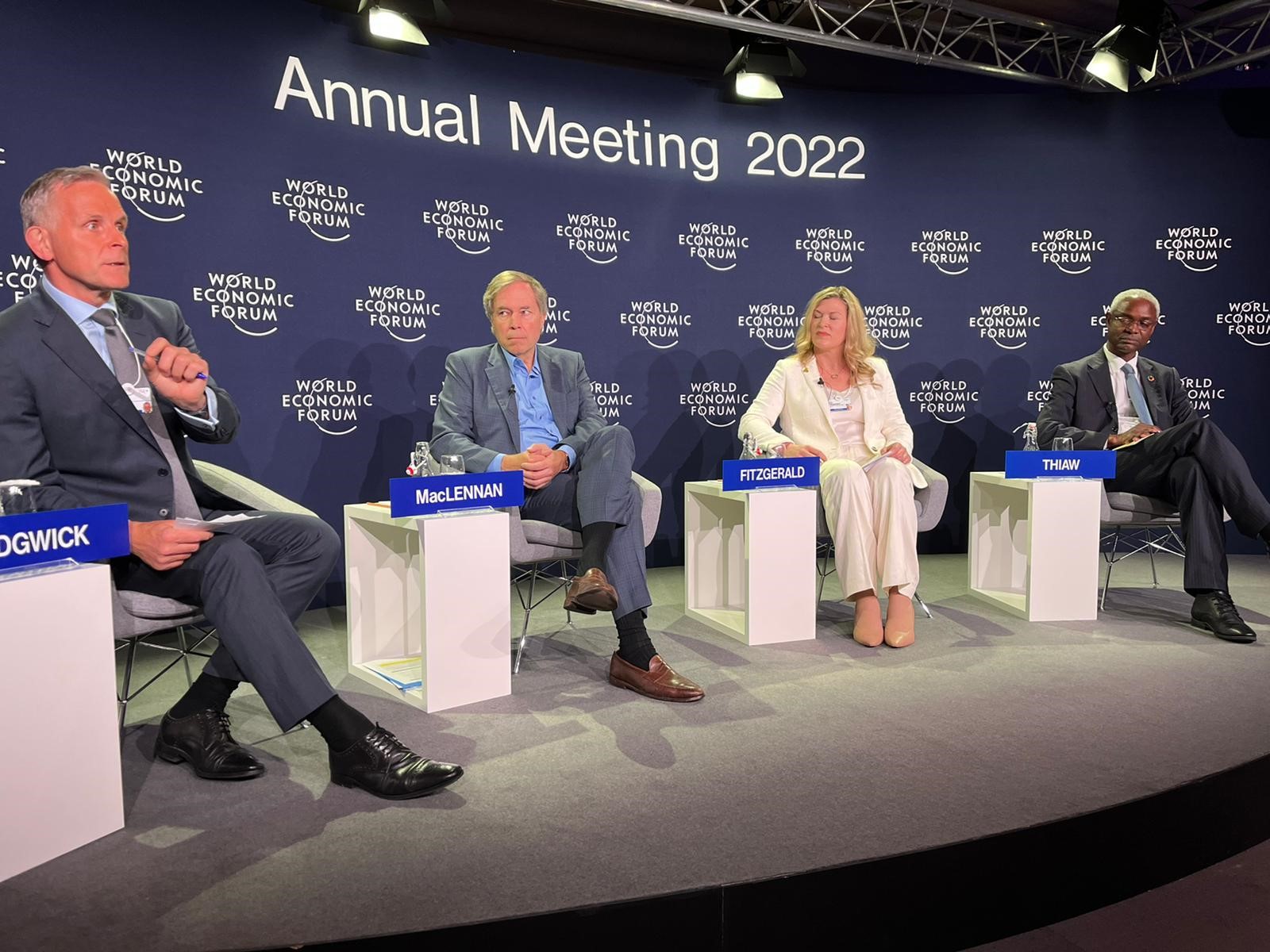
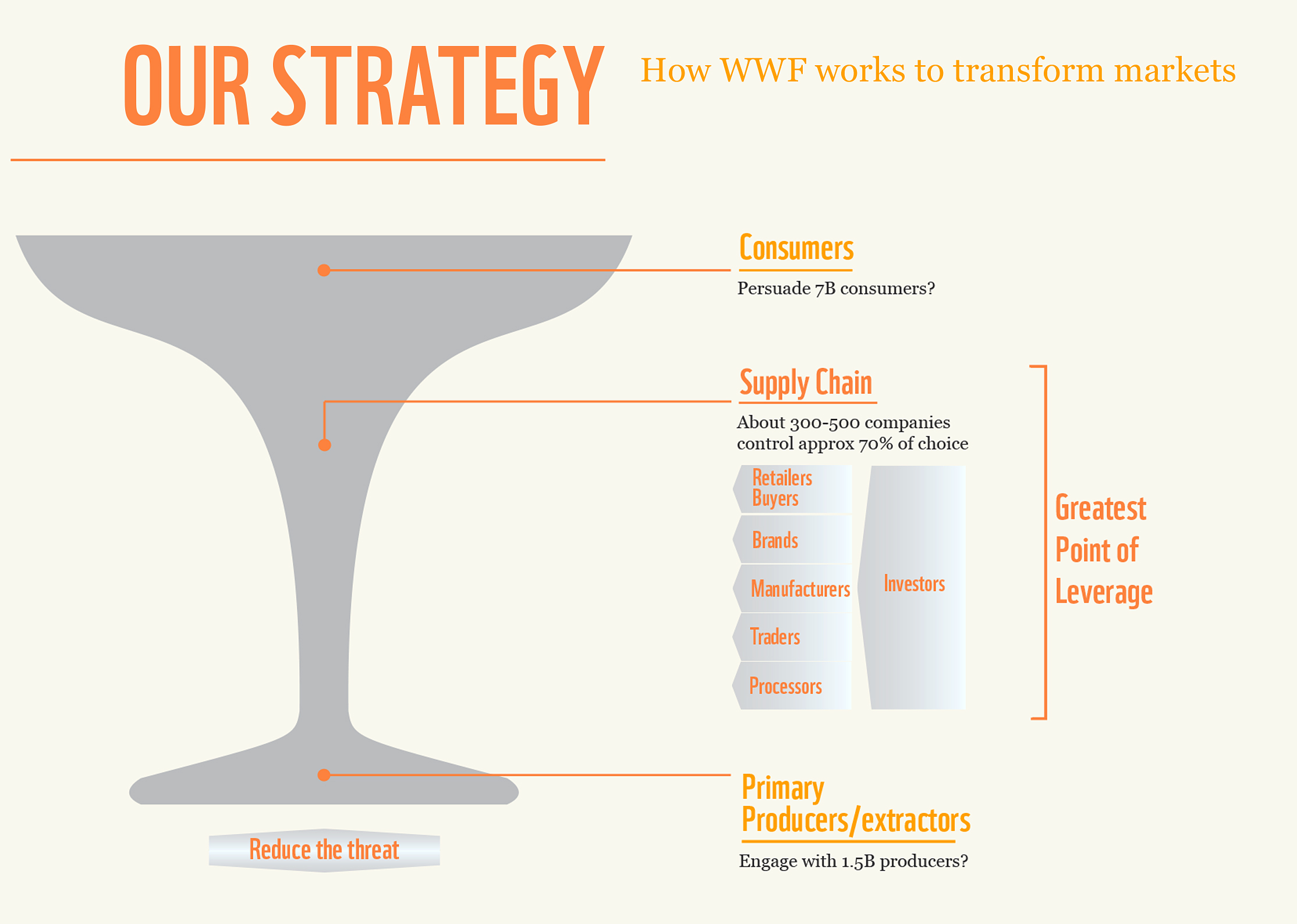
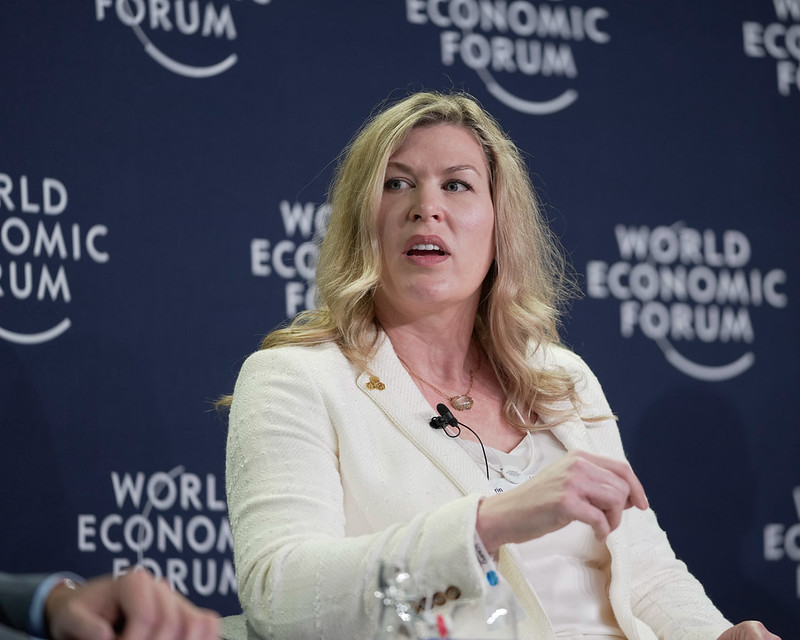

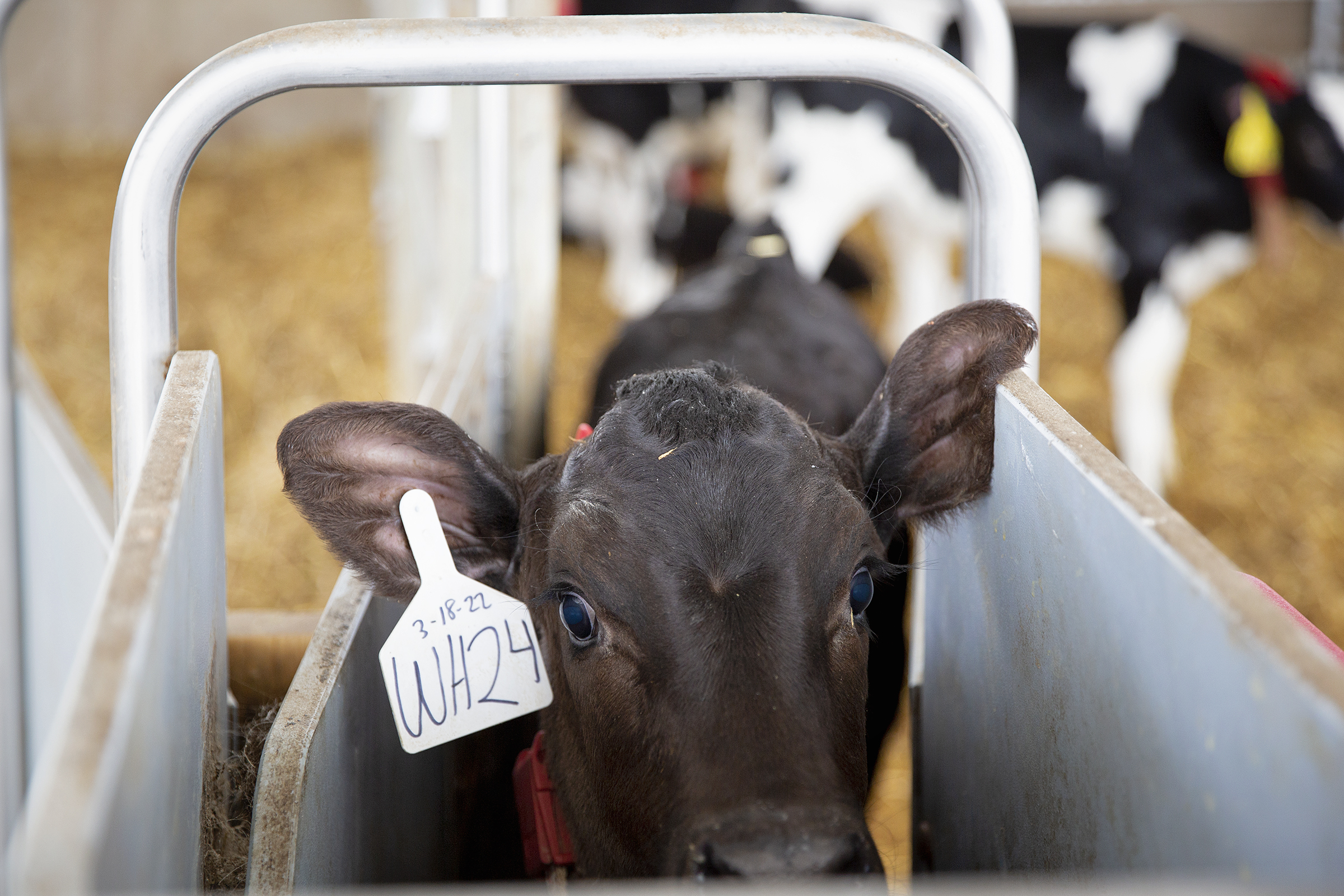
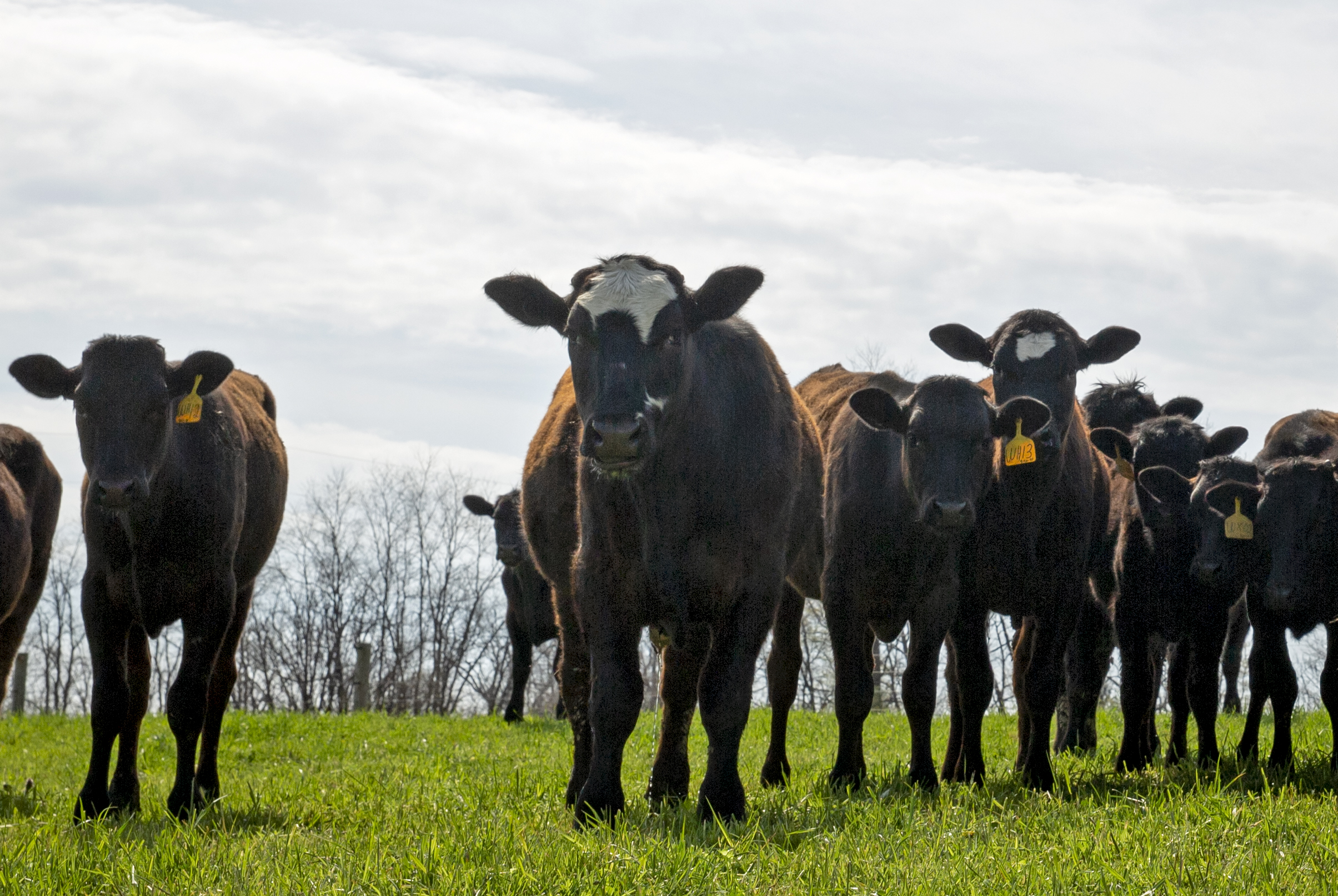
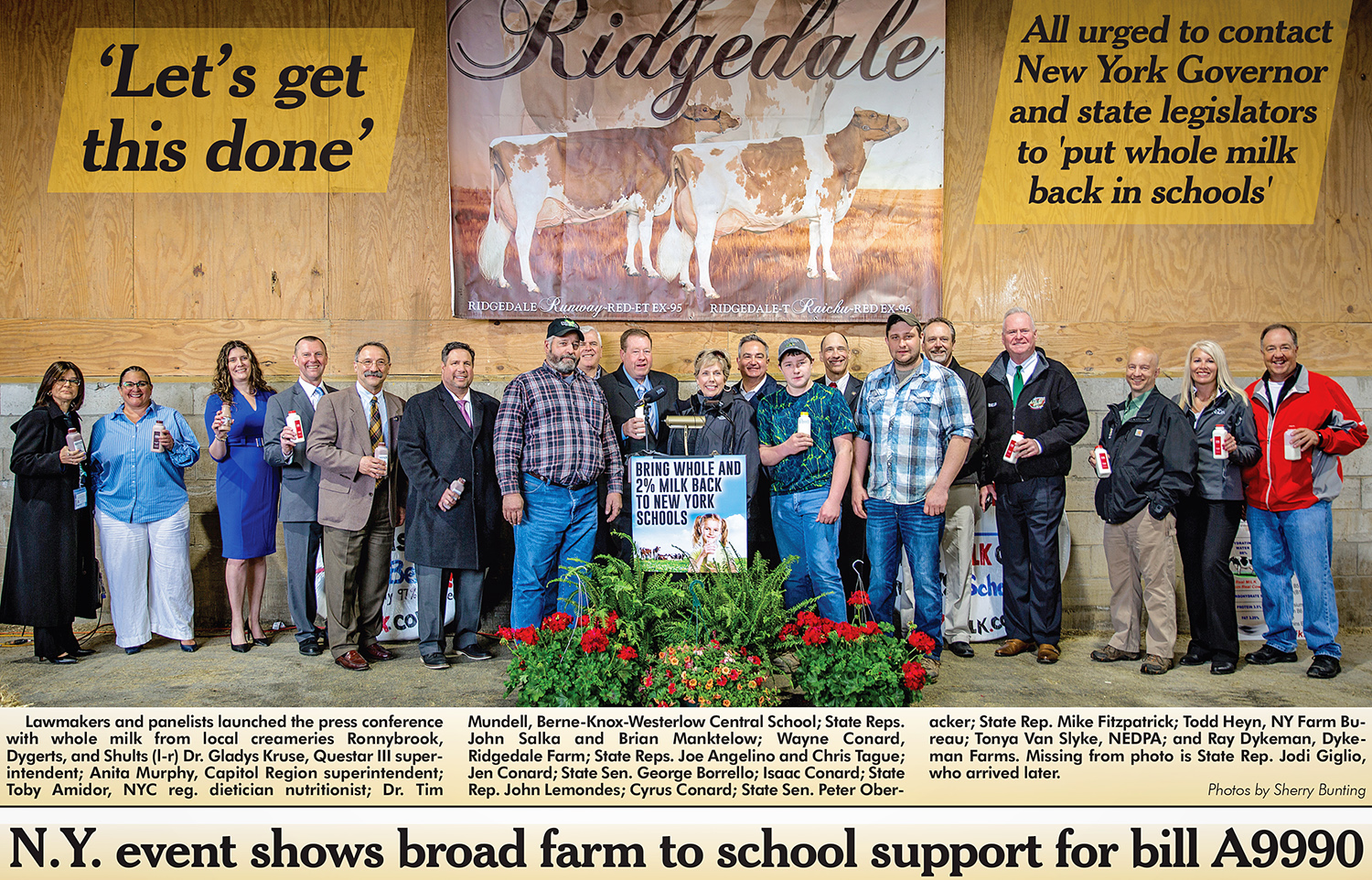
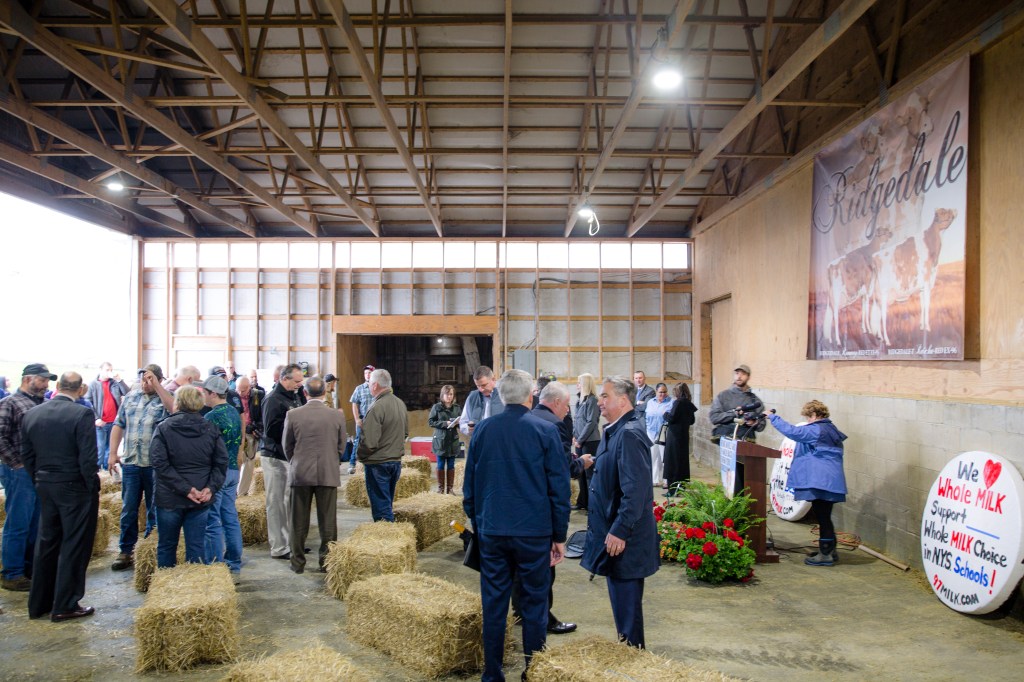
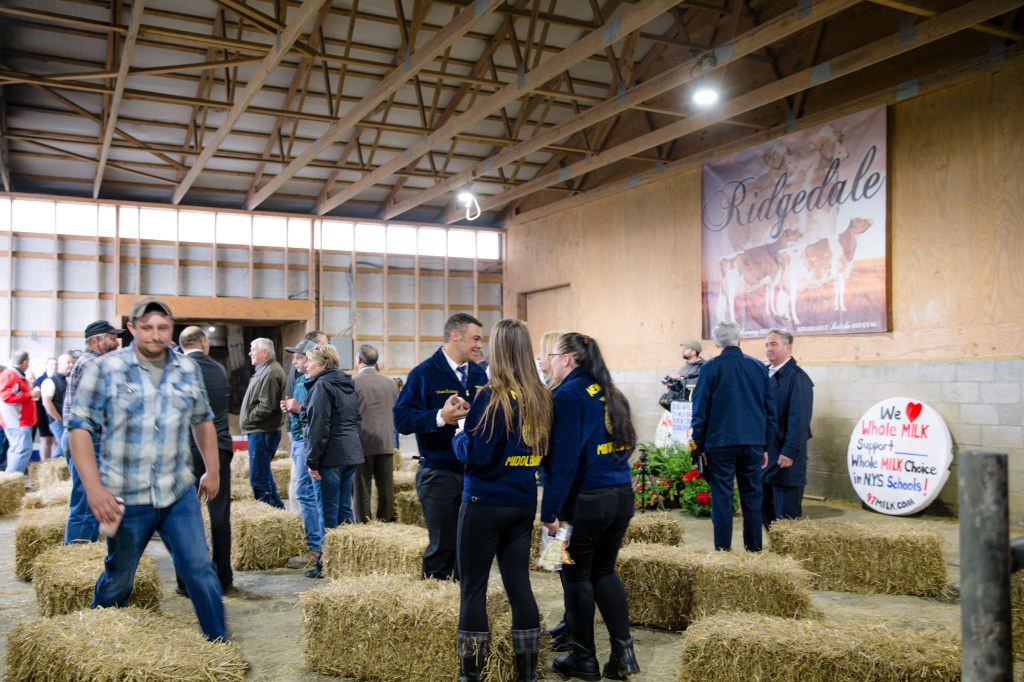
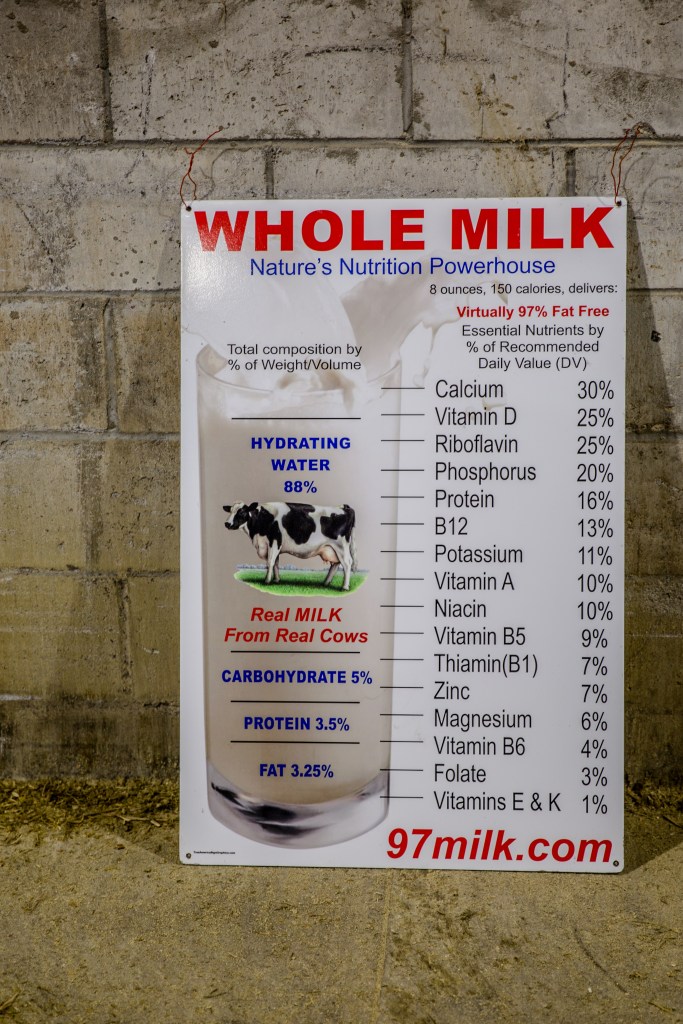
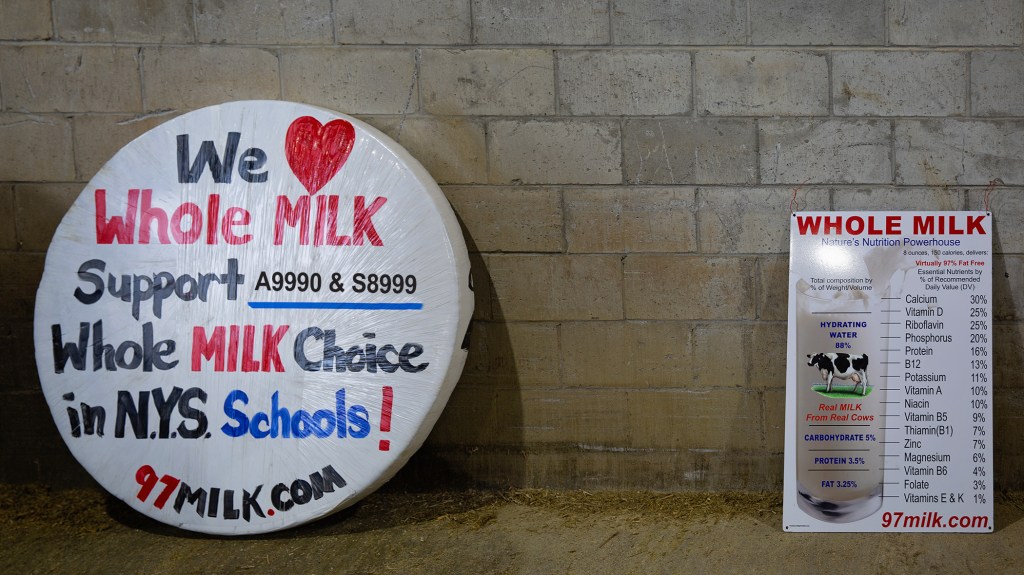
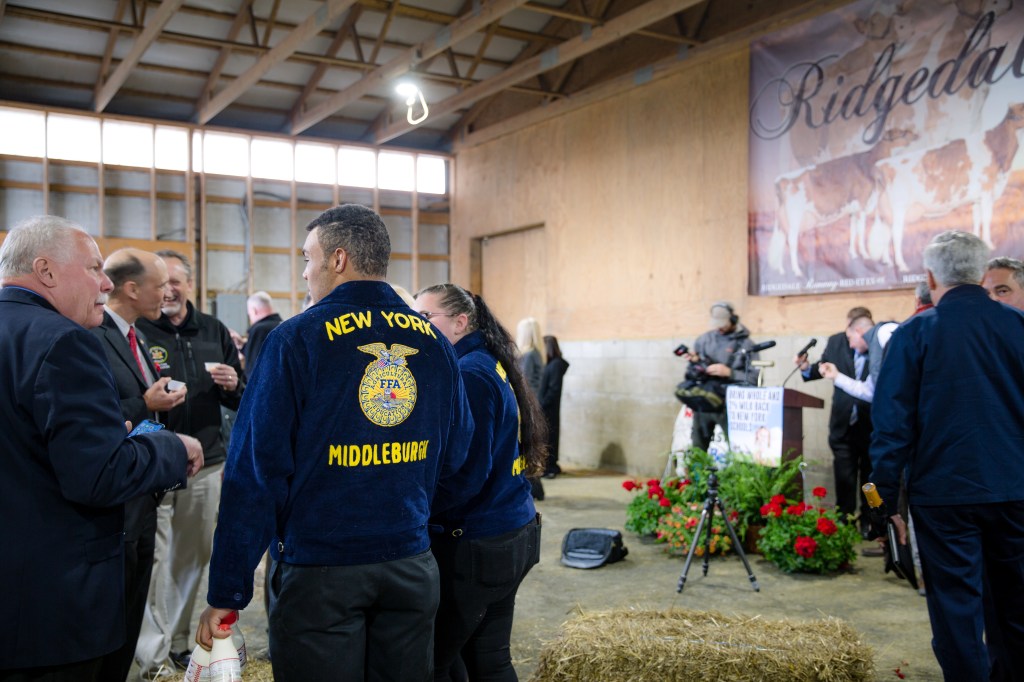
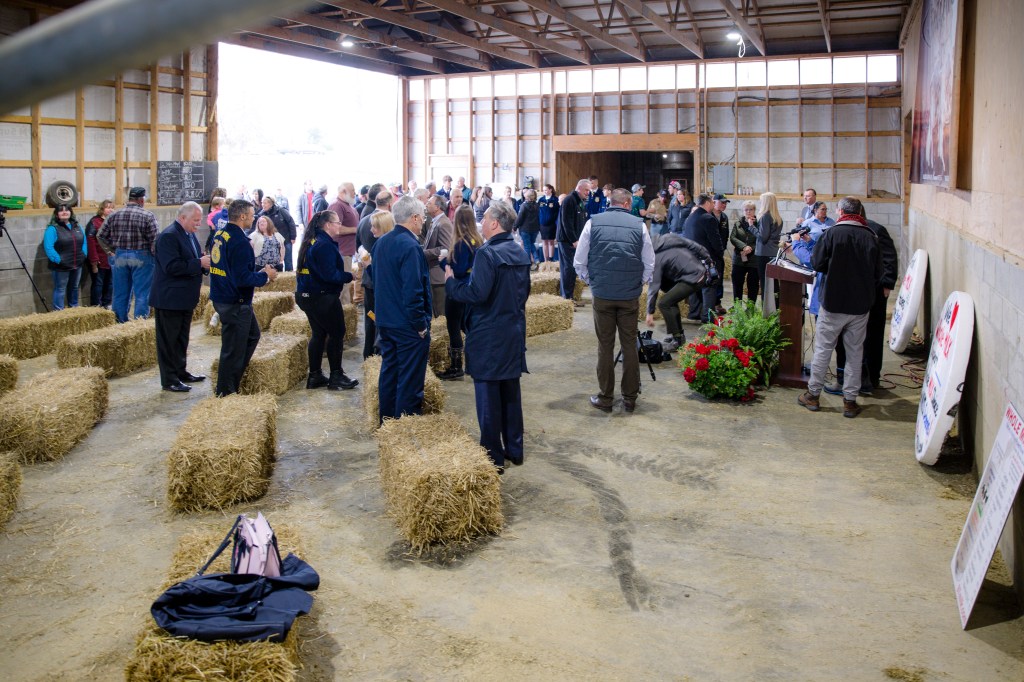
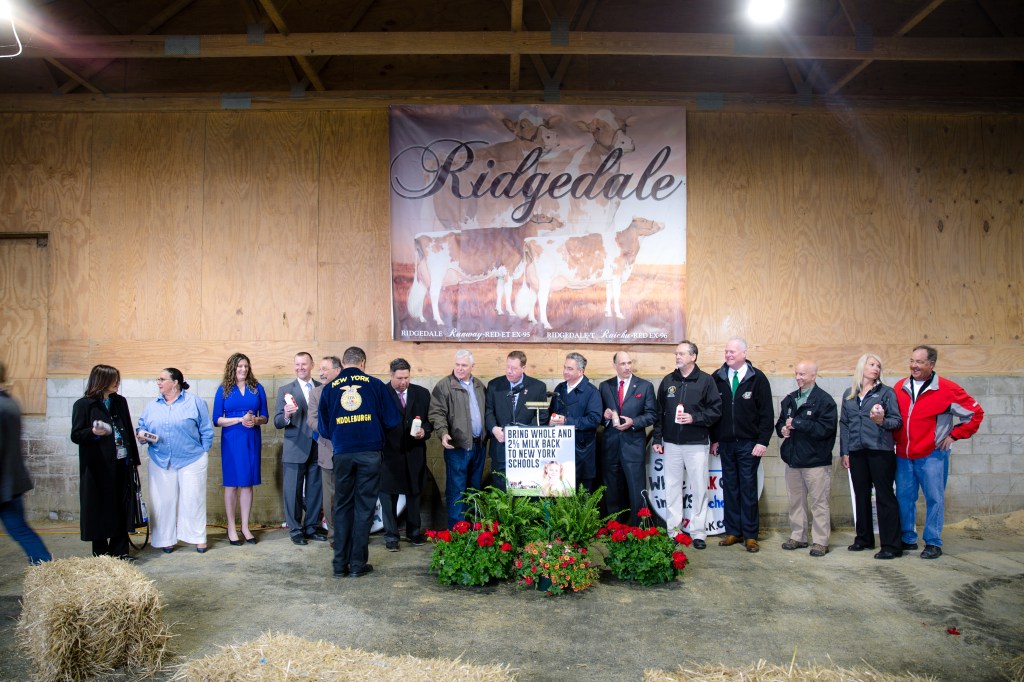
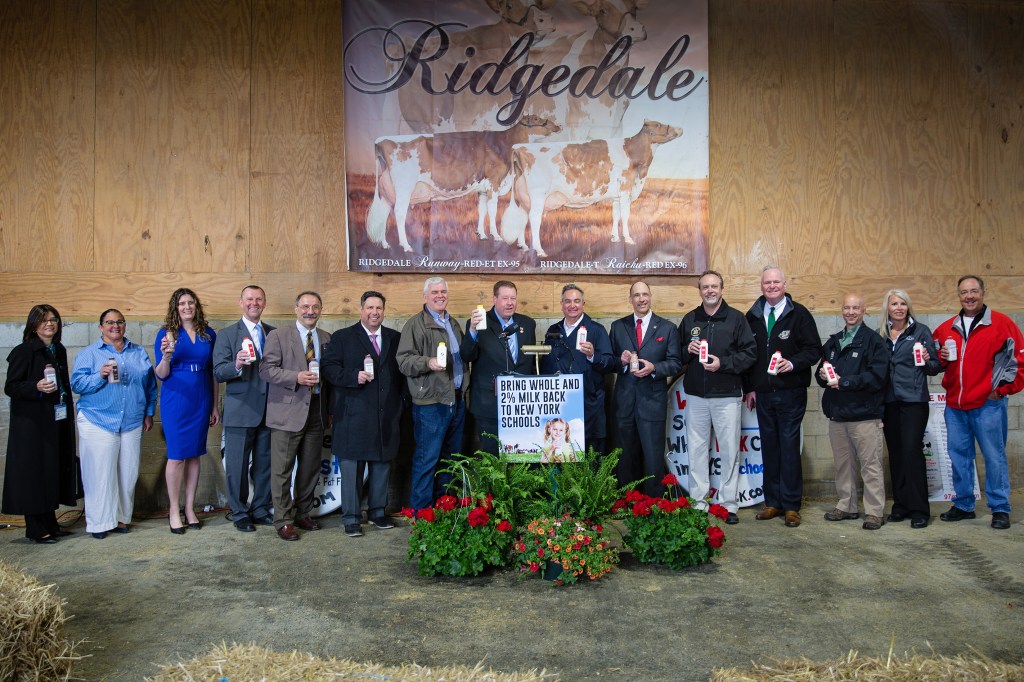
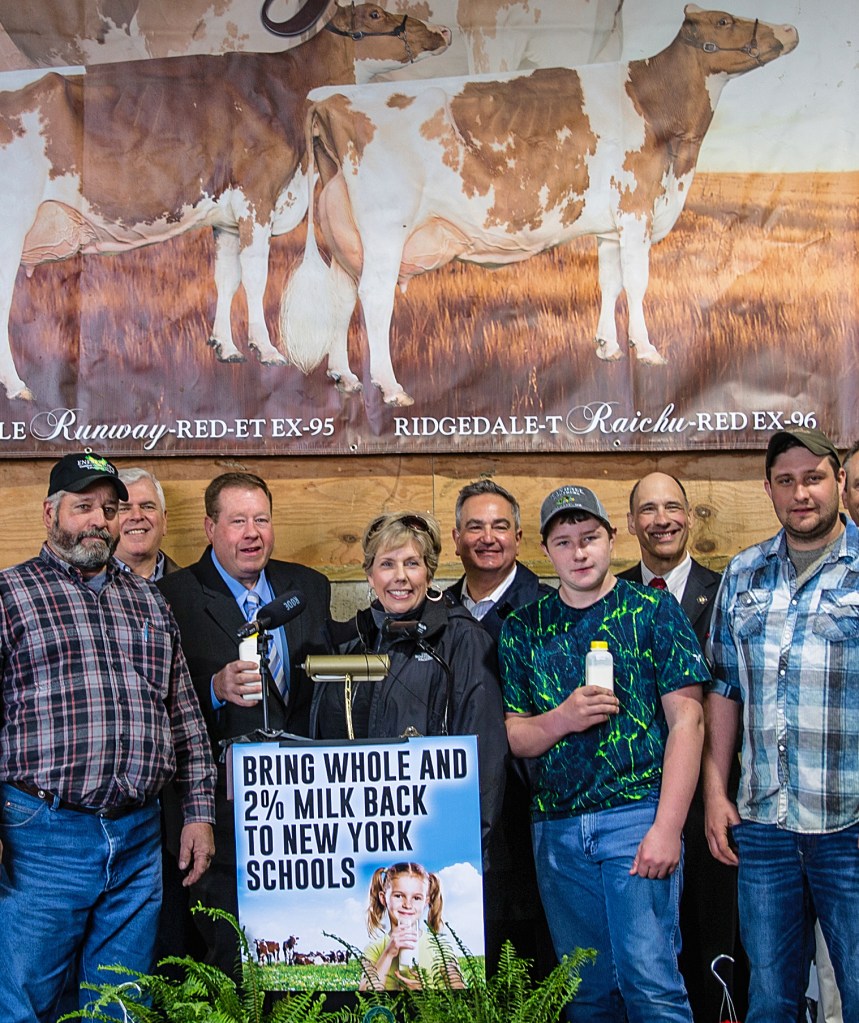
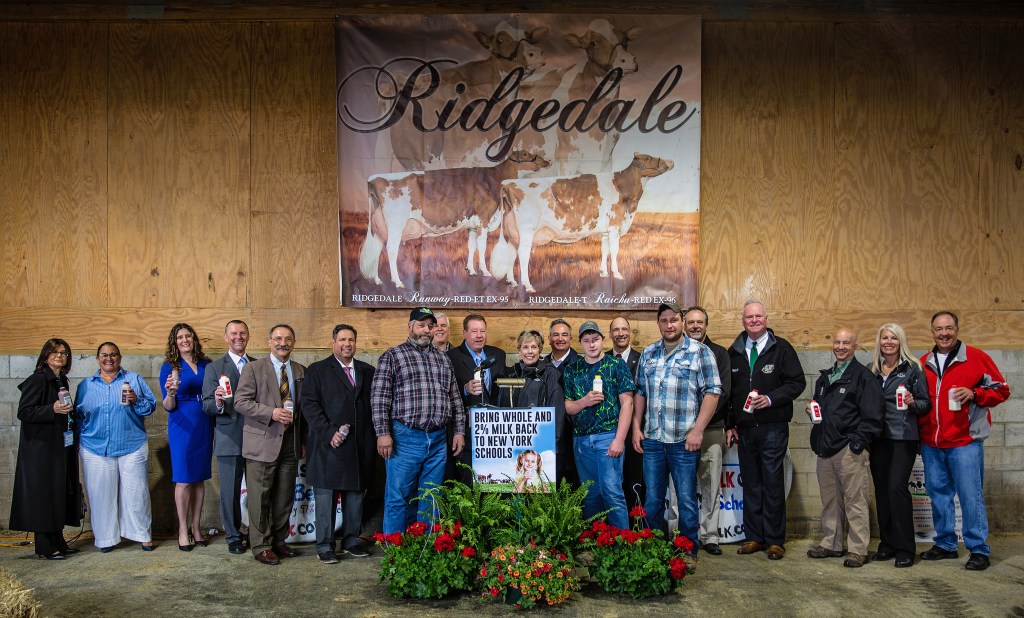
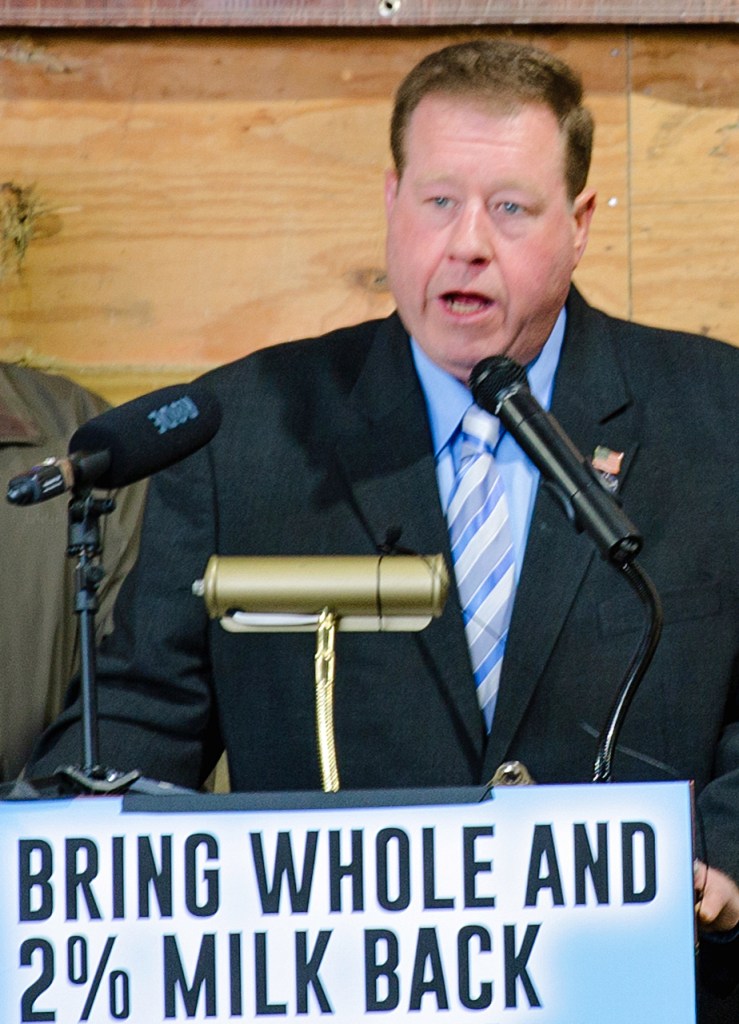
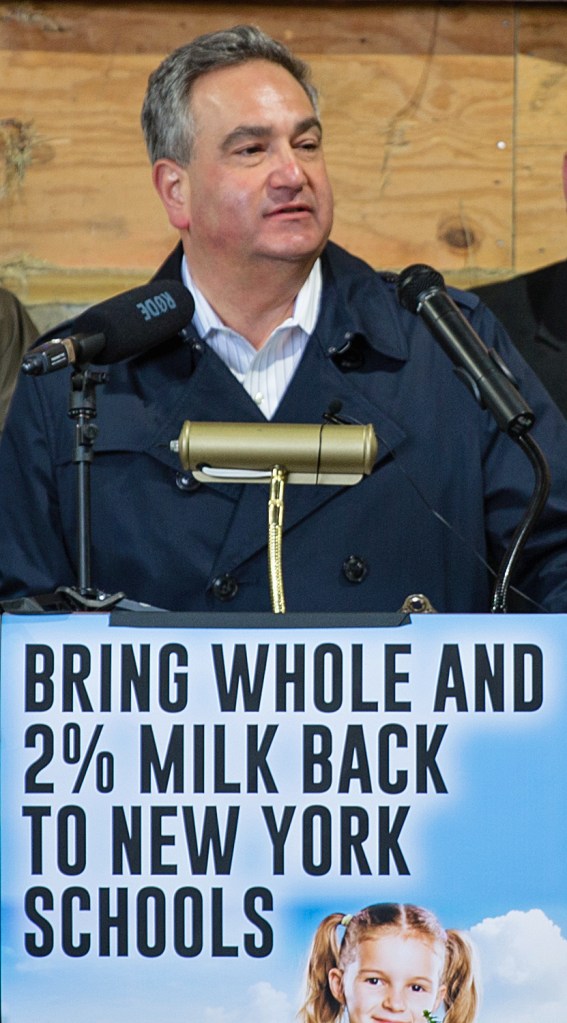
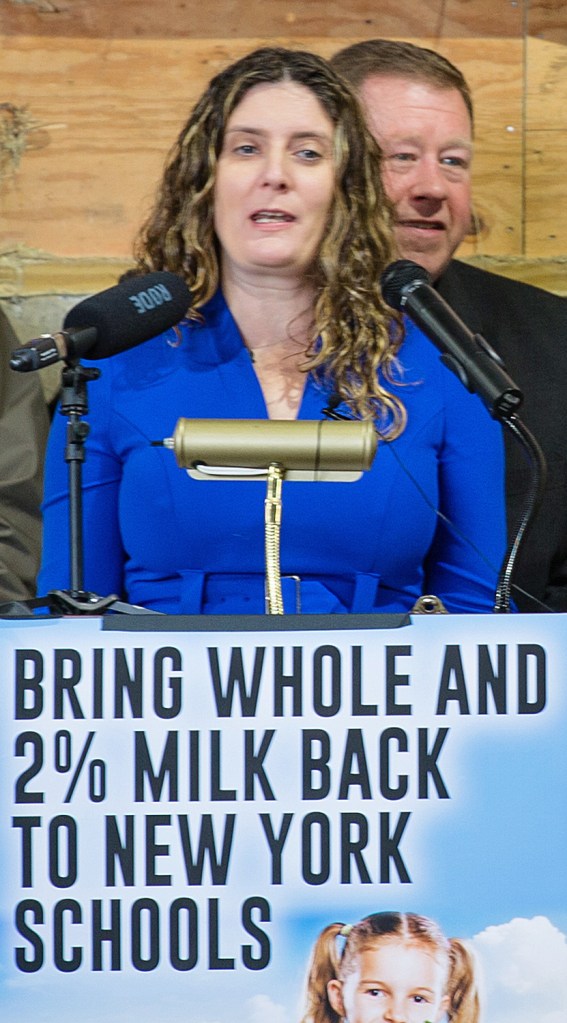
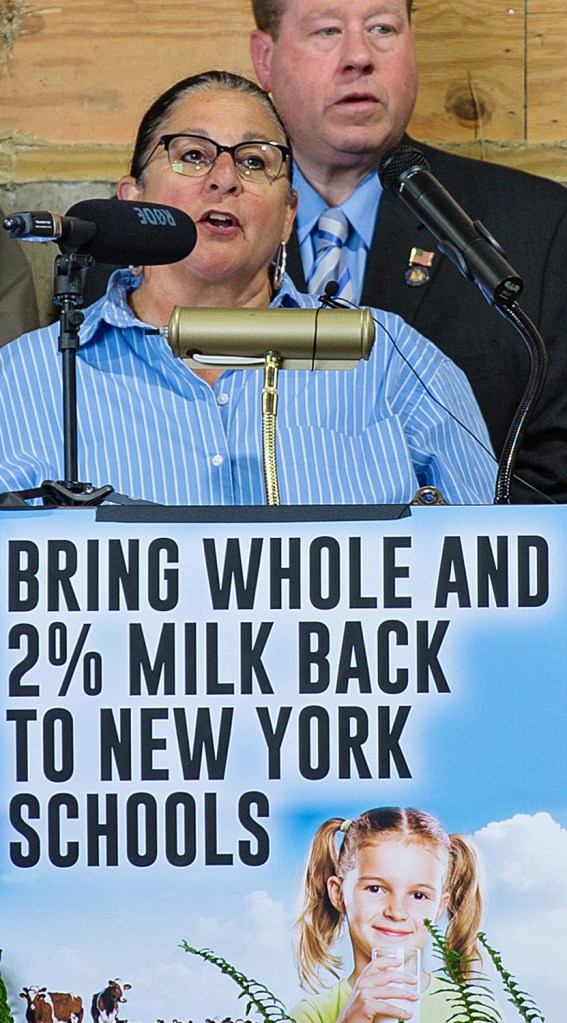
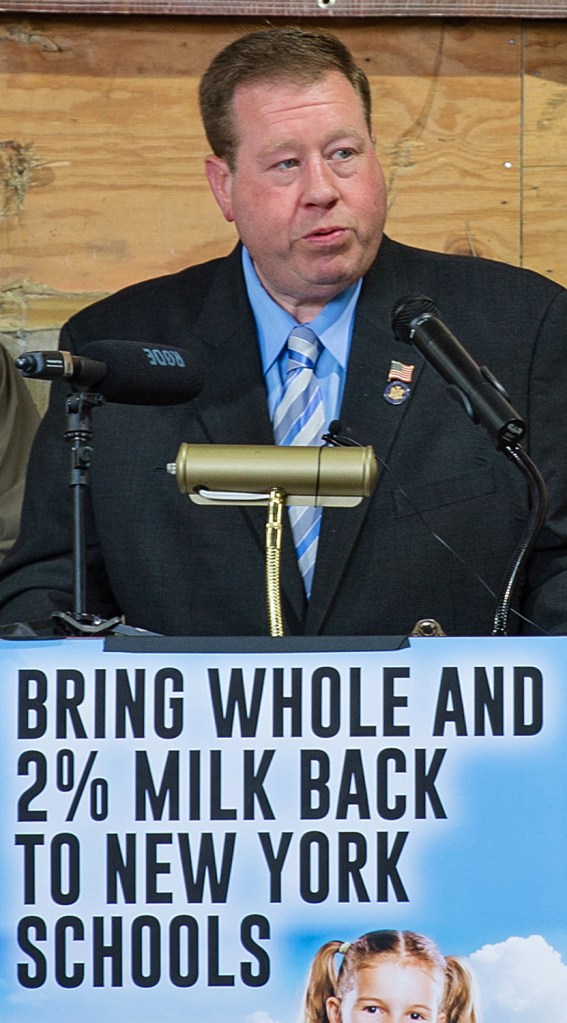
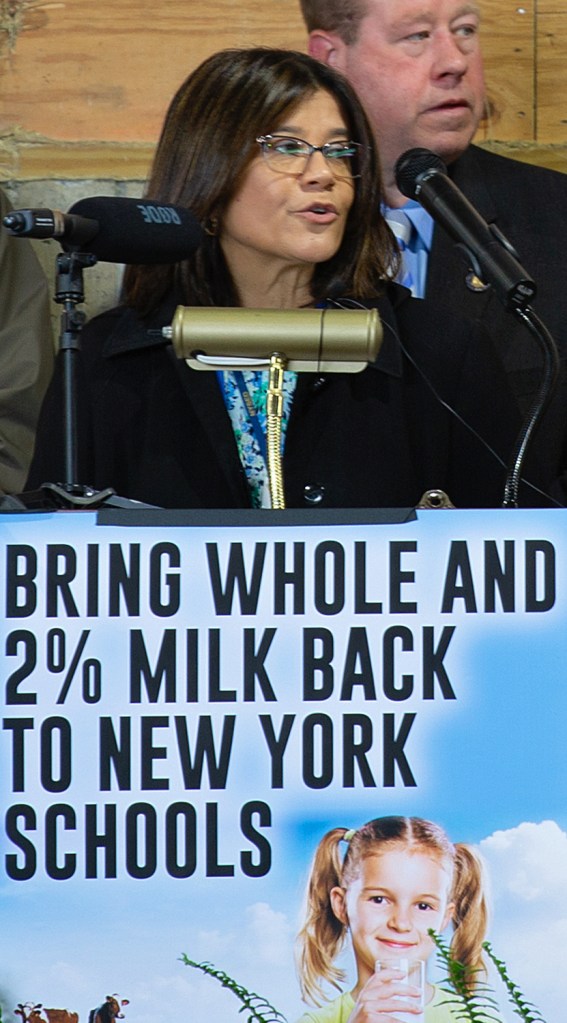
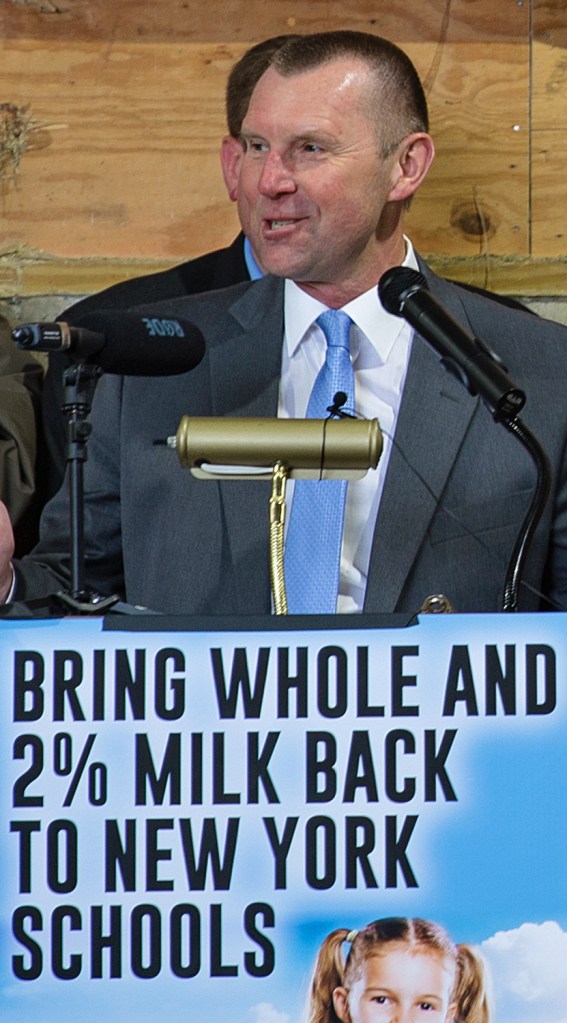
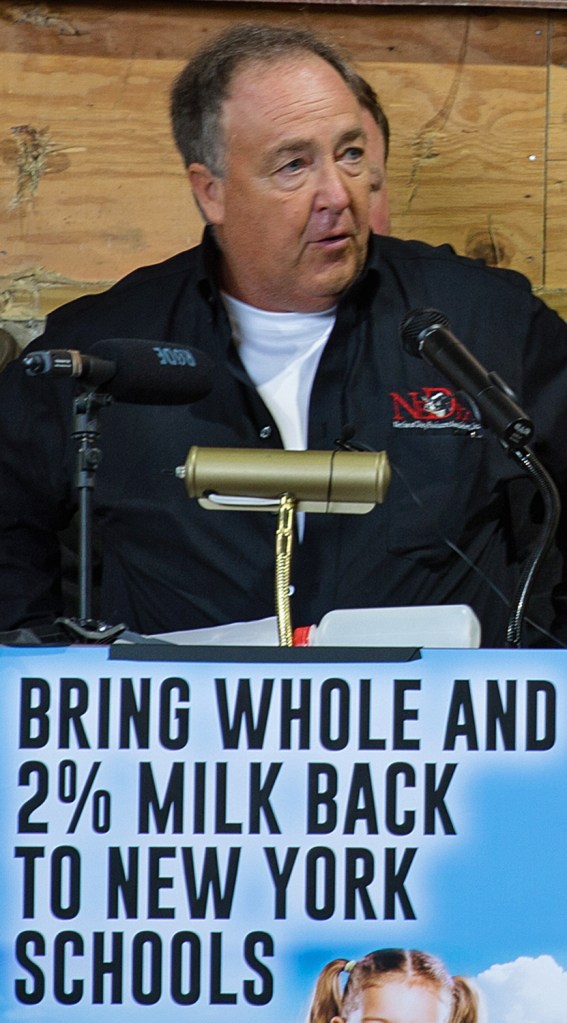
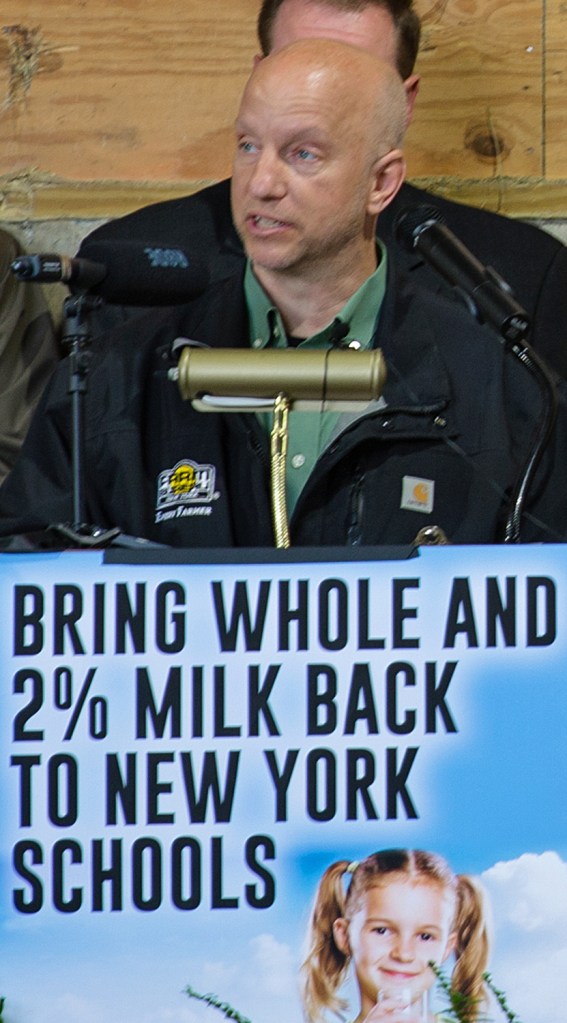
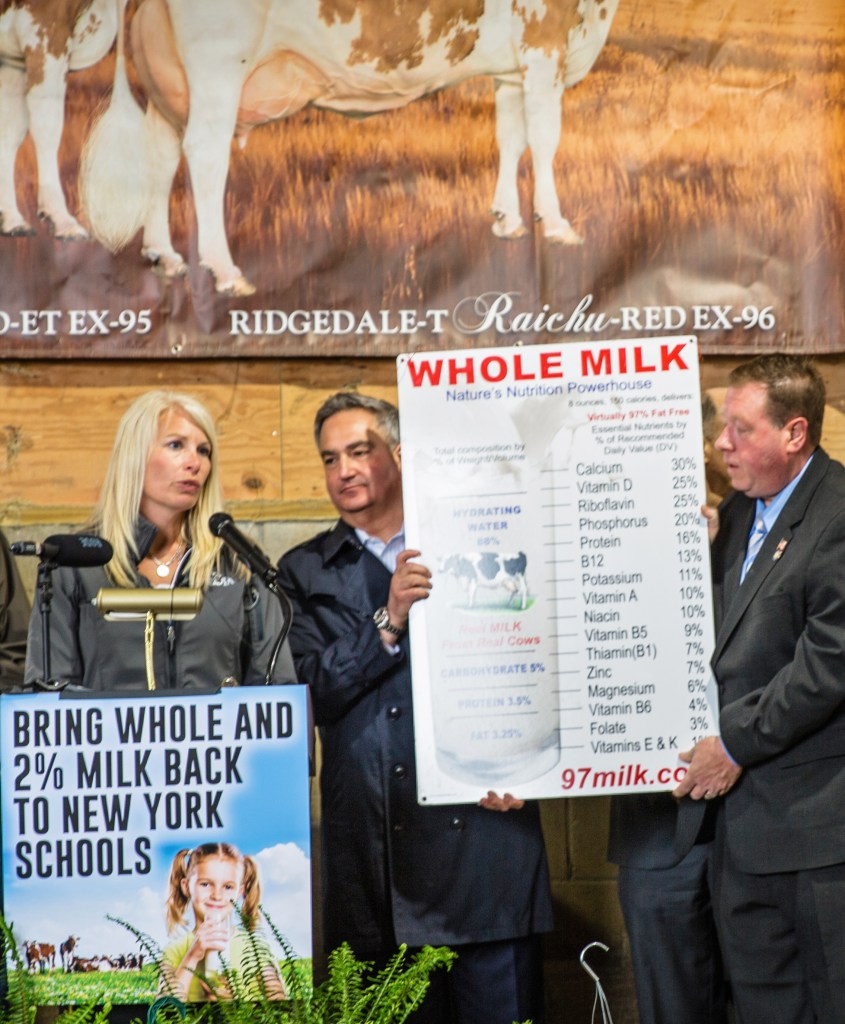
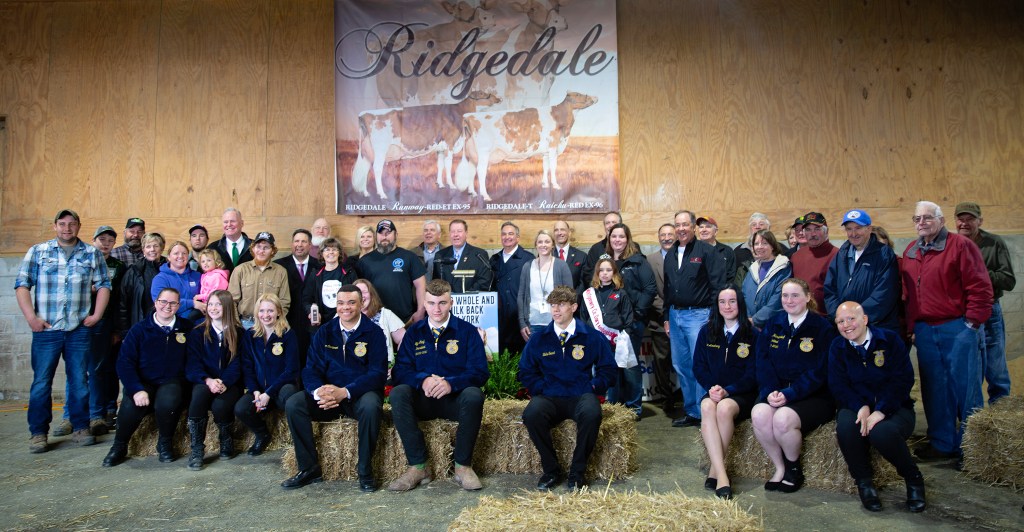
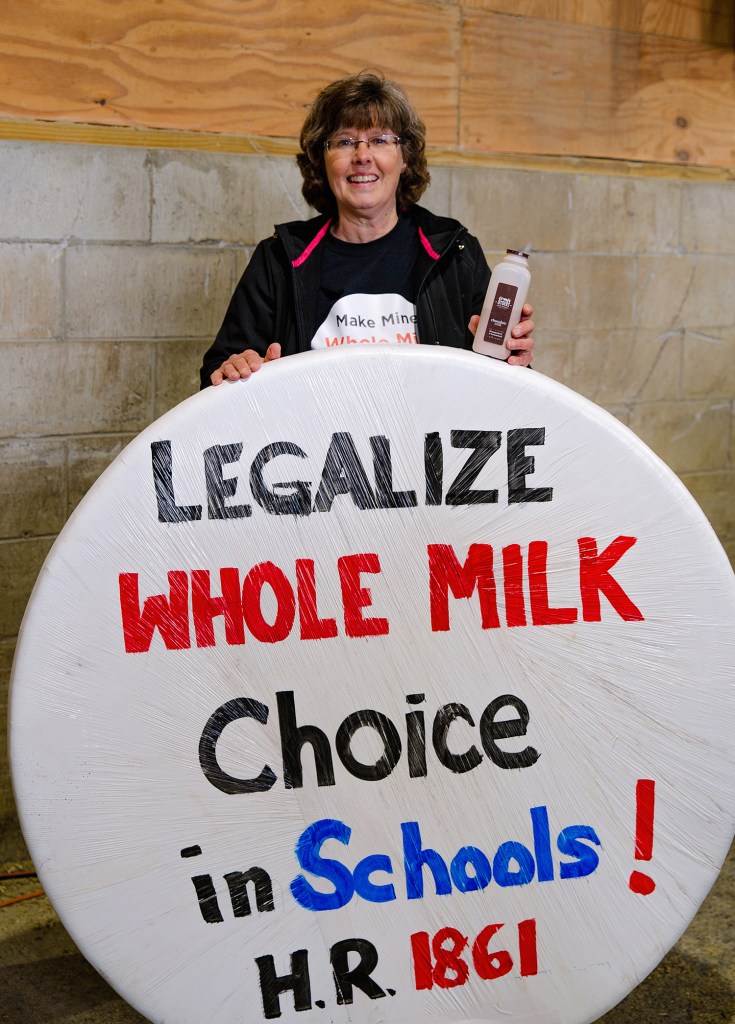
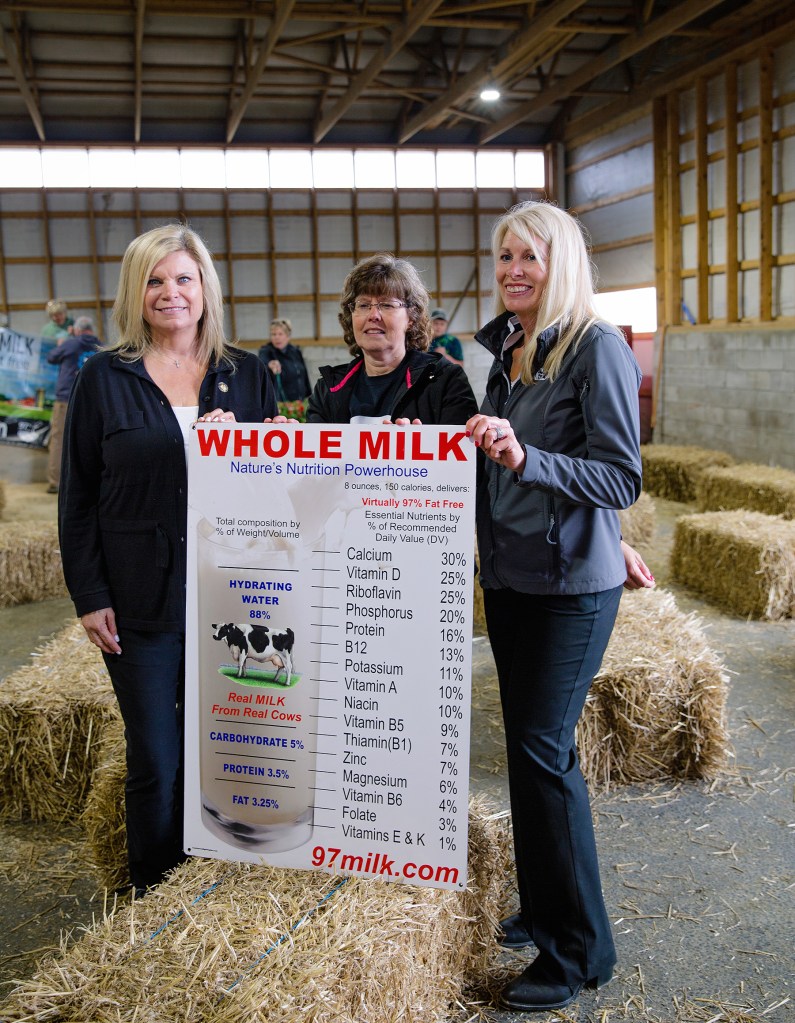
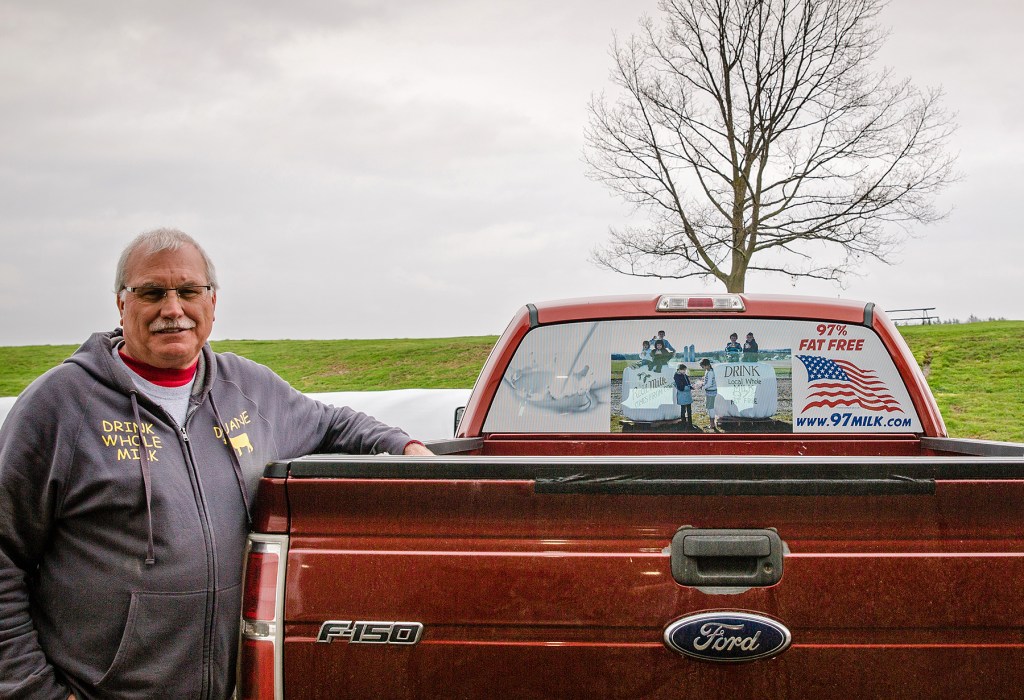
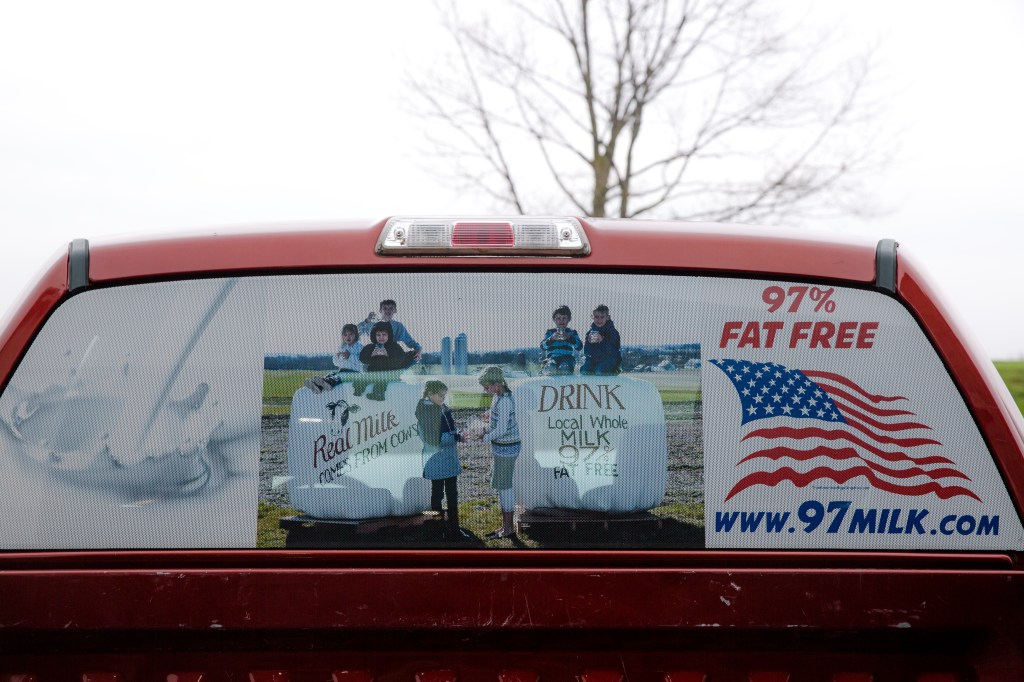
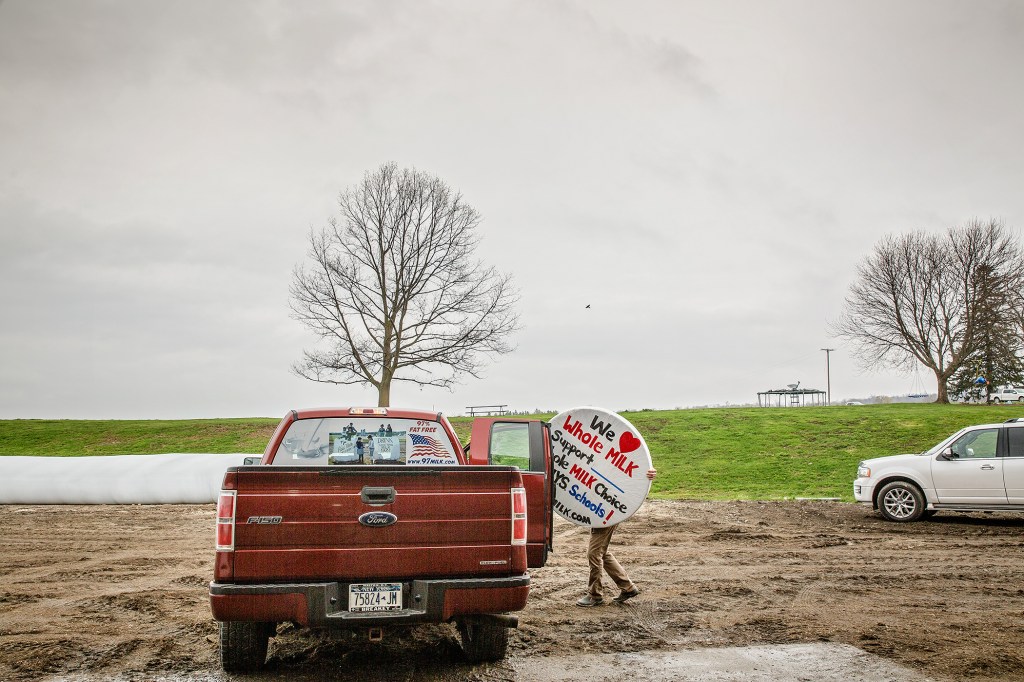
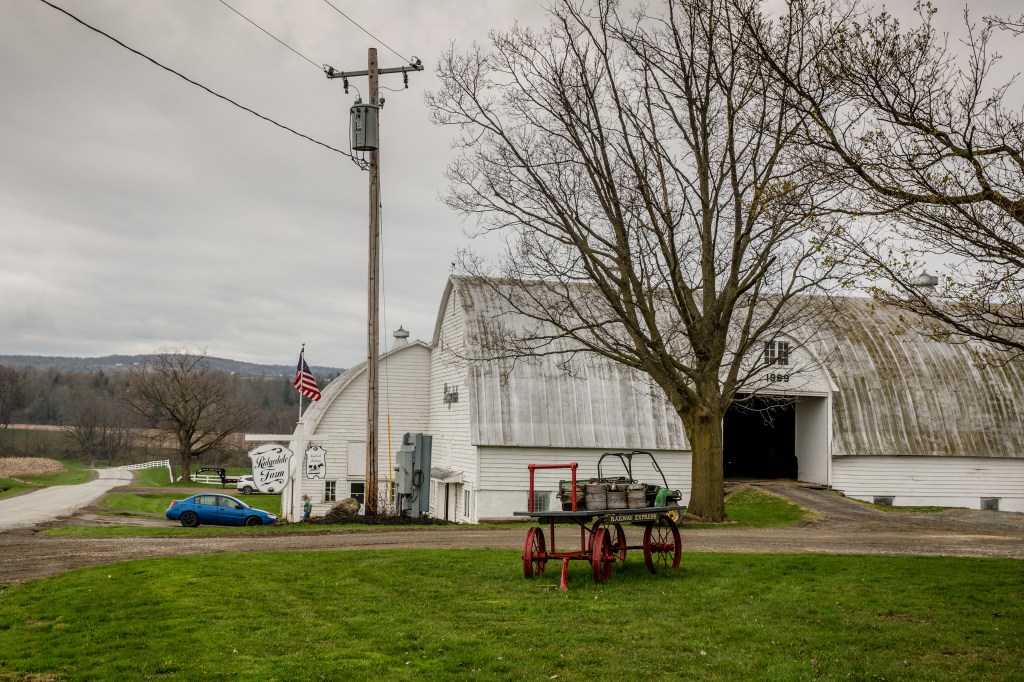
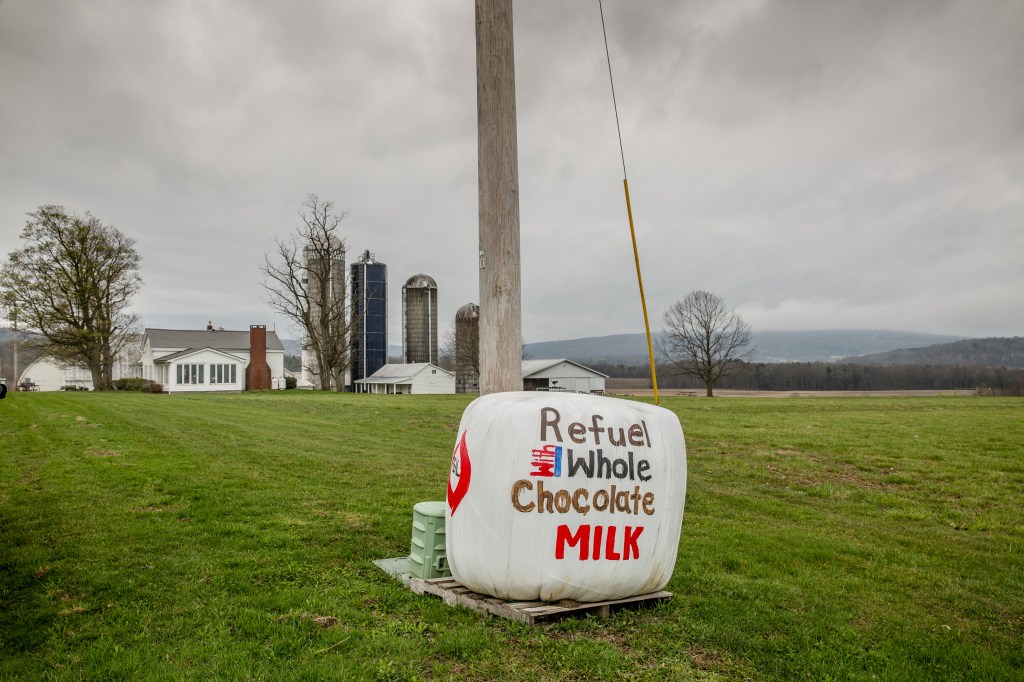

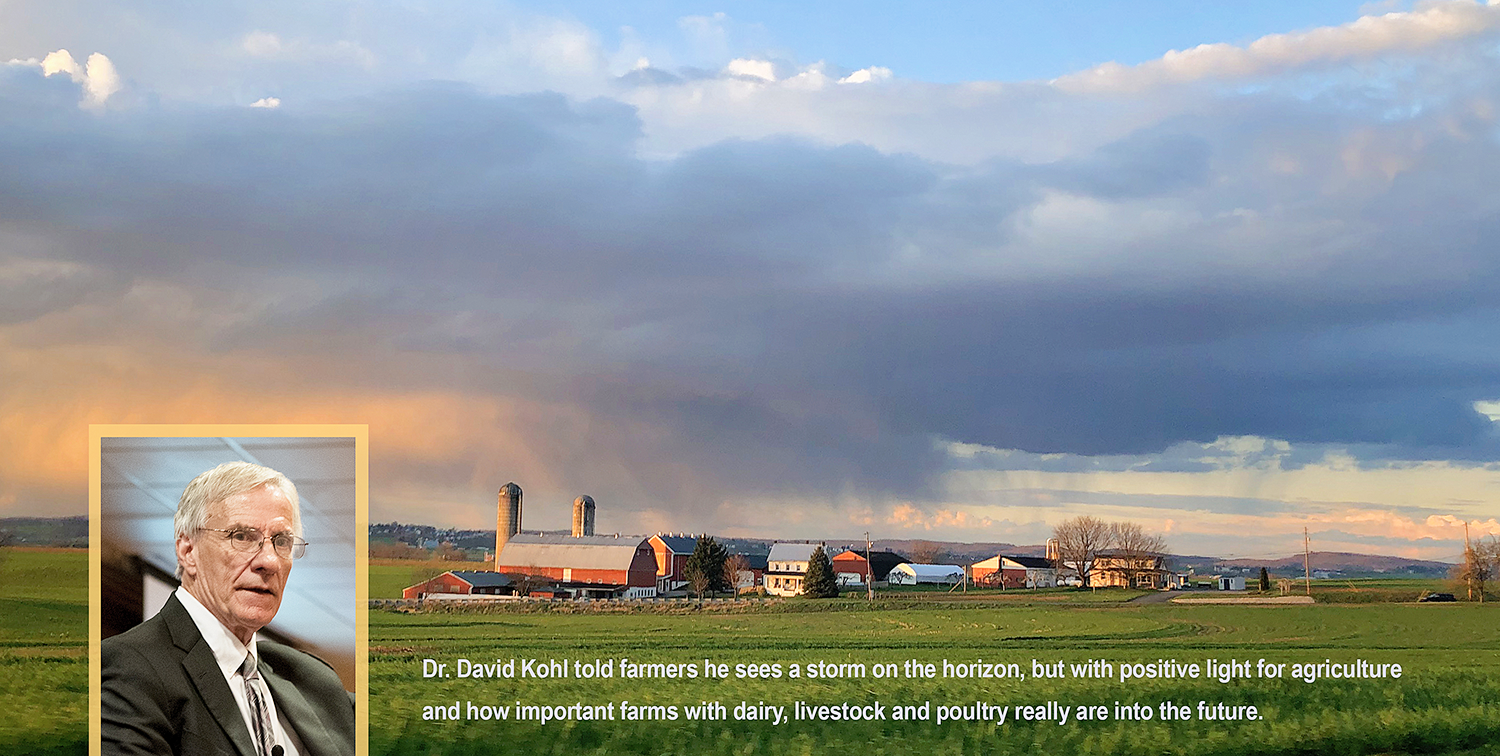
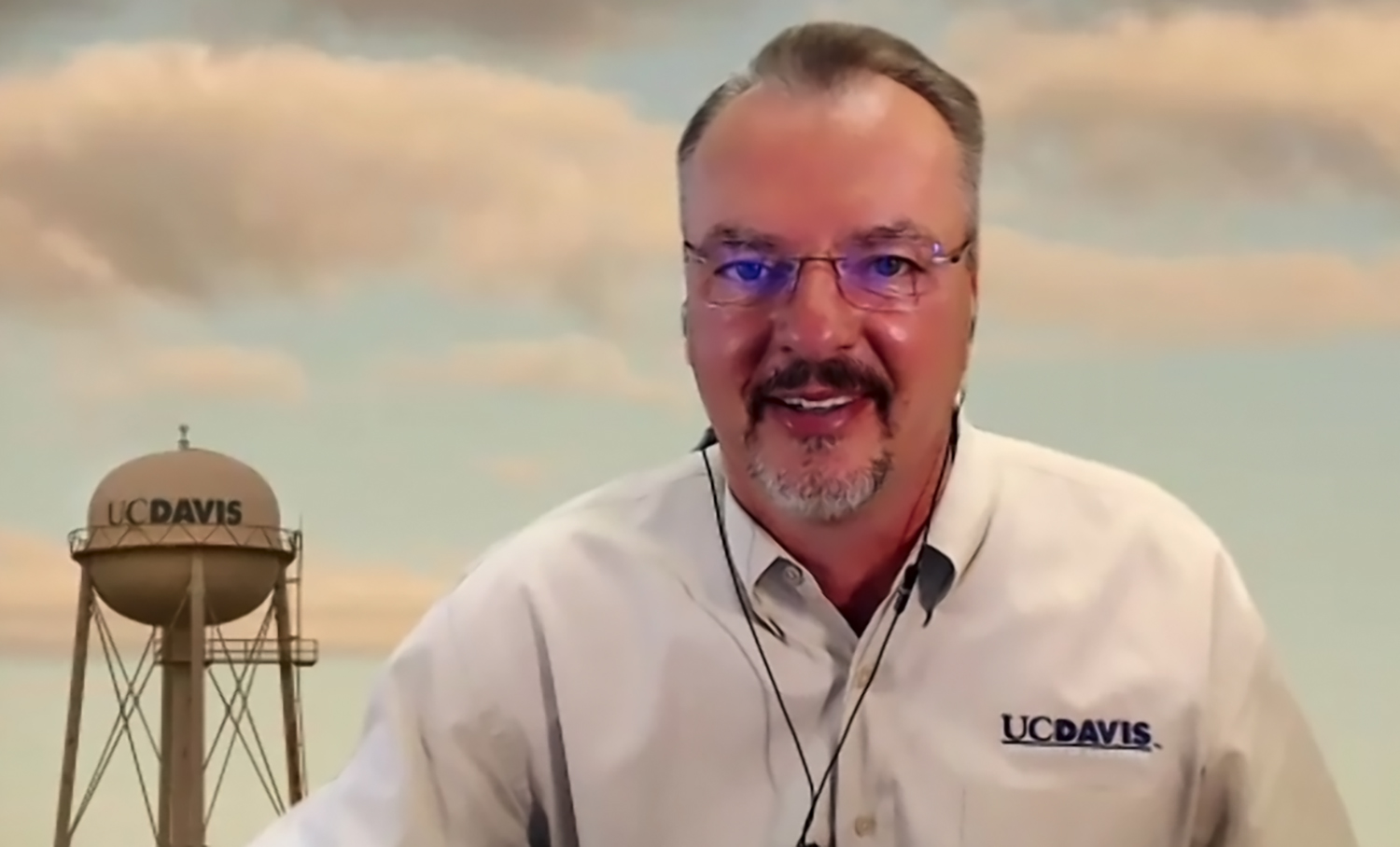
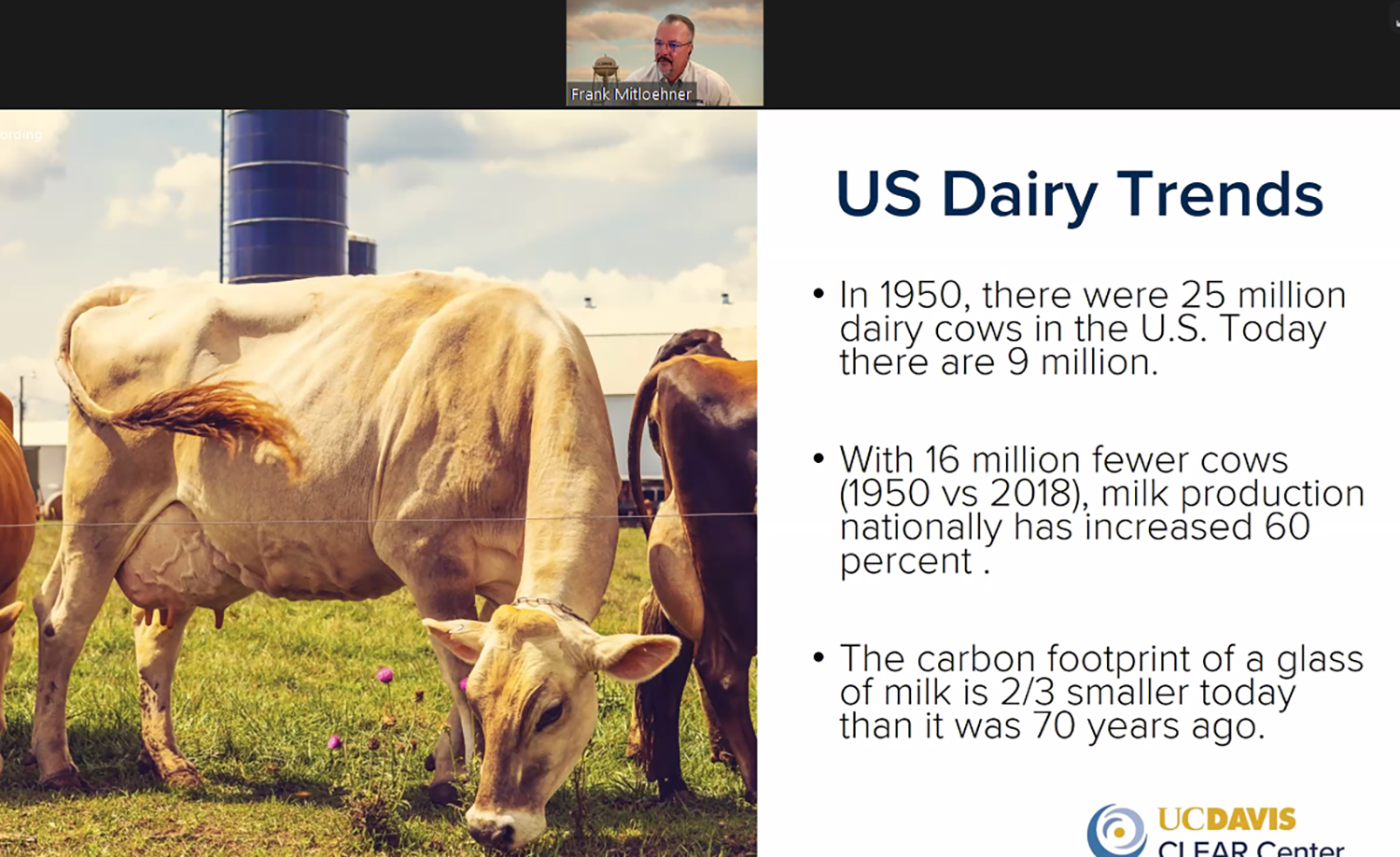
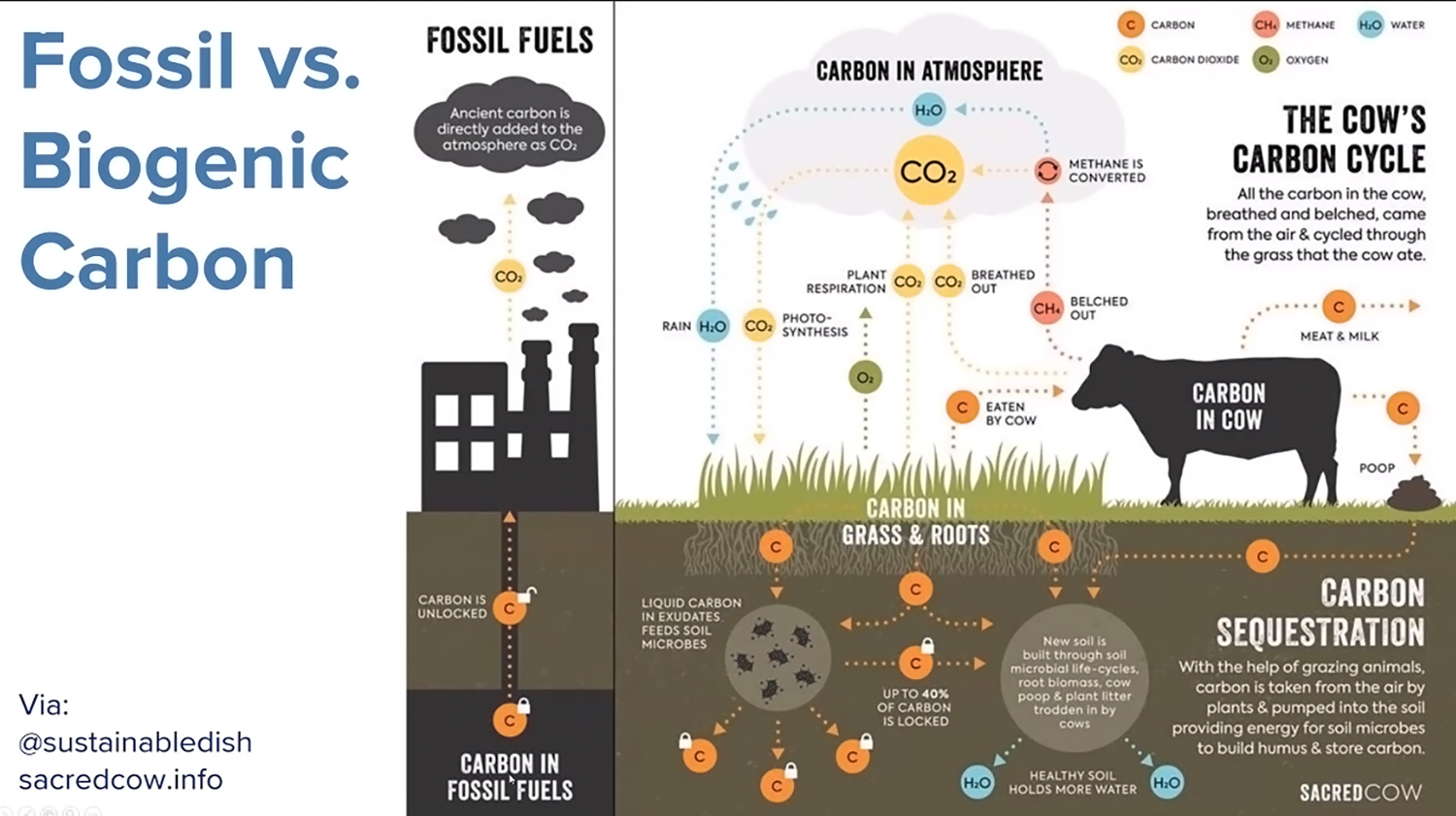

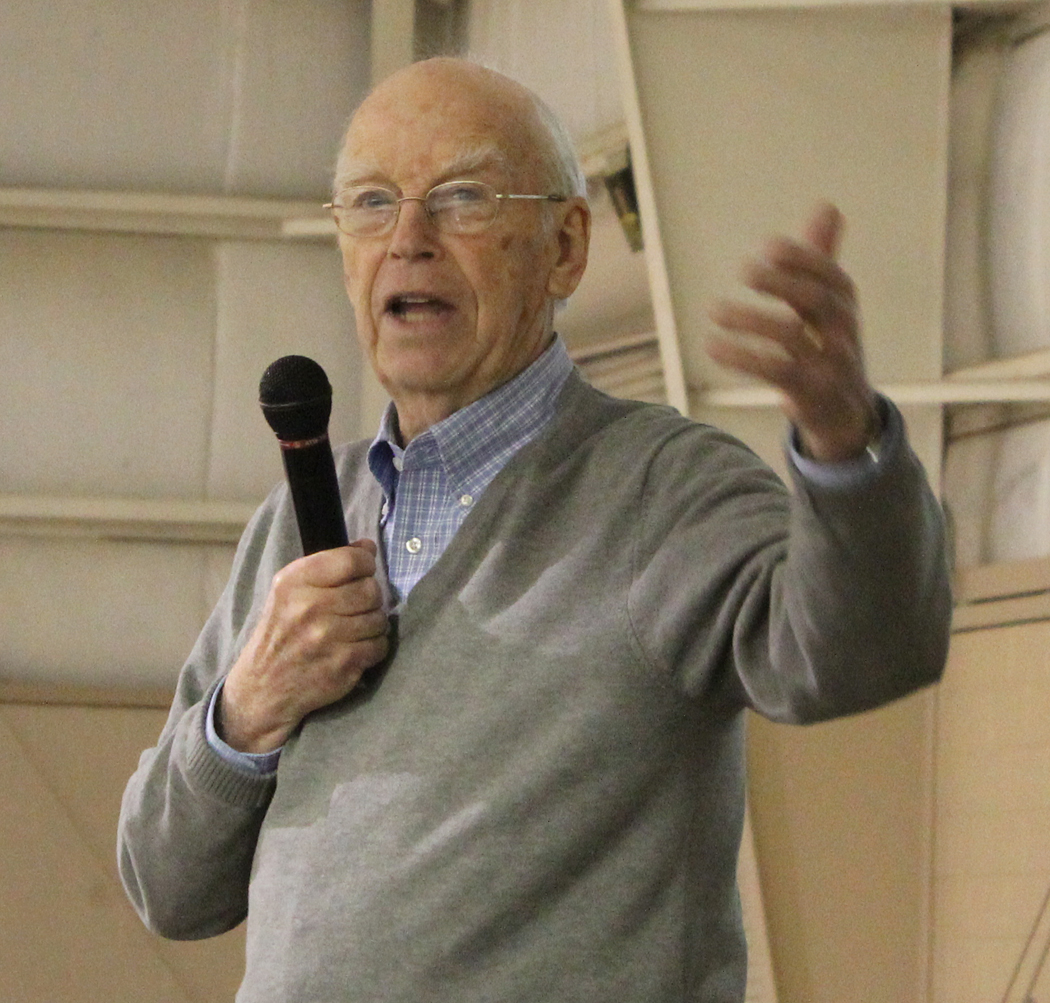

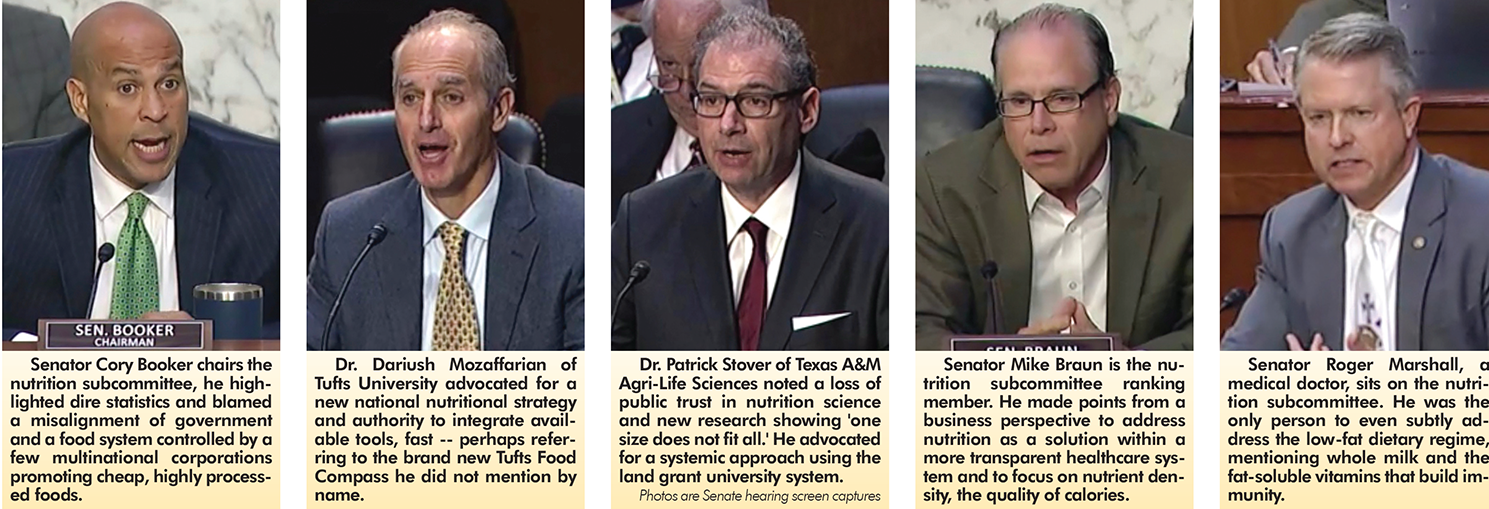
 Ag Moos