Covering Ag since 1981. The faces, places, markets and issues of dairy and livestock production. Hard-hitting topics, market updates and inspirational stories from the notebook of a veteran ag journalist. Contributing reporter for Farmshine since 1987; Editor of former Livestock Reporter 1981-1998; Before that I milked cows. @Agmoos on Twitter, @AgmoosInsight on FB #MilkMarketMoos
On the evening of June 13th, 300 people, mainly Amish dairy farmers and business owners with horses, came to a farm near Quarryville, Pennsylvania to hear from and show support for Rusty Herr and Ethan Wentworth (far front right and second from right). Their attorney Robert Barnes (standing), spoke about the case and their quest to get clarity on the law. Also speaking briefly (standing left) was Pennsylvania State Representative Wendy Fink of York County. Photo by Sherry Bunting
By Sherry Bunting
QUARRYVILLE, Pa. — It was a clear, balmy evening that farmers could have spent in field work, but over 300 people arrived by buggy, van, and on foot to hear from two men and their legal team at 7 p.m. Thursday, June 13 on an Amish dairy farm in southern Lancaster County, Pennsylvania. (Click here to read author’s analysis/opinion)
The meeting came just one month after Rusty Herr and Ethan Wentworth were released from prison, having served the 30 days on contempt charges for failing to provide names, addresses, and records as part of a 2021 subpoena from the Bureau of Professional and Occupational Affairs (BPOA) on behalf of the State Veterinary Board.
The 2021 subpoena was set in motion by a 2020 petition from the Pennsylvania Veterinary Medical Association targeting Rusty and Ethan for continuing to perform veterinary practice without a license by ultrasounding livestock.
The majority of attendees were from the Amish community, half of them dairy farmers, and half business owners, tradesmen, who have horses. A sprinkling of non-Amish farmers were also in attendance.
One could hear a pin drop while Rusty and Ethan talked separately of their time in prison, highlighting what the prayers and support of family, friends, colleagues, and customers have meant to them and crediting their team of employees for stepping up in their absence and their wives and families for all they have done and endured.
They talked of how their faith in God grew stronger over those 30 days, and of their steadfast resolve to continue serving this community.
Attorney Robert Barnes of Barnes Law LLP talked about two of the exceptions in Section 32 of the Vet Practice Act of 1974, as amended in 1986: “This Act does not apply to (32. 4) Any person or his or her regular employee or agent while practicing veterinary medicine on his or her own animals… and (32. 7) Any person performing normal husbandry practices on bovine, porcine, caprine, ovine or equine animals or avis.”
Neither ‘agent’ nor ‘normal husbandry practices’ are defined in the list of terms in the Act’s introduction.
According to Webster’s the definition of ‘husbandry’ is “the care, cultivation, and breeding of crops and animals,” and the definition of ‘agent’ is “a person who acts on behalf of another person or group.”
‘Agent’ is actually a legal term used to describe “a person that has been entrusted with important powers or responsibilities that are to be carried out on behalf of another person.”
A legal basis for the term ‘normal husbandry’ is traditionally understood as a combination of the producer’s self-interest (economic sustainability) and duties of humane treatment for the animals on which we depend. The two go hand in hand.
“There is a war on the small farmers around the world. The Amish are caught in the middle. They bring essential value and high-quality food from a farming community that seeks to protect a way of life,” said Barnes, who also represents Amos Miller in the raw milk case brought by the Pennsylvania Department of Agriculture.
Barnes called the April 2024 arrests of Rusty and Ethan an “abuse of power” treating civil contempt as though criminal through incarceration.
He called this an example of using regulatory process to bolster “new and novel interpretations of the law.” Other examples he gave involved access to water, takings of food, and animal welfare interpretations that, according to Barnes, use the court system to create new definitions for ‘normal farming.’
“They pick people who are in an isolated position, where it is hard to afford a legal defense,” he said.
Barnes also spoke of power and control, referring to ‘Big Food’ and ‘Big Pharma.’ He said “corporate interests” want to define normal farming and husbandry as it applies to food distribution and animal care in such a way that small independent farms find it difficult to comply or economically unfeasible to survive in the future.
“People are having more chronic diseases, dying earlier, and living less happy lives, but this (Amish) community is not relying on (the world) for your cultural values. This community is a beacon, and so is your independent food system,” he declared.
One attendee spoke up to say: “We need both. We need our veterinarians, and we need NoBull (breeding management services).”
In light of a shortage of vets and the much smaller number of animals on farms like his, this man wondered how a middle ground can be reached by working together.
Farmers who spoke privately after the meeting echoed the same thought to this reporter. When asked what their vets think of this, they said they can’t even discuss it with their veterinarians for fear of losing their services altogether.
They said they have their vets come regularly for herd check and will even list a cow that may have already been checked timely when the breeder was there.
“Why would I call the vet to check one animal (in between herd checks), when my breeder is already here? Would they even come (timely) for one animal?” a farmer noted, shaking his head.
To protect the farms in this equation, Barnes said clarity in the law is required.
“We want the court to rule on the law… to establish the farmer’s right to do these practices and do them through an employee or ‘agent’, as the law states,” said Barnes. “This is the start of a long process. If they (NoBull) are shut down, who will be next? It’s about the impact this can have to small farmers across the country… and on this community. This is a consequential case.”
Pennsylvania State Representative Wendy Fink (R-94th), covering part of York County, also attended the June 13 meeting. She has been closely following the case and spoke briefly about it, citing the abundance of phone calls that have poured into her office and other legislators’ offices. She said she hopes a similar meeting will be held soon in York County and one in the future with additional State lawmakers.
“Your phone calls are important. Keep doing what you’re doing. We support these two gentlemen. Most people would cower… but these two are putting themselves out there. They’re standing up for you. This starts at our local government, so keep the pressure on to make sure that they are abiding by the laws as they’ve been written,” she said.
CDC confirms one worker in Texas recovered with mild symptoms; Cow-to-cow transmission ‘cannot be ruled out’, biosecurity paramount
By Sherry Bunting, for Farmshine’s April 5, 2024 edition
WASHINGTON — Detections of highly pathogenic avian influenza in dairy cows — HPAI A(H5N1) — have expanded to 13 herds in 6 states as of Wednesday, April 3: Texas (7), Kansas (2), Michigan (1), New Mexico (1), Idaho (1), and Ohio (1).
Some states, including but not limited to Nebraska, Idaho and Utah have begun issuing import permit requirements for cattle and/or restrictions on non-terminal and/or breeding cattle coming from specific areas. These instructions are available from state authorities, not USDA APHIS.
In addition, the CDC reported April 1 that a worker on a Texas Panhandle dairy, where HPAI was detected, has tested positive with mild flu symptoms, mainly conjunctivitis (pinkeye), and has recovered. The only other human case in the U.S. was a poultry farm worker in Colorado in 2022.
CDC ‘current situation’ screen capture April 3, 2024 at 4:30 pm ET
According to the CDC, their “human health risk assessment for the general public remains low. There continues to be no concern that this circumstance poses a risk to consumer health, or that it affects the safety of the commercial milk supply because products are pasteurized before entering the market,” and milk from infected animals is to be discarded.
New detections of the virus have not changed the primary belief that HPAI A(H5N1) is ‘seeded’ by migratory wild birds (emphasis on waterfowl and by association, vultures).
Cow-to-cow transmission questioned
Complicating the question of potential cow-to-cow transmission, it was reported that the two confirmed herds in Idaho and Michigan had recently received cattle from other states where HPAI A(H5N1) was detected.
APHIS officials stated on March 29 that, “Spread of symptoms among the Michigan herd also indicates that HPAI transmission between cattle cannot be ruled out; USDA and partners continue to monitor this closely and have advised veterinarians and producers to practice good biosecurity.”
During the April 3 Center for Dairy Excellence (CDE) industry call attended virtually by 189 people – the first such call to occur weekly on Wednesdays at Noon – the Pennsylvania State Veterinarian Dr. Alex Hamberg was asked: How is it being transferred?
Just minutes before the call, Dr. Hamberg had received word that a western Ohio dairy herd had tested positive, which he said “is a little too close for comfort.”
Still, his overall calm and practical demeanor comes from having dealt with Pennsylvania’s poultry industry that is well-acquainted with avian influenza at times through history since the early 1990s, and most recently in 2022-23.
“We’re operating under the bird-to-cow, largely waterfowl, migrating ducks and geese, and focusing on using biosecurity measures to keep them away from cattle,” said Dr. Hamberg. “They excrete virus in large amounts.”
He talked about the poultry farm pattern in Pennsylvania in 2022-23, which also suggests wild bird to farm transmission vs. farm-to-farm spread.
“There is some evidence that could suggest this could be cattle-to-cattle, but this would be novel and relatively new to the world,” said Hamberg, airing his doubts. “As we build a better picture of what it looks like and how it moves through a population, we can do more to protect our cattle. Either way, brush up your biosecurity plans.”
On transfer to people, Hamberg said: “What we know with this virus – as seen in birds – it can infect people, but rarely. Several dozen have been infected worldwide (over time), but what we don’t see is person-to-person transmission or concern for consumers.”
He noted that the Texas dairy employee confirmed positive this week makes two farm workers in history: “one from cattle and one from poultry.”
Wild waterfowl still the focus
The investigation so far has looked at a wide variety of data and didn’t find any common links, other than wild migratory waterfowl, said Dr. Hamberg, and it’s the same strain of the virus in these waterfowl in the Pacific and Central Flyways.
He also noted that the poultry industry’s experience has been that songbirds and starlings “are not effective transmitters. We’re focused on waterfowl.”
Dr. Hamberg advised:
1) Keep a close eye on your cattle,
2) Ramp up your biosecurity,
3) Keep wild waterfowl away from ponds and standing water,
4) Keep cattle fenced off from water where wild waterfowl congregate,
5) Keep outdoor waterers clean and free of wild waterfowl,
6) Clean up roadkill and manage mortalities.
Penn State extension veterinarian Dr. Hayley Springer also mentioned roping off areas where wild bird feces proliferate to keep tractors from running through it between feed commodities and barn entry.
“There is no definitive evidence that this can move from cow to farm birds or vice versa, but still work on biosecurity to keep those populations separate on the farm,” said Hamberg. “If we get a case in cattle in Pennsylvania, we would quarantine that farm, with a minimum set of standards to ensure movement on and off farm does not cause increased risk to other farms in the community.”
For example, a quarantine may mean milk off farm might be permitted to go to a specific plant following specific biosecurity restrictions such as last stop on a run for the milk truck or feed truck – things of that nature. A quarantine would permit milk off the farm only for pasteurization. Such permits would be case by case IF a dairy herd in Pennsylvania would have detected HPAI A(H5N1).
Bottomline, said Hamberg, this virus deemed to be affecting cows is “remarkably unremarkable, and there is no evidence that it has become mammalian-adaptive,” he said. “Usually when we see spillover events, the transmission between animals tends to be very poor. There is no specific mutation identified in this strain to be mammalian adapted, and it is still unclear what that looks like going forward.”
Hamberg said department guidelines for cattle movement and biosecurity would be forthcoming for Pennsylvania and to find them at www.centerfordairyexcellence.com along with other resources, including advice from Dr. Hayley Springer, who gave practical tips for minimizing waterfowl risk on dairy farms.
Two days earlier, in the April 1 webinar put on by NMPF and attended virtually by around 1000 people, veterinarians noted that while HPAI is believed to be introduced by migratory wild birds, veterinarians do not yet understand the mode by which it entered dairy cattle systems for the first time in history, nor do they know how it may or may not be transferred between cows. (Listen to NMPF’s Jamie Jonkers who moderated the webinar discuss it on a podcast March 28.)
Investigations look for multiple ‘pathways’
It’s important to note that veterinarians are operating off the premise that they want to understand the entirety of the situation to be sure other pathways are not involved in the underlying illness in dairy cows causing decreased lactation, low appetite, and other clinical signs.
Toward that end, federal and state agencies continue to conduct additional testing in swabs from sick animals and in unpasteurized clinical milk samples from sick animals, as well as viral genome sequencing, to assess whether HPAI or another unrelated disease may be underlying any symptoms.
Dr. Mark Lyons, National Incident Health Coordination Director at USDA’s Ruminant Health Center, noted on the NMPF webinar that while HPAI A(H5N1) has been detected through the sampling, he suggested that it might not be the only disease or factor at play.
“I don’t think we have a clear picture to say that HPAI is causing the illness we’re seeing displayed in these cattle. I think there’s still a chance that we might be seeing multiple different pathways playing out,” said Lyons, adding that additional sampling needs to be done with the expertise of producers, industry persons, and veterinarians.
Because lateral transmission has been recognized, but the mode of transmission is unknown, biosecurity measures are the most proactive approach producers and industry personnel should be focusing on to protect herds, said Lyons.
When asked if the disease is being found in non-lactating animals, Lyons said that he was unsure of how much testing, if any, had been done on non-lactating cattle because it has been lactating animals that have exhibited clinical signs.
On movement and biosecurity
While Dr. Lyons said USDA has no plans to ban or restrict cattle movement at this time, it is recommended to limit movements as much as possible and to test any animals destined for movement to be sure they are clear of HPAI at the time of movement. Animals moved should be quarantined.
USDA and its partners are now advising veterinarians and producers to:
1) Practice good biosecurity,
2) Test animals before necessary movements,
3) Minimize animal movements, and
4) Isolate sick (and new) cattle from the herd.
In the NMPF webinar, veterinarians said the focus of biosecurity should be protecting the dairy, preventing exposure to cattle and calves, and precautions for caretakers and veterinarians, including:
1) Manage birds and wildlife on the dairy,
2) Delay or stop movement of animals,
3) Quarantine animals for 21 days because the incubation period is unknown,
4) Clean and disinfect trailers and equipment,
5) Delay or stop non-essential visitors,
6) Those who do come into the operation should wash hands, change clothes, clean boots, or use disposable boots,
7) Any equipment coming onto the farm should be disinfected before entering,
8) In “abundance of caution”, on farms where HPAI A(H5N1) has been confirmed or is suspected, milk intended to be fed to calves or other livestock (including pets) should be pasteurized or otherwise heat-treated,
9) The recommendation for caretakers and veterinarians working with confirmed or suspected animals is to wear gloves, N95 masks, eye protection and monitor themselves for respiratory or flu-like symptoms.
When asked about the safety of infected cows destined to be culled, Dr. Lyons said cows exhibiting signs should not be sent to slaughter. He noted that, “in an abundance of caution,” milk samples should be used to screen animals from affected herds before moving a cow to slaughter, whether or not signs are being shown.
With the strength of the federal meat inspection process, “we have no reason to believe the meat would be unsafe, and we have not found any virus presence in meat tissue. But, out of extreme caution, we want to do testing or limits. There are already parameters and buffers in place not to send sick animals into the slaughter system,” said Lyons.
Experiences on affected dairies
APHIS reports that affected animals have recovered after isolation with little to no associated mortality reported.
Dr. Brandon Treichler, quality control veterinarian for Select Milk Producers has witnessed infected herds and has been in contact with others dealing with the disease firsthand. During the NMPF webinar, he shared the signs and symptoms of what they have experienced.
Initial signs are consistent among all the herds. Farms that have the monitoring capability to test conductivity in overall milk will see a spike because of the immune response occurring, he said.
Initially cows rapidly go off feed, stop ruminating or stop showing signs of chewing their cud, and their milk production is suddenly gone, he explained, noting that what milk they do have is thick and resembles colostrum. Not all four quarters are always affected this way, which is a curious finding in how the disease presents.
Other symptoms vary. Some cows have firm, “tacky” manure, which could be a secondary issue from dehydration or cows not being able to regulate fluid. Other cows exhibit systems of diarrhea. Various respiratory symptoms have been reported with the most common being clear nasal discharge and increased respiratory rate. Fevers have been reported in some herds while others have not.
Secondary infections are also coming in behind the original HPAI A(H5N1), perhaps accounting for variability in reported symptoms.
Most severe cases are shown in older and mid-lactation cows, with some severe cases happening in first lactation or in fresh cows. There has been very little evidence of it impacting dry cows or young stock.
“That’s not to say they aren’t being affected, but the most obvious signs are decreased rumination and loss of milk production, so the signs might not be observed in non-lactating animals,” said Treichler.
This could also be why it doesn’t seem to be affecting beef animals whether cow/calf or feedlot. “It’s not to say they aren’t being affected at all, but it’s hard to see these severe cases in these (non-lactating) groups,” he said.
“When people are talking about the 10-20% of the herd involved they’re talking about these severe cases. My personal clinical impression is that much of the lactating herd is impacted by this because when you look at things like rumination and milk production, they’re down overall on a herd level,” said Treichler. “At some point most of the cows in the herd are being impacted by this, so you’ll have mostly subclinical cows.”
The reported production loss estimates range from 4 to 20 pounds/cow/day to 10 to 30 pounds/cow/day.
The worst of the cases appear to be within the first week of the outbreak. Affected cows begin to go back on feed within a few days, and herds go back to pre-infection milk production and SCC levels within a month of the initial outbreak. Some cows will recover, but there are some that will not recover, especially if secondary infections follow.
While cows might show clinical signs of mastitis or abnormal milk, it is not a mastitis pathogen that can be treated traditionally. It does not respond to antibiotics.
Additionally, abortions are being observed in herds that have been through the process, probably not due to the virus, but most likely from high fever in the immune response or metabolic stress that the cows went through. Future fertility or cyclicity problems could be expected.
“Please don’t hesitate to report to your veterinarian. I know it’s scary, but it will help the whole industry if we can find out about it and learn from each case,” said Treichler.
Responding to a question about what treatment plans are working for sick cows, Dr. Treichler said supportive care includes keeping them hydrated and treating any obvious symptoms from secondary issues, and treating for fever if there is fever.
There is much yet to learn in this rapidly evolving situation. Biosecurity efforts are the best course to follow as more testing and epidemiological study is underway to understand all that is a part of it.
Texas detections point to wild migratory birds as source; Public risk remains low; Cows exhibit low appetite, reduced rumination, sharply reduced milk production
Symptoms of what officials are saying are the first ever detections of bird flu in dairy cows include a sharp drop in milk production, reduced appetite, reduced rumination, and colostrum-like milk appearance. As the investigation continues in the Texas Panhandle region, incl. Kansas and New Mexico, dairy producers are implementing advanced biosecurity measures. Texas Ag Commissioner Sid Miller cited “ongoing economic impacts to facilities as herds that are greatly impacted may lose up to 40% of their milk production for 7 to 10 days until symptoms subside. There is no threat to the public,” he said. S. Bunting file photo
By Sherry Bunting, Farmshine, March 29, 2024 (updated since print edition went to press)
WASHINGTON – Federal and state officials confirmed this week that highly pathogenic avian influenza (HPAI), otherwise known as bird flu, has been detected and deemed the culprit in the mystery illness “among primarily older (mid-lactation) dairy cows in Texas, Kansas, and New Mexico that is causing decreased lactation, low appetite, and other symptoms.”
USDA’s Animal and Plant Health Inspection Service (APHIS) believes “wild migratory birds to be the source of infection as viral testing and epidemiological efforts continue.”
In an email exchange with the APHIS press office on Wed., March 27, Farmshine asked if cow-to-cow transmission has been ruled out at this juncture.
They could not answer directly, but on background, gave this response that mirrored a portion of the March 25 APHIS press release:
“The testing from Texas shows consistency with the strain seen in wild birds. As the release shared, based on the findings, the detections in Texas appear to have been introduced by wild birds. Federal and state agencies are moving quickly to conduct additional testing for HPAI, as well as viral genome sequencing, so that we can better understand the situation, including characterization of the HPAI strain or strains associated with these detections.”
The answer appears to be that cow-to-cow transmission is not suspected as birds are the vector in what APHIS describes as a “rapidly evolving situation” and one in which they are continuing to investigate, working closely with the Food and Drug Administration (FDA), the Centers for Disease Control and Prevention (CDC), as well as state veterinary and public health officials.
Furthermore, if migratory wild birds are the source, then this could be a seasonal anomaly that may shift or dissipate soon.
Word spread quickly on Monday, March 25 as public announcements from federal and state agencies and industry organizations were released in rapid, near simultaneous succession within minutes of the USDA APHIS press release announcing that, “Unpasteurized, clinical samples of milk from sick cattle collected from two dairy farms in Kansas and one in Texas, as well as an oropharyngeal swab from another dairy in Texas have all tested positive for HPAI. Additional testing was initiated on Friday, March 22, and over the weekend, because farms have also reported finding deceased wild birds on their properties.”
Preliminary testing by the National Veterinary Services Laboratories further confirmed that, “No changes to the virus have been found that would make it more transmissible to humans, which would indicate that the current risk to the public remains low.”
Announcements from all corners of health and industry conveyed this main message: “At this stage, there is no concern about the safety of the commercial milk supply or that this circumstance poses a risk to consumer health. The commercial milk supply remains safe due to both federal animal health requirements and pasteurization.”
Bird flu (avian influenza) is a disease caused by a family of flu viruses primarily transmitted among birds.
According to USDA, there are two classifications, and the ‘high’ or ‘low’ pathogenic acronyms are based on the genetic sequence and the severity of disease caused in poultry: HPAI (high pathogenic, meaning it causes severe disease in poultry), which is found mostly in domestic poultry and LPAI (low pathogenic, meaning it causes no signs or few signs of disease in poultry), which is often seen in wild birds.
“It is too soon to predict if all of the recent reports of unexplained illnesses in dairy cattle in the U.S. are due to HPAI. Veterinarians and the dairy industry are working collaboratively with state and federal officials during the ongoing investigation,” noted the American Association of Bovine Practitioners in a March 25 press release
AABP reports that HPAI (H5N1) is most commonly found in birds and poultry with wild waterfowl as known carriers. According to the USDA, 48 states have had cases of HPAI in poultry and wild birds since the outbreak began in 2022. Over 82 million birds have been affected. There have also been reports of over 200 mammals diagnosed with the virus.
The samples from Texas and Kansas are the first confirmed detections of HPAI (H5N1) in cattle anywhere in the U.S. and only the second mammalian detection in Texas, the first being a skunk.
This marks the second detection in a ruminant animal in the U.S. The first was just a week prior, when HPAI was detected in a goat on a Minnesota farm where chickens and ducks had been quarantined for previous HPAI detection.
In a March 26 American Veterinary Medical Association newsletter, Dr. Brian Hoefs, Minnesota state veterinarian, noted that, “Thankfully, research to-date has shown mammals appear to be dead-end hosts, which means they’re unlikely to spread HPAI further.”
“Mammals, including cows, do not spread avian influenza — it requires birds as the vector of transmission, and it’s extremely rare for the virus to affect humans because most people will never have direct and prolonged contact with an infected bird, especially on a dairy farm,” a joint dairy industry statement by National Milk Producers Federation (NMPF), International Dairy Foods Association (IDFA), Dairy Management Inc (DMI), and U.S. Dairy Export Council (USDEC) reported on March 25.
Since early 2022, when HPAI was first confirmed in wild waterfowl in the Atlantic flyways and the first domestic poultry flocks were affected, APHIS has been tracking wild mammal detections in the U.S. The list includes skunks, racoon, red and gray fox, coyote, several types of bears, mountain lions, bobcats, fishers, opossums, martens, and harbor seals – all having in common their known contact with wild waterfowl and/or domestic poultry and/or their eggs.
The APHIS webpage devoted to avian influenza notes that, “Wild birds can be infected with HPAI and still show no signs of illness. They can carry the disease to new areas when migrating, potentially exposing domestic poultry to the virus.”
This is why APHIS conducts a wild bird surveillance program to provide early warning system for the introduction and distribution of avian influenza viruses of concern in the U.S., allowing APHIS and the poultry industry to take timely and rapid action to reduce the risk of spread to the poultry industry and other populations of concern.
For the U.S. poultry industry, HPAI detection in domestic flocks means implementing response programs for flock depopulation and geographic quarantine to prevent the spread because of the high mortality rate in domestic poultry and bird-to-bird transmission within a production setting. According to USDA, approximately 58 million birds were killed in such depopulations in the U.S. last year.
The current detection in cattle is different because there is no confirmation of cow-to-cow transmission, and according to AABP, “there have been no confirmed deaths in cattle due to this disease. Cattle appear to recover in two to three weeks with supportive care.”
“Unlike affected poultry, I foresee there will be no need to depopulate dairy herds. Cattle are expected to fully recover,” said Texas Agriculture Commissioner Sid Miller in a press statement March 25, noting that the Texas dairy industry contributes roughly $50 billion in state economic activity, ranking 4th in milk production nationwide in 2023, moving up to 3rd since the start of 2024.
Assuring consumers of rigorous safety measures already in place and soothing concerns about potential milk supply shortages, Commissioner Miller highlighted pasteurization and milk diversion protocols and the “limited number of affected herds.”
The required dumping of abnormal-appearing milk or milk from sick cows, as well as pasteurization as a fail-safe inactivation of bacterial and viral agents were stressed in the variety of press releases as normal public health safeguards already in place.
“There is no threat to the public, and there will be no supply shortages,” assured Commissioner Miller. “No contaminated milk is known to have entered the food chain; it has all been dumped. In the rare event that some affected milk enters the food chain, the pasteurization process will kill the virus.”
He also noted that, “Cattle impacted by HPAI exhibit flu-like symptoms including fever and a sharp reduction in milk production averaging between 10-30 pounds per cow throughout the herd.”
“On average about 10% of each affected herd appears to be impacted, with little to no associated mortality reported among the animals,” the USDA APHIS report stated, with declines in milk production described as “too limited to impact the supply and price of milk and dairy products.”
Yet in an AABP webinar March 22, before the HPAI strain was confirmed in the Texas and Kansas samples, the findings of veterinarians involved early-on over the past four to six weeks were described, and presenters were asked about the numbers of affected dairy cattle.
An effort is underway “to count them up, but the number is significant, and I’ll leave it at that,” said Dr. Brandon Treichler, DVM, who was joined by Dr. Alexis Thompson with Texas A&M Veterinary Medical Diagnostic Laboratory (TVMDL) in presenting AABP webinar information.
Treichler hails from a family dairy farm in eastern Pennsylvania and serves as a quality control veterinarian, primarily working with large dairies in West Texas and eastern New Mexico. He is active with AABP and National Mastitis Council.
Previously mentioned are the higher rates of culling in herds where an economic decision is made about affected cattle in mid-lactation, when their production is not regained after recovering to health.
Dr. Treichler talked about practitioner findings as “inclusion criteria,” and mentioned some herd to herd variations as well.
“The most consistent factors seen across herds include a decreased feed intake in the herd and at the same time less rumination… These cows are being sorted for us for changes in the milk, and (the facilities that have) conductivity available will see conductivity spike on a large number of cows, and then decreasing milk production across the herd, with individual cows seemingly more severely affected, going from a high production cow to dry or very nearly dry, very quickly. Some of those cows appear to have colostrum-like milk that is either thickened, or thickened with some discoloration,” he said.
According to Treichler, manure among the more severely affected cows is reported to range from dry or tacky to some diarrhea. Other signs that vary include fever, which is potentially attributable to the impact on the immune system from the metabolic disruption of being off-feed with reduced rumination.
In his March 25 press statement, Texas Ag Commissioner Miller cited “ongoing economic impacts to facilities as herds that are greatly impacted may lose up to 40% of their milk production for 7 to 10 days until symptoms subside. It is vital that dairy facilities nationwide practice heightened biosecurity measures to mitigate further spread.”
He advised dairies in the region “to use all standard biosecurity measures, including restricting access to essential personnel only, disinfecting all vehicles entering and leaving premises, isolating affected cattle, and destroying all contaminated milk. Additionally, it is important to clean and disinfect all livestock watering devices and isolate drinking water where it might be contaminated by waterfowl.”
No affected beef cattle have been reported, only older primarily mid-lactation dairy cows. This is interesting, considering the fact that the number of cattle on feed — mostly in open lots similar to drylot dairies that are prevalent in the Panhandle region of the No. 1 cattle feeding state of Texas and No. 3 Kansas – far outweigh milk cow numbers by 5 to 1.
The region’s milk cows are most concentrated in and around the Panhandle of the No. 3 dairy state of Texas, No. 9 New Mexico and No. 17 Kansas portions of the Central Flyway for ‘migratory wild birds.’
Also within this zone are the country’s 5th and 14th largest poultry states of Texas and Oklahoma, respectively, totaling a combined nearly 1 billion head of poultry.
Farmshine asked APHIS and the Texas Animal Health Commission (TAHC) about the status of beef cattle monitoring, to which a TAHC spokesperson responded by email noting: “TAHC and Texas A&M TVMDL have, and continue to ask for, samples from affected and unaffected dairies to gather the full scope of the situation. The feedlot and beef cattle industry are monitoring and doing similar surveillance among their producers that many dairy operations have been conducting — not specifically screening, necessarily, but many are watching for clinical signs of illness that they can identify in the operation and keeping a close eye for abnormal health events among their herds.”
On other questions about whether there are any differences or commonalities in terms of external contributing factors among affected herds, the TAHC spokesperson stated “No dairy specific information could be provided related to type of facilities or other factors where HPAI was detected.”
Dairy industry organization statements point to the National Dairy Producer FARM Program (NDPFP) as the go-to for specific biosecurity, reporting, and recordkeeping measures that are urged on all U.S. dairy farms, including much emphasis being given to the safeguard of milk pasteurization.
“Dairy farmers have begun implementing enhanced biosecurity protocols on their farms, limiting the amount of traffic into and out of their properties and restricting visits to employees and essential personnel,” the NMPF-IDFA-DMI-USDEC joint statement noted.
They cite biosecurity resources, including reference manuals, prep guides, herd health plan protocol templates, animal movement logs, and people entry logs that dairies can use “to keep their cattle and dairy businesses safe.”
USDA APHIS encourages farmers and veterinarians, nationwide, to report cattle illnesses quickly so they can “monitor potential additional cases and minimize the impact to farmers, consumers and other animals.”
Industry announcements urge dairy farmers to immediately contact their veterinarians if they observe clinical signs in their herds that are consistent with this outbreak, such as a significant loss of animal appetite and rumination or an acute drop in milk production.
In turn, veterinarians who observe these clinical signs and have ruled out other diagnoses on a client’s farm should contact the state veterinarian and plan to submit a complete set of samples to be tested at a diagnostic laboratory.
Animals may also be reported to the APHIS toll-free number at 1-866-536-7593.
In Pennsylvania, where HPAI depopulations and quarantines have occurred over the past two years in the poultry industry, there have been no reported cattle affected. However, the state is monitoring the situation, and the Center for Dairy Excellence is conducting a conference call by zoom and telephone at Noon EDT on Wed., April 3 for dairy producers and dairy industry service providers, featuring state veterinarian Dr. Alex Hamberg and Penn State extension vet Dr. Hayley Springer.
As Stewardship Commitments and Net Zero Initiative flow through to the FARM program’s Environmental Stewardship module, a user guide developed by NMPF covers what has already begun in terms of data collection. A farm’s cattle inventory of various classes and milk production, component production, feed ingredients, crop inputs and other data will be used to figure the farm’s GHG emissions relative to a regional average and relative to a national average. The guide can be read here, and additional information is available here
By Sherry Bunting, Farmshine, December 4, 2020
Where do the life cycle assessments come from that are being used to benchmark progress on U.S. dairy’s impact on climate and environment? How might this “collective” method of measurement affect dairy diversity and geography in the future?
When dairy leaders talk about the Net Zero Initiative goals, they are using analysis by well-known animal scientists comparing data over time to benchmark industrywide collective progress using a determined scope of collective measurement that fits the controlling globalist view.
The idea is to peg dairy’s progress at one value that the global supply chain can then plug into their own brand impact measurements. Yes, this is both simple and complicated.
DMI leaders are quick to point out that this pathway was decided upon by dairy farmers, dairy cooperatives, and dairy processors and that dairy checkoff is simply providing the science. But it is also clear that DMI provides the staff and structure for implementation. The national dairy farmer checkoff organizations provide the science, the staff and the structure so that the entire dairy industry can be described as one unit – not multiple units competing with each other on the aspect of ‘sustainability.’ That’s the point, they say.
Along with the Net Zero carbon neutrality goal by 2050, DMI’s Innovation Center for U.S. Dairy offers this report on a decade of progress: “The effects of improved performance in the U.S. dairy cattle industry on environmental impacts between 2007 and 2017,” was published in the January 2020 edition of the Journal of Animal Science.
This report showed dairy used 30% less water, 21% less land, produced 21% less manure nutrients and produced 19% less greenhouse gas (GHG) emissions — referred to in press statements as carbon footprint — per metric ton of energy-corrected milk over the decade of 2007 to 2017.
The research by Jude Capper and Roger Cady, along with other animal scientists, observed that, “As dairy systems become more productive, efficiency improves via the dilution of maintenance effect (Bauman, VandeHaar, St. Pierre) and both resource use and GHG emissions are reduced per unit of milk.”
The researchers indicated that monitoring changes in food production processes, yields, and environmental impacts is a time-consuming and expensive undertaking, which they took to a higher level in this study as compared to 2006 and 2009 studies that looked at how efficiency gains reduced the environmental footprint of dairy from 1944 to 2007 based completely on animal productivity gains.
In the 2007 to 2017 study, researchers only looked at dairy’s impact from the manufacture and transport of crop inputs to milk at the farm gate. Excluded from the scope of collective farm progress are the impacts of milk transportation, processing and retail.
Dairy systems were modeled using typical management practices, herd population dynamics and production data from U.S. dairy farms (USDA NASS and Dairy Records Management System-DRMS). Crop data were sourced from national databases, including NASS. Modeling and training ration formulation software was used as well as a host of data from public sources to determine water recycling, electricity and other energy usage, for example.
“The U.S. dairy industry has made remarkable productivity gains and environmental progress over time,” write Capper and Cady. “To maintain this culture of continuous improvement, dairy must build on gains and demonstrate commitment to reducing environmental impacts while improving both economic viability and social acceptability.”
At the same time, Dr. Frank Mitloehner of University of California-Davis CLEAR center has been instrumental, mainly in evaluating – and putting into perspective – accurate greenhouse gas (GHG) emissions for dairy and livestock as well as participating in research on how various technologies could further reduce U.S. dairy’s current contribution of just 2% of total GHG emissions.
Progress to reduce GHGs is measured per unit of milk production, but as Dr. Mitloehner frequently points out, a better way to pinpoint it would be to incorporate the nutrient density of milk and meat in calculating the impact of dairy and livestock industries per nutritive value.
For example, almond beverage might have a smaller footprint, the experts say, but what is the nutritive value of selling water with the equivalent of two almonds per serving? Much of the climate impact discussion around food is not an apples to apples comparison in terms of nutrition and calories delivered.
The FARM program’s Environmental Stewardship guide prepares dairy farmers for collection of energy use data to compare a farm to a regional and national average for energy use as a part of its carbon footprint per unit of milk production. The guide can be read here, and additional information is available here.
There are other positive aspects of “environmental impact” at local levels that fall outside of the collective global method of impact measurement. How far food travels within local or regional food systems versus national and global supply chains is not part of the farm-level Net Zero Initiative.
Meanwhile, the Innovation Center for U.S. Dairy is working on product innovations at the processing level from a centralized or global supply chain perspective to reduce environmental impacts on a global scale. How do these ‘global’ vs. ‘local’ pathways intersect in the future in terms of a farm’s real contribution to the surrounding community vs. its contribution to a global impact model?
Where do the 2007 to 2017 gains from this research come from? First off, milk production increased 16% over that decade, and the number of dairy cows increased 2.2%.
Researchers explain the environmental impact was assessed using “a deterministic model based on animal nutrition, metabolism, and herd population parameters founded on life cycle assessment (LCA) principles.”
Those principles first establish the scope (in this case the scope was from crop input to milk output and did not include processing and distribution to consumers). Then inventory is established (input and output). Then the impact is established (input versus unit of output). Then the relative change is figured (improvement or reduction).
The researchers attributed a large portion of the gains to the continued dilution of ‘maintenance’ requirements per head of cattle and milk volume via these measurements:
1) A 22.3% increase in energy-corrected milk production per cow as the 12% increase in fat yield and 10% increase in protein yield were factored in,
2) Lifetime milk yield was figured to have increased 18.7% as a combination of shorter calving interval, shorter dry periods, increased replacement of mature cows with heifers, shortened days of life, and earlier calving age,
3) increased productive-animal-days across the cattle population,
4) reduced SCC as a proxy for reduced milk waste,
5) How animals are fed, how water is used, and how inputs factor into the land and carbon footprint equation, collectively.
The research showed that even though total cattle numbers have increased slightly from 2007 to 2017, the number of productive-animal-days and lifetime milk increased by more during that time due to the way all of these factors combine to show reductions in environmental impact by reducing the inputs for non-productive cattle that are counted against the productive cattle population at points in time.
Life cycle assessment of environmental impact is all about data modeling and allocation. The age at first calving is a prime example. Until a dairy animal calves, she is using resources without delivering a product. Growth rates can improve these impacts in the modeling by getting cattle to production, faster. Once the animal has a calf and begins producing milk, she is now contributing to reducing carbon footprint by supplying milk yield and component yield in the national figures against the resources she is consuming. Length of dry period, calving interval, and other reproductive efficiency also affect this. Longevity, oddly enough, has less of an effect because of how the data are assembled and used.
As for land use and manure production, researchers looked at dairy rations without full consideration of the wide range of commodity byproducts. They included some common byproduct feeds like distillers grain for both 2007 and 2017. More could be done to show the relative feed value vs. environmental impact of many byproduct commodity feedstuffs, particularly if credit could be given for keeping fiber and carbohydrate from the food processing sector out of landfills.
Double-cropping (cover crop forages) are common practice on dairy farms today, which reduce environmental impact of milk production, but are not really quantified in this life cycle assessment research at this point.
In pasture systems, the intensive rotational grazing methods used today reduce the land to milk ratio within the context of grazing-based production, but may have a smaller positive impact on the industrywide collective figure if production per cow is below benchmark. That will need to be considered because there are clear sustainability benefits to these grazing systems that fall outside of this collective model.
All of these factors being analyzed and allocated to one U.S. dairy figure are calculated to paint one picture of reduced environmental footprint. This includes water recycling. Water that is used to cool milk is also used to wash down parlors and milking equipment and in some cases, a third time in manure flush systems before being recaptured as nutrient-rich effluent to irrigate crops. In some regions and some management styles, water recycling is not measured, but natural. Take grazing operations in rainfed rolling hills. Their recycling isn’t measured, but it’s happening.
Unfortunately, when it comes to all of these measurables, including the impact of productive-animal-days vs. animal population vs. energy-corrected milk volume, it is the increased consolidation of milk production to fewer and larger farms from 2007 to 2017 that has had, perhaps, the most significant positive impact on the collective industrywide dairy environmental footprint calculations.
Why? Because as more milk production is brought into heavily controlled confinement environments, it becomes easier to measure to directly influence the model. On the other hand, pasture and drylot systems offer other sustainability and animal care positives that consumers care about but are not as easily measured by this global supply chain model of environmental footprint.
The elite globalist view seeks to control every aspect of food, agriculture, and energy. It’s important to keep sight of other sides of the ‘sustainability’ equation. Local and regional food systems provide benefits to local economies, local land use and local ecosystems that are not reflected when we measure a national or global model.
As the industry moves toward controlled environments where inputs and outputs can be precisely measured, smaller less concentrated dairy farms may not be fully appreciated for what they contribute to a community’s environmental footprint in terms of how far food travels or how local economies and ecosystems are affected. This divergence needs to be addressed.
Remember, Net Zero Initiative fits the globalist view and aligns with World Economic Forum’s Great Reset. It also aligns with language in the Green New Deal.
Viewing footprint progress on a national or global scale across all cattle and all milk volume brings positive messages but also the aforementioned concerns.
It’s important to see ‘industry’ progress, and most dairy farmers welcome the opportunity to talk to consumers about what their industry has done collectively to be good stewards. However, when the dairy leaders at DMI and all of its organized underlings tell us that food safety, sustainability and animal care are NOT areas in which brands should compete, what they are really telling us is that these are areas that will be controlled by one message using their one collective measurement method in scope and calculation.
Farm size and geography will be considered, and they say diversity is a strength, but the bottom line is measurement toward a national model seeking to meet a global goal.
By their own admission, the dairy checkoff has pursued globalization since 2008, implemented FARM to keep animal care from being a marketing factor, and they admit they are implementing Net Zero to be sure dairy comes completely into alignment with the globalist view having collective measurement that fits the United Nations Sustainable Development Goals, while discouraging other forms of ‘sustainability’ marketing between brands.
Case in point, cattle longevity has little if any positive bearing on the life cycle assessment for water use, land use, manure produced and greenhouse gas emissions in the context of total-industry-collective measurement of inventory input vs. output.
In fact, the research cited in this article that is the basis for the DMI Innovation Center life cycle assessment actually shows a benefit for continual throughput of cattle with faster growth rates for calves and earlier age at first calving being more significant on the front end than the age of the cattle on the back end when applied to a collective industrywide measurement.
That’s because the total inventory of cattle in the dairy industry at any given time includes non-productive animals. Research models focus on the collective data about productive animal days vs. total cow numbers vs. milk production for input and output at given points in time — not over the lifetime of animals in the herd. Logic doesn’t always apply in this scenario.
In short, the way the industry looks at collective industrywide progress on environmental impact may differ from how an individual dairy producer or community of producers view their contribution by other equally valid measurements.
Both methods can be supported by sound scientific data, but the industrywide collective method fits the global supply chain perspective. Thus, it is the approach for the Net Zero Initiative embraced by DMI’s Innovation Center for U.S. Dairy and the 27 companies that represent its board and the over 320 companies that are part of its Sustainability Alliance.
The companies at the forefront are the largest global dairy companies and food retailers. They are also positioned as leaders and drivers of the World Economic Forum’s Great Reset, seeking to have food, technology, finance and energy sectors of the global economy work together to transform food, farming, energy, and our lives.
It will be important for individual dairy producer ideas, regional food systems, and their positive impacts on a more local scale to have a voice in how they are measured and evaluated within this truly global agenda. Speak up and stay tuned.
This document composed by the DMI Innovation Center for U.S. Dairy in November 2019 shows the “Stewardship Commitment” at a glance for each sector of the dairy supply chain involved in the Sustainability Alliance. Interestingly, under processing, there is a line item to quantify gallons of water captured from milk for use within the facility per pound of production output.
Jill Dice of Fredericksburg, co-founder of Spot On Agrimarketing, talks about how she and Stacy Anderson of Lebanon began the Milk-A-Cow Experience three years ago at the Pennsylvania Farm Show. They are grateful to volunteers who either provided cows or helped with the first-time milkers, including Lexi Findley, Katelyn Teaman, Brad Walker, Deidra Bollinger, Michele Reasner, John Brodzina, Olivia Lesher and Seth and Erica Miller. State dairy royalty Paige Peiffer, Denae Hershberger and Vannika Rice also helped provide information to visitors.
By Sherry Bunting, Farmshine, January 31, 2020
HARRISBURG, Pa. – It may be the Farm Show’s “best kept secret,” and in its third year at the 104th Pennsylvania Farm Show, the Milk-A-Cow exhibit drew 500 people over a two-hour window on Friday, January 10.
Those wanting to see what it is like to milk a cow came in all ages from young children who were excited just to be touching a cow to senior citizens claiming the experience of milking a cow was on their “bucket list.”
This slideshow requires JavaScript.
“People just love it,” says Jill Dice of the exhibit she started three years ago with her friend and Spot On AgriMarketing co-founder Stacy Anderson. “The questions we get are really good, and people are so thankful to be able to bring their questions to real dairy farmers.”
Of course, the Milk-A-Cow opportunity would not be possible without the producers and volunteers who bring the cows and work with the public to help them quickly learn how cows are milked so they can try their hand at the chore right there on the spot.
In addition, Jill and Stacy appreciate the volunteers helping answer the public’s questions as they come into the equine arena and get in line for the experience. And they appreciate the dairy princesses who engaged the crowd with milk facts in a fun and entertaining manner while they waited in line or sat in the stands to watch.
Stacy Anderson, co-founder of Spot On Agrimarketing, started the Milk-A-Cow Experience with Jill Dice. Children like this third-grader from the Harrisburg area lined up for photos with a heifer before moving on to the milk cows.
Jill and Stacy tag-teamed the crowd, with Jill involved in the milking experience area, which is set up in the equine arena after the celebrity milking contest on ‘dairy day’ at the Farm Show. Meanwhile, Stacy trots a heifer out into the hallway to lure-in visitors who are walking through the show so they are aware of the event. Children can come in and pet the heifer and pose for photos before moving on to the milking area.
WGAL sent a television crew for a Farm Show news spot this year and the camera-man, himself, wanted to give it a try.
New this year was the table manned by 97 Milk volunteers, handing out information about whole milk and getting signatures for the “bring whole milk back to schools” petition.
Also new was the increase from four to six cows ready for milking.
In general, the activity is low-key and comfortable. It’s meant to make learning fun, and organizers take every opportunity to use the experience to help the public understand how farmers take care of their cows, the attention they pay to food safety and milk quality and freshness, as well as the nutrition that milk and dairy products provide.
As one local third grader said after his turn “milking” for the first time: “That was really cool!”
He paused and reflected for a moment to say, “Well, actually, it was warm.” He then proceeded to repeat, with authority, what he learned from his helper, Seth Miller of Tulpehocken FFA, that milk comes out of the cow at her body temperature and “goes through pipes to get cool in a huge refrigerator.”
Adults were even more wide-eyed and curious than the children about the whole experience. Some thought the milk would come out faster, others thought it would be easy to do and were surprised to learn it’s not so easy.
One woman who had been wanting to do this since she was a child, was relieved to learn that the cows were milked earlier so it’s not like they were full of milk like at a normal milking time.
“That’s a relief,” she said. “But the farmer had no problem getting the milk to flow, I could only get a little bit. I guess I have renewed respect for what it takes to milk a cow.”
She was also impressed by how calm the cows were: “It’s obvious they really don’t mind this at all!” the first-time milker said, smiling.
To see the smiles on faces young and old and to share knowledge in such a hands-on and individual way was rewarding for everyone involved.
The event is organized by Spot On AgriMarketing and supported by the Friends of the Pennsylvania Farm Show Foundation.
Having attended urban food conferences and working with people influencing the locally produced discussions, I have found that the quest by rank and file consumers is for real, local, minimally processed foods. By kowtowing to the global scheme for sustainability, we miss what is behind that curtain: the billionaire food system takeover agenda and the vegan activists who propel it and will quite simply never be satisfied.
By Sherry Bunting, Farmshine, May, 2019
Getting into a social media conversation with anti-animal activists is a truly educational experience. I’ve occasionally been in these back-and-forth discussions before, and didn’t have much tolerance for them.
Over the weekend, however, a simple ‘tweet’ on Twitter thanking farmers, ranchers and veterinarians for everything they do to deal with the tough decisions and situations on the real biological side of agriculture turned into a flurry of vegan responses that took me down a road I did not enjoy traveling.
They were mean, nasty, ridiculing and extreme. Instead of returning their insults, I came back with logic, reality, explanations that would satisfy most people. Instead, it fueled their attacks, and soon they were crawling out of the woodwork to do a pile-on tackle upon every tenet of animal care and agriculture many of us hold dear.
They posted links to flawed studies, talked about doctors telling patients to ditch dairy for causing a host of diseases. They harped on climate change, land and water resources, detailing how they believe cattle are ruining “the ecosystem.”
Quite often I found myself telling them that I respect their freedom to choose their dietary path, but cannot respect their attempts to push this on others or demean and degrade my choices.
Each time I provided a scientific piece of information or a link, they either ignored it and went on to some other seemingly crazy rationale or they called me an animal agriculture ‘shill.’
That word ‘shill’ was used over and over again. It’s their favorite insult. A shill is defined by Webster’s Dictionary as “an accomplice of a hawker, gambler or swindler who acts as an enthusiastic customer to entice or encourage others.”
They accused me of profiting off the misery of animals, of being selfish in destroying THEIR planet (as if it only belongs to them). They wrongly described so much about dairy and livestock farming that it was difficult to hold my figurative tongue and respond in 134 characters or less per tweet another side to the story they were portraying.
In fact, they were against pastured cattle, saying the grasslands should be re-forested and re-wilded. Their agenda became crystal clear in every detail.
What I am explaining here is just the tip of the iceberg, so I sat back and read their tweets, their links, their self-congratulatory tweets to each other as they presumed they had gotten the best of me.
What they didn’t know is that I was studying their game. I chose to respond only to tweets that I felt other ‘watchers’ could benefit in hearing a logical response. I avoided the insult name-game and did not go back repeatedly on one thought for more abuse, but kept my tweets to a minimum, refusing to be goaded.
So, by now you’re reading this wondering, what’s my point? We already know the 3% of the population that are truly vegan anti-animal activists are crazy, why ‘entertain’ them?
Here’s the point. The entire dialog began with a tweet of gratefulness for the less than 2% of our population taking care of food animals, and the veterinarians that are part of that deal. Simple. Gratefulness. There must have been a buzz word in that tweet that sent me to them through social media algorithms, who knows?
But here’s the larger point. They are armed with pseudo-science being published in even some of the more respected and mainstream news, financial and scientific journals.
They have a world view that is increasingly making its way a few steps at a time into U.S. and global dietary policy, environmental policy, regulations and the like.
But here’s an eye-opener. They will never be satisfied. Nothing, I mean nothing, we can do will appease this fringe in its march to infiltrate our institutions. Their less aggressive counterparts – HSUS, World Wildlife Fund (WWF) and others – are already internally working within government and industry.
It goes like this: “Work with us, take the steps we want you to take, and we’ll support you and hold you up as an acceptable animal ag industry.”
Baloney. The old adage of give them an inch and they’ll take a mile pertains here.
This is why I am concerned about the direction of our industry organizations, including the dairy checkoff with its multitude of new initiatives on diet and sustainability and animal care aimed at working with the enemy to somehow get a pass – a social license to exist.
But it’s not the non-governmental organizations, the NGOs, that give us the pass to exist, it is the consumer. Our consumers are being swayed bit by bit by the radical fringe only because we allow them to be. When we validate these NGOs with our internal strategies to “work together with external organizations” we endanger our ability to stand up for truth.
Should we be doing all we can to improve animal care and environmental practices? Sure!
Should we be talking about these improvements? Definitely.
But should we be aligning with the polished and refined versions of this fringe believing they offer us passage with their stamp of approval? No.
Why? Because they will never be satisfied. Not until we stop breeding dairy and beef cows. Not until we stop eating meat and drinking milk. Not until every farm produces plant-based diet alternatives and every pasture is re-wilded to its un-managed natural state.
They will not be satisfied.
Instead, we should be educating the other 97% of the population about the realities of animal biology. A Pennsylvania veterinarian on facebook is doing that. She gets real with her facebook posts and school presentations, and it’s refreshing.
The more we sugar-coat what we do to appease people who will never be satisfied, the more of our mile they will take because we have given them that inch.
This brings me to my next point. Dig below the surface of these fringe folks on Twitter and the organizations our industry is partnering with to build so-called consumer trust, what they advocate for, ultimately, is the world view of billionaires like Bill Gates, founder of Microsoft and the other Silicon Valley investors in fake meat and fake dairy.
Their view of the world is one that relies on their food technology to replace what farmers, ranchers and veterinarians do every day. It’s not that they don’t trust farmers and ranchers, it’s that they believe the world should have fewer cattle, rely more on plant and lab-created proteins, and yes, surprise, they will profit on their patient capital investment to provide that alternative.
There is an organization few know about that I have been researching, called Breakthrough Energy. On their website, they list the ventures and you can see their world view mapped out in great detail. At first blush, it appears to be related to energy, but look deeper, they want to change the food system. The investors and founding members are a who’s who of the rich and famous, including the big tech owners and CEOs of everything from Microsoft, Facebook, Google and Amazon, to big political investors like George Soros and Tom Steyer.
Meanwhile, our consumers live in the real world. And it is the millennials who are changing the consumer quotient as they are funneled into the new planetary lifestyle with the subtle steady drumbeat of fear from our educational institutions.
Animal ag needs strange bedfellows to get their story to be heard; but at the same time, those strange bedfellows are changing our story, leading to programs that will determine who and how to farm.
It’s time for local and regional alliances to be built more strongly than ever. It’s time to partner with rank-and-file consumers, not the big NGOs with billionaire wishes fueling them. It’s time to activate our communities to realize they, too, are being fooled and threatened.
In other words, we need to find other bedfellows – groups and organizations we can rely upon – not the self-proclaimed ‘cool kids’ who say we can be ‘in the club’ if we bend until we break. Because what they want, really, is for us to break.
Dr. Hoglund’s low-energy cattle-handling workshops school cattle and handlers
Dr. Hoglund talks about raising hands from below eye level to above the eye level of the cattle to add a little energy to create movement, while emphasizing the importance of using only the amount of energy needed.
By Sherry Bunting, first published in Farmshine, Nov. 7, 2018
MARION, Pa. — When Josh and Brandi Martin attended their first low-energy cattle handling and stockmanship clinic with Dr. Don Hoglund, Josh wondered what he could learn. After all, he works cattle every day at the family’s farm where they milk 1000 cows and raise dairy replacements as well as beef cattle in Franklin County, Pennsylvania.
Josh and Brandi Martin attended a previous clinic and learned so much they organized one as a refresher at their farm for themselves and their neighbors.
“I learned a lot, and it surprised me,” he told a dozen fellow dairy producers, employees and industry representatives at a two-day workshop organized at Martin Farms Oct. 15-16.
“There’s no magic in animal handling,” said Dr. Hoglund, who stated there’s also no definition for “emotion” because emotion is cognitive and requires language.
Fear, therefore, can’t be quantified.
He focused on the observable behavior of animals and how humans and animals learn from their interactions.
The learning for clinic attendees began in a classroom setting before heading out to the heifers and cows with the realization that just like no one in the room could know what anyone else was thinking or feeling, we also don’t know what animals are thinking or feeling.
Dr. Don Hoglund
“But we can observe and measure their behavior and responses,” said Dr. Hoglund, whose educational, vocational and life experiences span decades as a veterinarian, animal behaviorist, animal trainer (including for Walt Disney Company), researcher, educator, evaluator and text book author on the subject.
A scientist with decades of experience, Hoglund stressed the importance of observing behavior, not emotion and of using specific words in conversations with consumers to convey behavior that can be observed instead of emotion, which is a guess.
As we soon found out, Hoglund’s clinics are not your run-of-the-mill stockmanship workshops. He teaches science-based and practical approaches to human and animal interaction – challenging the conventional wisdom.
“I’m not here to tell you how to handle your cattle, but rather to show you how animals learn, and how you learn affects how your animals learn,” he said.
Part of the two-day cattle course at the Martin farm involved having producers do techniques in training and handling to the point where they can teach someone else and accomplish important aspects of various farm owner and employee certifications.
Additionally, Hoglund’s techniques equipped attendees with a few ideas for “teaching” dairy animals calm parlor behavior via low-energy training as heifers.
The fascinating aspect of the clinic was evident in how both the people and the cattle demonstrated observable behaviors that showed they were both learning.
“We are seeing a revolution in the neurosciences,” said Dr. Hoglund, explaining that we really don’t know why animals run.
A dozen dairy producers, employees and industry people attended Dr. Don Hoglund’s low-energy cattle handling clinic at Martin Farms near Marion, Franklin County, Pennsylvania recently. Photos by Sherry Bunting
“They run because they can,” he said. “There’s more than one reason why animals run, so instead of why, we should be looking at ‘when’ they run. Look at when a behavior occurs, not guessing why. You know what the cattle are doing and when they are doing it.”
He demonstrated a primary example on dairy farms.
“A dairy cow faces you all of her life. That’s how we feed and interact with her growing up. But for milking, she faces away from you and has to turn her head to see you,” Hoglund explains. “We can teach animals to calmly face away so they are ready for the parlor.”
He explained his techniques as “low-energy handling” — using just the amount of energy it takes. Preferring to speak in terms of “energy” versus “stress,” Hoglund said a key is for cattle handlers to learn to manage their own energy levels relative to the cattle.
Dr. Hoglund instructs pairs of participants in the heifer pens at Martin Farms as the teach heifers to calmly “face away.”
“When we start doing things in the blind zone, early, we are training the cattle to handle this calmly,” he said. “Everyone is told to stay out of the cow’s blind zone, but that’s where all the milking work is done.
“How about we train her to accept that?”
In the heifer pens, attendees, working in pairs, put the principles into practice according to Hoglund’s instructions getting the heifers to learn “facing away” behavior and “see human go to food.”
It was interesting to see how quickly they settled-in to be orderly as they learned “facing away,” and how their handlers learned to step away once they got the animals where they wanted them to go.
“Your energy drops and the animal learns. That’s what we’re after, the learning,” said Hoglund. “Cattle are in the business of learning to stay alive. They will go the efficient way and that helps you get more of the milk you are investing in.
“When we work with cattle in low-energy, then we have them in the parlor in low-energy,” he explained, adding that calm behavior is observable where the term “relaxed” is a feeling term, and therefore unknown.
“We want to talk and think about these things as behavior and not emotion. Behavior is anything you can observe,” he explained. “We are teaching others to teach animals to go calmly and to face away from us.”
The biggest thing for clinic attendees was to come away doing enough to be able to teach others at their own farms. After working in a heifer pen, participants had the opportunity to ‘train’ another clinic participant.
Throughout the handling, Hoglund said that trotting is okay, but that if the animals begin to lope, that’s not what you want.
The exercises in teaching cattle to accept “facing away” are something producers or employees can do 15 minutes a day for three days in a row and get results and then periodically refresh, according to Hoglund.
“It’s not really animal handling or stockmanship, it’s animal learning,” he observed. “The animals are learning to accept compression, and the people learn to slow down, be safe, and manage themselves to use only the energy required to accomplish the task. As we lower the energy, we reinforce the learning.”
He acknowledged that it’s tough for handlers to learn when to step back. “That’s one of the hardest things to learn, but also the most important.”
Low-energy handling starts with hands at sides. For safety reasons, he advised participants not to put them down in their pockets but to thumb their pockets and keep the hands out in case they need them.
“We add energy to move them by moving our hands from below the eye level of the cattle to above the eye level to raise the energy,” Hoglund explained.
Bred heifers calmly eat at the bunks watching some of their pen-mates ‘learn’ calm parlor entry through a makeshift chute.
When it comes to training animals and human handlers for low-energy handling, Hoglund said avoid training animals where they sleep: “You don’t want to chase animals out of their beds to train them.”
While working in the heifer pens at the Martin farm, Hoglund explained that, “Heifers learn through all five senses. To know where an animal is looking, look at her ear, not her eye. She can see two things at once, so the ear tells you more.”
This is important information for producers and employees to avoid raising the energy level in a pen.
Hoglund made the case that these techniques are also important from an economic standpoint. Citing work he has been involved with in Minnesota, he said it takes 20 minutes for a cow to get rid of that adrenaline rush from a high-energy handling.
“That 20 minutes can hold back two and a half to three pounds of milk in the next milking,” he said, adding that cattle remember “where” things happen and don’t regain the milk lost.
“These techniques will help you get the milk you’ve already invested in,” said Hoglund, explaining that “animals repeat what they learn, and for the people working with the animals, seeing gives information but doing is learning.”
This was just one aspect of the two-day clinic and the tip of the iceberg in terms of Dr. Hoglund’s work and the services and education he provides to universities, organizations, companies and especially hands-on to groups of producers and employees on farms.
Look for more tips from this clinic in the future, and to learn more about Dr. Hoglund and his work, visit https://www.dairystockmanship.com/
A dairy panel with Mike Eby, Nina Teicholz (center), Lorraine Lewandrowski and John King (not pictured) was eye-opening to food-interested people at the 25th NESAWG conference in Philadelphia. Minds were opened as food policy influencers report weeks later some are reading Teicholz’s book The Big Fat Surprise, and it is changing their thinking. Allied Milk Producers helped sponsor this panel. Stay tuned.
JUNK NUTRITION SCIENCE STILL RULES DIETARY GUIDELINES
25th NESAWG brings dairy to table in Philadelphia
By Sherry Bunting, Farmshine, December 14, 2018
PHILADELPHIA, Pa. — Justice, power, influence… Balance. How do people unwind a trend that demonizes and suppresses a food group?
How do Americans have faith in an increasingly globalized food system that gives them choices, but behind the scenes, makes choices for them?
How do urban and rural people connect?
These questions and more were addressed as hundreds of food-interested people from all backgrounds and walks of life gathered for two days in center-city Philadelphia recently for the 25th Northeast Sustainable Agriculture Working Group (NESAWG) conference.
Lorraine Lewandrowski (left), a central New York dairy farmer and attorney, talks with Niaz Dorry of NFFC. Dorry spoke on the opening panel about her 67,000-mile tour of rural America, urging others to “meet the farmers where they are.” Lewandrowski spoke about the ecology of rainfed grasslands in the Northeast and the struggle of family dairy farms throughout this landscape.
For Niaz Dorry of the National Family Farm Coalition (NFFC), the answer is simple: “Get out into the countryside and meet the farmers — where they are,” she said, during the opening panel of the conference as she talked of her recently completed America the Bountiful tour, driving over 67,000 miles of countryside — coast to coast.
Dorry also touched on the dairy crisis. “Go and experience their grief with them. Be with them at milking on Tuesday and see them sell a portion of their cows on Wednesday — just to make payroll.”
Pennsylvania Secretary of Agriculture, Russell Redding echoed this theme during the lunch address as he said agriculture is “zipcode-neutral,” that we need to forge “a more perfect union in our food system” but that the future lies in “differentiating” agriculture here.
“We see our future — and our long-term investments in Pennsylvania — driven by differentiation…” said Pennsylvania Ag Secretary Russ Redding.
“It’s nice to be with folks who understand the power of food to change lives,” said Redding as he mentioned rooftop gardens, urban brownfields and Pennsylvania’s rank as number two in the nation for organic sales.
“We see our future — and our long-term investments in Pennsylvania — driven by differentiation, by being able to grow and produce and market organic agriculture,” said Sec. Redding.
With the NESAWG goal to “cultivate a transformative food system,” panels and breakouts covered topics from building networks and insuring equity among sectors to understanding urban food trends and ways to position Northeast agriculture within the power grid that ordains the direction of mainstream food production, processing and distribution today.
A breakout session on building “farm-to-school” hubs, for example, gave attendees insight for getting more fresh, local foods into school meals. Presenters talked about obstacles, and how they are navigated, about martialing available resources, identifying networks, working in collaboration with others, piloting ideas and growing them. Farm-to-School began in 2007, and it is growing.
Another breakout brought a panel of dairy producers to share with urban neighbors the crisis on Northeast dairy farms. The panel featured the work of dairy producers Jonathan and Claudia Haar of West Edmeston, New York, who spoke about consolidation that has been underway for decades in dairy.
But it was an afternoon panel — Milk Economies, Ecology and Diet — that put dairy and livestock producers squarely in the realm of hope for a re-wind.
Keynoting this panel was Nina Teicholz, author of The Big Fat Surprise and founder of The Nutrition Coalition. She covered the history of current government Dietary Guidelines and how rigorous studies have been ignored for decades because they don’t “fit” the narrative on saturated fats and cholesterol.
She was joined by dairy farmer and attorney Lorraine Lewandrowski of Herkimer County, New York, who spoke on dairy ecology and how the rainfed grasslands and croplands of Northeast dairy farms are a haven to wildlife, especially important species of birds and butterflies and pollinators.
They were joined by Mike Eby and John King of Lancaster County, Pennsylvania, representing National Dairy Producers Organization and Allied Milk Producers. The two men spoke on the dairy economy and what is happening on family dairy farms, struggling to remain viable.
“The land is most important to us,” said Lewandrowski about her deep love of Honey Hill, where her family has farmed for four generations. While, she is an attorney in town with farmers among her clients, she also helps her brother with the farm and her sister with her large animal veterinary practice.
Lewandrowski is known as @NYFarmer to her over 26,000 followers on Twitter — generating over 75,000 interactions from nearly a quarter-million tweets in the past 10 years!
She described a reverence for the land and its wildlife — cohabitating with a rich agricultural heritage and sense of rural community that exists within an afternoon’s drive of New York City.
“We have land that is rich in water,” she said with a nod to a dairy industry consolidating into regions that rely on irrigation.
“Our lands are rainfed: 21 million gallons of water run through our farm with an inch of rainfall,” she said. “Our farms are diverse across this landscape. But our farmers are going out of business in this economy. So many of these farms are then turned into urban sprawl. What will become of the people, the land and its wildlife?”
Lewandrowski talked about identifying bird species on their farm, of the crops and pasture in dairy operations, and the economic hardships she sees firsthand. She shared her vision of Northeast rural lands and what they bring to urban tables and communities.
Introducing Teicholz to an audience primarily of urban people, Lewandrowski shared how dairy farmers feel — working hard to produce healthy food, and then contending with poor prices driven by regulations that suppress its value.
“I didn’t know why our food is not considered good and healthy. Nina’s book gave me hope,” she said. “We are fighting for our land, and yet the vegans are so mean. When our farmers go out of business, they cheer on social media. They cheer when our families lose everything. But the land and wildlife lose also, and the vegans cheer.”
Teicholz traced the history of her 10-year investigation that led to The Big Fat Surprise: Why Butter, Meat, and Cheese Belong in a Healthy Diet. It started with a newspaper assignment on dietary fat.
Nina Teicholz explains the revelations of a decade of investigation leading to The Big Fat Surprise. In the 5 years since publishing, farmers seek her out to thank her. She says she never realized how it must feel to be a dairy or meat producer — producing a healthy product while being told it is not healthy and seeing your livelihood pushed down by faulty dietary controls.
“Before I knew it, I had taken this huge deep-dive into fats and realized we have gotten it all completely wrong,” said Teicholz, a former vegetarian for 25 years before her research.
“I’m here to speak today because I found Lorraine’s twitter account and fell in love with her photos and stories from the dairy farm,” said Teicholz. In the nearly five years since her book was published, awareness of ignored science has been raised.
A California native, living in New York City, Teicholz described herself as an urban person and how surprised she was to hear the stories from farmers about how her book and her work gives them hope.
“It breaks my heart to now realize that — after all this time — the dairy farmers and meat producers have been led to feel that there is something wrong with the food they are producing, and to see how vegans go after these farmers, and now after me too,” Teicholz related.
“How did we come to believe these things that led to the decline in foods like whole milk, and have pushed down the producer?” Teicholz traced the history of dietary caps to the theory of one researcher — Ancel Keys from the University of Minnesota.
“Concern about heart disease in the 1960s led to many theories. The diet-heart hypothesis of Ancel Keys was just one theory, but he was unshakably confident in his own beliefs, and he was considered arrogant, even by his friends,” said Tiecholz.
“When the American Heart Association nutrition committee first supported Keys’ recommendations — even though the scientific evidence was very weak — that was the little acorn that grew into the giant oak, and it’s why we are where we are today,” she explained.
Methodically, Teicholz took her audience through the science that was used to support Keys’ theory, as well as the many more rigorous studies that were buried for decades.
In fact, some of the very research by the National Institute of Health (NIH) that had set out to prove causation for Keys’ theory was buried in the NIH basement because “the results were so disappointing to that theory.”
The studies that did not validate Keys’ theory — that fat in the diet is the cause of heart disease, obesity and other diseases — were suppressed, along with the studies that outright refuted his theory. A steady drumbeat of science — both new and exposed from those earlier times — shows a reverse association and causation.
In fact, since the Dietary Guidelines capped saturated fat in the 1980s — becoming progressively more restrictive in requiring lowfat / high carb diets — the data show the association, that Americans have become more obese, with higher rates of diabetes and heart disease.
“It feels like the battle is endless,” John King said as he spoke of the real struggle on dairy farms and of selling his dairy herd in 2015. “But it is rewarding and encouraging to see what people are doing to expose the truth now.”
King posed the question: “Do urban communities really care about rural communities? If not, then we are done. Our food will come from somewhere else and the system will be globalized.
“As farmers, we care about what we produce, and we care about our animals,” he said. “What happens to us on our farms trickles down to the urban areas. It’s an uphill battle to try to go against the status quo, and we need urban communities to care if we are going to be successful. It comes down to whether urban and rural care about each other. Do we care about our neighbors?”
Teicholz sees the U.S. being in the midst of a paradigm shift. However, it is taking time for the Dietary Guidelines Advisory Committee to change and open up to the science. She noted that in the 2015-2020 guidelines, the caps were removed for cholesterol, but they were kept in place for saturated fat.
“The cholesterol we consume has nothing to do with blood cholesterol,” said Teicholz. “The body produces cholesterol, and if we eat fat, our body makes less of it. It is the science that remains buried that needs to continue to surface. People need to know that the fat you eat is not the fat you get.”
She cited studies showing the healthfulness of full-fat dairy, that drinking whole milk and consuming the healthy fats in butter, beef, bacon and cheese are the fastest ways to increase the HDL ‘good’ cholesterol in the bloodstream.
It is the saturated fat caps in the current guidelines that are the reason whole milk, real butter, beef, and 100% real cheese are not served in schools today, said Teicholz. She showed attendees how these recommendations drive the food supply.
“The recommendations are allowing children to have whole milk only for the first two years of life, after that, at age one or two, children on skim milk,” she said. “The recommendations drive what we eat whether we realize it or not.”
She showed how the current flawed Dietary Guidelines drive the diets of the military, school children, daycare centers, WIC programs, hospitals, prisons, retirement villages. And these recommendations are downloaded by foodservice and healthcare: physicians, dieticians, nutrition services, foodservice menu guides. They are driving how dairy and meat products are presented in restaurants, fast food chains and other menus of choice. They are driving the current FDA nutrition innovation strategy that is working on a symbol for “healthy” and looking at modernizing standards of identity to accomplish these nutritional goals that focus on lowfat / high carb diets.
“Meanwhile, it is the unsaturated fats, the new products in the food supply, that are negatively affecting us and those are all there… in the USDA feeding programs,” Teicholz pointed out.
Others in the panel discussion pointed to an anti-animal view, that cattle are bad for the planet in terms of climate change. These views perpetuate the current dietary guidelines. In fact, in 2015, the Dietary Guidelines Advisory Committee attempted to introduce “sustainability” guidelines on what they deemed “healthy” for the planet into these guidelines, officially.
This is the ecology side that Lewandrowski addressed, showing urban food influencers how the concept of sustainability is being overtaken and systemized and how Northeast dairy farmers have a great story to tell that is being ignored, drowned-out.
“We have to think about how the shifts are occurring in the food system and manage those shifts. We can work together and make change happen,” said Mike Eby, articulating the message of National Dairy Producers Organization (NDPO), seeking to work with the system to manage farmers’ interests.
Allied Milk Producers helped sponsor this dairy panel, and Eby said that whether it is milk promotion through Allied, membership in NDPO, or supporting the buying and donating of dairy products through Dairy Pricing Association (DPA), it is important for people to participate.
Mike Eby and John King brought Allied Milk Producers materials — and plenty of milk — to the NESAWG conference in Philadelphia. Amos Zimmerman also had a booth for Dairy Pricing Association.
He gave examples of how Allied and DPA — funded by farmers — are reaching out to consumers, schools, urban communities with donations of product and a positive message.
“We need more people to get involved to fix these issues, and to create a system that supports its producers and stabilizes prices,” said Eby.
“We need to reach out and work together as urban and rural communities,” added Lewandrowski.
Hundreds of food-interested people from all backgrounds and walks of life attended the 25th Northeast Sustainable Agriculture Working Group conference in Philadelphia, where networking from urban to rural looked at regional solutions.
By Sherry Bunting, Reprinted from Farmshine, January 5, 2018
BROWNSTOWN, Pa. — Out with the old. In with the new. Record-smashing snowfalls and a relentless deep-freeze, that is what’s new as 2017 gave way to 2018 this week under a very bitter ‘wolf-moon’. The onslaught of extreme temps, high winds and heavy precipitation are taking their toll on dairy farms from New England to Georgia and from Pennsylvania to South Dakota.
In addition to bitter cold temperatures — persisting for four to five days with a one- to two-day ‘break’ at midweek — the next round of snowfall is already traveling up the coast and across the lakes ahead of another steep temperature plunge in the forecast.
Meanwhile, northwest Pennsylvania is still digging out of its record-breaking snowfall at Christmas, just ahead of the extreme drop in temps.
The Christmas Day lake-effect snowstorm lasted 48 hours and dumped a record-breaking 53 inches of snow in Erie, Pennsylvania, with additional snowfall two days later for a 4-day total of 63 inches. This eclipsed every snowfall record for the state of Pennsylvania, according to the National Weather Service.
The biggest problems being seen on dairy farms are from the bitter temperatures — ranging on the mechanical side from gummed up diesel fuel to the inability to move manure and problems keeping milking system vacuum pumps and compressors running.
On the animal side, cattle and youngstock losses are being reported as well as frostbite concerns. These types of concerns are mostly reported in the areas along the great lakes from upstate New York to Minnesota, where temperatures hit -15 to -30 – not including the wind chills.
Milk is still moving from farms to plants, but delays are indicated this midweek where transportation has been slowed by problems with diesel fuel.
In its fluid milk summary this week, USDA reported that frigid temperatures throughout the East have created hauling delays, and frozen pipes have created issues at dairy manufacturing plants. This has added to the supply-demand imbalance that lingers from the holiday period.
Everyone from plant operators to farmers to haulers are yearning for a return to normal schedules that may not normalize until after the second round of arctic blast comes and goes next week.
Impacts on milk production in the Northeast and Midwest are also beginning to show up in load counts, but the lack of normalcy in milk movement means production is still steady to ample for usage.
On farms, producers are dealing with frozen pipes, slippery floors, frozen accumulated manure creating uneven walking surfaces, and the fact that everything — including moving cows to and from the parlor — takes more time.
Producers need a break in the weather to thaw out, clean out, and get ready for the next round of arctic air to hit.
In closed group discussions throughout social media, farmers are exchanging ideas and seeking support from each other — to know they are not dealing with these hardships alone.
The extreme cold has also increased the risk of fires as producers pull out the stops to keep animals warm and power infrastructures are tested to the max. A dairy outside Little Falls, New York experienced a tragic fire last weekend, in which all 50 cows were lost.
At midweek, temperatures climbed briefly, but snow has begun falling in earnest along the southeast coast where snow is seldom seen, while the Northeast coast braces for blizzard conditions with more snow and high winds, followed by a plunge back into low temperatures.
It is not an understatement to say that dairy producers everywhere are dealing with weather extremes that are testing their collective resolve. Whether it is 17 degrees in Texas or -30 in western Minnesota, -15 in upstate New York and New England, -3 in Kentucky or -1 in Lancaster County, Pennsylvania, the extremes are beyond what each area is typically prepared for. Producers are taking advantage of any temporary warmth to prepare for the next plunge.
Frozen waterers, vacuum pumps, manure removal equipment and difficulty starting feeding equipment are most commonly reported concerns shared by producers across the country in facebook posts.
Some asked for prayers this week, hoping for a break in the weather; others rejoiced with humor when 30 degrees below zero became 15 degrees above at midweek, saying ‘break out the shorts.’
But this respite is short-lived before the next mercury dive Friday through Monday.
Winter is tough, and farmers are prepared for it, but this is extreme, and there is only so much that can be prevented. What does not get prevented, must be dealt with as it happens, and this is causing frustration and low morale as producers strive to get the work done while also fighting the feeling of failing the cows.
You are not failing. You are heroes. Please be careful out there.
Bottom line for the cattle, say veterinarians, is plenty of feed and water and to be out of the wind with a dry place to lie down. These basics enable cows to survive a lot.
Dairies truly are in survival mode, focused diligently on animal care and getting done what must be done and no more.
Keeping waterers from freezing and breaking ice out of waterers that are frozen is a never-ending job in these temperatures.
For calves, experts suggest increasing milk feeding and frequency since they do not have a rumen to heat them up. This will help calves stay warm and cope with the stress. But it’s difficult to do more when temps make everything take longer. Please be careful.
For cows, the mantra is energy and more energy. Rations can be adjusted to dense up that energy, without losing fiber. Cows normally eat more when it is cold, getting more energy into the cows helps.
From farmers to truckers to veterinarians to dairy system technicians and to all who are taking care of animals, equipment and transportation — we at Farmshine see and know how hard you work to keep things going. You have our ultimate respect and our prayers for safety during the bitter cold and we wish for a warming break in the weather to take hold soon.
-30-
From East to West and North to South, relentless frigid temperatures are making things difficult on dairy farms. Photos by Sherry Bunting
Justin, Claire, Reese, 10, Brinkley, 8, and Tripp, the dog, by the Christmas tree on a December afternoon just 3 weeks after the kidney transplant that gives Reese a new lease on life. Tucked in under the tree is Reese’s beloved cat Jack. Reese is quite enthusiastic about her four-legged friends, be they Holstein dairy cattle or house pets. Photo by Sherry Bunting
‘Reese shows us you can have tragedy in your life and still move on and be full of life and hope for the future.’
By Sherry Bunting, reprinted from Farmshine, Friday, December 15, 2017
MERCERSBURG, Pa. — Cheese ball is back on the menu this Christmas at the Burdette house on Corner Road outside of Mercersburg, Pennsylvania. It’s among the favorite foods that Reese Burdette has had to forgo for nearly four years to be easy on her damaged kidneys as she recovered from the May 2014 house fire.
That, along with hash brown casserole and all the yummy goodness of dairy foods, potatoes, orange juice and bananas — essentially nutritious foods high in vitamins such as potassium. In fact, so happy is Reese about bananas, Claire believes she’s eaten a tree full already.
Not only is Reese happy to be eating these foods again, “I hope to start growing again too!” the smiling 10-year-old said during my visit to Windy-Knoll View farm last Thursday.
While she has forged ahead on this journey on every front, it was the kidney transplant everyone knew Reese would eventually need that was hanging out there on the horizon. Justin and Claire Burdette learned in September that their daughter was in renal failure. She had been doing so well, so the timing was a bit of a shock.
Many people had already been tested as live donors — from friends and family members to colleagues in the dairy industry. But who would think that the “angel” sent into Reese’s life would be a friend of a cousin by marriage who had met Reese one time, a young, single woman with a heart of gold and willing to go through the surgery to donate a kidney to give Reese the vitality of life this ‘tuff girl’ has been fighting for.
Ahead of the kidney transplant surgery, Reese’s aunt Laura Jackson updated on social media describing Alyssa as selfless, inspirational, courageous and beautiful with a giving spirit that is truly admirable. “Her love of children and animals led her right to us because right now, Reese does need some extra help,” wrote Laura. What many may not realize is that this gift of a new kidney comes from a woman “who loves her family and just wants to make a difference in this crazy world we live in… What this beautiful soul has offered up is a very different kind of life for Reese… the chance to be a normal 10-year-old with a chance to grow.” Photo credit Bre Bogert Photography
Through the selfless generosity of Alyssa Hussey, 32, of Winchester, Virginia, a special education teacher with the Loudoun County Public Schools, the successful kidney transplant took place at Johns Hopkins on November 20. Not only are they both home and doing well, Reese was released just five days after the surgery, getting her home just after Thanksgiving and far sooner than imagined.
The two were expecting to have a visit at the farm this week, and Reese said she is anxious to show her hero around to see her growing little herd of 12 Holsteins, not to mention the five calves her sister Brinkley has accumulated among the Windy-Knoll View herd of top registered Holsteins.
Ahead of the transplant surgery, Reese’s aunt Laura Jackson updated on social media to say:
“What many may not realize is what this beautiful soul has offered up is a very different kind of life for Reese, a chance at a life with more quality and abundance, of water parks, river swimming, better health and the chance to be a normal 10-year-old with a chance to grow.”
Alyssa has given Reese the ultimate gift — the gift of life.
“We are relieved to have faced this. We knew it was coming. We just didn’t think it would be now. But what a blessing,” Justin reflects. “This kidney transplant would not be possible without someone like Alyssa. It’s proof that living donors are out there and we found one that we had ties to and never knew.”
Claire says that, “It’s hard to fathom someone willing to give our child their kidney and we barely knew her. But she didn’t think twice. We are beyond grateful.”
It was a regular day on the farm when I arrived just as Reese was finishing school via the virtual robot — a necessity as she avoids large indoor crowds for the next 100 days since the transplant. Her younger sister Brinkley was just getting off the school bus. We had an hour to talk before Justin headed out to milk, driving down Brinkley and Reese Way, the dirt roads across the field between their house and the farm. The late afternoon sun, as the farm’s name suggests, broke through cold windswept clouds in the gap of the south mountains.
Three weeks after her kidney transplant, Reese looked forward to the annual sleigh ride in Greencastle last Friday evening with grandparents Jim and Nina Burdette. While she must avoid indoor crowds for 100 days, the outdoor Christmas festivity was high on her list of things to look forward to. Facebook photo.
At the kitchen table, the topic of conversation centered on the many things Reese was already reintroducing into her life since the transplant, the goals she and her mother Claire have set, and the activities she is looking forward to – not the least of which was a trip to Greencastle Friday evening for the annual horse-drawn sleigh ride with her Momo and Papap (Jim and Nina Burdette).
What is it about Reese’s story that has inspired such a far-reaching interest and impact? People write and call and follow her progress from near and far. It’s a story of faith, hope and the determination to live life to the fullest, to overcome challenges and setbacks, to never give up, never let go of the rope and to keep moving forward in a matter-of-fact way with fierce strength, raw honesty, family love and accountability filtered by the wisdom of a 10-year-old’s keen sense of humor.
Justin notes that they had a visit not long ago from a Canadian couple who keep in touch often to see how Reese is doing. They traveled to Pennsylvania just to visit her, amazed by her journey after nearly two years at Johns Hopkins recovering from the fire. This dairy farming couple had been through a barn fire and had dealt with animal losses that were depressing. Knowing Reese, seeing her, has made a difference in their world.
They are but one example of hearts Reese has helped to heal through her own example.
They are among the many who have written the Burdettes about what Reese’s story means to them, and what her journey has done for them in their own circumstances. Claire explains that, at first, these responses were hard to realize and digest because so many have done so much for Reese and their family that they felt they were leaning on others only to learn that others were finding support also in them.
“I think what Reese shows us is that you can have tragedy in your life and still move on and be full of life and hope for the future. I think that is what Reese has done for people,” Claire explains.
Healing and support going both ways – a lifeline — gifts that keep giving.
In like manner, the kidney donated by Alyssa Hussey is new hope transplanted, a gift that keeps giving in a young girl with a second chance.
Justin and Claire also had high praise for their summer intern who came back to help at the farm so they could be with Reese, worry-free, in the hospital for the transplant. Mikey Barton is the grandson of Ken Main of Elite Dairy and Cutting-Edge Genetics in Copake, New York. He had served as an intern last summer at Windy-Knoll View, and when he heard about the upcoming kidney transplant for Reese, he came down to help take care of things.
“We are so blessed,” the Burdettes said, describing the bond Mikey has made with their family. “Blessed that he comes back to see us and that he would take his time off to come down here so we could focus on Reese.”
Justin was quick to point out that he got back to the farm Wednesday to be sure to have Mikey home with his family for Thanksgiving, and that Mikey made time to drive the two hours south to see Reese in the hospital before heading north back to New York.
“We felt we have learned as much from Mikey as he has learned from us through this internship experience,” said Claire. “It has been a neat connection. He knows our routine and we didn’t have to worry about things at home for those few days.”
The Burdettes also credit the support of their local community and the dairy community from the beginning. Flannery’s Tavern on the Square in Mercersburg hosted a Team Reese fundraiser a week before the kidney transplant to help with medical and related expenses with the restaurant donating 15% of the days sales and providing a room for 75 silent-auction items donated and bid on by the greater community.
For the Burdettes, it has been the physical outpouring that accompanies the financial support of others that has lifted them up. To see a Team Reese fundraiser pack the local restaurant from open to close shows how much Reese has lived up to her nickname as “Mercersburg’s daughter.” When she and Brinkley walk into Flannerys, as they do once a week, people cheer. No price can be put on that physical show of support.
Every effort to this point has come together toward a life that will be much different for Reese now. No lines to tether her. No long trips for dialysis.
Clair confirms the doctors are very happy with her progress and her bloodwork looks good. Her main job in the next 100 days is to stay healthy and drink lots of fluids for that new kidney.
High on Reese’s list of “new” is fewer shots, fewer medicines, and working on giving up the tracheotomy for supplemental oxygen.
She is pretty excited about her Dad’s promise of a trip to Great Wolf Lodge where a waterpark is in her future.
“I can’t wait to bathe in that waterpark and get Brinkley soaked!” she says with a laugh.
But first she needs to reach the point in her journey where the trach is no longer needed. Now that the kidney transplant has occurred, there will be sleep studies and trials to be sure the timing is right to close the trach, and then the watersports and other activities will beckon. Reese already gave up the constant companion of traveling oxygen last Easter when she wanted to be outside with the other kids for a longer period of time, and decided on her own, she didn’t need it.
Reese has set a goal to attend the Pennsylvania Junior Holstein Convention in Lancaster in February. Mom’s goal is to get her through the next three months away from crowds to be strong and healthy into this next chapter of her journey.
Because we all know what comes next. There are calves to work with and cows to care for and in addition to a new calf Cream Cheese from her Carrie cow, named after the child life specialist who has been inspirational on this journey, there are the new gals from her Pantene line, like Potato Chip and Pretzel.
Reese and Brinkley talk excitedly about their cattle as they rattle off names and pedigrees.
But the cow work will have to wait, except for drive-throughs this winter. Instead, Reese is happy to be making and eating some of her favorite dishes. This week she made sticky buns with her Momo and a repeat favorite meal – sloppy joes.
She says, “No more driving to dialysis and getting home late at night!” That all ended on November 21 along with the line in her belly and the constant hemoglobin shots.
The people who have stuck with Reese from the beginning continue to be there in large ways and small. A woman in town still sends Reese a card every week, just as she has since May 2014.
As for the Christmas celebration, her second at home since the fire, Reese has big plans. She shared her small, but typical 10-year-old’s list for Santa and the family traditions she looks forward to. To avoid contact with crowds, she’s shopping by internet, and she’s pretty excited that on Christmas Eve, she will be helping her Momo prepare the dinner.
For Claire and Justin, having their daughter home with her new kidney for Christmas is the greatest gift of all.
“There is so much good in this world,” Justin affirms. “We just have to look for it.”
One place to look is the inspiration of little Reese Burdette.
Correspondence can be sent to Reese Burdette, 8656 Corner Road, Mercersburg, PA 17236. Financial contributions or fundraisers for Reese and her family, can be sent to “We Love Reese” First Community Bank, 12 S. Main St., Mercersburg, PA 17236.

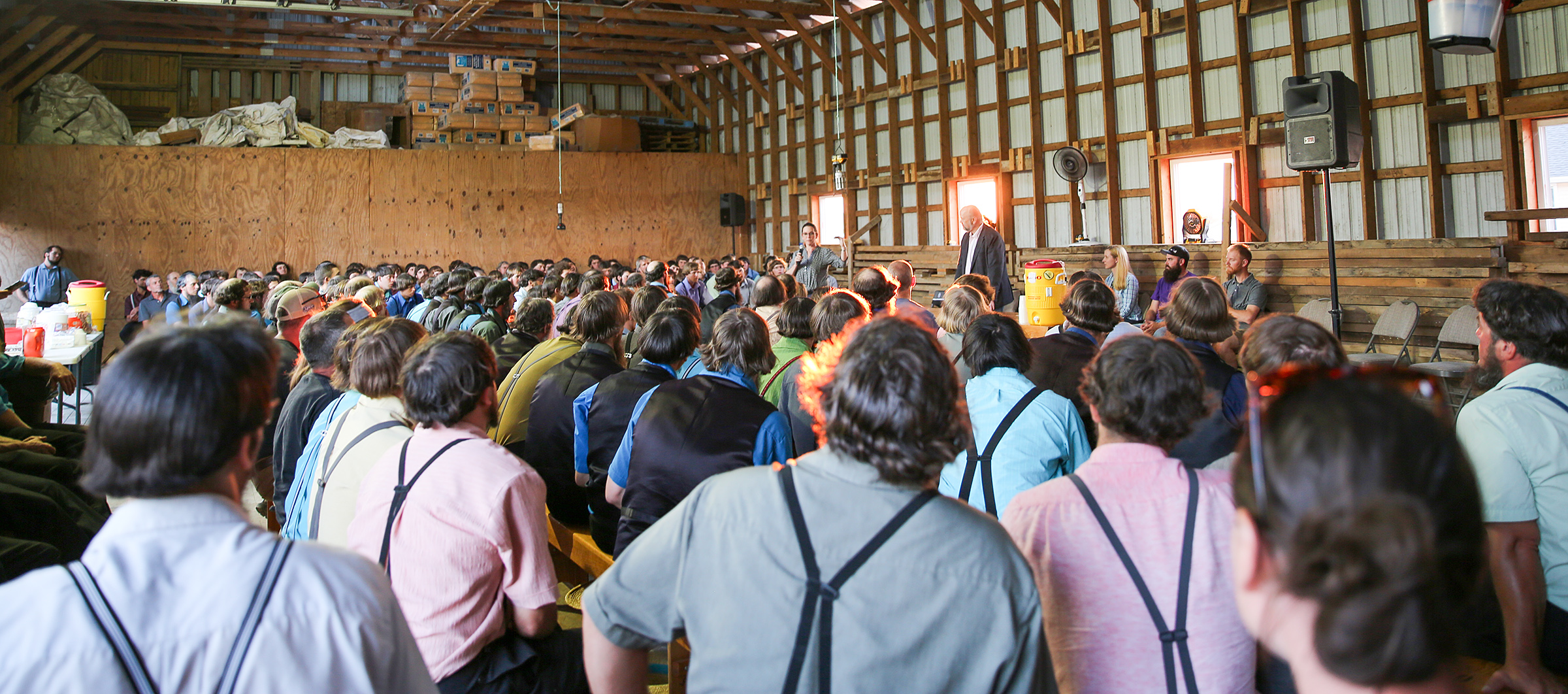
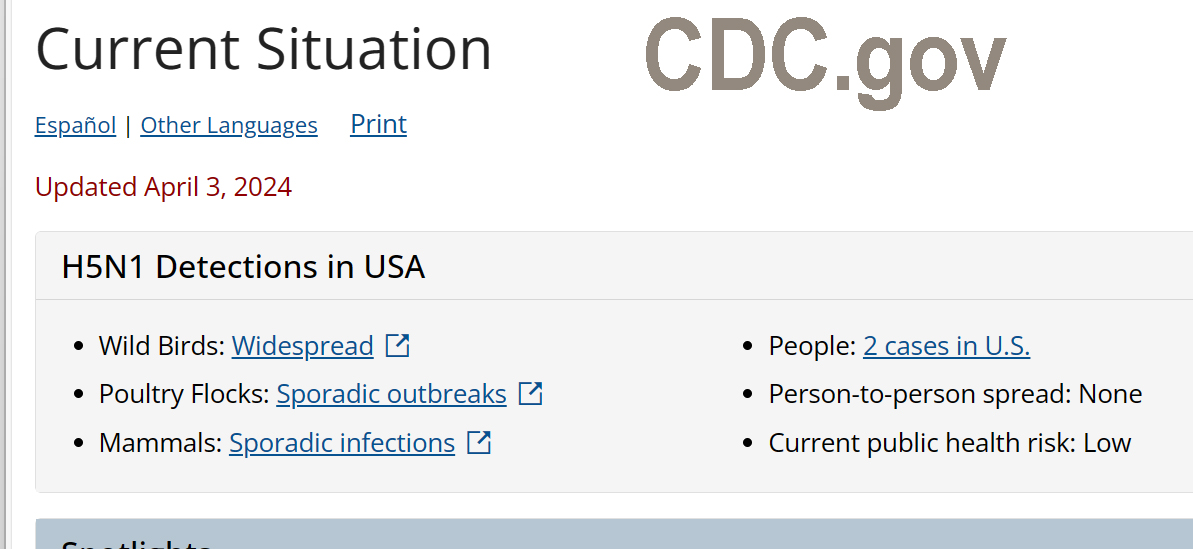

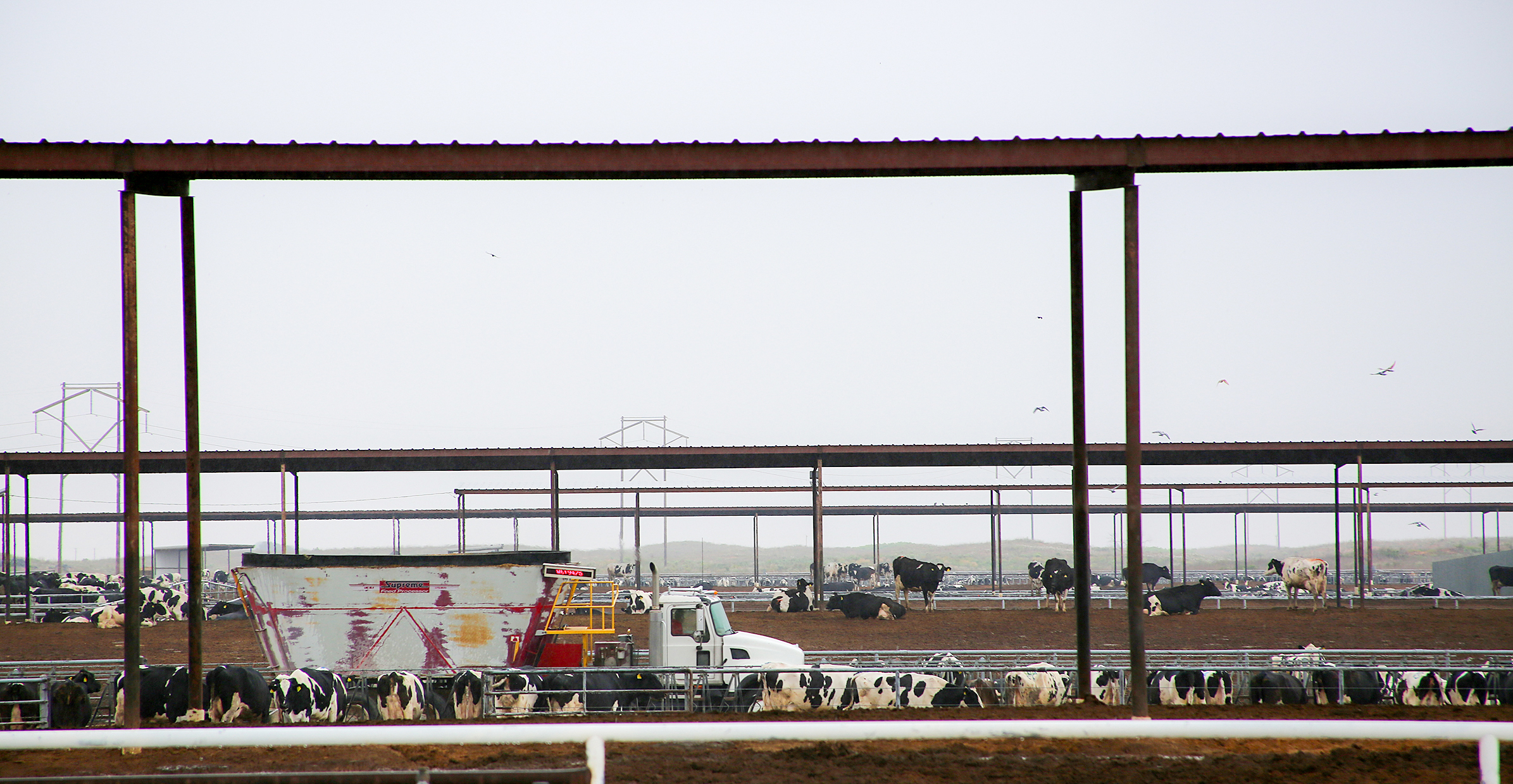
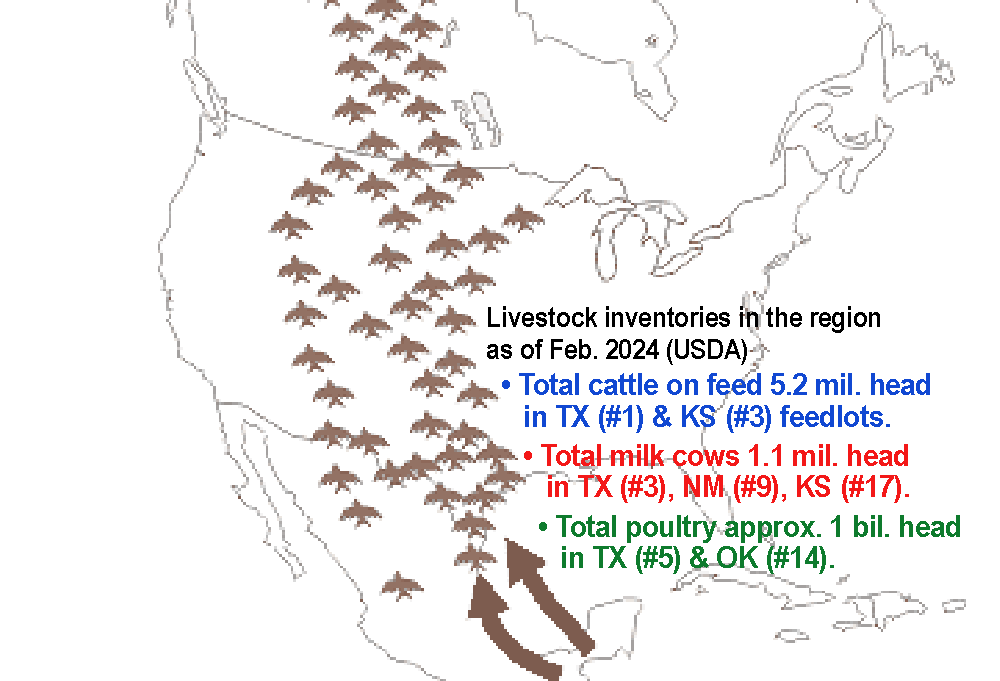
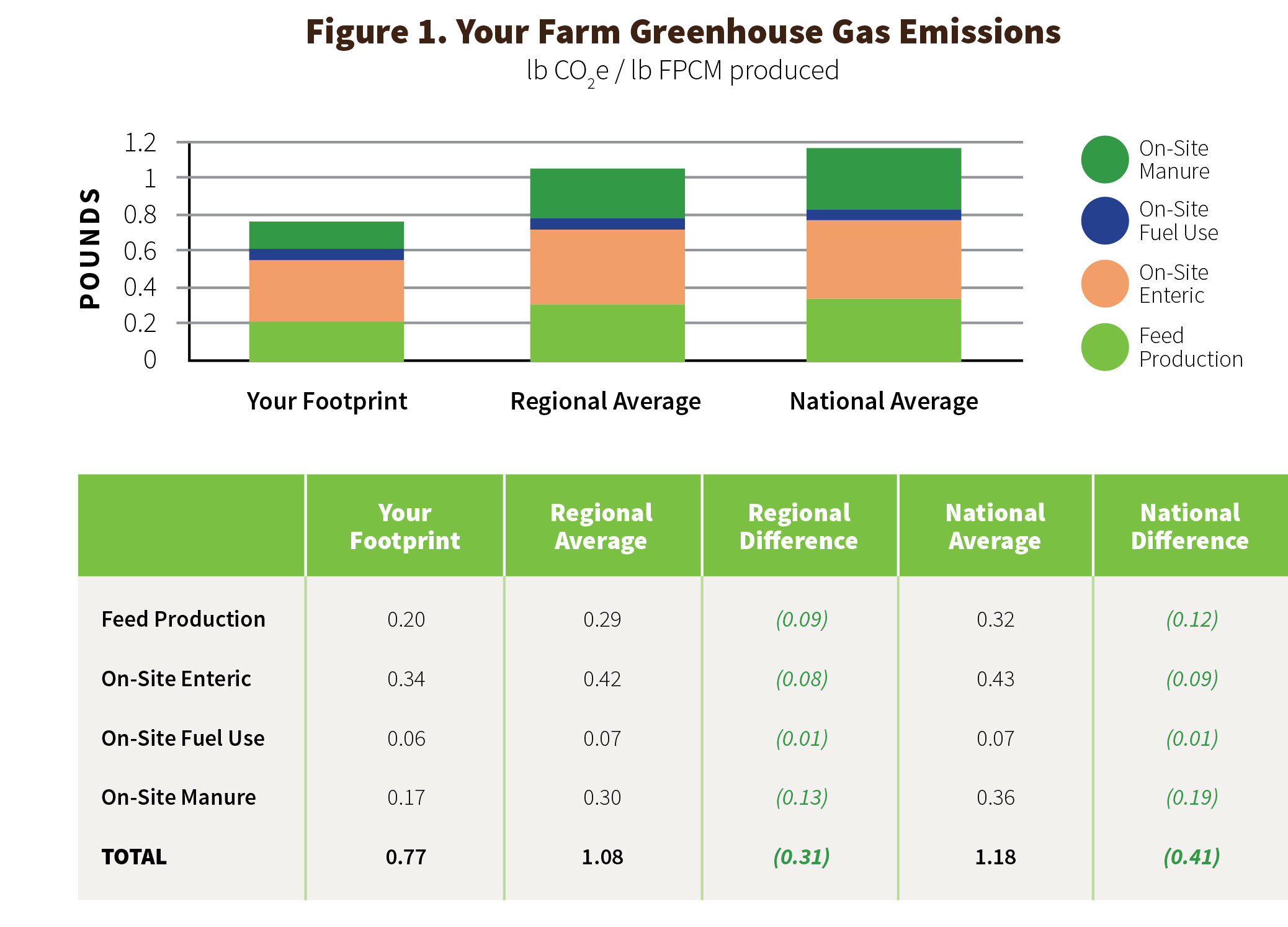
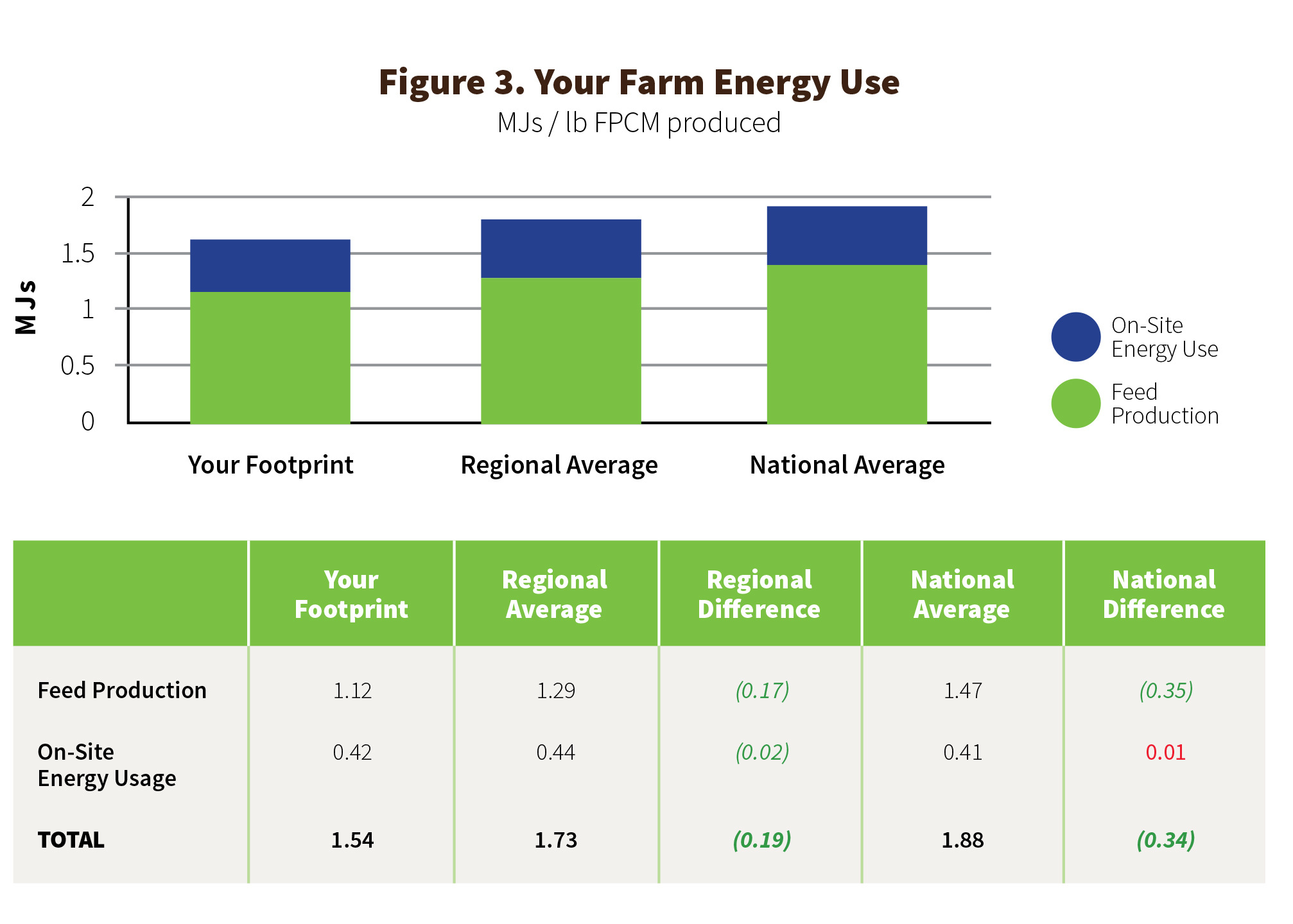
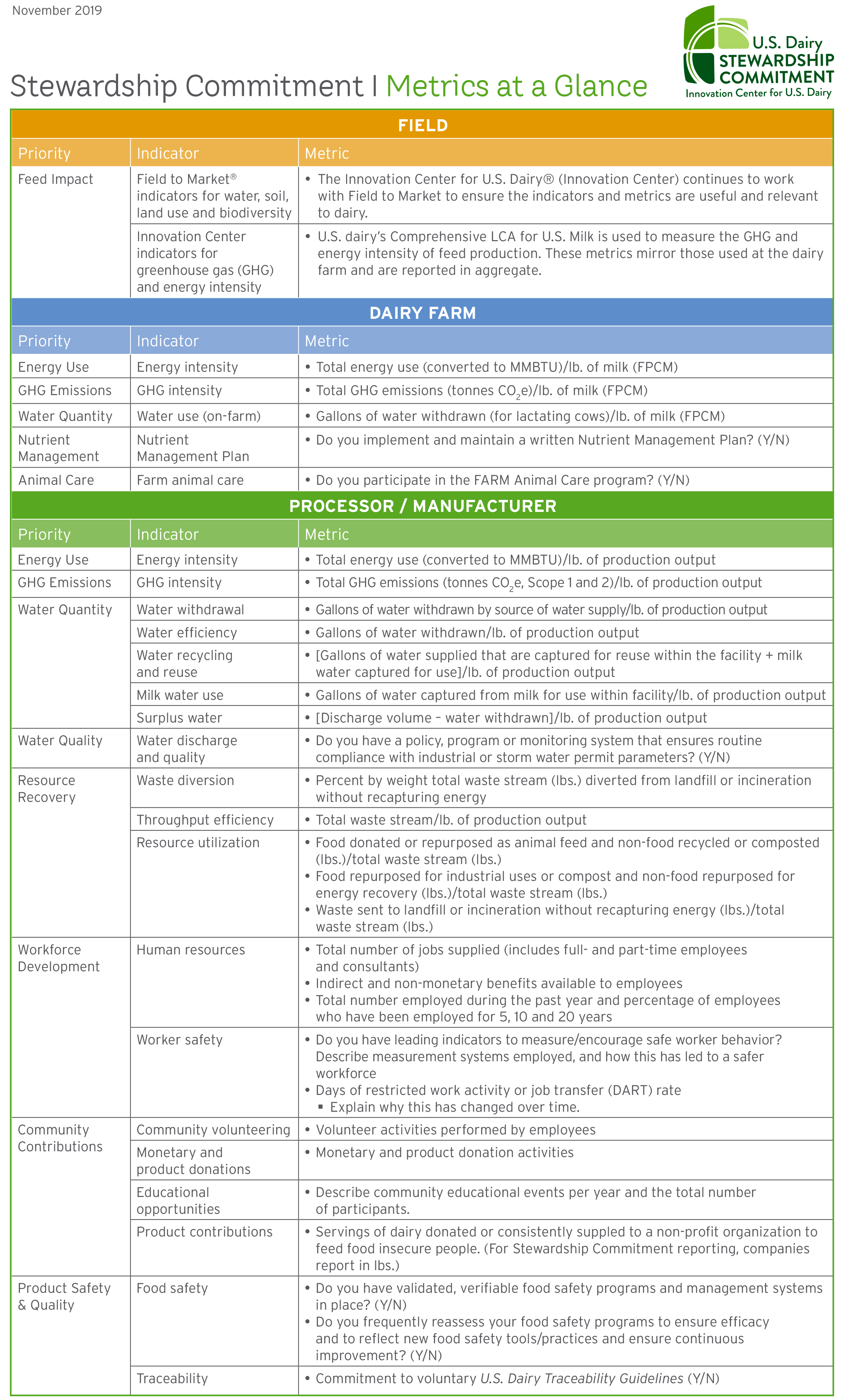
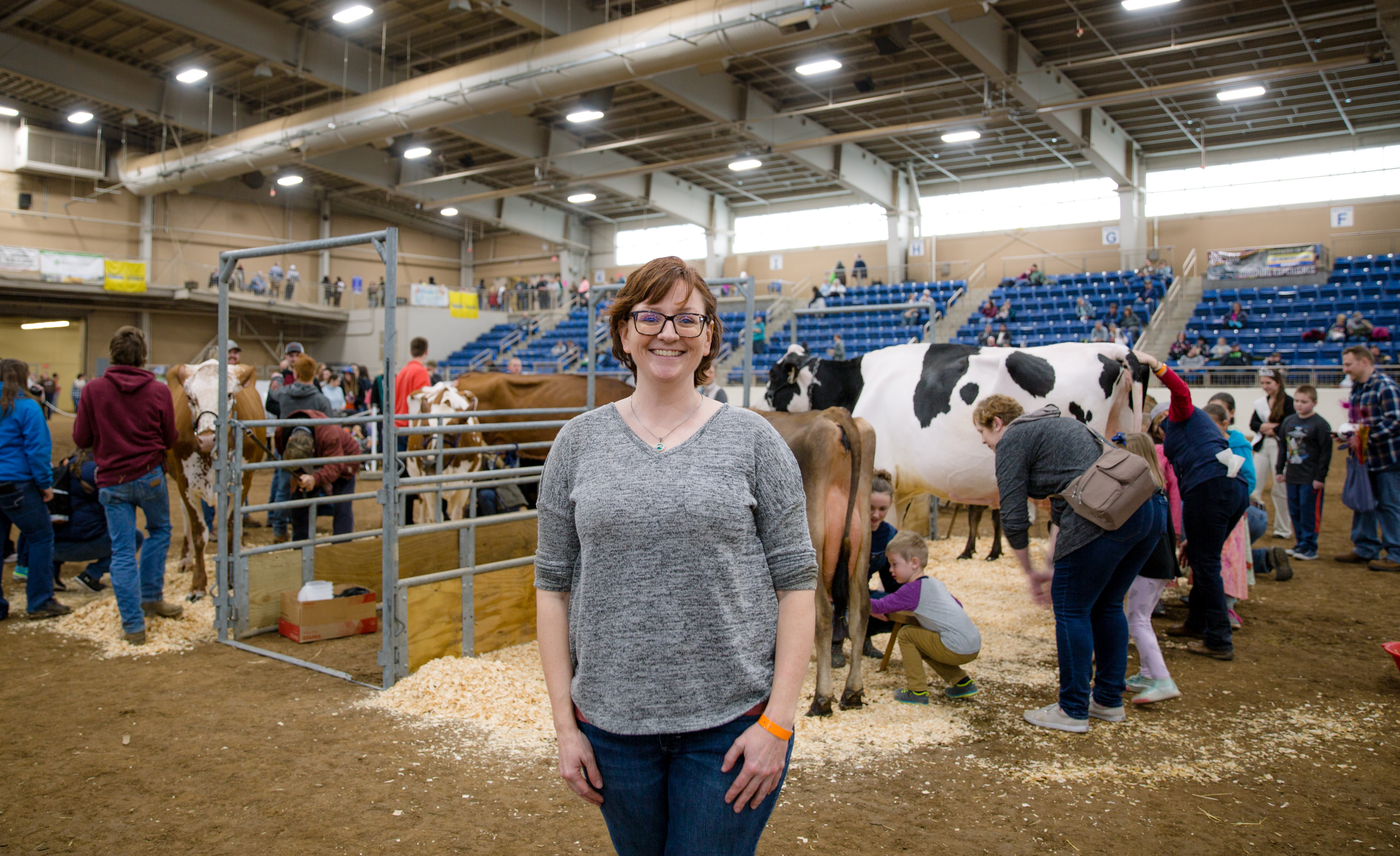
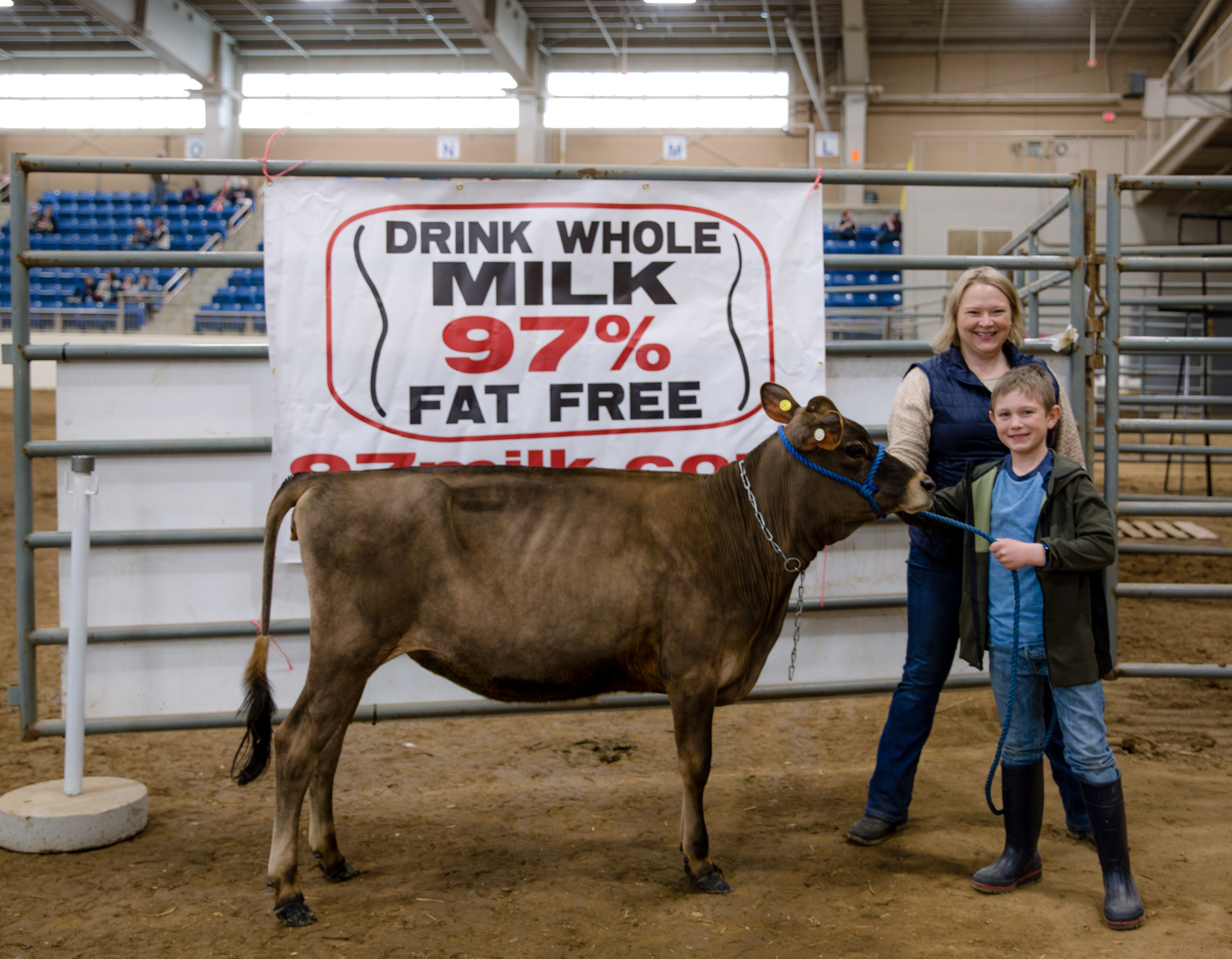
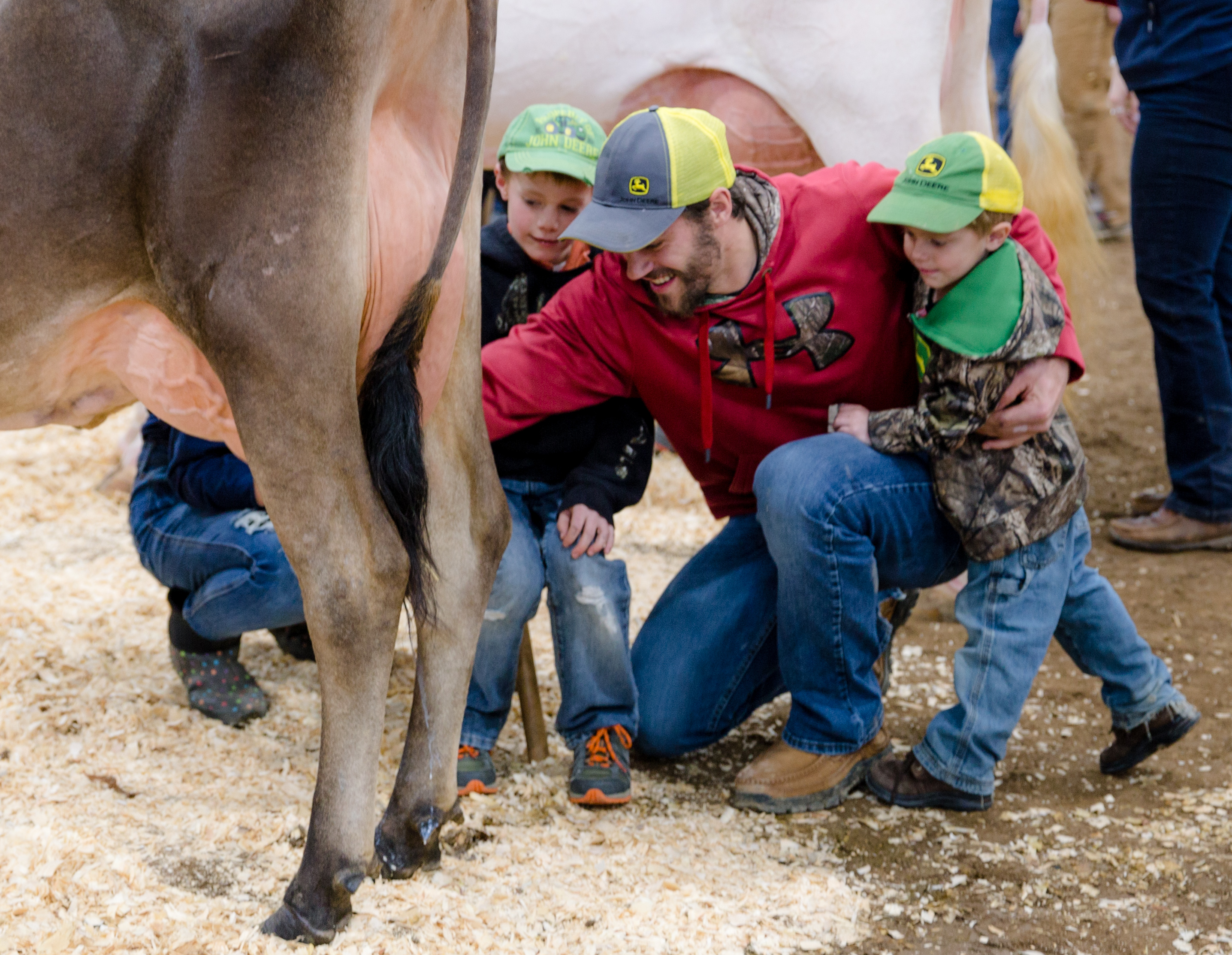
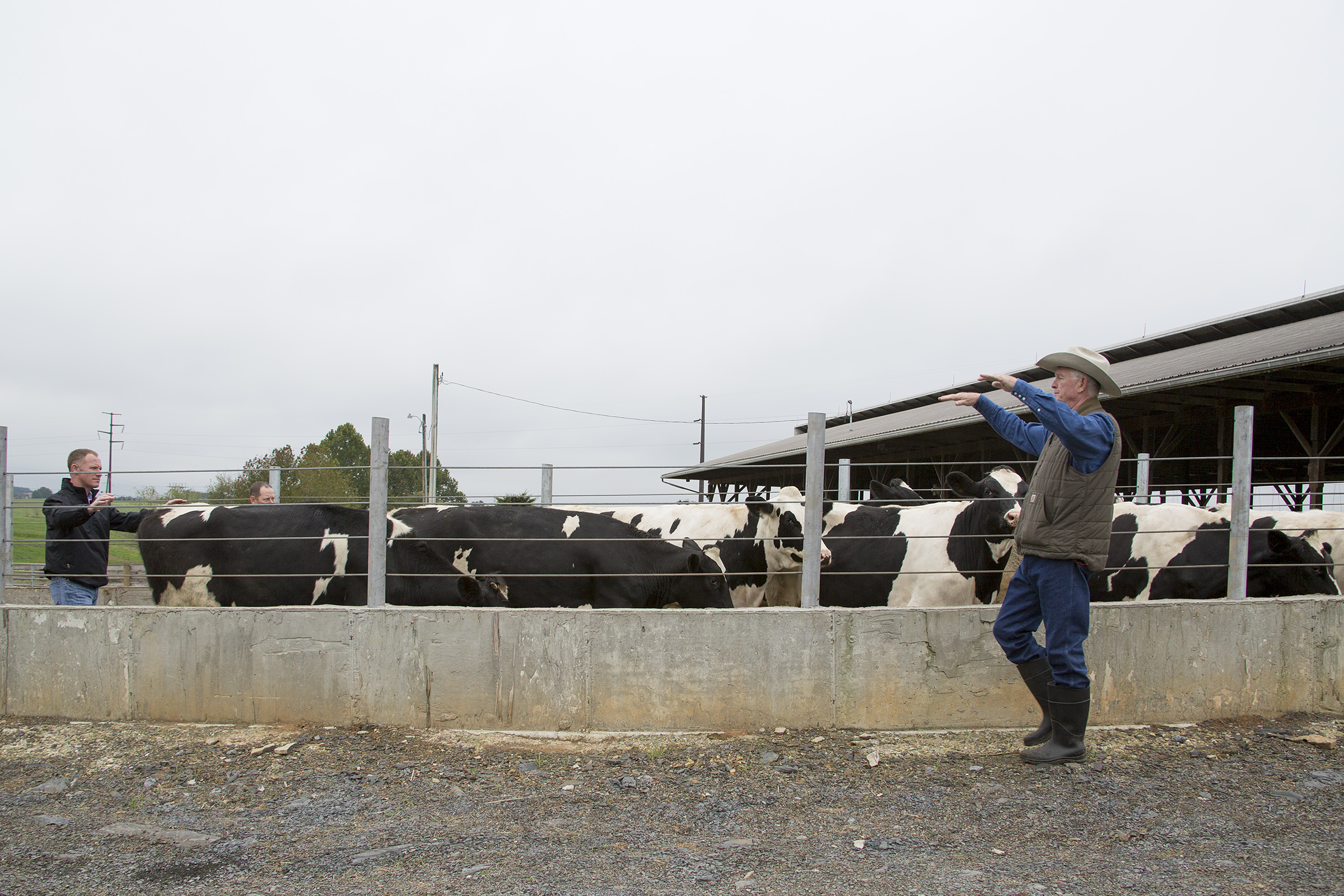
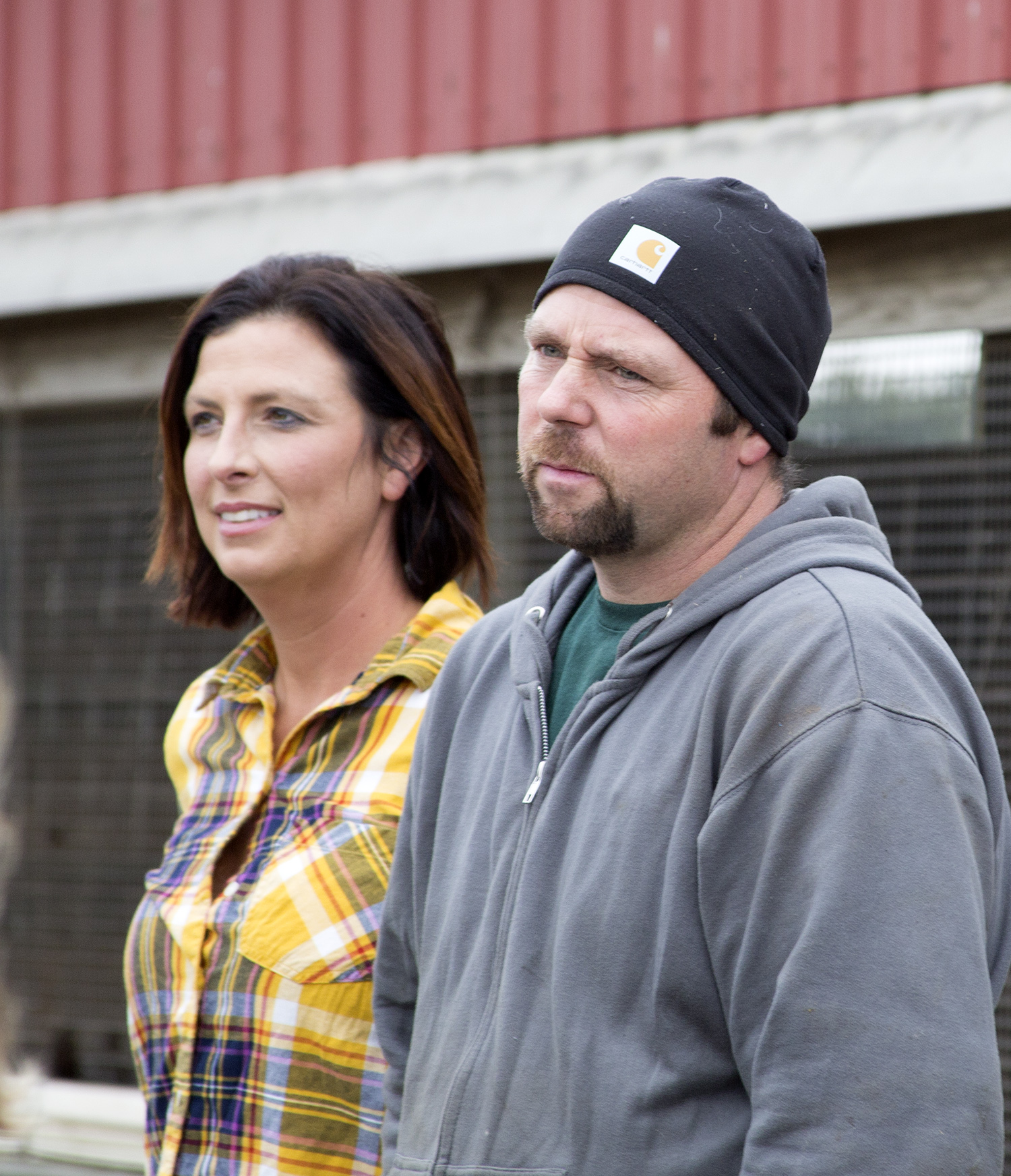
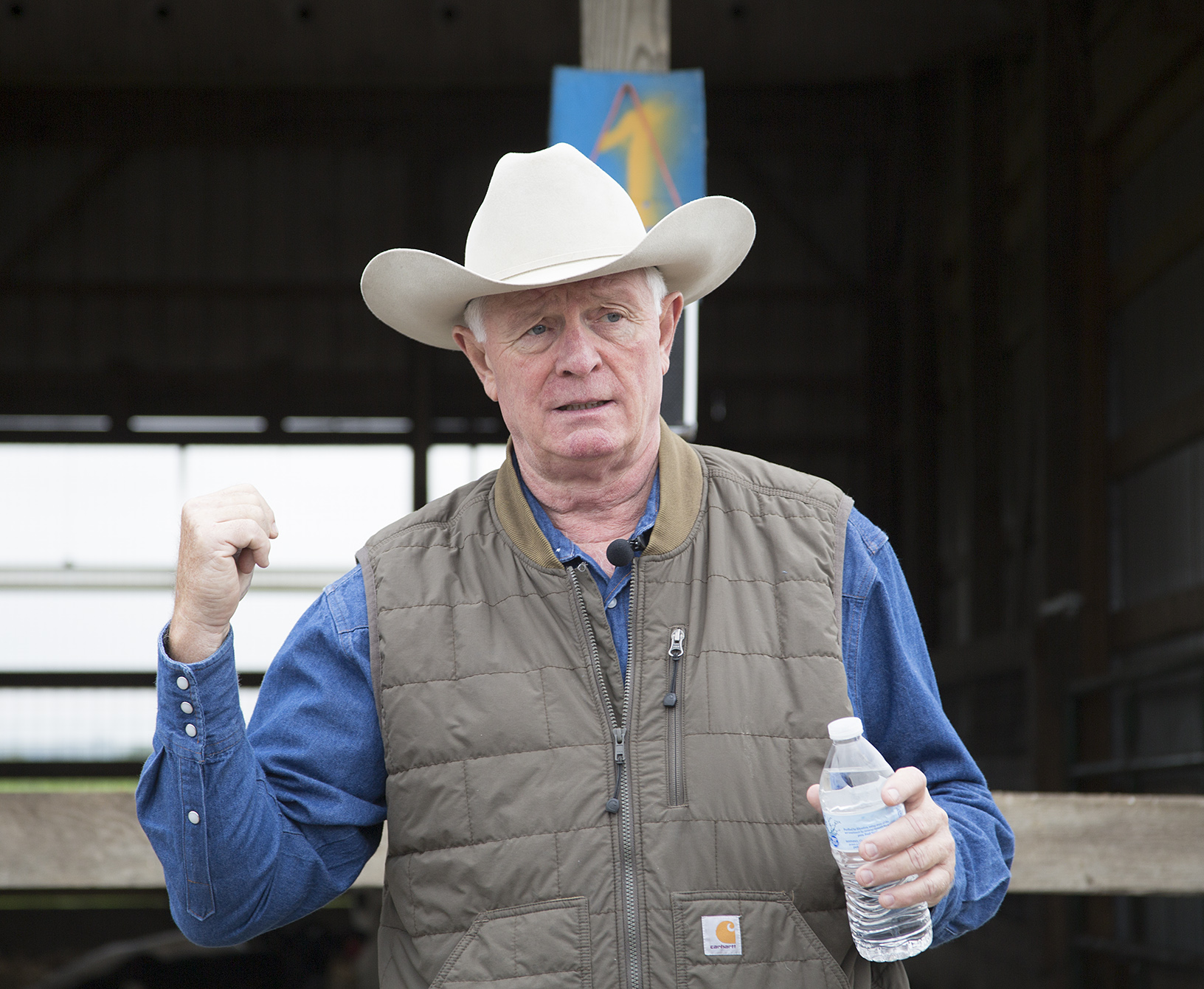
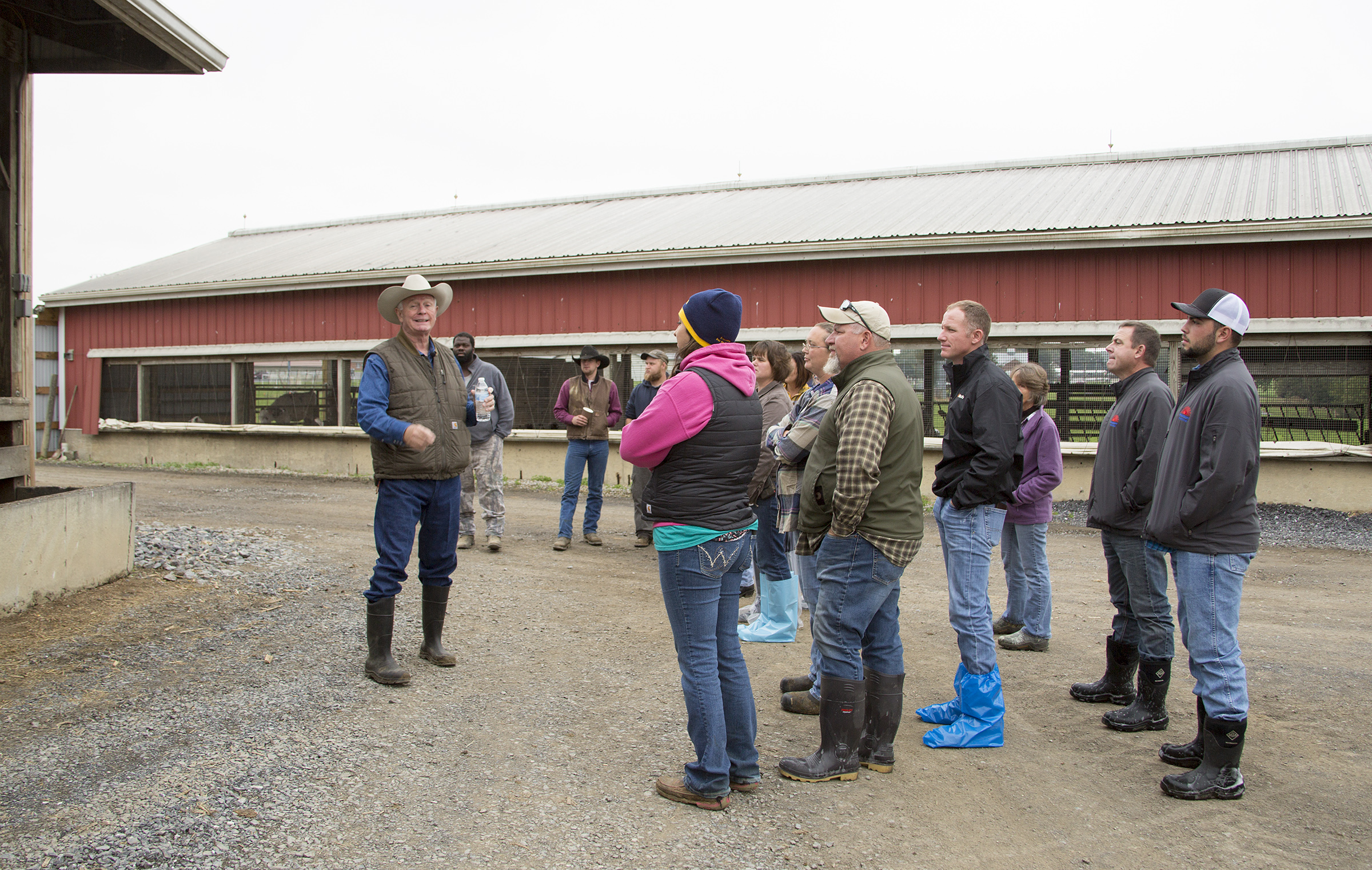
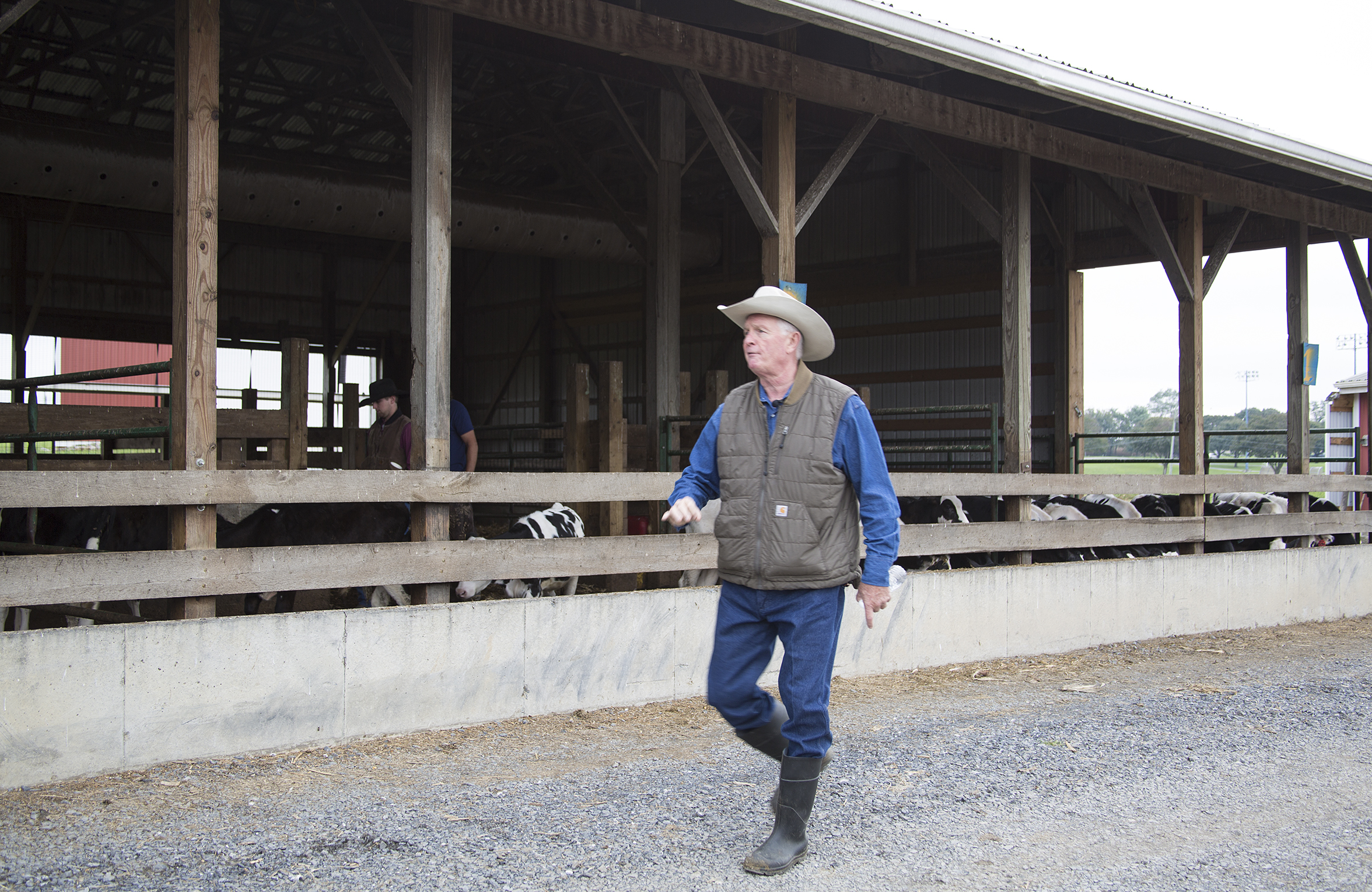
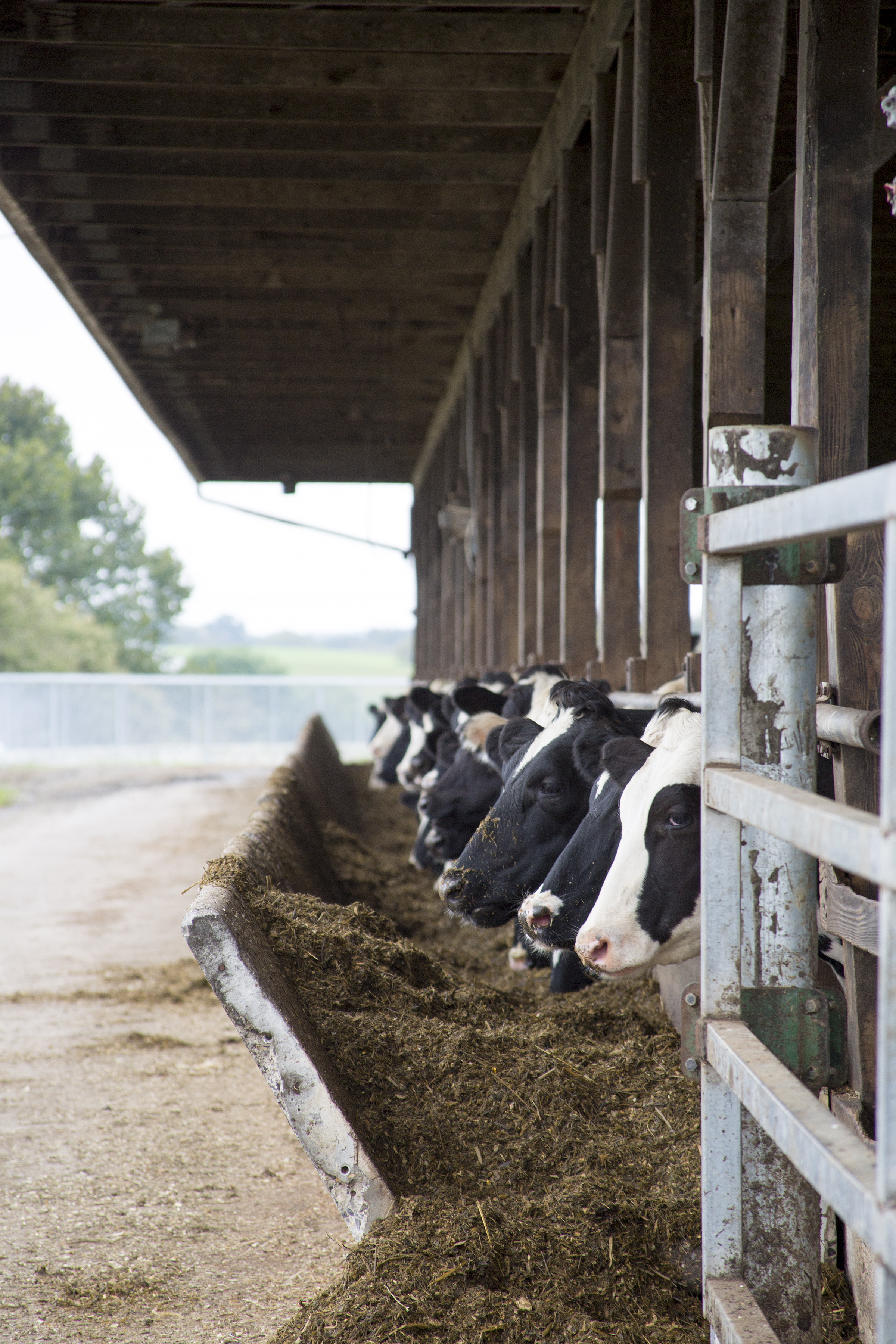
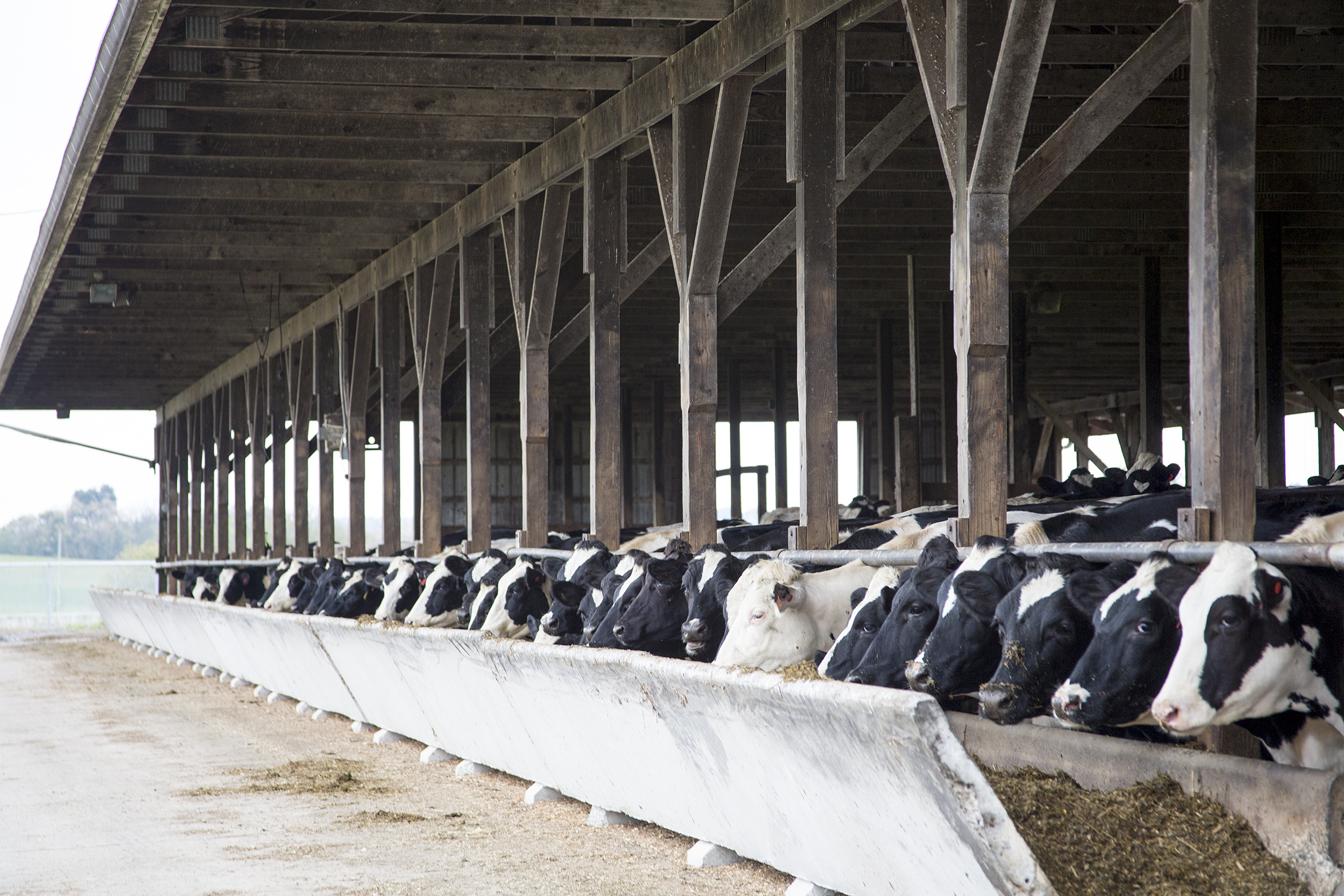
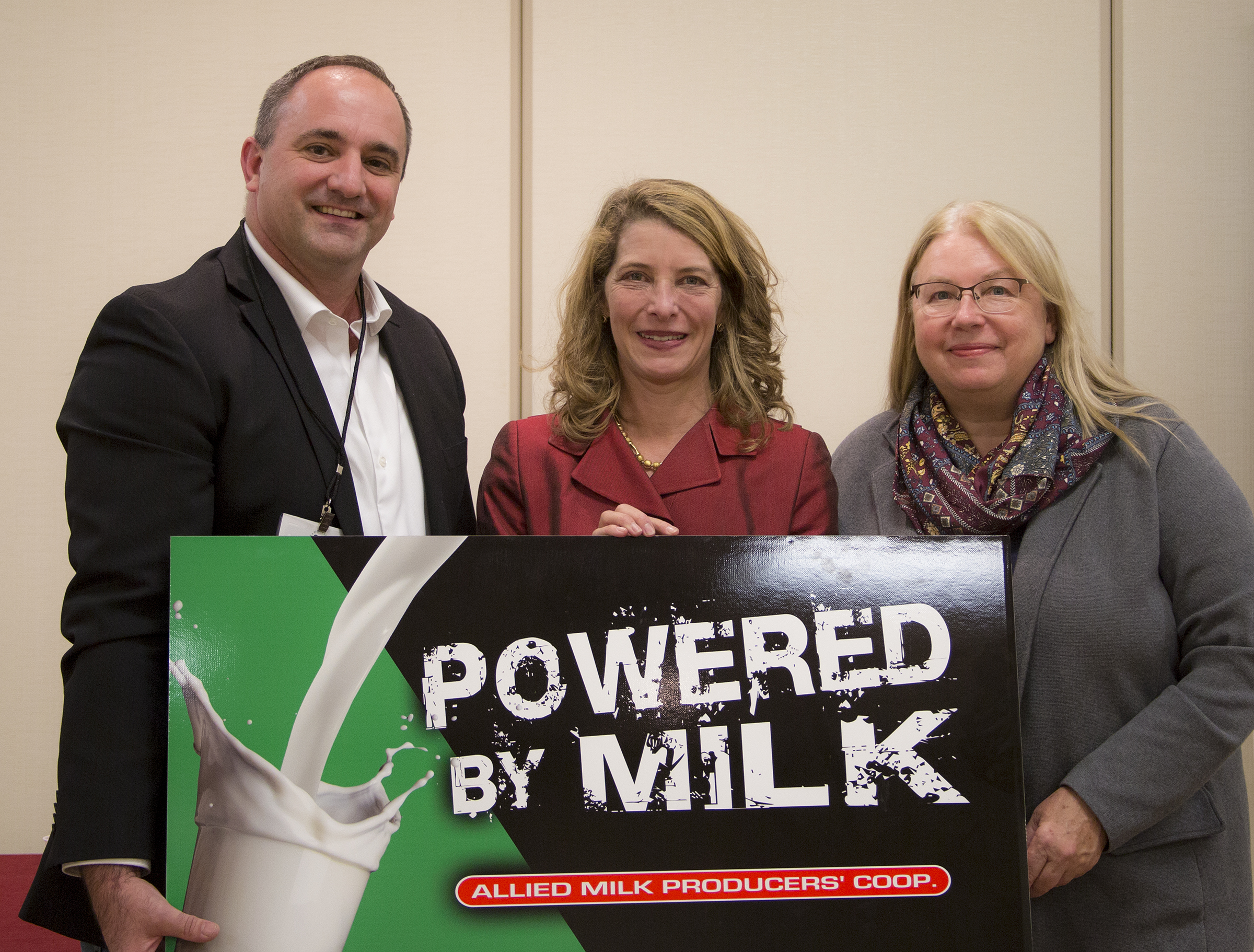
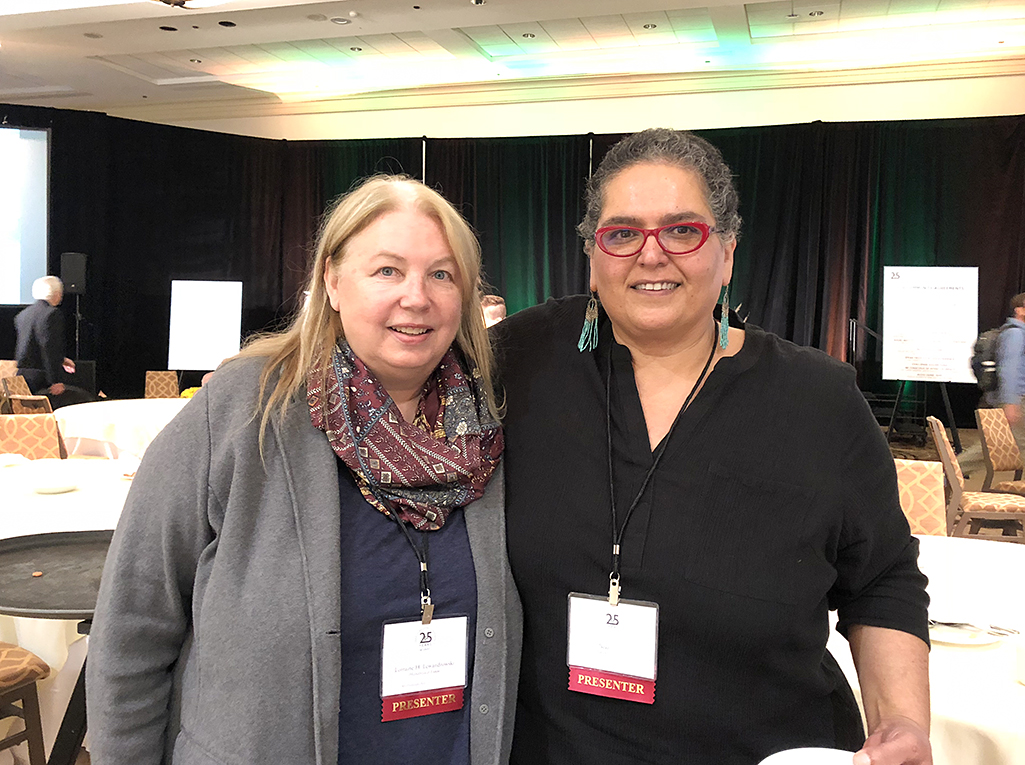
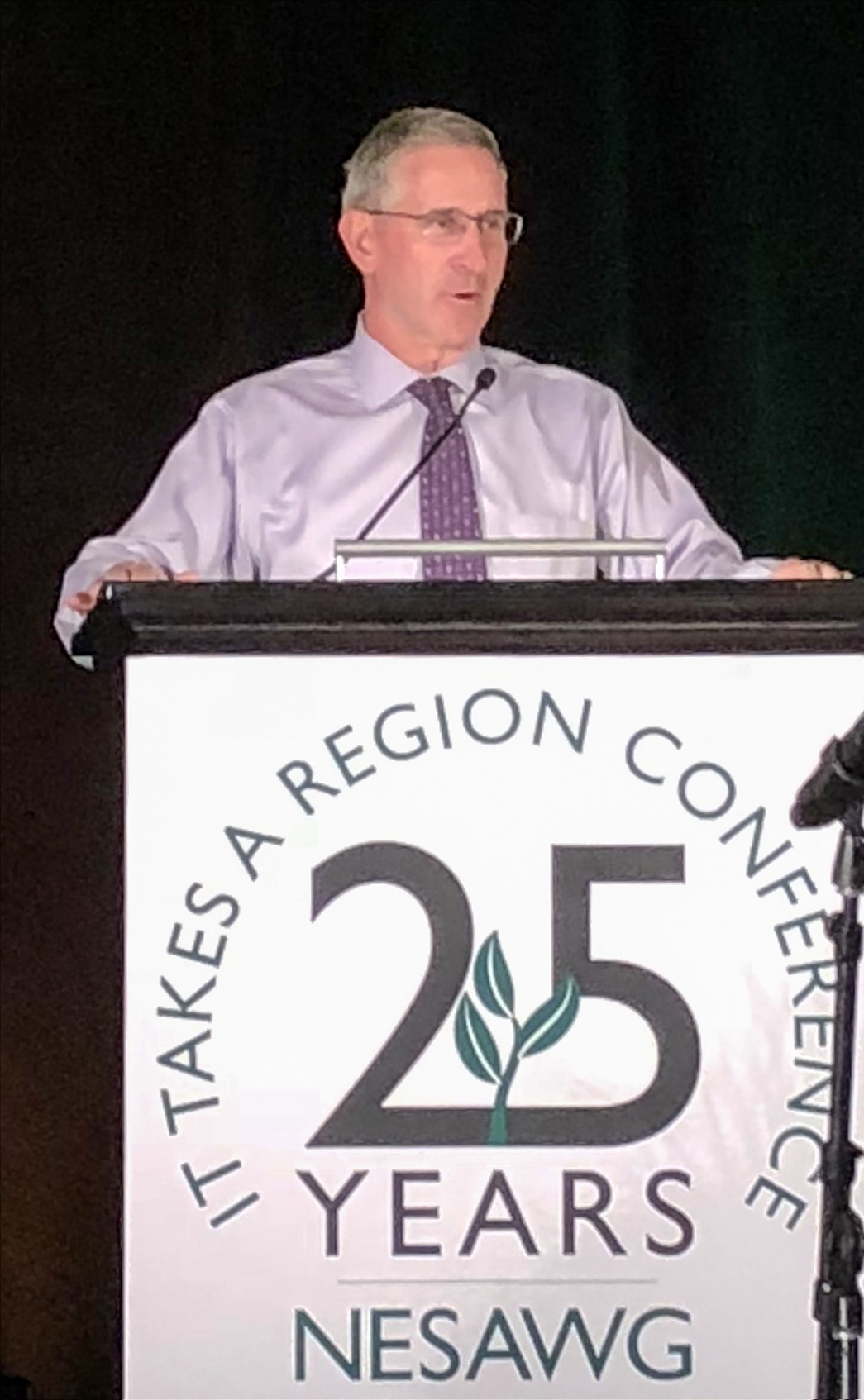
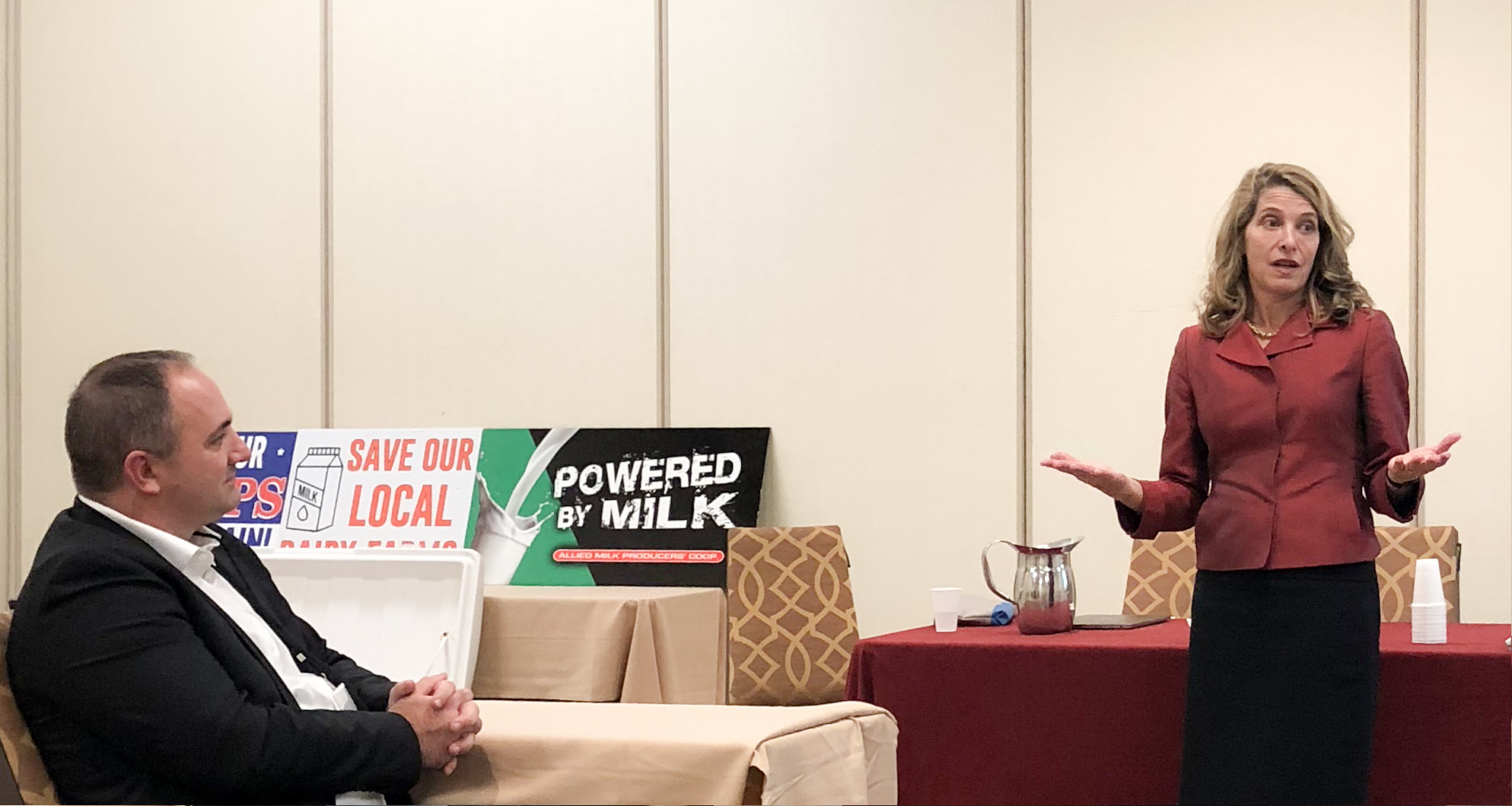
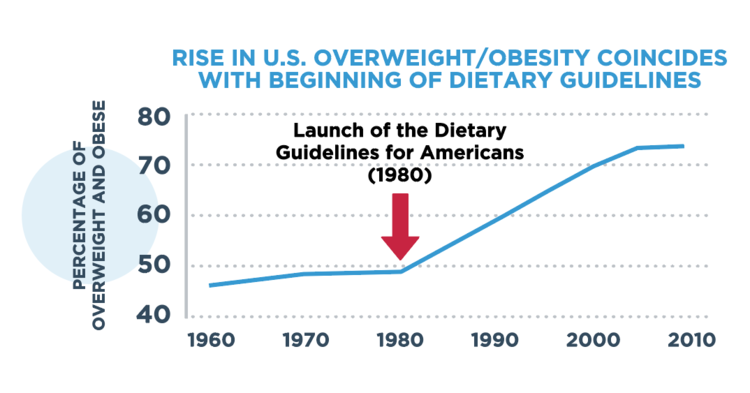 In fact, since the Dietary Guidelines capped saturated fat in the 1980s — becoming progressively more restrictive in requiring lowfat / high carb diets — the data show the association, that Americans have become more obese, with higher rates of diabetes and heart disease.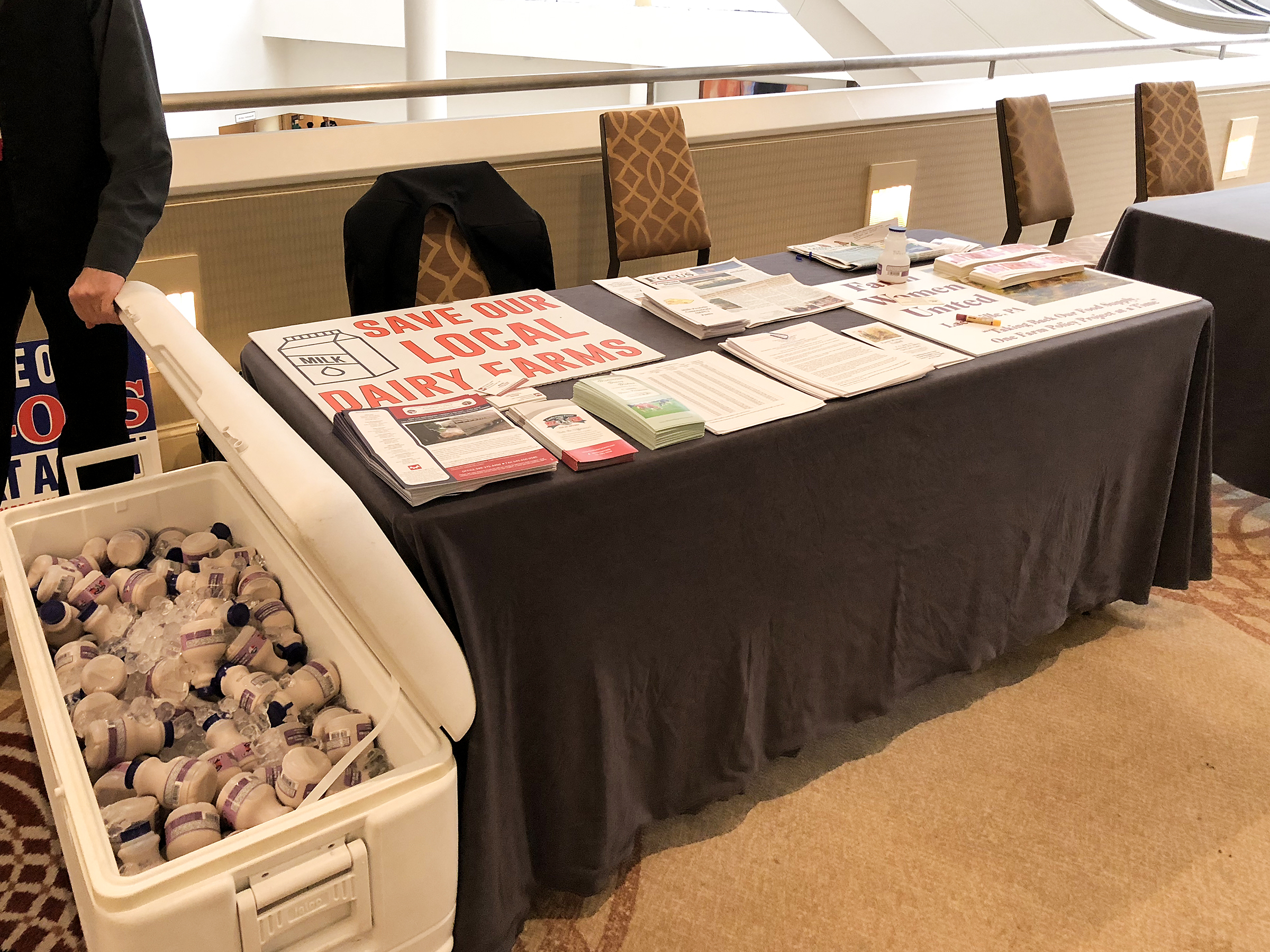
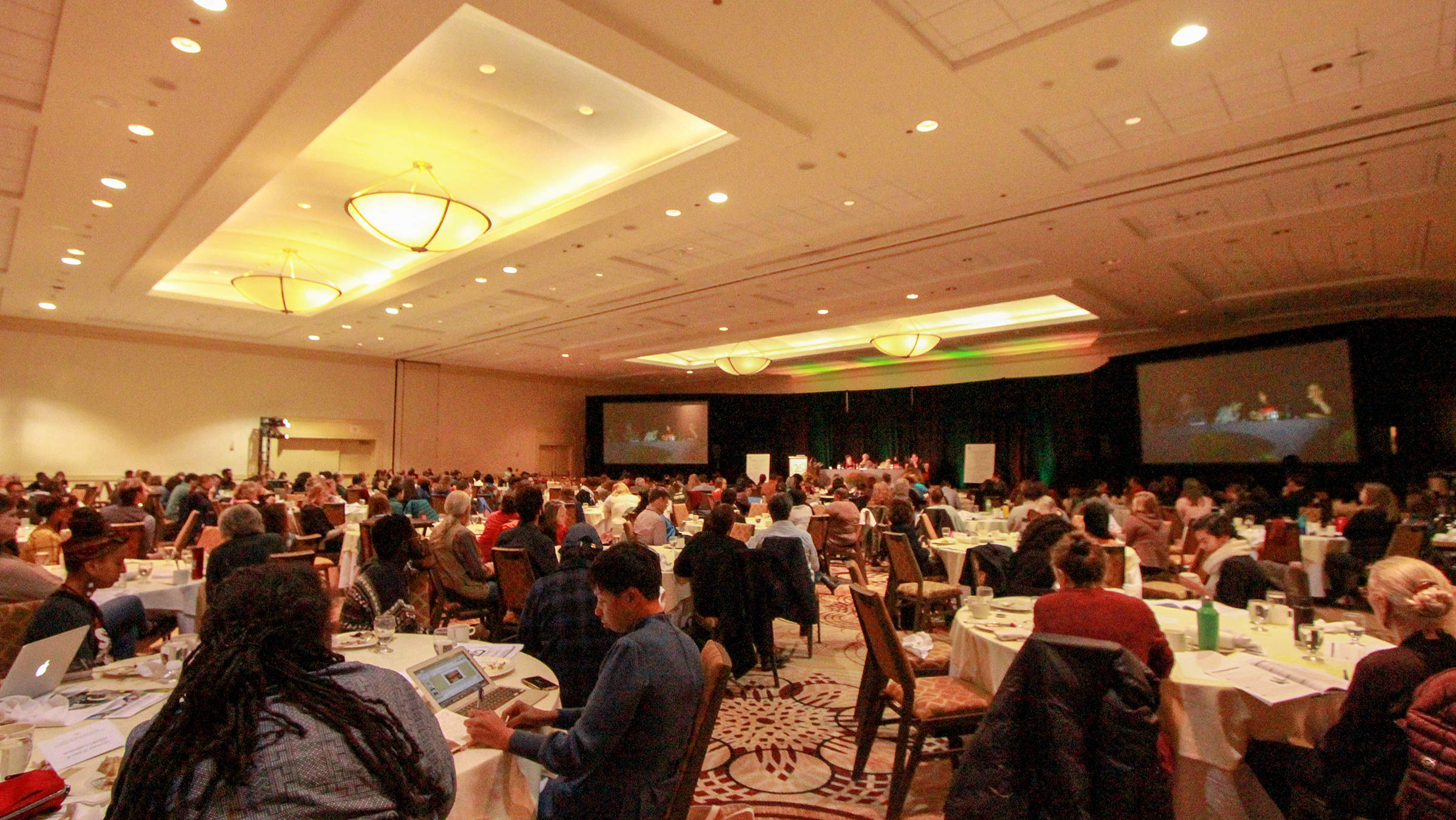
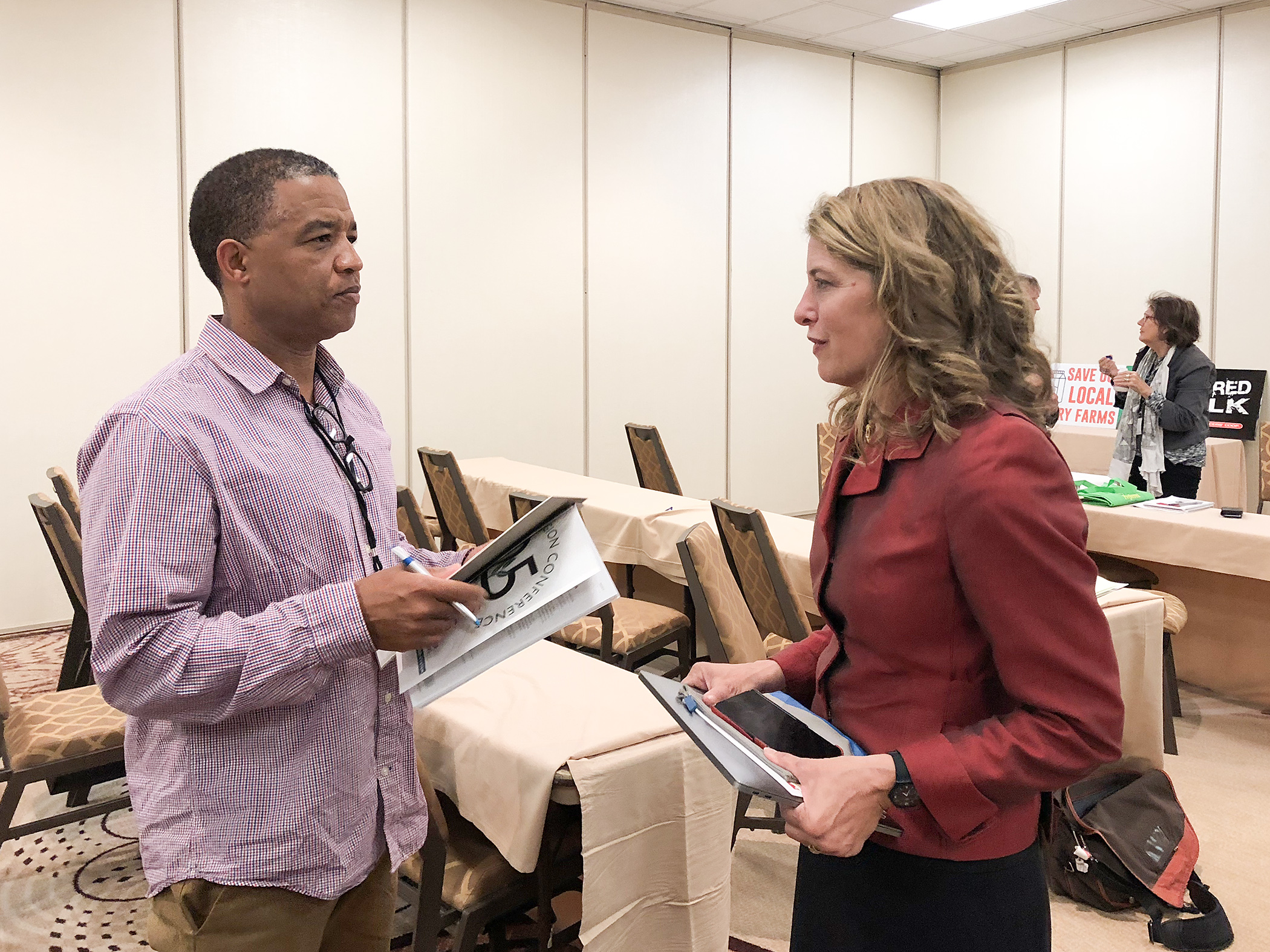

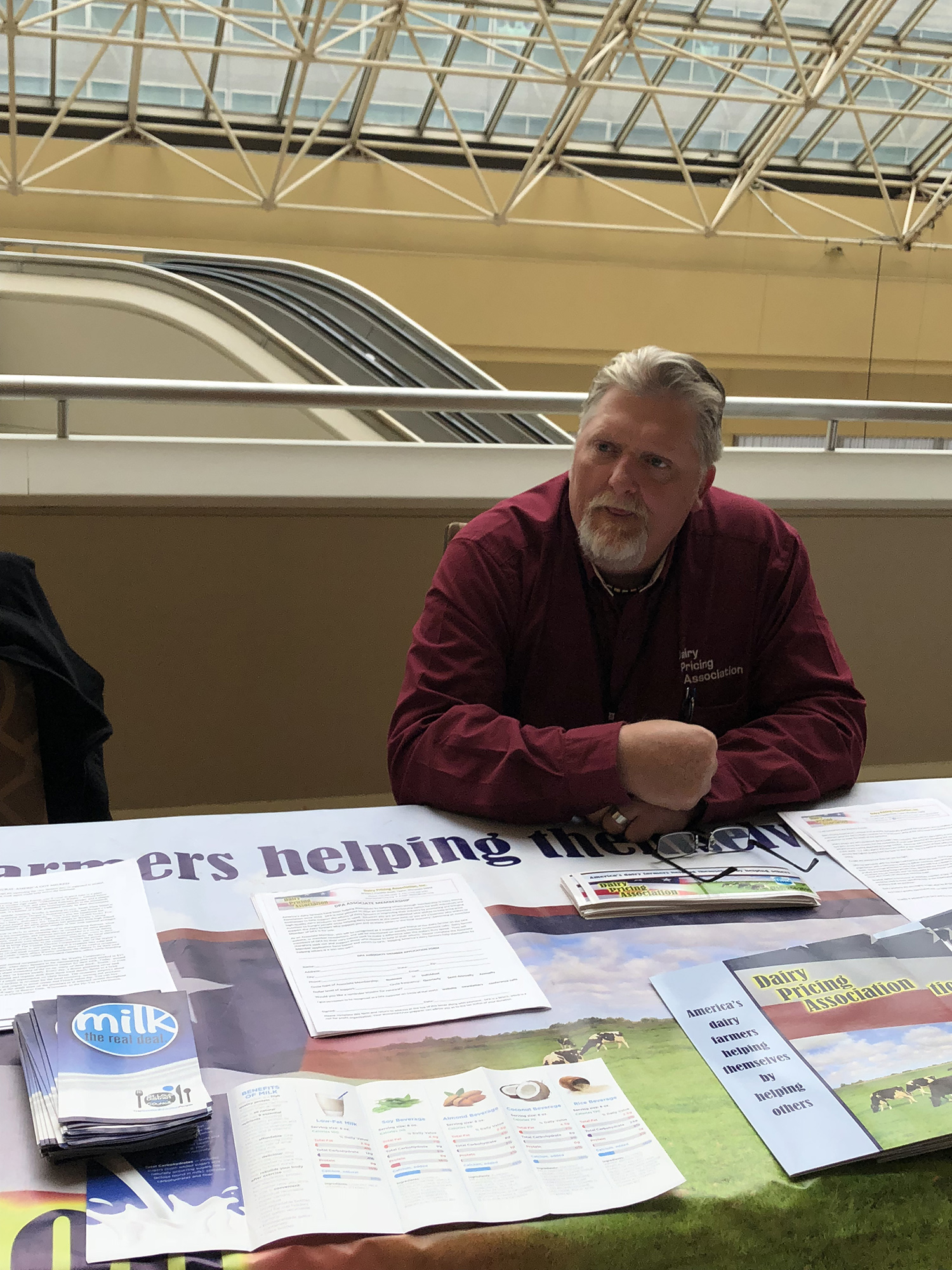
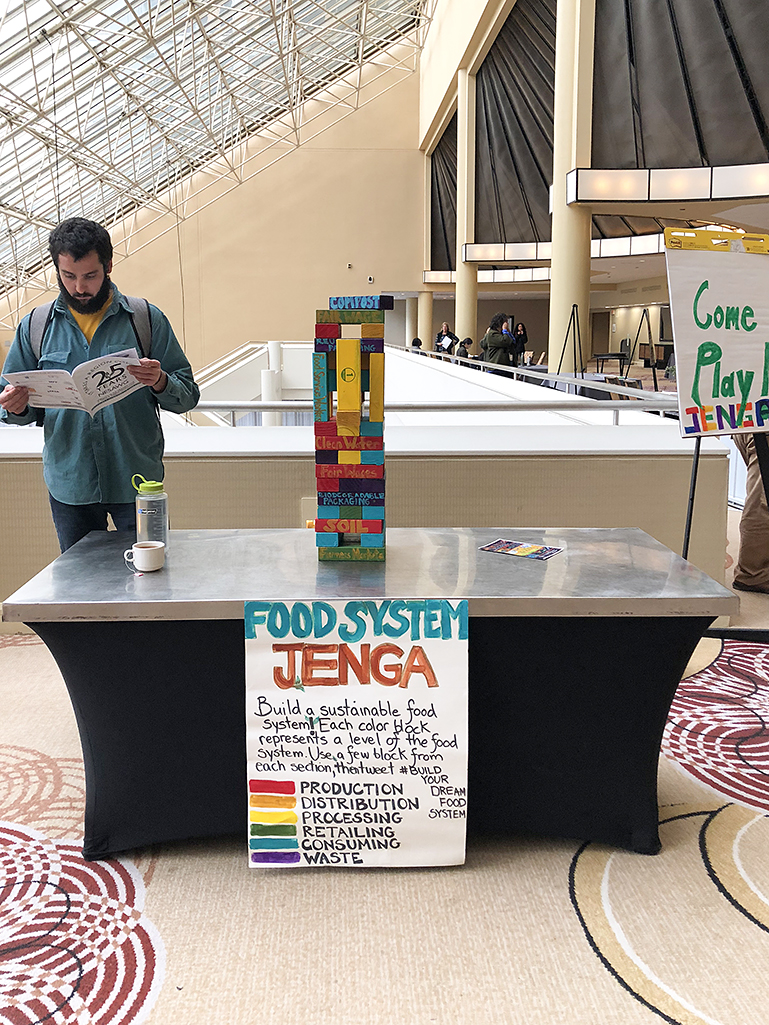
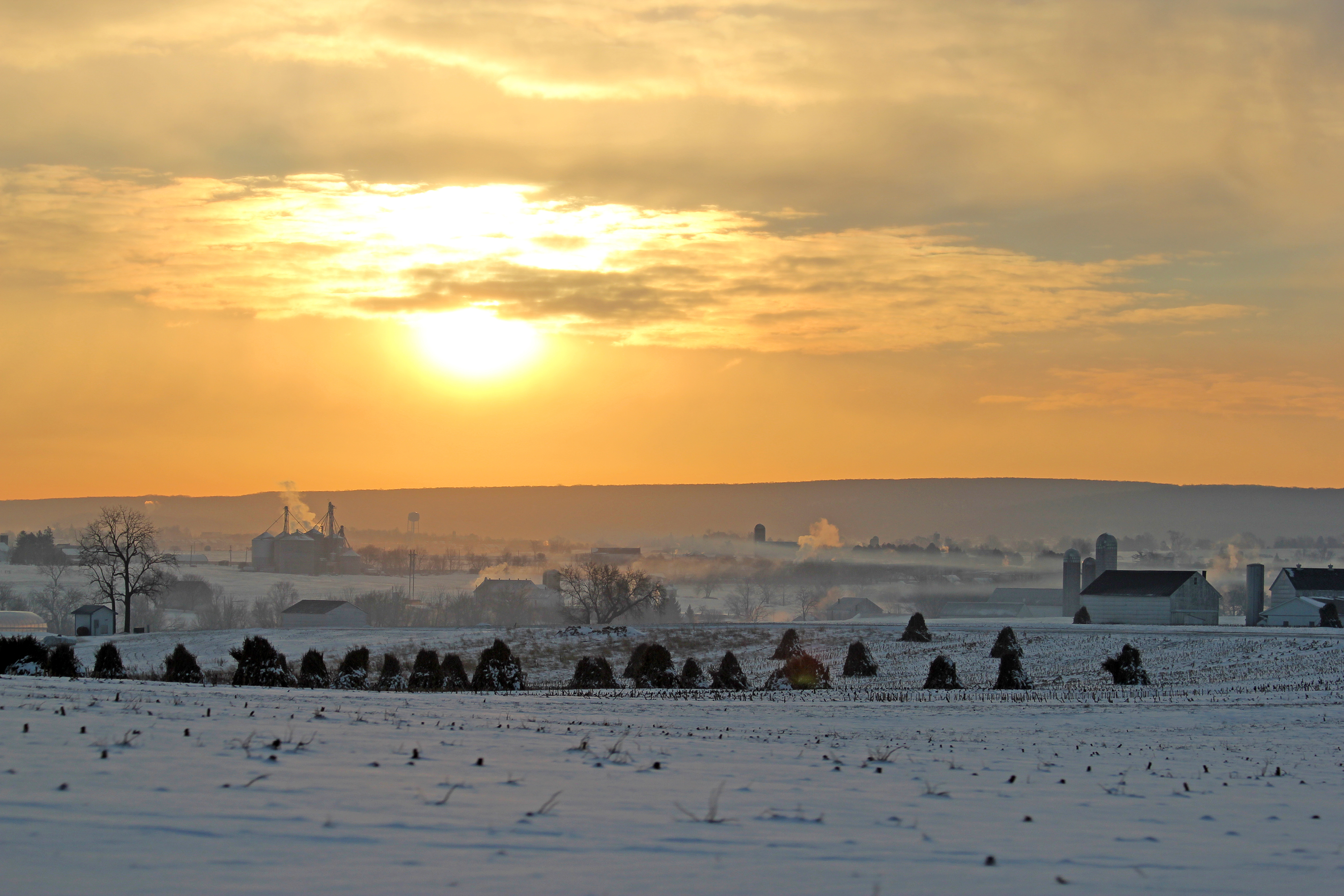 By Sherry Bunting, Reprinted from Farmshine, January 5, 2018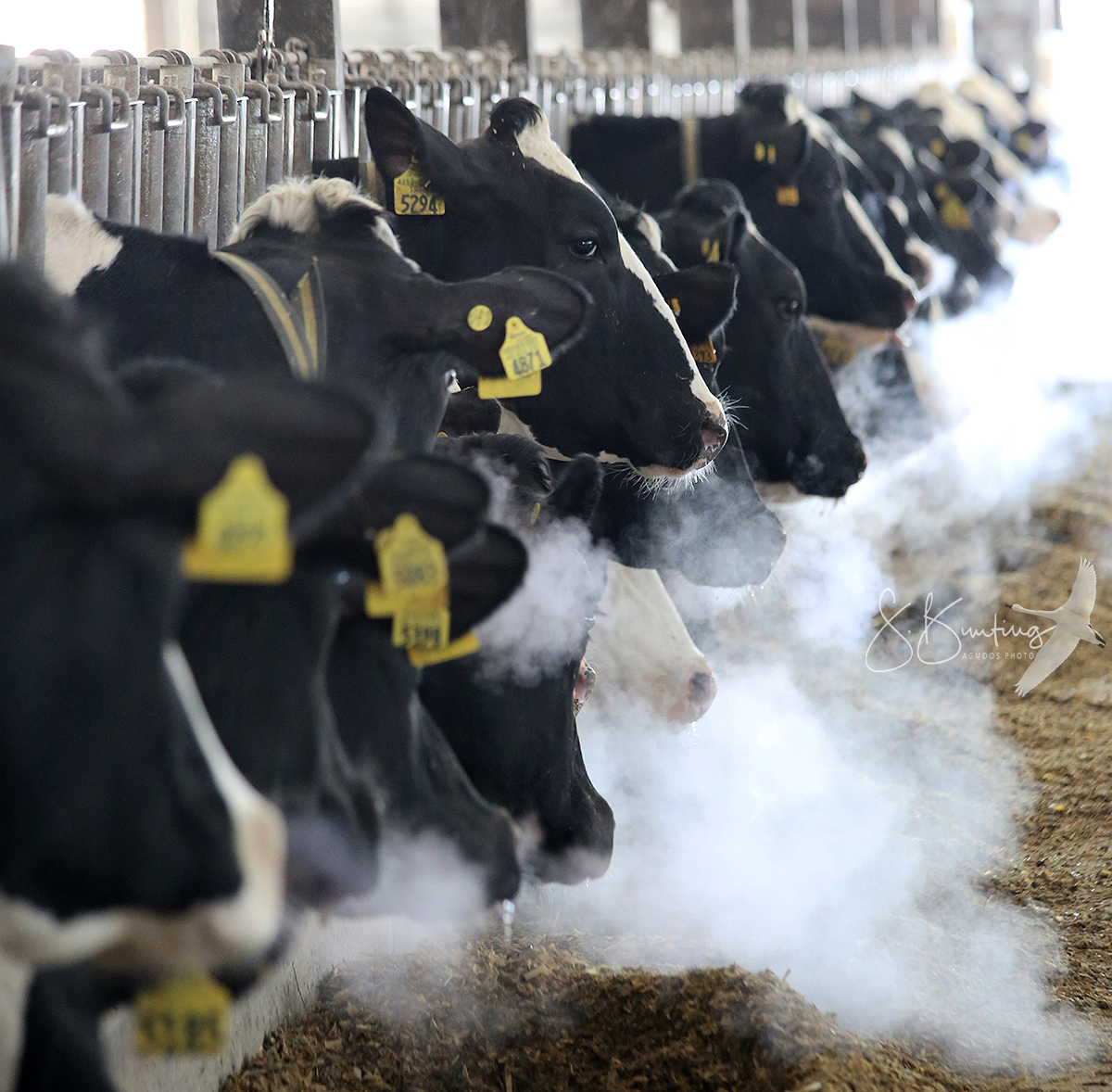

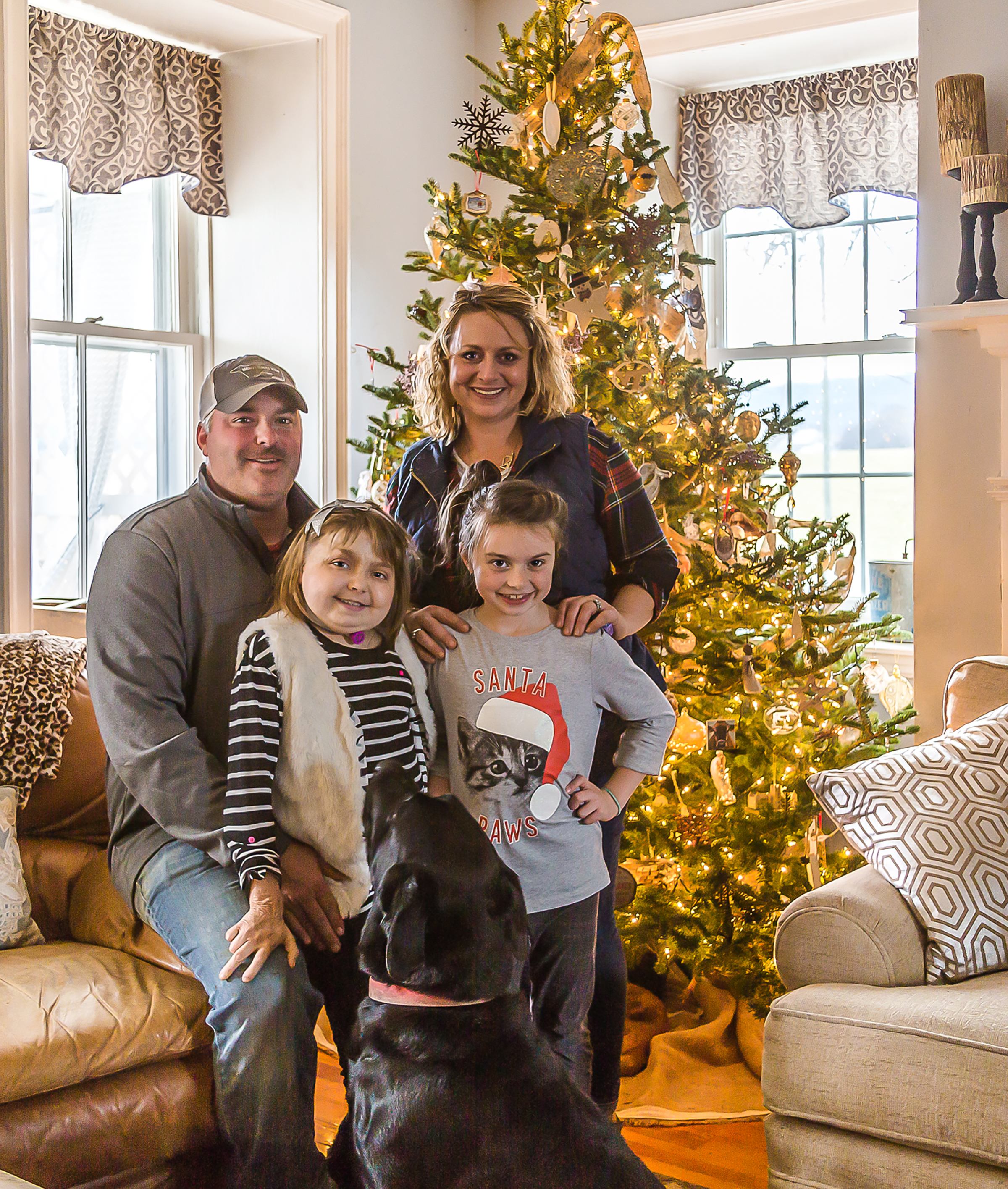
 It was a regular day on the farm when I arrived just as Reese was finishing school via the virtual robot — a necessity as she avoids large indoor crowds for the next 100 days since the transplant. Her younger sister Brinkley was just getting off the school bus. We had an hour to talk before Justin headed out to milk, driving down Brinkley and Reese Way, the dirt roads across the field between their house and the farm. The late afternoon sun, as the farm’s name suggests, broke through cold windswept clouds in the gap of the south mountains.
 “I think what Reese shows us is that you can have tragedy in your life and still move on and be full of life and hope for the future. I think that is what Reese has done for people,” Claire explains.
 Ag Moos