Covering Ag since 1981. The faces, places, markets and issues of dairy and livestock production. Hard-hitting topics, market updates and inspirational stories from the notebook of a veteran ag journalist. Contributing reporter for Farmshine since 1987; Editor of former Livestock Reporter 1981-1998; Before that I milked cows. @Agmoos on Twitter, @AgmoosInsight on FB #MilkMarketMoos
EDITORIAL: This time it’s Senators Chuck Schumer of New York and Ben Luján of New Mexicoblocking forward progress in the Senate
By Sherry Bunting, Farmshine, Aug. 15, 2025
EAST EARL, Pa. – Congressman Glenn “GT” Thompson has been busy. He recently held a Pennsylvania Ag Republicans webinar, then hosted his 7th annual Ag Summit in Pleasant Gap on Aug. 11, before heading to Ag Progress Days Aug. 12-14.
At these events, Thompson updated farmers on the farm bill — 80% completed in the One Big Beautiful Bill Act passed in June — and efforts to finish the remaining 20%, dubbed the “skinny” farm bill or “farm bill 2.0.” He reminded participants that SNAP “cuts” are really a return to pre-pandemic levels with measures to ensure states enforce work requirements that are already on the books.
Thompson also addressed his signature legislation: the Whole Milk for Healthy Kids Act. H.R. 649 passed the House Education and Workforce Committee in February and the Senate version (S. 222) cleared the Senate Agriculture Committee in late June, three months after a warm bipartisan reception during an April 1 hearing.
At that hearing, Sen. Peter Welch (D-Vt.) urged colleagues to fast-track the bill to the Senate floor to prove the chamber can act on bipartisan measures.
The Senate version (S. 222) includes an amendment allowing “nutritionally equivalent” milk alternatives in schools — a concession meant to secure the 60 votes needed in the Senate.
Even Senate Majority Leader Chuck Schumer (D-N.Y.) has told New York dairy farmers he’s “not against” the bill. But he’s not helping move it forward either!
Despite these facts, here we sit, with the bill stalled — again — in the Senate.
During a July webinar before the August Congressional recess, GT said the bill was “sitting on Chuck Schumer’s desk.” Senate leaders from both parties would need to agree to “hotline” the measure — sending it directly to the House for a vote without floor objections. The House previously passed the bill 330–99 in December 2023 and must vote again in the current Congress.
Instead, Thompson shared Monday at the Ag Summit that three Senate Democrats are holding the bill hostage, led by Sen. Ben Ray Luján of New Mexico.
Luján reportedly wants to trade his support for expanding universal free school meals, despite praising whole milk in the April hearing and recalling drinking raw whole milk as a child.
My thoughts are this: “Good for you, Sen. Luján! But what about the kids in your state receiving two meals a day, five days a week at school? Where is their whole milk choice?”
S. 222 passed the Senate Ag Committee, where Luján is a member, on a voice vote with no objections. Now, he’s among those blocking its forward progress.
Scott Holcomb, District 1 manager for USJersey, attended Monday’s Summit and noted that the bill “is being stalled by the Senator from New Mexico.” He assured GT that USJersey fully supports the measure, joining a growing list of dairy and nutrition groups with official policy supporting it and taking time to speak out.
In 2019, over 30,000 signatures from every state were also presented to Congress in support of whole milk choice in schools. Surveys show more than 80% of parents prefer whole or 2% milk for their children (both are federally prohibited in schools).
New York dairyman Dale Covert reported to Farmshine that he recently received a letter from Sen. Schumer thanking him for his support of S. 222 and outlining the bill’s history.
Schumer wrote, “I will continue to monitor the progress of this bill and any related legislation that comes before the Senate.”
At the time, the bill was literally on his desk!
The rest of Schumer’s three-page letter listed his legislative record on school meals, SNAP, and WIC, ending with a swipe at the Trump Administration over “cuts to hunger assistance” and vowing to “fight for funding hunger assistance.”
Children from low-income households rely on school meals as their primary source of nutrition — two meals a day, five days a week, most of the year. Others may get to drink whole milk at home, but disadvantaged kids may only get offered the skim milk they get at school, which many discard.
The result? Wasted nutrition, wasted taxpayer dollars. The USDA buys the milk, schools pay for waste removal. Kids do not benefit.
Restoring whole milk choice could improve intake and student health without new spending. But first, it must be made legal, then we get to work on more education for schools and creative solutions.
This issue dates back to 2012, when federal rules quietly removed whole milk from schools, even locking up or changing the contents of FFA vending machines containing whole milk for sale.
Grassroots volunteers have tirelessly pushed for its return ever since this clandestine act of prohibition was discovered.
America’s children are watching, and they are not impressed that D.C. can’t even get simple things done — simple truths that are self-evident!
While Congress is in recess, constituents should press their Senators to act, especially in New York and New Mexico.
Contact Sen. Schumer via schumer.senate.gov or call 202-224-6542, fax 202-228-3027.
Messages should be short, polite, and clear: Support the Whole Milk for Healthy Kids Act so children can choose milk they’ll drink, not waste. Millions of kids are depending on it. If you want to help them so much, then get this done.
Dairy checkoff: ‘If we focus on whole milk, we miss these market optimizers’ Really? At the 2025 Pennsylvania Dairy Summit, Paul Ziemnisky, DMI’s head of wellness, innovation, and business development, and Rebecca Pfeffer, Maola brand manager, with moderator Amy Mearkle (left) spoke about fluid milk innovation in which extended shelf life (ESL), otherwise known as ultra pasteurized (UP) milk, is seen as the gateway to new products aiming to meet ‘functional needs’ of consumers.
By Sherry Bunting, Farmshine, March, 2025
STATE COLLEGE, Pa. – Food-as-medicine, food-and-medicine, fun-and-portable, young kids talking about pre-aging, on-the-go snack and beverage convenience, the quest for guilt-free ways to unwind with fewer calories than wine, the growing double-income-no-kids (DINK) consumer landscape that is focused on wellness, consumer shifts from coffees to teas, the surge in protein demand, and the growth in sales of lactose-free milk…
These are some emerging trends mentioned during a panel about extended shelf life (ESL) milk as the gateway to dairy checkoff’s Milk Molecules Initiative during the Pennsylvania Dairy Summit last month.
In the Feb. 21st Farmshine, we brought you part one, a panel overview in this three-part series. In this second installment, we dig into what Dairy Management Inc (DMI) is doing with protein in the fluid milk space, and the technologies they are working on to separate molecules.
This public launch of the Milk Molecules Initiative (MMI) comes after 10 to 15 years of work through the pre-competitive industry collaboration vehicle – The Innovation Center for U.S. Dairy, a 501c6 established by DMI in 2008.
What we’ve learned is that MMI — as a fluid milk strategy — began even before the formation of DMI’s Fluid Milk Innovation Task Force seven years ago. It goes all the way back to 2010, right about the time whole milk choice was abolished in schools.
This strategy has been developed to discover, strip out, and repurpose the “functional benefits” of specific bioactive compounds, or molecules, in milk. The concept goes back to the early alliance between Fonterra and DMI, with headquarters less than three miles apart in the suburbs of Chicago around O’Hare Airport.
This strategy has been under development via research grants from USDA, NIH, and the National Dairy Council to the Dairy Research Institutes at four university locations, including the Barile Lab at the University of California-Davis. There, researchers have worked on isolating compounds from both human and bovine milk, and more recently, student researchers have been working on a DMI project “building a digital ecosystem and platform for these milk compounds.”
The Feb. 2022 memorandum of understanding between DMI and Mayo Clinic in Rochester, Minnesota, is tying-in the human health linkages to specific bioactive compounds in milk, and the Feb. 2024 DMI partnership with PIPA, an artificial intelligence (AI) platform, is accelerating the knowledge gain in how to break down milk’s so-called “bioactive family tree” to leverage functional milk products with new health benefits.
“We are finding the molecules in the whole milk matrix and picking things that are on the ‘whey stream’ as one area of focus, such as stripping out the lactorferrin,’” said Dairy Summit panelist Paul Ziemnisky, head of wellness, innovation and business development for Dairy Management Inc. (DMI), who has spearheaded the work of the Fluid Milk Innovation Task Force.
“We have partners talking about building a lactoferrin plant centered on just one of thousands of molecules in milk. We are looking at how to protect this molecule so it doesn’t lose its bioavailability, so we can put it back into dairy (post-processing),” he said.
Ziemnisky observed how past checkoff messaging has touted things like: “chocolate milk as a recovery beverage.”
Today, he said, “We’re going beyond that. We’re looking at ways to add milk to milk and to use these concepts to give it a different look and to capture huge value potential.”
How does DMI plan to partner with industry to capture this value? By linking milk and technology to create new products.
According to Ziemnisky, the MMI is looking aggressively at encapsulation and separation technologies as well as drying technologies that can be patented while testing the concepts with consumers to “learn how to talk about it.”
“If we focus on whole milk, we miss these market optimizers,” Ziemnisky declared. “Whole milk is for the 17% of traditionalists. We must innovate this category. We’re giving consumers a reason to understand what they need.”
He says MMI and ESL are pathways to get “milk” into more top-demand moments to capture a larger share of the $159 billion total beverage category.
(More ultra processed beverages are just what global consumer packaged goods companies are famous for. But is this what consumers really want? And will the ‘huge value potential’ trickle down to farm milk checks?)
According to Ziemnisky, there is at least $2 billion in new investment coming into the beverage space across geographies. “But it’s not your father’s Oldsmobile. Those new plants are filtration and separation, and we can add functionality to it.
“There are things we know of that we can’t even talk about yet,” he said as he gave a snapshot of where MMI is, and what is yet to come.
He cited a proliferation of ESL milk beverages that are mainly lactose-free, high protein milks as the gateway to molecular separation. Examples included the ESL capabilities at the Maola plant in Philadelphia, the national launch of Milk50 by DFA, the new nutrition line of beverages developed by Dairy Gold, Nestle’s new line made exclusively for Target, and others.
Asked if these new products are taking sales away from non-milk alternatives or traditionally branded milk, Ziemnisky said DMI’s work with MilkPEP shows that the plant-based beverages – on a volume and value basis – are “over-shelved.”
“They haven’t grown their category, their volume is declining. Those guys are eating themselves — going after each other. They’re not going after us anymore because they can’t. We win with nutrition and value. When we see all the innovation that is coming into dairy, we’re taking our space back by meeting the functional needs of the consumer. The quality of the protein is in demand now,” he said, confirming data showing that, “People are coming back to us because of the nutrition and the quality of the protein.”
During questions, he dug into the health and wellness “playbook” that checkoff has created with the help and blessing of USDA and has put into the hands of the top people at all of the big companies in food processing and retailing.
“We’ve traditionally undersold our nutritional benefits, and that’s changing,” he said.
Where MMI comes into the picture is to identify the bioactive molecules for separation and marketing linked to specific health claims that can go on a label.
A graduate student in the audience said the presentation gave her “a lot of hope in the future as a scientist.” She asked if DMI has noticed any difference in regional trends related to consumers, and specifically wondered what is happening in California?
Ziemnisky said California was moving the other direction. “They like to try things out there,” he said, explaining that the dairy industry is so volume- and scale-focused that pilot products are not the norm.
“California is coming back. California has assets that do smaller runs to try things. Last year, California grew (beverage milk sales) at a faster pace, whereas the Northeast market is so heavily regulated,” he said, adding that government regulation puts pressure on local retailers who want to try things.
DMI’s role is to test and learn, he explained: “We help processors prove these markets to retailers. Value-add is 30% of the dollars in the fluid milk category today. We went to 30% from just 10% just 10 years ago. We are targeting both volume and value with our retail and direct sales teams.”
One attendee asked what checkoff can do about the out-of-stock issues at retail, noting that perhaps fluid milk sales would increase if the dairy cases were consistently well-stocked.
“When we ask the store people, they say we don’t do the orders, it all comes from above us,” the questioner said.
Ziemnisky replied: “They are not telling you the truth. The real out of stock rate nationally is 3%. The problem is they are not managing their inventory. The inventory is there, but not the labor.”
“What we run into is the problem is store help,” said John Chrisman of ADANE, jumping into the conversation, noting new laser-system camera technologies are coming within the next five years to issue alerts about what is “flying off the shelves.”
In the meantime, he told attendees to report out-of-stocks to ADANE so they can get it resolved.
Another question asked was how farmers can feed or manage their herds to hit higher levels of functional bioactives like lactoferrin.
Ziemnisky said that’s a question for the milk buyers’ field service personnel, but in general, feeding cattle to hit higher component levels will raise the functional level of milk molecules like lactoferrin.
This reporter asked Ziemnisky what DMI is doing to know if there is any change in the protein structure with the further processed options: “How are we protecting that message on whey protein by protecting its structure through the ultra pasteurization process?”
(The only published research we could find was an NIH study showing heat and mechanical processes of ESL packaging change the structure of the protein, namely the whey protein.)
Ziemnisky replied that DMI is “doing significant work” on the nutrition research side to prove the efficacy of dairy’s high quality protein vs. other proteins.
“And on the product science side, we’re investing significantly in everything from the clarity of protein, so you can put it into other products, to the quality as it goes through different processes that it stays stabilized. We work with the industry on what are the needs we can solve,” he assured.
On follow up questioning about protecting the protein, he added that, “Encapsulation is just one technology we’re doing to preserve the bioactive pull, and we have other things underway as well. We also look at the byproducts. What do we do with lactose coming through on the lactose-free? What do we do with the permeates on the cheese, the passive whey? These are where we’re doing work to create products from the bioplastics all the way to the functional ingredients.”
Bottom line, he said: “Whey was the bastard child, and now it is the largest gaining market share because of demand for high quality proteins. We are seeing the fractionation piece of this, the precision nutrition, the new players coming in and doing research on different compounds, driving whey to where it is today vs. 20 years ago.”
With an estimated 6300 molecules in milk identified by artificial intelligence, all located within the 13% of milk that is the solids, Ziemnisky expressed excitement about the future.
“We are at the cusp of this, and with our artificial intelligence partnerships, we are getting the learnings in 2 to 3 years that used to take 10 years,” he suggested. “This is moving fast toward a sustainable future with zero-waste circular milk plants.”
Paul Ziemnisky reported that DMI has implemented the Milk Molecules Initiative, or MMI, which focuses on the functional benefits in milk and uses their proprietary AI model to accelerate research and development to identify the molecules, create prototypes, and bring to market health and wellness branded value-added dairy beverages, using ESL (extended shelf-life) and shelf stable milk as the base.
By Sherry Bunting, Farmshine, February 2025
STATE COLLEGE, Pa. — Forward-looking presentations from farm to processing and promotion were highlights of the 20th Pennsylvania Dairy Summit attended by over 350 people at the Penn Stater Conference Center Feb. 5-6.
Many questions and much discussion came from the general session panel on the second day, entitled “Emerging Market for Fluid Dairy: Aseptic Milk and Milk Molecule Maximization.”
Sponsored by American Dairy Association Northeast, it was presented by Paul Ziemnisky, the head of wellness, innovation and business development for Dairy Management Inc (DMI), and Rebecca Shaw Pfeffer, brand manager for Maola Local Dairies — positioned as “embracing innovation and pursuing new market opportunities for fluid milk.”
Several attendees expressed how uplifted they were by this presentation. Others had thought-provoking questions that were not entirely answered.
DMI has had a seven-year partnership with the industry through the Fluid Milk Innovation task force’s response to fluid milk demand “that has struggled.” The response has focused on milk molecule separation for value-added growth – all of which starts with extended shelf life (ESL), ultra-pasteurized, aseptic, shelf-stable milk, as the base beverage or gateway to the opportunities.
The bottom-line is dairy checkoff is focused on guiding the industry into new spaces in the beverage category, such as health and wellness. DMI develops concepts and prototypes to help guide industry investments, using its proprietary artificial intelligence (AI) database to “unlock the growth opportunities.”
Ziemnisky reported that DMI has implemented the Milk Molecules Initiative, or MMI, which focuses on the functional benefits in milk and uses an AI platform for dairy research and development.
He said DMI’s AI model has identified 6300 molecules in milk, and the MMI is just getting started on what to target, and how.
“We are seeing growth in ultra-pasteurized and value-added, and we are taking our space back with the molecules and magic of milk,” said Ziemnisky, who oversees DMI’s domestic growth programs, much of it hinging on checkoff-funded health and wellness research, including 41 active projects with Mayo Clinic.
Part of this work is identifying the health and other associations linked to specific molecules, like lactoferrin. “We identify them and size the trends to see how to attack the spaces,” he said.
MMI is the innovation plan to get dairy past the 15% it currently holds of the $159 billion retail beverage category. To that end, Ziemnisky talked about changes in technologies that DMI is working on to “take advantage of the bioactives in milk through separation and put them back in milk or other products, using AI to accelerate our learning, faster.”
He confirmed $10 billion in new processing coming online in the U.S. in the next two years, saying “a lot of this is in the fluid milk space, using filtration and separation for functionality.”
DMI has broken the market into three categories: snacking and entertainment, vital performance, and clinical cuisine. Ziemnisky spent much of his time on the latter as the new and growing ‘food as medicine’ trend.
He talked about DMI partnering with the Calm App to produce a prototype that would add the separated molecule of tryptophan to ESL milk, for a prototype ‘calm’ or ‘sleep’ beverage.
However, Ziemnisky spent much of his time talking about the lactoferrin molecule and the technology to encapsulate and separate it during dairy processing to be added to milk to make “immunity milk” with a Very Well brand prototype.
He talked of Nestle’s new ESL lactose free milk, marketed as high protein, low sugar, called Pioneer Pastures, and available only at Target, as well as DFA’s new Milk 50 beverage as slim and fit.
He talked about how shelf-stable milk is the vehicle to deliver wellness or vitamin claims, like has been done with water drinks.
DMI is also working on bringing MMI into the arena of competing with bone health supplements in the vitamin aisle.
“We’ve baked the cake and are looking for the products to use this technology to steal market share from these areas,” he said.
“We’re looking at the molecules in the whole milk matrix,” he explained, highlighting lactoferrin with 1758 health associations in the scientific literature.
“But you’d have to drink 20 glasses of milk, so we’ll take it out and put it back into one glass of milk and call it ‘immunity milk,’” he said.
In fact, DMI has created a ‘family tree’ of milk’s natural bioactives to then pick channels, to size the growth potential, design prototypes, and look for partners.
According to Ziemnisky, DMI has 46 proposals for women’s health, alone, and there is talk of building lactoferrin processing capacity as this molecule is also being looked at for beauty and skin health.
“But we have to make sure it doesn’t lose its bioavailability in the processing,” he said, referencing the encapsulation technology, similar to what is used to make infant formula, which is needed “to protect the molecule, and put it back into dairy.”
By combining milk with MMI technology, Ziemnisky said a molecule can be targeted, extracted, and then added back into the milk at a higher volume for a wellness claim.
“Now we can marry it out to the big retail beverage growth spaces, where there is $159 billion in consumer spending to show the industry where we (milk) can play,” he said.
“We’re adding milk to milk with some of these concepts, with a different look and a huge value. We are testing concepts with consumers and learning how to talk about it, and patenting our technology for our farmers,” he continued.
“People ask, why not just promote whole milk?” Ziemnisky noted.
His answer? “Only 17% of the market is ‘traditionalist.’ We have to innovate the category and do the research to understand what our consumers need. We’ve been baking the cake, working with the industry, doing the concepts to gain share in the top demand-moments that we only have a 15% share of now. MMI represents a really strong opportunity for us to do that.”
Extended shelf life, ultrapasteurized, and aseptic shelf-stable milk processing is the gateway to this ‘promised land,’ according to Ziemnisky, and DMI is testing proof of concept, working with startups and processors to get geared up to move prototypes from concept to consumer.
“People are realizing the value of milk,” he said. “Our biggest opportunity is making sure there is a good intro marketing plan for retailers to drive the products. If we can win the first six months, we usually can stay on the shelf. That’s our biggest opportunity to make sure they have a plan to drive awareness and trial the products.”
DMI and MilkPEP are working with companies and retailers on this, providing tools and tactics to get the higher-level consumer engagement. This includes developing the sell-story to new buyers.
“Milk is on fire in the category, and we often look at conventional milk, which is 82% controlled by the retailer,” Ziemnisky stated, emphasizing that DMI tells processors that they have to educate the retailers. “Using our analytics, there is a piece of winning even on the conventional milk side in this trajectory. Everything we’ve touched in the industry has grown.”
He showed the value-added products on the market today that were prototyped through checkoff, including high protein, lactose free, and flavored.
“Conventional has held us back because, again, we have to get the retailers using the health and wellness playbook to educate the consumers,” Ziemnisky said, noting that value-added is more than 30% of the fluid milk category dollars and when he started at DMI nearly a decade ago, it was less than 10%. (Note that value-add products are more expensive, so dollar growth does not necessarily correspond to volume growth, and that conventional whole milk is already a large volume of the category that has been consistently growing).
In part two from this discussion, we look at what DMI is doing with protein in the fluid milk space, and our question about what DMI is doing in terms of research to ensure protein structure is protected from impacts of ultra-pasteurization.
Whole Milk for Healthy Kids Act reintroduced in style!
‘Most nutritious drink known to humankind’ takes center stage at Ag Secretary confirmation hearing
This split-screen moment captures Sen. Roger Marshall, M.D. and Agriculture Secretary Nominee Brooke Rollins during their confirmation hearing exchange on bringing whole milk choice back to schools. Sen. Marshall always comes prepared with THE MILK! Livestream screen capture by Sherry Bunting
From grassroots volunteers to halls of Congress, ‘hat’s off to 97 Milk’
WASHINGTON, D.C. – It was the high point of the four-hour confirmation hearing on Jan. 23rd for President Trump’s Ag Secretary nominee Brooke Rollins, when Senator Roger Marshall, MD (R-Kan.) poured himself a glass of whole milk in front of the television cameras, and said:
Ms. Rollins, welcome. I want to know if you agree with me that whole milk is the most nutritious drink known to humankind and belongs in our school lunches.”
He then promptly took a big swig of nature’s nutrition powerhouse that American children have been banned from consuming at school meals since 2012.
Yes, there was a ripple of good-natured laughter throughout the room at the absurdity of it all – the absurdity that this nutrition powerhouse has actually been banned for 13 years on school grounds to even be bought with one’s own money from midnight before the start of the school day to 30 minutes after the end of the school day, per the 12-years of King Vilsack that Secretary Perdue’s interruption even failed to overturn.
The new Ag Secretary nominee Rollins responded with a hand motion to her mother two rows back among the family, friends, colleagues, ag teacher, fellow former FFA state officers and current little league team she coaches in attendance for the confirmation hearing, as she replied with a hearty and all-too-knowing laugh:
“Senator, I don’t know that you have met my mom – yet. But this is all we had in our refrigerator growing up – not anything else – just whole milk. She is absolutely never going to let us forget this – the fact that this is coming up! But yes, this hits home to me very quickly,” said Rollins.
On the very same day, whole milk champion U.S. Representative Glenn ‘GT’ Thompson (R-Pa.) with prime cosponsor and pediatrician Rep. Kim Schrier (D-Wash.), along with Senator Marshall and prime cosponsoring Senators Peter Welch (D-Vt.), Dave McCormick (R-Pa.) and John Fetterman (D-Pa.) led the re-introduction of the bipartisan, bicameral Whole Milk for Healthy Kids Act of 2025, known as H.R. 649 in the House with 90 total cosponsors to-date, and S. 222 in the Senate with 12 total cosponsors to-date.
The bill in its fifth attempt will allow unflavored and flavored whole (3.25 to 3.5% fat) and reduced-fat (2%) milk to once again be offered in school cafeterias, which are currently only permitted to have fat-free and 1% milk available for growing children, much of which is shunned or thrown away.
“Federal policy, based on flawed, outdated science has kept whole milk out of school cafeterias for more than a decade,” said Rep. Thompson in a Jan. 23rd press statement. “Milk provides 13 essential nutrients for growth and health, two key factors contributing to academic success. The Whole Milk for Healthy Kids Act of 2025 provides schools the flexibility they need to offer a variety of options, while supporting students and America’s hard-working dairy farmers.”
“As a pediatrician, I know how important a balanced and nutritious diet is for children’s health, well-being, and development,” added Rep. Schrier. “A healthy diet early in life leads to proper physical growth and improved academic performance and can set the foundation for lifelong healthy eating habits. Milk contains essential nutrients… This bill simply gives schools the option of providing the types of milk most kids prefer to drink.”
Sen. Marshall was blunt, saying, “(It) should never have been excluded from the National School Lunch Program. Now, 13 years after its removal, nearly 75% of children do not receive their recommended daily dairy intake. I believe in a healthier future for America, and by increasing kids’ access to whole milk in school cafeterias, we will help prevent diet-related diseases down the road, as well as encourage nutrient-rich diets for years to come.”
“Milk provides growing kids with key nutrients they need. Dairy is also an important part of Vermont’s culture and local economy, which is why our bipartisan bill to expand access to whole milk in our schools is a win for Vermont’s students and farmers,” said Sen. Welch.
Sen. McCormick said the bill “puts milk back in schools that growing kids actually want to drink. Pennsylvania’s dairy farmers supply this country (with it)… allowing schools to serve (it) in the lunchroom is just commonsense.
“Kids need it,” said Sen. Fetterman. “Let’s give them the option to enjoy whole milk again in schools – it’s good for them, they’ll actually drink it, and it supports our farmers. This bill is a simple solution that benefits everyone.”
Both National Milk Producers Federation (NMPF) and International Dairy Foods Association (IDFA) rushed to the forefront singing the bill’s praises and promptly issuing press releases, something that in past attempts took a little time.
As longtime milk market guru Calvin Covington noted at the R&J Dairy Consulting seminar in eastern Lancaster County Jan. 28th, kudos go to the grassroots efforts. He showed the increase in whole milk sales nationally, while other fluid milk categories have declined. This has somewhat stabilized the steep losses the entire fluid milk category has suffered most steeply in the past 14 years.
“My hat’s off to all of you and what you have done here in Pennsylvania, throughout the state and country, in promoting whole milk. I just wish other dairy farmers would be grassroots like you are and get involved,” said Covington. “Your work has paid off. Look at this graph. In 2013, whole milk sales were a little over 14 billion pounds. Last year (2024 with 11 months of data) I’m estimating 17.5 billion pounds. Whole milk is coming up, and everything else is going down.”
Covington dug into the graph (above) further to show that in 2019, the amount of whole milk sold was 16.9 billion pounds. “But look what happened in 2020, it jumped up to 17.4 and then back down to 16.62 in 2021. That was the pandemic. People were home. Schools were closed,” he said.
“When they were home, they drank good-tasting milk, but unfortunately when the schools opened back up, they had to go back to the other stuff. But my hat’s off to what you’ve done here. We’re selling more whole milk, and one thing people forget is that 100 pounds of Class I milk sales with higher fat content — last year it averaged 2.4 in this market compared to what it was 15 years ago when it averaged less than 2% — the more fat sold in Class I milk, the more income for you as dairy farmers. Class I butterfat is worth more than butterfat in the other markets, so my hat’s off to what you’re doing.”
(Author’s Note: Yes, Covington is speaking of the good work, the hard work, of 97 Milk volunteers who formed the non-profit in 2019 after dairy farmer Nelson Troutman’s painted bales began appearing. This good work is sustained by a handful of volunteers and donations. Just think what could be accomplished with more involvement. One of those volunteers is Jackie Behr of R&J, who puts her marketing skills to work for 97 Milk. She reminded farmers that donations are needed to keep the milk education movement going. An Amish Wedding Feast fundraiser is scheduled for Feb. 8 at Solanco Fairgrounds, with sponsorships still available. The next 97 Milk meeting open to all dairy farmers is March 25 at Durlach-Mt. Airy Fire Hall near Ephrata, Pennsylvania. Check out 97milk.com to learn more about the milk education movement, and hit the donate tab to find out how you can help.)
Editorial Analysis: Tumultuous 2024 spills over into 2025 – Part One
By Sherry Bunting, Farmshine, January 3, 2025
EAST EARL, Pa. – Year 2024 was tumultuous, and 2025 is shaping up to be equally, if not more so. Spilling over from 2024 into 2025 are these three areas of potential for good news to trump bad nutrition policies that are having negative impacts on dairy farmers and consumers.
Farm bill and whole milk bill
Both the farm bill and the whole milk bill showed promise at the start of 2024. No one championed the two pieces of legislation more than House Ag Committee Chairman Glenn ‘GT’ Thompson (R-15th-Pa.). He even found a way to tie them together — on the House side.
The Whole Milk for Healthy Kids Act made it farther than it ever has in the four legislative sessions in which Thompson introduced it over the past 8 to 10 years. It reached the U.S. House floor for the first time! But even the overwhelming bipartisan House vote to approve it 330 to 99 at the end of 2023 was not enough to seal the deal in 2024.
GT Thompson, found a workaround to include it in the House farm bill, which passed his Ag Committee on a bipartisan vote in May. The language was also part of the Senate Republicans’ draft farm bill under Ranking Member John Boozman (R-Ark.)
It too fell victim to Stabenow dragging her feet in the Senate. By the time the Ag Chairwoman released a full-text version of the Senate Democrats’ farm bill, little more than 30 days remained in the 2023-24 legislative session.
Key sticking points were the House focus on dollars for the farm side of the five-year package. It put the extra USDA-approved Thrifty Food Plan funding into the overall baseline for SNAP dollars and brought Inflation Reduction Act climate-smart funds under the farm bill umbrella while removing the methane mandates to allow states and regions to prioritize other conservation goals, like the popular and oversubscribed EQIP program.
Attempts to broker a farm bill deal failed, and on Dec. 20, another one-year extension of the current 2018 farm bill was passed in the continuing resolution that keeps the government funded into the first part of 2025, without amendments for things like whole milk in schools. However, Congress did manage to provide $110 billion of disaster relief for 2022-24 hurricanes, wildfires, and other events. Of this, roughly $25 billion will go to affected farmers and ranchers, plus another $10 billion in economic disaster relief for agriculture.
Looking ahead, there is good news for the farm bill and whole milk bill in the new 2025-26 legislative session. The House Ag Committee will continue under Rep. GT Thompson’s leadership as Chairman. On the Senate side, whole milk friendly Boozman will chair the Ag Committee. With Stabenow retiring, Sen. Amy Klobuchar (D-Minn.) will serve as Ranking Member, and she previously signed on as a Whole Milk for Healthy Kids Act cosponsor in March 2024.
The whole milk bill will have to start over again in the Education and Workforce Committee with another vote on the House floor. It was enthusiastically supported by prior Education Committee Chairwoman Virginia Foxx (R-5th-N.C.). Her years of chairing this committee have expired, but the good news is Rep. Tim Walberg (R-5th-Mich.) will step in, and he was an early cosponsor of the Whole Milk for Healthy Kids Act in the 2021-22 and 2023-24 legislative sessions.
New Dietary Guidelines
The 2025-30 Dietary Guidelines Advisory Committee (DGAC) submitted its ‘Scientific Report’ to the outgoing USDA and HHS Secretaries on Dec. 19, 2024 — just 40 days before they head out the door to be replaced by incoming Trump appointees.
The DGAs are used in all USDA feeding programs, including school lunch, childhood daycare, and eldercare institutional feeding, as well as military mess halls. They also inform food offerings in many other controlled settings.
The bad news is the Report has gone from being increasingly pro-plants over the past nine cycles to being outright anti-animal in this 10th cycle.
The good news is that dairy keeps its special spot on the so-called ‘My Plate.’ The bad news is that despite acknowledging evidence about the benefits of milkfat in nutrient dense milk and dairy foods, the DGAC rated the evidence as ‘limited’ – largely because USDA screened much of it out of the review process.
In the section on under-consumed nutrients of public health concern, especially for children and elders, the DGAC noted that whole and 2% milk were top sources of three of the four: Vit. D, calcium and potassium. Even this was not enough to persuade them to loosen the anti-fat grip that governs milk in schools, daycares and eldercare.
The DGAC states in its Report that their ‘limited access’ to research showing positive relationships between higher fat dairy and health outcomes was “too limited to change the Guidelines.”
They even doubled-down on the beverage category by recommending against flavor-sweetened fat-free and low-fat milk and that water be pushed as the primary beverage.
In the Report, the DGAC also doubled-down on saturated fat with recommendations to “reduce butter, processed and unprocessed red meat, and dairy for replacement with a wide range of plant-based food sources, including plant-based protein foods, whole grains, vegetables, vegetable (seed) oils and spreads.”
This opens the door for more non-dairy substitutes beyond soy-milk, which is already allowed in the dairy category. In fact, the Report looks ahead to future cycles changing the name of the dairy category to broaden what qualifies as makers of new dairy alternatives improve their nutrition profiles via ultra-processing. At the same time, the DGAC punted the ball on the question they were given about “ultraprocessed” foods and beverages, stating they didn’t have access to enough evidence on health outcomes to answer that question. (The next HHS Secretary might have something to say about that.)
Other animal-based foods such as meat and eggs took a big hit this cycle. The 2025-30 Report uses stronger methods for discouraging consumption. They recommend moving peas, beans and lentils out of the vegetable category and into the protein category and listing them FIRST, followed by nuts and seeds, followed by seafood, then eggs, and lastly meat.
Once again ‘red meat’ is mentioned throughout the report as being lumped in with ‘processed meat’ even though not one stitch of research about negative health relationships with processed meats included any unprocessed red meat in the studies! Clearly, consumption of whole, healthy foods from cattle is in the crosshairs. This 10th edition of the Scientific Report just continues the trend.
As in past cycles, a whole core of research on the neutral to beneficial relationships between consumption of saturated fat in high-protein, nutrient-dense foods was screened out of the DGAC’s review process by current Ag Secretary Vilsack’s USDA.
This Report essentially sets the stage for ultra-processed plant-based and bioengineered alternative proteins to play a larger role in the institutional meal preps of American schools, daycares, eldercare, and military.
But here’s the good news! The DGAC was late in finishing its 2025-30 Scientific Report!
The law requires a 60-day public comment period before USDA and HHS formulate the actual Guidelines for 2025-30. This mandatory comment period ends Feb. 10, 2025. Comments can be made at the Federal Register link at https://www.regulations.gov/document/HHS-OASH-2024-0017-0001
By the time the comment period ends, Vilsack and company will have left town. Let’s hope Senators confirm Trump appointees before the public comment period ends on Feb. 10 so their eyes are on this before the bureaucracy finishes the job.
This is a golden opportunity for the dairy and livestock sectors, along with health and nutrition professionals and health-conscious citizens to weigh-in. (Look for ways to participate in a future Farmshine.)
Meanwhile, commenters can remind the incoming Secretaries of how flawed the DGA process has become; how Americans, especially children, have become increasingly obese with increasing rates of chronic illness and underconsumption of key fat-soluble nutrients during the decades of the DGA’s increasingly restrictive anti-fat, anti-animal dogma.
Commenters should point out the fact that the Committee was not provided with all of the evidence on saturated fat. This is a message that is likely to land well with USDA Secretary designate Brooke Rollins and HHS Secretary designate Robert F. Kennedy Jr. In fact, RFK Jr. is on record opposing the low-fat dictates and has said nutrition will be among his first priorities, if he is confirmed by the Senate for the HHS post.
FDA’s final rule on ‘healthy’ labeling
In the mad rush at the end of 2024, the FDA released its final rule about using the term “healthy” on the label of foods and beverages.
This process was outlined in the White House National Strategy on Hunger, Nutrition and Health. FDA’s preliminary ‘healthy’ labeling rule was released on Sept. 28, 2022, on the first day of the first White House Nutrition Conference since the 1980s.
At that Conference, Ag Secretary Vilsack said: “The National Strategy’s approach is a whole of government approach that involves the entire federal family.” And President Biden said: “We have to give families a tool to keep them healthy. People need to know what they should be eating, and the FDA is using its authority around healthy labeling so you know what to eat.”
In short, the FDA’s role here is to restrict healthy label claims to foods and beverages that meet its criteria and allow them to also use a new FDA ‘healthy’ symbol that is still under development.
“Nutrient-dense foods that are encouraged by the Dietary Guidelines – vegetables, fruits, whole grains, fat-free and low-fat dairy, lean game meat, seafood, eggs, beans, peas, lentils, nuts, and seeds – with no added ingredients except for water, automatically qualify for the ‘healthy’ claim because of their nutrient profile and positive contribution to an overall healthy diet,” the FDA final rule states.
No surprise that whole milk (3.25% fat) will not qualify, nor will real full fat cheeses, yogurts, and other dairy foods that are not fat-free or low-fat (1%). Natural, unprocessed beef, pork and poultry are off the ‘healthy’ list too.
Specifically, the FDA’s final rule states: “To meet the updated criteria for the ‘healthy’ claim, a food product must: 1) contain a certain amount of food from at least one of the food groups or subgroups (such as fruit, vegetables, grains, fat-free and low-fat dairy and protein foods) as recommended by the Dietary Guidelines for Americans, and 2) meet specific limits for added sugars, saturated fat, and sodium.
The fat and sodium criteria are a double-whammy against most real dairy cheeses. A single 1-oz slice of American, Swiss, or Cheddar won’t make the cut on saturated fat or sodium; even part-skim Mozzarella is slightly over the limit. Furthermore, low-fat, high-protein cottage cheese barely makes the cut on saturated fat, but far exceeds the new limit on sodium. Likewise, a typical yogurt cup only qualifies if it is low-fat or non-fat, and fruited yogurts must steer clear of added sugars.
Dairy can’t win in this labeling scheme unless products are made with virtually no saturated fat and far less sodium. To sell flavorless cardboard and chalk water that fails to deliver key fat-soluble nutrients, products will undergo more ultra-processing, and Americans will consume more artificial sweeteners.
Under dairy products, FDA’s final rule for ‘healthy’ label claims states: 1) Must contain a minimum of 2/3 cup food group equivalent of dairy, which includes soy; and 2) Each serving must have under 2.5 g of added sugar, under 230 mg sodium, and under 2 g saturated fat.
This means even a serving size of exactly 2/3 cup (6 oz) of 2% milk might barely squeak by, and a full cup (8 oz) of 1% or fat-free milk would be – you guessed it – ‘healthy’. Flavoring the fat-free and low-fat milk will not qualify, except by using artificial sweeteners to stay within added sugar limits.
Under protein foods, the FDA is even more restrictive. The only protein foods listed in the ‘healthy’ labeling final rule are: game meat, seafood, eggs, beans, peas, lentils, seeds, nuts, and soy products. Furthermore, these options must meet the criteria of less than 1 g added sugars, less than 230 mg sodium and less than 1 to 2 g saturated fat.
But here’s the good news! This FDA final rule (21 CFR Part 101, RIN 0910-AI13) falls under the Department of Health and Human Services (HHS). It’s not likely to sit well with HHS Secretary designate RFK Jr. The rule becomes effective Feb. 25, 2025. The compliance date is three years later, so there is hope of requesting HHS initiate a new rulemaking process under new HHS leadership.
Bottom line is all three of these bad nutrition policies impact consumer health and dairy farm economic health and are rooted in the flawed Dietary Guidelines process.
There is good news on that front in Congress as well. House Ag Committee Chairman GT Thompson included DGA reform and oversight in the farm bill that had passed his Committee in the 2023-24 legislative session. It is critical that this issue be part of the new farm bill that moves forward in the 2025-26 legislative session.
Part II in a future Farmshine will look at the tumultuous 2024 dairy markets and margins spilling over into 2025.
97 Milk is a 501(c)3 non-profit. Donations are tax deductible.
By Sherry Bunting, Farmshine, November 22, 2024
EPHRATA, Pa. – Farmshine readers are no-doubt aware of the work of the volunteers operating the 97 MILK education efforts. But awareness and thank you’s don’t pay the bills.
First of all, 97 MILK is a 501c3 non profit, meaning donations are tax deductible.
Secondly, 97 MILK is managed and operated by volunteers. Not a single person doing any of this great work is paid a dime or a nickel (not even a penny) for their time and only in some cases are personal expenses for projects reimbursed
97 MILK has made huge strides on literally a shoestring budget.
However, even the frugal cannot survive without donations because printers have to be paid for printing materials like the popular and eye-opening 6×6 cards.
Website hosts and programmers have to be paid to keep the platform up and running.
When whole milk isn’t donated for an event, it has to be purchased.
When dieticians or other experts are interviewed for a Q&A at the website or on social media platforms, they expect their expert time to be paid.
Boosting the best and most informative ad posts on facebook also comes at a cost.
The list goes on, and it doesn’t even cover the things 97 MILK wants to do that are expensive, like BILLBOARDS.
There’s a reason Nelson Troutman started this movement by painting a wrapped round bale, or BALEBOARD — because the billboards were too expensive, but wouldn’t it be nice to amplify the good work of 97 MILK with a few larger than life billboards?
These are tangible costs that surround the small but strong and dedicated army of 97 MILK volunteers.
When it comes to the content created, the daily social media posts, the educational printed materials, the interactions with followers to answer their questions on social media, the constant monitoring of social media conversations, along with the answering of emailed questions at the website question desk, the compiling of new information for the website designer to keep it refreshed, the staffing of booths at consumer-facing events, the painting of bales, the miles driven, time spent talking to consumers, time spent designing eye catching ads to show consumers, time spent actually communicating with consumers – that is all done by volunteers who take time away from their paid livelihoods to voluntarily promote whole milk education, often not even being reimbursed their personal costs for supplies.
We are in the season of Thanksgiving. A great way to show some gratitude to the hardworking 97 MILK volunteers is to help keep the boat afloat with a donation. Apart from a few regular givers, donations have not come into this volunteer effort for a long time, and the shoestring is baring thread, despite the important advances this educational effort has made for dairy farmers and the many agribusinesses that serve and depend on them.
A recent Dairy Foods Magazine website panel discussed the State of the Dairy Industry in 2024. One panelist observed that their monitoring data show a 30% increase in social media conversations about milk and dairy products. We can chalk some of that gain up to 97 MILK, posting six days a week and reaching hundreds of thousands of consumers every quarter, with many reacting and having conversations with 97 MILK volunteers — engaging directly.
The website, alone, is averaging 200 users per day, most of them new users. That’s a big number.
Total page views at 97milk.com were 11,000 over the past 30 days – another big number.
Facebook reached tens of thousands of people last week, without any paid ads, but reaches tens of thousands more with boosting. Of these numbers, the nationwide reach is broad. Nope, they don’t all come from Pennsylvania. The places with the highest views register as California and Texas, along with states all in between East to West and North to South.
Of the website interactions, the No. 1 draw is the Milk Facts section. Visitors to the website spend an average of 2 minutes and 40 seconds there. In today’s fast-paced digital world, that’s a long visit!
97 MILK is doing things right.
And guess what? Have you read the Oct. 16, 2024 Farmshine story about fluid milk trends? Do you read Market Moos keeping you up to date on the monthly estimated packaged fluid milk report by USDA?
Fluid milk sales are UP year-to-date over year ago, and have been trending this way since partway through last year. In fact, the long-term fluid milk sales downturn was slowed and flattened ever since 97 MILK was formed in February 2019. But in the past 18 months, it’s turning slightly higher. There is momentum now — enough that industry trade organizations and other farm publications are beginning to take notice.
This is spurred by the big increases in whole milk sales as one of the main categories turning the trend around when looking at the volume, not just the percentage of increase on a smaller volume category. Whole milk sales are up 21% since 2019 when 97 MILK was formed.
Consumers want to eat and drink more healthfully. They want to know about milk!
97 MILK has caught their attention, piqued their curiosity to learn more, and helped reveal the details about the nutrition in a glass of whole milk. Not to mention, the Whole Milk for Healthy Kids Act that passed the House of Representatives 330 to 99 last December got this far because of one thing: Whole Milk Education.
Whole milk bill champion, Representative G.T. Thompson, Chair of the House Ag Committee, said it best during a 97 MILK meeting attended by farmers in 2021, and he’s repeated similar statements at other meetings and panels where the subject of whole milk in schools comes up:
“Keep doing what you are doing with the well-designed combination of influencing, marketing and providing factual information. Keep up the education. It’s working,” said G.T.
I personally want to thank each and every person who has donated funds and / or donated their time to help keep this whole milk education movement going. Thank you 97 MILK for all you’ve done for America’s dairy farmers and consumers – and above all for America’s children!
So, what are you waiting for? Want 97 MILK to continue and do more? If so, go to https://www.97milk.com/donate/ and prove it, or mail your donation to 97 MILK, PO Box 87, Bird In Hand, PA 17505.
Dietary Guidelines have most negatively impacted children and youth.
Dietary Guidelines Advisory Committee holds final meeting. Draft recommendations include: Reductions in total protein; Less protein from animals, more from plants; Dairy emphasis still low-fat, non-fat; Implementation recommendations include food supply leverage
By Sherry Bunting, Farmshine, October 25, 2024
WASHINGTON, D.C. – This week is National School Lunch Week, and on Oct. 22 while USDA Secretary Tom Vilsack kicked off the so-called “largest federal-led summit in support of healthy school meals” in Las Vegas, the 2025-30 Dietary Guidelines Advisory Committee (DGAC) met publicly by zoom to gamble away the nutrients children need for the development of their brains, bodies and long-term health.
This was the seventh and final meeting of the DGAC after 22 months of subcommittee meetings and periodic full committee meetings, yielding a draft “scientific report” that is increasingly vegetarian.
Its recommendations to USDA and HHS are to develop 2025-30 Guidelines that significantly decrease the role of nutrient dense animal foods, even though they spent the first hour of the 12-hour, two-day virtual meeting puzzling over how to solve the nutrient deficiencies in their analysis.
The recommendations merge the three current DGA patterns (Vegetarian, Mediterranean and Healthy U.S.) into one dietary pattern with a draft name of “Healthy Flex U.S. Diet.” The flexibility part, according to the DGAC discussion, is the ‘how much’ and ‘how to’, which relies on ‘food pattern modeling’ and more specific strategies on how to replace animal based foods with plant based foods.
The DGAC aims to improve its poor performance on the under-consumed nutrients by “including more nutrient-dense plant-based meal and dietary recommendation options” in its advice for 2025-30 Dietary Guidelines.
The draft advice aims to continue to “emphasize consumption of low-fat or non-fat dairy and unsaturated fats; limit consumption of red or processed meats and foods high in saturated fat; and limit foods like sweetened beverages.”
Some committee members raised the concern that further addressing one problem (fat, salt, and sugar) leads to other problems in other areas (under-consumption of key nutrients, over-consumption of carbohydrates, and impacts on metabolic health).
In fact, a week before the DGAC met, the first ever Change the Dietary Guidelines protest drew hundreds of people to the nation’s capitol — with Nina Teicholz, author of Big Fat Surprise, as emcee. It was organized by Metabolic Revolution with the mission of asking the Administration to “STOP FEEDING US LIES.”
Meanwhile, in the DGAC meeting, at least one member at the end of the first day noted how animal foods, specifically mentioning dairy, have all of these essential nutrients and that the bioavailability of the nutrients is important.
This didn’t make much difference. On the question of saturated fat restrictions, the 2025-30 DGAC doubled-down. These restrictions began with the first edition in 1980, and the quantitative recommendation of “limit saturated fat intake to less than 10% of calories per day starting at age 2 and replacing it with unsaturated fat, particularly poly-unsaturated” began in 2005.
The Committee’s biggest justification was that, “This has been confirmed by several previous DGACs based on the relationship between saturated fat intake and cardiovascular disease risk.” Basically saying it has been previously decided, and “we’re sticking with it.” Essentially, all evidence to the contrary was again ignored.
The Committee stated that only 1 in 5 Americans implement this limitation; so, food replacement strategies, cultural diet pathways, and diet simulations were recommended to show how to get more nutrient density from plant sources. Pre-packaged and pre-portioned implementation strategies and plated combinations of plant-based meals are suggested as ways to ensure nutrients without the fat.
This high-level academic exercise means very little to everyday Americans making choices about food, but it could fundamentally change what is available to choose from — if the “systems science, implementation science, and behavioral science” the DGAC is also recommending pushes diets even more toward highly processed, pre-packaged, pre-portioned options designed by global food giants.
Bottomline: the DGAC will recommend to the USDA and HHS to further reduce animal-based protein consumption and to further increase plant-sourced consumption in the 2025-30 Guidelines, while continuing to limit dairy to non-fat and low-fat options.
For dairy, the DGAC is also recommending that USDA update nutrition composition and dairy reference guides to reflect what they say are ‘improved’ plant-milks, and to use ‘diet simulators’ to show Americans how to be more ‘flexible’ in replacing animal foods with plant foods.
The DGAC also changed the wording of its 2025-30 mission to “reduce the focus on chronic disease risk reduction, to instead focus more on promoting growth and development and improving the healthspan.”
These are key takeaways despite the Committee spending the first hour of the first day stupefied by the analysis showing — uniformly across all socio-economic and cultural demographics — children ages 5-19 had the nutritionally poorest diets in terms of under-consuming key nutrients at this most critical lifestage.
Even when they picked up their Health Equity Lens to look at the data, it was uniformly bad.
The DGAC could not understand why the healthy eating index showed such uniformly poor performance in the under-consumption of key nutrients, especially among children ages 5 to 19 across all populations. (Simple. It’s because the anti-fat DGAs are enforced at school meals twice a day, five days a week, most of the year for this life stage. Kids do not get to choose; adults do.) Oct. 21 screenshot DGAC meeting
Their interpretation? I will paraphrase: Parents need help understanding how to feed their children.
My interpretation? The Dietary Guidelines are, themselves, the problem because they are used rigidly to formulate the meals that the age 5 to 19 lifestage (kids) are presented with twice a day, five days a week, nine to 12 months of the year – at school! The body will keep snacking until it gets the nutrients it seeks.
“Obesity is a major public health issue, impacting 36% of children ages 2 through 19 years and 41% of adults ages 20 and older,” according to the DGAC.
However, by the end of the two days, the DGAC showed it would stay on the anti-fat path and give USDA and HHS the “expert” advice to double-down on saturated fat restrictions that have prevailed over the years while Americans become less healthy, more obese, with more chronic disease, at ever younger ages. Do they not wonder why this was not the situation pre-Guidelines? So much valuable research on saturated fat and health was again left off the table.
One of many draft advice slides for 2025-30 Dietary Guidelines emphasizing non-fat and low-fat dairy and unsaturated fats; addressing nutrient density by increasing plant-based meal options and decreasing animal-based. Oct. 21 DGAC meeting
Impacts of the DGAC draft report on Dairy:
1) Dairy’s ‘place’ in the diet remains somewhat intact, but the committee advises things likenot referring to soy milk as an “alternative” because it is part of the dairy grouping. They also are questioning if ‘Dairy’ is the right term for the Dairy group.The DGAC also will advise USDA to update nutrient composition and daily reference amounts to reflect the current state of nutrition art in “plant-milks” and to use diet simulations to show Americans how to be more flexible in replacing animal-based with plant-based.
2) Nonfat and low-fat dairy will continue to be the recommendation (3 milk cup equivalents), although they mentioned that there was not enough evidence to make this a strong conclusion for ages 2 through 5. Perhaps this leaves a door open for daycares and WIC to expand to 2% and whole fat milk up to age 5 instead of the current age 2, but schoolchildren are still out of luck. Dairy fat and butter were mentioned as being consumed mostly in processed foods.
3) The Protein category has been flipped on its lid. The DGAC moved beans, peas and lentils from the vegetable category to the protein category and increased the daily quantities for beans, peas, lentils, seeds, soy, nuts, and fish, while reducing the allowance for meat, poultry and eggs. In fact, they will represent this visually by listing first in the protein category the plant sources, followed by fish, then eggs, then poultry, and lastly, red meat. The DGAC pointed to the dairy group as a source of protein that is not in the protein group, so protein level importance in plant-based comparisons can be reduced. (Several Committee members indicated their belief that Americans consume too much protein, so they wanted to show these crossovers differently.)
4) The additional considerations chapter is of particular concernfor the future, advising USDA and HHS to: a) Encourage shifts to nutrient-dense plant-based meals; b) Put stricter limits on foods and beverages high in added sugars, sodium, and saturated fat; c) Use sugar limitations to exclude foods from the dietary pattern (with implications for flavored milk and dairy products); d) Make sodium reduction targets mandatory not voluntary (may impact the cheesemaking process for schools and other institutional feeding); e) Avoid referring to soy milk as “alternative”; Research name change for Protein group and determine if ‘Dairy’ is the right term for the Dairy group.
This draft report ends the DGAC’s work. In the coming days, it will be edited to reflect the discussion for submission as final recommendations to USDA and HHS.
A joint team of staff from both Departments will prepare this DGAC Scientific Report for posting at DietaryGuidelines.gov, along with data analysis, food pattern modeling and other supplemental documents.
USDA and HHS will then open a new public comment period.
In 2025, the Secretaries of USDA and HHS (whoever they end up being), along with their joint team, will review the DGAC scientific report and the public comments to develop the actual 2025-30 Dietary Guidelines for Americans.
Expect these DGAs to continue most negatively impacting America’s schoolchildren and elderly in senior centers where meals must follow them.
However, it will have some impact on all of us if the Departments use the DGAC recommendation to implement food system science at the food supply level. We can already see what happens to choices for consumers and markets for farmers when the middlemen decide what can be put on grocery store shelves or in the dairy or meat case.
Not only did we not see a serious effort to address the need for more nutrient dense foods in the dietary pattern, the new pattern will double-down against saturated fat, along with salt and added sugar, and erode protein levels, while continuing to search for the missing nutrition profile of its increasingly vegetarian recommendations.
None of this passes the smell test, and likely not the taste test. Kids eat food not data. Nutrients must pass the tongue to reach the belly. Look for more on that in terms of action next week from the Grassroots Pennsylvania Dairy Advisory Committee and 97 Milk.
***
Additional information:
In its report, The Nutrition Coalition notes:“The collective shift toward emphasizing more plant-based foods has lowered the quality and quantity of protein in our diets. It is time to pause and question whether these changes are endangering health in the U.S., especially among children and the elderly. Still, with plant-based advocates dominating the public comments, plant-based industries and interests lobbying the USDA, and plant-based proponents on the expert committee itself, we may see further reductions of this important macronutrient in the 2025 Dietary Guidelines.”
Nina Teicholz, Ph.D. explains that these draft recommendations “fly in the face of our knowledge that plant proteins are of lower quality than animal proteins. With the exception of soy, all plant proteins lack all the necessary amino acids to make muscle tissue (as well as perform other critical functions in the human body). Reducing the total amount of protein and replacing animal proteins with plant proteins are both harmful changes. These alterations will mean that anyone receiving USDA-funded meals, such as kids consuming school lunches, the women and infant children on the WIC program, and the elderly will receive fewer complete proteins. Also, reductions in meat, dairy and eggs are sure to exacerbate nutritional deficiencies in the guidelines, which currently fail to meet basic targets iron, vitamin D, vitamin E, choline, and folate. The Dietary Guidelines are already deficient in complete proteins. The erosion of protein in the guidelines has been happening for decades, as we wrote about in this post.”
Fluid milk sales are up, Whole Milk for Healthy Kids Act is moving. Meanwhile industry globalists put big bets on ESL, shelf-stable, with favor from Vilsack
By Sherry Bunting, Farmshine, October 18, 2024
EAST EARL, Pa. — Protein is all the rage right now, and consumers are turning back to real milk as they realize its natural high quality protein benefits. Year-to-date fluid milk sales continue to outpace year ago, and that’s good news. Here are some key factors in the future of fluid milk in the U.S.
Fluid milk sales up!
July’s total packaged fluid milk sales more than recovered the June slump — in a big way, and August looks promising too.
USDA estimated packaged fluid milk sales at 3.4 billion pounds in July, up 4.3% year-on-year (YOY). This amplifies the pivotal year-to-date trend above year ago for the first time in decades (except the 2020 pandemic year).
Specifically, USDA’s Estimated Fluid Milk Product Sales Report for July, released in late September, noted conventional fluid milk sales total 3.7% higher YOY, with organic up 11.7%.
Conventional unflavored whole milk sales were up 4.7% YOY in July, while organic whole milk sales were up 17.1%.
Flavored whole milk sales were mixed because these sales rely upon what processors are willing to make and offer on store shelves, not necessarily reflecting what consumers want to buy. When fewer packages of whole flavored milk are offered, the full potential of sales are restrained.
Year-to-date (YTD) sales of all fluid milk products for the first seven months of 2024, at 24.7 billion pounds, are up 0.7% YOY, adjusted for Leap Year. Of this, YTD conventional whole milk sales for the first seven months of 2024, at 8.8 billion pounds, are up 2.1% and organic whole milk sales at 914 million pounds are up 12.6%.
The August report to be released in the coming weeks is shaping up similarly. August Class I utilization pounds reported last week by USDA are up 1.1% YOY and 1.1% YTD (Jan-Aug).
Making more fat, importing it too?
Meanwhile, the monthly World Agricultural Supply and Demand Estimates (WASDE) released Oct. 9 reduced its milk price forecasts for the rest of 2024 and into 2025, expecting Class III prices to fall from September highs as cheese price declines are expected to more than offset the higher whey prices.
This report is looking at all the major new cheese capacity coming online in the next 12 months, which is expected to saturate the cheese market to drive prices lower so that U.S. cheese makers can be globally competitive and continue exporting record amounts of cheese.
But is the milk available to do this? Likely not without robbing from Classes I, II and IV channels. Still, the WASDE forecasts lower Class IV prices also due to the abruptly declining butter price being only partially offset by the higher nonfat dry milk prices.
In short, dairy farms are making higher-fat milk, and the food industry is importing more milkfat, especially in the form of whole milk powder. WMP imports have been up by a record amount YOY in each of the past four years, especially 2024.
Restoring whole milk choice for kids!
Now would be a particularly good time for whole milk choice to be restored in our nation’s schools since we apparently have too much milkfat and not enough skim. Given this scenario, how can anyone in this industry still believe the whole milk in schools would hurt the industry’s ability to make enough butter and cheese.
Unless it is excess butter and cheese that is needed to push prices down in order to continue beating record exports at reduced prices paid to farmers.
Getting whole milk choice into schools would help. IDFA has been touting the Whole Milk for Healthy Kids Act. NMPF says they are on board too. This means the industry is united, right?
What are the chances that GT Thompson’s bill to bring whole milk choice back to schools will finally make it all the way to the President’s desk?
For starters, it passed the House by an overwhelming bipartisan majority last December. The Senate bill, S. 1957, has 11 Republicans, one Independent and five Democrats signed on, including notable Democrats such as Amy Klobuchar of Minnesota, Peter Welch of Vermont, Kirsten Gillibrand of New York, and John Fetterman of Pennsylvania who chairs the Senate Ag Subcommittee on Nutrition.
The main sponsor is Republican Senator Roger Marshall of Kansas, a doctor. States represented are Pennsylvania, Vermont, Wisconsin, Idaho, New York, Iowa, Ohio, Indiana, Tennessee, Maine, and Mississippi.
In fact, Pennsylvania now has both Senators signed on. Senator Bob Casey Jr. (D-Pa.) is late to the party, but he has finally signed on as a cosponsor of S. 1957 on Sept. 19. It’s nice to see both senatorial milk jugs filled on the map for the Keystone State, but the bill needs more cosigners to fend off the blockade by Senate Ag chairwoman Debbie Stabenow (D-Mich.).
GT has included the Whole Milk for Healthy Kids Act in the House Ag Committee-passed farm bill. Word from Washington over the past few weeks is that a new farm bill is expected to get done after the elections in the lame duck session, and that GT will fight to keep the Whole Milk for Healthy Kids Act in the bill. Let’s hope so.
USDA: two movers for Class I?
Also related to Class I fluid milk sales, the dairy industry awaits a final decision on USDA’s proposed changes to federal milk pricing formulas, which includes a surprise for fluid milk: splitting the baby and adding a fifth class of milk in the form of two Class I mover announcements each month.
The hearing record is woefully inadequate. No proposal. No evidence. No testimony. No analysis. No parameters. No definition. Even USDA’s own static analysis shows these two movers would be as much as $1 or more apart in any given month.
Fresh, conventionally processed (HTST) milk would go back to being priced by the the higher of the Class III or IV advance pricing factors to determine the Class I skim milk base price portion of the mover.
However, milk used to make extended shelf life (ESL) fluid milk products, defined only as “good for 60 days or more,” would continue to be priced using the average of these two pricing factors, plus-or-minus a rolling adjuster of the difference between the higher-of and average-of for 24 months, with a 12-month lag.
With two movers, fluid milk costs could be different for plants in the same location based on shelf life, with no clear definition for the new class, nor parameters established to qualify. Could we see label changes to move between movers?
Processors will know the rolling adjuster 12 months in advance, due to the “lag.” They will know the two advance-priced calculations (higher-of and average-of) a month in advance. They will have it charted in an algorithm no doubt and make decisions accordingly.
Farmers, on the other hand, will find out how their milk was used and priced two weeks after all their milk for the month was shipped. Those milk checks will be even less transparent than they are now.
Big bets on ESL, shelf stable
The dairy checkoff has openly identified ESL, especially shelf stable aseptically packaged milk, as its “new milk beverage platform,” using dairy farmer funds to research and promote it and to study and show how consumers can be “taught” to accept it.
The whole deal is driven by the net-zero sustainability targets. So, follow the money.
Dr. Michael Dykes of IDFA, at the Georgia Dairy Conference in January 2024, told dairy producers that “this is the direction we (processors) are moving… to get to some economies of scale and bring margin back to the business.”
He said the planned new fluid milk processing capacity investments are largely ultra-filtered, aseptic, and ESL — 10 of the 11 new fluid plants on the IDFA map he displayed are ESL. Some will also make ultrafiltered milk, and some will make plant-based beverages also.
Meanwhile, the linchpin of regional dairy systems is conventionally pasteurized (HTST) fluid milk, prized as the freshest, least processed, most regionally local food at the supermarket.
To be sure, this two-mover proposal fits the climate and export goals set forth by the current Ag Secretary Tom Vilsack when he was working as the highest paid dairy checkoff executive in between the Obama and Biden administrations.
The pathway to rapidly consolidate the dairy industry to meet those goals is to tilt the table against fresh fluid milk, something he already put a big dent in when removing whole milk from schools.
They decided thou shalt drink low-fat milk and like it. Apparently, they are equally convinced about ESL / shelf stable milk as the way of the future and will continue using mandatory farmer checkoff funds to figure out how to get consumers to like that too.
Just this week, the food writer for The Atlantic did a piece on shelf-stable milk, calling it “a miracle of food science” and lamenting in her Op-Ed that it’s a product “Americans just can’t learn to love.”
Author Ellen Cushing took jabs at America’s preference for fresh natural milk from a global perspective, without a thought for the local dairy farms and regional food systems that are tied to fresh milk. She states that by worldwide standards, other countries have gone shelf-stable milk, which she describes as “one of the world’s most consumed, most convenient and least wasteful types of dairy.”
Processors are making big bets on consumer conversion to ESL and shelf-stable. There are cards to play in every hand. TO BE CONTINUED!
This was my first thought, when former President Donald Trump announced Senator J.D. Vance of Ohio as his running mate in the Republican campaign. (Vance is an early cosponsor of S. 1957, the Senate’s whole milk bill.)
Like others, I’ve been involved in the effort to bring the choice of whole milk back to schools for more than a decade. It’s about natural, simple goodness — to simply strip away the federal ban and allow hungry, learning children to be nourished by milk they will love.
Looking back at the years of this long fight, I realize that if it’s so painstakingly hard to get something so simple and so right accomplished for America’s children and farmers, we’ve got problems in this country.
With President Joe Biden now withdrawing from the campaign for a second term, and Vice President Kamala Harris as presumptive nominee launching her campaign this week in the Dairyland State, I’m reminded of where she stands on such things.
Harris is no friend to livestock agriculture. She was an original cosponsor of the Senate version of “The Green New Deal.” She has strong positions on climate change that may lead to harsher rules on methane emissions and water consumption in the dairy industry, while perhaps promoting methane digesters, which are not an equitable nor necessary solution. Cows are NOT the problem!
As a presidential candidate in 2019, in a CNN town hall, she was specifically asked: “Would you support changing the Dietary Guidelines to reduce red meat specifically to reduce emissions?”
“Yes, I would,” Harris replied, with a burst of laughter.
It’s not funny.
Earlier, she had said she “enjoys a cheeseburger from time to time,” but the balance to be struck is “what government can and should do around creating incentives, and then banning certain behaviors… that we will eat in a healthy way, and that we will be educated about the effect of our eating habits on our environment. We have to do a much better job at that, and the government has to do a much better job at that.”
Read those words again: “creating incentives and then banning certain behaviors.” In plain English, that means dangling the carrot and then showing us the stick.
As President Biden’s approval ratings fell, there were indications she would bring her side of the aisle to the table to negotiate a compromise to get the farm bill done this year.
Now that Biden has withdrawn from the race, and the pundits, media, and party organizers are breathless with excitement over Harris as presumptive nominee, it appears that the farm bill negotiations between the Committee-passed House version, the Republican Senate version and the Democrat Senate version have fallen apart.
House Ag Chair G.T. Thompson (R-Pa.) has called upon his colleagues to get to the table and do the work because a perfect storm is brewing in Rural America as net farm income is forecast to fall by 27% this year on top of the 19% decline last year.
Meanwhile, there is political upheaval everywhere we look. Seeing Vance picked as Trump’s running mate and knowing he was among the early cosponsors of Senate Bill 1957 – The Whole Milk for Healthy Kids Act – offers some hope.
That bill — in true bipartisan spirit — was introduced in the U.S.Senate in June 2023 by Senator Dr. Roger Marshall (R-Kan.) with prime cosponsors Peter Welch (D-Vt.), Ron Johnson (R-Wis.), Kirsten Gillibrand (D-N.Y.), Chuck Grassley (R-Iowa), John Fetterman (D-Penna.), Mike Crapo and James Risch (R-Idaho), Susan Collins (R-Maine), Angus King (I-Maine), and Cindy Hyde-Smith (R-Miss.). The bill eventually earned cosponsorship from other Senators, including the influential Democrat from Minnesota, Amy Klobuchar.
Vance signed on as cosponsor on December 14, 2023, one day after the U.S. House of Representatives had passed their version of the bill by an overwhelming bipartisan majority of 330 to 99.
The Senate bill 1957 is identical to the successful House whole milk bill H.R. 1147, which was authored by Pennsylvania’s own Representative GT Thompson.
GT is a man of courage, conviction, compassion, of humility and humanity. I’ve heard him say more than once: “God gave us two ears and only one mouth for a reason.”
He is a determined man, doing the work. He included whole milk bill in the House Committee-passed farm bill. He’s standing firm on his pledge to put the farm back in the farm bill. He is concerned about the financial crisis in agriculture on the horizon, and held a hearing July 23 with witnesses from agriculture and banking giving stark warnings.
Even though whole milk choice in schools seems like a minor issue in the grand scheme of things today, it is really a linchpin. If we could just get something with broad bipartisan support accomplished, this could lead to other steps on common ground.
As the whole milk choice remains hung up in the Senate, let’s pause to think about how ridiculous it is that we adults get to choose, but our growing children do not. For them, whole milk is banned at two meals a day, five days a week, three-quarters of the year at school. (The federal government, via USDA school lunch rules, only allows fat-free and 1% milk to be offered with the meal or even a la carte.)
Maybe the Harris ticket would like to ban food choice behaviors for adults as well.
We have Republicans and Democrats supporting whole milk choice in schools. Both parties say they care about our nation’s farmers and ranchers who feed us and are the backbone of our national security.
As new milk beverage platform is developed, it sounds to me like people want the many attributes fresh whole unfooled-around-with fluid milk already delivers. It checks all the boxes! Maybe children just need to be allowed to have whole milk at school and daycare where they eat most of their meals, and maybe new generations of adults need the education about why and how the dairy protein and natural nutrition in real milk beat the imposters, hands down.
By Sherry Bunting, republished from March 2023 editions of Farmshine
SAVANNAH, Ga. — Dairy checkoff-funded researchers say a new milk beverage platform is being developed to provide “the keys to the kingdom.”
Their consumer studies show people want clean labels, and at the same time they want more attributes. On the one hand, they want energy and protein. On yet anotherhand, they want indulgent creaminess.
Consumers also want flavor, but they want less sugar. They want sweeteners, but not artificial sweeteners. They want thickness without the thickeners. They do not want gums or gels, but they are okay with fibers and starches.
Some consumers want higher protein products. Others want everyday nutrition that is reasonably priced.
These are some of the highlights that were shared back in January 2023 during the Georgia Dairy Conference in Savannah. There, Dr. MaryAnne Drake, professor of food science at North Carolina State University and director of the Southeast Dairy Foods Research Center talked about the fluid milk innovation work funded through DMI.
The ‘new milk beverage platform’ leverages different processing applications for flavor and functionality around dairy protein, based on global protein trends in a rapidly growing nutritional drink market.
ESL shelf-stable milk: key to kingdom?
“We are after a shelf-stable milk that tastes great and meets our consumer’s sensory needs and our industry’s sustainability needs,” said Drake about the work of the four university research centers, including North Carolina State and Cornell, that are drilling into milk’s elements to sift, sort, and test different combinations, as part of the checkoff-funded Innovation Center for U.S. Dairy, under the DMI umbrella.
Through processes like membrane technology, ultrafiltration, and aseptic packaging, the physical, nutritional and sensory elements of milk are being isolated at a molecular level to create beverages that aim to deliver this broad list of what consumers say they are looking for.
At the same time, researchers are using interpretive surveys to understand how consumer desires actually translate into purchases, and then work with processors to build relationships with retailers to get these new beverage products into stores.
Reinventing milk
What does all of this mean? Reinventing milk by focusing on the domains in which real milk has a clear advantage for consumers among so many plant-based and now cell-based options.
For example, said Drake: “Consumers want to know from a credible source what the immune-boosting elements are in milk, not what we have added. They tell us they want to know the science. That’s new.”
Drake explained that the findings from their interpretive surveys represent a huge and divergent set of innovations to sort through and capitalize on as part of a new strategy.
“Consumers don’t see the perceived value of animal protein vs. plant protein, so we had them graph what they want and don’t want, what they know and don’t know,” she said, adding that consumers gave the slight edge to plant protein over dairy protein. They rated the top three protein categories as plant protein, whey protein, and milk protein — in that order. (A large percentage believed whey protein is plant protein.)
As their familiarity with the differences between plant and animal protein increased, their liking of dairy protein increased, the researchers learned.
In other words, consumers do not know the science about the nutritional differences between plant and animal protein, and if they knew the differences, they would rank milk protein as number one.
Clearly, this is a failure in consumer education and messaging. Isn’t that the domain of the dairy checkoff?
New strategy
Drake indicated that educating consumers about dairy protein as a ‘complete protein’ is one thing that can help. However, she said, the functionality around dairy protein is the innovation strategy that is being pursued by the industry.
“The number one label claim consumers are looking for in a protein beverage is ‘naturally sweetened.’ We own that, and this is where we can deliver,” Drake declared.
“We own protein functionality. We understand the process parameters that impact flavor and functionality, and we can leverage this over plant proteins on this platform,” she said.
Bottom line: The surveys and flavor panels showed that consumers want “desirable flavor, texture and appearance. They want a protein drink that is nutritious, naturally sweetened, and has a clean label with simple ingredients,” said Drake.
“They also want education, messaging and positioning, and they are looking at sustainability,” she added.
“We are working on what does clean label mean? It’s not what we think it is,” Drake reported. “It’s costing us sales if what they actually want is not on the shelf. We have the opportunity to deliver what consumers still want. We just have to find those things they want — that we have — and be more strategic in how we deliver them.”
Food technology and engineering was a big part of the picture painted for attendees that day.
Diversify processing
Producers were urged to challenge the status quo and to not just add processing, but to diversify it. They were also reminded that the 10 southeastern states had lost eight fluid milk plants in the previous roughly two-year period (2020-22).
During his annual market outlook that year, retired co-op executive Calvin Covington hit the nail on the head with this reminder, saying “that’s done some damage. The major challenge for milk markets in the Southeast is we need more of them,” he said. “A lot of the fluid milk products that are sold in the Southeast are not processed here. If we are going to have a viable dairy industry in the Southeast, we need growing and stable markets for milk produced in the Southeast.”
Covington also differentiated the trends for domestic and export demand, showing that both lagged their respective 5-year-average annual growth in 2022, with domestic demand growing by just 0.5%, while exports grew by 3.5%.
Keeping in mind as exports are expected to top 20% of U.S. milk production on a total solids basis in the next two years and fluid milk sales as a percentage of total milk production have fallen to just under 20%, seismic shifts are already occurring in the heavily fluid milk market of the Southeast.
Transformation brings investors
Geri Berdak, CEO of Dairy Alliance, the Southeast regional checkoff organization, talked about “creating a path forward” with objectives centered on driving milk volume, increasing dairy’s reputation and transforming dairy while building checkoff support.
She said transformation is necessary to “identify high-growth opportunities and stimulate outside investment, technology and innovation.”
The need for processing is big as plants are closing in response to declining fluid milk demand, leaving the the need for more diverse processing assets.
Exports drive innovation
“The biggest thing exports do is to drive value and innovation,” said Patti Smith, a food technology specialist and CEO of DairyAmerica, now wholly-owned by California Dairies Inc. (CDI) milk cooperative. Earlier in her career, Smith held a leadership position with Fonterra and has served at board and officer levels with IDFA and USDEC.
“Exports are a lot more than powder today. Our biggest item is still excess powder,” she said. “But we also export many other products — even UHT (ultra high temperature) and ESL (extended shelf life) fluid milk and cream.”
What Smith sees into the future are “opportunities for the right products and the right product configurations. We have the opportunities to capitalize on them and the technologies to grow them.”
Smith said the biggest benefit of exports to-date is to have a home for milk that grows the dairy industry without relying on core domestic demand for that growth, but that U.S. dairy processing infrastructure is not quite reflective of the new export era.
“We need to make our industry world renown, through a strategic plan that the whole industry will work on together, with digitized supply chains and infrastructure for growth that is reliable and can be consistently demonstrated, and that includes shipping,” said Smith, citing the Innovation Center for U.S. Dairy as the nexus, where the industry’s “strategic plan” for global trade is being built.
Developing ‘new milk beverage platform’
Emanating from the DMI-founded and checkoff-funded Innovation Center for U.S. Dairy is the marketing and promotion arm of new product alliances and the National Dairy Research arm through several universities looking to essentially create a milk beverage platform by drilling into milk’s elements, sifting, sorting and testing different combinations.
Dr. Drake said the new milk beverage platform holds the “keys to the kingdom” as global protein trends were valued at $38.5 million in 2020 and projected to grow. Meanwhile, the nutritional drink markets are growing steadily, with 42% of consumers eating healthy as a higher priority since Covid, and the number of conversations about protein (95% positive) steadily flowing across social media platforms.
Those keys, she said, are membrane technology, ultrafiltration, aseptic packaging and research exploring all of the physical, nutritional and sensory elements of milk at the molecular level to bottle up what consumers say they are looking for, while also gauging through interpretive surveys how this translates to purchases, and then working with processors to build relationships with retailers to get new products into stores.
Drake shared details about the roadmap to play to dairy’s strengths through nutrition, education, capitalizing on calming and immune benefits and using dairy protein functionality to limit added ingredients in beverages to satisfy the clean label trend.
She talked about how elements like fat, protein and lactose at different levels impact milk’s flavor and appearance: “We want to determine the impact of ultrafiltration levels for different concentrations of fat and protein for different sensory or physical experiences.”
She talked about ultrafiltration in conjunction with aseptic packaging for shelf-stable storage using an elaborate diagram of processes.
Bottomline, she said: “The chemistry of these (aseptic) milks is different.”
She described consumer flavor panels where shelf-stable and fresh fluid milk were served cold and compared. The flavor panels evaluated two different storage temperatures for the shelf-stable milk.
The North Carolina researchers worked with their Northeast Dairy Foods Research counterpart at Cornell and with Byrne Dairy, running grad students from North Carolina to Syracuse, New York when batches were available for study. (The Southeast and Northeast as well as Midwest and California Dairy Foods Research Centers all receive funding from checkoff and other sources.)
‘Training consumers’
“Consumer panels still liked the HTST (fresh fluid) milk best overall, but in 14-day and 6-month follow up, we found we can train them,” said Drake, reporting the two best storage temperature options for aseptic milk saw longer-term increase in acceptance.
HTST is the acronym for High Temperature Short Time pasteurization that is basically commodity fresh fluid milk vs. ‘value added’ UHT (ultra high temperature) and ESL (extended shelf life) as well as aseptically-packaged, which is milk processed for longer shelf life and then bottled in a special sterile process and package to last months without refrigeration, but will taste best served cold.
Schools are the gateway
“For 25 years, consumers have not liked aseptic milk,” said Drake, “but we are changing that. Consumers may not like it or want it, yet, but it is great for schools.”
She reported the practical applications to come up with “great tasting school lunch milk that contains no lactose (no natural sugar).” Another practical application is to “determine the impact of storage temperature of 1% aseptic milk on physical and sensory properties.”
This partially checkoff-funded research is also working on “changing the chocolate milk formula to have zero sugar,” she said. “When we think about school milk, the question is how to get the sugar out of it. We want a chocolate milk that tastes great and new government standards on low- or no-added-sugars. Right now, chocolate milk has 8.5 grams of added sugar and 12 grams of natural sugar (lactose).”
In addition to ultrafiltration removing natural sugar, or lactose, they are exploring “non-nutritive” sweeteners like monk fruit and stevia. Additionally, they are looking at “lactose-hydrolized” to boost the flavor profile at much lower levels of sugars or other sweetener.
Whether talking about consumers or children, parents, and schools, the milk beverage platform is tricky “They want to know from a credible source what the immune-boosting elements are in milk, not what we have added. They tell us they want to know the science. That’s new.
“We have a huge and divergent set of innovations to sort through,” said Drake.


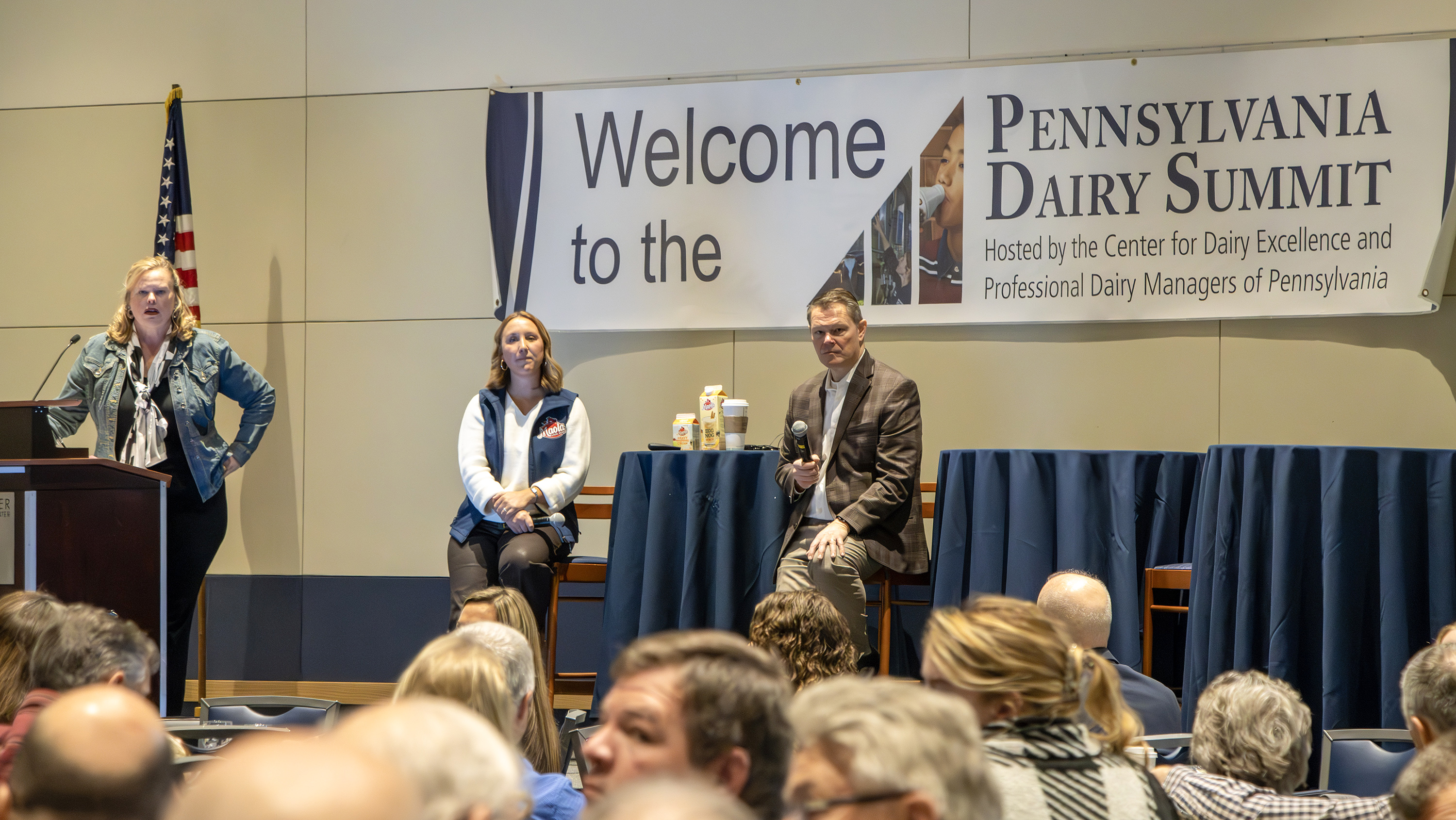
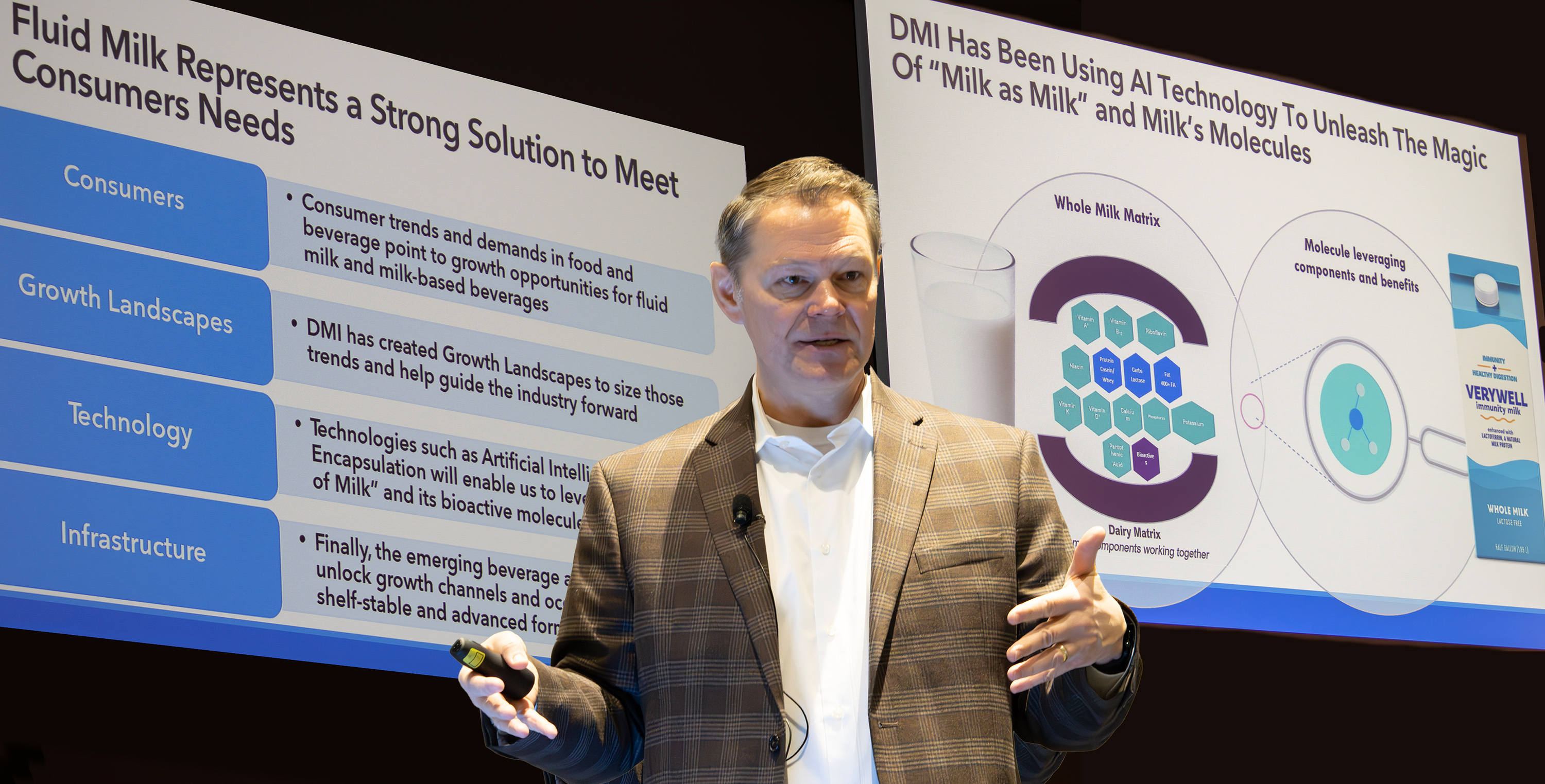
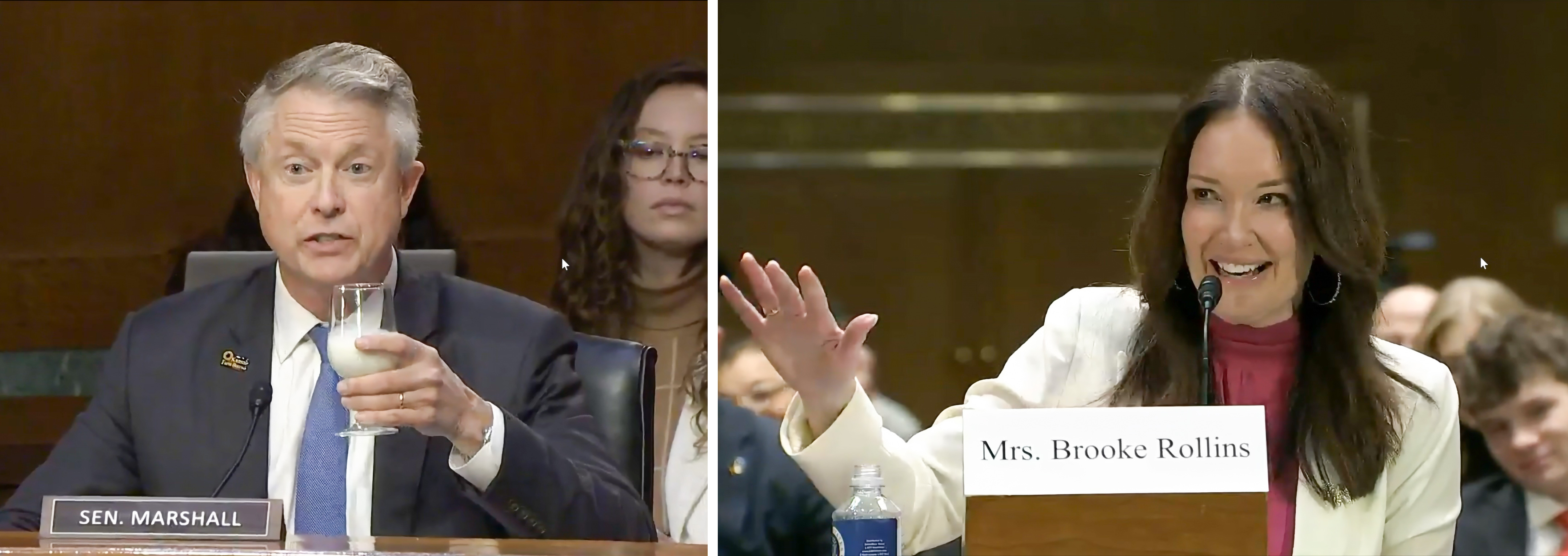
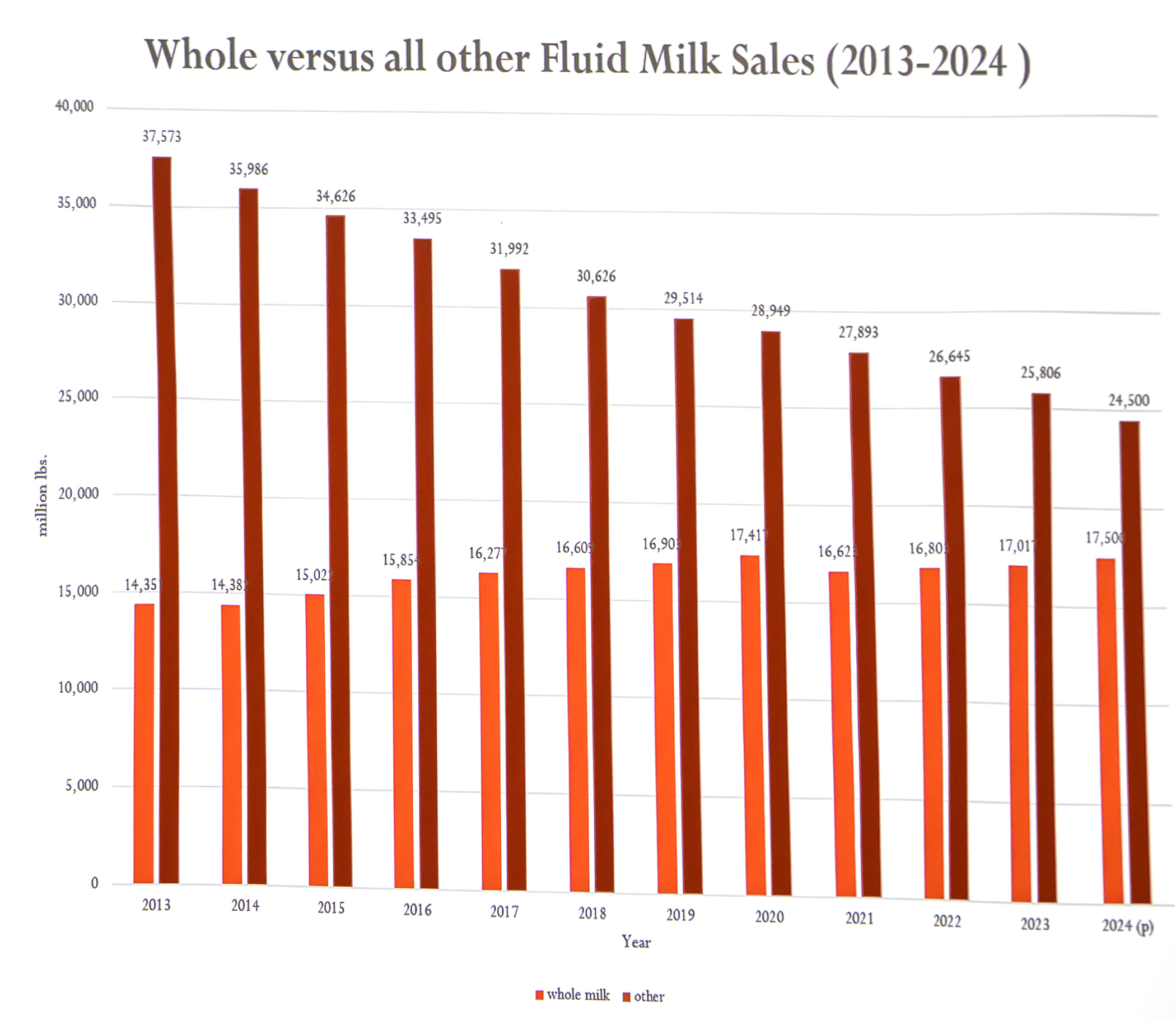
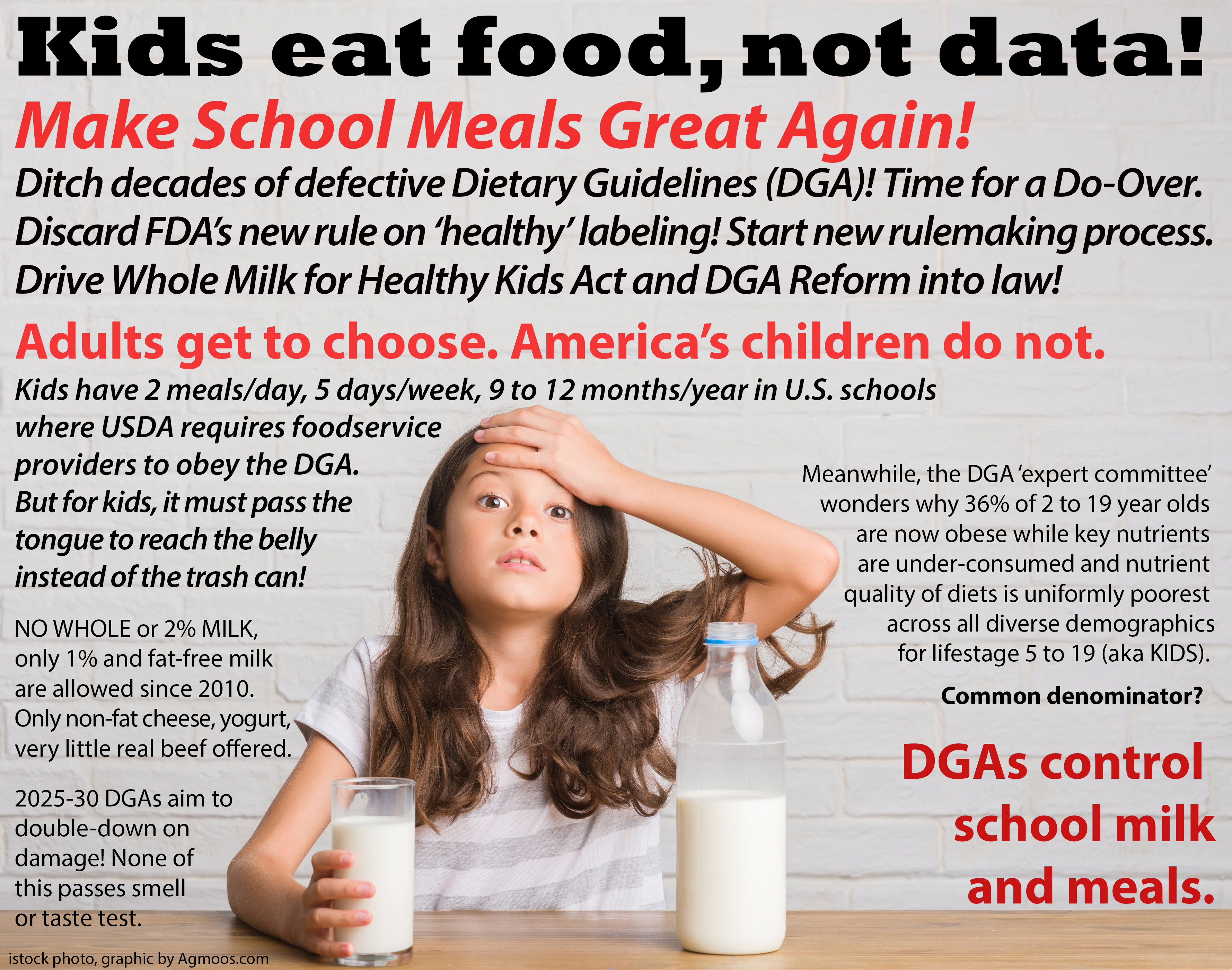
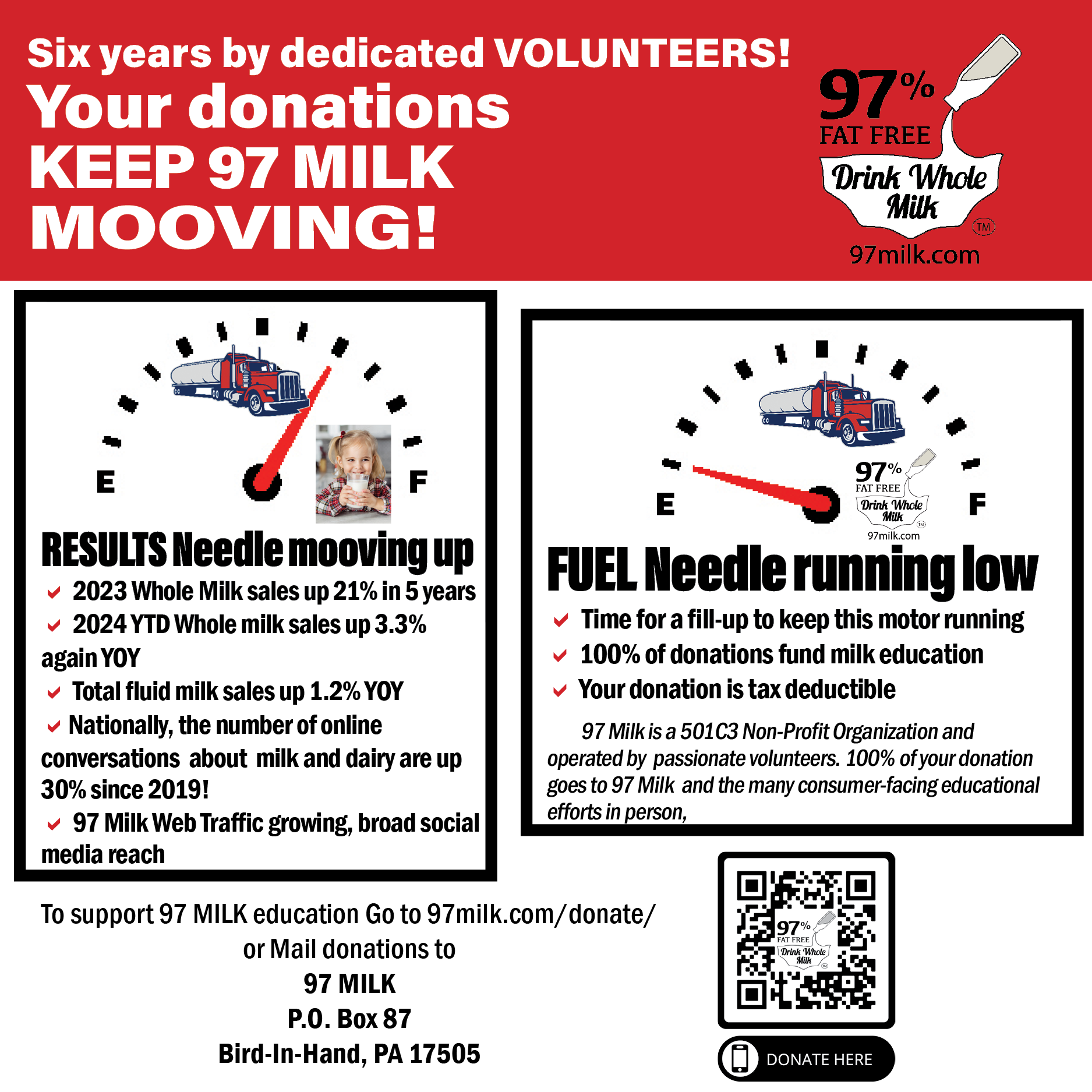
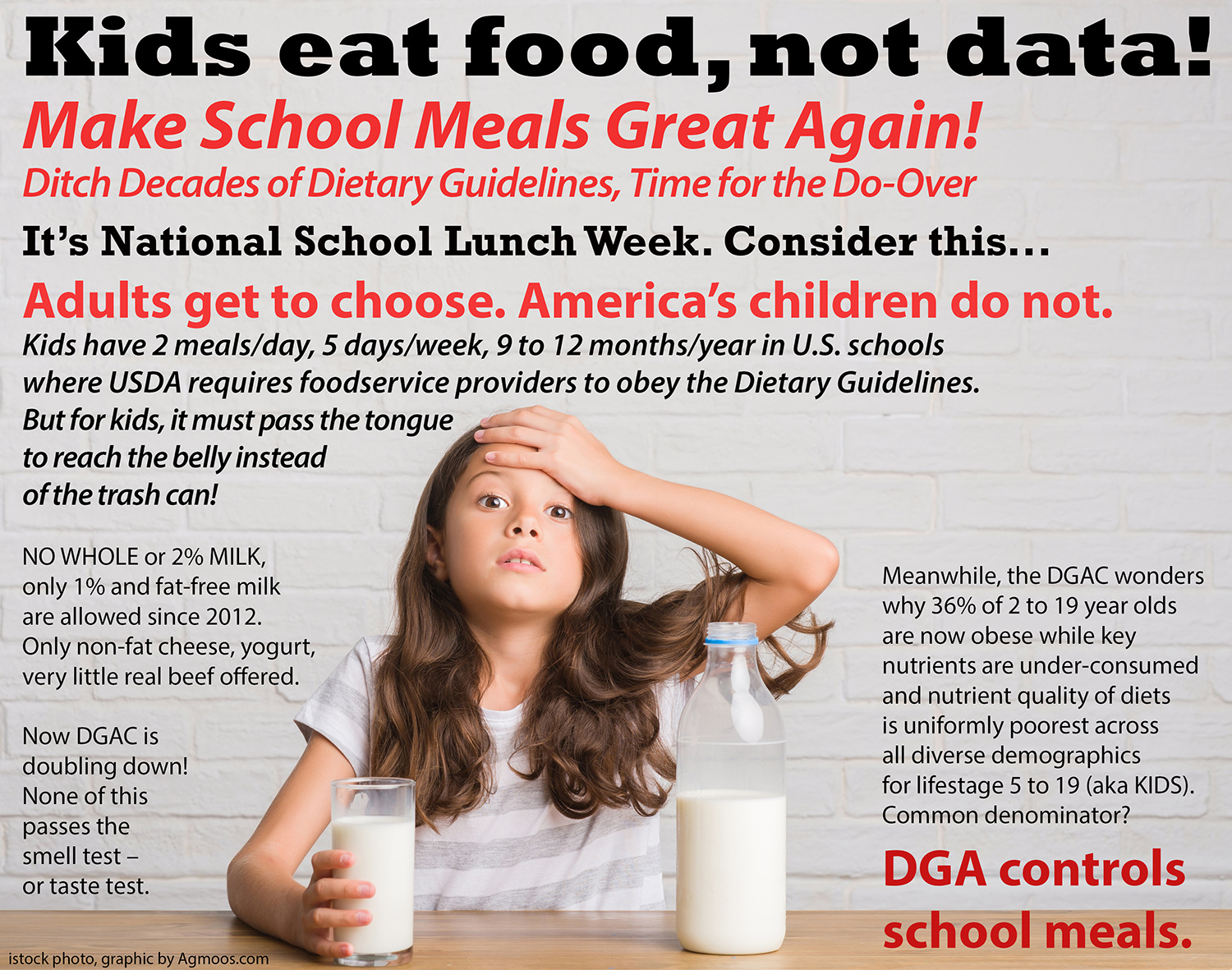
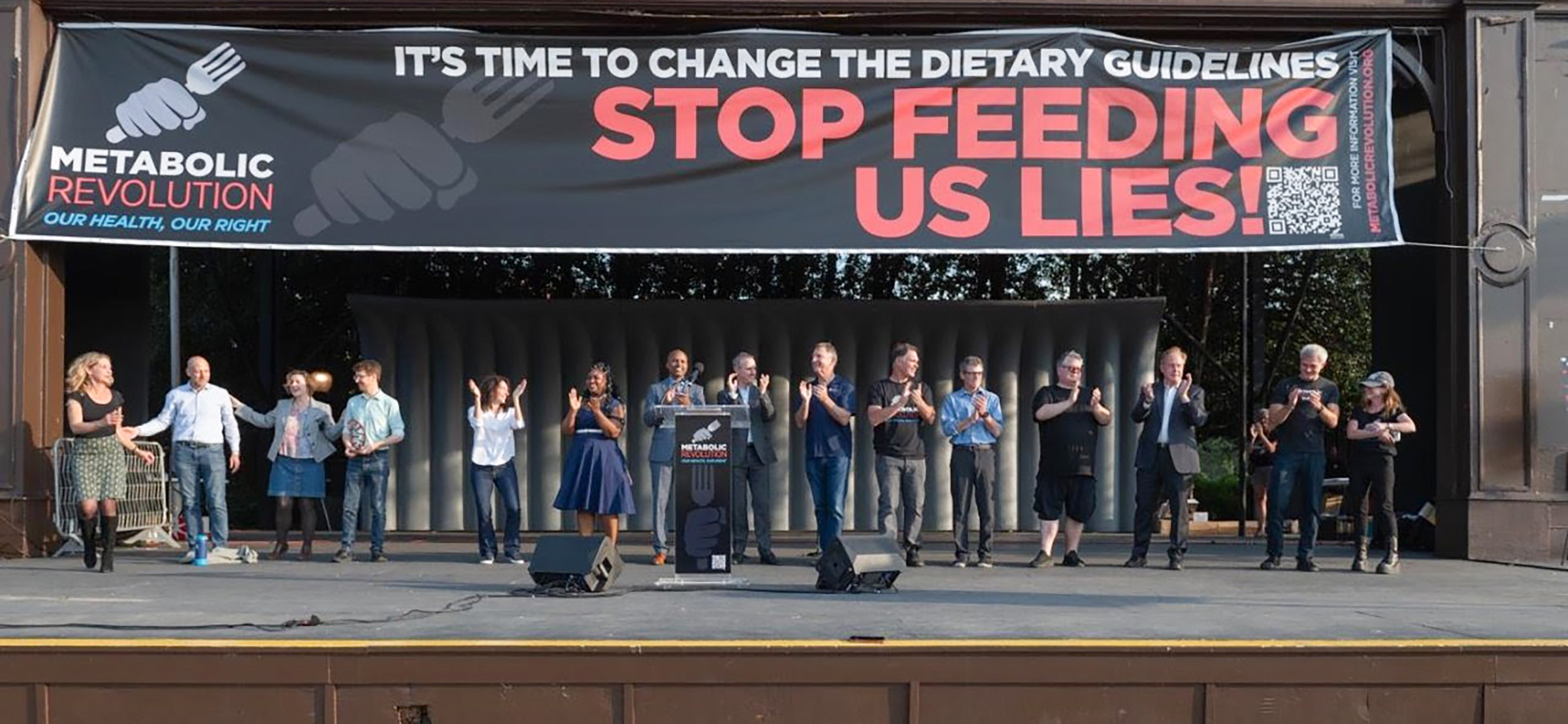
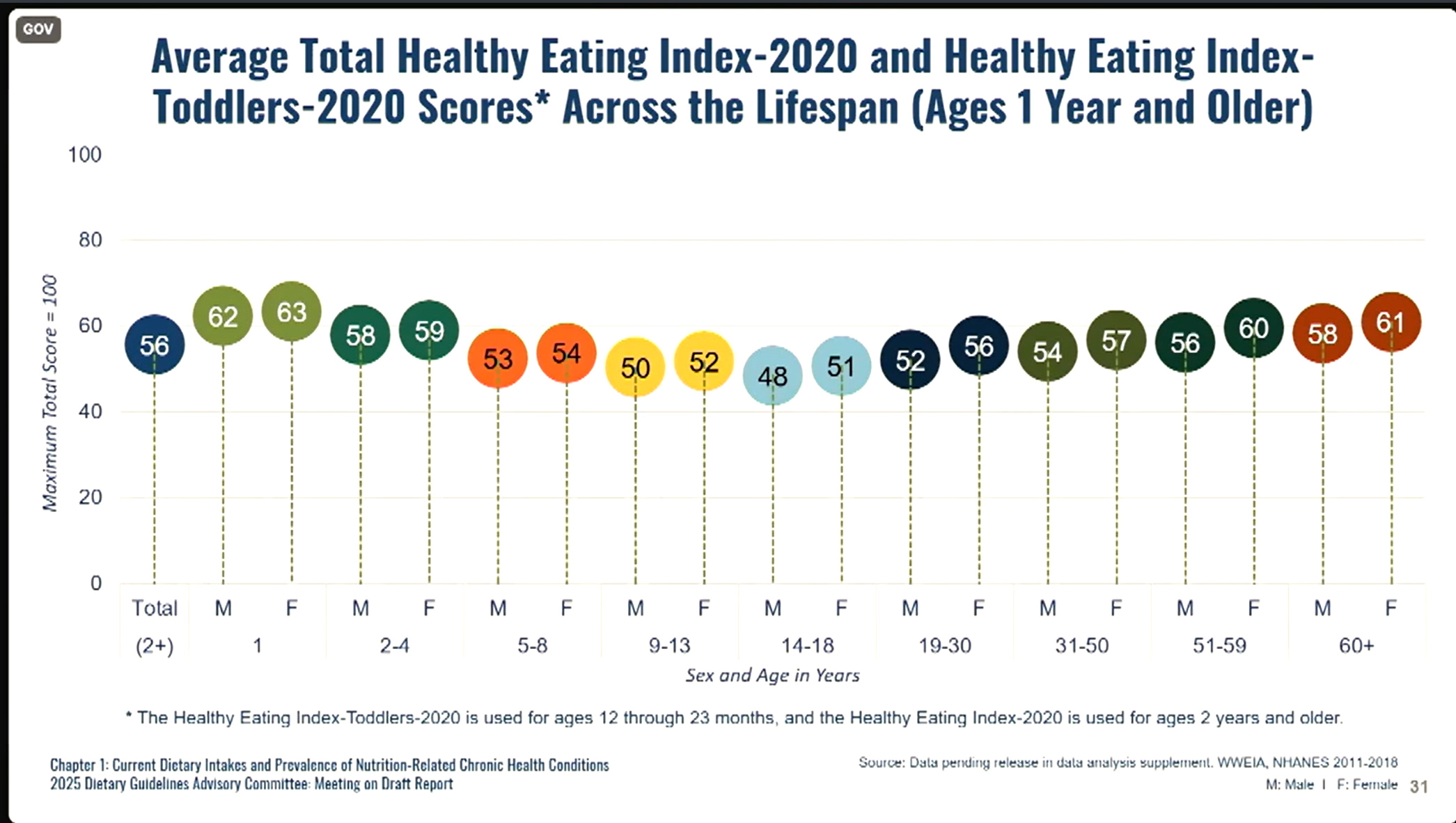
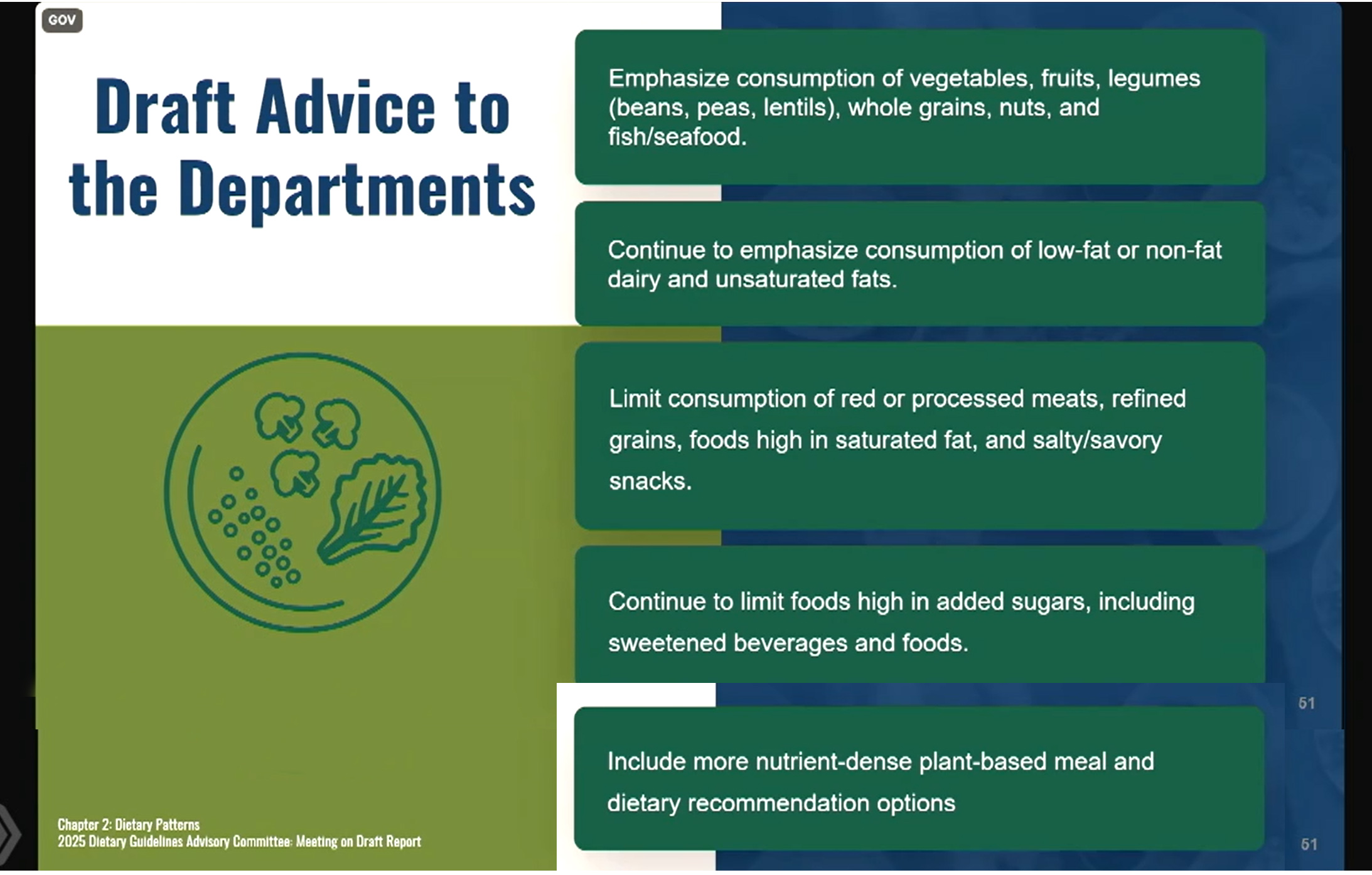
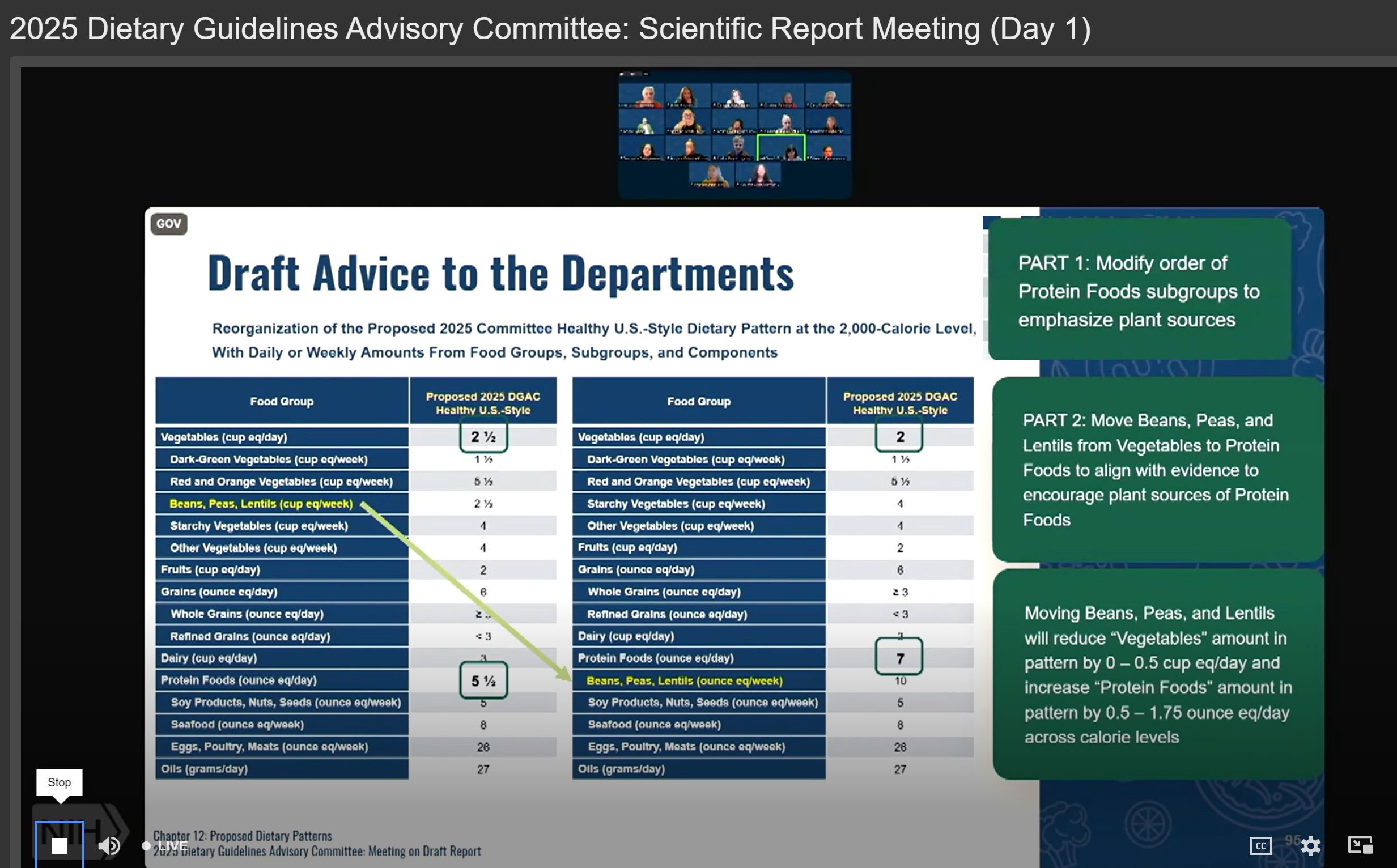
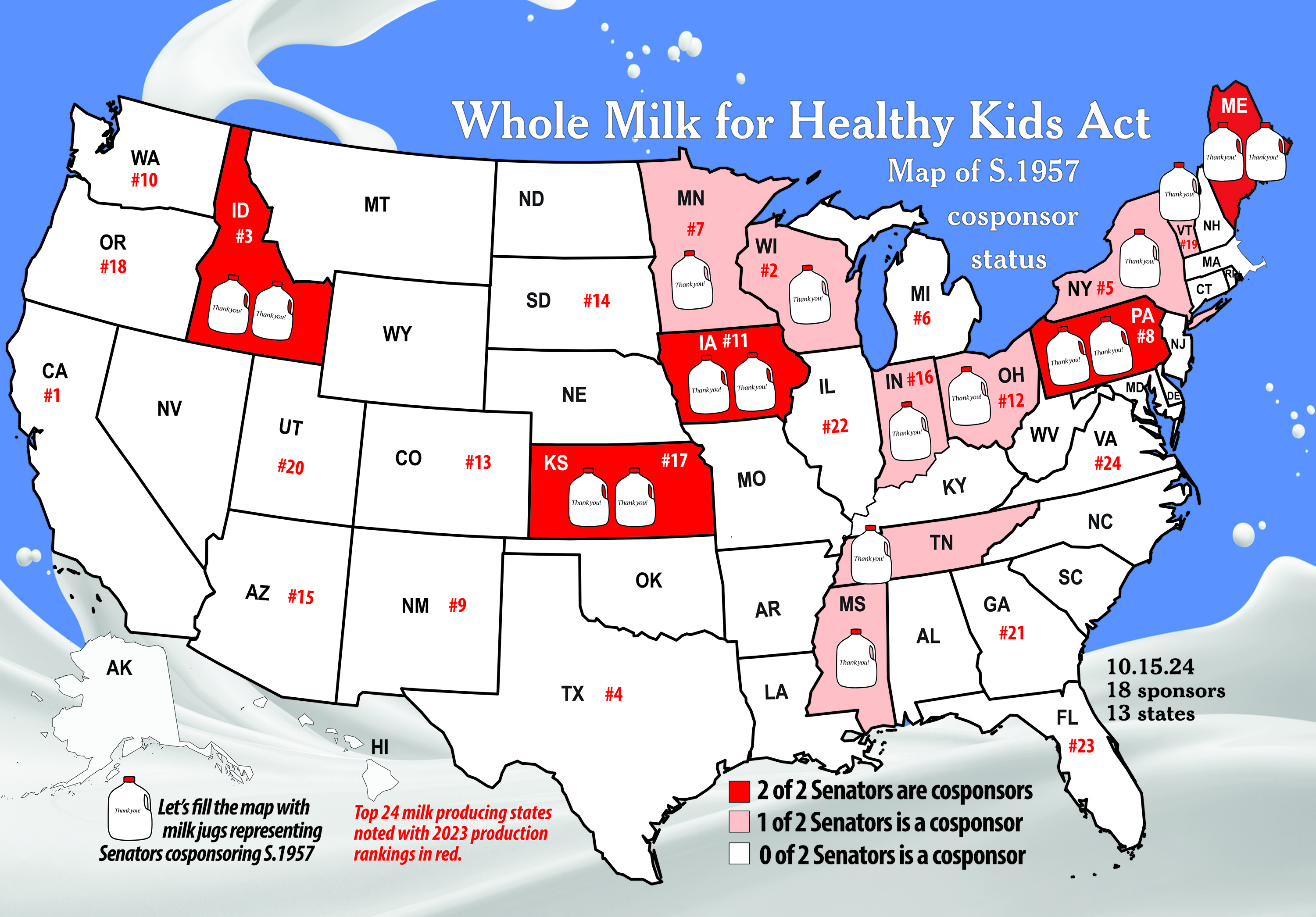
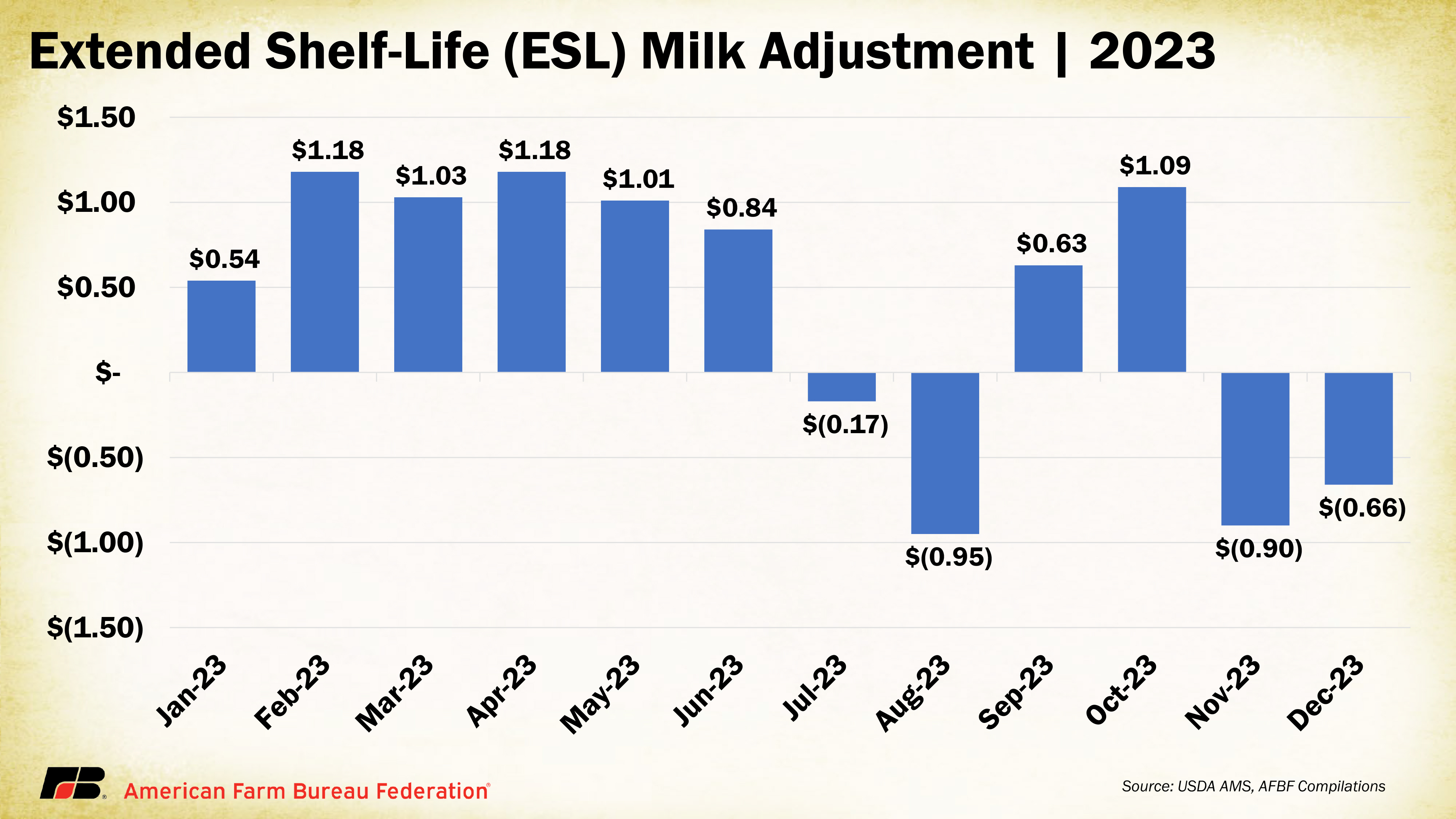
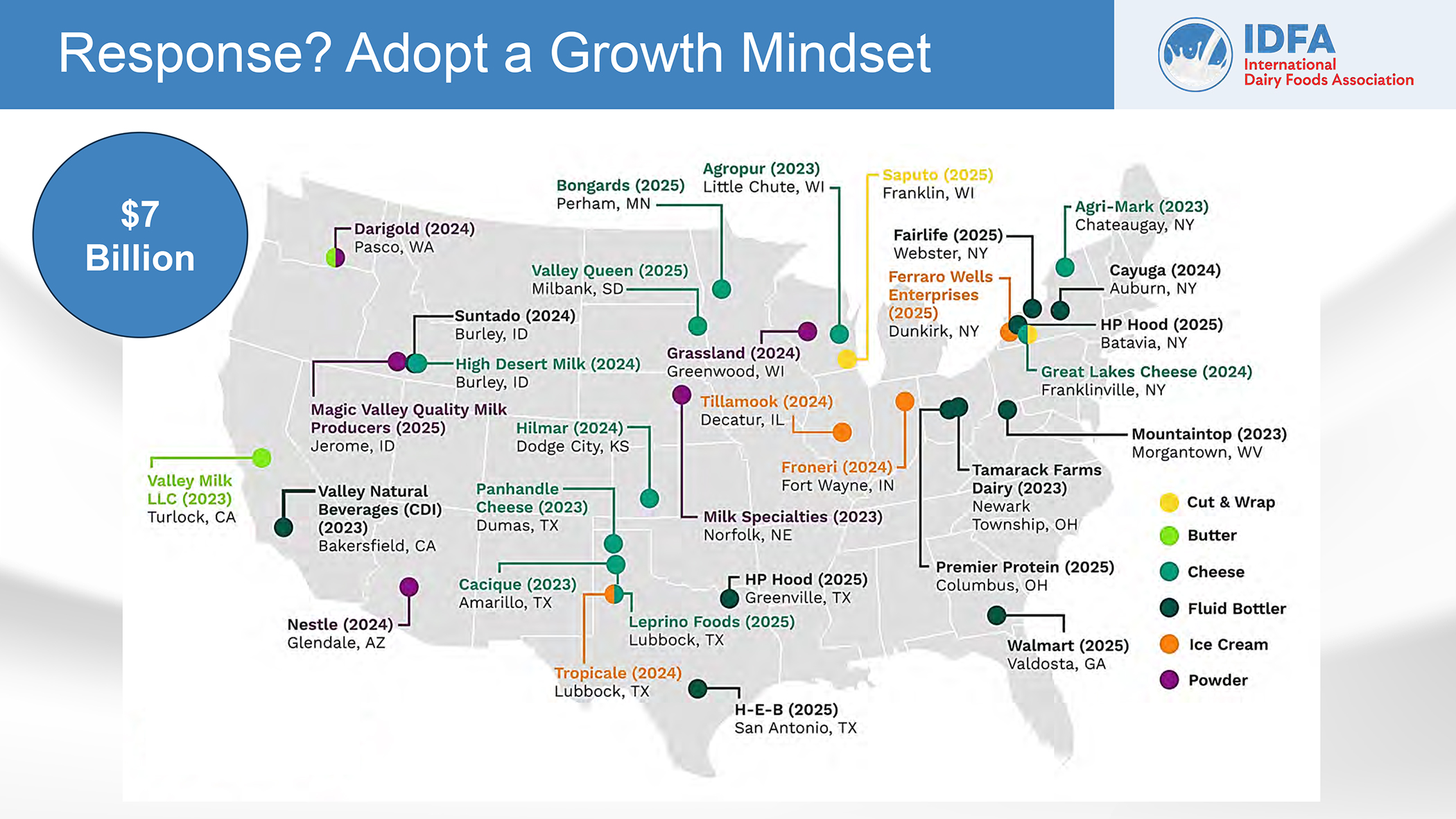
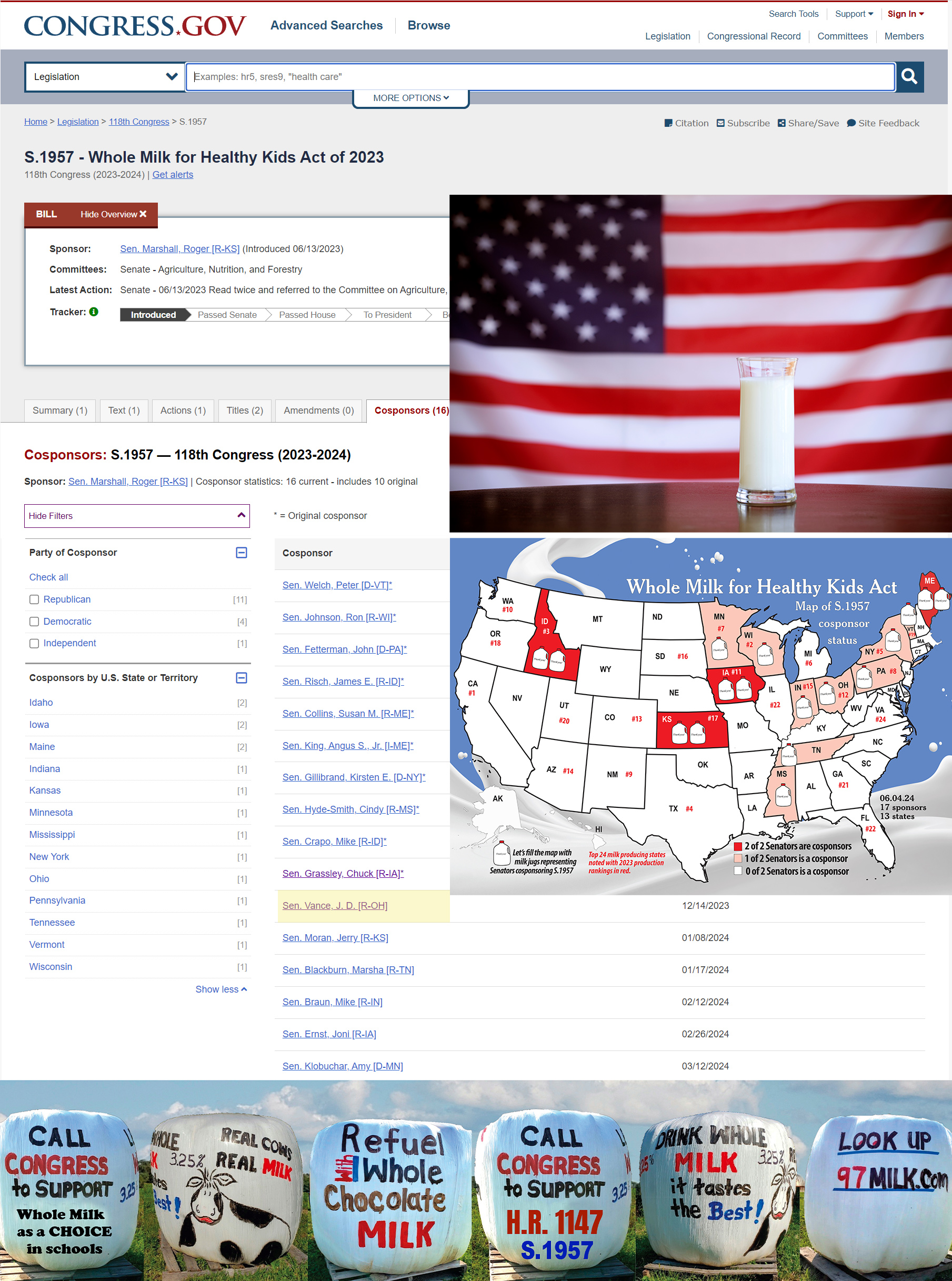
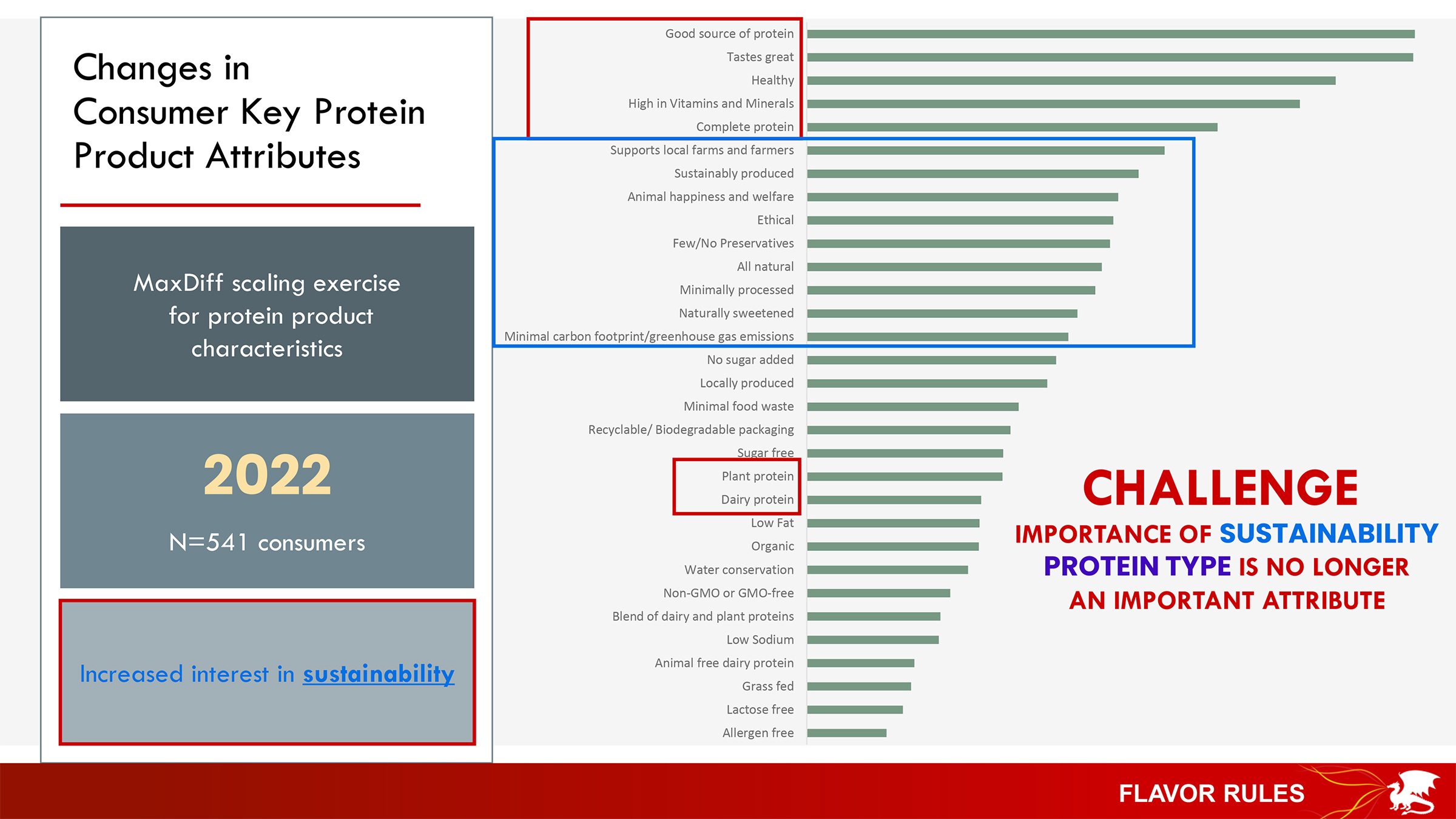
 Ag Moos