Day 1: Milk and ministry are gifts that keep giving

12 days of Christmas… with a twist.

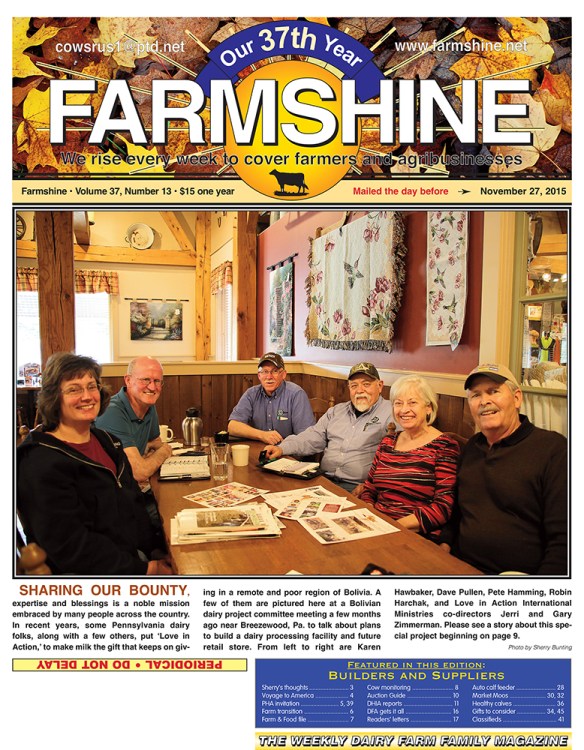
Day 1:  I met these folks last summer, learning of this mission to Bolivia that is rooted in Pennsylvania while visiting the Rice family of Prairieland Dairy in Nebraska last Spring. Two stories in two dairy publications resulted at long last. This one was the cover story in the Nov. 27, 2015 Farmshine and another will be found in the Dec. 14 edition of Progressive Dairyman. What these folks are doing is “love in action” for sure. Milk and ministry are gifts that keep giving. They’d love to share the project with others by speaking at dairy, church and other meetings where people have a passion for children, ministry… and milk!

BoliviaDairyCommittee3262web

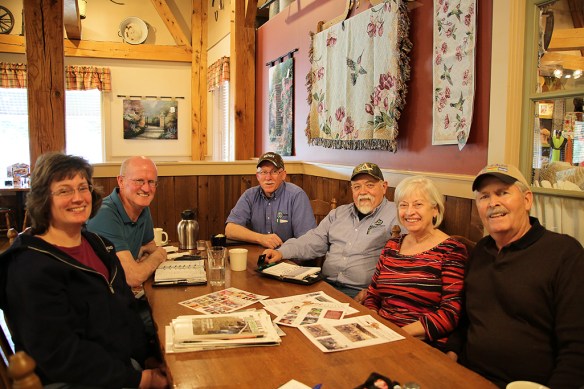
The Bolivian dairy project committee met a few months ago near Breezewood, Pa. to talk about plans to build a dairy processing facility and future retail store: (l-r) Karen Hawbaker, Dave Pullen, Pete Hamming, Robin Harchak, and Love in Action International Ministries co-directors Jerri and Gary Zimmerman. Photo by Sherry Bunting

By Sherry Bunting 

BREEZEWOOD, Pa. — The people we love and lose in our lifetimes leave indelible imprints on how we view the world and connect with others and where we put our time and energies.

For the dairy producers and industry folks involved with Andrea’s Home of Hope and Joy — an orphanage of individual family units in Bolivia — the ‘Love in Action’ is linked to folks from Pennsylvania wanting to see that these children have the gift that keeps giving — Milk, of course!

The first seeds to build a dairy farm at Andrea’s Home were planted by the late Rodney Hawbaker, a Franklin County, Pa. dairy farmer. In late 2007, Hawbaker and his industry friends — Dave Pullen, a dairy nutritionist, Pete Hamming with AI, and Robin Harchak, a milking equipment specialist — brought their idea to Gary and Jerri Zimmerman of Love In Action International Ministries (LIAIM).

By 2009, they were fundraising, designing and planning for a dairy future at Andrea’s Home.

Known as Warm Springs Farm (Finca Aguas de Manantial), the Bolivian dairy project is so named in honor of Hawbaker, who died in a tragic farm accident in 2011 at the family’s Warm Springs Dairy, Chambersburg, Pa.

bolivia-rodneyweb

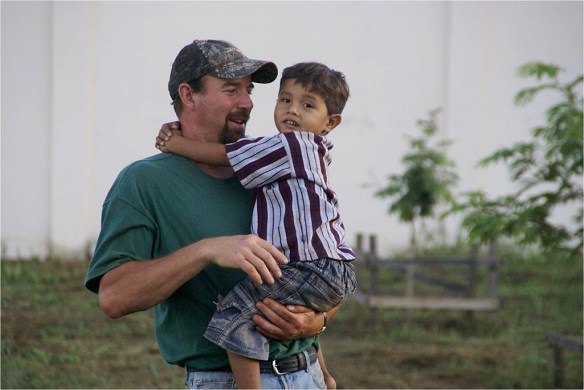
The late Rodney Hawbaker in 2010 with Wilson, one of the children at Andrea’s Home of Hope and Joy, where Hawbaker was instrumental in starting the Bolivian dairy project. It is now entering its next phase named in Hawbaker’s honor as Warm Spring Farm. Photo by Karen Hawbaker

“This was Rodney’s passion,” recalls his wife Karen during a planning meeting of the LIAIM dairy committee just off the Breezewood exit of the Pa. turnpike recently. Karen runs the 160-cow dairy in Franklin County and has taken Rodney’s place on the LIAIM board and dairy committee as well as volunteering with daughter Kirsten to help with the dairy’s progress at Andrea’s Home.

“Rodney was instrumental in helping design the barn as well as spearheading the initial fundraising through our church and a heifer sale in September of 2009,” Karen relates. “Rodney, Pete, Dave and Robin really dug into this, and we would travel to Bolivia every few months to work with the children and provide labor for the barn.”

Andrea’s Home, too, has its history — so-named for the Zimmermans’ youngest daughter Andrea, whom they had lost to cancer. Gary, a carpenter, and Jerri, a teacher, continued their mission work by fulfilling Andrea’s dream to focus the mission work on children. Thus, they set up Andrea’s Home of Hope and Joy through LIAIM. With the advent of the dairy project, the concept of Andrea’s Home has the potential to become a somewhat self-sustaining model for the future.

Divided into four 2-parent / 20 child units, Andrea’s Home currently serves 63 children with plans to build four more to serve 120 children. The dairy has become a key aspect of the planning to realize the goals of expanding Andrea’s Home and to build at a second location.

The heifers and bull for the dairy were delivered in 2014, with calvings ramping up through the summer and fall. Now plans are underway to build a processing facility and retail store.

boliviaworking at barnweb

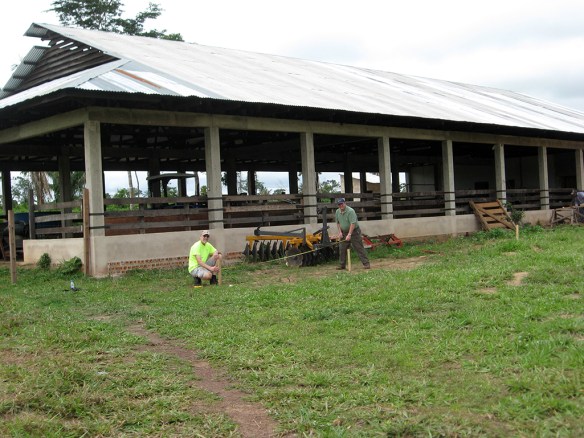
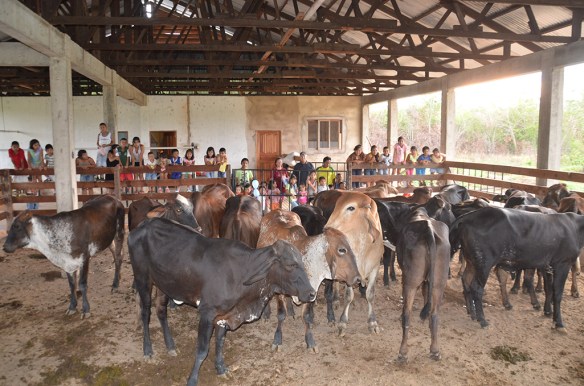
Cows are housed on a bedded pack and milked in eight stalls using a vacuum and bucket system — doable with limited funds and infrastructure. Photo by Karen Hawbaker


The cow-to- consumer dairy has a fourfold purpose: Nutrition for the children, education and skills for the children, a business plan that improves the community infrastructure while employing members of the community, and eventual retail dairy sales to support the growth and mission of Andrea’s Home.

The nearby town of Guayaramerin is home to over 40,000 people. The region is isolated and poor with many children orphaned by tough lives on the street. Being just a mile from the Brazilian border — where coffee houses proliferate — the hope is that Warm Spring Farm can provide a source of milk for the orphanage, the town and additional offshoot sales to tourists crossing the Brazilian border, through a coffee and smoothie house run by the home.

“We are looking for others in this compassionate dairy industry with the heart to come down to Bolivia and help with the processing end of what we are planning,” Gary Zimmerman explained. “We want to have the capability to produce milk and also yogurt, butter and ice cream with the whole project providing a source of revenue for the orphanage, as well as learning opportunities, work and nutrition for the orphans.”

boliviamilking 'parlor'web

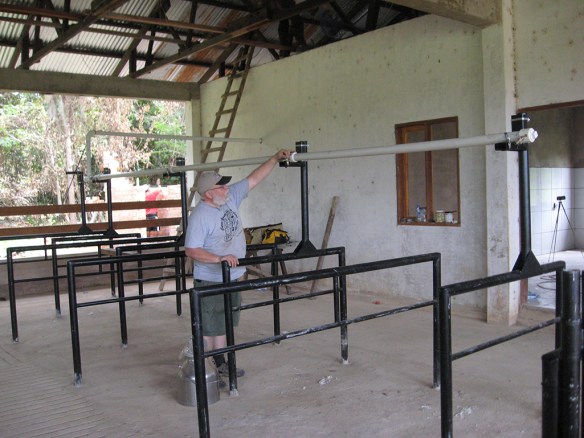
Robin Harchak works on the milking parlor. The challenge will be to convert to more advanced technologies as the dairy processing construction is planned. Photo by Karen Hawbaker

“We’re ministering to the needs of the orphans, and also trying to change the culture of what they return to for their futures and that of the region,” he added. For example, when the children age-out of the home, they will have skills and a purpose and something to turn to and a good base on which to continue their education.

Gifted 230 acres of land by the veterinarian who today serves as the farm’s director, they have stocked natural springs with fish and planted orchards and gardens, along with the work of getting the dairy up and running.

The processing and retailing idea began to form when five acres became available last year in the nearby town of Guayaramerin. With a location to build a retail store, the processing facility plan became the logical next step.

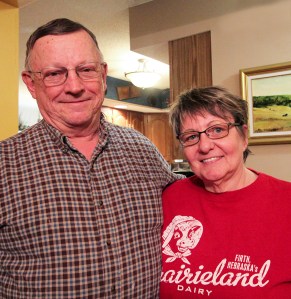
Since 2008, the group closest to the Warm Spring Farm project have worked to raise funds and to gather and send work crews to build the dairy. Now that the focus has shifted to processing and retail construction, they are reaching out in search of folks with this expertise. One such person is David Rice, a former Berks Countian who has two sons dairying near Kempton, Pa. and a son that is manager and partner in Prairieland Dairy out in Firth, Nebraska.

Dave&GloriaRice4263web

Dave and Gloria Rice of Firth, Nebraska (formerly from Berks County, Pa.)

Rice bring his building and dairy background, along with knowledge of the milk bottling and ice cream making at Prairieland, to his volunteer trips to Andrea’s Home.

He observes that, “Not only will the young people learn agriculture and industry skills, they will also learn the business side of operating the future store.”

“All the profits will go back to benefiting the home, and to build a second home with the idea that the business can be developed to cover 65 to 75 percent of the cost of the home’s operation, which now relies mostly on donations,” Zimmerman explains.

While the dairy’s initial cowherd consists of a native breed suited to the climate of life right on the Equator, the dairy committee plans to improve the herd with good milking genetics via AI crossbreeding.

boliviaour cows in the barnweb

As first calvings and milking are underway, the director brings milk to the home from his own primarily beef herd, and the children learn to make dairy products for their own use.

boliviagroupweb

Karen and Rodney Hawbaker’s daughter Kirsten with children at Andrea’s Home of Hope and Joy.

While there are no other dairies in this poor region of northeast Bolivia, the LIAIM dairy committee, and the folks at the home, have toured Brazilian dairies to look at cropping systems and forage ideas such as sugar cane and yucca root, which can be fed as green chop to boost dietary energy for more milk production.


The milking facility uses a vacuum and bucket system, which serves well its current purpose.

“Bolivia is the poorest South American country, and this LIAIM ministry seeks to reach the children here to provide the nutrition of milk while teaching business and industry skills that they can learn to be a part of,” Karen Hawbaker added. “We want to raise them and equip them for life. What better way to teach work habits and skills then through dairy.”

Hamming noted that the kids just love the dairy farm, the animals, seeing things grow, and are anxious to see the whole project move forward.

boliviakidsweb

Karen Hawbaker at Andrea’s Home…

Rodney’s good friend and area veterinarian Corey Meyers, DVM, wrote of Hawbaker after his passing: “Rod knew his purpose in life. He got it. Just days before the accident he had commented to friends in a Bible study in Ecclesiastes: ‘When I hear of a righteous man dying, I take it as a challenge or as a reminder that you never know when your time is up. Live each day as if it were your last.’”

Members of the LIAIM dairy committee are also interested in speaking at dairy meetings to raise awareness of the Bolivian dairy project at Andrea’s Home of Hope and Joy.

To learn more visit www.myloveinaction.com. Director Gary Zimmerman can be contacted at 719.440.6979 or email liaim@aol.com

Farmshine

-30-


A remembrance

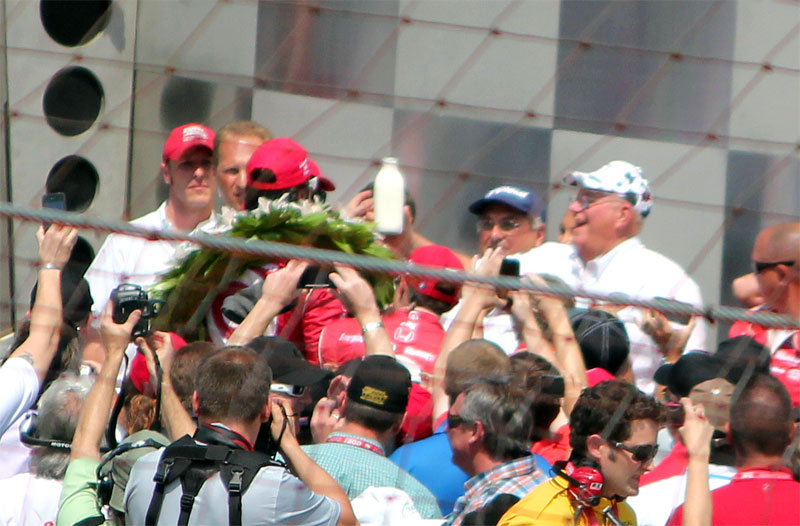
flag0373It’s a roar not soon forgotten when the field of 33 drivers rounds the curve to the paddock straightaway and the pace car exits the track. The thrill of the Indy500 is unmatched in motorsports, and the refreshing, replenishing, revered beverage associated with this great race is MILK. On Sunday, two Indiana dairy farmers (selected each year as a rookie and a done-it-before) not only provided that winner’s refreshment, they greeted race goers. People love talking to the actual dairy farmers who personally deliver the “coolest trophy in sports.”

Having the opportunity to cover the Indy500 and the celebratory bottle of milk three years ago, the roar of the cars exceeding 200 mph for 250 laps around a 2.5-mile oval, and its famous ending with the celebratory milk, were preceded by a far more important and time-honored remembrance of our fallen countrymen who have paid the supreme sacrifice so we may be free.

What is freedom in today’s fast-paced ever-changing world?

According to Merriam Webster’s dictionary, Freedom is “the power or right to act, speak, or think as one wants without hindrance or restraint; absence of subjection to foreign domination or despotic government; the state of not being imprisoned or enslaved.”

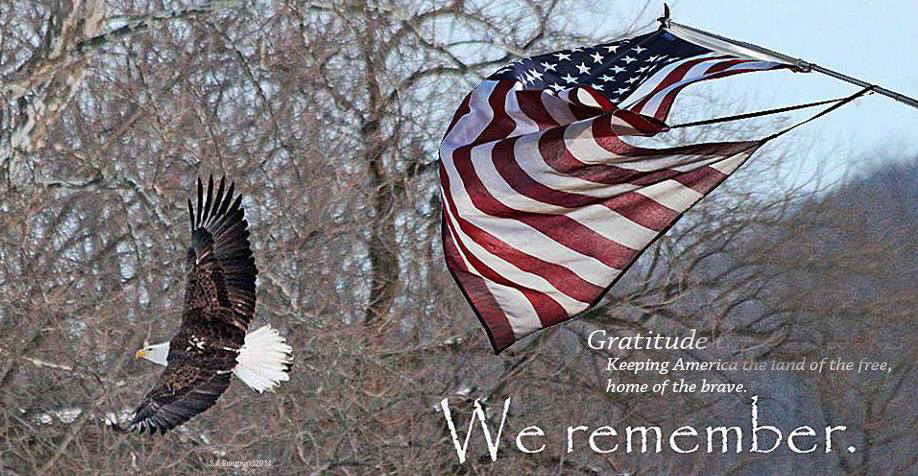
Today (Monday, May 25) we honor with solemn gratitude the memory of those who bought our freedom at a dear price — those who gave all to protect it. Our freedom as a
eagle flagdemocracy is to be cherished, revered, protected and practiced with integrity. We owe a debt of gratitude every day of the year.

In the 1982 words of President Ronald Reagan: “Our pledge and our prayer this day are those of free men and free women who know that all we hold dear must constantly be built up, fostered, revered and guarded vigilantly from those in every age who seek its destruction. We know, as have our Nation’s defenders down through the years, that there can never be peace without its essential elements of liberty, justice and independence. Those true and only building blocks of peace were the lone and lasting cause and hope and prayer that lighted the way of those whom we honor and remember this Memorial Day. To keep faith with our hallowed dead, let us be sure, and very sure, today and every day of our lives, that we keep their cause, their hope, their prayer, forever our country’s own.”

To read more click here10847751_1012858118726604_3161744334898761459_o

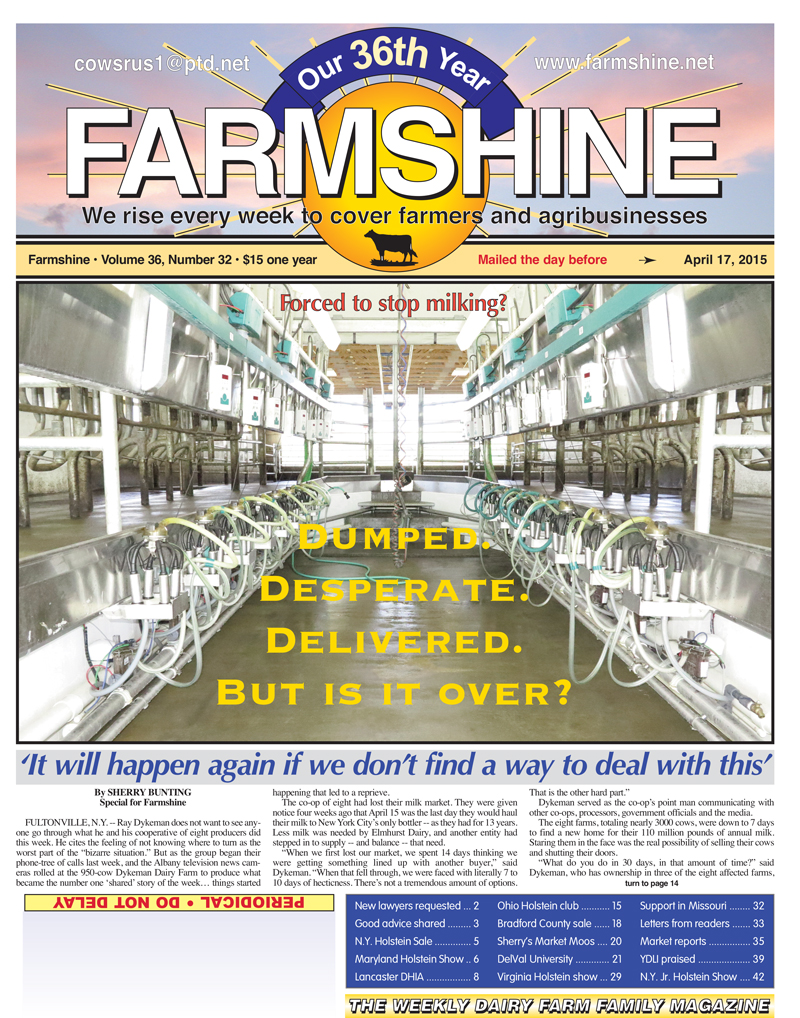
Dumped. Desperate. Delivered. But is it over?

‘It will happen again if we don’t find a way to deal with this.’

By Sherry Bunting, Farmshine, April 17, 2015 Cover-041715
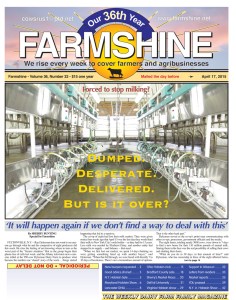
FULTONVILLE, N.Y. — Ray Dykeman does not want to see anyone go through what he and his cooperative of 8 producers did this week. He cites the feeling of not knowing where to turn as the worst part of the “bizarre situation.” But as the group began their phone-tree of calls last week, and the Albany television news cameras rolled at the 950-cow Dykeman Dairy Farm to produce what became the number one ‘shared’ story of the week… things started happening that led to a reprieve.

The co-op of 8 had lost their milk market. They were given notice 4 weeks ago that April 15 was the last day they would haul their milk to New York City’s only bottler — as they had for 13 years. Less milk was needed by Elmhurst Dairy, and another entity had stepped in to supply — and balance — that need.

“When we first lost our market, we spent 14 days thinking we were getting something lined up with another buyer,” said Dykeman. “When that fell through, we were faced with literally 7 to 10 days of hecticness. There’s not a tremendous amount of options. That is the other hard part.”

Dykeman served as the co-op’s point man communicating with other co-ops, processors, government officials and the media.

The 8 farms, totaling near 3000 cows, were down to 7 days to find a new home for their 110 million pounds of annual milk. Staring them in the face was the real possibility of selling their cows and shutting their doors.

“What do you do in 30 days, in that amount of time?” said Dykeman, who has ownership in 3 of the 8 affected farms, including the 500-cow Envision Dairy, Amsterdam, owned by a consortium of 23 people with expertise in different aspects of dairying and forage, along with young dairy startups from Cornell. Envision Dairy was accepted by another co-op 10 days before cutoff. That lightened the load a bit, but the rest of the milk was still a long way from home.

“Even today, our 42 employees are looking at me saying what are we doing Thursday?” said Dykeman in a Farmshine phone interview late Tuesday afternoon. “We are 24 hours away from having no home for our milk, and I still am not sure how to answer them.”

Hope and support…

But he had hope. Fellow dairy producers and community members were calling and emailing. People were reaching out. He had had countless meetings and secured two buyers to each take a little of the milk. On Tuesday afternoon, he was waiting for an answer from a third processor considering taking half.

By late that evening, that contract was signed for a 3-month reprieve in time to make the nightly television news.

“Trucking our milk to 3 different places will be new for us, but we are able to use the same hauler and we are accustomed to high trucking costs — having hauled milk into New York City for 13 years — so we are very happy,” said Dykeman with an audible sigh of relief.

“I hope, going forward, we don’t let this experience go by the wayside because I honestly believe if we do not come up with a plan for this area, it will happen again and be potentially devastating,” he quickly added. “Just look at the investment farmers have. All that we have put at risk.

“I would much rather have someone say to me: ‘We really need you to go out of business. You are not needed in New York anymore, and you have a year to get out,’ than to be told all of a sudden there’s no place to send my milk,” he said.

Dykeman stressed that they have “no animosity toward any of the companies.” This is business to business, they realize. But what amazed them was the amount of public support.

“Everyone worked so hard to find a home for this milk: Our representatives and senators, the Governor’s office, the New York Ag Commissioner, other co-ops and processors. Local people wanted to take the local milk. It was a very difficult situation in which to find a solution, but the people we have dealt with in this were very helpful.”

Dykeman could not say enough about Sen. Chuck Schumer. “He was kind enough without a scheduled meeting to meet with a couple farmers while in Johnstown for another reason,” he explained. “He and the Commissioner both called this morning to express their relief in how things turned out.”

No easy solutions…

The 3-month reprieve gives the co-op of now 7 farms the breathing time to secure an annual contract. And Dykeman feels certain there will be more discussion in the industry on how to handle these things better in the future.

“Farmers generally want to go back to being farmers,” Dykeman shared. “This is not what we do. This is one of the reasons we farm. We grew up on farms and this is what we want to do — not doing the kinds of things I’ve been doing for the past few weeks.”

Dykeman said the silver lining is “seeing your community respond and be very helpful. I can’t even calculate the number of emails and phone calls I’ve had. In fact, I’ve had 5 calls try to buzz through while on the phone with you today,” he said Tuesday. “People want to help. But there are no easy solutions and it will happen again if we don’t find a way to deal with this.”

One of the ideas being tossed around is to pair extra milk with efforts to supply food banks, or to ask the government how to use the “demand buying” in the Farm Bill to alleviate the supply pressure coming to roost on a region despite the fact that the “national average milk margin” is not even close yet to triggering the national government purchases for feeding programs.

Players and perspective…

In contacting the New York Department of Ag and Markets on their role and perspective, emailed questions were requested, and Dave Bullard, assistant public information officer provided this statement in response: “Ag and Markets is working with local elected officials, including Congressman Tonko and Assemblyman Santabarbara, to assist the farmers in finding alternative processors and manufacturers for the cooperative.  There is currently a surplus of milk due to strong production combined with lower sales as a result of reduced exports and a few other factors.  This supply/demand imbalance has created a very challenging situation for all producers and processors.”

Similarly, a request for an interview with DFA was met with a request for emailed questions. In asking what DFA would like to report in terms of taking on one of the farms in the Pennsylvania situation a few weeks ago and the New York situation currently while also gaining additional outlet for member milk in the process, the emailed response from DFA’s spokesperson was, that “Every milk marketing organization handles regional market dynamics differently.  One of the advantages of our cooperative system is that we work diligently to provide a secure market for our members’ milk.  Our goal is to market our members’ milk in the most efficient and cost-effective way as possible.  As we look to the future, the Northeast dairy industry is in an excellent position because of our proximity to major population hubs and our access to natural resources.”

Asked to define some of the biggest reasons for the oversupply of milk in the Northeast given that the Northeast has not grown by as wide a margin as the national average, DFA’s emailed response was: “For most of 2014 and into 2015, the Northeast marketplace has been in a challenging milk supply situation. Overall a generally weak demand and increased milk supply resulted in the need for additional milk movements around and beyond the Northeast. With plant closures (Farmland Dairies) and an overall weakening in demand from Class I and Class II customers, more milk than normal was placed in balancing facilities throughout our system and outside our geography. In the Northeast the loss of capacity in conjunction with the increase in supply resulted in the extra milk movements.”

Welcome to the squeeze chute…

When reviewing the larger decline in Northeast Class I utilizations versus the decline nationally — and seeing the effect as Eastern mailbox milk prices fall further behind their respective all-milk price while national average mailbox milk prices have atypically become higher than the all-milk price — it is obvious that the Northeast market is the new squeeze-chute when milk supplies nationally burgeon.

The yogurt-magnet that strengthened the confidence of Northeast dairy farmers over the past few years has led to small but steady increases in production, and then in 2014, New York increased by more than 2% to re-take from Idaho its former position as the #3 milk-producing state. Meanwhile the Northeast milkshed, as a whole, was up just under 2% in 2014 compared with the national increase of 2.7%, and has backed off in early 2015.

No reason to sour on yogurt…

Yogurt production is one of the primary fall-guys for the current supply/demand situation reversal of fortunes in the Northeast. But further analysis is less clear on that pointed finger. Yogurt production was 741 million pounds in New York State in 2013 and 692 million pounds in 2012. The 2014 figures for the state will not be available until late May. The 2012 and 2013 totals, however, show New York yogurt production used around 12% of New York’s growing milk supply in both years as both the yogurt and the milk production grew simultaneously.

On a national basis, however, the total U.S. yogurt production figures are available at this time, and yogurt production grew from 4.42 billion pounds nationally in 2012 to 4.65 bil. lbs in 2013 to 4.74 bil. lbs. in 2014.

Furthermore, the April 2 Dairy Products report indicated that nationwide plain and flavored fresh (not frozen) yogurt production was up in February by 7.2% over year ago and nearly 12% higher than for January.

Context and common denominators…

The yogurt industry is known to be highly secretive and competitive.

Interestingly, 2009 is the last year in which the USDA reported monthly yogurt production on a state-by-state basis. Since 2010, those monthly yogurt production figures are only available on a national basis. This reporting change coincides with the timing of when yogurt production began to rise in New York State; so now, when it counts, there are no free and public records of production by state until 6 months after a year ends. It’s not that way for other substantial dairy products, and prior to 2010, those figures were available monthly without having to pay hundreds of dollars for an insider yogurt market publication to read insider industry estimates and trends.

In April’s central New York situation, like western Pennsylvania in February, rumors fly about reasons for farms to be cut from the shipping rolls of processors and small co-ops. Some folks wonder about the milk quality of those producers, or they may believe producers were expecting to be paid more money. But that’s the thing with rumors, there is but a shred of quasi-truth.

While some producers may find themselves in this situation through nitpicking on an inspection report or somatic cell counts that are a little too far north of 200,000, others may find themselves in this situation for merely asking a higher pay price when milk is short, but then staying with their processor on a handshake without the requested pay increase during the short-milk times only to find themselves on the other side of that equation — losing their processor when milk becomes long.

The bottom line in talking to various folks who’ve been through this in Pennsylvania and New York, the common denominators are: 1) the lack of warning, 2) the inability to prepare or negotiate or help problem-solve in advance of being flatly cut off, and 3) the loss being driven, at least in part, by the independents and small co-ops’ lack of reliable access to balancing assets — either owned or simply a standby buyer that will take a little milk for cheese or butter or yogurt or powder as producers balance the diminished and diluted Class I demand.

Looking ahead…

“Everyone in the industry was helpful to us, and we want to continue to work with them on solutions for the future,” said Dykeman reflectively.

Running in the background is some loss of confidence as producers deal with permanent and temporary loss of markets. One of the producers who survived the western Pennsylvania cutoff in March said in a phone interview this week, “crazy things are happening and people are being let go. Everyone is afraid to invest. Some of us already invested in our operations and are on our toes about losing our markets, and then we go to a local meeting where the speaker from Elanco tells us we need to increase production with rbST even though we are clearly in a region where more processors are requiring affidavits not to use it and people are losing their markets because of too much milk.”

At the end of the day, from the outside looking in, it seems the good beef price and current status of processors wanting to label products rbST-free are two strong signals folks could pay attention to in stabilizing demand. It’s also important to gauge the market direction in planning phases of growth. That growth is necessary here to sustain the dairy infrastructure and make farms that are not quite as surrounded by other farms attractive as a pickup. However, the two market loss situations in Pennsylvania and New York illustrate vividly that size does not matter.

As long as the Federal Orders put all the marbles of high value, pooling and provisions into Class I while that is the milk class that is dwindling in sales, size won’t matter. When milk is long, the milk guns will continue to point East and all size farms are vulnerable in the business of dealing with the push of supply through the squeeze chute.

Look for more on the Northeast market situation in next week’s Farmshine.

-30-

PENNSYLVANIA – Feb. 2015

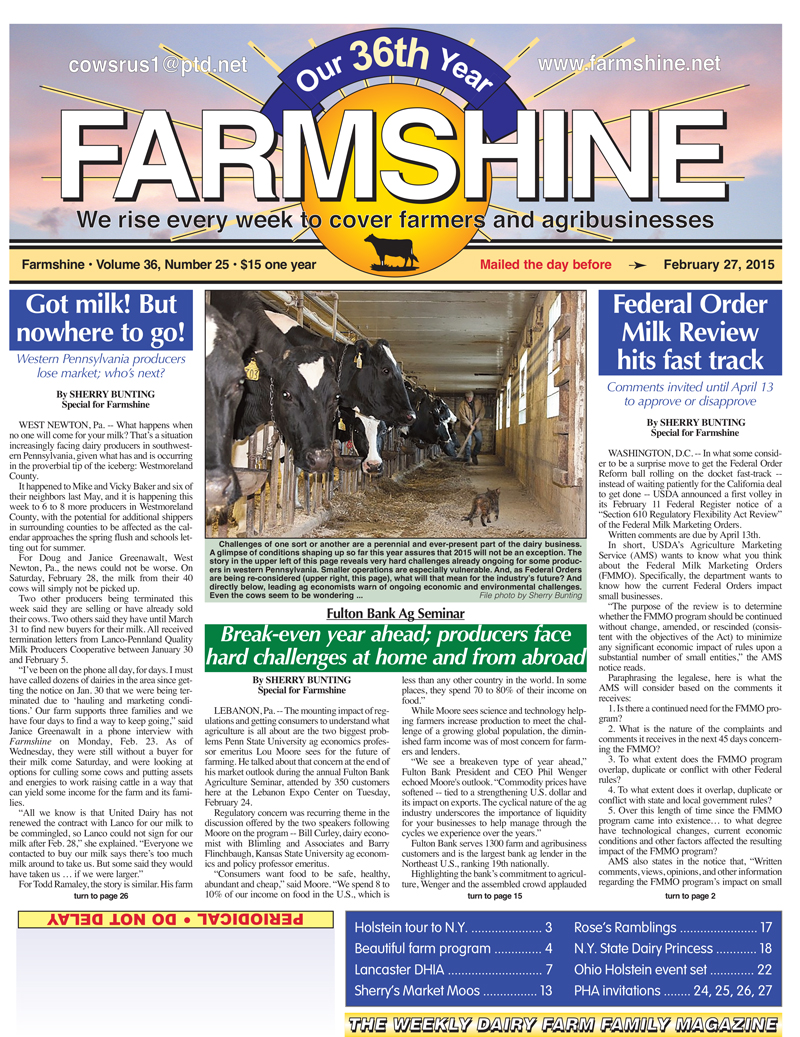
Got Milk! But nowhere to go…Cover-022715
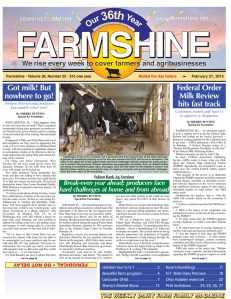
By Sherry Bunting, Farmshine, Feb. 27, 2015

WEST NEWTON, Pa. — What happens when no one will come for your milk? That’s a situation increasingly facing dairy producers in southwest Pennsylvania, given what has and is occurring in the proverbial tip of the iceberg: Westmoreland County.

It happened to Mike and Vicky Baker and six of their neighbors last May, and it is happening this week to 6 to 8 more producers in Westmoreland County, with the potential for additional shippers in surrounding counties to be affected as the calendar approaches the spring flush and schools letting out for summer.

For Doug and Janice Greenawalt, West Newton, Pa., the news could not be worse. On Saturday, February 28, the milk from their 40 cows will simply not be picked up.

Two other producers being terminated this week said they are selling or have already sold their cows. Two others said they have until March 31 to find new buyers for their milk. All received termination letters from Lanco-Pennland Quality Milk Producers Cooperative between January 30 and February 5.

“I’ve been on the phone all day, for days. I must have called dozens of dairies in the area since getting the notice on Jan. 30 that we were being terminated due to ‘hauling and marketing conditions.’ Our farm supports 3 families and we have 4 days to find a way to keep going,” said Janice Greenawalt in a phone interview with Farmshine Monday. As of Wednesday, they were still without a buyer for their milk come Saturday, and were looking at options for culling some cows and putting assets and energies to work raising cattle in a way that can yield some income for the farm and its families.

“All we know is that United Dairy has not renewed the contract with Lanco for our milk to be commingled, so Lanco could not sign for our milk after Feb. 28,” she explained. “Everyone we contacted to buy our milk says there’s too much milk around to take us. But some said they would have taken us … if we were larger.”

For Todd Ramaley, the story is similar. His farm is almost into Indiana County and about a 35 minutes’ drive (in a car not a milk truck) from the nearest Lanco shipper still shipping to Lanco. As of Tuesday, he said DFA was still looking at the possibility of taking the milk from his 40 cows “because it is really clean milk with SCC of 150,000.”

If his milk went to DFA, it would actually still go, physically, to the United Dairy, Inc. plant in Uniontown, several sources indicated, because United has a “swapping deal” with DFA, under which some of United’s milk goes to DFA’s plant in New Wilmington and some of DFA’s milk goes to United’s Uniontown plant.

When asked about the letters sent to six of its producers in Pennsylvania’s southwest corner, Lanco’s director of dairy operations Robert Morris explained how originally all the milk hauled by that hauler served Saputo Cheese in Hancock, Maryland.

“That plant closed in July,” he said. “But before that, those shippers ended up in our world when Saputo bought Jefferson Cheese. At that time, we were able to work an arrangement with United in Uniontown and hauler Wayne Harmon to commingle that milk on United’s independent routes. They were in charge of the Uniontown, Pa., Martins Ferry, Ohio and Charleston, West Virginia plants and would commingle some of our milk on the nearest truck.”

Morris noted the total milk of their six terminated farms is “roughly 250 to 275,000 pounds a month.”

According to Morris, United had apprised Lanco about losing a sizeable bottling contract through its system in January, and before cutting its own producers, would first stop receiving milk from outside sources. United set Feb. 28 as the last day they could commingle that milk. Lanco also received word through the St. Louis, Missouri milk broker that ran the commingling that United’s sizeable loss of sales would prohibit further commingling of Lanco milk in that region on their trucks.

Morris noted that Lanco is “still taking on new producers in areas where we have haulers close to our customer base,” and he noted the six producers they’ve let go are “small farms and out of our orbit, especially since Saputo closed the Hancock plant in July.

“Those farms were never charged the real cost of hauling their milk because United had picked up the trucking subsidy,” Morris stated. “With us losing the ability to commingle that milk, there is no way for us to haul it, or any market for us to send it to, where the hauling doesn’t eat up all the income.”

Requests from the affected producers to find a way to haul their milk for Lanco were denied.

Morris further explained that their milk from south of Williamsport, including Cambria County, Indiana County and Somerset County as well as Garrett County, Maryland — that had all flowed to Saputo in Hancock — is now going East to the Land O’Lakes plant in Carlisle. Some of it goes to Dairy Maid in Frederick, Md., and to HP Hood in Winchester, Va.

In areas where Lanco has hauling, they do commingle with the Maryland/Virginia co-op, but these fringe areas — like Westmoreland County — are an issue now without the Saputo cheese plant and considering the cut in volume needed by United at its Uniontown plant. Both Lanco and Maryland/Virginia have milk into Somerset County, plus Maryland/Virginia has milk in the Sugarcreek, Ohio region. The producers affected by the latest termination fall into a void — a pocket of milk between two higher-density dairy areas.

“We simply had too much milk at the Uniontown plant,” said Tom McCombs, milk procurement manager for United. “We had to cut back on the co-op milk, so we gave Lanco the notice.”

When probed further about the loss of Class I milk contracts, McCombs said that what United actually lost was its volume of sales that Save-A-Lot trucks would pick up at its Uniontown plant for their Pennsylvania warehouse “just down the road.”

“They did some redistricting with their stores, and that milk volume is now going to other warehouses,” he noted. This would include the warehouses served by United’s bottling plants in Ohio and West Virginia.

McCombs said the loss of volume going to the Save-A-Lot warehouse served by United’s Uniontown, Pa. plant leaves the company with the difficult task of deciding when and how to cut some of its own independent shippers that serve that plant as well.

“We have to make that decision in the next few days,” he said Monday. “It will be a tough situation to pick a load in an area that is not as flexible to get to our plants or other cheese plants.”

When asked about the milk swapping arrangement still ongoing with DFA, McCombs noted that, “We would not be accepting DFA milk, either, if we did not have the swapping agreement with DFA.”

He added that he expected the lost volume from the Save-A-Lot warehouse served by the Pennsylvania plant to come back in the fall “if things change.”

According to McCombs, United’s current 340 farms produce 36 million pounds of milk per month, and this total had increased by 850,000 pounds from December to January. “Our farms have not added cows, but they are producing a lot more milk per cow. It must be the good feed,” he said.

“Not only do we have more milk, but the Class I consumption is down. We have got to get milk back to consumers. The schools used to serve lowfat. Now they serve no-fat. They take the fat out of the milk, which takes the taste out of the milk, and people don’t want to drink it,” McCombs stressed, adding that the snow and low temperatures this winter are causing school closures. “We had five loads of school milk canceled and the balancing plants were all full. That snowballs on you.”

The Pennsylvania Department of Agriculture has received the quality records of the terminated farms, but not one of the producers has heard anything in terms of options from the state.

For shippers in Federal Orders 1 or 33, there are provisions for the market administrator to direct a cooperative to pick up the milk but be allowed to pass the full cost of marketing on to the producers. However, the shippers regulated under the Pa. Milk Marketing Board do not have those protections if their Class I market collapses.

That is what happened to Mike and Vicky Baker’s dairy and six others in the Westmoreland County region last May.

“We have a lot of independent processors in this western region,” she said in a phone interview Tuesday. She recounted her experience of losing their milk market last spring. In fact, her dairy and the others let go at that time were in the top seven for milk quality at the plant, and they lost their market anyway.

“We were able to get a good load of milk together at that time, so five of us are now with Land O’Lakes. It’s not cheap. We are paying $1.43/cwt in trucking costs,” she said.

The overarching problem, says Morris at Lanco, is that the Northeast and Mid-Atlantic market is “losing raw silo space” for weekends, holidays, and times of the year when Class I utilization is lowest. Add to this the 4% national decline in Class I sales to begin with, along with the reluctance of cheese plants to run at full capacity to build inventory, and the situation becomes one that producers throughout the region should be watching.

While some truckers report wait times at plants of 2 and 4 hours over the holidays, coop dispatchers note that was accomplished by dumping milk or just separating the cream and dumping the skim so that the trucks would not be waiting and so their turnaround times could be maximized on multiple routes.

Estimates of milk dumpage since last summer runs in the hundreds, but is anyone’s guess. DFA’s response to the question is to say it balances its member milk as it sees fit. Only certain types of milk dumping are reported to the Market Administrator, and that’s a story for another day.

For Todd Frescura, another of the six Lanco-terminated producers, the path forward will be different. He has talked with Horizon because there is demand for Organic milk that is reportedly in short supply. He is confident his fields will certify for three years of organic treatment due to the way his farm is operated for rotational grazing. But he will still have to wait one year for the herd to be certified.

“I guess I’ll cull the herd real hard, dry the cows I can, and maybe just milk 10 cows to feed calves for the neighbors and raise my heifers to be ready to produce organic milk in the future,” said Frescura.

But “going organic” is not an easy answer for most of the dairies affected now and in the future.

With the milk dumping last spring and summer and over the holidays, the concern is the independent bottlers will have a balancing problem once the spring flush hits and the schools let out in June.

Part of the problem is the reportedly large shipments of milk into Pennsylvania balancing plants from Michigan. DFA member-milk from Michigan takes precedence over non-coop milk, here, and DFA’s plants are full to the point where the cooperative is charging a 50-cent/cwt marketing fee. Land O’Lake’s fee also increased recently from 15 to 40 cents/cwt.

“My fear is that the producers losing a market this month are just the tip of the iceburg for what could happen in June,” Baker explains. “DFA has their own milk to fill their own plants.”

What will happen to the shippers for plants that are relying on 60 to 80% of their market in Class I? The verbal agreements bottlers have with DFA may not be good enough to carry their shippers through the loss of fluid sales at a time when balancing plants are full, production per cow is high and the schools are closed.

Baker notes that the annual Southwest Regional Dairy Days in Blairsville, Pa. next Thursday, March 5 will include a producer panel on this topic.

“We had already planned this on the agenda to talk about positioning our milk for the future,” said Baker. “But now we’re going to really talk about having good quality milk and how it may or may not matter in long run. Producers in that 40 to 50-cow and 100 to 130-cow range need to be aware of what they might have to do to make themselves more attractive.”

She said it matters beyond the farmgate because of the domino effect. “I am fearful for what this means for our infrastructure. As dairies leave, the service providers will have trouble staying for those that remain,” Baker noted. “Other pockets of milk in this state have more options than we have here because, here, we have an independent market, and DFA is the only balancer for that market, and DFA has more than enough of its own milk (from here and from beyond) to fill their plants.”

-30=

Something different: My public comment on milk marketing rules

My great grandmother grew up milking cows in East Berlin, Adams County, Pennsylvania, not far from the battle of Gettysburg. She loved to cook. She always smiled. She was seldom cross, but you knew she meant business when she said: “Now, mind!” She was practical and daring. She wore pants before it was fashionable for ladies to do so and pierced her ears when the younger generations were still wearing clip-ons.

Growing up, I heard Sadie Phillips say more than once: “Trust your gut and Be bold!” Today, I have decided to do just that. I am using my blog to carry the public comments I will submit to USDA on the due date Monday, April 13 regarding the FEDERAL MILK MARKETING ORDERS and how they are (or are not) fulfilling their purpose and the effect on small businesses (A Section 610 Review). I’ll get knocked around for this in some circles, I am quite sure. And this is certainly very long for anyone to read. But here it is. Have at it. Or, if you are so inclined after reading it, shoot me a message, note, or thumbs up if you want your name added before I submit officially to USDA on Monday. 

April 11, 2015    

RE: Comments on the Federal Milk Marketing Order Program

Dear Mr. Rex A. Barnes, Associate Administrator of Agricultural Marketing Service: 

As a freelance ag journalist and market reporter for the past 30-plus years — as well as having as clients multiple small businesses and dairy farmer organizations for whom I do writing and photography — I get around the country and see firsthand what is happening to milk movement and dairy markets and the effects on dairy farm small businesses — as well as the small businesses that serve the dairy farms and the combination of jobs and revenue they provide to sustain rural economies.

Small businesses in the dairy industry — from the farm, to the service and supplies, to the processing, to the retailing — are in trouble. National Big-Business retailers and processors as well as national Big-Business cooperatives employ stables of milk accountants, attorneys and others in a centralized management model to re-shape the grid of milk movement within and between Federal Milk Marketing Orders (FMMO). Why would any small-business want to innovate in the fluid milk category when the two national Big-Business cooperatives (who work together through regional “marketing arms”) can come in and swoop the earnings away using FMMO rules to do so?

Yes, it has become increasingly difficult for the Northeast and Southeast milksheds to hold on to their Class I utilization in their respective blend prices. It is becoming more difficult to supply local milk beverage needs with a local supply of farm milk as the FMMO program of marketwide pooling actually facilitates the move to centralized models that displace milk from the local small businesses, local farms, local communities.

In effect, national Big-Business cooperatives are locking up regional balancing assets. By owning or controlling with full supply contracts most, if not all, of the dairy manufacturing in a region, independent bottlers and small co-ops find fewer options for selling extra loads to self-balance their local-to-local fluid market.

As a result, we are seeing individuals and small co-ops lose longstanding contracts with local bottlers in pockets all over the Northeast — especially in western Pennsylvania and central New York. In some cases, farms have been forced to sell their cows because they are now without a market at all.

These devastating effects have played out in other regions where small co-ops lost their markets to the Big-Business bottler and national Big-Business cooperative, and now this same effect is playing out in the Northeast — this time facilitated in part by complex FMMO rules.

The current FMMOs provide a needed structure and accountability in the buying and selling of milk. They also have the purpose of stabilizing prices through marketwide pooling. But opinions and analyses differ on whether the classification system — as it exists today — is stabilizing or instead contributes to price volatility. It also seems to detract from a competitive value being paid for manufacturing milk.

None of the above points are the actual defined purpose of the FMMOs. According to USDA, here are the 3 purposes of the FMMOs:

  • To provide for orderly marketing
  • To assure reasonable prices to both dairy farmers and to consumers
  • To assure an adequate supply of wholesome beverage milk to consumers

These 3 purposes (above) are not being realized in the current FMMO system.

  • A signal of DIS-orderly marketing is the fact that dairy farms within the Eastern markets are losing their access to milk marketing.

Milk produced in Georgia — that used to go to Florida — is moving North, while milk from Texas moves into Florida. Milk in Pennsylvania and New York is being displaced from its own milkshed by milk from Michigan. Milk from Illinois moves into Order 5 while milk from Kentucky has recently been trucked all the way to Texas, and vice versa. Truckers talk (more than tongue-in-cheek) about loads passing each other on the highways.

Both the Northeast and the Southeast are being chastised for having dared to increase their production. Farmers in Pennsylvania and New York are blamed for creating their own bottlenecks of surplus milk forcing tankerloads of milk to be dumped. Those ‘bad boy’ Eastern producers should not be growing their dairies. After all, that growth is throwing a monkey wrench into the planning of other regions to grow rapidly with eyes on filling the Eastern milk market deficit, using Class 1 sales in the East to sweeten the blend price paid to dairies that locate or relocate near huge dairy manufacturing plants in the West so those plants can enjoy the cheaper price paid for the milk they use to make dairy products.

  • The fight is on for the shrinking Class I piece of the milk market pie, when in reality other manufacturing uses have more value! In the process, consumers pay MORE for their beverage milk and farmers receive LESS. Farmers receive a shrinking percentage of the consumer retail dollar and a shrinking percentage of Class 1 sales. And yet…. the milk is all the same standard whether it goes in a bottle, in a cheese vat, a butter churn or a yogurt process. It’s all the same quality grade of milk!

As for current milk production growth. The truth is that the Northeast milkshed and the Southeast milkshed are not out-growing the needs of their areas. They are located in close proximity to consumer population growth, and their own milk production growth reflects an attempt to merely gain back some of their own formerly lost production that has weakened their infrastructure over the past 14 years for the farms that remain.

  • The Northeast milkshed and the Southeast milkshed are both deficit if just the milk within their borders is considered. My home state of Pennsylvania, for example, has lost 55,000 cows since 2002 and 100 million pounds of production.

Furthermore, leaders of states in the Northeast and Southeast milksheds — Pennsylvania, New York, Georgia, Kentucky for example — have implemented programs and incentives aimed at GROWING their respective states’ dairy small businesses.

The Governors and State Assemblies in these states have — in effect — said: “Our ag infrastructure of small businesses can’t stay in business here providing local jobs and revenue if you the local small business dairy farms don’t grow back to where you were!”

Now, the very dairy farms these incentives were implemented to uphold are cast aside as the milk is displaced from elsewhere.

The implementation of the Federal Orders has become short-sighted in the quest to simply “Assure an adequate supply of milk to consumers.” But what about the future when the small-business farms and infrastructure here in the East are so diminished they implode?

And look at the cost! Fluid milk consumption is down and we keep jacking up the price with all of these maneuverings. Maybe if a more localized model was respected and cMilkTruck#1onsidered, farmers and consumers would both benefit.
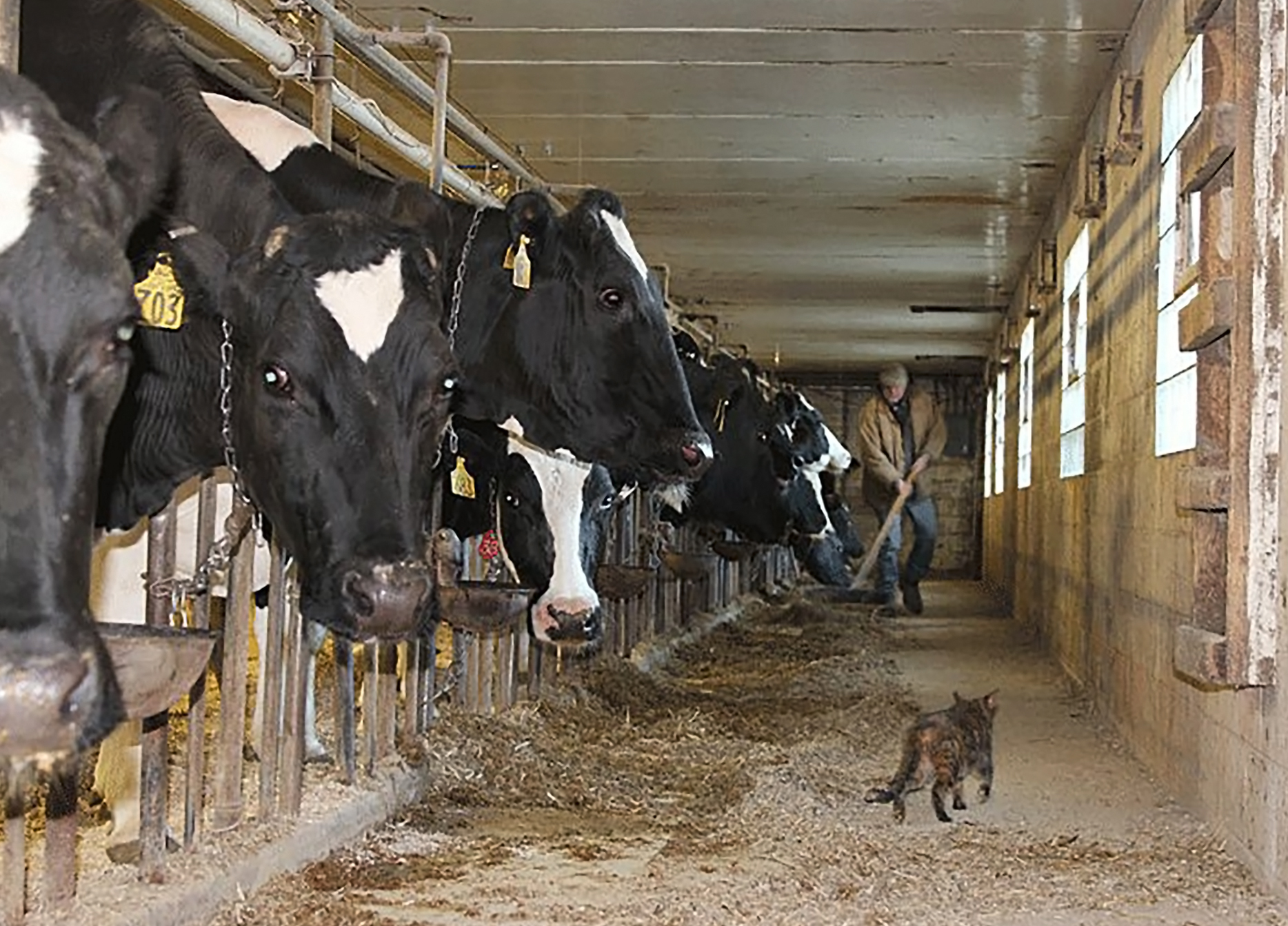
The purpose of the Federal Orders needs to be more considerate of the long term. It should not be declaring the winners and losers, but instead provide a level playing field where the real costs of transportation are factored into the value of local milk to local markets.

The large and powerful market movers take over the grid and push regional suppliers — mainly small businesses that are central to their own communities — to the side. These entities bring milk into the community and then drain local dollars out of the community.

As a result, small dairy businesses are going out of business at an alarming rate. Independent dairy farmers, small and mid-sized, as well as small cooperatives, are getting notices that they are being dropped by local bottlers in my home state of Pennsylvania and north into New York and in Ohio. Young Plain-Sect farmers are finding out in the Southeast they can’t just start milking cows like their fathers did before them. There is no market, they are told, even though the Southeast is a milk deficit area. The Northeast is as well.

The small regional bottlers are being squeezed by the large national co-ops who own or control the balancing assets (through both ownership and contracts) within the Northeast, and Southeast.

So, when milk from members of the national Big-Business co-op is produced in the rapid (double-digit) growth areas of Michigan and Texas, for example, that milk takes precedence at the national co-op-owned and controlled balancing assets in the Northeast and Southeast — effectively pushing the local small business independent shippers and small regional co-ops out of the bottling plants and into situations where they don’t have a market for their milk.

The Walmartization of food retailing has infiltrated its way to the farm-level because local small businesses have limited access to the dairy product processing plants where they once sold extra loads at a discount in order to balance the fluctuations of the fluid milk market. The set make allowance that is built into the manufacturing class milk prices also encourages large single-product plants versus a market-savvy and nimble processing class that makes for the market.

In Pennsylvania, some bottlers are working together with local food banks to balance the ups and downs of the fluid market so they can keep their longtime shippers instead of giving them up to the national Big-Business co-ops who in turn broker the milk back to the plants it went to in the first place.

TIE-STALL-FILE-PHOTO

What do the Federal Orders bring to this mix or — should I say — mess?

First, It is currently too easy to move milk and get paid more for moving it the farthest!

As a result, dairy manufacturing plants are being built where there are not many cows. “If you build it, they will come.” But then they will also send their milk back East to get that juicy Class I utilization to boost their blend price and keep the cost of milk down for the large new manufacturing plants.

The small businesses of the eastern region need a method by which to have the local-ness of their milk count for something in this equation!! If the government is going to be so involved, then it needs to look at the big picture.

Currently, not enough incentive is built into the FMMO structure to give local-supply-arrangements and advantage in the fresh fluid milk beverage market based on the fact that milk flows in smaller circles and does not have to move so far.

While I am not an expert on how all of the pieces of the FMMO came to be, I do know that some of the fixes have created new and worsening problems.

My ask of the USDA AMS — as a small business and as a consumer — is 3-fold:

1) Please extend the comment period to allow for more time to comment. Dairy producers are waking up to some disturbing activity in the Eastern markets. More is becoming known about the current failures of the Federal Orders to uphold their intended purpose! Dairy farms — in increments of half-dozen to a dozen at a time — are getting notices RIGHT NOW that they must find another market or sell out their cows, their investment, their vocation, their family-living, their heritage.

More and more of these producers losing their markets are the highest quality milk producers! Their only fault is they are small businesses (40 to 1000 cows) or part of a small co-op (8 to 12 producers). A large iron fist is coming down in the eastern markets and blaming the bloodbath of farms forced to shut down, dump milk, and go out of business on “too much milk” in the East.

All the while, milk from Michigan in the north and Texas in the south is displacing local eastern milk in the balancing assets of the two large national-and-centralized co-ops that work together. Members first, locals last.

2) Before considering the addition of California to the current FMMO system, please hold national hearings to first evaluate and devise a new pricing formula. Consider basing it on 2-classes of milk: fluid and manufacturing as well as component values based on an array of products — and evaluate removal of the “set” make allowance. This could facilitate competition among various entities buying milk for a variety of manufacturing uses — instead of declaring the winners and losers via set make allowances that encourage large single-product plants that are not nimble nor responsive to changing market conditions.

This could also cut down on some of the gaming we see among balancing assets and lead to more actual marketing of dairy milk products rather than large output of products the market may or may not want because the set make-allowance assures a margin where pure scale is the key to profit and efficiency.

An example of this is the difference between skim milk powder – a uniform product with a standardized protein content – vs. nonfat dry milk (on which the make allowance for powder is based) which is a lower quality product and not uniform in that the protein percentage falls into a 4-point range. If the market wants SMP for its repeatability in a recipe but the make allowance is based on NFDM, the response in a downtrending market is to make more of the latter because the margin is guaranteed by a set make allowance, which further depresses the market.

3) Re-evaluate the purpose, relationship and actual function of transportation credits, touch-base provisions, diversions and other aspects of how milk is supplied so that a premium resides wherever local milk supplies local markets and wherever the regional infrastructure of dairy farms and businesses is upheld in the movement of milk within a Federal Order. Perhaps instead of using such credits and rules to facilitate the bringing of milk from far away, the fund would be better used to get local milk to local markets.

Local small businesses are being forced out of business rapidly. The Department needs to move quickly to establish a fund where processors pay in what would have been spent to bring the distant milk so those dollars are used in the local community or within the Order to offset the balancing cost of keeping local dairy farms on the rolls.

In short, perhaps it is time to use the Federal Orders for their intended purpose and break up the centralized stranglehold of the two national Big-Business cooperatives working together (even sharing attorney and milk accountant assets) by forcing them to stop painting their milk movements with a centralized broad brush – forcing them to more aptly consider local to local, regional to regional.

It is also worth mentioning here that some shifts in the gap between the USDA “all-milk” price and the “mailbox” price released months later are becoming apparent as the national mailbox price has been higher than the all-milk price while the Southeast, Appalachia, Pennsylvania, and New York mailbox prices are falling further and further behind the all-milk price than ever before. This may have something to do with the 6% reduction in Class I utilization in the Southeast in 2014 and the 4% reduction in Class I utilization in the Northeast in 2014. The national reduction in Class I utilization is 3% by comparison.

This reflects not only the raw milk movement but also the infiltration of packaged milk coming from outside of the Northeast and Southeast milksheds directly onto the shelves of large buyers like Costco and Walmart.

On a personal note — as a former milking employee, 34-year veteran ag journalist in dairy and beef, and an eater of dairy products and drinker of dairy milk in the Northeast — I have this to say about “free markets”…

Some are calling for the abolition of the “archaic Federal Orders.” I would be on that bandwagon in a heartbeat — favoring open markets over the continued use and misuse of rules and structure to supress a region’s own supply of dairy farms, small businesses and infrastructure — if I didn’t think the Federal Orders still have a purpose of accountability and to be a running record for what is happening.

However, if the current problems are not fixed to give local milk, supplied by small businesses a fighting chance, then perhaps the FMMO system should go. We have seen the loss of too many small business in the dairy industry where nationalized Big Business processors and co-ops used FMMO rules to their advantage to take over markets. Without a change in FMMO rules, this will continue and accelerate, and we will see more losses of small dairy businesses that sustain rural communities.

If the current problems are not fixed, small businesses may find they are better off in a totally free market, unencumbered by the structure and rules that are increasingly designed by the national Big Business operators to effectively put them out of business as they increase their own centralized national footprint.

Please do not add California until after the current issues with the FMMOs are fixed to a point where local is rewarded in the formula and small business is respected. Once California is added, it will be much harder to make new changes that benefit local small businesses fighting for survival in the East. Thus, the current areas controlled by FMMOs should have a chance to improve the rules before adding the state that has wanted to be state-regulated for decades and represents almost one-fourth of the total milk production in the U.S.

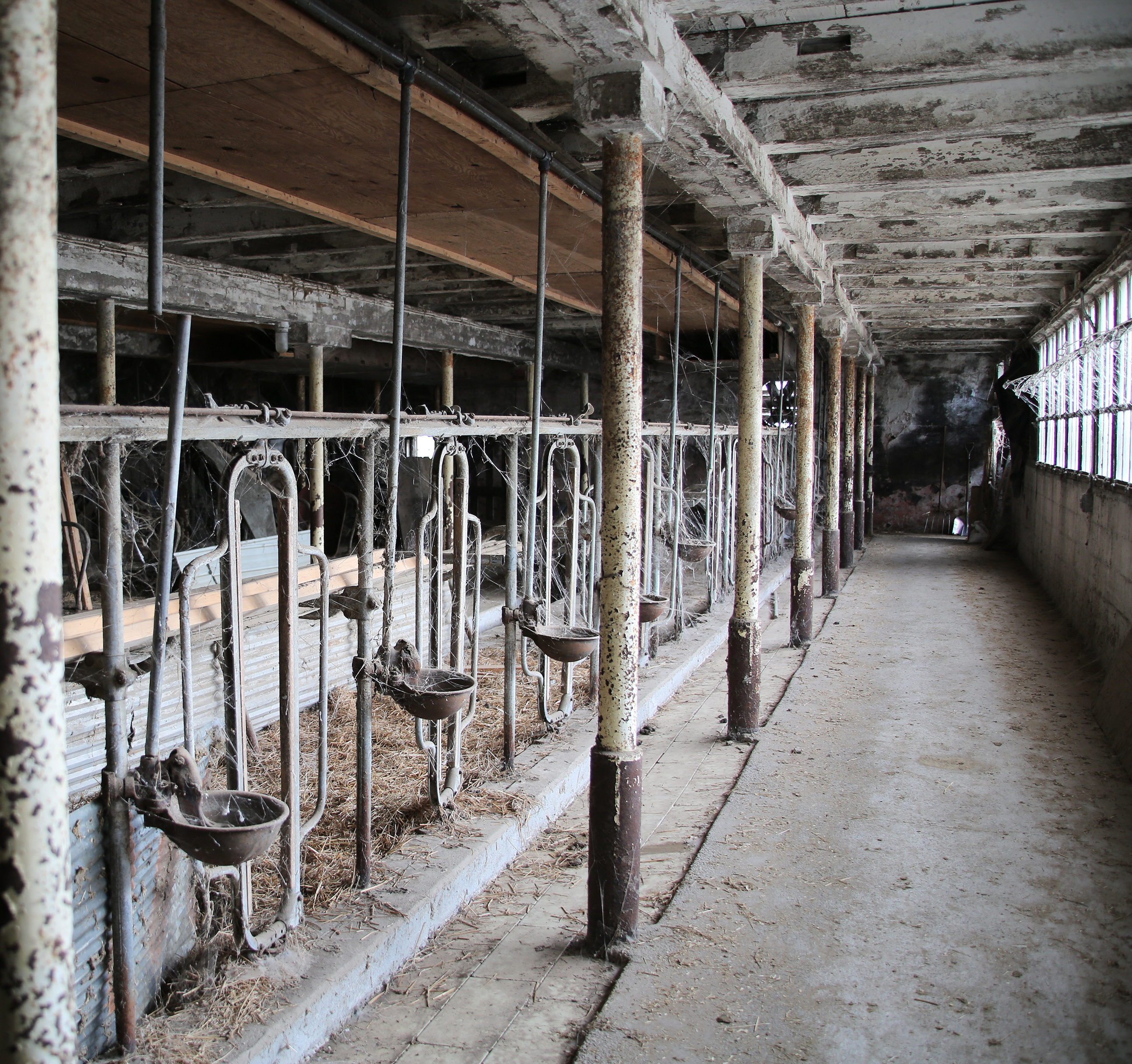
File-Photo-Abandoned-Tie-Stall

Thank you for your consideration,


Sincerely,

Sherry A. Bunting


To file your own comments with USDA, click here

Innovative milk. Innovative dairy.

By Sherry Bunting 

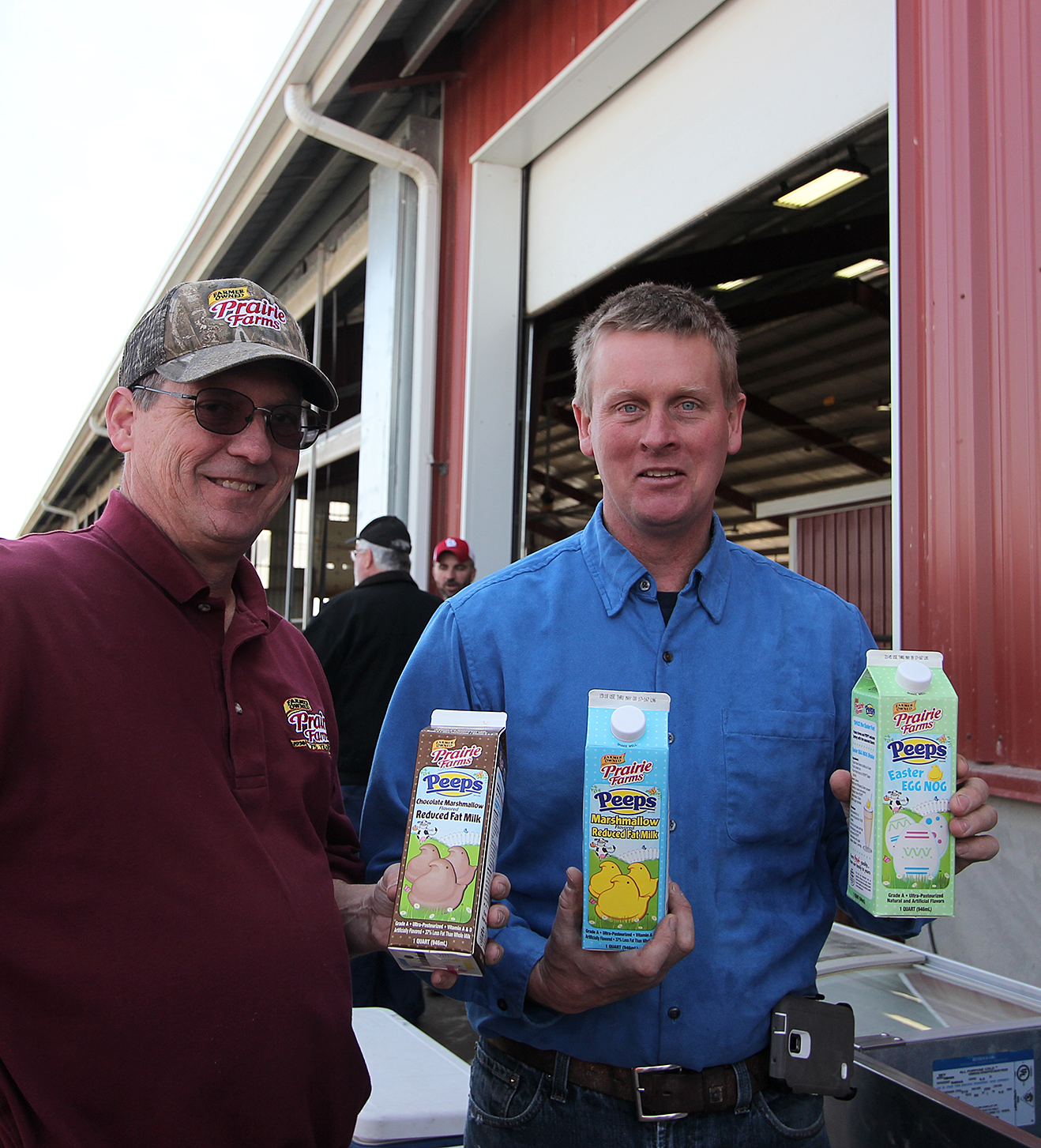
NASHVILLE, Ill — It came hopping in a month before Easter, and was more popular than Prairie Farms could have imagined. The first run sold out immediately and away they went. Sold only in quart cartons and made with 2% fat milk, the Peeps-flavored milk even has its own hashtag on Twitter: #peepsmilk! Peeps-Milk3597

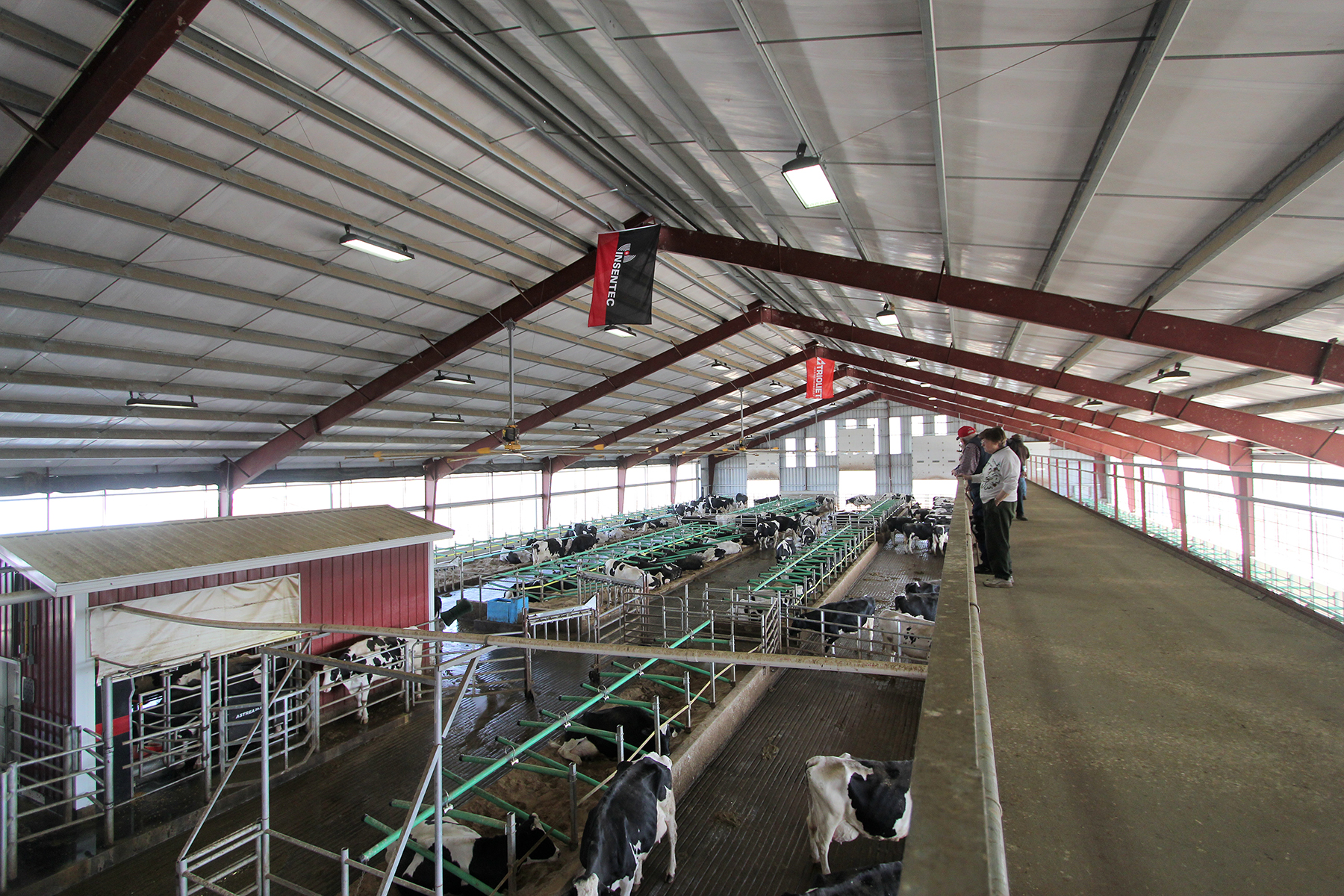
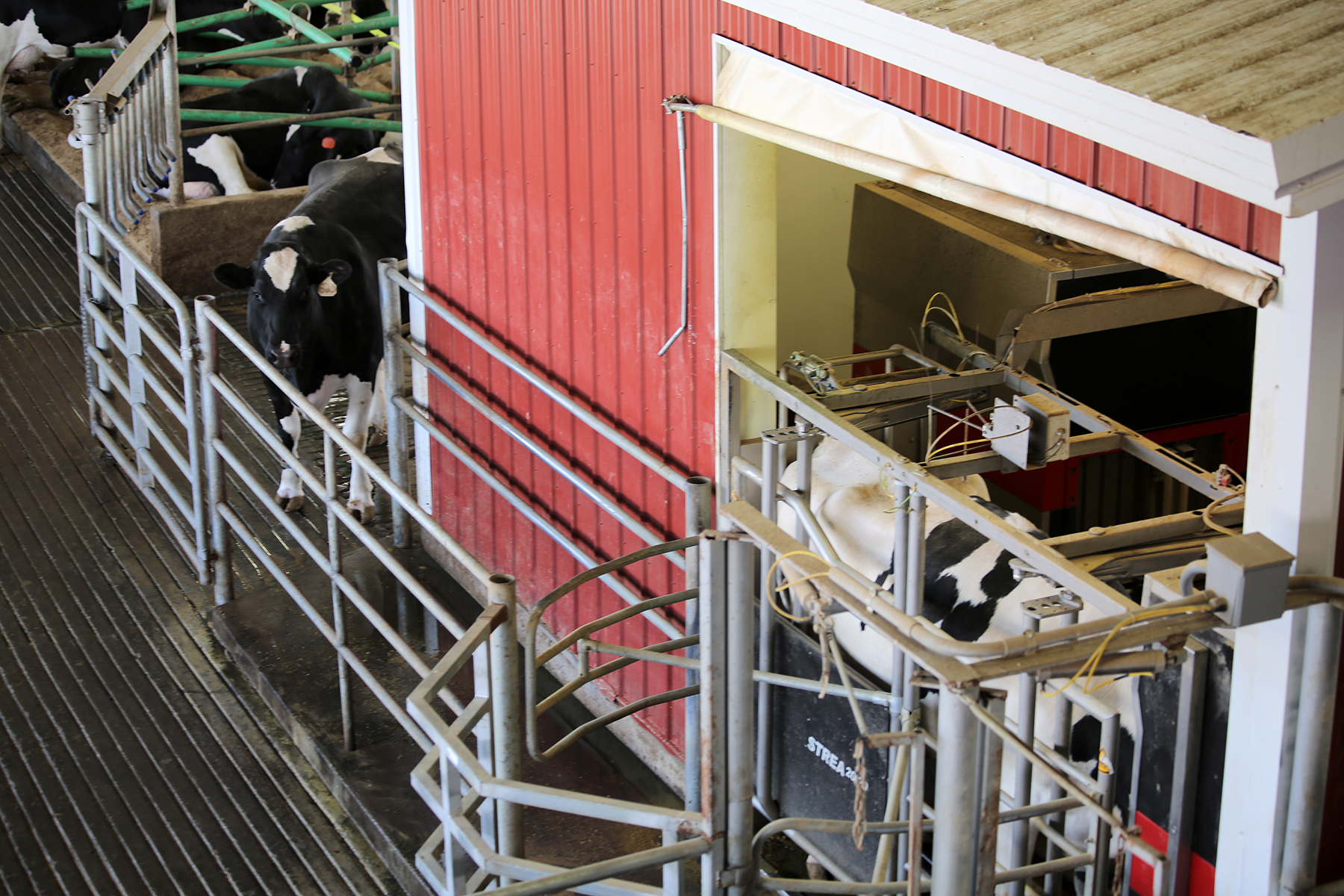
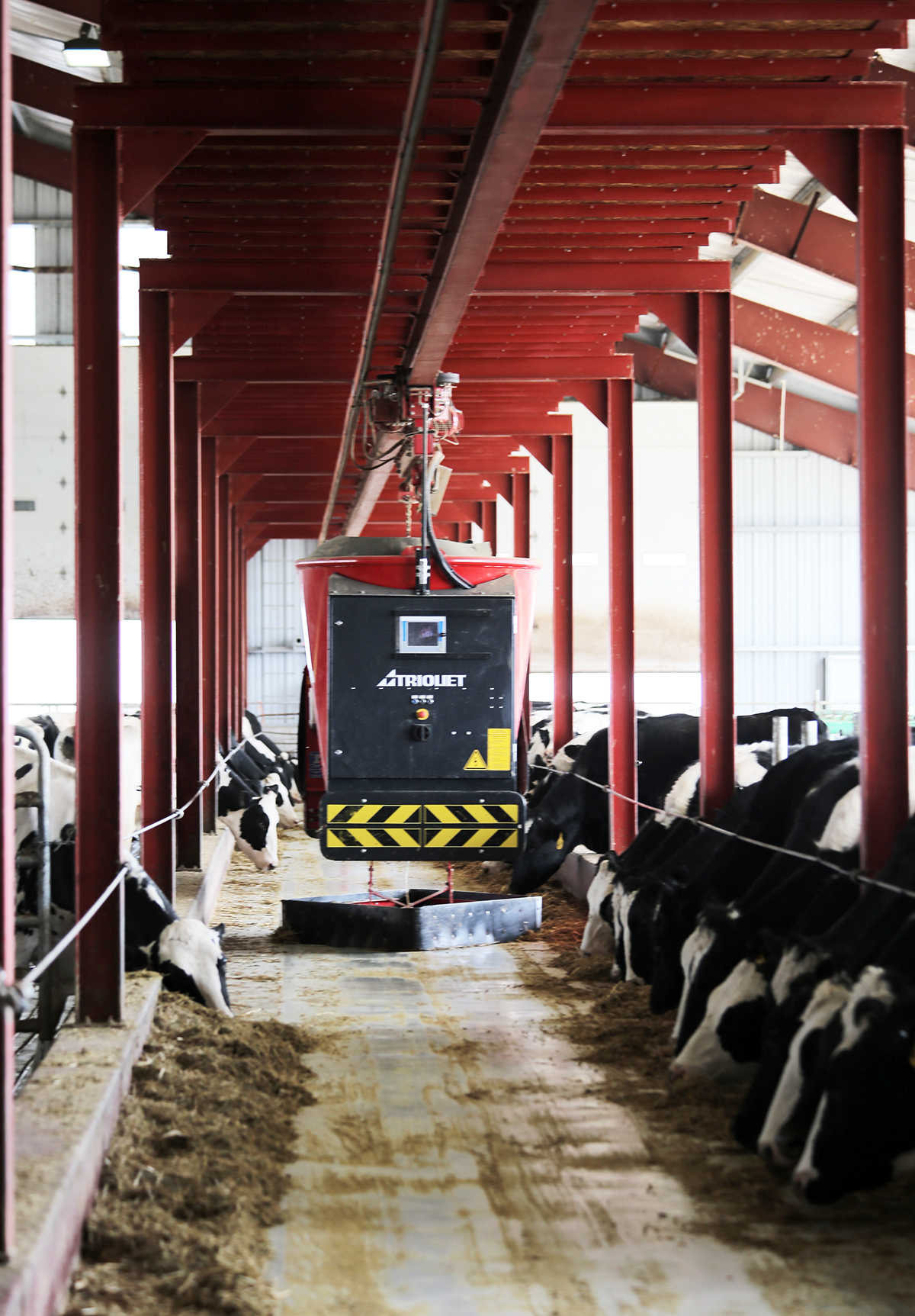
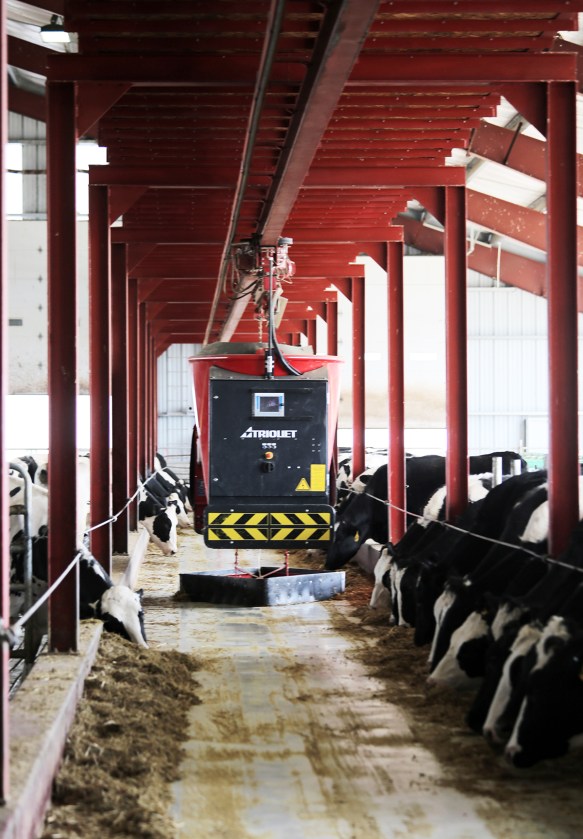
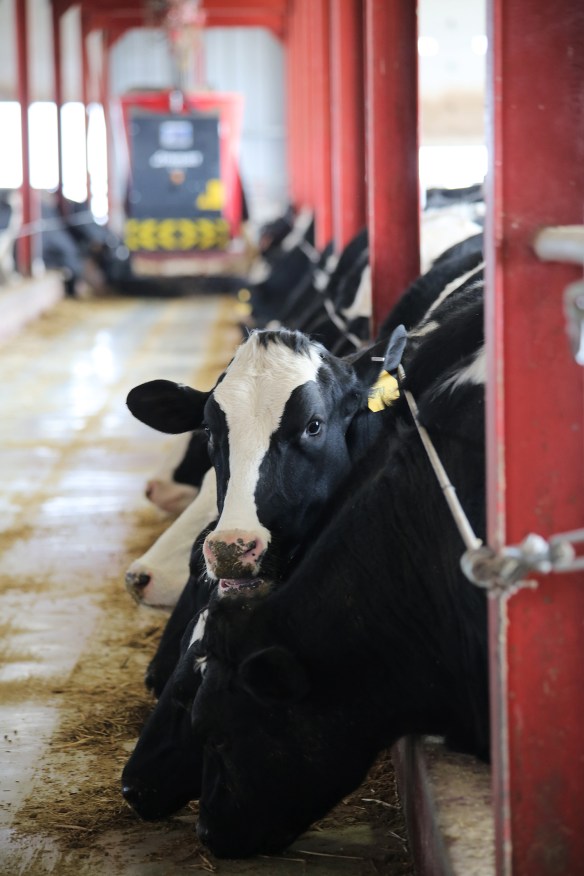
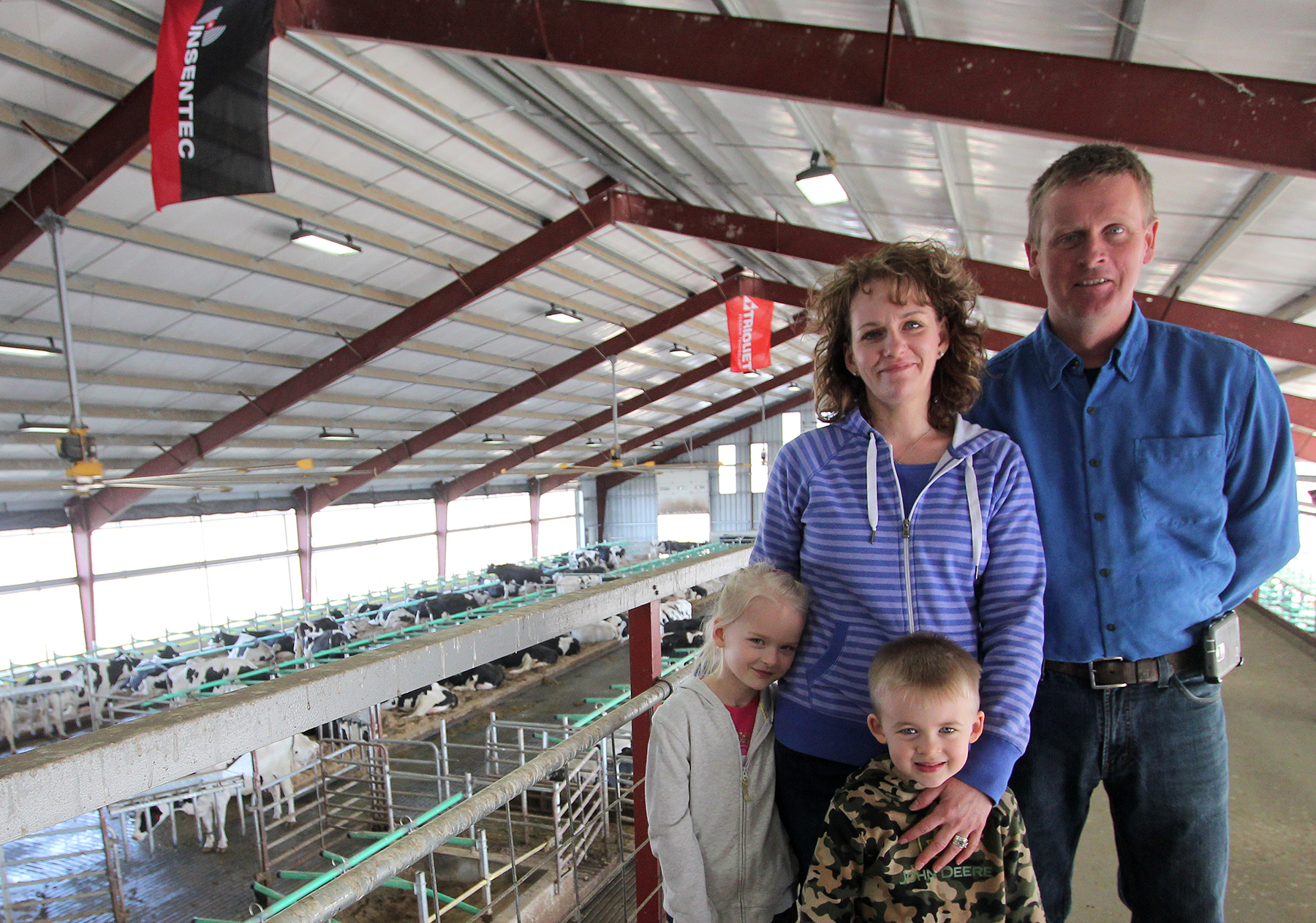
The chance for tasting came on March 21 while touring Finke Farm’s totally automated dairy — with its Galaxy Astrea 20.20 milking robot and its Trioliet automatic feeder. Craig Finke (right) ships his milk to Prairie Farms. He is pictured with Carbondale area Prairie Farms’ field rep Jim Donahue (left).

wfinke3650I gave all three flavors a thumbs up — my favorite being the actual Peeps flavored milk that tasted a bit like a sweet, but creamy, marshmallow. Chocolate marshmallow was like the ice cream by the same name, with just the right amount of sweetness for a milk. The Easter eggnog was pretty much just another chance to enjoy that super-rich beverage.

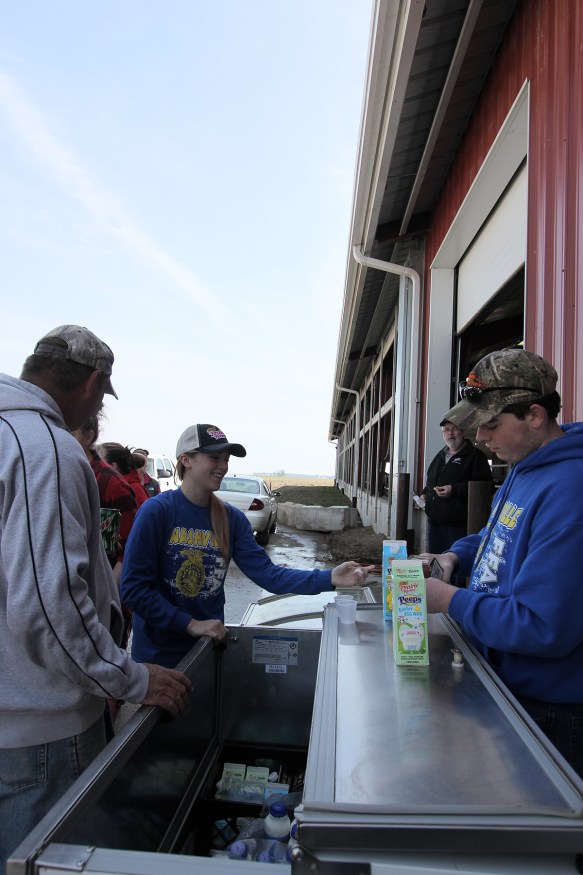
wfinke3655 Local FFA students poured samples for hundreds of open house attendees, many of whom said the flavors were more enjoyable than they had imagined.
Kudos to Farmer-owned Prairie Farms — a cooperative that covers portions of the Midwest and Midsouth — for thinking outside the box and drawing consumers to milk via flavor curiosity. The Peeps Milk is available seasonally through spring and only in the Midwest markets.

*******

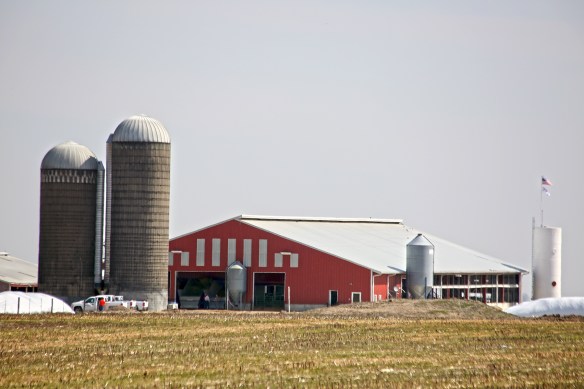
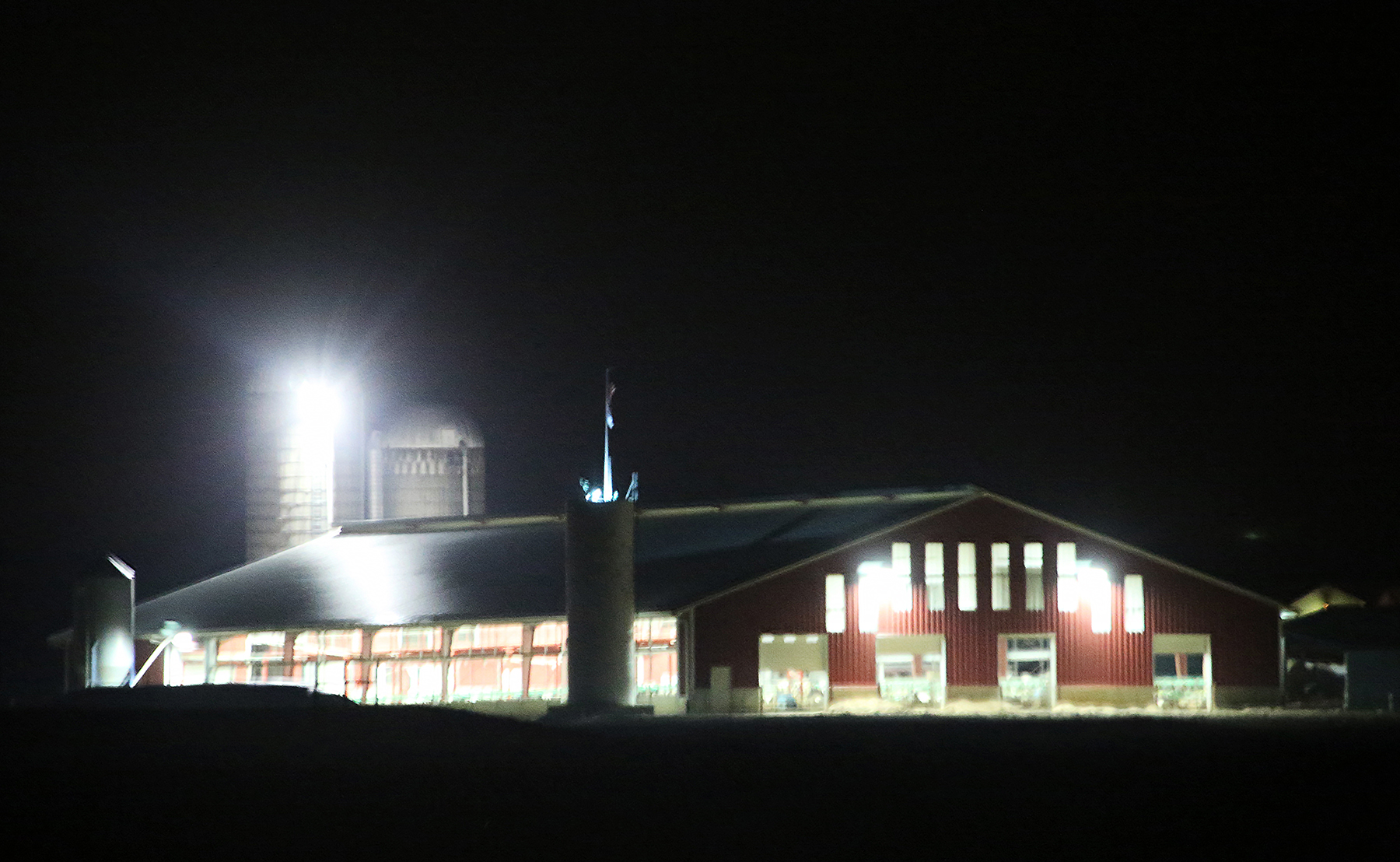
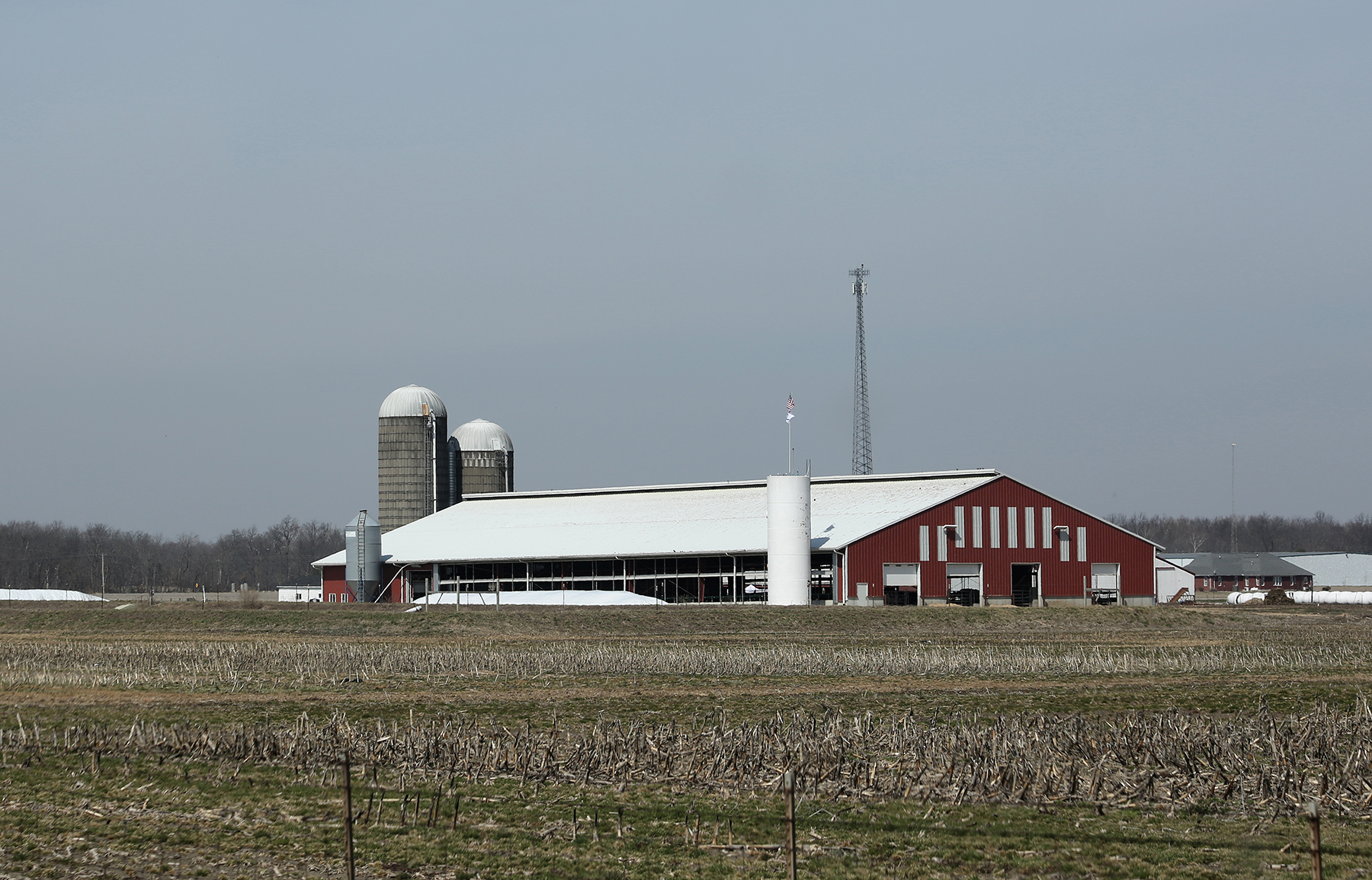
Now… about the automation at Finke Farm… FINKE FARM has been in the family at least 5 generations, with Craig and Tricia’s two children Natalie and Hayden being the sixth generation to live here. wfinke3663

Today, the dairy business complements the 1300-acre crop business as Craig is able to operate both on a skeleton crew with the automation of the milking and feeding routines. Robotic milking and feeding also free Craig from the rigid milking schedule.

wFinke9514wfinke9628   Integrated sensor technologies throughout the facility — and as part of the milking and feeding systems — provide the needed information to manage the herd. The herd expanded from 80 cows in the parlor to now 117 cows currently milked by the robot — and capacity for up to 130. Cows milk an average 2.7 times per day giving an average 85 lbs/cow/day.

The Finke herd moved into the new robot barn Nov. 18, 2013. First, Craig introduced the cows to the new barn and started up the feeding system. He walked the cows through the automatic milking system, without milking them, to get them used to the environment. A couple days later, the automatic milking system was started and has milked the herd ever since.

Before Thanksgiving 2013, a neighbor lost facilities in a devastating tornado. Craig offered his empty barn and parlor while they rebuilt. This delayed calf modernization. Calves here will eventually be group-housed with Urban CalfMom automated calf-feeders.   wfinke3606

The total project stemmed from needing to install a new manure handling system. Craig opted for a flush system, which launched the idea for a new freestall barn and feeding system. His family has worked with Unverfehrt Farm Supply for over 35 years.They introduced him to the Trioliet Triomatic Automatic Feeding System. After looking at all robotic milking systems, Craig found he liked best the Galaxy Astrea 20.20 Automatic Milking System (AMS).

wfinke9645   “Galaxy Astrea’s 1/arm, 2-box milking system made the most sense,” he said, seeing in Holland how well the Milking and Feeding Robots complement each other. “The adapting of the cows has been seamless. Surprisingly, they were not the least bit scared of the Triomatic feeder on that first night. They took right to it,” says Craig, describing the Triomatic T30 as “an extremely accurate and consistent, flexible, fully programmable twin screw mixer on a track that feeds the milk cows 7x/day, dry cows and bred heifers 4x/day and the calving pen once a day.”

The T30 mixes and delivers TMR after gathering from 4 bunkers containing corn silage, straw, alfalfa hay, corn gluten and either of 2 stainless steel mineral bins (one for milk cows and one for dry cows/bred heifers) and a bulk bin outside for the base grain ration and a programmable water station to adjust TMR dry matters.

When it comes to the milking, Craig says the Astrea 20.20 is cow- and user-friendly. wfinke9675 He notes its reliability and lower maintenance costs: “We maintain 1 robot arm, 1 camera, 1 laser, and we are spreading the lower cost milking twice as many cows with 2 boxes.”

Focused on comfort, Craig likes the air quality and openness of the Clear Span building and the comfort of the sand-bedded GreenStalls. “It’s amazing how relaxed the cows are,” he says. “They are so much calmer with the flush system because it doesn’t interrupt them doing their thing.”

As for the robots, Craig says he “absolutely loves both systems: The most important difference today is the ability to be more proactive rather than reactive. There is a plethora of information to be gleaned from Galaxy’s Saturnus software. It can tell me a potential problem exists with a cow before I am able to see it,” he says.

“With Galaxy Astrea 20.20 AMS, consistency of the milking routine is much improved. Triomatic T30 Automatic Feeding has enhanced my ability to deliver a consistent ration to the cows day after day. And the PLC-based system that operates the rest of the building’s functions (lights, fans, curtains, flush, garage doors, etc.) and the camera system allows me to respond to changing weather, low feed levels in bunkers and other situations with a click of the mouse or smartphone without having to be present on the farm,” Craig explains. “This has allowed me to be more flexible with my time.”

Moving forward… ‘We take care of their families and they take care of ours’

By Sherry Bunting, reprinted from Farmshine, November 21, 2014

NEW LONDON, Wis. — November is a many-faced month for agriculture. It’s the month we recognize women in agriculture. It’s the month we bring the sewebTank7962ason’s harvest to a close. It’s the month we are reminded to be thankful for God’s blessings.
In September, I met a truly inspirational dairywoman who is quietly and methodically moving forward in the face of difficult odds. She and her two daughters exemplify a thankful heart as they care for their cows, which in turn care for them.

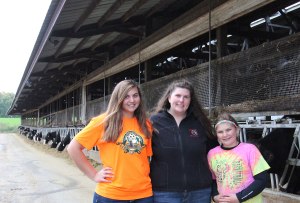
It was a downright cold, rainy central Wisconsin day as I was visiting farms ahead of the World Dairy Expo at the end of September. My lastwebTank8066 stop of the day was Milk-Flo Holsteins, New London, where Cathy Tank still does the 3 a.m. milking of her 150-cow dairy herd, and then works off the farm until supper time; so the appointed time to meet was toward evening. Her daughters were home from school and the hired man was busy pushing up feed for the cows.
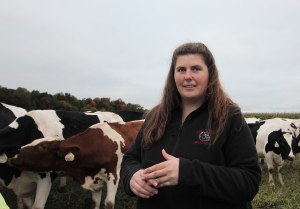
What started as a typical family farm interview, soon turned into much more. By the time I left a few hours later, it was dark and one of the two ladies employed to milk the other two of the 3x milkings had arrived as Cathy’s daughters fed the chickens befowebTank8046re heading inside to do homework.

A former dairy queen of Wayne County, Wisconsin, Cathy Tank is a woman who not only works hard, she believes in working smart and using the right tool for a job.

She and her daughters Elizabeth, 15, and Rebecca, 11, love the dairy farm they are keeping going — and progressing — after losing husband and father Bob Tank to melanoma in 2009. It has been a journey, to say the least, and Cathy is quick to point out the way communities and extended family work together during harvest and in times of need.

“That’s what makes farm folk different,” she says. “A farmer can be having the worst day, ever, and would still stop and help pull another out of the ditch.”

“I am fortunate to have good help,” she adds. Working smart, means picking the jobs she can and can’t do. While she harvests her own haylage and works the ground to get it ready for planting, Cathy uses custom manure hauling and custom choppers for the corn silage harvest.

“They can do in a few hours what would take me weeks,” she says, adding that her brother helps her do most of the planting. That is something her father, Keith Knapp, helped her with over the past few years, but this spring she lost her Dad, too, in an accident.

Getting on the tractor is therapeutic, she says matter-of-factly. “It is refreshing work, and it reminds me to be thankful. I think about all of the things my Dad taught me how to do.”

While fieldwork is refreshing, what Cathy really loves is the cows. The dairy herd was her domain until six years ago. One year before Bob’s illness, they decided she would take a job off the farm. Today, she continues onward with both the job and the farm, and she’s set some pretty high goals for her cows with the focus on paying down debt. She would like to see her cows get over that 90 lbs/cow/day mark into 100-lb territory. “That’s a hard goal,” she says. But she’s already reached a few toughies.

She started 3x milking in February, and over the past two years, she made a focused effort to reduce somatic cell counts. Today, the herd averages 87 pounds/cow/day with 3.5 fat and 3.9 protein and SCC ranging 100 to 150,000.

The herd cleared $1 million in milk sales last year, which was a goal, reached, and Cathy says she has been able to reduce the farm’s debt by almost half. The milk from Milk-Flo goes to a cheese plant, and so the premiums for reducing SCC have really helped the bottom line.

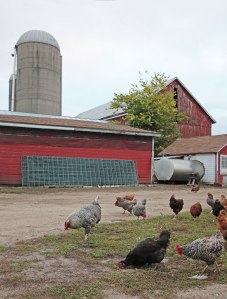
While shifting the farm from pasture-based to more conventional in order to increase production and pay down debt, Cathy muses that maybe one day in the future, it webTank8077could return to more of a pasture-based system. She has already diversified a bit, adding pastured poultry and home-raised pork, beef and chicken. She and the girls sell their eggs at a local farmers’ market. The few steers on the farm are fed refusals from the milking herd and the chickens help keep some of the lawn areas mowed.

“We do what we can to not waste anything here. We are learning how to be more self-sufficient. You learn to be resourceful when you are on your own,” she says.

“We also try to do as much as we can without antibiotics,” explains Cathy, who grew up milking cows and has an Ag Education degree from the University of Wisconsin-River Falls. “We don’t sell the milk at the farmers’ market, but people who buy our eggs know we have cows, and we get those questions. We are trying to pay attention and be more preventive in how we manage the cows, so we don’t have as much need for treatments during lactation. This approach has helped us qualify for quality premiums and have a healthier herd.”

Cows are milked in a step-up parlor and housed in an open-front barn in freestalls. The farm includes 310 acres of forages for the 150-cow milking herd and young stock. Dry cows and older heifers are on pasture.

“I like color and variety,” says Cathy about the composition of the herd today, which is mainly Holstein but includes Brown Swiss crosses, Red & Whites, Linebacks,webTank8013 and Ayrshire crosses. She has hired a breeder but picks the bulls. The two biggest things she looks at are feet-and-legs and protein.

After two years in a row of poor forage in parts of the Upper Midwest, Cathy is thankful for this year’s good hay crop and the “jumbo corn” crop yielding over 23 tons of corn silage per acre, much of which was still ‘ripening’ in the field as the calendar headed into October.

She has put some thought into positioning the farm for alternate plans should the need arise. A few years ago, she installed a scrape alley and simple manure storage for the parlor holding area. This and the open-faced barn make the property suited to substantial heifer-raising if milking cows would ever get to be too much.

Elizabeth and Rebecca are the fourth generation on the farm. Cathy explained that Bob’s family has farmed here 100 years as of 2008, which was the year before he died.

“I’m just a steward,” she said. “I’m pretty interested in staying in this industry. I can’t imagine the farm without the cows.”

While she focuses on the areas of the farm where her efforts are most productive, she still enjoys the 3 a.m. milking. “I like getting up when it’s calm and you can see the stars,” she says as she looks around at the herd, noting her oldest cow is 15 years old. “It’s a good feeling to have dams, grand-dams and daughters in the barn here. We take care of their families and they take care of ours.”webTank8005

-30-

The Indy-500 milkmen deliver ‘coolest trophy in sports’

Indy500-4078-2<

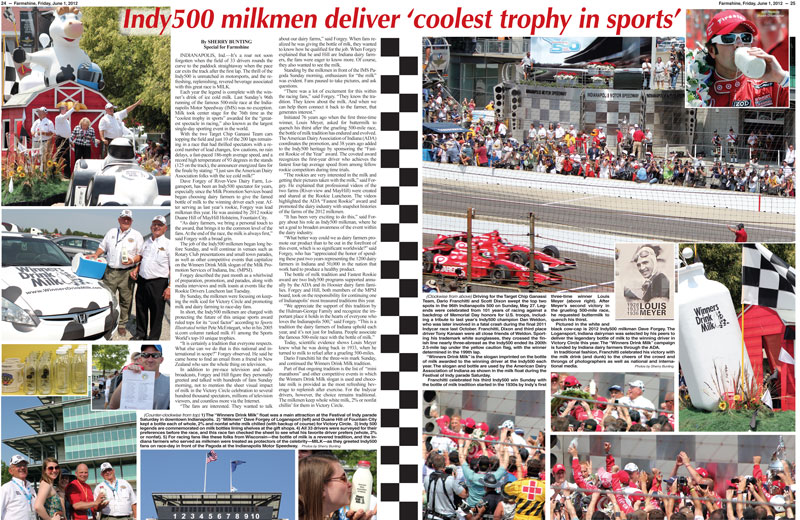
On Memorial Day weekend a year ago, I had the honor and privilege of being one of three agriculture journalists invited to cover the Indy-500 and the milkmen who present the famed glass of milk to the winner. This International motorsports tradition is also an Indiana dairy farm tradition and underpins events for dairy promotion all year. Below is the story I wrote and some of the centerfold photos from last year’s event as we look forward to tomorrow’s run!Indy-spread

By Sherry Bunting, reprinted from Farmshine, June 1, 2012
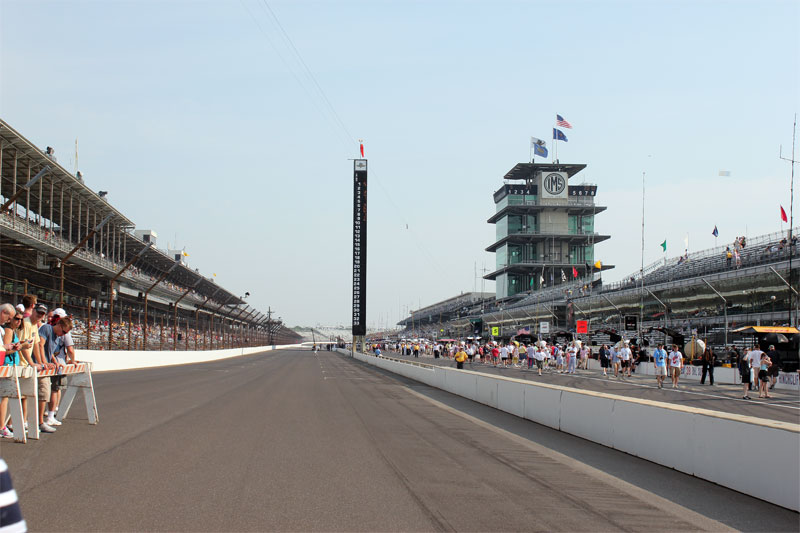
INDIANAPOLIS, Ind.–It’s a roar not soon forgotten when the field of 33 drivers rounds the curve to the paddock straightaway and the pace car exits the track. The thrill of the Indy500 is unmatched in motorsports, and the refreshing, replenishing, revered beverage associated with this great race is MILK.

Each year the legend is complete with the winner’s drink of ice cold milk. Last Sunday’s 96th running of the famous 500-mile race at the Indianapolis Motor Speedway (IMS) was no exception. Milk took center stage for the 76th time as the “coolest trophy in sports” awarded for the “greatest spectacle in racing,” also known as the largest single-day sporting event in the world.

With the two Target Chip Ganassi Team cars topping the field and just 10 of the 200 laps remaining in a race that had thrilled spectators with a record number of lead changes, few cautions, no rain delays, a fast-paced 186-mph average speed, and a record high temperature of 93 degrees in the stands (125 on the track), the announcer energized fans for the finale by stating: “I just saw the American Dairy Association folks with the ice cold milk!”

Indy5294
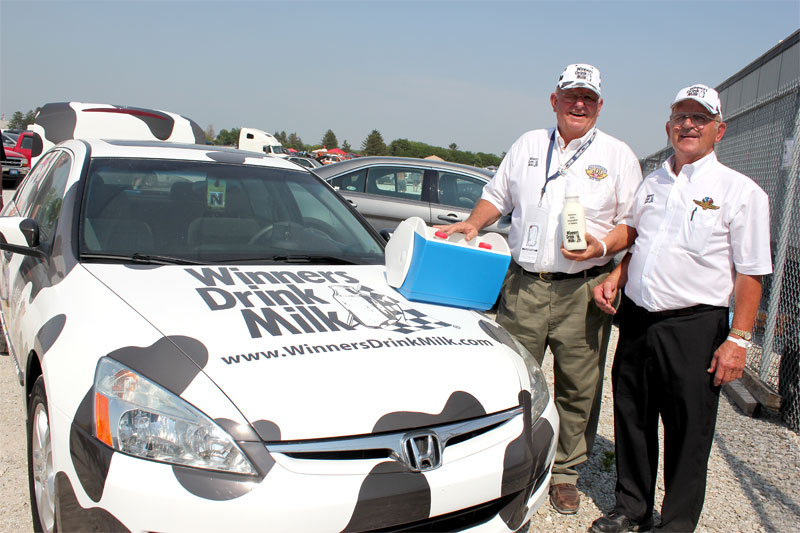
Dave Forgey of River-View Dairy Farm, Logansport, has been an Indy500 spectator for years, especially since the Milk Promotion Services board began choosing dairy farmers to give the famed bottle of milk to the winning driver each year. After serving as last year’s rookie, Forgey was lead milkman this year. He was assisted by 2012 rookie Duane Hill of MayHill Holsteins, Fountain City.

“As dairy farmers, we bring a personal touch to the award, that brings it to the common level of the fans. At the end of the race, the milk is always first,” said Forgey with a broad grin.

The job of the Indy500 milkmen began long before Sunday, and will continue in venues such as Rotary Club presentations and small town parades, as well as other competitive events that capitalize on the Winners Drink Milk slogan of the Milk Promotion Services of Indiana, Inc. (MPSI).

Forgey described the past month as a whirlwind of preparation, promotion, and parades, along with media interviews and milk toasts at events like the Rookie Drivers Luncheon last Tuesday.

By Sunday, the milkmen were focusing on keeping the milk iced for Victory Circle and promoting milk and dairy farming to race-day fans.

In short, the Indy500 milkmen are charged with protecting the future of this unique sports award ruled tops for its “cool factor” according to Sports Illustrated writer Pete McEntegart, who in his 2005 si.com column ranked milk #1 among the Sports World’s top-10 unique trophies.

“It is certainly a tradition that everyone respects. What else can we do that is this national and international in scope?” Forgey observed. He said he came home to find an email from a friend in New Zealand who saw the whole thing on television.

In addition to pre-race television and radio broadcasts, Forgey and Hill figure they personally greeted and talked with hundreds of fans Sunday morning, not to mention the sheer visual impact of milk in the Victory Circle celebration to several hundred thousand spectators, millions of television viewers, and countless more via the Internet.

“The fans are interested. They wanted to talk about our dairy farms,” said Forgey. When fans realized he was giving the bottle of mlk, they wanted to know how he qualified for the job. When Forgey explained that he and Hill are Indiana dairy farmers, the fans were eager to know more. Of course, they also wanted to see the milk.
Standing by the milkmen in front of the IMS Pagoda Sunday morning, enthusiasm for “the milk” was evident. Fans paused to take pictures, and ask questions.

“There was a lot of excitement for this within the racing fans,” said Forgey. “They know the tradition. They know about the milk. And when we can help them connect it back to the farmer, that generates interest.”

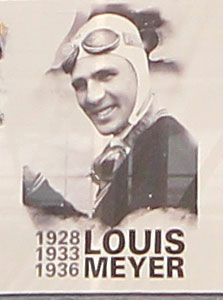
Initiated 76 years ago when the first three-time winner, Louis Meyer, asked for buttermilk to quench his thirst after the grueling 500-mile race, the bottle of milk tradition has endured and evolved. The American Dairy Association of Indiana (ADA) coordinates the promotion, and 38 years ago added to the Indy500 heritage by sponsoring the “Fastest Rookie of the Year” award. The coveted award recognizes the first-year driver who achieves the fastest four-lap average speed from among fellow rookie competitors during time trials.
Indy500-4137

“The rookies are very interested in the milk and getting their pictures taken with the milk,” said Forgey. He explained that professional videos of the two farms (River-view and MayHill) were created and shared at the Rookie Luncheon. The videos highlighted the ADA “Fastest Rookie” award and promoted the dairy industry with snapshot histories of the farms of the 2012 milkmen.

“It has been very exciting to do this,” said Forgey about his role as Indy500 milkman, where he set a goal to broaden awareness of the event within the dairy industry.

“What better way could we as dairy farmers promote our product than to be out in the forefront of this event, which is so significant worldwide?” said Forgey, who has “appreciated the honor of spending these past two years representing the 1200 dairy farmers in Indiana and 50,000 in the nation that work hard to produce a healthy product.

The bottle of milk tradition and Fastest Rookie award are two Indy500 programs supported annually by the ADA and its Hoosier dairy farm families. Forgey and Hill, both members of the MPSI board, took on the responsibility for continuing one of Indianapolis’ most treasured traditions this year.

“We appreciate the support of this tradition by the Hulman-George Family and recognize the important place it holds in the hearts of everyone who loves the Indianapolis 500,” said Forgey. “This is a tradition the dairy farmers of Indiana uphold each year, and it’s not just for Indiana. People associate the famous 500-mile race with the bottle of milk.”

Today, scientific evidence shows Louis Meyer knew what he was doing back in 1933, when he turned to milk to refuel after a grueling 500-miles.

Dario Franchitti hit the three-win mark Sunday, and continued the Winners Drink Milk tradition.
Indy500-5261-2

Part of that ongoing tradition is the list of “mini marathons” and other competitive events in which the Winners Drink Milk slogan is used and chocolate milk is provided as the most refreshing beverage to replenish after exercise. For the Indycar drivers, however, the choice remains traditional. The milkmen keep whole white milk, 2% or nonfat chillin’ for them in Victory Circle.
Indy054809

Indy4071
CAPTION INFORMATION:
Driving for the Target Chip Ganassi Team, Dario Franchitti and Scott Dixon swept the top two spots in the 96th Indianapolis 500 on Sunday, May 27. Legends were celebrated from 101 years of racing against a backdrop of Memorial Day honors for U.S. troops, including a tribute to last year’s Indy500 champion Dan Weldon, who was later involved in a fatal crash during the final 2011 Indycar race last October. Franchitti, Dixon and third place driver Tony Kanaan were all close friends of Weldon. Sporting his trademark white sunglasses, they crossed the finish line nearly three-abreast as the Indy500 ended its 200th 2.5-mile lap under the yellow caution flag, with the winner determined in the 199th lap.

“Winners Drink Milk” is the slogan imprinted on the bottle of milk awarded to the winning driver at the Indy500 each year. The slogan and bottle are used by the American Dairy Association of Indiana as shown in the milk float during the Festival of Indy parade Saturday.

Franchitti celebrated his third Indy500 win Sunday with the bottle of milk tradition started in the 1930s by Indy’s first three-time winner Louis Meyer (above right). After Meyer’s second victory in the grueling 500-mile race, he requested buttermilk to quench his thirst.

Pictured in the white and black cow-cap is 2012 Indy500 milkman Dave Forgey. The Logansport, Indiana dairyman was selected by his peers to deliver the legendary bottle of milk to the winning driver in Victory Circle this year. The “Winners Drink Milk” campaign is funded by Indiana dairy farmers through the ADA.

In traditional fashion, Franchitti celebrated his victory with the milk drink (and dunk) to the cheers of the crowd and throngs of photographers as well as national and international media.

Indy5221

Indy500-5275

Indy4201
MORE CAPTION INFORMATION:
The “Winners Drink Milk” float was a main attraction at the Festival of Indy parade Saturday in downtown Indianapolis.
“Milkmen” Dave Forgey of Logansport (left) and Duane Hill of Fountain City kept a bottle each of whole, 2% and nonfat white milk chilled (with backup of course) for Victory Circle.
Indy 500 legends are commemorated on milk bottles lining shelves at the gift shops.
All 33 drivers were surveyed for their preferences before the race, and this race fan checked the sheet to see what his favorite driver prefers (whole, 2% or nonfat).
For racing fans like these folks from Wisconsin-the bottle of milk is a revered tradition, and the Indiana farmers who served as milkmen were treated as protectors of the celebrity-MILK-as they greeted Indy500 fans on race-day in front of the Pagoda at the Indianapolis Motor Speedway.

NY-FARM-TO-CITY FIRST! Telling Milk’s Story at “Just Food”

Image

My friend TAMMY GRAVES wrote the guest post for my FOODOGRAPHY blog today. It also made the cover of today’s Farmshine newspaper, telling how she and dairywomen Deb Windecker and Lorraine Lewandrowski of Herkimer County NY had the rare opportunity to present a 75-minute workshop telling milk’s story at the JUST FOOD CONFERENCE in New York City. Great Job Ladies!

NEW YORK, N.Y. – For the first time, New York State dairy farmers were on the workshop list at the Just Food Conference March 29-30 in New York City. A 75-minute presentation entitled “Introduction to the New York Milk Shed” was prepared and offered by Herkimer County dairy farmers Lorraine Lewandrowski and Deb Windecker of Newport and Schuyler, respectively. Tammy Graves, a dairy farmer advocate from Otsego County also contributed by explaining the mutually dependent relationship between consumers and dairy farmers.

“We provided faces and stories about our milk for attendees. Many more conversations still need to occur, but it was a huge step in bridging the gap,” Deb Windecker reported. “So many people think there are antibiotics in our milk. We are pleased to report that we dispelled that myth by explaining the penalties and protocols that are in place at the farm, at the processing plant, and with our regulators, to ensure that never occurs.”

The presentation provided answers in four parts: 1) Where is dairy farming in New York State? 2) Why should you care about a Milk Shed and/or dairy farmers? 3) What does a dairy farmer do?  4) Why should you eat real dairy products?

Our message was “Milk is clean and safe. Milk is water. Milk means healthy cows. Milk is Local. Milk is a life’s work.”

Part One of the workshop for Just Food consumer advocates summarized the facts and included a visual overview of the NY Milk Shed: 5100 dairy farms, 610,000 cows, 113-cow average herd size. A pictorial tour of the milk regions (Lower Hudson, Upper Hudson, North Country, Mohawk Valley and Western New York) was the background for discussion. The discussion included a look at the diversity among NY dairy farms in terms of cow breeds, farm size by acreage, herd sizes and strengths and prominent resources by region.

Part Two illustrated the long-standing connection New York City has had with dairy farmers, highlighting the 1939 milk strike. As a result of the milk strike, then NYC Mayor Laguardia was an advocate and influencer for achieving adequate farm milk pricing at that time. Cheese pack boats, milk trains and today’s tractor trailers carrying 150,000 glasses of milk were mentioned. 

Additionally, Lewandrowski emphasized why the average New Yorker should be concerned about the state’s dairy farms.  A series of photos accompanied her points regarding economic development, food security, open space, watershed protection, floodplains, biodiversity, rural tradition, and the diversity of people working in New York’s dairy industry.

Part Three of the presentation evoked the most questions from attendees as it gave a micro-view of the cycle involving a dairy cow, a dairy farmer and soil. Growing seasons, equipment costs, feed storage were discussed, in addition to milking procedures and newborn calf care. 

Part Four explained that buying real dairy products translates to eating food that most closely mirrors the clean and safe milk that dairy farmers put into the milk truck. Attendees were very appreciative to learn that not all brands or types of cheese and Greek yogurt are created equal. 

“The experience provided us with invaluable insight to perspectives and beliefs of individuals that are keen on food topics,” the presenters reflected after the event. New York City residents who attended left with a better understanding.  One member of the audience approached the presenters about the possibility of chartering a bus to bring New York City food and farm-interested people to visit dairy farms upstate and to spend a day at the Fair.

Sweet Beginnings

Image

I had this idea many months ago to start a blog about the people, places an issues relating to the food we eat, and since I’ve spent my life as an ag journalist and avid photographer, the name of my blog is “foodography.”

I had the idea, the name, the framework, but it seems I’ve been too busy to jumpstart it. Today, I’ve been prodded to do my first post because of the confusion I see lately about milk. So I’m kicking off my foodographic blog with an opportunity to shed light on some of the controversey about a dairy / sweetener petition that has been talked about in social media and mainstream media the past few weeks.

Below are my dozen points of light… Please read and then use the link at the end to go to the FDA website to read the petition and to tell FDA what you think about non-caloric sweeteners in flavored dairy products and while you are at it, ask FDA to talk to USDA about its school lunch rules. Chocolate milk – and whole milk for that matter – is not the cause of childhood obesity.

1) I am an advocate for real foods, whole foods. The less artificial, the better, in my opinion. But I am also a busy mom who raised three kids and worked full time. I know what it’s like to be going 100 directions and still strive to put a healthy meal on the table. Today, I have grandchildren. I care what they eat and drink. Whole milk is, was, and forever shall be a staple in our house, period.

2) THE MOST IMPORTANT TAKE-HOME POINT: ***Dairy farmers work very hard 24/7/365 to ensure they are producing wholesome high quality milk, but by the time it reaches the store or the school cafeteria, the lowfat and nonfat varieties are not the flavorful creamy product that came from the cow! Farmers I talk to are frustrated by this and they are frustrated even further when they see headlines about the mere suggestion that certain sweeteners with a bad reputation could be put into their product, even though said non-calorie sweeteners would only relate to flavorings like chocolate, strawberry or fruit, and not to the milk itself! I don’t blame them for being mad. They want to sell unfooled-around-with milk, the best kind of course!

3) I do not approve of using aspartame in drinks intended for children. However, I would allow my kids (grandkids) to use stevia. Both stevia and the maligned aspartame are considered non-nutritive (which means no-calorie) sweetener alternatives to traditional caloric or nutritive sweeteners called sugar and high fructose corn syrup.

4) Current FDA standards of identity for milk and certain other dairy products do not allow the use of non-nutritive (no-calorie) sweeteners and this includes the flavorings that are added to make variations of these products (i.e. chocolate milk, which to me is no different than a marinated steak vs. a plain steak. One is pure from the animal and the other has a recipe of flavoring added!)

5) Most consumers – and even pediatricians – do not realize that whole milk is less than 4% fat to begin with. People think it’s 10%, even doctors are so misinformed.

6) Furthermore, the USDA school lunch program forces schools to reduce the lunch fat percentage to the equivalent of a heart patient’s diet so the milk that is offered is nonfat or 1% in order to meet the total lunch requirement. This is by REGULATION, even though current studies show kids who drink whole milk are leaner and that whole milk is better for the brain.

7) Because nonfat white milk is essentially tasteless, kids opt for the chocolate nonfat in the school lunch line. Now we have another wrinkle in the milk story: Starting in 2013, the USDA school lunch program is mandating reductions in sugar content of school lunches, so schools are forced to give up flavored milk if they can’t make their menus work. The full impact of this rule is YET TO COME.

8) #7 above is essentially one of the reasons the 2009 petition filed by IDFA and NMPF on non-nutritive sweeteners was revived four years later in 2013 and why FDA is now looking at it. It’s because the sugar rules will affect FLAVORED yogurt and FLAVORED milk servings in the school lunch program. Furthermore, older adults may want to limit their sugar intake and yet they may love a strawberry or chocolate milk. They can buy a flavoring at the store that is made with a non-nutritive sweetener and add it to their real milk at home, and that’s okay, but a bottler can’t do that right now and still call it “milk.” They have to change the name to chocolate or strawberry “milkshake” or “drink” or find a different name. Or in the case of a flavored yogurt sweetened with non-nutritive (no calorie) alternative they have to call it something else, like “smoothie”. 

9) In the case of the flavored milk beverage, this failure to observe standard of identity on the flavoring not the actual milk, puts the beverage in another “class” other than “class 1” for the purpose of milk pricing back to the farm.

10) The root problem is that whole-fat milk gets an unfair bad rap and should be promoted for its health benefits and surprising lack of fat less than 4%. The industry needs to stand firm and battle the increasing levels of misinformation. Chocolate milk sweetened with sugar or high fructose corn syrup gets a bad rap also, and should be touted for its perfect carb/protein ratio. The industry is doing that through promotion, but it needs to do more.

11) Sadly, the USDA school lunch regulators don’t care about the truth. They don’t care about whole foods or real foods. They are numbers people, bean counters, who want to see menus that add, subtract and multiply to the right mathematical answer! Meanwhile, Milk bottlers and dairy foods makers are trying to deal with these realities and to compete with other beverages and look-alikes that don’t have these standard-of-identity restrictions. For that matter, if milk has a standard-of-identity, how can crushed almond or soybean juice be called ‘milk’? But that’s another blog post!

12) For sure, Chocolate milk is not the cause of childhood obesity in this country. For that matter, kids could drink whole chocolate milk til the cows come home and it’s not the cause of childhood obesity. But, by the same token, the controversial sweetener petition is not affecting milk or yogurt or sour cream or any of the 17 products itself. It is specifically directed to the “use of any safe and suitable sweetener in the optional characterizing flavoring ingredients period.

13) This sweetener argument is sort of like arguing about what can be put in a marinade for a london broil if you want to call it beef at the grocery store. (i.e. London broil = real and pure beef) and the ingredients in a marinated London broil (beef plus whatever is in the marinade).  I read the label for those too, don’t you?

14) Read the petition here: http://www.regulations.gov/#!documentDetail;D=FDA-2009-P-0147-0012

15) Tell FDA what you think here: http://www.regulations.gov/#!submitComment;D=FDA-2009-P-0147-0012