Unknown's avatar

About Agmoos

I am a journalist writing primarily about agriculture for various newspapers over the past 30 years...and before that, I milked cows and tended calves and heifers. I am also a mother and grandmother with three grown children: A teacher, restaurateur and homemaker. Our two sons and one daughter all like to cook and they are food conscious... not paranoid. My "foodographic" Agmoos blog is a place to find stories and photos of the people and places behind the food we eat and for commentary and analysis on food, farm and marketing issues facing producers and consumers.

Are we moving toward cow islands and milk deserts?

Opinion/Analysis

By Sherry Bunting, Farmshine (combined 2 part series Aug. 12 and 19, 2022)
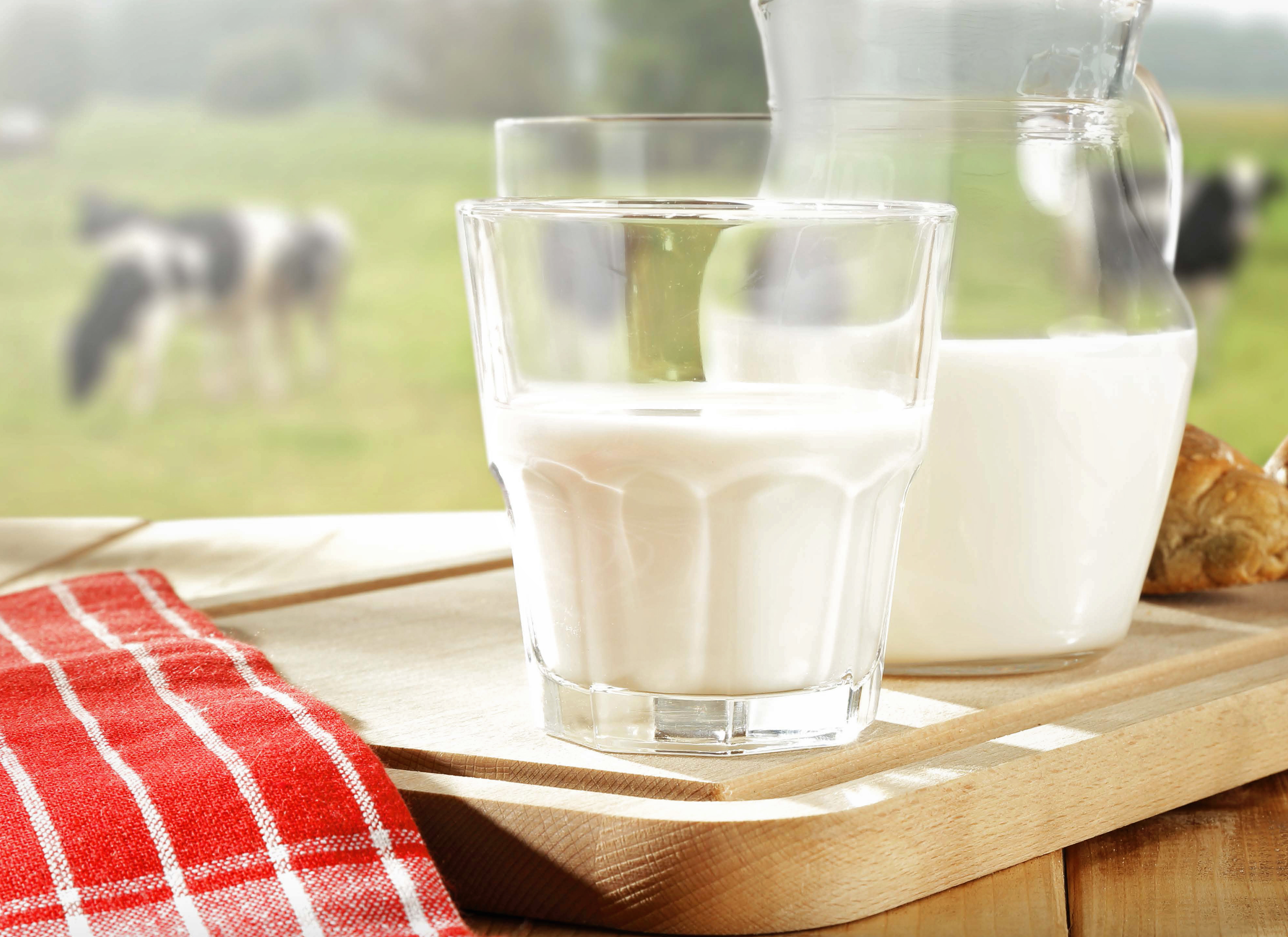
In Class I utilization markets, the landscape is rapidly shifting, and we should pay attention, lest we end up with ‘cow islands’ and ‘milk deserts.’

Farmshine readers may recall in November 2019, I wrote in the Market Moos column about comments made Nov. 5 by Randy Mooney, chairman of both the DFA and NMPF boards during the annual convention in New Orleans of National Milk Producers Federation together with the two checkoff boards — National Dairy Board and United Dairy Industry Association. 

Mooney gave a glimpse of the future in his speech that was podcast. (Listen here at 13:37 minutes). He said he had been “looking at a map,” seeing “plants on top of plants,” and he urged the dairy industry to “collectively consolidate,” to target limited resources “toward those plants that are capable of making the new and innovative products.”

One week later, Dean Foods (Southern Foods Group LLC) filed for bankruptcy as talks between Dean and DFA about a DFA purchase were already underway. It was the first domino right on the heels of Mooney’s comments, followed by Borden filing Chapter 11 two months later in January, and followed by three-years of fresh fluid milk plant closings and changes in ownership against the backdrop of declining fluid milk sales and an influx of new dairy-based beverage innovations, ultrafiltered and shelf-stable milk, as well as lookalike alternatives and blends.

The map today looks a lot different from the one described by Mooney in November 2019 when he urged the industry to “collectively consolidate.” The simultaneous investments in extended shelf-life (ESL) and aseptic packaging are also a sign of the direction of ‘innovation’ Mooney may have been referring to.

Two months prior to Mooney issuing that challenge, I was covering a September 2019 industry meeting in Harrisburg, Pennsylvania, where dairy checkoff presenters made it clear that the emphasis of the future is on launching innovative new beverages and dairy-‘based’ products.

Here is an excerpt from my opinion/analysis of the discussion at that time:

“While we are told that consumers are ditching the gallon jug (although it is still by far the largest sector of sales), and we are told consumers are looking for these new products; at the same time, we are also told that it is the dairy checkoff’s innovation and revitalization strategy to ‘work with industry partners to move consumers away from the habit of reaching for the jug and toward looking for these new and innovative products’ that checkoff dollars are launching.”

These strategy revelations foreshadowed where the fluid milk markets appear to be heading today, and this is also obvious from recent Farmshine articles showing the shifting landscape in cow, farm, and milk production numbers.

When viewing the picture of the map that is emerging, big questions come to mind:

Are today’s Class I milk markets under threat of becoming ‘milk deserts’ as the dairy industry consolidates into ‘cow islands’?

Would dairy farmers benefit from less regulation of Class I pricing in the future so producers outside of the “collectively consolidating” major-player-complex are freer to seek strategies and alliances of their own, to carve out market spaces with consumers desiring and rediscovering fresh and local, to put their checkoff dollars toward promotion that helps their farms remain viable and keeps their regions from becoming milk deserts? 

What role is the industry’s Net Zero Initiative playing behind the scenes, the monitoring, scoring, tracking of carbon, the way energy intensity may be viewed for transportation and refrigeration and other factors in Scope 1, 2 and 3 ESG (Environment, Social, Governance) scores? 

Shelf-stable milk may provide solutions for some emerging (or are they self-inflicted?) milk access and distribution dilemmas, and maybe one view of ESG scoring favors it? But ultimately it also means milk can come from cow islands to milk deserts — from anywhere, to anywhere.

It also becomes clearer why the whole milk bill is having so much trouble moving forward. The industry machine gives lip-service support to the notion of whole milk in schools, but the reality is, the industry is chasing other lanes on this highway to ‘improve’ the school milk ‘experience’ and ensure milk ‘access’ through innovations that at the same time pave the road from the ‘cow islands’ to the ‘milk deserts.’ 

It is now clearer — to me — why the Class I mover formula is such a hotly debated topic. 

If major industry-driving consolidators are looking to transition away from turning over cow to consumer fresh, local/regional milk supplies by turning toward beverage stockpiles that can sit in a warehouse ‘Coca-Cola-style’ at ambient temperatures for six to 12 months, it’s no wonder the consolidators want the ‘higher of’ formula to stay buried. What a subversion that was in the 2018 Farm Bill.

In fact, if the industry is pursuing a transition from fresh, fluid milk to a more emphasis on shelf-stable aseptic milk, such a transition would, in effect, turn the federal milk marketing orders’ purpose and structure — that is tied to Class I fresh fluid milk — completely upside down.

Landscape change has been in motion for years, but let’s look at the past 6 years — Dean had already closed multiple plants and cut producers in the face of Walmart opening it’s own milk bottling plant in Spring 2018. The Class I ‘mover’ formula for pricing fluid milk — the only milk class required to participate in Federal Milk Marketing Orders — was changed in the 2018 Farm Bill that went into effect Sept. 2018. The new Class I mover formula was implemented by USDA in May 2019, resulting in net losses to dairy farmers on their payments for Class I of well over $750 million across 43 months since then.

(Side note: Under the formula change, $436 million of Class I value stayed in processor pockets from May 2019 through October 2019, alone. DFA purchased 44 Dean Foods plants in May 2019 and became by far the largest Class I processor at that time.)

These and other landscape changes were already in motion when Mooney spoke on Nov. 5, 2019 at the convention of NMPF, NDB and UDIA describing the milk map and seeing plants on top of plants and issuing the challenge to “collectively consolidate” to target resources to those plants that can make the innovative new products. 

One week later, Nov. 12, 2019, Dean Foods filed for bankruptcy protection to reorganize and sell assets (mainly to DFA).

Since 2019, this and other major changes have occurred as consolidation of Class I milk markets tightens substantially around high population swaths, leaving in wake the new concerns about milk access that spur the movement toward ESL and aseptic milk. A chain reaction.

What does Mooney’s map look like today after his 2019 call for “collective consolidation” and the targeting of investments to plants that can make the innovative products, the plants that DMI fluid milk revitalization head Paul Ziemnisky told farmers in a 2021 conference call were going to need to be “dual-purpose” — taking in all sorts of ingredients, making all sorts of beverages and products, blending, ultrafiltering, and, we see it now, aseptically packaging?

In addition to the base of Class I processing it already owned a decade ago, the string of DFA mergers has been massive. The most recent acquisitions, along with exits by competitors, essentially funnel even more of the market around key population centers to DFA with its collective consolidation strategy and investments in ESL and aseptic packaging.
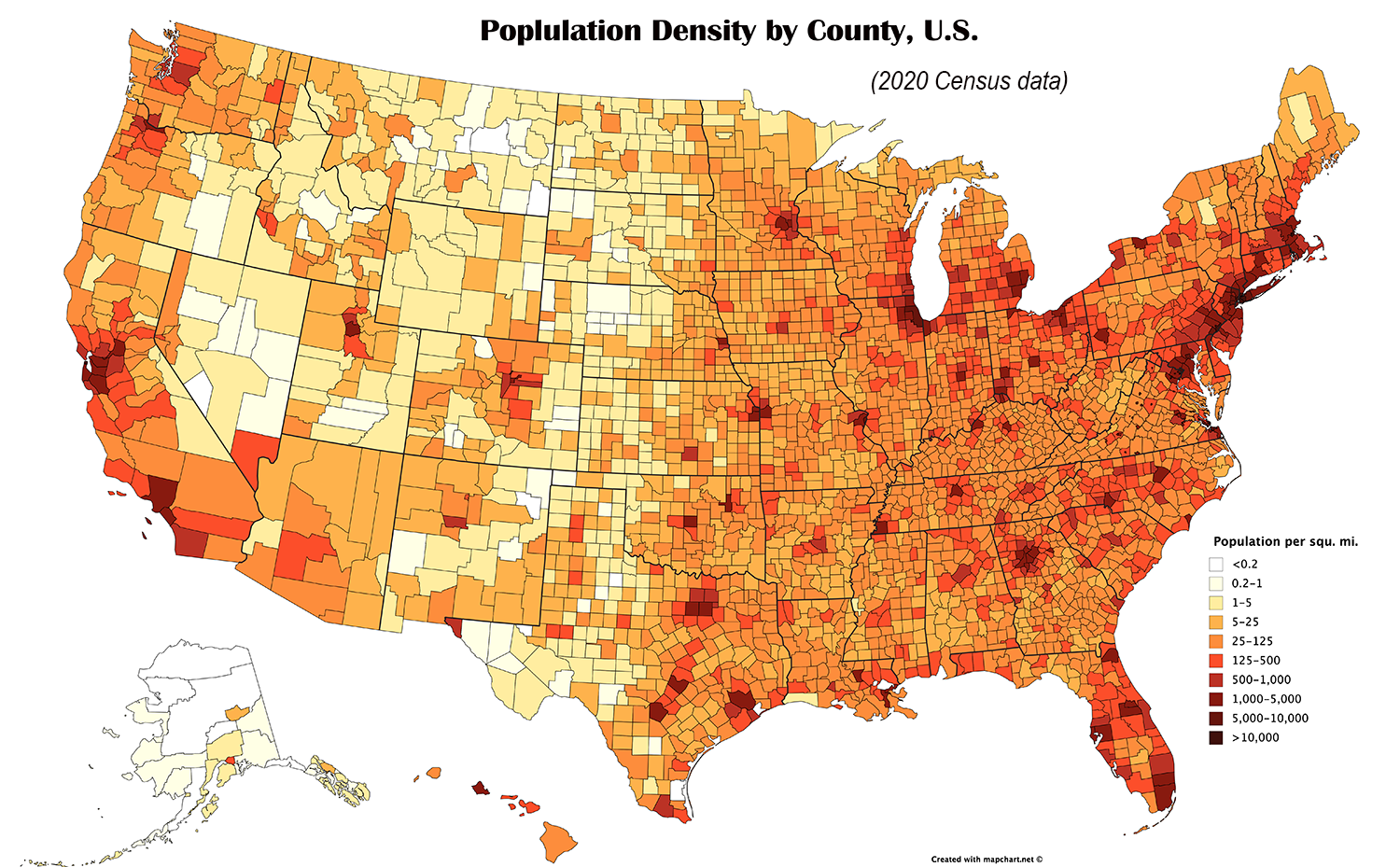
The South —

The 14 Southeast states (Maryland to Florida and west to Arkansas) have 29% of the U.S. population. If you include Texas and Missouri crossover milk flows, we are talking about 37% of the U.S. population. 

The major players in the greater Southeast fluid milk market include DFA enlarged by its Dean purchases, Kroger supplied by Select and DFA, Prairie Farms with its own plants, DFA and Prairie Farms with joint ownership of Hiland Dairy plants, Publix supermarkets with its own plants, an uncertain future for four remaining Borden plants in the region as Borden has exited even the retail market in some of these states, and a handful of other fluid milk processors. 

In Texas, alone, DFA now owns or jointly owns a huge swath of the fluid milk processing plants, having purchased all Dean assets in the Lone Star State in the May 2020 bankruptcy sale and now positioned to gain joint ownership of all Borden Texas holdings through the announced sale to Hiland Dairy

The Midwest — 

Just looking at the greater Chicago, Milwaukee, Green Bay metropolis, the population totals are a lake-clustered 6% of U.S. population. Given the recent closure by Borden of the former Dean plants in Chemung, Illinois and De Pere, Wisconsin, this market is in flux with DFA owning various supply plants including a former Dean plant in Illinois and one in Iowa with Prairie Farms having purchased several of the Dean plants serving the region.

In the Mideast, there is Coca Cola with fairlife, Walmart and Kroger among the supermarkets with their own processing, and DFA owning two former Dean plants in Ohio, two in Indiana, two in Michigan, and a handful of other bottlers. 

In the West: DFA owns a former Dean plant in New Mexico, two in Colorado, two in Montana, one in Idaho, two in Utah, one in Nevada and one in California, as well as other plants, of course. 

The Northeast —

This brings us to the Northeast from Pennsylvania to Maine, where 18% of the U.S. population lives, and where consolidation of Class I markets, especially around the major Boston-NYC-Philadelphia metropolis have consolidated rapidly against the backdrop of declining fluid milk sales and a big push by non-dairy alternative beverage launches from former and current dairy processors.

DFA owns two former Dean plants in Massachusetts, one in New York, all four in Pennsylvania, one in New Jersey. The 2019 merger with St. Alban’s solidified additional New England fluid milk market under DFA. In 2013, DFA had purchased the Dairy Maid plant from the Rona family in Maryland; in 2014, the prominent Oakhurst plant in Maine; and in 2017, the Cumberland Dairy plant in South Jersey.

More recently, DFA struck a 2021 deal with Wakefern Foods to supply their Bowl and Basket and other milk, dairy, and non-dairy brands for the various supermarket chains and convenience stores under the Wakefern umbrella covering the greater New York City metropolis into New Jersey and eastern Pennsylvania. This milk had previously been supplied by independent farms, processed at Wakefern’s own iconic Readington Farms plant in North Jersey, which Wakefern subsequently closed in January 2022.

The long and twisted tale begs additional questions:

As Borden has dwindled in short order from 14 plants to five serving the most populous region of the U.S. – the Southland — what will happen with the remaining five plants in Ohio, Kentucky, Georgia, Louisiana, and Florida? What will become of Elsie the Cow and Borden’s iconic brands and new products?

What percentage of the “collectively consolidated” U.S. fluid milk market does DFA now completely or partially own and/or control?

Will the “collective consolidation” in the form of closures, sales and mergers continue to push shelf-stable ESL and aseptic milk into Class I retail markets and especially schools… and will consumers, especially kids, like this milk and drink it?

What role are rising energy prices, climate ESG-scoring and net-zero pledges and proclamations playing in the plant closures and shifts toward fewer school and retail milk deliveries, less refrigeration, more forward thrust for shelf-stable and lactose-free milk, as well as innovations into evermore non-dairy launches and so-called flexitarian blending and pairing?

Looking ahead at how not only governments around the world, but also corporations, creditors and investors are positioning for climate/carbon tracking, ESG scoring and the so-called Great Reset, the Net Zero economy, there’s little doubt that these factors are driving the direction of fluid milk “innovation” over the 12 years that DMI’s Innovation Center has coordinated the so-called ‘fluid milk revitalization’ initiative — at the same time developing the FARM program and the Net Zero Initiative.

The unloading of nine Borden plants in five months under Gregg Engles, the CEO of “New Borden” and former CEO of “Old Dean” is also not surprising. Engles is referred to in chronicles of dairy history not only as “the great consolidator” but also as “industry transformer.”

In addition to being CEO of Borden, Engles is chairman and managing partner of one of the two private equity investment firms that purchased the Borden assets in bankruptcy in June 2020. Investment firms fancy themselves at the forefront of ESG scoring.

Engles is also one of only two U.S. members of the Danone board of directors. Danone, owner of former Dean’s WhiteWave, including Silk plant-based and Horizon Organic milk, has positioned itself in the forefront on 2030 ESG goals, according to its 2019 ‘one planet, one health’ template that has also driven consolidation and market loss in the Northeast. 

Not only is Danone dumping clusters of its Horizon milk-supplying organic family dairy farms, it continues to heavily invest in non-dairy processing, branding, launching and marketing of alternative lookalike dairy products and beverages, including Next Milk, Not Milk and Wondermilk. 

There is plenty of food-for-thought to chew on here from the positives to the negatives of innovation, consolidation, and climate ESGs hitting full-throttle in tandem. These issues require forward-looking discussion so dairy farmers in areas with substantial reliance on Class I fluid milk sales can navigate the road ahead and examine all lanes on this highway that appears to be leading to cow islands and milk deserts.

-30-

More Borden plants close under ‘great consolidator’ Gregg Engles

Checkoff cites ‘uncontrollable circumstances’  bringing shelf-stable milk to schools

With an uncertain future for five remaining Borden plants after five plant closures, one partial closure (Class I) and three sell-offs since April, what does the future hold for fluid milk markets in the South and the iconic Elsie? Screen capture, bordendairy.com

By Sherry Bunting, Farmshine, Aug. 12, 2022

DALLAS, Tex. — Last week, yet another round of plant closures was announced by Borden, well-timed as a factor said to be driving shelf-stable milk into schools and other venues in affected regions like the Southeast; however, an industry “innovation” shift to the convenience, “experience ” and reduced deliveries (carbon/energy cost and intensity) said to be associated with lactose-free extended shelf-life and aseptically-packaged milk has been gradually in the making for months, if not years.

The Dallas-based Borden, owned by two private equity firms, will close fluid milk plants in Dothan, Alabama and Hattiesburg, Mississippi “no later than Sept. 30, 2022, and will no longer produce in these states,” the company said.

The Aug. 3 announcement represents Borden’s fifth and sixth plant closures in as many months.

A string of sell-offs and closings since April have occurred under “the great consolidator” — former Dean Foods CEO Gregg Engles. Engles has been CEO of ‘new Borden’ since June 2020, when his Capital Peak Partners, along with Borden bankruptcy creditor KKR & Co., together purchased substantially all assets to form New Dairy OpCo, doing business as Borden Dairy.

“While the decision was difficult, the company has determined that it could no longer support continued production at those locations,” Borden said in the Aug. 3 statement that was virtually identical to the statement released April 4 announcing previous closures of its Miami, Florida and Charleston, South Carolina plants by May 31, including a stated withdrawal from the South Carolina retail market as well.

In addition to ending fluid milk processing at six of its 14 plants — four in the Southeast, two in the Midwest — Borden announced in late June its plans to sell all Texas holdings to Hiland Dairy, including three plants in Austin, Conroe and Dallas, associated branches and other assets.

Hiland Dairy, headquartered in Kansas City, Missouri, is jointly owned by the nation’s largest milk cooperative Dairy Farmers of America (DFA), headquartered in Kansas City, Kansas, and Prairie Farms Dairy, a milk cooperative headquartered in Edwardsville, Illinois that includes the former Wisconsin-based Swiss Valley co-op.

DFA already separately owns the Borden brand license for cheese.

Also in June, Borden announced an end to fluid milk operations in Illinois and Wisconsin at two former Dean plants the company purchased jointly with Select Milk Producers in June 2021 after a U.S. District Court required DFA to divest them.

Borden closed the Harvard (Chemung Township), Illinois plant in July, and local newspaper accounts note the community is hopeful a food processing company other than dairy will purchase the FDA-approved facilities. Borden also ceased bottling at De Pere, Wisconsin on July 9, but continues to make sour cream products at that location.

The combined plant closures and sales by Borden now stand at nine of the 14 plants, leaving an uncertain future for the remaining five plants in Cleveland, Ohio; London, Kentucky; Decatur, Georgia; Lafayette, Louisiana; and Winter Haven, Florida. The sales and closures, including announced withdrawals from some markets, having combined effects of funneling more market share to DFA and to some degree Prairie Farms and others against a backdrop of additional Class I milk plant closures and reorganizations during the 24 months since assets from number one Dean and number two Borden were sold in separate bankruptcy filings.

“Borden products have a distribution area which covers a wide swath of the lower Southeast, including the Gulf’s coastal tourist areas. The Dutch Chocolate is a favorite of milk connoisseurs, and their recent introductions of flavored milks have received great reviews,” an Aug. 6 Milksheds Blog post by AgriVoice stated. A number of Georgia, Tennessee, Alabama and Mississippi farms may be affected by the most recent closures.

Meanwhile, the closures are affecting milk access for schools and at retail. According to its website, Borden serves 9,000 schools in the U.S.  

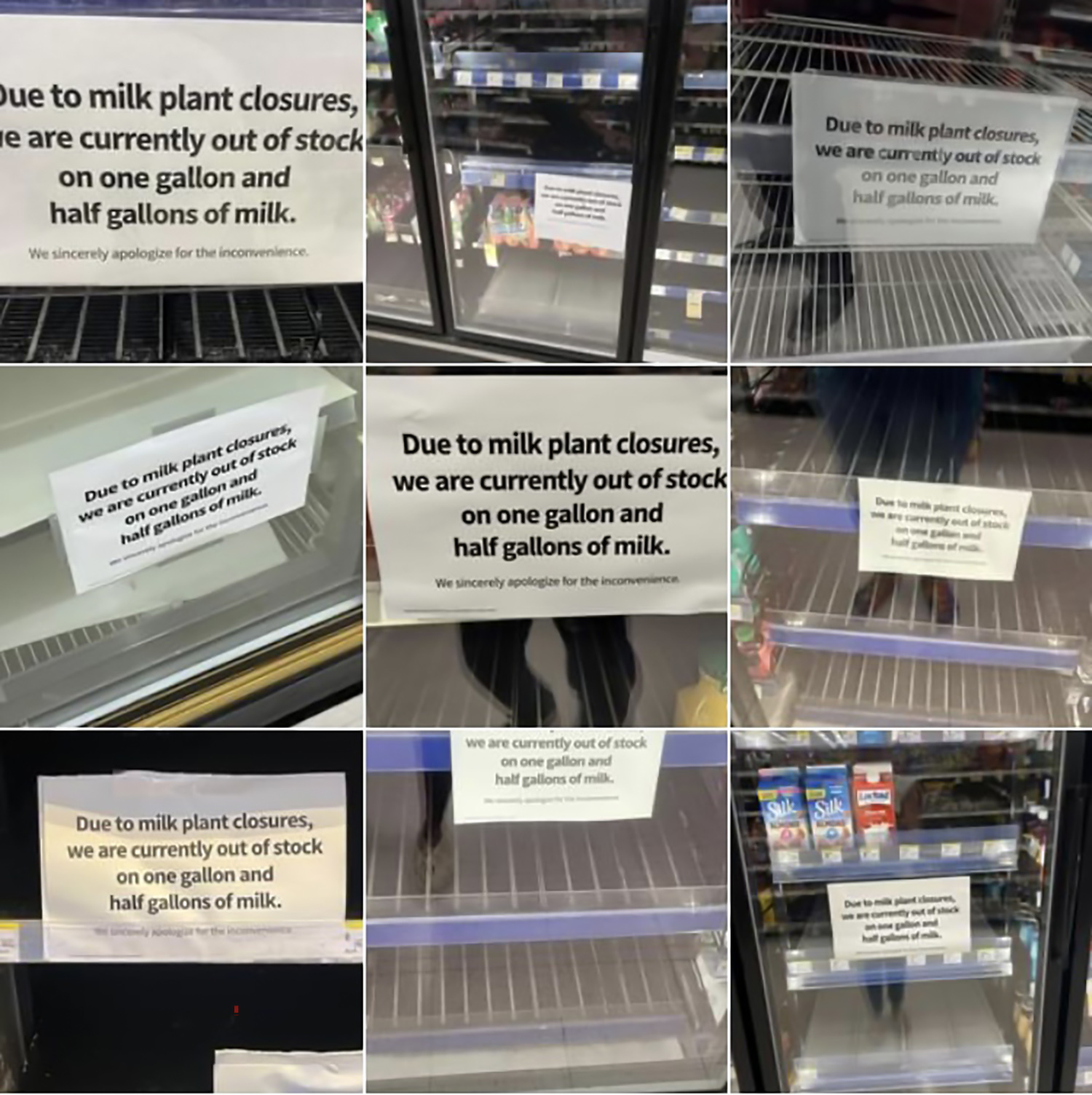
A random sampling of the many Facebook-posted photos by individuals from northern Illinois to Green Bay, Wisconsin from July 15 to the present after Borden and Select closed two former Dean plants in Illinois and Wisconsin that they jointly purchased from DFA in June 2021. Screen capture, Facebook

In recent weeks, photos have been circulating of empty dairy cases in the Green Bay, Milwaukee and greater Chicago region with signs stating: “Due to milk plant closures, we are currently out of stock on one gallon and half gallons of milk.”

School milk contracts in that region are also reportedly impacted.

However, most notable is the impact on school milk contracts in the Southeast as students begin returning to classrooms.

According to the Aug. 5 online Dairy Alliance newsletter to Southeast dairy farmers, the regional checkoff organization confirmed the latest round of Borden closures are plants that “currently provide milk to 494 school districts… and use around 95 million units a school year.”

The Dairy Alliance reported it is working with schools “to keep milk the top choice for students… We do not want schools to apply for an emergency waiver that would exempt them from USDA requirements of serving milk until they find a supplier.

“These uncontrollable circumstances will lead to more aseptic milk in the region, but this is better than losing milk completely in school districts that have little or no options,” the newsletter stated.

Southeast dairy farmers report their mailed copy of a Dairy Alliance newsletter in July had already forecast more shelf-stable milk coming to schools as part of the strategic plan to protect and grow milk sales by ensuring milk accessibility and improving the school milk experience. In addition to the Borden plant closures, the report cited school milk “hurdles” such as inadequate refrigerated space requiring multiple frequent deliveries amid rising fuel and energy costs and labor shortages.

Southeast dairy farmers were informed that the Dairy Alliance School Wellness Team was already working to mitigate bidding issues with shelf-stable milk for school districts in Alabama, Georgia, South Carolina and Virginia.

Diversified Foods Inc. (DFI), headquartered in New Orleans, was identified as the main supplier of this shelf-stable milk to schools in the region, reportedly sourcing milk through Maryland-Virginia, DFA and Borden.

In addition, DFI is a main sponsor of the Feeding America conference taking place in Philadelphia this week (Aug 9-11), where it is previewing for nutrition program attendees their new lactose-free shelf-stable chocolate milk. DFI also sponsored the School Nutrition Association national conference in Orlando earlier this summer, and social media photos of the booth show the shelf-stable, aseptically packaged versions of brands like DairyPure, TruMoo, Borden and Prairie Farms, along with DFI’s own ‘Pantry Fresh’ shelf-stable milk in supermarket and school sizes.

Coinciding with the flurry of Borden closings and shelf-stable milk hookups for schools, DFA announced last week (Aug. 1) that it will acquire two extended shelf-life (ESL) plants from the Orrville, Ohio based Smith Dairy. The SmithFoods plants will operate under DFA Dairy Brands as Richmond Beverage Solutions, Richmond, Indiana and Pacific Dairy Solutions, Pacific, Missouri. A SmithFoods statement noted the transfer would not affect the farms or employees associated with these plants.

This acquisition aligns with DFA’s similar strategy to “increase investment and expand ownership in this (shelf-stable) space… and create synergies between our other extended shelf-life and aseptic facilities,” the DFA statement noted.

-30-

Lancaster County ranked 11th as dairy industry consolidates to 54 counties shipping 50% of FMMO milk

By Sherry Bunting, Farmshine, July 2022

LENEXA, Kan. — Milk marketings through Federal Milk Marketing Orders (FMMO) accounted for 60.5% of total U.S. milk production in 2021, according to USDA FMMO statistics.

Last week, the Market Administrator for the Central FMMO 32 released its semi-annual report painting a picture of these marketings in the form of milk totals and FMMO-marketed percentages at the county-level across the U.S. — using the month of December 2021 as the “snapshot.”

Ranked 11th in the nation, Lancaster County, Pennsylvania remains the only county east of the Mississippi River that is among the top 13 counties accounting for 25% of the milk marketed through FMMOs. Seven of those top 13 counties are in California, two in Arizona, and one each in Texas, Washington and Colorado.

Of the top 54 counties accounting for 50% of the milk marketed through the FMMO system in December, Franklin County, Pennsylvania is included, along with four counties in New York (St. Lawrence, Genessee, Wyoming and Cayuga counties), four in Michigan, 12 in Wisconsin, two in Minnesota, six in Texas, four in New Mexico, two in California, and one each in Indiana, Iowa, Colorado, Kansas, Washington and Oregon.

According to the Central FMMO Market Administrator’s report, “the origin of milk marketings (through FMMOs) remains highly concentrated.”

In fact, it became more concentrated as the 54 counties that accounted for 50% of FMMO milk marketings in December 2021 was 59 counties in December 2016.

Those 54 counties represent just 3.9% of the total 1395 counties that had any FMMO milk marketings.

The report tallied more than 67 million pounds of milk marketed in the month of December 2021 by each of those 54 largest FMMO counties. By contrast, 624 of the 1395 counties marketed less than one million pounds each in December 2021.

Of the 1395 counties marketing milk through FMMOs, 57 increased their FMMO-marketed milk pounds while 1139 counties decreased in December 2021.

Twice a year, the Central FMMO 32 collects this data from all FMMOs to create these maps depicting milk production by county across the U.S. These maps illustrate the concentration of milk marketed through FMMOs within the 11 FMMOs for December 2021. 

Thus the accompanying charts and maps are monthly totals based on December 2021 FMMO milk marketings and are a ‘snapshot’ of milk production based on one month and based on milk marketed through FMMOs, not including the 39.5% of total U.S. milk production that was marketed outside of the FMMO system in 2021.

A protest everyone should care about — Dutch government: ‘Not all farmers can continue’; Dutch farmers: ‘We Stay’

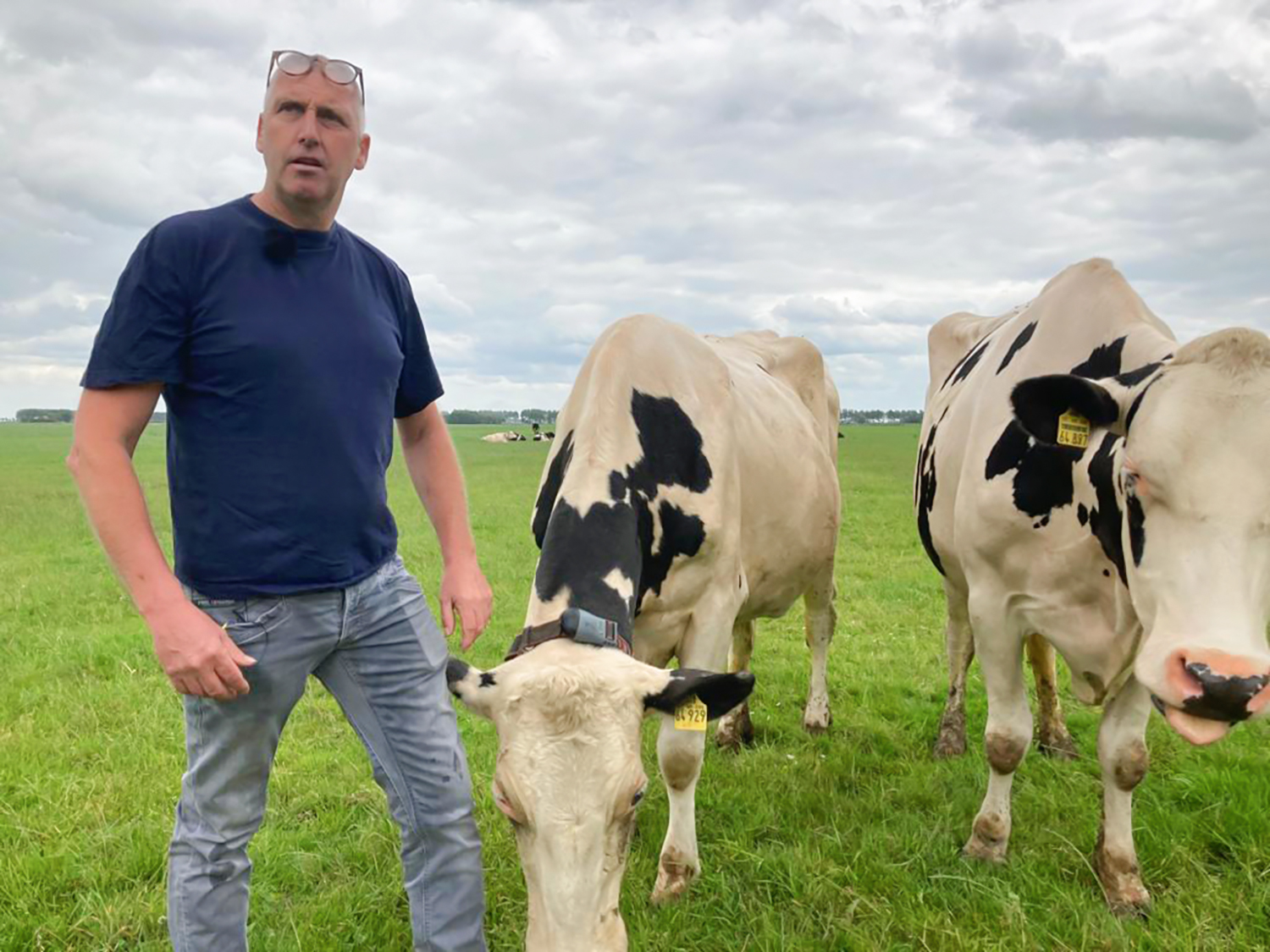
Ad Baltus milks 130 cows on roughly 170 acres in North Holland, where the government announced a new nitrogen (emissions) policy in June that has farmers rising up in protest.

By Sherry Bunting, Farmshine, July 22, 2022

SCHERMERHORN, Netherlands — “The honest message is not all farmers can continue their business.” These brutal words were part of the Dutch government’s announcement in June to cut in half the emissions of nitrous oxide and ammonia in a detailed farm nitrogen map of the Netherlands. They’ve given provincial authorities one year to figure out how they will meet their aggressive provincial targets by 2027 as depicted in mapped zones.

This means both livestock numbers and use of fertilizers will be slashed, with the most drastic reductions of 70 to 90% on farms that are close to nature areas, especially those deemed part of Natura 2000, the legally protected habitats across EU member nations.

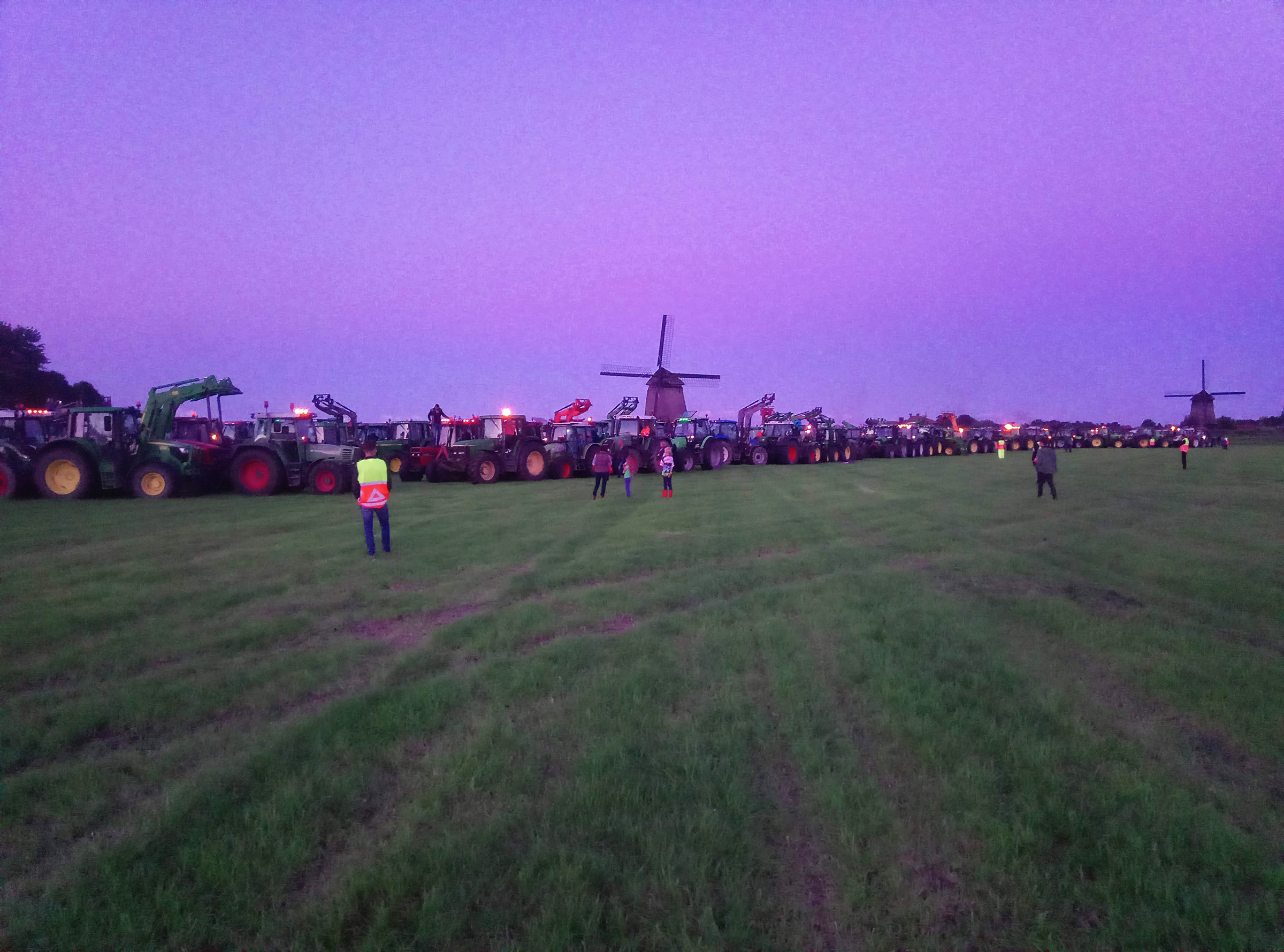
Ad Baltus is just one of the 40,000 Dutch farmers protesting the plan since mid-June with tractor formations, blockades and other activities in The Hague (capitol) and in towns and rural lands beyond. 

They are concerned for their futures, for their farms, families, communities and country. 

Baltus and his tractor have been to countless protests throughout the country, accompanied by his faithful dog Knoester. Sharing aerial photos of a formation he helped organize in his own neighborhood, he explains the hashtag in Dutch means #WeStay.

“We are letting our government know we are not going anywhere.”

A tractor-formation spelling out Dutch farmers’ message to The Hague: ‘NH #WijBlijven!’ It means “We Stay. We are not going anywhere,” says Ad Baltus, a dairy farmer who co-organized the June protest near his farm in Schermerhorn before the group traveled to Stroe the next day where an estimated 30,000 farmers protested the Dutch government’s nitrogen policy. 

Baltus farms 70 hectares (170 acres) in the North Holland village of Schermerhorn with his wife and 7-year-old daughter, milking 130 dairy cows. In summers the cows graze, and he also grows corn and collects both fresh grass and dry hay from fields.

“On our farm, we have to reduce the amount of nitrogen or sell cows. That’s a possibility. Or we have to do something with technology to reduce the nitrogen. We have been given only five years from now,” Baltus explains in a Farmshine phone interview Wednesday.

His farm is among the ‘luckier’ ones, in a zone to reduce 10 to 15%. 

No future for some

“It depends where they are situated, whether farms are near to nature terrain. Some must reduce between 50 and 70%, and some have to reduce 90%,” Baltus confirms. “In a zone between 70 and 90%, there is no possibility to have an income from your farm. That has a big impact in our farming industry.”

The calculation of nitrogen emissions is made “from what the cows produce inside the stable, and what is being produced when manure is spread over fields and then (from that calculation) is what farms have to reduce,” he says. The use of chemical fertilizers is also part of the calculation.

This is in addition to what the EU is trying to impose in the European Green Deal and Farm to Fork agenda that includes many other manure regulations.

Furthermore, every farm in the Netherlands must have a permit and every farm animal on that farm must be accounted for on that permit, including the horses.

The Dutch government backed up the nitrogen policy with an additional 24.3 billion euro ($25 billion USD) for the transition. 

One Dutch news source says the environmental planning agency is recommending payment of 130% of the land and asset value of farmers who stop farming, while other sources point out the base valuation will plummet where the ability to earn income on the assets is now virtually eliminated.

Expecting 30% to sell

By the government’s own estimates, 30% of farmers are expected to sell out or cease livestock and dairy operations, but others see a greater loss coming. Farmers who retire by selling to the government do make space for other farms in their zones to continue with slightly smaller reductions.

For perspective, the Netherlands encompasses a land base a bit larger than the state of Maryland, with 54% of this land reported as agricultural land. There are more than 17 million people with around 40,000 farmers, 3.8 million total cattle, including 1.5 million dairy cows, 11.4 million pigs, 850,000 sheep, 480,000 dairy goats and just about 100 million chickens.

In touting the plan, officials point to the country’s dense population of livestock and its ability to produce more food than is needed within its borders, suggesting that farm exits are not a food security concern. The Netherlands ranks second in the world in agricultural exports worth 94.5 billion euro ($96.8 billion USD) in 2019.

Dutch farmers, however, see this as short-sighted at a time when the Russian invasion of Ukraine and other global disruptions are putting pressure on global food supplies. They are vowing to continue their protests. 

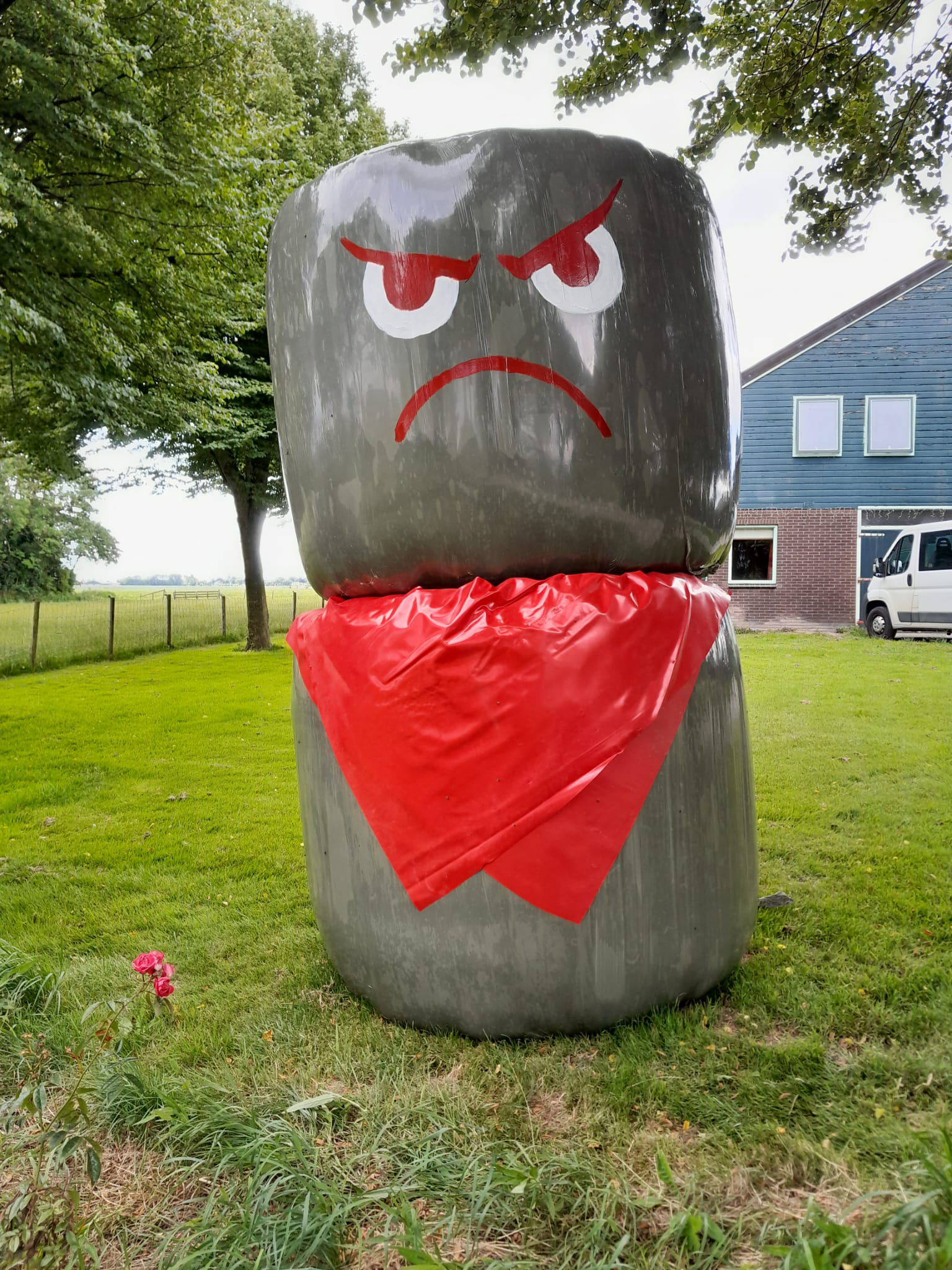
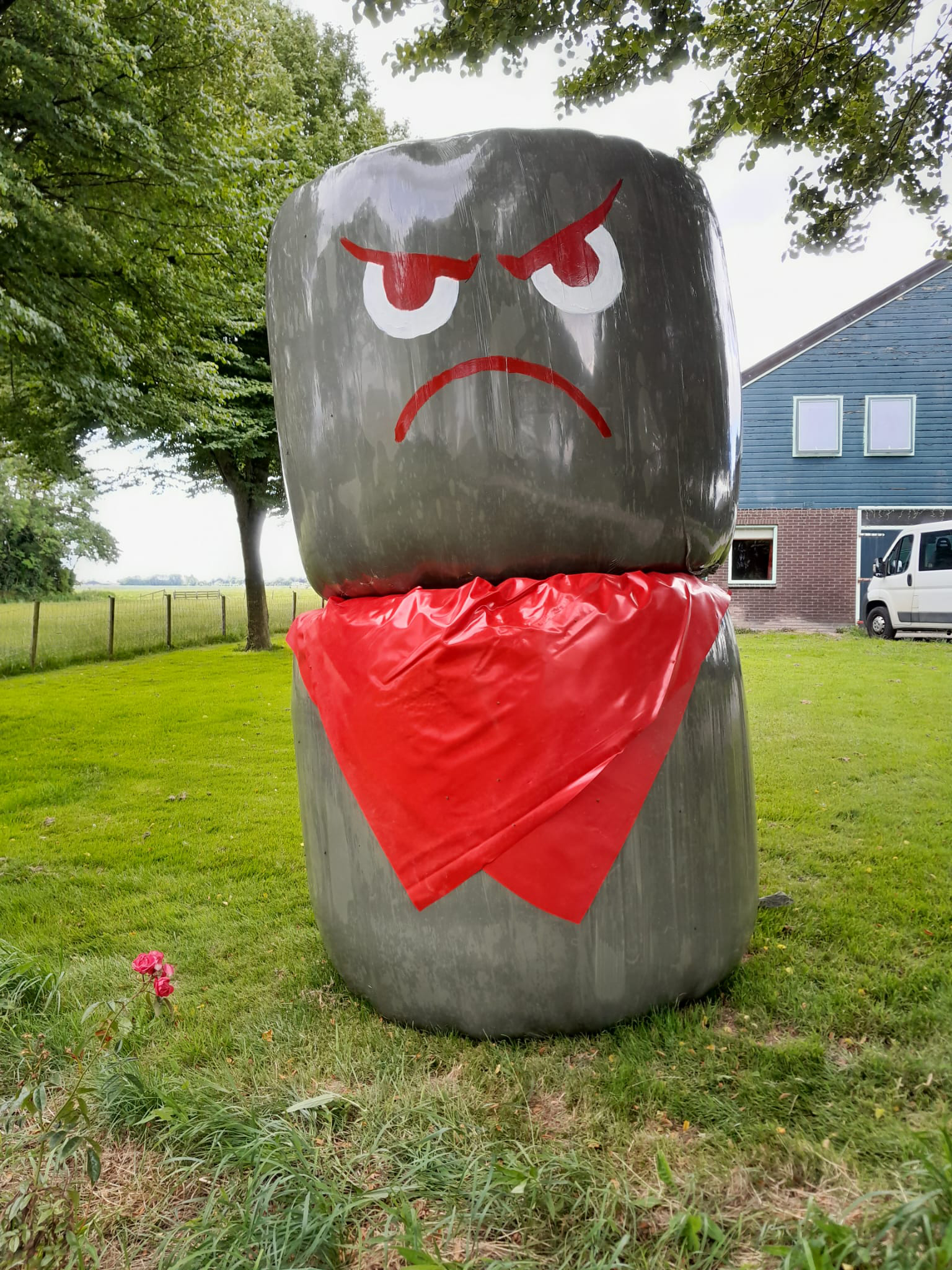
Bale art in the Netherlands has a message also. Displays like this are a ‘public-friendly’ way to protest the nitrogen policy without undue impact on the public. The red handkerchief has become the sign of support.

After weeks of tractor parades obstructing traffic and supermarket food deliveries, Baltus reports ‘public-friendly’ methods are being used to keep the farmers’ concerns visible. For example, wrapped round bales are painted with sad and angry faces with the red handkerchief, the sign of solidarity for the farmer resistance.

He shares a local newscast where another dairy farmer, Sophie Ruiter, 29, from Grootschermer explains the drastic consequences for her farm — that only 60 of her 200 cows could remain.

Turned upside down

“We think it’s really crazy that we are being punished, but a company like Tata (Steel) is given all the time to meet the targets. For us, it means that we have no future,” she says, speaking to the newscaster from behind the wheel of a mobile platform while her friend Robin Groot, holding a bag of Dutch flags, hangs them upside down on lamp posts along a provincial roadway.

Groot describes this as a “public-friendly action. We want to show that all those nitrogen measures have turned the Netherlands upside down.”

“The inverted flag used to be used in shipping as a distress signal, and we now also do that as farmers, because something is really going on,” adds Ruiter.

Removing farms doesn’t solve the problem of pollution, as other industrial complexes produce nitrous and other emissions, and those industries are not being targeted the same way. At the root is concern that “green nitrogen will be replaced by grey nitrogen,” another farmer explains during a tractor formation near a business park where unfair treatment of farmers vs. other industries was highlighted.

Solutions vs. sell-outs

Farm groups say that even though an intermediary has been named for “negotiations,” there are no real negotiations occurring. They say the rapid timeline and high level of reductions signal the government’s unwillingness to look at other solutions, that they just want to cut livestock numbers and buy farms.

“They believe that farms near nature are harming it, but we don’t see it,” says Baltus, sharing comparative photos and discussion.

What kind of nature?

“In Holland there is no nature like in Alaska or Siberia. All of the nature we have is nature that is made by people. The question we ask is what kind of nature do you want? Nature as it was in Holland from 10 years ago, or 100 years ago or 1000 years ago? They don’t give a good explanation for what they want,” he relates. 

“In some areas, they want plants and animals that never lived here – not even 10,000 years ago,” he reports. “In Holland, there are nature areas where they got rid of the topsoil to create a kind of nature (or semi-natural ungrazed grassland).”

The NGOs (non-governmental organizations) want to create it with their goal that is very different from the nature that exists, he explains.

Grasslands without grazing?

“The nature near my farm is a nature where cows and grasslands have been for 500 years, and now they say ‘no cows are needed in that area?’ We don’t understand that. Cows and farmers make that terrain, and it is because of farmers and cows that the nature is in there.”

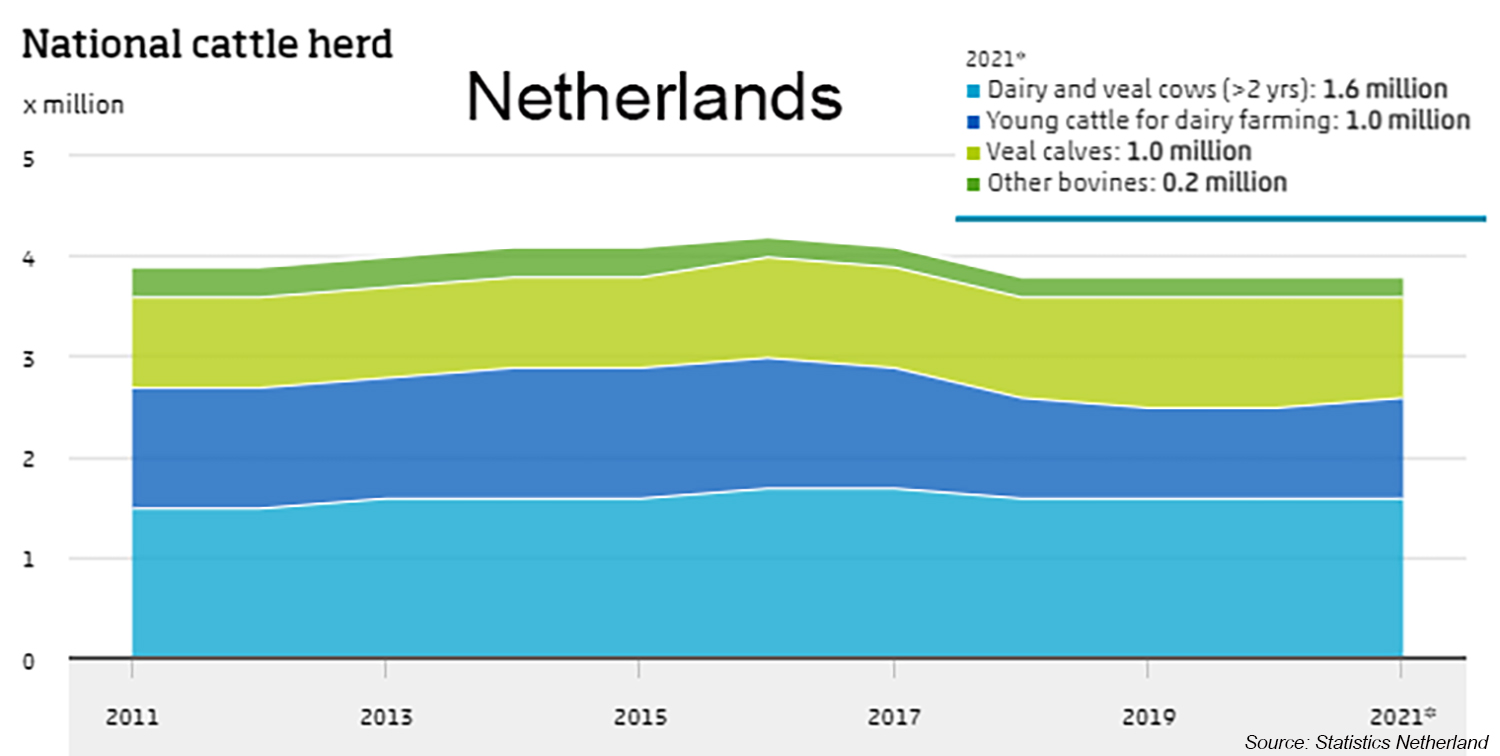
Emissions have been discussed for 10 years. In fact, when milk quotas were lifted and dairy herds grew modestly, phosphate limits were used in 2016 to force herd reductions (see chart). Dairy cow numbers have been relatively stable over the past decade, and on the downswing since 2017. At the same time Dutch agriculture is progressive in technology and farming practices. Many farmers have already made investments in their management of nitrogen.

“We reduced in the past 40 years already 70%, but every time, the government wants more. We have a goal, and they always want more. It is never enough,” Baltus observes.

Like other Dutch farmers, he is proud of the environmental record and productivity of his country’s farms, and the substantial economic benefits they generate for their communities.

A different road

“The farmers are on a different road from the government. On the farmer side, we are thinking solutions, but on the government side, they don’t want to do anything with that. We think in the long run we can reduce more than what’s ahead now, but we need technical solutions, and there are companies in Holland developing technology to separate urine from feces so the nitrogen can be managed even better,” he explains.

A few farms are piloting such innovations, “but it is 2 to 3 years from being ready for practices,” he adds. “We need more time, and the amount of the reduction is much too high, but the government is not taking the innovation as a solution. They want to reduce livestock.”

For its part, the Dutch government maintains it has been “forced” to take this action as court rulings — brought on by activist NGOs — cite the country’s pledges on emissions, and those rulings now block infrastructure and construction projects with no future reductions to offset the emissions these projects would generate. The offsets now come first.

This train has been on the track for a while now, with many countries (as well as cities, corporations and investors) on board.

Cutting nitrogen emissions in half by 2030 is on the targets of at least 30 UN member nations with policy bubbling up in other EU nations. In keeping with the 2019 intergovernmental adoption of a UN resolution on Sustainable Nitrogen Management (Columbo Declaration), such legally binding pledges are now part of UN Sustainable Development Goals (SDGs) that also affect a nation’s ESG (Environment, Social, Governance) score. 

Meanwhile, farmers fear Holland will be the next test-country. They point to what is happening in the first test — Sri Lanka, a small nation off the coast of India that set itself up to be global nitrogen management leader with policies ending use of chemical fertilizers and other measures to meet targets and achieve its high 98.1 ESG score.

This high score mattered little when the reality hit the people in crop failures, farm economic collapse, new levels of food insecurity, which along with economic policies have thrown the country into its worst economic crisis in decades. In recent weeks, Sri Lanken citizens stormed the capitol, the current president fled, and the country is in chaos.

Holland’s plan, according to government documents, is described by officials to bring order and clarity about “whether and how farmers can continue with their business. The (nitrogen) minister sees three options for farmers: become (more) sustainable, relocate or stop.”

This reasoning fuels tensions with farmers who say they are being told to achieve what is unattainable in a short time with few options and no future for their children. In the case of retiring farmers without a next generation, the pathway is clearer, even as the larger concerns remain.

Asked if this feels like a ‘land grab’, if it’s more about land than nitrogen, Baltus was fair-minded and clear.

“Is this about getting the land? Possibly. But we need evidence for that. Thinking in theories or plots is difficult for me as a farmer. Yes, they need land for housing and building, and they want to do nature areas. When the government comes to a farmer, it is like a farmer buying a piece of land from another farmer, you negotiate, but the government is doing it now in a way to get it for a cheaper price,” he relates.

“Yes, the government wants to buy farms to reduce livestock,” he adds. “That is why farmers are angry. The government wants to spend about 25 billion euro to buy-out farmers, while the farmers are asking them to spend 5 billion euro to reduce the same amount of nitrogen with the technology that is coming.’”

Baltus is quick to point out that when farming stops, others are also affected.

“The whole rural area depends on all the farmers, and when there is 20, 30 or 50% of farmers stopping farming, this has an effect on the dairy industry, the feeding industry, all of the rural people who do work on farms, electrician, plumber, contractor… the whole system has big effects.”

Sun sets on a mid-July tractor formation as Dutch farmers continue to protest the nitrogen policy announced in mid-June, two weeks before the parliament’s 6-week summer recess began. 

Public generally supportive

In general, Baltus sees the public as supportive of the farmers, but he observes a “thin line” of weariness.

“When we protest and people have trouble with that, by waiting in traffic or there is no food distribution, it is difficult to hold the support of the population,” he explains. “We see that the protest is now softening a bit with ‘public-friendly’ actions. But I don’t think protests will stop until the government hears the farmers. If the government doesn’t hear the farmers, then the protests will go on, and not always in a friendly way.”

He sees this issue attracting voters to a relatively new political party, the BoerBurgerBeweging (Farmers and Citizens Movement), which has some representation in parliament.

Expressing little hope for negotiation at this point, farmers say their hope may be a future election landslide depending on how this problem turns out, especially in light of the government’s statements that it has not ruled out the possibility of “expropriating land (forcibly) from farmers who don’t comply.”

Dutch farmers have already complied with many environmental regulations and changes. Farmers want to continue to do more on environmental issues, Baltus affirms: “We have done that for hundreds of years.

My father 50 years ago fed cows differently than I do now, but we need time for changing more, and we need some support to change. Selling out doesn’t help us. It’s the wrong way for the money to flow. We say spend that money for innovation – for more effect with less money.”

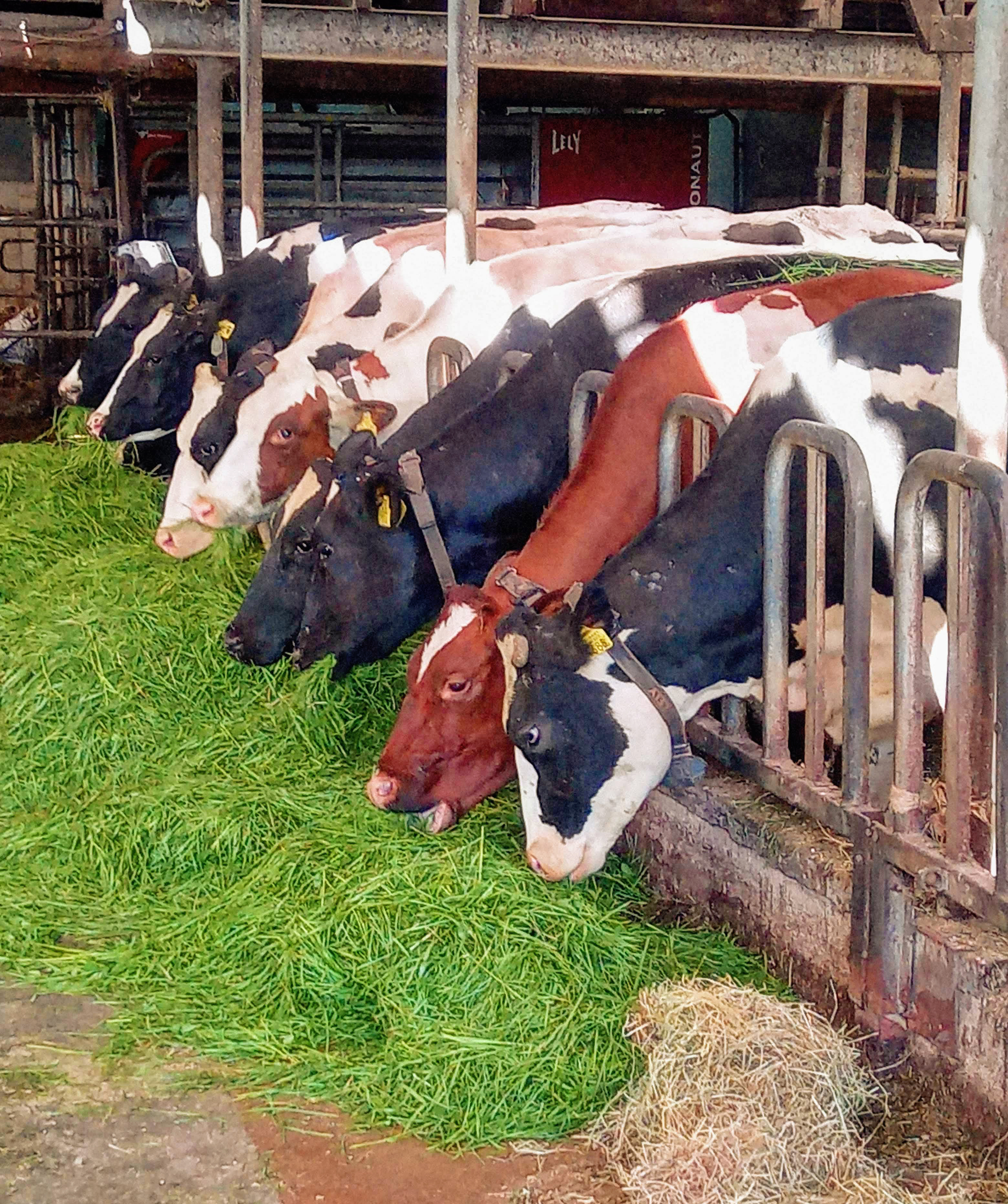
Cows on this North Holland dairy farm graze in the summer, with fresh grass and dry hay collected from fields for feeding in the barn. Dutch farms face a new policy requiring 10 to 90% reductions in nitrogen compound emissions as the government prepares to buy farms and assets.

Worldwide problem

“I think the problem in Holland with the farmers and the government, you will see this worldwide,” he suggests. “Just see what is happening in Sri Lanka right now, and in India last year there were big farmer protests.”

He observes farmers in Germany, Belgium, Poland and Italy are protesting in solidarity, with signs “no farmers, no food”, and banners reading “Stop the Great Reset.

“It is a worldwide problem that we think food is something that is growing in the supermarket. The government, they take it for (granted), but it is a lot of work to make food, and farmers are at the end of the rope when it comes to getting a price for their product. Farming is not so profitable at the moment, but at the same time,” says Baltus, identifying with farmers around the world:

“Many consumers cannot pay more for their food. Between the farmer and the consumer, there are many steps for money to stay in. The very big problem we forget is we live on planet earth with billions of people more than 50 years ago, and every mouth has to have food. We can’t feed everyone with just biological farming or by losing farms.”

-30-

Our farmers are the thin green line between us and a ‘Holodomor’ – Let’s not forget it!

Bale art in Holland has a message. Displays like this are a ‘public-friendly’ way to protest the nitrogen (emissions) policy, and the red handkerchief has become the sign of support for farmer resistance.

By Sherry Bunting, Farmshine, July 22, 2022

The pain is necessary. The transition is unavoidable. The climate pledges are urgent. Race to zero. Net Zero Economy. Sustainable Nitrogen Management. Climate Champions, and on and on. 

These are just some of the pages and phrases at the United Nations Environmental Program (UNEP) website where resolutions are adopted, targets are pledged, sustainable development goals (SDGs) are constructed and updated, and Environment, Social, Governance (ESG) scoring is discussed for countries, cities, corporations, lenders, investors, institutions, states, provinces, networks, alliances, even individuals.

Dairy farmers are being asked to provide more and more of their business operations data, field agronomy, feed and energy purchases, inputs, output, upstream, downstream — a virtual farm blueprint.

While it is important that farmers have a baseline to know where they are and gauge where they are going, it is also critical that such details do not provide a centralizing entity the ability to map them into zones where requirements are passed down by milk buyers, government agencies, industry programs, or lenders deciding farmers in Zone A will be held to one standard while farmers in Zone B are held to another. 

Meanwhile, even the most aggressive standard is so trivial in the big picture that it is offset virtually overnight by unrestrained pollution in countries like China where no one is minding the store.

Sound familiar? Look at The Netherlands.

Activist NGOs have struck deals with everyone from the billionaire globalists, activist politicians, industry organizations, corporations and investors to create the world they envision and have invested in for a future return.

They use marketing platforms, global PR firms, thought-leadership networks, pre-competitive alliances, pseudo-foundations and even align with government agencies to flesh out the details and drive the bus.

As producers and consumers, it feels like we are along for the ride.

For example, Changing Markets Foundation, an offshoot of World Wildlife Fund, partners with NGOs to “leverage market forces to drive rapid and self-reinforcing change towards a more sustainable economy.”

It was formed to accelerate this transition.

Just this week Changing Markets published a study taking aim at dairy – warning investors to take a more active role in improving the dairy and meat sector’s “climate impact” by asking these companies, the processors, to disclose their emissions and investments and cut methane and other pollutants.

In other words, the NGOs, through a ‘marketing’ foundation, prods investors to push your milk buyers, lenders and vendors to obtain and track for them your information.

These NGOs and foundations are driving this bus a little too fast, and it needs to slow down. They take countries (like Holland) to court to hold up infrastructure projects, using their own pledged targets against them and forcing a faster timetable to gain the offsets needed for the stalled projects.

They publish self-fulfilling studies, surveys and warnings prodding investors to reach back into the dairy and meat sector and take a more active role in getting more reporting of downstream methane emissions (your farm).

They warn dairy and meat processors that if they don’t get this information and cough it up, investor confidence will be harmed and their assets could be stranded, resulting in large economic losses.

They salivate with anticipation, waiting for land purchase packages that they, as NGOs, can poorly manage as contractors alongside the purchasing government entities.

Let this sink in. The investor class is being deemed the farmer’s new customer – not the consumers whom our farmers are proud to feed and proud to show the truly valuable practices they use in caring for the land, practices that are often not very well monetized – like cover crops, for example.

If a country like the Netherlands with a progressive agriculture industry finds itself in the position that it can’t build or do infrastructure projects without first decreasing nitrogen emissions on the backs of farmers, where do we go from here with the fuzzy math being done on all greenhouse gases in the sidebars of highly-capitalized alternative meat and dairy lookalikes that are lining up — ready to burst on the scene to grab a foothold for investor returns?

The Changing Markets report, in fact, makes the claim that 37% of global GHG comes from food production and attributes most of this to meat and dairy — certainly embellishing the issue in this disingenuous phrasing and fuzzy math.

If farmers can’t be paid for the simplest of constructive practices that produce food for people — while at the same time being restorative to the land, why should billionaires and governments be able to come in and buy their land, plant trees, re-wild to scrub brush or half-hearted grassland status and get an offset?

None of what is happening makes sense unless we step back and recall what we know about the World Economic Forum’s Great Reset, Food Transformation, Net Zero Economy and the realities of so-called ESGs. This has been a process and most of us have only had glimpses of it to connect the dots.

I recall conversations over the years of my journalism career with a most respected ag economics professor, the late Lou Moore at Penn State. He worked with farmers and his peers in former Soviet countries after the breakup of the Soviet Union. He would tell the stories from Ukraine, described to him as handed down through generations of the period of terror and famine known as the Holodomor when the Soviets collectivized the farms of the Ukraine under communism – resulting in the starvation and death of 10 million or more in a transition.

Bottomline: Agenda 2030 has been under construction for some time now, and ‘climate urgency’ is being used today to target farming and food production, not just energy and fuel.

Our industry organizations keep telling us the public, consumers, are driving where this is going, that it is science based, and yet key questions at the farm level still can’t be answered.

At the regional levels, we see authentic models of conservation groups partnering with dairy farms and cooperatives to access grants for meaningful improvements that make financial and environmental sense but may not show up just so on a global NGO’s master sheet. 

There are ideas being generated to give companies of all sizes a way to be ‘climate champions’ by investing in Farm Bill conservation programs that really work. Congressman G.T. Thompson mentioned this recently at a farm meeting.

Let’s do the work that accomplishes what’s real and equitable for our farmers and hold off just yet providing too much detailed information.

We know NGOs and governments have set targets to protect 30% of the earth’s surface as non-working lands by 2030 and 50% by 2050. This boils down in the targets at the U.S. level as well.

Let’s be sure we don’t give away the farm.

The strength and diversity of our farmers is so important. You, our farmers worldwide, are the thin green line between us and a Holodomor.

-30-

School lunch money scare tactics are holding up PA whole milk bill

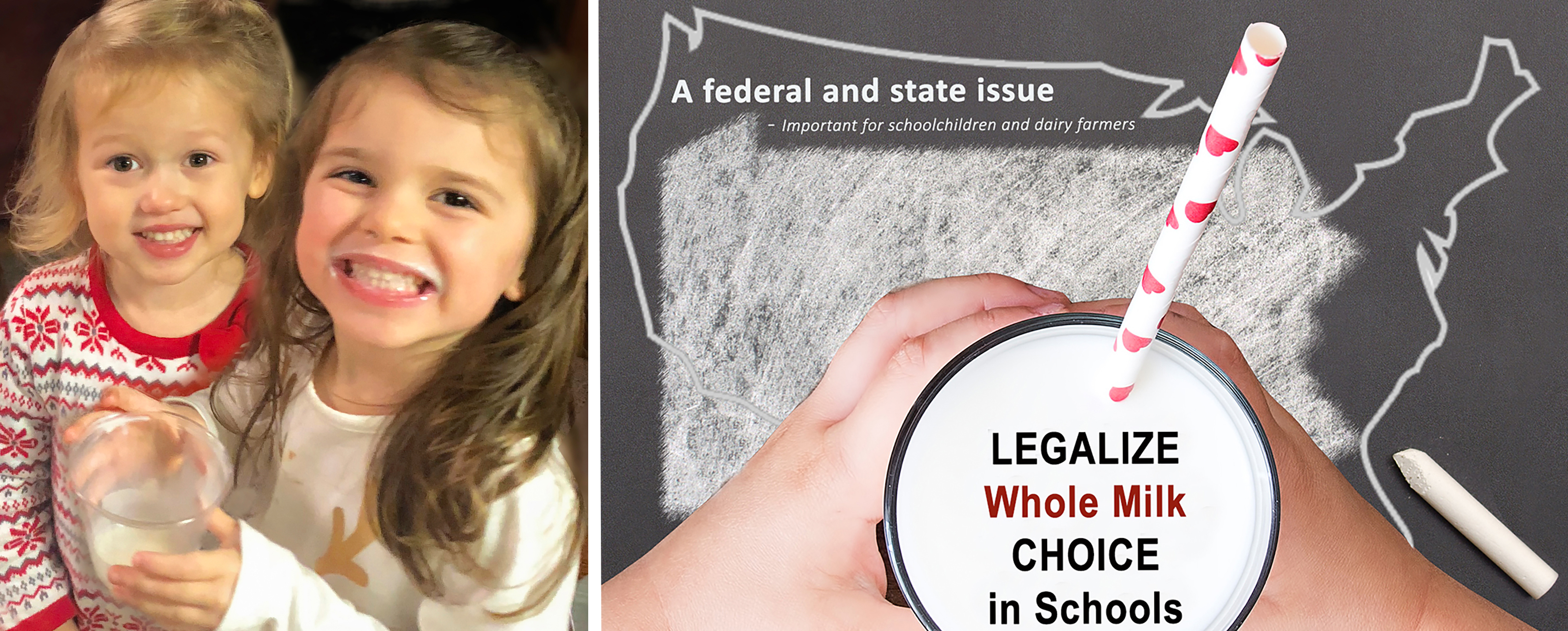
Cousins Grace and Bella are my youngest granddaughters, pictured here in 2020 obviously enjoying their milk — mustache and all. They both started kindergarten in 2021, where for the next 12 years, their meals at school will not allow their choice of whole milk or even 2% milk — unless state and/or federal lawmakers act. Children consume 2 meals a day, 5 days a week, 75% of the year at school where they are denied the simple choice, even a la carte. A saddening and maddening state of affairs.

As adults, we should be ashamed of ourselves

By Sherry Bunting, Farmshine, July 8, 2022

I guess it’s true, good dairy bills – for more than a decade now – continue to be introduced in the Pennsylvania legislature, only to pass in the House but then die in the Senate. We’ve seen it with the many bills over the years aimed at amending the Pennsylvania Milk Marketing Law, and now we are seeing it with the Whole Milk in Pennsylvania Schools Act.

HB 2397 was introduced by Representative John Lawrence, and it passed the State House almost unanimously (196 to 2) in April. It then passed the State Senate Agriculture Committee and was re-referred to the State Senate Appropriations Committee, where it sits today digesting the “scare tactics” of its opponents – causing some heartburn for lawmakers thinking USDA could withhold all free and reduced school lunch reimbursements in Pennsylvania.

USDA is the bully waving children’s lunch money like a mighty sword demanding submissive obedience, even suggesting in May that schools lacking appropriate LGBTQ+ policies for “gender affirming” use of locker rooms, rest rooms and sports participation could be denied their free and reduced school lunch reimbursements. USDA has since recanted this notion — saying they meant only to address discrimination associated with the provision of the food. That’s more like it. But that redirection of the Department’s prior statement did not happen until more than 20 states’ Governors and Attorneys General threatened to sue the Biden Administration for using the lunch money of economically disadvantaged children to implement federalized bathroom gender policies.

On whole milk in schools, similar scare tactics are being used to prevent the Pennsylvania state bill from being voted on in the Senate chamber.

Bow thee, oh Pennsylvanians, to King Vilsack and the Dietary Police.

Even a certain farm paper published in Lancaster County has made it their business to take every point of whole milk choice supporters, the evidence, the law, and tear it apart – piece by piece. A head-scratcher, for sure.

I have been digging into the original Richard B. Russell National School Lunch Act of 1946 and the subsequent amendments through the 2010 Healthy Hunger Free Kids Act (HHFKA), as well as various memos from USDA to state nutrition program directors when the ‘Smart Snacks’ rules were implemented to govern a la carte beverages in 2012. I have also read through Pennsylvania Department of Education audits of schools, which are all publicly available. I can find no tie between a state law offering a self-select choice of whole milk (paid for with state or local or parental funds) to students as grounds for withholding free and reduced school meal reimbursements from schools. In fact, quite the contrary. 

Even the individual schools that would choose to provide the choice of whole and/or 2% milk to students could not be threatened with loss of their free and reduced lunch subsidy — as long as the meal pattern for the ‘served’ lunch is met; however, more importantly, it is clear that the only audit feature tied specifically to this reimbursement is that the financial eligibility of the recipients is properly qualified.

Here’s the key: Even if a school is deemed out of compliance on meal pattern or does not have a strong enough ‘wellness policy’ on ‘competing foods’ — as would be the case if whole milk was offered as a choice, USDA does not have the authority to yank the free and reduced school meal subsidy on that basis. This authority is linked to eligibility, financial eligibility.

Research into the 2010 HHFKA shows that the loss of this reimbursement is directly tied to how the students/families are qualified as financially eligible. There are extensive details on this in the law, and the auditing schools go through, the paper trail for eligibility, is extensive. This is a separate audit section from the meal pattern performance.

In fact, in passing the 2010 Healthy Hunger Free Kids Act (HHFKA), the U.S. Congress clearly stated — separately — that schools can receive a 6-cents per eligible meal ‘performance increase’ as an incentive to meet the new HHFKA-prescribed meal patterns and in addressing competing foods and beverages in school wellness policies per USDA. This ‘bonus’ is tied to the Food and Nutrition Board of the Academy of Sciences, not the Dietary Guidelines. (A 2018 National Academy of Sciences review was highly critical of the Dietary Guidelines process.)

In setting a 6-cent performance increase per eligible meal in the 2010 HHFKA, Congress also capped the total to be spent for this meal-pattern incentive at $50 million annually nationwide. This is over and above the separate free and reduced meal reimbursement, itself, which dwarfs the performance bonus at $14 billion annually nationwide. 

These are separate portions of the 2010 HHFKA. In Section E of the law, Failure to Comply spells out precisely what is at risk if a school is not in meal pattern compliance — the 6 cents increase per eligible meal, not the reimbursement for qualified free and reduced meals.

As for the ‘Smart Snacks’ rules promulgated by USDA and implemented fully in 2012, which govern the a la carte beverages and snacks that can be “available” on school premises during school hours? It is important to note that USDA’s own memos to state directors in 2014 clarified that the Department will “provide exemptions for certain foods that are nutrient dense, even if they may not meet all of the specific nutrient requirements.”

Whole milk is a nutrient dense food.

However, in playing ‘dictator’ with our children’s health, USDA chose its exemptions and ignored the nutrient density of whole milk. What did they use as an example in a memo to schools? “Peanut butter and other nut butters are exempt from the total fat and saturated fat standards since these foods are also nutrient dense… and we want students to consume more of these foods,” a memo to state directors stated.

Perhaps Impossible Burger is another ‘exemption’ given its calories, fat and sodium far exceed USDA rules, but it was so-impossibly approved by USDA in May 2021 for actual federal meal reimbursement. Impossible Burger is not particularly nutrient dense – but real beef is, and real beef is greatly limited in school meal pattern compliance, along with the ban on whole milk.

Bottomline, the USDA under Secretary Vilsack in 2012 took aim at beverages. In 2018, while working for DMI as one of dairy checkoff’s highest paid executives serving as President and CEO of the U.S. Dairy Export Council, Tom Vilsack was cheered and awarded during the dairy checkoff founded and funded GENYOUth Gala that year for his “success” in “finally” addressing the beverage situation in schools. 

Those were the words of former President Bill Clinton, a vegan, who spoke at length during the Gala about the beverage problem in the obesity crisis and how his friend Tom is the person who finally “got it done.”

What did he get done? He booted out the whole milk and paved the path for all of PepsiCo’s artificially sweetened and partially artificially sweetened beverages in school cafeterias – the Gatorade Zero, Mountain Dew Kickstart, Diet Coolers, Diet Cola’s, flavored waters – with that blend of high fructose corn syrup and sucralose that keeps them under 60 calories (the USDA threshold for an a la carte beverage per the Smart Snacks rules) and of course fat free – but also nutrition free. (PepsiCo got the GENYOUth Gala award the following year)

Sadly, the U.S. Congress also let dairy farmers down in 2010 by including the reference to the Dietary Guidelines in the one and only sentence on school milk in the HHFKA. All other nutritional references for the meal pattern are linked to the Food and Nutrition Board of the Academy of Sciences. 

Here’s what the HHFKA states under Nutrition Requirements for Fluid Milk Section 9(a)(2)(A) is amended to say: “shall offer students a variety of fluid milk. Such milk shall be consistent with the most recent Dietary Guidelines for Americans.” 

Even that milk sentence is ‘loose,’ and open to interpretation. Is the DGA recommendation of consuming ‘less than 10% calories from saturated fat’ a per-food, per-beverage, or per-meal ordinance or a whole-day allotment? 

We are told over and over that the DGAs are recommendations. Somehow USDA didn’t get that memo and decided to use DGAs to bully milk choices of children.

Never mind how counterproductive this is for children. When removing satiating nutrient dense fat from whole nutrient dense foods, kids compensate and replace this with nutritionally empty carbohydrates. 

Such were the early warnings of school foodservice personnel I interviewed over a decade ago as they piloted the draconian rules  before they were implemented. 

Such is also among the recent findings of the Milky Way controlled study by Australian researchers involving two sets of children — one having their milkfat consumption increased and the other having their milkfat consumption decreased. 

Care to guess which group saw a reduction in Body Mass Index percentile? Or which group had higher blood sodium levels? Or what the differences were in other biomarkers related to cardiovascular and metabolic health? (An article about this study appeared in the May 20 edition of Farmshine. It was the group of children who increased milkfat consumption that saw decreased BMI percentile and it was the group of children who decreased milkfat consumption that saw increased blood sodium levels! All other biomarkers for health were the same between the two groups.)

There are so many tentacles behind the scenes of how this whole school meal and school milk thing really work, that it boggles the mind – so much so that vested interests can come in and scare well-intentioned state lawmakers into thinking if they dare pass this bill and make nutrient dense flavorful whole milk available to schoolchildren as a CHOICE, that somehow the economically disadvantaged children of the Commonwealth could go hungry because USDA will take their lunch money. School foodservice directors are undoubtedly scared as well because the free/reduced reimbursements are a huge part of their budgets.

I’ve got news for the opponents of this bill, the State Senate Appropriations Committee, the Governor and the USDA: Our children are already suffering from hunger pangs in math class, and the absence of nutrient density in their school meals – on your watch right now, today. Do you care? Do the opponents of the whole milk bill spewing their scare tactics care?

The federal prohibition of whole milk in schools is the tip of a mighty iceberg that is failing our children while paving the path to an even less healthful future for America and a less economically healthful status for Pennsylvania dairy farms, the backbone of our state’s ag economy into the future.

We just celebrated our nation’s Independence Day, and yet our children cannot choose whole milk at school — even if their locally elected school boards want to offer it and even if their parents pay for it.

No one supporting this bill believes USDA will reimburse the actual whole milk, itself. Supporters just want the choice to be fully recognized as legal so that as parents, grandparents, farmers, citizens we can get about the business of next finding a way to provide this nutrient dense, satiating, delicious option to the children in our communities who consume two meals a day, five days a week, three-quarters of the year at school.

The issue spills out from the schools into other foodservice meals. It is heartwrenching for this reporter to listen to adults involved in dairy checkoff boast to farmers about how they are getting whole milk and cream into McDonald’s coffee drinks, into foodservice hot chocolate, into all of these trendy adult venues – while our children get a tiny fat-free chocolate milk in their happy meal because this school edict spills over into foodservice chains being bullied to do the same outside of school ‘for the kids’.

As adults, we should be ashamed of ourselves and reflect on our pathetic disregard for our children.

-30-

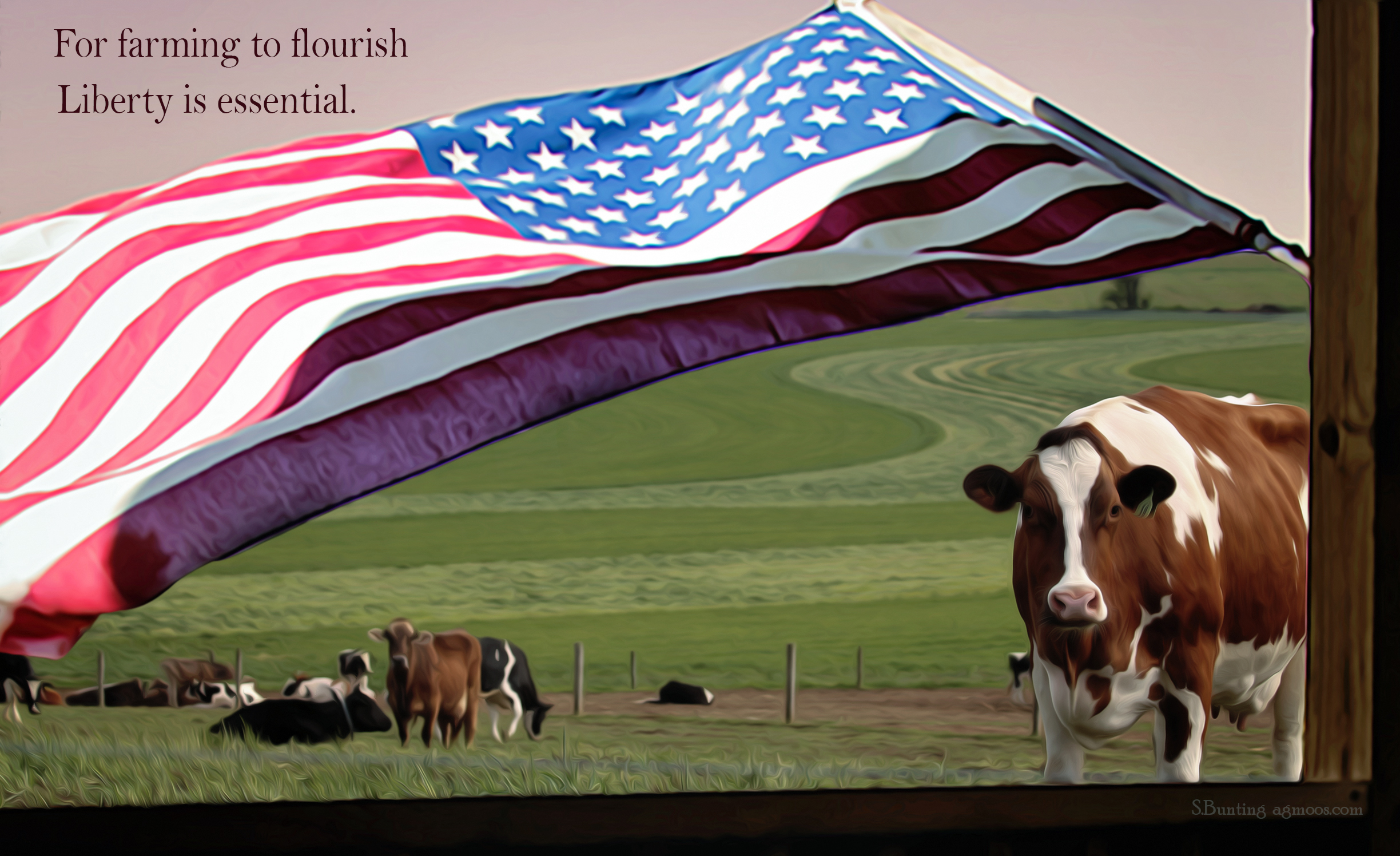
For farming to flourish, liberty is essential

By Sherry Bunting, Farmshine, July 1, 2022

As our nation commemorates Independence Day, we think of America’s agrarian roots and how an agrarian himself, Thomas Jefferson, the primary architect of the language so carefully chosen in our Declaration of Independence, wrote much on the subject of agriculture.

With all that is happening in the world, and in agriculture, now is the time to really ponder our nation’s birth. Liberty has proven for almost 250 years to be more than an ideal worth fighting—even dying—for. It is a condition of life in America that can be misunderstood and taken for granted.

The battle of Gettysburg, the turning in the tide of the Civil War marks this same spot on the calendar. This too is remembered every July 4th weekend with re-enactments on sacred ground where freedom was further fortified for all, lest we forget that our unity stood the test of valor and dignity from both sides—an internal struggle to recommit our nation to the freedom and responsibility of true liberty so that…

As President Abraham Lincoln said: “These dead shall not have died in vain—that this nation, under God, shall have a new birth of freedom and that government of the people, by the people, for the people, shall not perish from the earth.”

From East to West and North to South, the diverse beauty of both the land and people of our United States of America move us to do the work, the caretaking.

Diversity, too, is a key attribute of liberty.

Across the long rural stretches of prairie from the Midwest through the Great Plains—where one can go hours without seeing another vehicle—the bigness of this land and its call of freedom is, itself, liberating.

Whether it is the eastern patchwork of small farms living at the fringes of suburbia with subdivisions often sprinkled between them or the western stretches of uninterrupted farmland—we have a duty to protect America’s agriculture, the quiet essential role of family farms as the backbone of our nation’s liberty.

We can’t allow global business interests and elitists to dictate from afar, to turn our rural networks that need restoring and rebuilding into food deserts.

Thomas Jefferson once said that, “The earth is given as common stock for man to labor and live on.” He also held high the value of agriculture to the nation’s economy, which remains true centuries later in 2022.

“Agriculture is our wisest pursuit because it will, in the end, contribute most to real wealth, good morals and happiness,” Jefferson wrote.

These are not idle words. In today’s times of rapidly advancing technology, many of us lack a full understanding of how advancing technology can coexist with the essential simple goodness of the sustainability we need—that of families farming for generations in the U.S. being able to choose their path instead of having it chosen for them, with new generations staying in farming or leaving to do other important work even as new and beginning farmers are drawn to the land.

Liberty is essential for agriculture to be that beacon. No other profession sustains our communities like agriculture, multiplying earnings throughout local communities.

The billionaires at Davos know this. The global corporations taking over all sustenance, they also know this. Real riches begin with the soil, the land, the work, the families, the food that sustain us.

Ralph Waldo Emerson observed: “The glory of the farmer is that, in the division of labors, it is his part to create. All trade rests, at last, on his activity. He stands close to nature; obtains from the earth the bread, the meat. The food which was not, he causes to be.”

Science, itself, is being misused, along with our faith in doing good, feeding the hungry, caring for the earth and for others, giving God the glory. The challenge is to retain our independence, remember our nation’s birth and what it stands for and never take for granted our agrarian roots, so essential for our future.

-30-

From DMC to FMMOs, from price ‘movers’ to ‘make allowances’: House Ag hearing reviews farm bill dairy provisions

By Sherry Bunting, June 24, 2022

WASHINGTON — It was a lot to wade through, but after two panels and nearly four hours, many cards were on the table, even if the full deck was not counted. 

The U.S. House Agriculture Committee hearing Wednesday, June 22 was a 2022 review of the current farm bill’s dairy provisions. Chairman David Scott (D-Ga.) set the stage with his opening remarks, noting a significant part of the hearing would be devoted to the dairy safety net, namely the Dairy Margin Coverage (DMC), but also to talk about the Federal Milk Marketing Orders (FMMO) to learn if this system is “the best fit for today’s world.

“We want to continue to listen to farmers and navigate the issue for the best approaches to any changes,” he said, setting the next stage for listening sessions.

Those testifying talked about building consensus for FMMO changes, a charge handed down from Ag Secretary Tom Vilsack last December, and again more recently, when he said a consensus agreement by stakeholders on one plan was needed before a national hearing on milk pricing could be held.

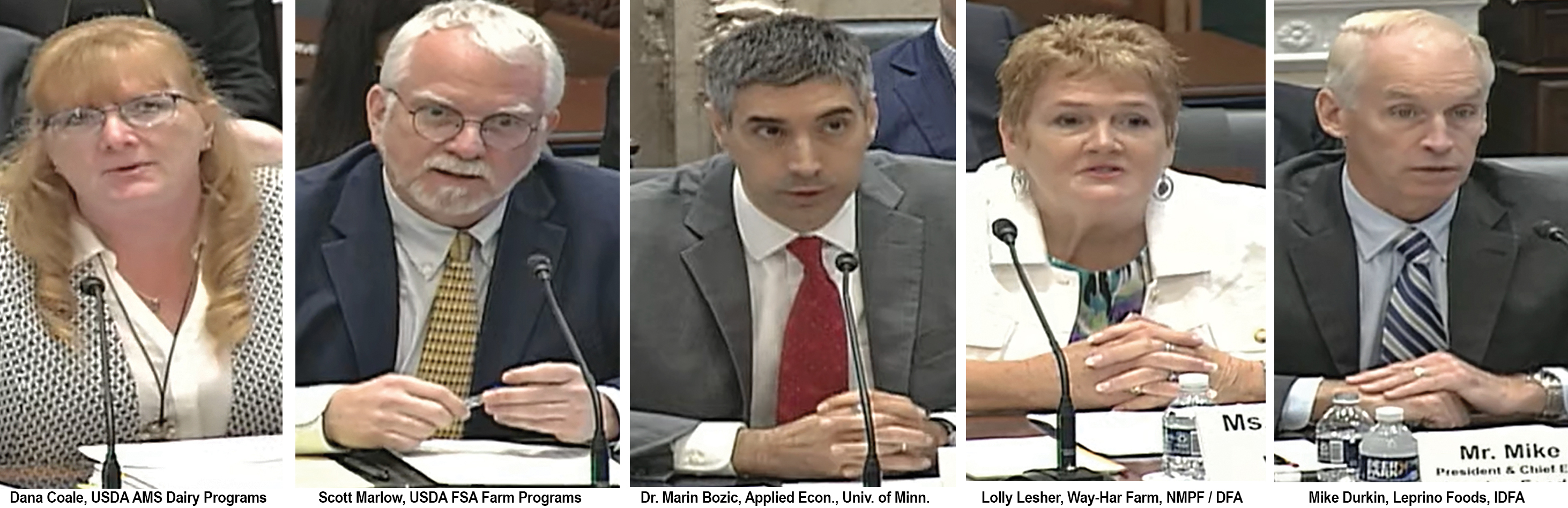
On the Class I ‘mover’ change in the last farm bill, USDA AMS Deputy Administrator Dana Coale noted that the change was authorized by Congress after an agreement was reached between NMPF and IDFA to change the ‘higher of’ to a simple average plus 74 cents. This was designed to be revenue neutral, she said, but the pandemic showed how an unforeseen market shock can create price inversions that significantly change this neutrality. (testimony)

Coale noted that “market abnormalities” brought on a situation where Class I was below Class III, which doesn’t typically happen, and this created losses.

“In the 2018 farm bill Congress authorized a change to the Class I price mover. We implemented that in the department in May 2019. This change was a consensus agreement reached between NMPF and IDFA to benefit the entire industry. Implementation in the farm bill was designed to be revenue neutral. However, nobody foresaw a pandemic occurring, and no one could have projected the implications that pandemic would have on (prices), particularly within the dairy sector. What we saw occur from mid-2020 through mid-2021 was a significant change in that revenue neutrality. As you look at the Class I mover before the pandemic and moving out of the pandemic, it is maintaining pretty much a revenue neutral position compared to the prior mover. However, due to the (class) price inversions that occurred, we had some major losses incurred by the dairy sector.”

Dana Coale, Deputy Administrator, USDA AMS Dairy Programs

On the primary dairy safety net, Farm Service Agency Deputy Administrator Scott Marlow went over the Dairy Margin Coverage (DMC) and explained the beneficial changes that have been implemented since the 2018 farm bill. (testimony)

He noted that supplemental DMC would have to be made permanent in the next farm bill in order for that additional production history between the 2011-13 figure and the 5 million pound cap to be covered in future years.

“In 2021, DMC payments were triggered for 11 months totaling $1.2 billion paid to producers who enrolled for that year, with an average payment of $60,275 per operation. At 15 cents per cwt at the $9.50 level of coverage, DMC is a very cost-effective risk management tool for dairy producers. Ahead of the 2022 DMC signup, FSA made several improvements. The program was expanded to allow producers to enroll supplemental production (up to the 5 million pound cap). In addition FSA updated the feed cost formula to better reflect the actual cost dairy farmers pay for alfalfa hay. FSA now calculates payments using 100% premium alfalfa hay, rather than 50% of the premium alfalfa hay price and 50% of the conventional alfalfa hay price. This change is retroactive to January 2020 and provided additional payments of $42.8 million for 2020 and 2021. We are very concerned about the margins. It is very important the way DMC focuses on the margin. Farmers are facing inflation of costs beyond the feed that is part of this calculation. This margin based coverage has proven to a model and is something we need to look at for other costs and commodities.”

Scott Marlow, Deputy administrator usda fsa farm programs

Dr. Marin Bozic, Assistant Professor Applied Economics at the University of Minnesota gave some long range trends and observed the factors that are decreasing participation in Federal Milk Marketing Orders. (testimony)

He mentioned that a consideration not to be ignored is the status of vibrancy and competition as seen in transparency and price discovery. When asked about proposals to improve this, Bozic said the proposals need to come forward from the industry, the stakeholders, and that the role of academia is to provide numbers, trends, and analysis of proposals, not to decide and determine these marketing structures.

“Farm gate milk price discovery is challenged by this lack of competition,” he said. “If a corn producer wishes to know how different local elevators would pay for corn, all he needs to do is go online or tune in to his local radio station. Dairy producers used to be able to ‘shop around’ and ask various processors what they would pay for their milk.”

Bozic was quick to point out that, “We should not rush to generalize from such anecdotal evidence, but in my opinion, it would also be prudent not to ignore it.”

“FMMOs start from a set of farmer-friendly ideas… They have somewhat lost luster due to declining sales of beverage milk. In regions other than Northeast and Southeast, fluid milk sales no longer provide strong enough incentives for manufacturers to choose to stay consistently regulated under FMMOs. My estimates are that the share of U.S. milk production in beverage milk products is likely to fall from 18.3% in 2022 to 14.5% by 2032. Do Federal Orders suffice to deliver fair market prices to dairy producers? The critical missing ingredient is vibrant competition for farm milk. Whereas just six or seven years ago, many producers had a choice where to ship their milk, today it is difficult. When some dairy producers have asked for milk price benchmarking information from their educators or consultants, those service providers have in multiple instances faced tacit disapproval or even aggressive legal threats from some dairy processors. Further research and an honest debate on competition in dairy is merited.”

Marin bozic, ph.d., department of applied economics, university of minnesota

Where FMMO changes are concerned, Bozic noted some of the broader issues to come out of the Class I pricing change that was made legislatively in the last farm bill. For example in future reforms, when there is lack of wide public debate on proposals, he said: “It increases odds of a fragile or flawed policy design, and lack of grassroots support for the mechanism in changing markets. FMMOs have a comprehensive protocol for instituting changes through an industry hearing process. The Class I milk price formula can be modified through a hearing process.”

From Bernville, Pennsylvania, representing National Milk Producers Federation (NMPF) and DFA, Lolly Lesher of Way-Har Farms shared the benefits of the Dairy Margin Coverage (DMC) program through FSA and other risk management tools through RMA. She said they purchase the coverage at the highest level each year as a safety net for their 240-cow dairy farm. (testimony)

DMC is intended for smaller farms producing up to 5 million pounds of milk annually, but other farms can layer it in with other available tools at the tier one level on the first 5 million pounds or choose to pay the tier two premium to cover more of their milk through that program, but other tools like DRP are also available, Marlow explained.

Turning to the Class I pricing change in the last farm bill, Lesher said the change was an effort to “accommodate a request for improved price risk management for processors, while maintaining revenue neutrality for farmers… but the (pandemic) dramatically undercut the revenue neutrality that formed its foundation.”

“As valuable as the (DMC) program has been, many farmers have not been able to fully benefit because the underlying production history calculation is outdated. It is critical that the (supplemental DMC) production history adjustment be carried over into the 2023 farm bill… The events of the last two years have shined a spotlight on the need for an overall update to the FMMO system. Class I skim milk prices averaged $3.56/cwt lower than they would have under the previous ‘mover’. This undermined orderly marketing and represented net loss to producers of more than $750 million, including over $141 million in the Northeast Order. The current Class I mover saddles dairy farmers with asymmetric risk because it includes an upper limit on how much more Class I skim revenue it can generate… but no lower limit on how much less… those losses become effectively permanent.”

lolly lesher, way-har farm, bernville, pennsylvania, representing nmpf and dfa

According to Lesher’s testimony: “The dairy industry through the National Milk Producers Federation is treating this matter with urgency and is seeking consensus on not only the Class I mover, but also a range of improvements to the FMMO system that we can take to USDA for consideration via a national order hearing.”

Lesher serves on DFA’s policy resolutions committee and she noted that DFA, as a member of NMPF “is actively participating in its process (for FMMO improvements), which involves careful examination of key issues to the dairy sector nationwide… We look forward to working with the broader dairy industry and members of this committee as our efforts advance.”

Representing International Dairy Foods Association (IDFA), Mike Durkin, President and CEO of Leprino Foods Company stressed the “extreme urgency” of updating the “make allowances” in the FMMO pricing formulas. These are processor credits deducted from the wholesale value of the four base commodities (cheddar, butter, nonfat dry milk and dry whey) used in FMMO class and component pricing as well as within the advance pricing for fluid milk. (Leprino is the largest maker of mozzarella cheese in the U.S. and the world. Mozzarella cheese is not reported on the USDA AMS price survey used in the FMMO class and component pricing.) (testimony)

Durkin also noted the importance of making the Dairy Forward Pricing Program that expires September 2023 a permanent fixture in the next farm bill for milk. This program allows forward pricing of milk used to make products in Classes II, III and IV so that longer-duration contracts can be used by this milk when also pooled under FMMO regulation without fear of the authority expiring in terms of the FMMO minimum pricing. (Milk that is used to make products in Classes II, III and IV is already not obligated to participate in or be regulated by FMMOs.)

“The costs in the (make allowance) formula dramatically understate today’s cost of manufacturing and have resulted in distortions to the dairy manufacturing sector, which have constrained capacity to process producer milk. Congress can improve the current situation by directing USDA to conduct regular cost of processing studies to enable regular make allowance updates. The need to address this lag is now extremely urgent. While our proposal to authorize USDA to conduct regular cost surveys will eventually provide data to address this in the longer term, steps must be taken now to ensure adequate processing capacity remains. Updating make allowances to reflect current costs will enable producer milk to have a home. Making the (Dairy Forward Pricing Program for Class II, III and IV) permanent could also facilitate additional industry use of this risk management tool for longer durations without concern about the program expiring.”

Mike Durkin, president and ceo, leprino foods, representing idfa

Lesher also thanked House Ag Ranking Member G.T. Thompson for his Whole Milk for Healthy Kids Act, seeking to bring the choice of whole and 2% milk back to schools. The bill currently has 94 additional cosponsors from 32 states, including the House Ag Chair David Scott and other members of the Agriculture Committee. The bill was referred to the House Committee on Education and Labor.

Other key dairy provisions were reported and questions answered, including a witness representing organic dairy farmers. There’s more to report, so stay tuned for additional rumination in Farmshine and here at Agmoos.com

Recorded hearing proceedings available at this link

Written testimony is available at this link


-30-

Rebuilding ‘the dairy barn’ from the ground up

By Sherry Bunting, Farmshine, June 10, 2022

Grandiose plans centered on a globalist net zero economy were the furthest things from the minds of the more than 100 people who showed up on two southern Lancaster County, Pennsylvania Amish dairy farms and neighboring properties that took a hit from a May 27 EF-1 tornado. A week later, on June 4, the second of two destroyed dairy barns could be seen taking shape — from the ground up.

Many hands make light work. Farmers are quick to help. They are the ultimate ‘community organizers’ when faced with a big task. They ‘just do it’ instead of standing around talking about it.

Farmers don’t have time for nonsense. Working closely with seasons, land and animals, viewing themselves as stewards of God-given resources, farmers are practical. They are the first to show up when disaster strikes. 

They have a passion for their calling to feed a hungry world, and they don’t expect much in return – the ability to earn a fair price, a decent living, and a little respect. 

They show compassion for others, and gratitude in all things.

It is the farmers who show ultimate resiliency every day, in the face of hardship. They don’t waste food. They don’t waste time. They don’t waste money. And they don’t waste resources.

The world could learn a lot from farmers, if those making the big policy decisions truly listened. So many simple truths are ignored, simple positive changes are hard to get done, because they don’t fit the global agenda.

Why? Perhaps because there is an element of control now involved in food production that has changed the dynamic of “community” and changed the conversation between farmers and consumers.

The good news? Just as this dairy barn destroyed by a storm was rebuilt — board by board, nail by nail – through the efforts of a steadfast community, the same can be said about rebuilding the dialog between farmers and consumers, the sense of community, at the grassroots level.

Consumers are not as focused on the buzz terms of sustainability and net zero as the industry and policy makers and anti-animal activists would have us believe. 

The majority of the people in our communities around the world want to feed their families affordably and healthfully. The majority want to know more about farming and food. The majority want to support farmers. The majority love seeing cows. 

The majority still believe in the strength of local communities, of being there for one another in a time of need. The majority trust farmers because they see how they quietly live their faith.

We can all take part in rebuilding this proverbial ‘dairy barn’ — this connection with consumers at the grassroots community level. 

We’ve seen the storm clouds on this horizon for the past several years. The storm is here. The damage is scattered. The foundation has some cracks…

But the rebuilding is underway, and we are seeing it from the ground up, not the top down. We are seeing it in grassroots efforts, like 97 Milk, that engage others, share truths, and open eyes. The best way to shore-up our dairy farming communities in the face of a global agenda is to get after it — board by board, nail by nail. Many hands make light work.

-30-

On Life, Liberty, Land and Pursuit of Happiness

EDITORIAL: Deals with the devil at Davos come down to money invested to control carbon, essential to life

By Sherry Bunting, published in Farmshine Newspaper, June 17, 2022

‘Deals with the Devil at Davos’ published in Farmshine June 10, 2022 may have left some readers’ heads spinning. So, let me boil it down to what I see happening: The ramping up of a pervasive global transformation of life itself being leveraged on the masses by the biggest actors in food, energy, capital and policy.

The World Economic Forum (WEF) is the place where plans are hatched to transform food and energy in the name of sustainable climate and environment. (Great Reset)

This includes goals of setting aside 30% of the earth’s land surface by 2030 for re-wilding and biodiversity – 50% by 2050. 

This includes top-tier elite billionaire investor plans to transform food through plant-based and lab-created meat and dairy lookalikes and blends, with the purpose of replacing livestock, especially cattle.

This includes “sustainability” measures being enacted by the world’s largest global food and agriculture companies as the leverage point to position producers and consumers into the headlocks of their vision, their capital, their control.

The bottom line is that the dairy and beef checkoff programs have joined in by creating alliances and initiatives as partners with these WEF actors, including individuals, corporations and the World Wildlife Fund (WWF). This gives the appearance of a bottom-up approach, when in reality it is top-down, and has been gradually bringing more farm-level decisions and practices in line with what the Davos crowd is cooking up.

The vehicle? Measuring, tracking and controlling carbon. 

In other words, controlling energy, food, and land, and with it life, liberty and pursuit of happiness, with a strategy to condition the next generation to accept an alternate reality.

The specifics mentioned in the analysis last week include the involvement of the checkoff programs, through memorandums of understanding with USDA, WWF and others, to position schoolchildren as “agents of change.”

In short, checkoff funds are used at the national level for many things, one key element being dairy transformation to fall in line with the transformation goals of the globalist elites. We can see the business and policy changes that translate to the farm level just beginning amid a void of understanding for the essential role cattle play in true environmental sustainability and the carbon cycle of life itself.

Of all farm and food animals, the life cycle of cattle is tied to the largest land base. Think about that in the context of the land set-aside goals for 2030 and 2050.

Meanwhile, the consumers that the farmers think they are reaching with their checkoff dollars are having their voices stolen by the supply chain actors. On the other end of the spectrum, farmers are also having their voice stolen as their mandatory dollars target the ways they are and may be expected to conform in order to access this narrowing and consolidating supply chain leverage point and the capital to run their farms.

When farmers and consumers talk directly to one another, they find out that they care about the same things and can reach mutual respect and understanding – as long as the WEF’s Klaus Schwab and friends don’t use their position in the supply chain leverage point, the middle, to set the rules of the game.

How are they herding farmers and consumers into headlocks? By transforming the future through their definitions of measuring, tracking and controlling carbon – the essence of life.

These things are happening without voice or vote, and in part, mandatory checkoff funds have been instrumental over the past 12 to 14 years in shaping this transformation through alliances.

Life on earth would not be possible without carbon. It is one of the most important chemical elements because it is the main element in all living things and because it can make so many different compounds and can exist in different forms.

Bottomline: The measuring, tracking, trading and control of carbon means the measuring, tracking, trading and control of life. 

Who will have a voice in life when there is a global consortium laying out the control, access and transformation for the essential element of life – never mind liberty, land (property), and the pursuit of happiness.

Most farmers think they are promoting and educating consumers with checkoff funds. Yes, they are to some degree. However, a significant portion of those funds and/or the direction of funding is tied up in sustainability alliances that ultimately redirect the Davos-hatched transformation agenda right back onto the farm.

 -30-