Covering Ag since 1981. The faces, places, markets and issues of dairy and livestock production. Hard-hitting topics, market updates and inspirational stories from the notebook of a veteran ag journalist. Contributing reporter for Farmshine since 1987; Editor of former Livestock Reporter 1981-1998; Before that I milked cows. @Agmoos on Twitter, @AgmoosInsight on FB #MilkMarketMoos
The March 24 deadline is fast approaching to comment on future school lunch rules on milkfat and sodium. The dairy industry is focused on making sure 1% low-fat flavored milk is allowed after the next two years of ‘transitional’ flexibility. In fact, an IDFA poll of parents nationally and in New York City showed 85% of parents support the inclusion of 1% low-fat flavored milk as a school option. But here’s the WHOLE story from the poll — 78% of parents deem either whole milk or 2% as “most nutritious” for them and their families! But these were both dropped in 2008-10 as part of the meal and outright prohibited as an a la carte beverage in 2012. A 2020 paper in the Journal of Dairy Science reported just 66% of students chose milk in the 2014-15 school year compared with 75% in 2005. Low-fat 1% and fat-free milk were the rock-bottom vote getters among parents nationally and in New York City. So why in the world does USDA insist on maintaining its prohibition of whole milk and 2% milk? IDFA states that if all students were offered the type of milk they prefer, milk consumption might stop declining or increase. For a majority of Americans, the choice must include the whole milk option as well. Send your comment to USDA by https://www.regulations.gov/commenton/FNS-2020-0038-2936.
By Sherry Bunting, Farmshine, March 11, 2022
NEW YORK CITY – The International Dairy Foods Association (IDFA) announced “overwhelming support” by parents in New York City and nationally for the inclusion of 1% flavored milk in schools. But let’s look a bit deeper.
“Voters in New York City and across the country widely support offering low-fat (1%) flavored milk in public school meals,” the IDFA press release proclaimed about the new Morning Consult national tracking poll they commissioned.
“When asked about including low-fat flavored milk in school meals, parents with kids in public schools were supportive,” the IDFA press release states. “In New York, 90% of voters with kids in public school support including low-fat flavored milk in public school meals. Nationally, 85% of parents feel the same.”
But wait. Here’s the rest of the story… In the 5-part poll, parents in New York City and nationally nearly unanimously agreed that making sure meals are healthy and nutritious for children is a top or important priority.
Nationally, a majority of parents with kids in school (78%) selected either Whole Milk or 2% reduced-fat milk as the most nutritious options for them and their families. Currently, USDA prohibits both of these choices — Whole (3.25%) and reduced fat (2%) milks — in schools.
Among the New York City school parents polled, 58% chose either Whole milk or 2% milk as most nutritious for them and their families.
Breaking this down, the national poll showed 43% believed Whole milk options to be the most nutritious for them and their families, while 34% of NYC parents chose Whole milk as most nutritious.
Nationally, 35% of parents believe 2% milk to be most nutritious, while among NYC parents that figure was 24%.
This means Whole and 2%, together, got the majority votes for NYC parents, and parents nationally.
How did fat-free and 1% low-fat milk rate above parents in the question about “most nutritious options”?
Of the parents polled nationally, 11% selected 1% low-fat milk and that figure was 12% in NYC.
The percentage of polled parents believing fat-free milk options were most nutritious was 7% nationally and 12% in NYC.
Author’s Note:
Schools should be allowed to offer children the preferred choices of parents by expanding offerings to include whole milk and 2% milk options!
Parents and other health advocates for children and teens know the powerhouse package that REAL WHOLE MILK delivers, and the benefits of milkfat in a healthy diet. But most parents still don’t know the federal government prohibits their kids from having this choice at school.
Just keep it simple: Write who you are, why you care, and simply ask USDA to end the prohibition of whole milk in schools so children can choose the milk they love and that way consume it instead of discarding it, therefore receiving the 13 essential nutrients of concern, high quality protein, and other benefits we assume they are getting to be healthy, satisfied, and ready to learn.
Also, contact your Representative in Congress and ask him or her to cosponsor HR 1861, The Whole Milk for Healthy Kids Act, which is up slightly at 89 cosponsors from 31 states. This bill still has zero representation from the New England States as well as no Representatives yet from Delaware, South Carolina, West Virginia, New Mexico, Montana, North Dakota, Wyoming, Oregon, Colorado, Utah and Hawaii.
No matter where you are located, ask your member of Congress to sign on as a cosponsor! This is a bipartisan bill for a bipartisan issue that benefits children and farmers — Win. Win.
Rep. John Lawrence (right) talked about the Whole Milk in Pennsylvania Schools Act, which will soon be formally introduced in the State House. He was joined by (l-r) Bernie Morrissey, chairman of the Grassroots PA Dairy Advisory Committee, Nelson Troutman, 97 Milk Baleboard originator, Kelly Bliss, Huntingdon Co. Dairy Princess, and Crystal Bomgardner, Pa. Alternate Dairy Princess from Lebanon Co. Photo credit: Linda Gilbert
Dairy farmers hear ‘whole’ story: The 97 Milk effort and Pa. State Rep. Lawrence’s new bill
By Sherry Bunting, published in Farmshine, Feb. 25, 2022
BERRYSBURG, Pa. — A bill will soon be introduced in the Pennsylvania State House that would allow Pennsylvania schools to offer the choice of whole milk. The author of the Whole Milk in Pennsylvania Schools Act is Rep. John Lawrence. He circulated a cosponsors letter a few weeks ago.
On Monday, Feb. 21, Lawrence talked about House Bill 2397 at an annual dairy day here at the Berrysburg Community Center in Dauphin County, Pa. The event, attended by over 100 producers and 30 vendors, was hosted by Great Creatures Veterinary Service as a customer appreciation luncheon and workshop.
Berks County dairy farmer Nelson Troutman — initiator of the ‘Drink Whole Milk 97% Fat Free Baleboards’ — was invited by veterinarian Dr. Joy Lenker to talk about the bale art and the progress of the whole milk education movement.
Bernie Morrissey, chairman of the Grassroots PA Dairy Advisory Committee, joined Troutman during his presentation, and they introduced Rep. Lawrence to share the good news about the Pennsylvania whole milk bill.
Lawrence, who represents parts of Lancaster and Chester counties, said he expects to officially introduce the bill with prime cosponsor Clint Owlett, representing Tioga County, when the Pennsylvania General Assembly returns to session in Harrisburg in a few weeks.
During a recent Farmshine phone interview, Lawrence confirmed that his cosponsor memo generated “good support” among colleagues and supportive responses from Pennsylvania Farm Bureau, several other farm organizations, some schools, and most importantly, from dairy farmers, who tell him they are “very grateful.”
Lawrence is concerned about dairy farmers across the state. He has been advocating for them for many years in the General Assembly. He has proposed several bills in the past on other issues related to the PMMB, over order premium distribution, and milk check transparency. Some that passed the House, did not get considered by the Senate before expiring.
“We have had some wins and some setbacks over the years,” said Lawrence. “But this whole milk bill is something I believe will get done. I think there is a lot of support for it and a lot of truth to what the farmers say — that they are losing a whole generation of milk drinkers. There are schools in Pennsylvania that want to provide this choice of whole milk for the kids.”
Lawrence said the bill is structured to deal with this as a state-level issue.
“We want the federal government to address this, to end their prohibition of whole milk in schools, but it has been quite a while now, and they are not addressing it… So we are going to see if we can address it for Pennsylvania,” he affirmed, adding that more details about the bill will be forthcoming when it is formally introduced.
In his cosponsor letter, Lawrence wrote that “due to federal regulations enacted under the Obama Administration, whole (3.25 %) and reduced fat (2%) milk are not served in schools today. Speak with any school cafeteria worker, and they will tell you students are not fans of skim milk. Speak with any dairy farmer in Pennsylvania, and they will tell you that this ill-fated federal directive of removing whole milk from schools is a top concern.”
He also cited studies about the amount of milk wasted at school.
In fact, the federal government did a before-and-after study comparing plate waste in 2011 vs. 2013 to gauge their 2012 ‘nutrition standards’ that reduced the allowable fat content in milk to fat-free or 1%, even for a la carte competing beverage options. This early USDA study showed an immediate 24% reduction in students selecting milk at school and a 22% increase in discarded milk among students who were served the required skimmed milks.
Subsequent studies show the situation has only worsened over the past decade.
Lawrence’s cosponsor letter explains the mechanics of the state’s interest under the tenth amendment of the U.S. Constitution.
The memo states: “In the near future, we will introduce the Whole Milk in Pennsylvania Schools Act. This legislation will ensure Pennsylvania students, at Pennsylvania schools, have the option to consume Pennsylvania whole and two percent reduced fat milk paid for with Pennsylvania tax dollars.”
Morrissey said this is welcome news for dairy farmers and the state’s dairy industry, not to mention for the schoolchildren.
He and Troutman were glad to be able to share the good news at the dairy day in Berrysburg.
Troutman showed the Channel 39 public television news video that aired two years ago featuring Troutman and Jackie Behr, marketing manager for the 97 Milk effort, as they explained how the movement got started and what was being accomplished at the start.
He updated attendees to where things are today as 97 Milk celebrated the start of its fourth year this month.
“There is so much to say, but we kept it light,” said Troutman in a phone interview. “I told them about the Pennsylvania Senate hearing back in June, how our committee testified about bringing back the choice of whole milk in schools. Senator Scavello (representing Monroe and Northampton counties) really liked the information on the 6 x 6 card Jackie Behr put together, telling what whole milk provides. I gave him one before the hearing, and he read it two times to be sure it was in the record.”
Troutman confessed he had no idea his painted round bale would lead to a milk education effort with a website, 97milk.com bringing increasing numbers of daily traffic, and social media platforms with monthly average reach of over 300,000 people, as well as some individual posts showing data reaching one million people. He thanks Behr and the 97 Milk board for that, and he thanks Farmshine for telling the story, so other farmers could get involved and bring their ideas.
“It is a team effort,” Troutman confirmed. This teamwork is helping get more cosponsors for the Whole Milk for Healthy Kids Act in Washington. The bipartisan bill was introduced in March 2021 by Rep. G.T. Thompson (R-PA) and Rep. Antonio Delgado (D-NY). It currently stands at 88 cosponsors from 31 states.
The teamwork also led to a 30,000-signature petition, multiple comment drives in USDA rulemaking, speaking engagements with ag and non-ag service groups, and a Pennsylvania school trial demonstrating a 52% increase in students selecting milk and a 95% reduction in discarded milk when students had the option of whole milk, with post-trial surveys showing whole milk was preferred 3 to 1 over low-fat 1% milk.
“I am a positive person, but after that Pa. Milk Marketing Board listening session in Lebanon three years ago, seeing we didn’t get anywhere on some things, I went home feeling like I lost my best cow. That’s the best I can describe it. I thought that listening session was going to break things open, but it didn’t,” Troutman told fellow farmers Monday. “I thought I had to do something, anything, so I painted a bale, and yes, well, this is what happened.”
He observed that one of the biggest things is how this movement is energizing dairy farmers, and agribusiness partners are joining in. There’s a renewed purpose.
“This opened people’s eyes. We finally have a way to promote whole milk, and that is spreading to other states, and we even hear from people in other countries,” Troutman said.
“It’s positive news. We need positive news, and the consumers, they want positive news too. They want to know about milk. We didn’t have a way to promote whole milk… until now. We lost a generation of milk drinkers, and we have to make up for that,” said Troutman. “I saw ADANE just did a webinar on whole fat dairy and mentioned the New Jersey Academy of Pediatrics and Nutrition. I didn’t get to watch it, but this is icing on the cake. We have to keep this going because we are finally starting to get somewhere, in the right direction.”
Nelson Troutman talks about the whole milk education effort and 97milk.com Photo submitted
Photo credit (Top) USDA FNS website screen capture from https://www.fns.usda.gov/building-back-better-school-meals and (bottom) fat-free flavored milk and fat-free yogurt on a local school lunch tray. Screen capture and lunch tray photo S.Bunting
By Sherry Bunting, published Farmshine, Feb. 18, 2022
WASHINGTON — As reported in the Feb. 11 Farmshine, USDA announced a ‘transitional standards’ rule on Feb. 4 for milk, whole grains, and sodium for school years 2022-2023 and 2023-2024.
The transitional standards are only in place while USDA works with stakeholders on long-term meal standards through a new rulemaking.
The proposed rule for the longer-term is expected to come from USDA in fall 2022 and will become effective in school year 2024-25. It will be based on the Dietary Guidelines for Americans 2020-2025, but USDA says it is conducting a public comment and review process related to the standards and to the “gradual implementation” plan it will develop based in part on stakeholder input.
In the official transitional standards rule, USDA notes that full implementation of its 2012 meal pattern requirements for milk, grains and sodium have been delayed at intervals due to legislative and administrative actions. “Through multiple annual appropriations bills, Congress directed USDA to provide flexibility for these specific requirements.”
Now is the time to comment before March 24, 2022 and to call for an end to the prohibition of whole milk in schools. Request that USDA restore the choice of whole milk in schools by commenting at the online rulemaking portal https://www.regulations.gov/commenton/FNS-2020-0038-2936
Comments and questions can also be sent to: Tina Namian, Chief, School Programs Branch, Policy and Program Development Division—4th Floor, Food and Nutrition Service, 1320 Braddock Place, Alexandria, VA 22314; telephone: 703-305-2590. Include FNS-2020-0038-2936 in your correspondence.
In a rare move Feb. 7, the American Association of School Superintendents (AASA) made a public media statement on the transitional standards — pointing out their concern that the long-term standards will be ‘more stringent’ due to the restrictive Dietary Guidelines that were approved by USDA and HHS in 2020.
The Association of School Superintendents stated: “It is important to acknowledge that healthy meals are only healthy if students eat them.”
Agreed! This applies to the milk also. Students miss out on 21 minerals, 13 vitamins, complete high quality protein, a healthy matrix of fat and several nutrients of concern when they don’t actually consume the milk offered or served at school. Those nutrients ‘on paper’ are then not realized. Many key nutrients of concern are also fat-soluble. A study at St. Michael’s Children Hospital, Toronto, showed children consuming whole milk had 2.5 to 3x the Vit. D absorption compared with those consuming low-fat milk, and they were at 40% less risk of becoming overweight! Details were presented in a June 2021 hearing in the Pennsylvania Senate, listen here
Milk consumption plummeted and waste skyrocketed since USDA’s 2012 fat-free/low-fat milk rules were set for both ‘served’ milk and competing a la carte offerings. Studies by USDA and others show milk is now one of the most discarded items at school. In fact, USDA did a plate waste study comparing 2011 to 2013 (pre-/ and post-change) They focused on fruits and vegetables, but saw milk decrease significantly, waiving it off as though it were due to an “unrelated policy change.” Technically, it was the smart snacks rules for beverages and it WAS related to the 2012 standards as both were implemented together.
See the losses in Tables 2 through 4 below in ‘selection’ and ‘consumption’ of milk from the USDA study reflecting a 24% reduction in student selection of milk (offer vs. serve) after the 2012 fat-free/low-fat implementation and 10 to 12% reduction in consumption among those students being ‘served’ or selecting the restricted fat-free/low-fat white milk option or fat-free flavored milk option. That’s a double whammy for childhood nutrition and for dairy farm viability. Since 2012, at least one generation of future milk drinkers has been lost.
Charts above are from a USDA study published in 2015 to assess school meal selection, consumption, and waste before and after implementation of the new school meal standards in 2012. Those standards impacted a la carte offerings as well as beverages, not just served meals. The method for the USDA study was: Plate waste data were collected in four schools in an urban, low-income school district. Logistic regression and mixed-model ANOVA were used to estimate the differences in selection and consumption of school meals before (fall 2011) and after implementation (fall 2012) of the new standards among 1030 elementary and middle school children. Analyses were conducted in 2013. The authors note that prior to the full implementation of new nutrition standards in 2012, a variety of fat levels of milk were offered to students and no restriction upon flavored milks. See the report here—– Additionally, a PA school trial offering all fat percentages, including whole milk, revealed a 52% increase in selection of milk and 95% reduction in discarded milk, netting a 65% increase in consumption of milk in 2019.
USDA announced a ‘transitional standards’ rule on Feb. 4 for milk, whole grains, and sodium for school years 2022-2023 and 2023-2024. In short, the transitional standards are only in place while USDA works with stakeholders to strengthen meal standards through a new rulemaking for the longer term. The proposed rule for the longer-term is expected in fall 2022 and will be based on the Dietary Guidelines for Americans 2020-2025 — effective school year 2024-2025. A “gradual implementation” plan for the long-term standards will be developed by USDA based on ‘stakeholder input.’Read the transitional standards rule and comment here. Stay tuned for proposed long-term standards rule and comment period this fall. Even the American Association of School Superintendents (AASA) made a statement this week, believing the long-term standards will be ‘more stringent’ due to the Dietary Guidelines, and that “it is important to acknowledge that healthy meals are only healthy if students eat them.” That goes for the milk also. Milk consumption plummeted and waste skyrocketed since USDA’s 2012 fat-free/low-fat milk rules were set for both ‘served’ milk and competing a la carte offerings.
By Sherry Bunting, Updated (above) since published in Farmshine, Feb. 11, 2022
WASHINGTON — USDA announced ‘transitional’ nutrition standards on Friday, Feb. 4 that put low-fat 1% flavored milk back on the menu next school year, without the cumbersome waiver process. The announcement also delays the planned sodium reductions, helping the cheese side of school lunches.
National Milk Producers Federation (NMPF) and International Dairy Foods Association (IDFA) came out with hearty applause for the news, thanking Congressmen G.T. Thompson (R-Pa.), author of the Whole Milk for Healthy Kids Act, and Joe Courtney (D-Conn.), author of the School Milk Nutrition Act, for their leadership on this issue through the years, using words that treat this USDA announcement as though it’s a done-deal, and all is good to go.
But let’s hold our horses and examine the USDA announcement — described clearly as “transitional” based on schools “needing more time to adjust” post-pandemic.
USDA stated that future nutrition standards will be proposed in the fall of 2022 as part of the administration’s “Build Back Better with School Meals, input will be gathered, and those will be the standards that go into place beginning with the 2024-25 school year.
USDA also made it clear that these future long-term standards “will line up with the Dietary Guidelines” and input from schools and industry will be sought in “how to gradually implement them.”
In 2010, the Healthy Hunger Free Kids Act of Congress tied government food and nutrition programs, like school lunch, to the Dietary Guidelines. By 2012, under President Obama’s USDA — with Tom Vilsack at the helm then as now — had banned whole milk as an a la carte offering in the ‘Smart Snacks’ rules. At the same time, the Department required flavored milk to only be offered if it was fat-free and required unflavored milk to be either fat-free or low-fat 1%.
Milk sales plummeted and waste increased.
Then, the Trump-USDA in 2018, under Ag Secretary Sonny Perdue, “rolled back” some of the 2012 USDA standards, delaying the sodium rules and allowing low-fat 1% flavored milk to be offered through a waiver system at the state level. Some states, like Pennsylvania, made blanket waivers available, and many schools began offering low-fat 1% flavored milk over the next few years.
Then, a lawsuit took the Trump-era USDA to court for the rollbacks. The court ruled that the Trump-USDA did not use a proper public comment process before doing the rollbacks. So, beginning with the 2021-22 school year, the low-fat 1% flavored milk was again bumped out of school menus — except where waivers were sometimes granted for pandemic-related supply disruptions as justification for serving a higher fat milk.
Over the past year, USDA Food Nutrition Services has received comments about how to gradually implement nutrition standards to line up with the Dietary Guidelines on sodium, whole grains, and milkfat. Friday’s announcement on ‘transitional standards’ was accompanied by a detailed and lengthy rule that will be implemented July 1, 2022.
“USDA is giving schools time to transition from current, pandemic operations, toward more nutritious meals. In 2022, USDA will continue to prioritize supporting schools as they navigate the challenges of the pandemic and related operational issues,” the announcement said, adding that USDA “is also planning for the future by engaging with school meal stakeholders to establish long-term nutrition standards beginning in school year 2024-2025 that will be achievable.”
Ag Secretary Tom Vilsack was quoted in the announcement blaming the pandemic disruptions of the past two years for making schools “unprepared to fully meet those standards at this time” for milk, whole grains and sodium.
“These transitional standards are step one of a longer-term strategy to lean into the school meal programs as a crucial part of improving child health,” said Vilsack.
“Over the coming months and years, USDA will work closely with its school meal partners to develop the next iteration of nutrition requirements. We’ve got to find the right balance between standards that give our kids the best chance at a healthy future based on the latest nutrition science, and ensuring those standards are practical, built to last, and work for everyone,” Vilsack added.
The purpose of the “transitional” standards, according to the USDA announcement, is to “give schools clarity for the coming school years, allowing them to gradually transition from the extraordinary circumstances caused by the pandemic to normal program operations and meal standards that are consistent with the latest nutrition science, as required by law.”
Specifically, the transitional standards beginning with the 2022-23 school year are as follows:
1) Milk: Schools and childcare providers serving participants ages six and older may offer flavored low-fat (1%) milk in addition to nonfat flavored milk and nonfat or low-fat unflavored milk;
2) Whole Grains: At least 80% of the grains served in school lunch and breakfast each week must be whole grain-rich; and
3) Sodium:The weekly sodium limit for school lunch and breakfast will remain at the current level in SY 2022-2023. For school lunch only, there will be a 10% decrease in the limit in SY 2023-2024. (This affects school cheese).
The expressed linkage of long-term USDA nutrition standards to the anti-fat 2020-25 Dietary Guidelines was mentioned throughout the USDA announcement, giving an indication of where the school milk standards are headed, long-term.
That is, unless Congress acts to remove all doubt and make fuller fat milk — whole milk — a legal option for schools in the future.
For a true solution for the long-term, Congressional leadership is needed on the school milk issue.
In all, 11 people testified during the Pennsylvania Senate Majority Policy Committee’s public hearing about the federal prohibition of whole milk in schools. I testified (right) in one of three panels, which also included (l-r) Nelson Troutman, Bernie Morrissey and Jackie Behr. Below is the shorter, oral version of my full written testimony for the June 16, 2021 public hearing.
By Sherry Bunting
Good morning Honorable Chairman Scavello and Senate Committee. Thank you for inviting me to testify on whole milk choice in schools. My name is Sherry Bunting. As an ag journalist 40 years and former Eastern Lancaster County School Board member 8 years, not to mention as a mother and a nana, I see this from many sides.
From the dairy side, fluid milk sales had their steepest decline over the past decade as seen in the chart (above) with my written statement. There was a decline slowly before that, but you can see the drop off after 2010.
That was the year Congress passed the Healthy Hunger-Free Kids Act.
Two years prior, the national dairy checkoff, which farmers must pay into, signed a memorandum of understanding with USDA to advance the department’s Dietary Guidelines using the checkoff’s Fuel Up to Play 60 program in schools — promoting only fat-free and low-fat dairy.
(Note: This was confirmed in a May 2021 dairy checkoff press conference, stating that “DMI has been focusing on the youth audience ever since making its commitment to USDA on school nutrition in 2008,” and that Gen Z is the generation DMI has been working on since the launch of Fuel Up to Play 60, which was followed by the formation of GENYOUth and the signing of the memorandum of understanding, MOU, with USDA Secretary Tom Vilsack in that 2008-10 time period.)
By 2011, USDA had their data showing schools that voluntarily gave up whole and 2% milk were meeting the Department’s Dietary Guidelines more consistently — on paper — as far as fat content across the ‘served’ meals and the ‘a la carte’ offerings, combined.
With this data, USDA targeted whole and 2% milk, specifically, for mandatory removal from school grounds during school hours by 2012.
In fact, the ‘competing foods’ regulatory language at the time stated that even if you wanted to have a vending machine (with whole milk) as a fundraiser for FFA, it could only be open for two weeks for the fundraiser, maybe three. The rest of the time it had to be closed between the hours of midnight before the start of the school day and 30 minutes after the end of the school day.
This is how we are treating whole milk.
That looked good on paper, but the reality? Since 2008, the rate of overweight and diabetes has climbed fastest among teens and children after a decade of stipulations that you can only have whole milk until you’re 2 years old — and in the poorest demographics, who rely the most on school lunch and breakfast. This fact was acknowledged during a U.S. Senate Ag hearing on Childhood Nutrition in 2019, where senators even referenced a letter from 750 retired Generals sounding the alarm that young adults are too overweight to serve.
This is a federal and state issue, and I might add, a national security issue. Our state has an interest in the outcomes.
An example…
While Pennsylvania school doors are closed to whole milk — a fresh product most likely to be sourced from Pennsylvania farms — their doors are wide open to processed drinks profiting large global beverage and foodservice companies.
What the kids buy after throwing away the skimmed milk does not come close, as you’ve heard, to offering the minerals, vitamins and 8 grams of complete protein in a cup of whole milk. What’s on paper is not being realized by growing bodies, brains and immune systems. Not to mention the milkfat satiates and helps with absorption of some of those nutrients. A wise foodservice director who saw this coming told me in the late 1990s, while I was serving on the School Board, he said: “when too much fat is removed from a child’s diet, sugar craving and intake increase.” Some of the latest data show he was right.
School milk sales are 6 to 8% of total U.S. fluid milk sales. However, this represents, as you’ve heard, the loss of a whole generation of milk drinkers in one decade.
The Northeast Council of Farmer Cooperatives looked at school milk sales from 2013 through 2016 and reported that 288 million fewer half pints of milk were sold in schools during that period. This does not include half-pints that students were served but then discarded.
This situation impacts Pennsylvania’s milk market, farm-level milk price, and future viability — a factor in Pennsylvania losing 1,974 farms; 75,000 cows and 1.8 billion in production since 2009 – rippling through other businesses, ag infrastructure, revenue and jobs. We are, actually now, 8th in milk production in the U.S. If you go back 15 years, we were 4th. As of last year, we were passed by Minnesota.
The fat free / low fat push devalues milkfat as a component of the price paid to farms, making it a cheaper ingredient for other products. Our kids can have whole milk. There is no shortage of milk fat because if there was, producers would be paid a fairer price that reflected its value.
While the flaws in the Dietary Guidelines process would take a whole hearing in itself, Pennsylvania consumers see the benefits of milk fat in study after study and are choosing whole milk for their families. Redner’s Warehouse Markets, for example, reported to me their whole milk sales volumes are up 14.5%. Nationally, whole milk sales surpassed all other categories in 2019 for the first time in decades. So parents are choosing whole milk, and we saw that during Covid, and even before Covid.
Today, children receive one or two meals at school, and there’s a bill actually being considered by Congress to make three meals and a snack universal at school. Then what?
Many parents don’t even know that whole milk choice is prohibited. Even the New York State Senate Agriculture Committee, during a listening session on various issues, had a request brought up to legalize whole milk in schools. Three of the senators expressed their shock. One asked the person testifying — who is both a dairy farmer and an attorney — how could this be true? They thought she was joking.
(In fact, skepticism prompted Politifact to investigate. They confirmed, indeed, Lorraine Lewandrowski’s statement — “Make it legal for a New York state student to have a glass of fresh whole milk, a beautiful food from a beautiful land” — received the completely true rating on Politifact’s Truth-O-Meter because, yes, there is a federal prohibition of whole milk in schools.)
There’s just not enough people understanding that this is happening. Many people think the kids do have the choice, but they don’t.
My petition, that I started in late 2019, has nearly 25,000 signatures online. The links are with my written statement — and 5000 were mailed to me by snail-mail — so over 30,000 total. Nearly half of those are from Pennsylvania, and New York would be second as far as signatures, but we have signatures from every state in the nation.
When I looked through to vet it, to balance it and make sure we didn’t have people from other countries in these numbers, I started to see who was signing, from all walks of life — from farmers, to parents, to teachers, doctors, and on and on. Even state lawmakers, I recognized some names on there. The whole milk choice petition has opened eyes.
Thank you for this hearing, and please help bring the choice of whole milk back to our schools. Our children and dairy farmers are counting on us.
If I could just have a couple more seconds here, this is personal for me, as a grandmother. One of my grandchildren is lactose intolerant, or I should say, that’s how it would seem, but she has no trouble drinking whole milk at home. Her doctor says she may be lactose intolerant because she keeps coming home from school and having stomach problems at the end of the day. She now is not drinking the milk at school, just drinking whole milk at home. She can’t drink the skimmed milk, and there’s really some science behind that.
A professor in North Carolina (Richard C. Theuer, Ph.D.) mentioned this role of milk fat actually slowing the rate of carbohydrate absorption — which is the lactose. (As a member of the National Society for Nutrition and Adjunct Professor in the Department of Food, Bioprocessing and Nutrition Sciences at North Carolina State University, Theuer addressed this in at least two public comments on the Dietary Guidelines Federal Register docket, once in 2018 and then again in 2019.)
I’ll end my comment here, sorry I went a little over.
— At the conclusion of my time, Pennsylvania Senate Majority Policy Committee Chairman Mario Scavello said this was a good place for me to end my testimony because “what we’ve heard here today is children are not drinking the skim milk and the low-fat milk. We’ve got to get this corrected, the more I listen to this,” he said. Then, turning to Nelson Troutman on the panel in regard to the 97 Milk education effort, Scavello added: “By the way, I did see that 97 percent bale. Thank you for explaining it because I thought, what is this about? I could see the bales while driving on I-80.”
Pa. Agriculture Secretary Russell Redding sidestepped questions about school milk during State Senate budget hearings. He listed other priorities of advocacy in the “federal conversation” and cited the need for new processing for Pennsylvania’s dairy future. Screenshot photo of hearing on zoom
By Sherry Bunting, Farmshine, April 23, 2021
HARRISBURG, Pa. – During the Pennsylvania Senate budget hearings in April, in a question-and-answer exchange with Senator David Argall, representing Berks and Schuylkill counties, Agriculture Secretary Russell Redding talked about advocating for trade agreements, pricing policies, dairy investment and nutrition in “the federal conversation.”
However, on the question of advocating to legalize whole milk choice in schools? Asked twice. Not answered.
In fact, the Secretary’s entire agriculture budget testimony included just one small paragraph about dairy — something Sen. Argall picked up on and questioned. He asked Redding what portion of overall Pennsylvania agriculture is represented by dairy, to which the Secretary replied “about 37%.”
When pushed on what the department is doing, Redding said: “I can tell you dairy is about 37% of my conversations — even though the testimony doesn’t reflect that.”
“We have made real progress in dairy and have been part of that conversation, but there is still more to do for dairy to remain viable and remain at 37%,” said Redding, citing the work of the Dairy Futures Commission, but few details.
Asked to look five to 10 years down the road, the Secretary said the dairy industry has had some “really incredible years in the last five and some incredibly bad years in the last five. It is always going to be sustainable,” he said, “but the question is: Are we going to have those good years to make up for the bad years?”
(It has been seven years since a truly good year was experienced by dairy producers.)
The Secretary pinned the hopes of the future for dairy in Pennsylvania on “getting new processing.”
Redding stated: “We can compete on the farm. We can compete as a state. But we have to compete at the marketplace too. I remain encouraged by what we’re doing, but we have to keep pressing to make sure we get the right state and federal policies.”
However, there is one federal policy at the core of fluid milk marketing that the Secretary evaded.
Sen. Argall pointed out the 2010 federal policy that removed whole milk from schools.
“Do you see a solution to that issue, and is that really a big part of the overall problem?” the Senator asked.
“I think it is certainly a contributor, and I hear it all the time about whole milk. But what I try to encourage the dairy industry is to look at where total dairy consumption is — the 1%, the 2%, the whole milk — and can you get more cheese, get more yogurt in, can you get more dairy products into that school diet,” Redding replied.
“I think that’s probably what we have to keep our eye on,” he continued. “It’s going to take all of that product mix for us to turn this trend around of just dairy consumption generally. It’s a complicated equation. All of us need to keep pressing on the Congress to do more, to keep our trade agreements in place, and I can tell you… we’ve had some difficult (trade) steps for the last several years.”
(The last several years saw record volumes of exports. Tom Vilsack, current U.S. Ag Secretary and former U.S. Dairy Export Council president wrote in a blog post that 2018 was “a banner year for dairy exporters.” We all recall what 2018 was like for dairy farmers.)
Sec. Redding also referenced the negative PPDs on milk checks as an issue. He stated that, “The price difference between Class III and IV has cost Pennsylvania dearly, so that’s also part of the federal conversation.”
Sen. Argall picked up on the Secretary’s mention of ‘federal conversation,’ asking a second time about whole milk in schools.
“Are you working with anyone across the country to try to repeal that portion of the (federal) act that has greatly reduced the number of students (allowed) to drink whole milk in the schools?” the Senator asked.
“We have not been engaged in repeal. We have been engaged in what I mentioned earlier, about making sure that the Dietary Guidelines include dairy, and they do continue the three a day,” said Redding. “We have continued to advocate for continued investment in dairy, making sure that we do the trade (exports), making sure we have the pricing pieces.”
The Secretary went on to say; “We are advocating at a lot of different levels for dairy on the nutrition side and also the dairy investment side.”
In regard to new processing, after years of discussion, two dairy bills were passed by the House in the 2019-20 session, only to die in the Senate Ag Committee. One was a dairy keystone opportunity zones bill and the other was a bill dealing with transparency and distribution of state-mandated over-order premiums. Both bills, sponsored by Rep. John Lawrence had passed unanimously or nearly unanimously in the House last session.
During a meeting last week of the Grassroots PA Dairy Advisory Committee, Berks County dairy farmer Nelson Troutman, a committee member, noted a dairy redevelopment project in his county that looked to be a sure thing, only to be dropped.
Meanwhile, Pennsylvania has dropped from fifth to seventh, and now eighth in the nation in dairy production.
“This has gone on as the dairy industry consolidates,” said Mike Eby, a Lancaster County farmer, member of the grassroots committee, chairman of National Dairy Producers Organization and executive director of Organization for Competitive Markets.
“The Secretary mentions the momentum we have from fluid milk consumption rising recently. Increased sales of whole milk are a key to that increase. Legalizing whole milk choice in schools makes sense for children and dairy farmers,” Eby explained.
“Everything is political in this. Why do we not have whole milk in schools? People have no clue how important this is for dairy farmers. We have already lost a generation of milk drinkers,” notes Dale Hoffman, a Potter County dairy producer and member of the grassroots committee having worked on this issue for several years.
Even the Pennsylvania Dairy Futures Commission, which was referenced by Sec. Redding in his comment about “making progress,” addressed the issue of whole milk in schools.
The Commission was established by the state assembly in 2019 and issued its lengthy report in Aug. 2020 on a broad range of dairy issues. In one area of the report, the Commission made recommendations to improve the school milk experience, specifically stating: “Federal school milk program standards should allow the flexibility to offer a choice in flavored and unflavored milk, including whole milk.”
While several key state lawmakers report they are looking for an opening to do something on this at the state level, Secretary Redding evades the question, even changing the subject when asked about whether he is advocating for this in the federal conversation.
Instead, the Secretary responded by saying the Department advocates in the federal conversation for trade agreements, pricing pieces, and on the nutrition side being satisfied to have the ‘3-a-day’ in the school diet.
Here are a few questions Pennsylvania dairy producers may want to ask Pa. Ag Secretary Redding, by contacting the Pa. Department of Agriculture at 717-787-4737.
— Why does the Secretary advocate for ‘trade’ while completely sidestepping the question about advocating for whole milk choice in schools?
— Will the Dept. of Agriculture advocate for the health of children and the Commonwealth’s ag community by advocating for the bipartisan efforts to bring the choice of whole milk back to schools?
— In the budget hearing, Sec. Redding again identified the need for more processing in Pennsylvania. With properties up for redevelopment over the past few years in the heart of dairy areas, what is being done to encourage redevelopment projects for dairy processing?
— Given at least one such project was underway and then abandoned, what are the influences and obstacles?
The effort to legalize the choice of whole milk in schools is a federal and state issue. Public awareness has been increased over the past two years through the joint efforts of the Grassroots PA Dairy Advisory Committee and 97 Milk, including a petition that is being revitalized as the U.S. Congress and State Assembly begin a new legislative session. Graphic by Sherry Bunting
U.S. House Ag Committee ranking member G.T. Thompson (R-Pa.) is pictured here at a listening session in the summer of 2019. At that time, he mentioned the work of the Grassroots Pa. Dairy Advisory Committee and 97 Milk as one of the best things happening in dairy. Last week, he reintroduced his bipartisan Whole Milk for Healthy Kids Act of 2021, H.R. 1861.
Will third time be charm? Will Penna. and N.Y. consider state legislation?
By Sherry Bunting, Farmshine, March 19, 2021
WASHINGTON, D.C. — Congressman Glenn ‘GT’ Thompson (Pa.-15th) wasted no time reintroducing the Whole Milk for Healthy Kids Act in the 117th congressional session. Although the official text of the bill introduced last Thursday, March 11 is not yet available, Thompson noted in February it would include a few structural improvements over the earlier versions.
Thompson is now the Republican Leader of the House Agriculture Committee, and he cosponsored the bipartisan whole milk bill, H.R. 1861 with Congressman Antonio Delgado (NY-19th), a Democrat.
Essentially, the Whole Milk for Healthy Kids Act allows for unflavored and flavored whole milk to be offered in school cafeterias. This choice is currently prohibited under USDA rules of implementation from the 2010 Healthy Hunger Free Kids Act that Congress passed 11 years ago to tie school lunch and other USDA food nutrition services more closely to the low-fat and fat-free stipulations from decades of USDA-HHS Dietary Guidelines. These DGAs continue to ignore the science about milkfat and saturated fat – especially where children are concerned.
“Milk provides nine essential nutrients as well as a great deal of long-term health benefits. Due to the baseless demonization of milk over the years, we’ve lost nearly an entire generation of milk drinkers, and these young people are missing out on the benefits of whole milk,” said Rep. Thompson in a statement last Friday.
“It is my hope the Whole Milk for Healthy Kids Act will give children a wide variety of milk options and bolster milk consumption — a win-win for growing children and America’s dairy farmers,” Rep. Thompson stated.
Rep. Delgado added: “The Whole Milk for Healthy Kids Act will help young people maintain a healthy diet while supporting our upstate dairy farmers and processors. I am proud to lead this bipartisan effort to provide more choices for healthy and nutritious milk in schools. This legislation is good for young people and good for our dairy producers in today’s tough farm economy.”
The Grassroots PA Dairy Advisory Committee and 97 Milk are hoping the third time is the charm for this legislation. Last month, they met virtually last month with Rep. Thompson, and last fall on school milk and other dairy policy concerns. Congressman Thompson has made the Whole Milk for Healthy Kid Act a high priority over the past four years during the past two legislative sessions. Some members of the Grassroots PA Dairy Advisory Committee and 97 Milk have been working on the school milk issue for a decade or more, and on the issues surrounding the flawed DGAs for even longer.
Arden Tewksbury of Progressive Agriculture Organization has been working on this issue for many years. In addition to dairy advocacy, the retired dairy farmer is also a decades-long school board director in northern Pennsylvania.
Rep. Thompson indicated last month that he would restructure the proposed legislation for reintroduction this session, with some tweaks that should make it more workable for school foodservice directors.
He explains that in 2010, Congress passed the Healthy, Hunger-Free Kids Act, which amended nutrition standards in the School Lunch Program. Among the changes, the law mandated that school lunches and other government-supported feeding programs be tied directly to the DGAs. The USDA at that time promulgated rules requiring flavored milk to be offered only as fat-free, and that unflavored milk could only be fat-free or 1% low-fat milk.
Schools are audited by USDA for dietary compliance, and their compliance record affects not just their school food reimbursements, but also the educational funds a district receives for federal mandates.
USDA, in 2017, allowed schools to offer 1% low-fat flavored milk. This was a small positive change after statistics showed schools served 232 million fewer half-pints of milk from 2014 to 2016, and school milk was among the most discarded items in school waste studies conducted by USDA and EPA in conjunction with other organizations.
In fact, a Pennsylvania school — working with the Grassroots PA Dairy Advisory Committee and 97 Milk — offered milk at all fat levels to middle and high school students in a 2019-20 school year trial. Their findings showed students chose whole milk 3 to 1 over 1% low-fat milk. During the trial, the school’s milk sales grew by 65% while the volume of discarded milk declined by 95%. This meant more students were choosing to drink milk, and far fewer students were discarding their milk and buying something else.
Tricia Adams, a member of the Grassroots PA Dairy Advisory Committee, sees firsthand the response of children and teens when offered whole milk. “When we have school and community tours at the farm, we offer whole milk. The children call it ‘the good milk!’” said Adams of Hoffman Farms, Potter County, Pa. “We thank Congressman Thompson for his tireless efforts on this issue. As dairy farmers, we work hard to produce high quality, wholesome, nutritious milk, and as parents, we want kids to be able to choose the milk they love so they get the benefits milk has to offer.”
Jackie Behr, of 97 Milk, also sees the support for whole milk through the organization’s social media platforms. “We know how good whole milk is, especially for children,” said Behr. “We see the support in emails, comments and messages from the public. The science shows the benefits of whole milk, and today, more families are choosing whole milk to drink at home. Children should have the right to choose whole milk at school.”
Whole milk choice in schools has been an important signature piece of legislation for Rep. Thompson because of the triple-impact he said he believes it will have on the health of children, the economics of dairy farming and the sustenance of rural communities.
The bill’s predecessor in the 2019-20 legislative session garnered 43 cosponsors in the House.
Starting anew in the 2021-22 congressional session, the bill will need to amass cosponsors in the coming months. A companion bill in the Senate would also be helpful because the school lunch rules come legislatively through the Committee on Education and Labor in the House and through the Committee on Agriculture and Rural Affairs in the Senate.
What’s new this time is that the Johnstown Tribune-Democrat published a feature story Friday about the 2021 Whole Milk for Healthy Kids Act, and the School Nutrition Association made this the top story in their weekly newsletter to school foodservice director members this week. That’s good news.
Additional good news came with the official public support voiced by National Milk Producers Federation (NMPF) and International Dairy Foods Association (IDFA). In a press statement released by Rep. Thompson’s office last Friday, March 12, leaders of both organizations commented.
“The recently updated Dietary Guidelines for Americans reaffirmed dairy’s central role in providing essential nutrients, including those of public health concern. The Dietary Guidelines Advisory Committee found that 79% of 9-13-year-olds don’t meet the recommended intake for dairy,” stated NMPF president and CEO Jim Mulhern. “We commend Representatives Thompson and Delgado for introducing the bipartisan Whole Milk for Healthy Kids Act. Whole milk provides a valuable way for children to obtain dairy’s nutritional benefits as part of a healthy eating pattern. This bill will help provide our children the nutrition they need to lead healthy lives.”
On behalf of IDFA, CEO Michael Dykes DVM thanked the representatives for their leadership on this bill “to allow schools more flexibility in offering the wholesome milk varieties that children and teens enjoy at home. Expanding milk options in schools helps ensure students get the 11 essential nutrients daily that only milk provides, including protein, calcium, vitamin D, vitamin A, niacin, vitamin B12, riboflavin, and potassium,” Dykes said.
A petition organized and promoted by Grassroots PA Dairy Advisory Committee and 97 Milk — in direct support of the earlier versions of this legislation to ‘bring whole milk choice back to schools’ — garnered over 30,000 signatures in 2019-20 – over 24,000 electronically online as well as over 6,000 by mail through Farmshine.
In recent weeks, the online petition has picked up new life as it has been mentioned in hearings and informal conversations with state lawmakers — especially in Pennsylvania and New York — and has been mentioned recently by food, nutrition and agriculture advocates on social media.
The whole milk petition effort has also gathered over 5000 letters of support in addition to the 30,000-plus signatures in 2019-20. These letters and submitted comments, online and by mail, came from school boards, town boards, county commissioners, school nurses, doctors, dieticians, professors, veterinarians, teachers, coaches, athletes, school foodservice directors, parents, students, and citizens at large.
The entire bundle of signatures, comments and letters were previously digitized by the Grassroots PA Dairy Advisory Committee and 97 Milk and uploaded at each public comment opportunity during the 2020-25 Dietary Guidelines process. Petition packets were also provided digitally and in hard copy to key members of Congress as well as the USDA Food Nutrition Services Deputy Undersecretary in fall 2019 and spring 2020.
The Grassroots PA Dairy Advisory Committee and 97 Milk plan to revitalize the petition as an effort to amass even more public support for whole milk choice in schools. Interestingly, this is a difficult undertaking given that the majority of Americans do not even realize — and sometimes disbelieve — that their children and grandchildren currently do not have a choice and are forced to consume fat-free or 1% low-fat milk as their only milk options because whole milk cannot even be offered ‘a la carte’.
During a New York State Senate Ag Committee hearing last month, agricultural law attorney and dairy producer Lorraine Lewandrowski asked New York State Senators to consider state-level legislation to make it legal to offer whole milk in schools as a starting point vs. federal jurisdiction. Her request was met with dumbfounded shock that this was even an issue, and some indication that it was worth taking a look at.
This week, retired agribusinessman Bernie Morrissey — chairman of the Grassroots PA Dairy Advisory Committee — met with leaders in the Pennsylvania State Senate. He reports that state legislation to allow whole milk in schools was a top priority in that discussion.
In fact, Nelson Troutman, originator of the Drink Whole Milk 97% Fat Free painted round bales has urged states to get involved on this issue from the beginning.
“We can’t fix everything at the national level, we have to save Pennsylvania,” said Troutman, a Berks County, Pennsylvania dairy farmer.
The 97 Milk education effort that became a grassroots groundswell after Troutman painted his original round bale initially focused on Pennsylvania. However, the online and social media presence of 97milk.com and @97Milk on facebook since February 2019 has become nationwide, even global, in reach and participation.
For two years, Morrissey has garnered agribusiness support for various banners, yard signs and other tangible signs of support for whole milk in schools. Requests have come in from other states. The 97 Milk group also operates solely on donations and offers several options for showing support at their online store, where purchase requests come in from across the country as well. In addition, farm photos and ideas have come into 97 Milk from producers across the Northeast, Southeast, Midwest and West.
In much the same way, the 30,000-plus petition supporting the choice of whole milk in schools has had heavy participation in Pennsylvania and New York. However, signatures, comments and letters have been received at various levels from all 50 states. (A small portion of signatures even came from Canada, Australia, Mexico, England, Japan, India and the continent of Africa. Those, of course, had to be removed from the packets provided to USDA. However, it is telling that the simple concept of children being able to choose whole milk is a global concern.)
Likewise, Tewksbury with Progressive Agriculture Organization has long supported the right of children to choose whole milk at school. Several petition drives by Pro Ag have also amassed the tangible support of citizens, and those petitions were provided to USDA in previous years — delivered physically in boxes.
In February, Thompson stated that there are members of the House Ag Committee who want to elevate this issue of whole milk choice in schools. Thus, now is the time for organizations to come together and issue strong position statements supporting H.R. 1861 Whole Milk for Healthy Kids Act and for citizens to contact their elected representatives and senators in the U.S. Congress asking for their support of the House bill and in support of a champion to come forward with a companion bill in the Senate.
The ‘bring whole milk choice back to schools’ online petition still references the earlier H.R. 832 and S. 1810 bills, and will be updated when official links to the reintroduced bill text for H.R.1861 become available.
Bernie Morrissey continues working with producers and agribusinesses to print and distribute these yard signs of support for Whole Milk as a school lunch choice. To read more about the sign efforts taking root across PA with calls coming in from other states… click here.
EAST EARL, Pa. – “We cannot continue to do what we are doing from a dairy pricing perspective and expect better results,” said Rep. G.T. Thompson (R-Pa.), named ranking member of the U.S. House Agriculture Committee in December.
Known as an advocate for dairy farmers, Thompson cited the decline in dairy farms and Pennsylvania’s position in rankings, noting that in 2009, when he was first elected to serve central and northern Pennsylvania in the U.S. Congress, Pennsylvania ranked 5th in the nation for dairy production with 545,000 cows.
A decade later, at the end of 2020, Pennsylvania slipped to eighth in production and has lost 67,000 cows since 2009. USDA reported 478,000 milk cows in the Keystone State at the end of last year with production in Michigan, Texas and now Minnesota leapfrogging Pennsylvania over the past decade.
In 2019, alone, Thompson took note of the 370 dairy farms that exited in Pennsylvania, with a huge impact on rural communities. He also observed the more than 10% loss in cows and production over 10 years during a telephone conference with members of the Grassroots Pa. Dairy Advisory Committee and 97 Milk, whom he thanked for all of their hard work on dairy issues.
He stressed that the decade of decline in Pennsylvania underscores how important it is to address the loss of milk check value at the farm level.
“Everyone in the dairy supply chain clearly can’t do what has always been done and expect different results,” he said, adding that a change is needed to benefit dairy farmers and that “the rest of the supply chain will have to adjust. We can’t sustain these decade long trends without further disruption. We have seen the impact already.”
Thompson said his dairy pricing initiative is straight forward, to look for “actionable measures that allow hardworking dairy farmers to earn a respectful living. Doing that will stabilize the economic circumstances so the other parts of the supply chain will adapt. If dairy farmers keep going down, we lose our industry, so serious steps must be taken toward economic stability.”
He talked about working as Ag ranking member to have Federal Milk Marketing Order pricing hearings, and he noted that the next Farm Bill offers an opportunity to modernize milk pricing, but it will take industrywide consensus, he said.
To get even a short-term fix for the losses due to negative PPDs before the next Farm Bill will be tough and will require action and agreement by NMPF and IDFA.
“Our best hope in the short term is to get the milk classes back into alignment (in regard to PPD), and work on building consensus for long term resiliency heading into the next Farm Bill,” said Thompson.
As for school milk, Thompson said he planned to restructure his whole milk for healthy kids legislation for reintroduction this session, with some tweaks that make it more workable for schools.
This is an important signature piece of legislation for Thompson because of the triple-impact he believes it will have on the health of children, the economics of dairy farming and the sustenance of rural communities.
Since the Senate ag committee has jurisdiction in school meals, where in the House, the jurisdiction lies with the education and labor committee, Thompson said he has already discussed the measure with the Republican leader in the Senate Ag Committee, Sen. John Boozman of Arkansas.
Thompson also believes there are members of the House Ag Committee who want to elevate this issue, which could include congressional hearings on the Dietary Guidelines. He said that process would start out with briefings to returning and incoming members about the DGAs so they have background on the issue.
With former Ag Secretary Tom Vilsack picked to return to the USDA post in the Biden administration, Thompson said he will be weighing in with Vilsack to encourage maintaining the 1% flavored milk waivers and about further school milk reform. He said he is hopeful about Vilsack’s support for a whole milk measure.
Thompson noted that reforms to milk offerings in schools could also come from the Senate side if Ag Committee Chairwoman Debbie Stabenow opens the door with childhood nutrition reauthorization, but that, “Nothing will move out of the Senate that is not strongly bipartisan, so spending time on the Senate side building bipartisan support will be important,” he said.
While incoming House Ag Committee chairman David Scott (D-Ga.) has priorities and a history of bipartisan action, dairy is not among his biggest focal points, which leaves room for Thompson, as ranking member, to advance dairy as his priority working with the chairman.
Bottom line, the Grassroots Pa. Dairy Advisory Committee will be working to help build consensus for milk pricing reform, and many of the Farm Bureau ideas look promising. The challenge will be getting NMPF and IDFA to come together around shared priorities to benefit dairy farmers in the pricing system, but that effort has begun.
One thing is clear, the House Ag ranking member G.T. Thompson sees the farmer’s position in the current pricing equation as inadequate.
Session 2 of the February New York Senate Ag Committee listening tour via zoom found Lorraine Lewandrowski sharing her concerns for family farms and face-to-face, virtually, with Senator Jabari Brisport, who sits on the Ag Committee. “Rural New York has been viciously neglected,” she said. “Senator, I heard your words as you led a rally in New York City calling for New York’s dairy farms to die. Your exact words: ‘Let dairy die the death it needs to die’… I will not forget your cruel words directed to the working farmers of this state whom I know and love.”
By Sherry Bunting, Farmshine, March 12, 2021
ALBANY, N.Y. — “Danger knocked on New York’s doors when the World Trade Centers went down. Hunger knocked hard on our doors during Covid,” said Lorraine Lewandrowski, agricultural law attorney and dairy producer near Herkimer, N.Y., during one of New York State Senate Ag Committee’s recent hearings organized by Senator Michelle Hinchey, chairwoman.
Lorraine Lewandrowski at a dairy summit in Albany in 2018 before Covid relegated such events to the virtual zone.
Lewandrowski has been a tireless advocate and activist for dairy and livestock agriculture, making connections in all sorts of ways for the people of her beloved farmscapes of New York and the greater Northeast.
“Our food model is based on faraway sources while we throw our rural communities away,” Lewandrowski told the New York senators. “Farmers here are asking for crumbs. The big money is in the port capacity being ramped up for imports.”
In her testimony, Lewandrowski detailed several key issues facing dairy farmers and rural communities in the Northeast. Other farmers and dairy producers, along with representatives of farm organizations, farm markets, Farm Credit, FFA, urban food programs, and academia, were also on the hearing docket.
Describing dairy farmers as ‘price takers’ without real bargaining power, Lewandrowski called the milk pricing formula “broken and antiquated and in need of investigation.”
One of the biggest surprises for New York State Senators was Lewandrowski’s request that the state legislature legalize whole milk in schools.
“Make it legal for a New York State student to have a glass of fresh whole milk – a beautiful food from a beautiful land,” she said.
During questions, senators expressed their surprise about this and indicated a real desire to do something about it at the state level, despite the federal government’s heavy-handed USDA National School Lunch rules. If more states took action, perhaps the tide could turn.
On the milk pricing system, Lewandrowski pointed out that since May of 2020, the current pricing formula “has extracted billions of dollars” from dairy farmers’ milk checks, and she urged the committee to investigate how this is impacting New York State dairy farmers. She urged them to look at Farm Bureau’s work on this topic.
With ongoing concerns about market transparency and competitiveness, she referenced a 2019 GAO report requested by U.S. Senator Kirsten Gillibrand, looking at dairy cooperative consolidation and what this means for New York.
Referencing a ‘cow islands’ map produced a few years ago by Dr. Mark Stephenson, Lewandrowski said milk production is rapidly consolidating with more cows located on fewer and ever-larger farms in fewer regions.
“Thirty-thousand and 100,000 cow operations have arisen, some in dry regions. Contrast ‘cow islands’ with the emptied-out New York farmscapes,” she said, lamenting a Cornell report “Green Grass, Green Money” citing over 3 million acres of abandoned farms and former grazing lands in New York even though “New York equals powerful rainfed landscapes.”
Lewandrowski stressed that farmers need more lending and financing options and resources to understand new “ecosystem markets.” She indicated state legislatures can take the lead in helping prepare farmers for the future with allocation of informational and financial resources to navigate new ideas and income streams. Her fear, she indicated, is that a centralized approach will create winners and losers across regions and farm sizes.
In making her most impassioned point of the day on communications with New York City, Lewandrowski said: “We want to speak, as farmers, with the New York City Council and urban leaders. Why can’t we have a Jacob Javits Center Farm Show, a farm show like they have in Paris, or an office for New York’s farm groups in New York City or an online hub to connect farmers with urban groups looking for speakers?”
She talked about the screening of the dairy-focused Forgotten Farms film a year ago, just before the Covid pandemic. So many rural urban connections were made, but the linkages between rural New York and urban NYC need to continue and be constant.
Rural trauma was her final thought for the committee. As an agricultural law attorney, Lewandrowski sees so many concerning and desperate cases.
She bluntly addressed Senator Jabari Brisport of Brooklyn, who is a new member of the NY Senate Ag Committee, about his own comments as a vegan activist, and the damage such comments do to New York’s own rural farmers.
“Rural New York has been viciously neglected. When farmers come to my office and tell me they feel dead, I worry,” said Lewandrowski. “This is directed to Senator Brisport: Senator, I heard your words as you led a rally in New York City calling for New York’s dairy farms to die. Your exact words: ‘Let dairy die the death it needs to die.’ Two hundred miles away, I was dealing with a woman who found her son hanging dead in the barn, too ashamed to speak of his death.
“Senator Brisport, I will not forget your cruel words directed to the working farmers of this state whom I know and love,” Lewandrowski said candidly. Dairywoman Tammy Gendron of Willet also referenced concerns about Sen. Brisport’s activism against dairy and livestock production in her comments later in the session.
During questions, Senator Brisport apologized for his word choice of “death” when speaking about dairy at the vegan rally, but he stated that as a sitting Senator on the New York Senate Ag Committee: “I don’t believe dairy should exist, just as I don’t believe any animal agriculture should exist, so you can count me as a ‘no’ vote on any whole milk in schools…”
He also noted one of his focuses is farm workers and asked for more details on collective bargaining from Lewandrowski’s testimony. He was keying-in on worker bargaining and totally missing the point that farmer-owner-operators have little bargaining power as cooperatives they own are consolidating and joint-venturing as processing entities.
Lewandrowski provided information about antitrust interpretations and consolidation in the industry to massive corporations that prevent farmers from collectively setting a good price for their milk.
Basically, she said, “we should be looking at revitalization and re-regionalization of our food production and processing facilities, so we have smaller cheese plants or vegetable processing or meat processing, where the farmers have a choice with competition for their product. We have lost so much of the food processing in New York. This committee could really help with that by making financing available to revitalize regional processing and brands to serve our Big Apple and our other cities.”
Senator George Borrello thanked Lewandrowski for her comments and passion. “Dairy in NYS is a very different business… 90% or more of our farms are family run businesses. Therefore, you will see these animals treated much more humanely. If we lose our dairy farms that are handling animals in New York State, we are going to be relying on farms elsewhere. The demand is not going to go away, so why don’t we ensure it’s from our farms in New York State,” said Borrello.
Senator Alessandra Biaggi took hold of the issues of whole milk in schools and communication between rural and urban New York. Much back and forth brainstorming ensued.
“There’s a lot to action in what you have shared,” Biaggi pointed out, citing first the unbelievable fact that whole milk is prohibited in schools.
“I thought you were joking,” the Senator said.
Lewandrowski talked about the 30,000-signature petition (over 24,000 online and over 6,000 by mail) that had been submitted to USDA and members of Congress, and she gave some of the background in regard to the Dietary Guidelines for Americans (DGA).
“Whole milk is a really tremendous product, and it is our most local product, fresh and produced 365 days a year,” she said.
When asked about the fat, Lewandrowski noted that the DGAs don’t reflect the current science on milkfat and saturated fat, in general, and especially for children.
“The fat is not very high. In reality, it’s standardized to 3.25% fat. Skim milk and 1% and 2% are not much behind that, but dairy as a whole product provides better satiety… so children may eat less junk food, and it may be easier to digest,” Lewandrowski noted. “As farmers in the Northeast, our best aspect is that we are local and produce fresh whole milk.”
Biaggi also stressed that one of the best things about New York is the Upstate being “full of possibilities, if we invested in it.”
She asked: “How did we get to a place where we’ve essentially abandoned the farms, the Upstate?”
Identifying the issue as cultural, pointing out how the cities in France are so proud of their rural areas, Lewandrowski asked the NY Senate Ag Committee to help facilitate connections between rural farms and urban leaders.
“I think there’s a real desire in our urban areas to learn more, so we ask for the committee to help us tap into that,” said Lewandrowski, citing many of the farm-city events she has taken part in, but looking for structural connections that continue and have meaning at the policy level.
Biaggi said this is one of the most important areas for the future of New York State, bridging the Upstate / Downstate, especially where food and agriculture are concerned.
Regulatory issues, workforce and lending resources, as well as gaps in the food system and examples of how locally produced food was diverted to nonprofits for giving during Covid were other major topics highlighted during the hearing.
Bernie Morrissey has boxes of signs getting a bit of a makeover, assembled and available – free – in the Morrissey Insurance vestibule at 890 North Reading Road, Ephrata, Pa., or by visiting Wenger’s of Myerstown or Sensenig’s Feed Mill, New Holland during business hours. “Take only what you will place. They are free,” says Morrissey.
EPHRATA, Pa. – Now that elections are over, and five more years of Dietary Guidelines were recently announced with the comment period concluded and thousands of comments disregarded — the Whole Milk – School Lunch Choice – Citizens for Immune Boosting Nutrition yard signs are getting a makeover.
The action word “Vote” on the campaign-style yard signs that began popping up last fall has been changed to “Drink”, but the message and reference to 97milk.com remain the same.
These are signs to make people aware of two things:
1) Whole milk is still not allowed as a school lunch choice under current federal rules, and
2) Whole milk is the best way to get Vitamin D and other immune boosting nutrition for children and elderly, whose diets are most controlled by the fat-free and low-fat rules of yet another round of 2020-25 Dietary Guidelines.
Retired agribusinessman Bernie Morrissey has changed 300 available signs printed with the financial sponsorship of Morrissey Insurance of Ephrata and Troy, Pa.; Sensenig’s Feed Mill, New Holland; and Wenger’s of Myerstown.
“Our main message is the same,” says Morrissey. “News reports increasingly mention vitamin D supporting the immune system in this time of coronavirus pandemic. Even national broadcasts bring on specialists citing research showing the vital role of vitamin D. The best way to get vitamin D is in whole milk, but our children are not permitted to choose whole milk at school. They can only choose fat-free and 1% low-fat milk, according to the federal government’s dietary rules.”
In fact, according to a recent health report aired on several major broadcasting networks, dozens of studies have identified the importance of vitamin D in relation to Covid-19. Even before the pandemic, the medical community identified vitamin D as a nutrient deficiency of concern among Americans.
A huge new study is underway to test causation between higher vitamin D levels and prevention of deaths due to Covid-19 after several smaller studies showed nine out of 10 deaths could have been prevented with adequate vitamin D levels.
Winter and spring are the seasons of concern with Covid-19, and it is the time when vitamin D deficiency is most prevalent, say health professionals in countless interviews.
Vitamin D is one of several fat-soluble vitamins in milk. Vitamin D occurs naturally in the milk fat at some level but is also fortified in milk — and has been for decades because of the longstanding concern about vitamin D deficiency and the importance of vitamin D in conjunction with calcium for strong bones and overall health.
A study at St. Michael’s hospital in Toronto, Canada, published in the American Journal of Clinical Nutrition in 2017, showed children who drank whole milk had up to three times higher absorbed levels of vitamin D compared with children drinking 1% low-fat milk. This study also showed that children drinking whole milk were leaner. They had 40% less risk of becoming overweight than children drinking low-fat milk.
Another study there showed children drinking only non-cow’s milk plant and nut alternatives, which are also fortified with added vitamin D, were twice as likely to be deficient in vitamin D. In fact, the pediatrician researchers stated that, “Among children who drank non-cow’s milk, every additional cup of non-cow’s milk was associated with a five percent drop in vitamin D levels per month.”
“What we are doing with the yard signs and Drink Whole Milk 97% Fat Free painted hay bales and banners and the efforts of the 97 Milk education group with their website and social media is all working. The yard signs focus on the nutritional message for our children and elderly that the Dietary Guidelines ignore, which is the immune boosting nutrition of whole milk,” says Morrissey, also pointing out the benefits of whole milk for maintaining a healthy weight and stabilizing metabolism.
“This is a slow process to get things changed in Washington and Harrisburg, but we’re working on it,” he adds, praising the combined efforts of the Grassroots PA Dairy Advisory Committee and 97 Milk, as well as all the many people and agribusinesses supporting both grassroots efforts initiated by dairy farmers.
Morrissey said the 300 Drink Whole Milk – School Lunch Choice – Citizens for Immune Boosting Nutrition – 97milk.com yard signs are available in the vestibule at Morrissey Insurance at 890 North Reading Road, Ephrata, Pa. Signs are also available at Sensenig’s Feed Mill, New Holland and Wenger’s of Myerstown during business hours.
“These yard signs are free because of the three businesses that paid for them – Morrissey, Sensenig’s and Wenger’s. Come and get them, but take only what you will place,” says Morrissey, wanting to be sure signs are put out for others to see, and learn and question and get involved.
Producers and other businesses wanting to sponsor the continued printing of more yard signs, or those with questions about how to participate from other areas, contact Bernie Morrissey from 9:00 a.m. to 9:00 p.m. at 610.693.6471.
Find even more good news about whole milk and dairy foods at 97milk.com

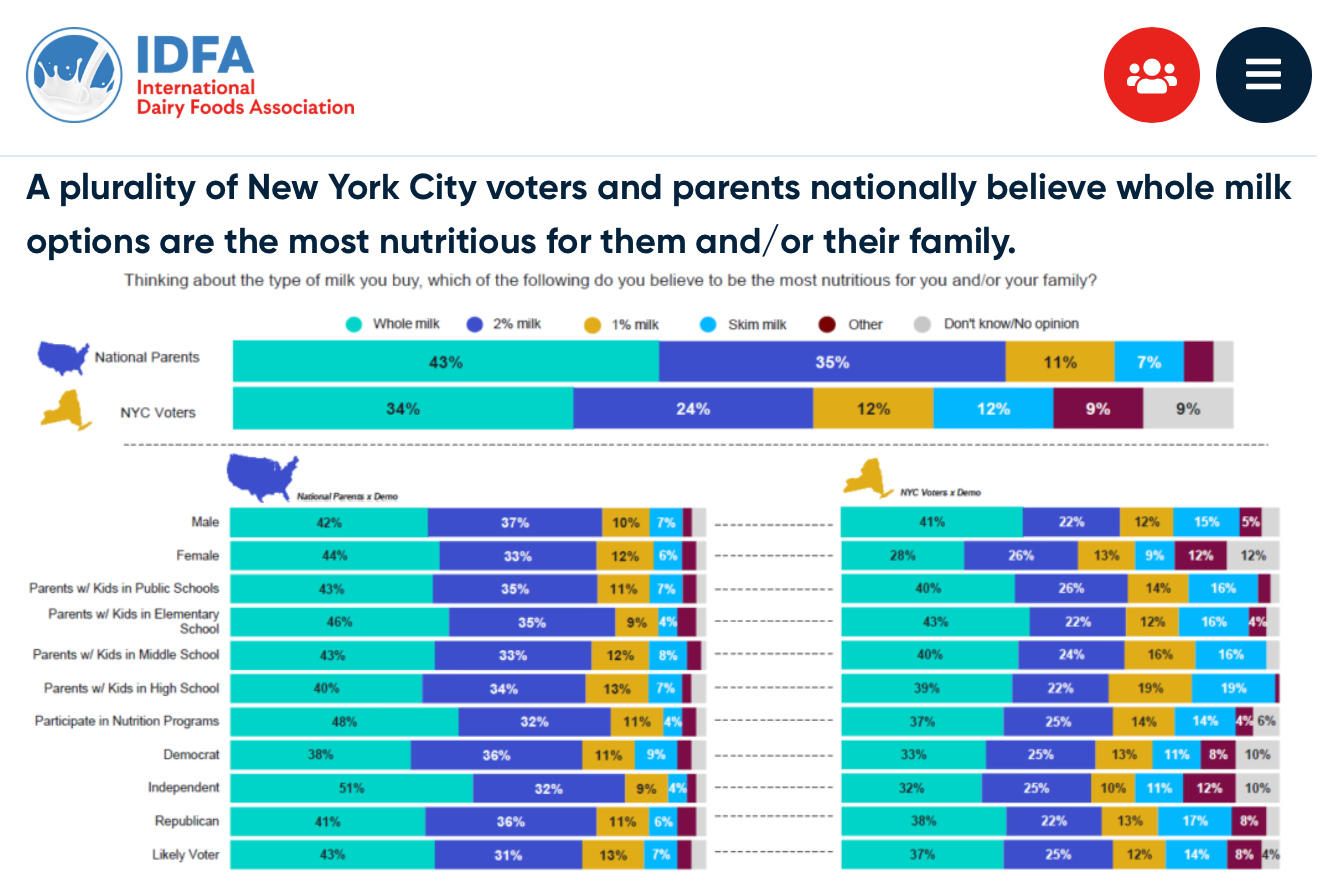
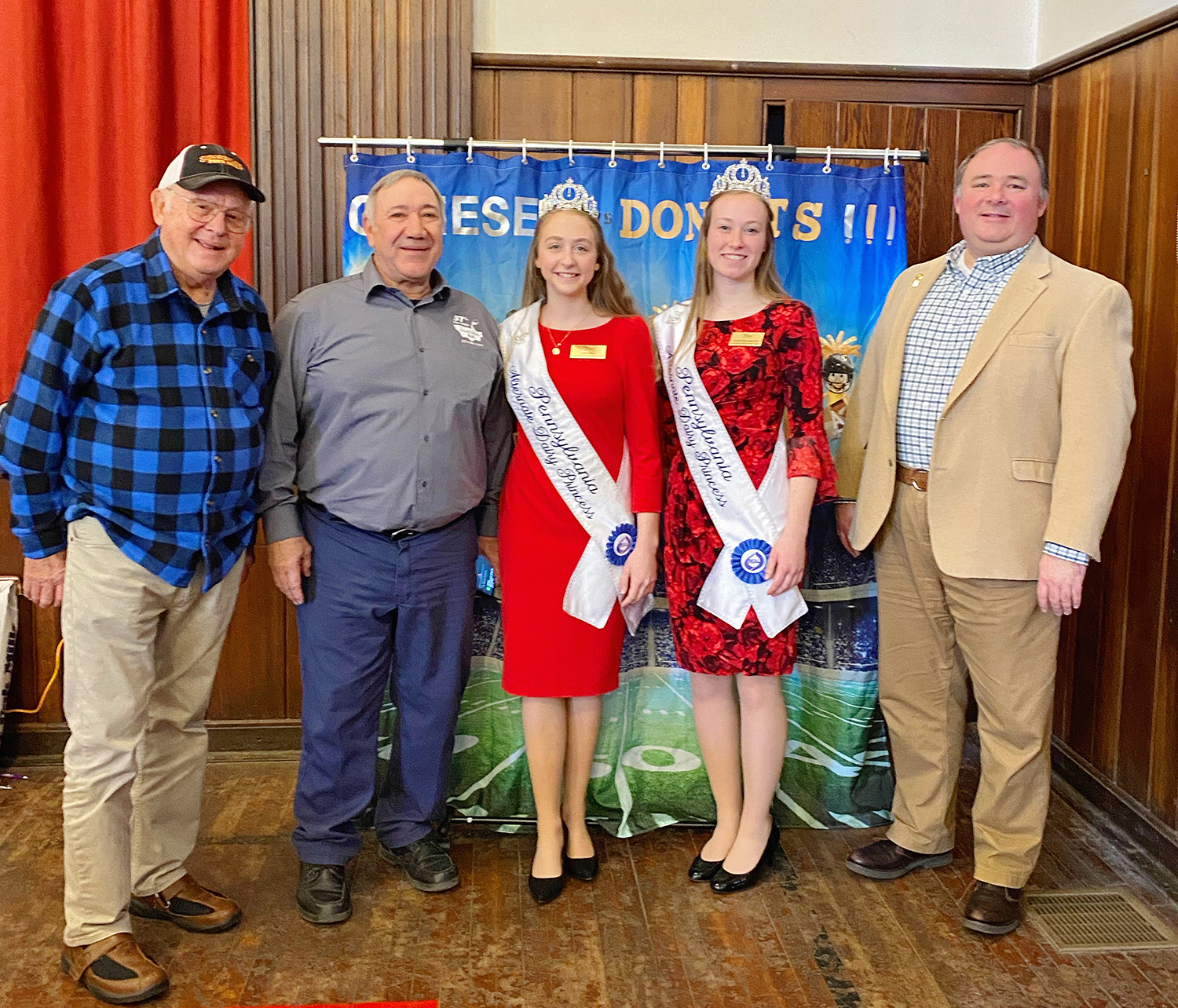
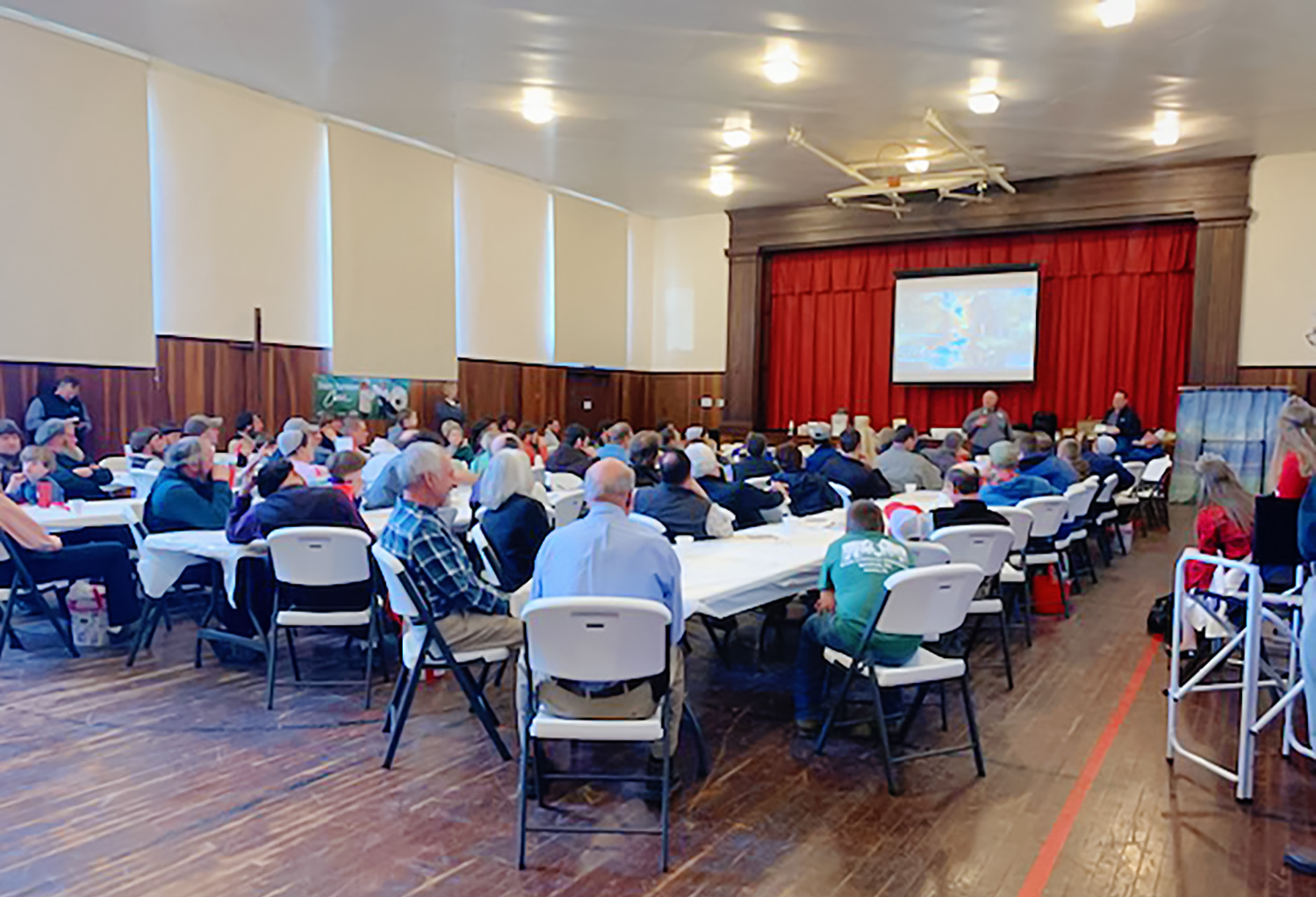

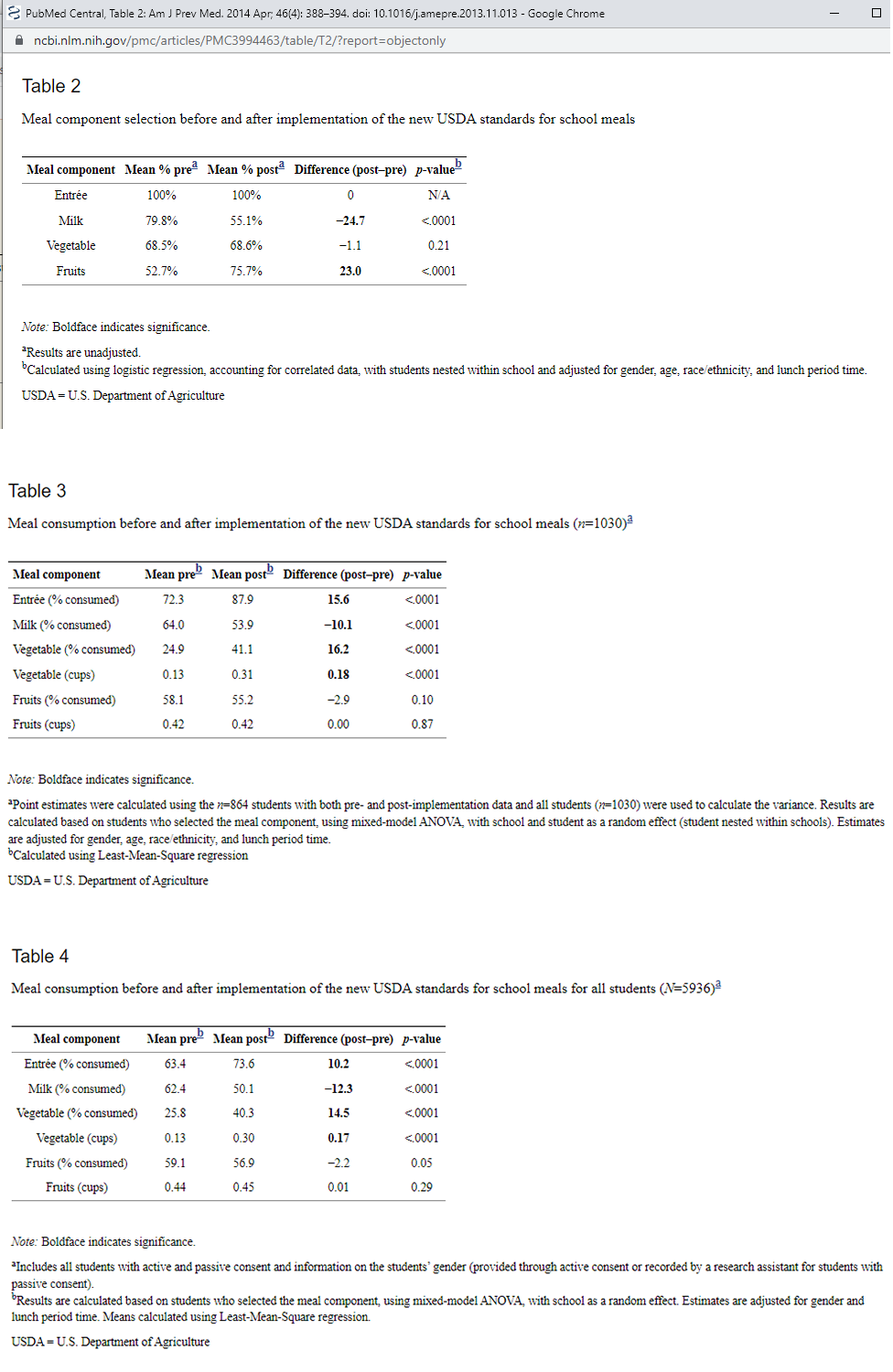
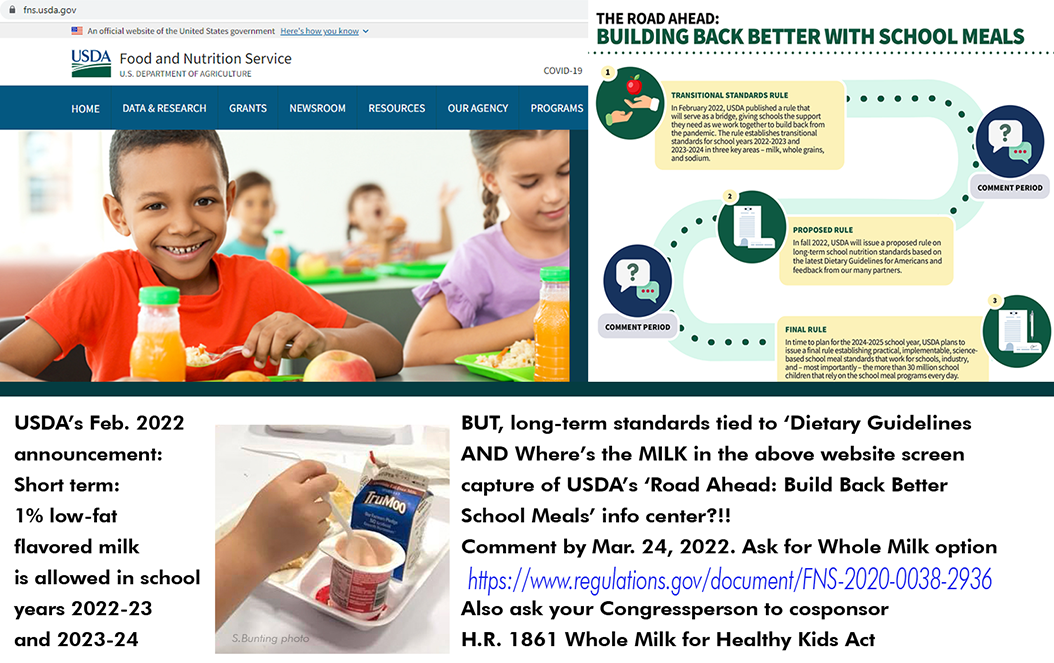
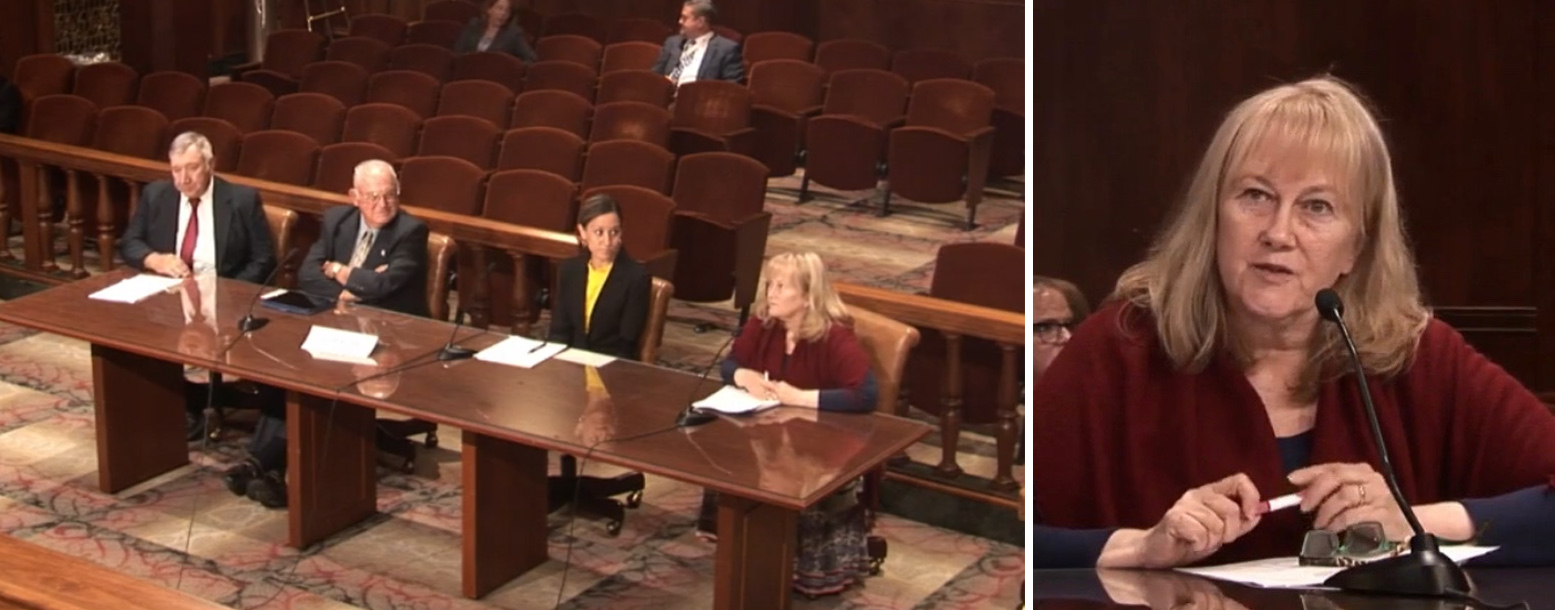
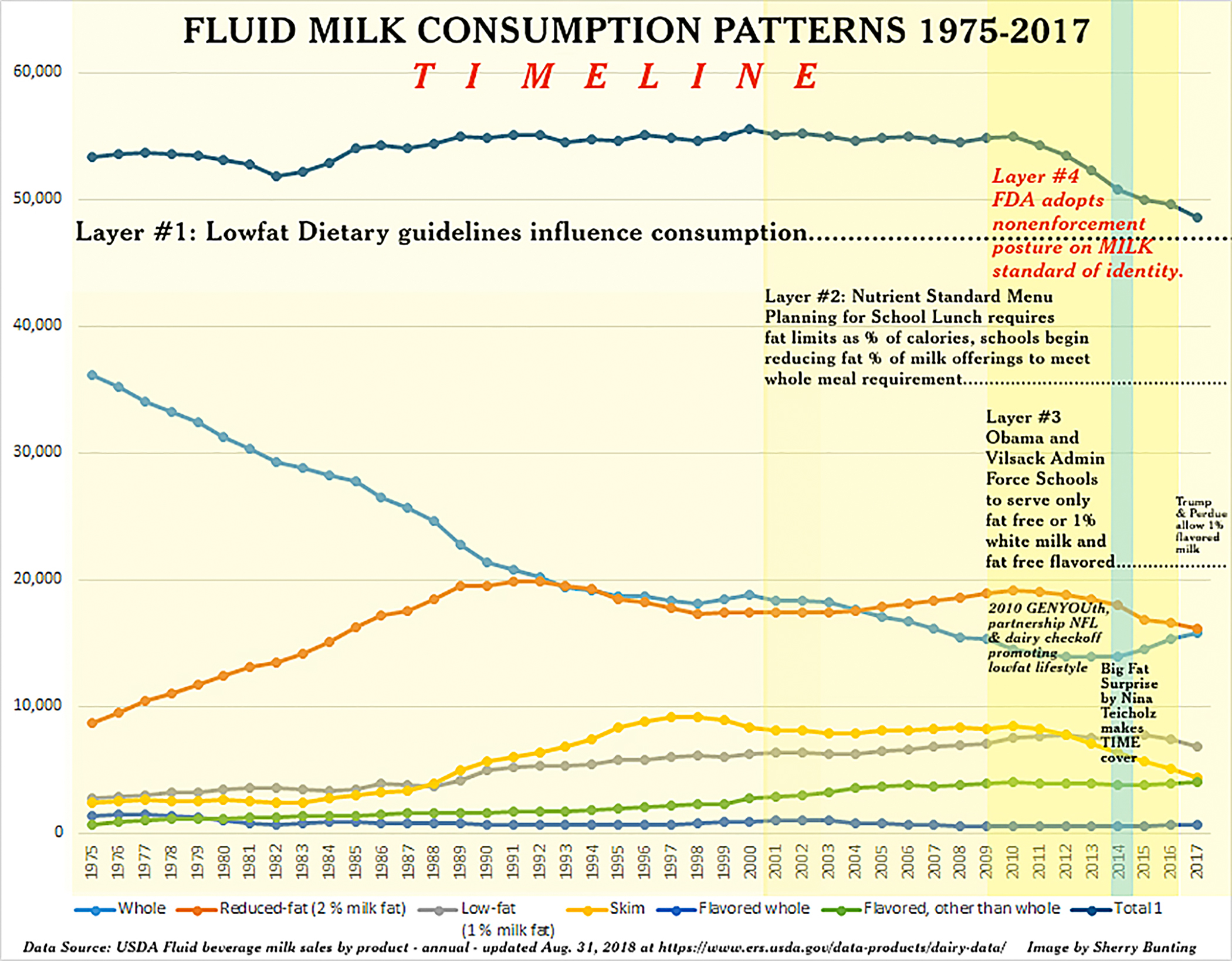
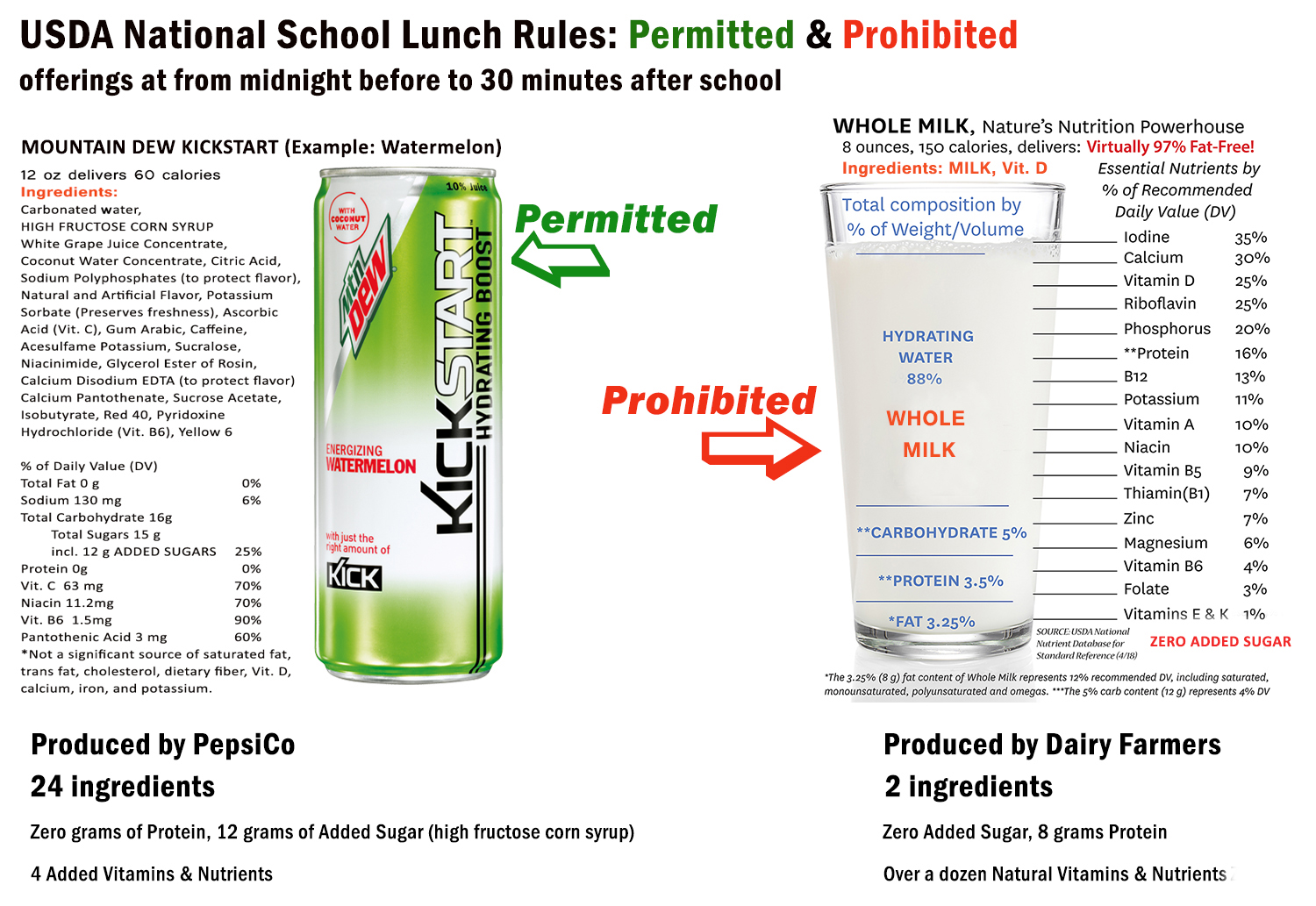
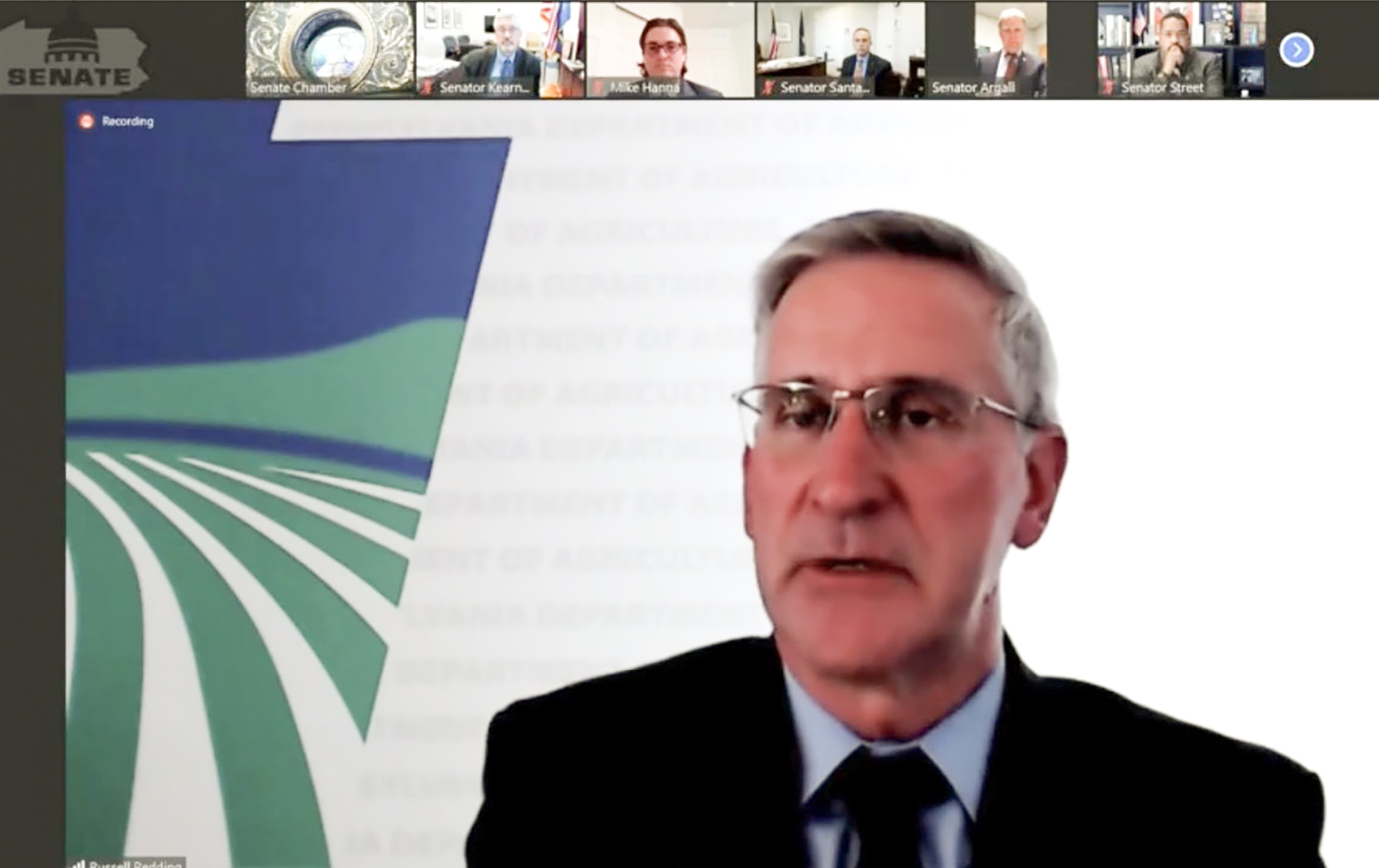
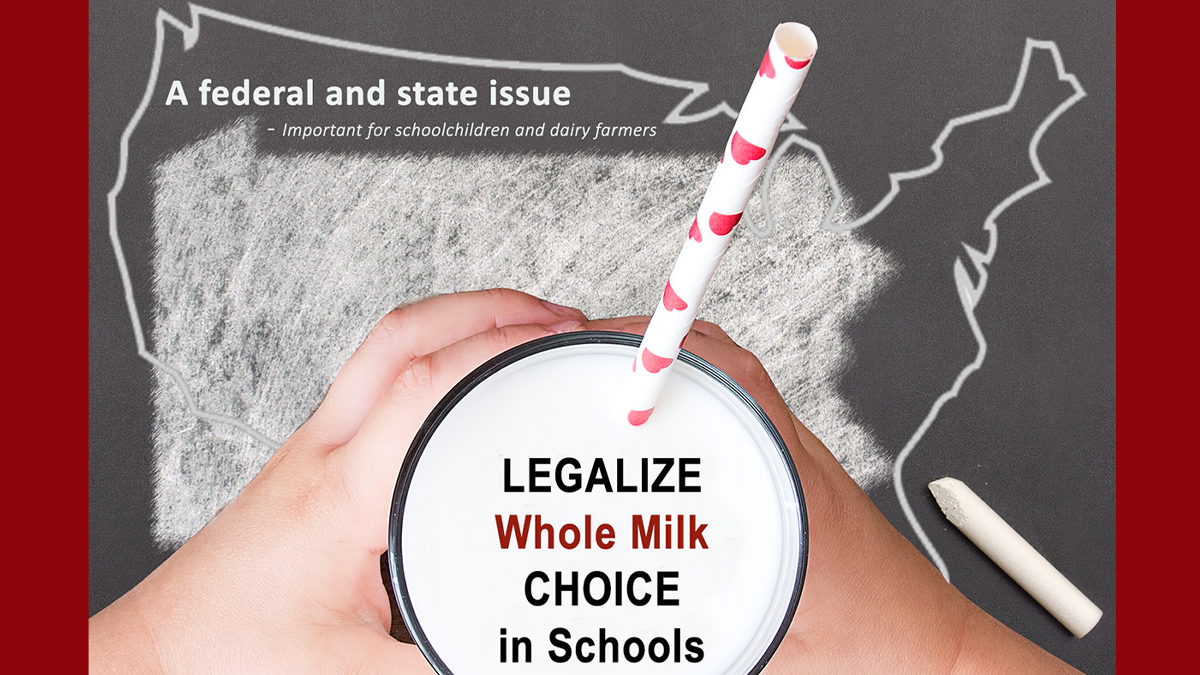
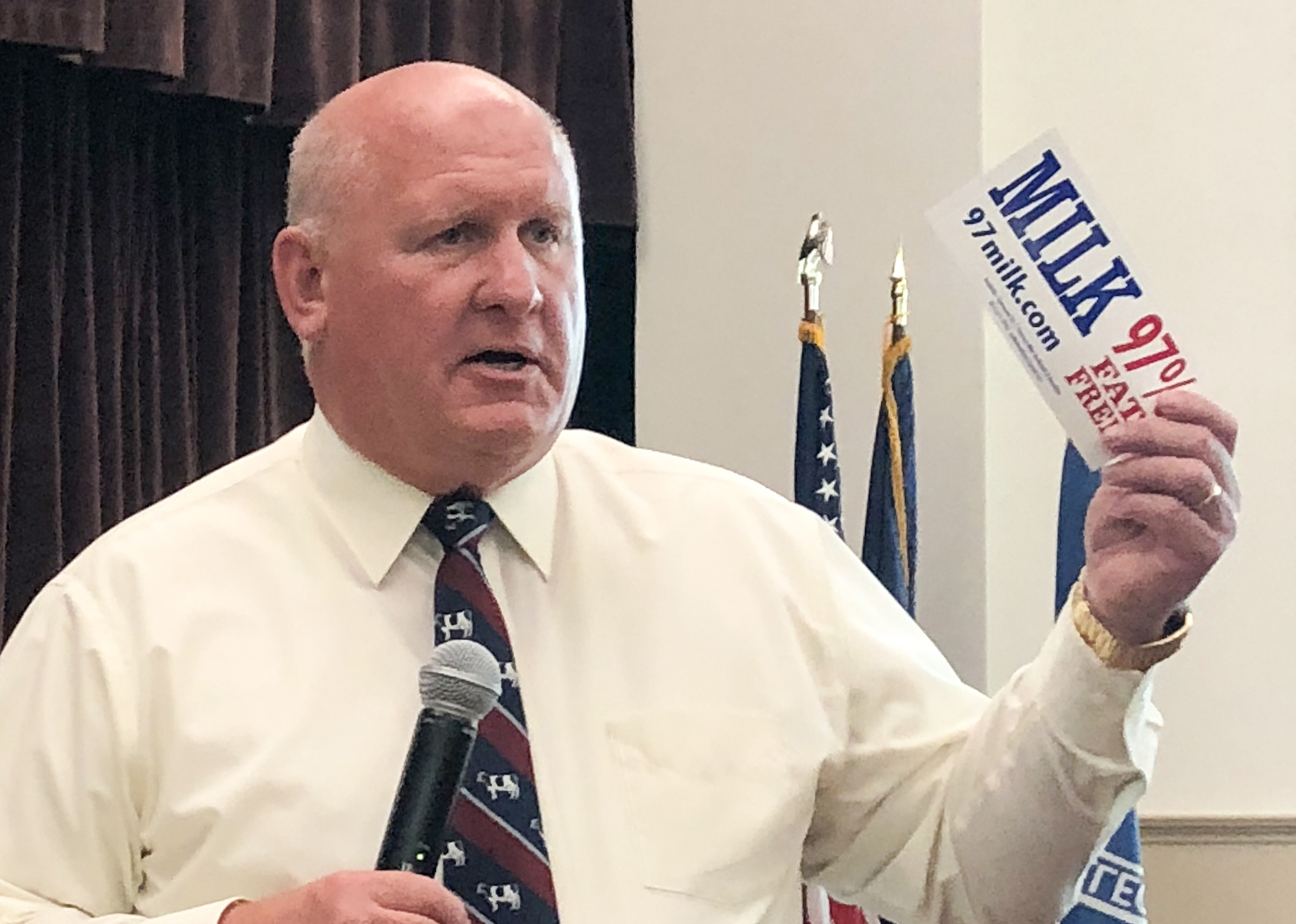
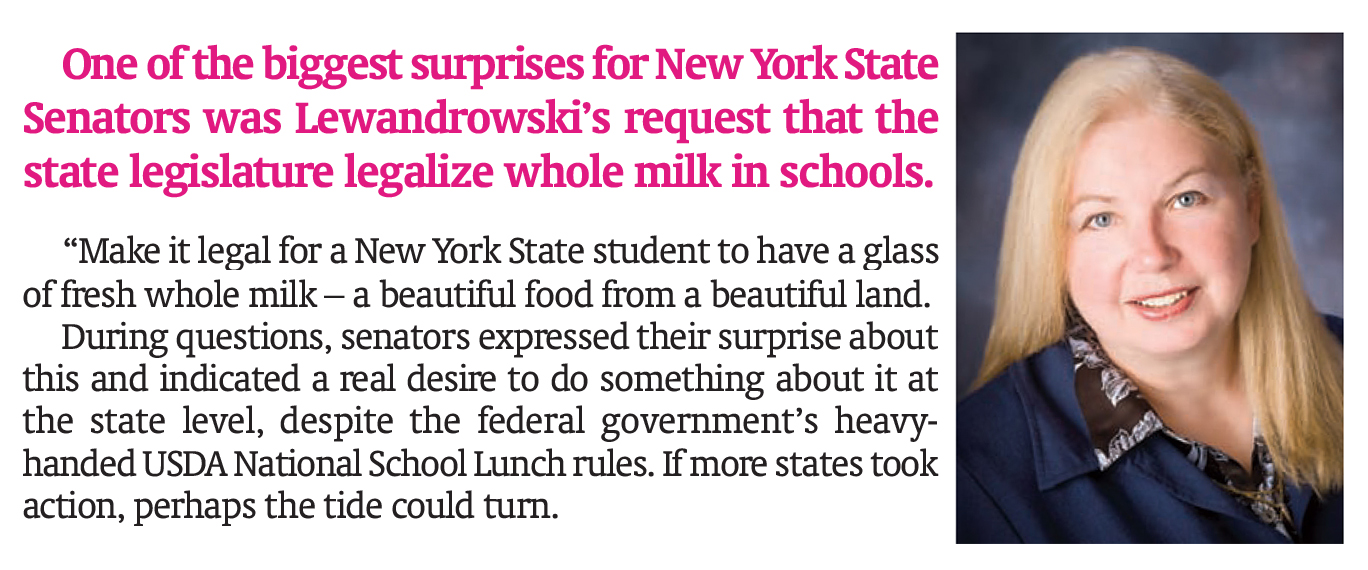
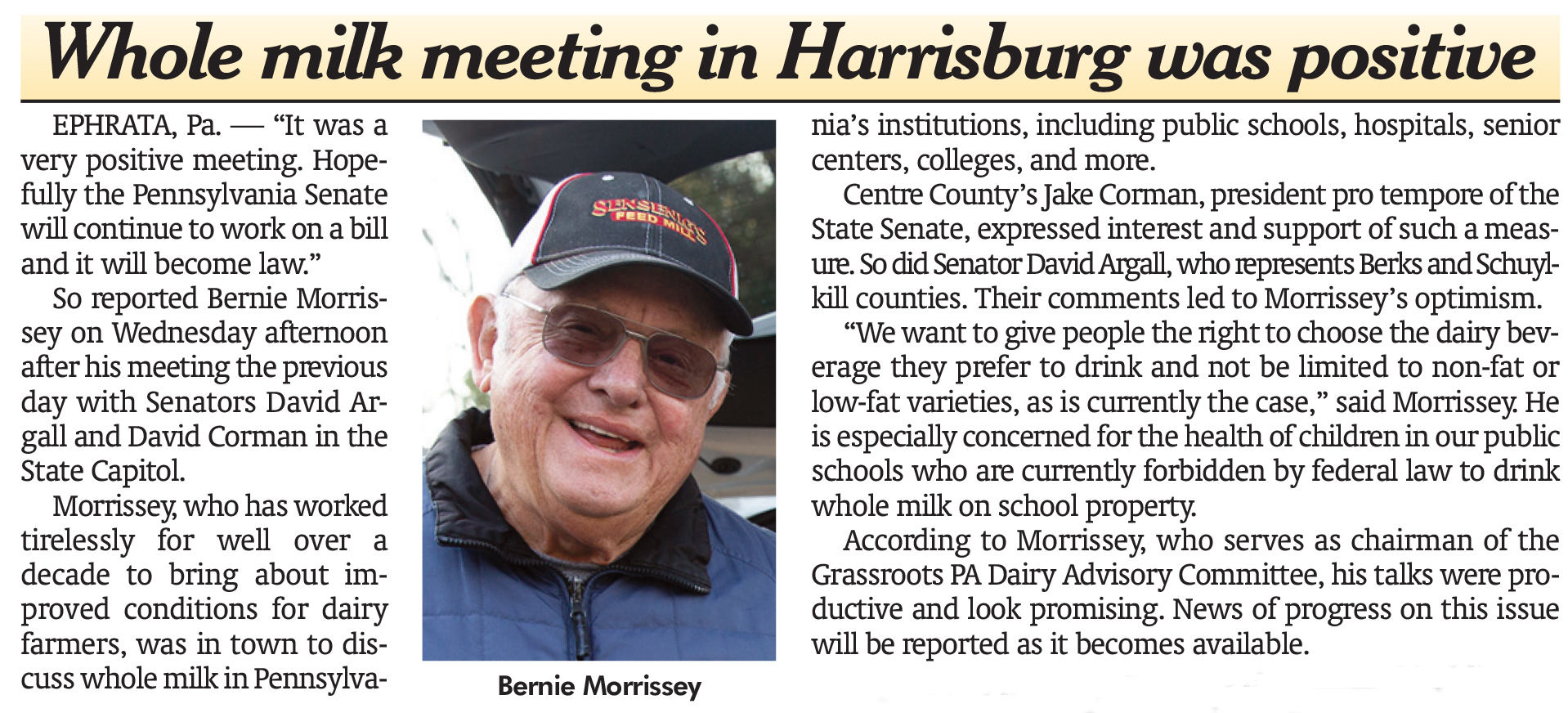
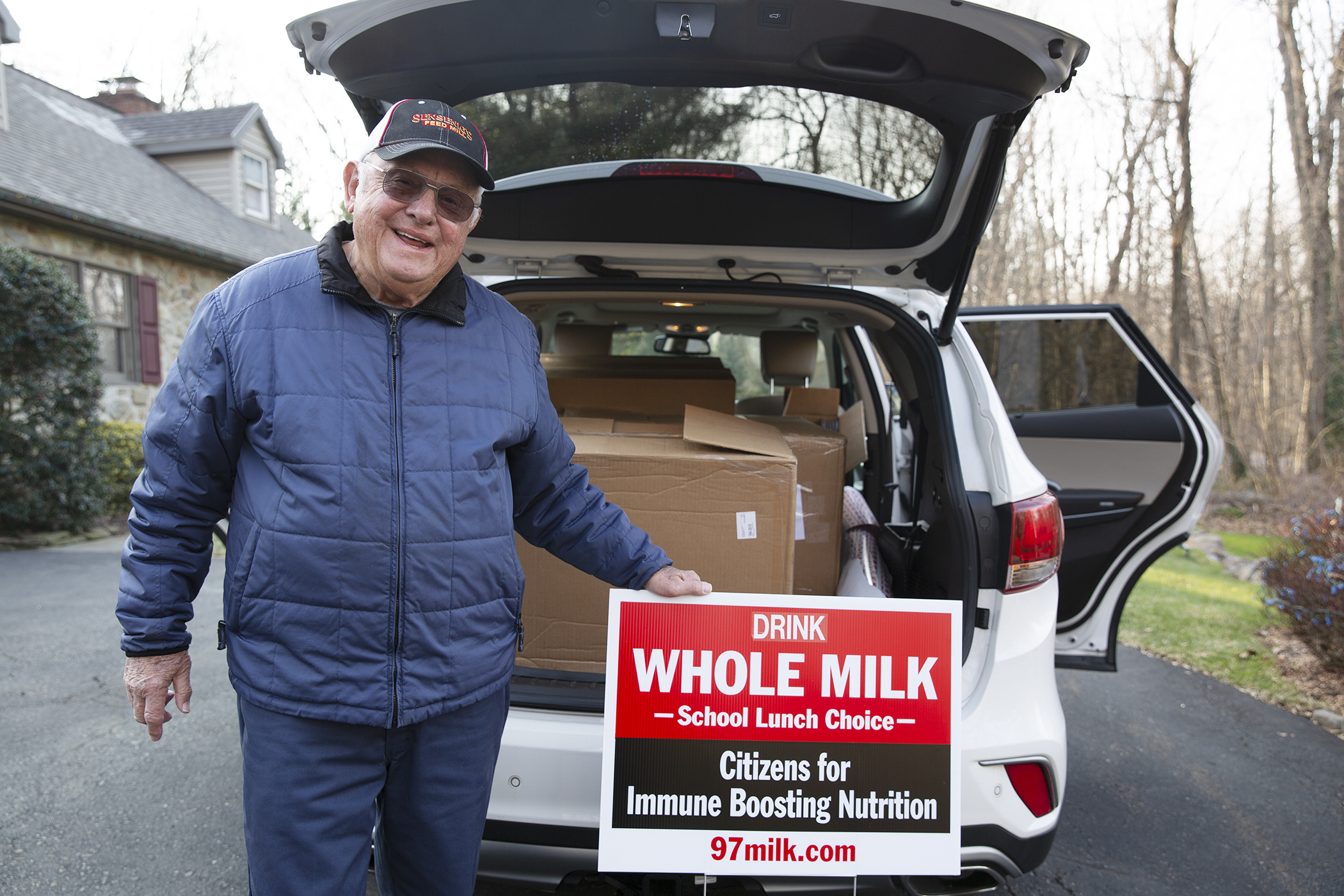
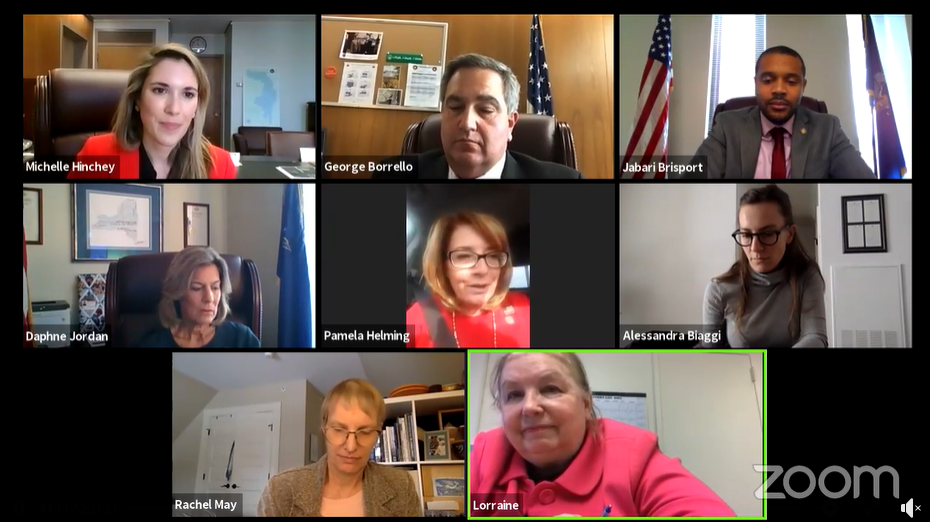
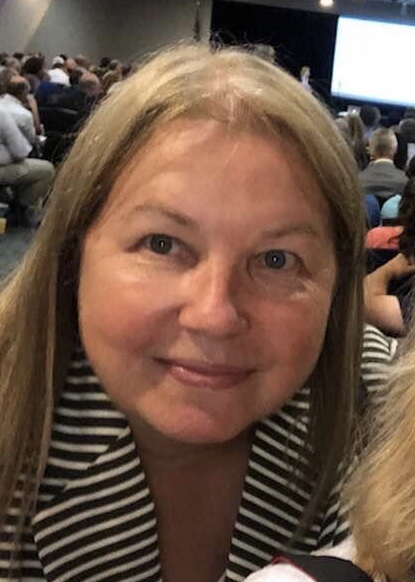
 Ag Moos