The deeply rooted tree

(George F. Curry Jr. Sept. 4, 1937 – Dec. 22, 2001)

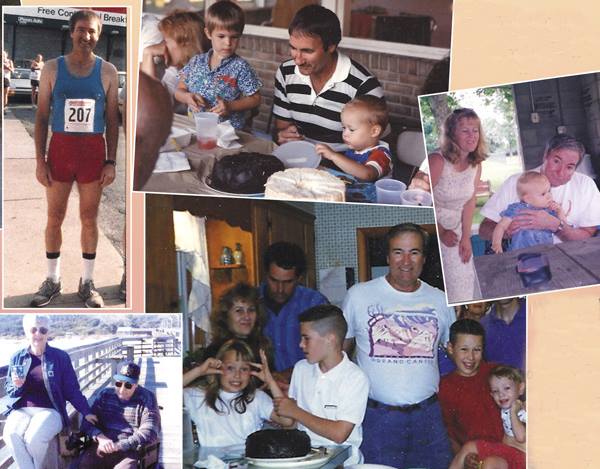
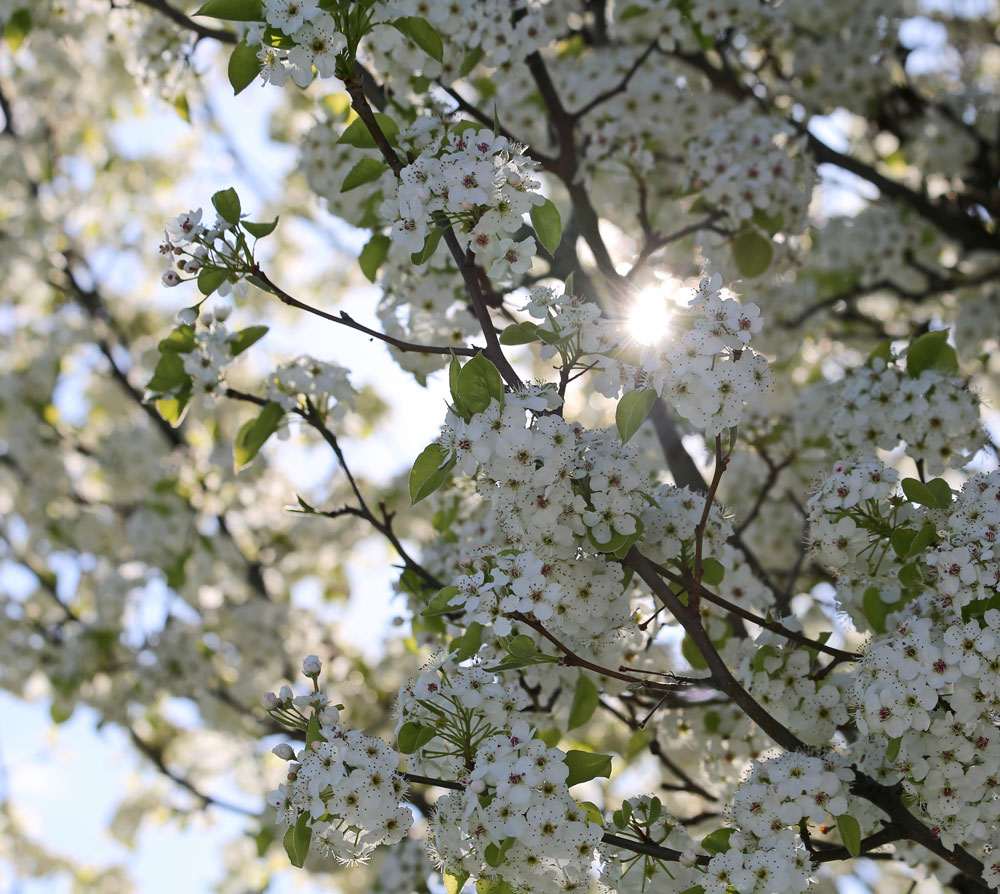
Like the deeply rooted tree unleashing new blossoms of spring, Dad loved life. In his later years before the illness, he was an avid runner, taking in everything from 5k’s to marathons—even running 5 miles to work and home each day… He called running his “natural high.”

tree1

When we were growing up, Dad was the worrier, so it was surprising the way he let go of his worry and accepted my work with large animals. First it was the Vet-Science project at my 4-H leader’s farm. Then it was the work caring for camp horses and keeping them fresh with regular riding through the winter. Then it was the day I came home to tell him I took a job feeding and milking cows on a local dairy farm.

Dad didn’t understand these things that interested me, but he trusted me to do them just the same. After all, he had fostered my love for the written word and all those books were my windows to different worlds.

As a child, I devoured books about horses, cattle, the open sky. I would spend hours—whole afternoons—reading in makeshift grass forts between the greenhouses on the neighboring farm to the background buzz of grasshoppers until the evening chirp of katydid and cricket signaled it was time to walk home.

As I grew into my high school years, Dad never could understand why I would want to work on a farm milking cows or why I took so much of the money I earned through that hard work to buy and board and feed and shoe a horse.

He worked as a job foreman in the printing industry for RR Donnelly, where he started at age 16. It was his hope that we would all go to college and become ‘something more’ as he would say it.

But to me, my Dad was the king of adventures. He was the purveyor of the written word. He ran the presses, then planned the work that went onto them. He brought home magazines and books. He drove us to the library often. He would take us to work sometimes in the evening where we could look through the press over-runs for pictures and posters and covers. Indelible were the smell of the ink and the crisp feel of freshly printed pages. I always looked for the animals. My brother was thrilled with the baseball programs. RR Donnelley printed for the New York Yankees and that, of course, was my Dad’s favorite team.

Dad wanted us to be independent thinkers, and yet, my level of independence flustered him at times.

“You should be saving for college not that horse,” he would say as I worked 2 jobs—milking morning and afternoon and then selling shoes at a nearby department store in the evenings. Every free moment was spent at the farm where I boarded my horse, so I was rarely home.

But there came a point in time when his ways won out because I worked so much I had no time for the horse. Little did I know that what I learned through those early choices would shape my future.

I began to write more. I had whole journals of landscape poetry. I took my camera with me everywhere.

Before I had my license, it was my Dad who drove me most places. He didn’t understand my choices, but he enabled and facilitated them just the same. He always asked to read what I had written. Often I showed him… but not always.

And so, my work on the farm and love of writing converged. I think back on how Dad had ideals of what he wanted me to pursue, but supported my choices and allowed me to grow the path of my choosing.

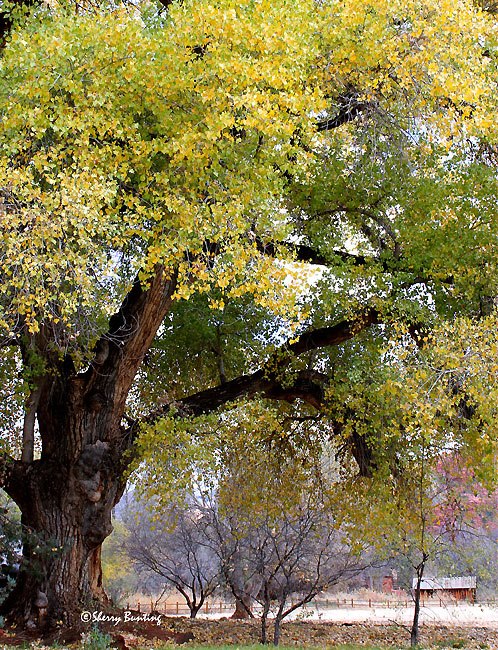
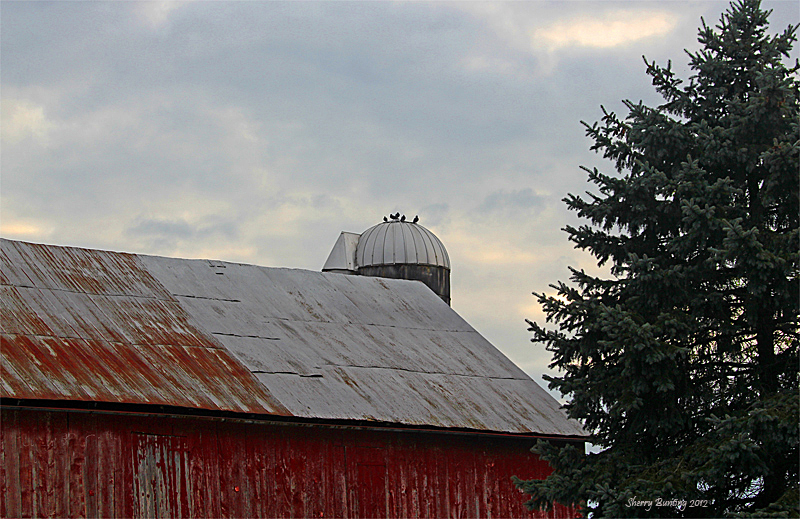
He was the full tree of knowledge. The gnarled branches reached out an invitation to climb, and when I was weary, a sheltering refuge.

tree2

Years later, when my own children were small and I was between newspaper jobs, I worked as a temp in my father’s department at RR Donnelley. It was extra money we needed, and I could work my own hours—even nights—to save paying a sitter. I would see him from time to time in his work-a-day world, and I grew to know him differently. I felt a kind of sadness as digital technologies made parts of his work obsolete. But he was happy about the progress, excited to see change. He embraced it nonetheless.

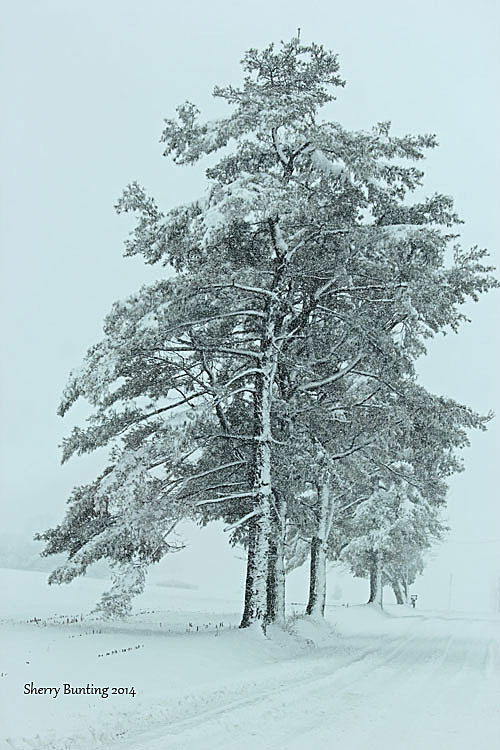
Until the illness began—nearly imperceptible at first— like a late summer tree whose leaves begin to turn and before they can crumble and fall away, are blanketed by an unexpected autumn snow, falling before its time.

tree4

Even after the brain illness claimed his ability to walk and talk, he was interested in the world around him and how we had grown to find our place in it. Dad always believed he would get better, but he didn’t, that is until the day his Lord and Savior, brought him Home. Dad was a good and faithful servant, ministering to others in word and deed through Water Street Rescue Mission, a food, shelter and gospel ministry.

In those last few years, I was back at the newspaper and we had added a new monthly livestock edition to the weekly market report. It was printed in color. How his face would beam when I’d bring him a copy. Dementia was setting in, but he fought with all he had to hold it back. I asked him to help with the mailing at that time, and from his wheel chair, Dad would help me apply the address labels—a rote activity that he accepted as a blessing—a feeling of worth in his final days. We worked quietly.

1010280_10201554909858736_666872292_n

This father’s day I thought back to how different my life might be if my Dad had not let me go; and I remember how hard it was that day before Christmas when we made the tough choice to honor his wishes to stop the machines and let him go.

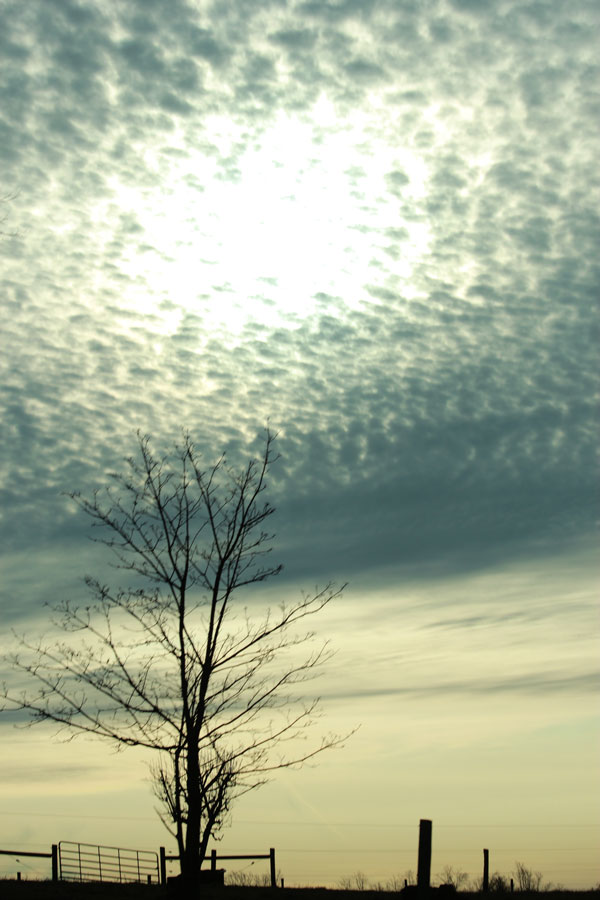
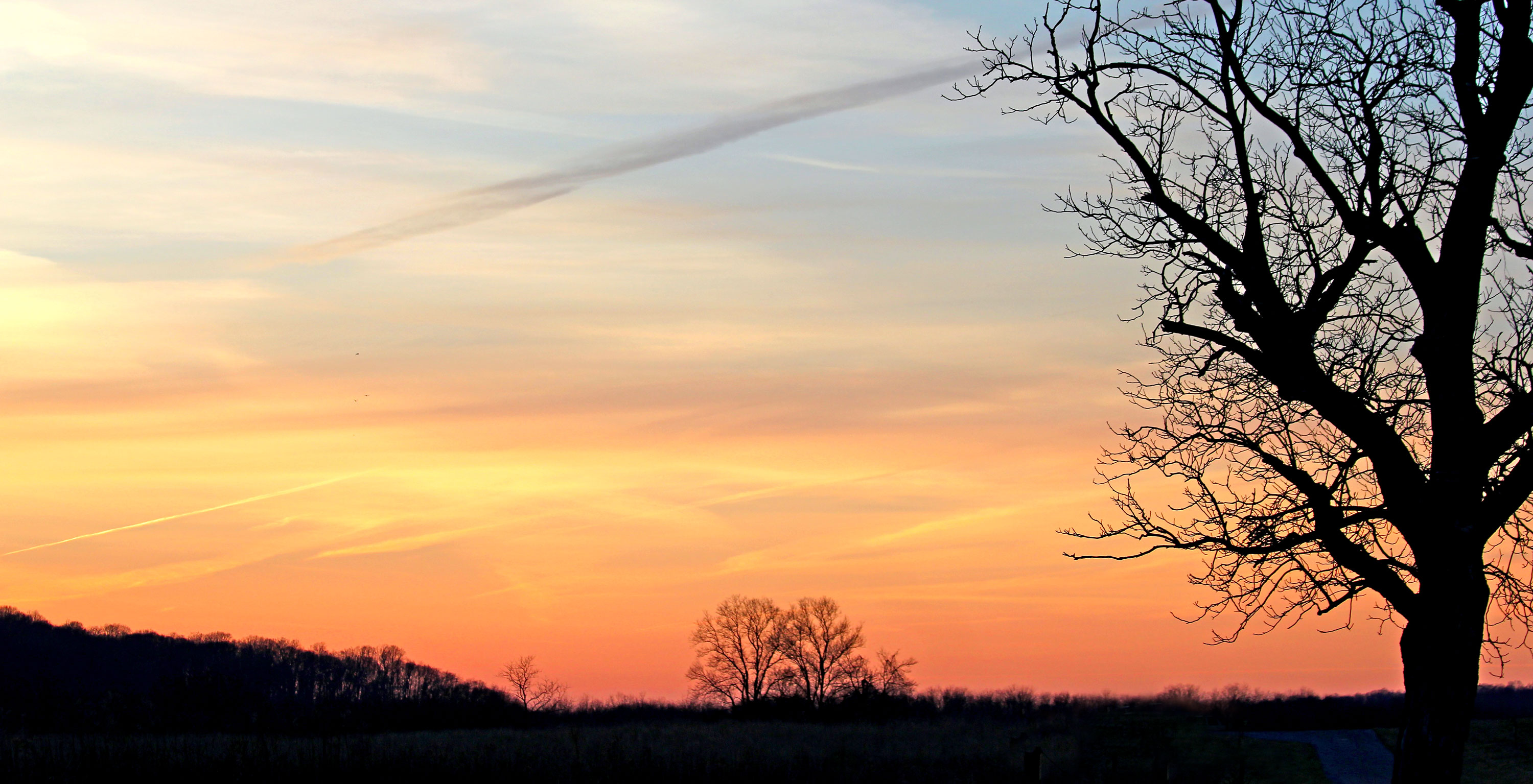
That day was sunless, until evening, when light broke through the feathering clouds to reveal cold, bare branches—awaiting new life.

— By Sherry (Curry) Bunting

Tree3

315815_2479071900282_234251482_n

Gratitude and honor

“For our country, for us all,” read the Marines billboard as I drove through the nation’s heartland over Memorial Day weekend.

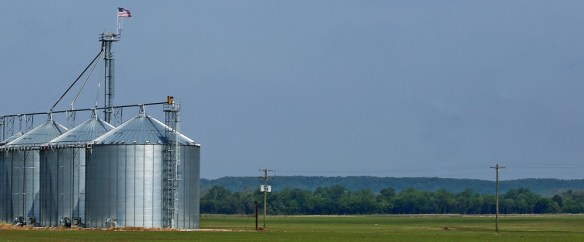
I turned the phrase over in my mind, thinking just what kind of courage, heart, and love of country it takes to serve in our nation’s military. A rush of thankfulness flooded over me as the tires of my Jeep Patriot ate the miles to the next destination, and farmland stretched endlessly on either side of the highway.

I whispered ‘thank you.’

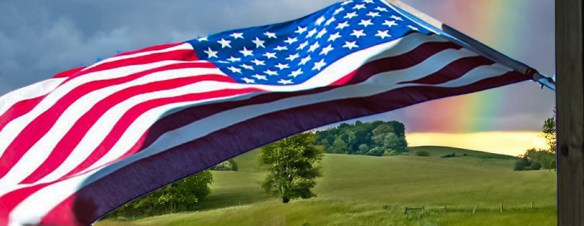
flagrainbow2

Today, our nation commemorates Memorial Day, which began as Decoration Day, when the grave decorating custom became more prevalent during and after the Civil War, honoring soldiers who died — both Union and Confederate.

Since then, the final Monday in May has become a special time to honor all of the men and women — the patriots who have served and died — paying the ultimate price for our freedom and our country… “for us all.”

cropped-flag18

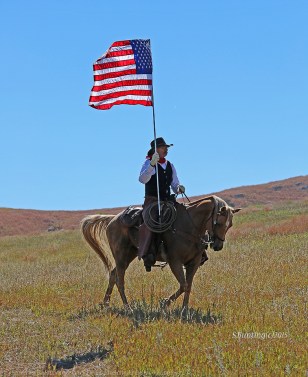
I am struck by the diverse beauty of America. American soldiers come from all walks of life and all regions of the country, and a high percentage come from farms, ranches and rural life.

flag64782 (1)

As I drove past that billboard along a highway near Lubbock, Texas, I also thought about the mothers and the fathers, families and communities, who have raised, and then lost, men and women who have paid the ultimate price so that we may be free.

custer-116

This Memorial Day, as always, we solemnly remember with honor, with gratitude the supreme sacrifice of our heroes, that freedom and liberty may live and that we as Americans may have the rights and responsibilities to protect it and pass it on to future generations.

887478_10208642209516798_3834399691121394933_o (1).jpg

Busy defines the life of a farm mom

My second blog post for Mother’s Day 2014 is the reprint of a feature story in the May 9, 2014 Farmshine. It is inspired by my very busy friend on their farm in northwestern Indiana. LuAnn is not alone as a busy mom and grandmom, and what I love about her is she is always ready to show people around and to talk about dairy farming to visitors — or on camera — at a moment’s notice. She stresses how their place is not fancy, and in her humility, declares that she is not perfect and can “drop the ball…” I get that. We all drop the ball, but what’s important is that we keep on rolling. 

Image

By Sherry Bunting, reprinted from Farmshine, May 9, 2014

HANNA, Ind. — Mothers — and grandmothers — all have those days when they wonder how they will ever get everything done. The long span of hours from pre-sunrise to long after sunset are filled all too easily on a dairy farm. Those hours can simply fly by when your ‘office’ keeps changing from the house to the barn to the feed store to the industry meeting you are trying to get to and back again.

When I feel stressed by all the “to-do’s” on my list, all I have to think of is LuAnn Troxel – a dairywoman, calf feeder, farm and veterinary book keeper, immediate past president of the Indiana Dairy Producers (IDP) and the organization’s current business manager, IDP newsletter editor, at-the-ready communicator, and — most importantly — mother and grandmother.

Anyone who has met LuAnn Troxel instantly feels at home. A more welcoming friend is hard to find. LuAnn is an easy going and knowledgeable dairy “agvocate.” It’s not that she doesn’t get worked up over the dairy farm myths circulating on social media – it’s that she doesn’t let them get to her. She is happy and confident in her responses, and breaks the topic down to its most basic element with consumers.

Those in the farming community wouldn’t believe she wasn’t raised on a dairy farm. But that is the case. What is second nature to her today was learned when she married Dr. Tom. Not only do Tom and LuAnn Troxel operate (now with their son Rudy) a 150-cow dairy farm in northwestern Indiana, they also tag-team Dr. Tom’s solo practice: South County Veterinary.

On the morning of an IDP event, I marvel at the day she puts in before her other day begins. Morning coffee, breakfast casserole in the skillet, phone ringing as folks call for Dr. Tom or to order supplies…. In between preparing breakfast and answering the phone, the animal health supply truck rolls in, and she takes a quick break to meet the new rep who will be bringing things by.

It’s end of month and she has invoice work percolating on her computer, as well as running through the inventory to put together customer supply orders and to give the animal health rep an idea of what they need today and by the next time he stops by.

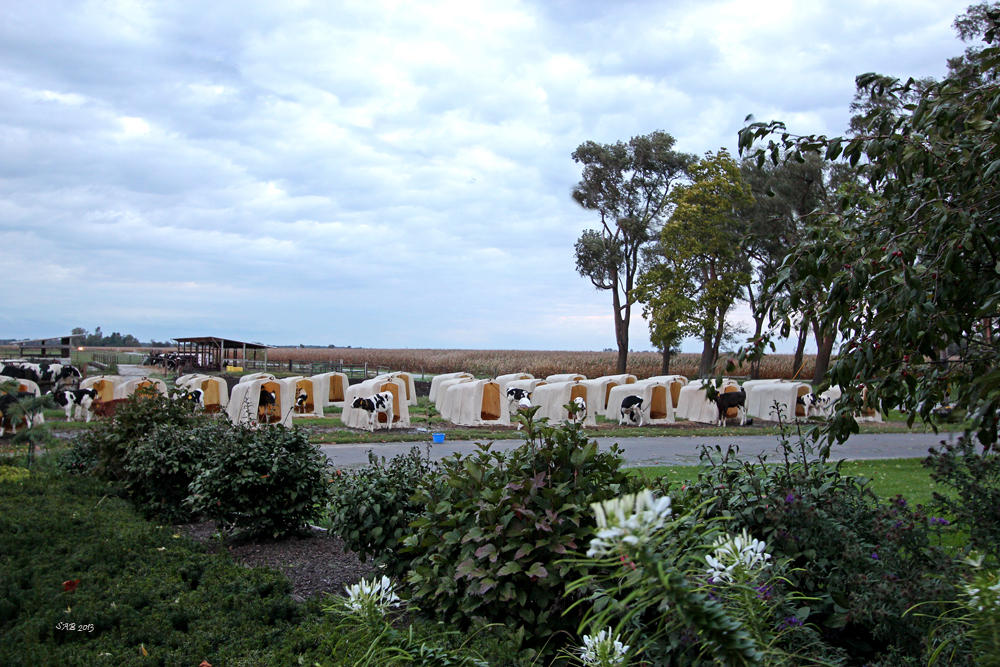
By 7 a.m., she’s walking two full mugs of coffee out to the barn and it’s time to pick up the waste milk at the parlor to start feeding the calves in hutches that line the side drive in view of the large country kitchen.

A phone call interrupts her flow. She jots down a note, and with phone still balanced in the crook of her neck, heads off to the sand pile to find Dr. Tom bedding stalls. They confer. She hands him the phone and the note. Waits a few moments, then phone in hand heads back to calf-row.

Image

Back inside after the calves are fed, breakfast is served, and a list of “morning calls” is prepared for Tom. A peck on the cheek and quick farewell and she’s loading the van with name tags and registration materials for an IDP meeting that starts at 9 a.m. an hour from home.

Not an atypical day really for someone who is in leadership positions for Indiana Dairy Producers, sits on a Purdue University task force, and several other industry groups while still making time for leadership in the local Master Gardeners club.

Whew!

It’s not that LuAnn is the only dairywoman or mother / grandmother with a full schedule – day-in and day-out. It’s that she so well represents what so many dairywomen juggle. They have their own work on the farm. They support their husbands, including a quick hop in the tractor or running to town for a part at a moment’s notice. They mother their children, and when the time comes, take joy in the grandchildren — especially watching them take on responsibilities and passion for the dairy farm or a career path that could take them away from it.

From the off-farm world, hearing a dairywoman like LuAnn is a breath of fresh air cutting its path through the stale and lingering smog. There are so many “fear-mongers” creating anxiety for young mothers shopping for food for their families. They breed a distrust of a perfectly safe and wholesome and affordable food supply — pushing families to fear anything that doesn’t say “no-this” or “without-that”.

Listening to LuAnn do the spots for DairyGood.org, there is a certain ease of which she speaks. It instills confidence that dairy farms are DairyGood places where DairyGood products come from. It helps young mothers forget their fears and shop with confidence.

Image

Why does she do it? “I always knew Tom and his family because we grew up going to the same church, and back then I didn’t have a true appreciation for the work and the lifestyle of dairy farming,” she says. “After having lived this with Tom for all of these years, and raising four sons here, I just know that if people can see how hard we work and how much love we have for what we do and our passion for the cows… maybe they will keep that trust in us that we are producing for other families the food that we feed our own families.”

She and Tom are grateful to work on their family’s dairy farm in northwestern Indiana to provide food for people every day. “We have always felt that opening our farm’s doors to the public is the best way to educate people on what it takes to produce milk,” she says. “We love that visitors see the care and respect we have for our cows and the environment.”

Dairy farmers have a real story to tell, and we’ll see a lot of that next month when June brings National Dairy Month. But for today, I wanted to remind us all that it’s the moms and grandmoms on the farm who have the power to make the true dairy story real for other mothers shopping for food for their families — one thought, photo, idea, conversation, smile at a time.

Happy Mother’s Day to Dairywomen everywhere! Be encouraged by every little thing you do to shine your light in the world.

Image

-30-

Troxel8475

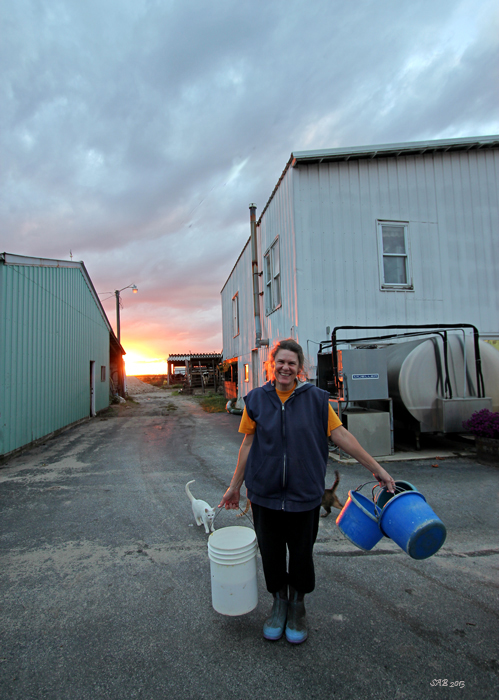
LuAnn Troxel is an encouragement to others as she goes about her busy day. It’s sundown and she’s got the waste milk from the parlor to feed the calves in hutches. Photo by Sherry Bunting

Troxel0047 and 8502

As if the farm and her husband’s veterinary practice weren’t enough, LuAnn Troxel makes time for her passion — flower gardens. She proclaims: “We aren’t fancy.” And yet the layers of perennials and annuals around the property soften the edges and add color to the freestall areas. Photo by Sherry Bunting

Troxel6976

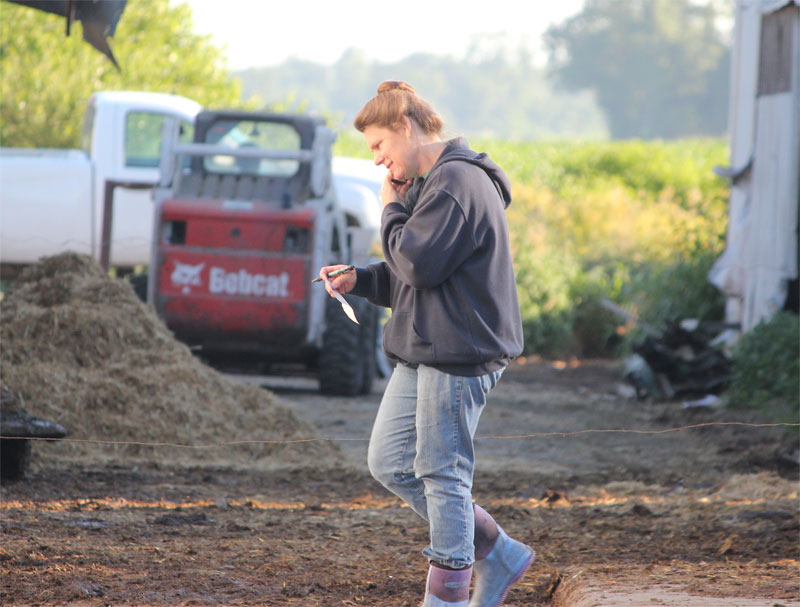
A phone call interrupts her flow. She jots down a note, and with phone still balanced in the crook of her neck, LuAnn heads off to the sand pile to find Dr. Tom bedding stalls. Photo by Sherry Bunting

Troxel6998

Feeding the calves morning and evening bookend the busy days on the farm and in the industry. Photo by Sherry Bunting

Troxel7042 or 7045

“There’s nothing like a dairy farm to raise a family,” says LuAnn with a smile. She is pictured here with one of her and Tom’s grandchildren. Photo by Sherry Bunting

‘Unstoppable Mom’ shared faith, family, farming with millions of TV viewers

Mother’s Day is around the corner and I have 3 posts in store for you. Here is the first — an oldie but goodie and one of the most requested reprints of one of my stories in Farmshine, which ran as last year’s Mother’s Dairy feature.

By Sherry Bunting, reprinted from Farmshine May 10, 2013
Image

COCHRANVILLE, Pa. – When Kelly King Stoltzfus wrote a letter about her mom to ABC’s “Live! with Kelly and Michael show,” she didn’t tell her mom about it because she didn’t expect her letter to get picked for the semi-finals and finals of Live’s “Search for the Unstoppable Mom” contest. After all, the show received over 20,000 letters written by children about moms nationwide!

But Mary Lou King not only made it to the final-four — which meant the show’s producers and video crew visited for two days to chronicle her life on the farm — she was ultimately voted “The Unstoppable Mom” by “Live” viewers across the country during the first week of March.

“This should really be the ‘unstoppable family’ award,” a humble Mary Lou said during a Farmshine visit to the family’s 150-cow dairy farm here in Chester County, Pennsylvania last Friday.

Along with a trophy, Neal and Mary Lou King received $100,000 for winning the contest. “We paid our taxes, gave our tithes, and the rest went to the kids,” she said.

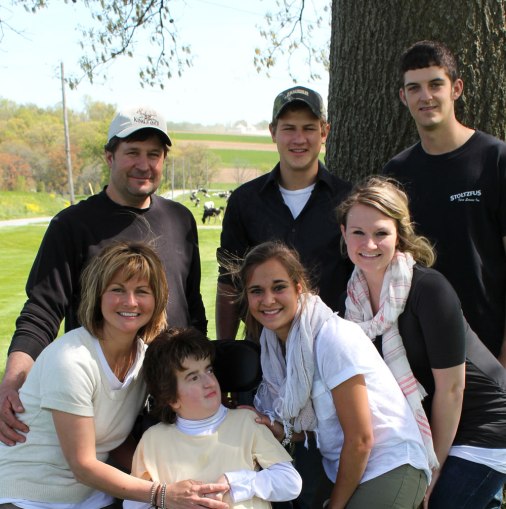
Kelly, 22 and the oldest of the four children, is married to Kyle Stoltzfus and works as a nurse at Tel Hai in Honeybrook. Colton is out of school and works full-time on the farm. He does all the feeding for the King family’s dairy cows and youngstock, helps with milking, and crops 300 acres with his father. Kristy graduates from Octorara High School next month and starts nursing school in the fall. And Kandy, 14, was born with a mental handicap, having the brain development of a three month old child.

“We decided early-on that she would be raised here like a regular child,” Mary Lou explains.

“I think something stood out to those television producers when they read Kelly’s letter,” she adds. “They were curious about the farm when they came to do the filming and literally everything they saw here was something they had never seen before… right down to enjoying a cold glass of raw milk from the bulk tank. They swished it in their glass like they were savoring a fine wine. And they loved the peacefulness here and the wide open spaces.”

The television producers and film crew were also surprised at how much science is involved in dairy farming. Mary Lou recalls explaining what she was doing with the breeding wheel and in the pen checking tail paint. Their eyes would glaze over. “They never knew there were so many different jobs to do on a farm.”

Many portions of the letter stood out as being unique to the New York City television producers. The words “My mom has been milking the cows at 4:00 a.m. and 4:00 p.m. every day with my dad ever since they were married back in 1988,” certainly got their attention.

That, and Kelly’s description of her mother’s daily commitment to 14-year-old Kandy, who alternately dozed, then smiled a sweet and contented smile during our interview Friday at the kitchen table.

“I’m just a farm mom,” said Mary Lou, who came to represent farm moms everywhere during “Live” voting in early March. But she also struck chords with parents of children with special needs and with members of the nursing profession.

Pretty much everyone who viewed the video of life at the King farm was moved by the passion Mary Lou exudes for taking care of the cows and her family.

While Neal loves most the tractors and the fields, Mary Lou enjoys the animals. She manages the reproduction, including the breeding wheel, picking bulls, and buying semen. While son Colton now does all the breeding, Mary Lou checks cows for heat daily, and she does the herd check and ultrasounds with the veterinarian.

She doesn’t view milking as a chore. “It’s relaxing to me,” says Mary Lou. “It’s where I do my thinking.”

It’s also where she has done her listening as the children grew up. “Neal and I both appreciate our upbringing of being raised on dairy farms,” she explains. “If I’m not out there milking, I feel like I’m missing out. I’ll ask Neal what the kids talked about.”

Mary Lou’s sisters all married farmers and her brother has the home farm in Lampeter. “I look at my mom who milked until she was 50 years old. That’s my inspiration,” she said. “I saw her example and the example of Neal’s mom who passed away over a year ago, and I say to myself: ‘If they can do it, I can do it.’”

And do it, she does. After milking at 4 a.m., she cooks breakfast for the family and gets Kandy ready for the day. She’ll do herd work, book work, house work, and get dinner started before milking again at 4 p.m.  Then it’s back to the house, dinner on the table, Kandy’s needs to tend to, and leftover book work to take care of. She may get to bed by midnight and be back up at 4 a.m.

Asked what she hopes to have taught her children through she and Neal’s example on the farm? “Faith,” she said without pausing. “and the value of hard work. But what I really see them learning is to put Jesus (faith) first, family second and the farm third. I really don’t think we could farm without faith.”

“My mom and Neal’s mom both set great examples. I loved seeing their support of their husbands in working together on the farm, and at the same time I believe women can bring incomes to the family also,” she explains. “I hope I have been able to instill that love for family and for knowing that our daughter Kandy is important – just the way she is.”

Mary Lou sees the faith in farming as two-fold. On the one hand, the blessings of raising a family on the farm give opportunities to learn an abiding love for God’s creation. On the other hand, the challenges of farm life require faith as well to see things through.

“Neal and I really hope we’ve instilled in our children the values of farming, the hard work and work ethic,” she says. “We never wanted them to feel tied down, so they played sports, did 4-H and FFA, and had choices.”

In fact, the family names their registered Holsteins for what’s going on in their lives at the time. Being soccer and field hockey enthusiasts, they have cows in the herd named PIAA and Griffin. They also have cows named for other schools their school’s team has beaten or rivaled in playoffs. They have cows named for a favorite movie, actor, actress, or singer — including Pickler (as in country singer Kelly Pickler) and Pitt (as in actor Brad Pitt).

And last week, Mary Lou informed the “Live” producers that two calves were named after the Live hosts Kelly Ripa and Michael Strahan. The heifer calf, Ripa, is out of the herd cow Rushmore; and the bull calf Strahan, is out of the herd cow Storm. “We’ll keep him as long as he performs,” Mary Lou said with a smile.
Image

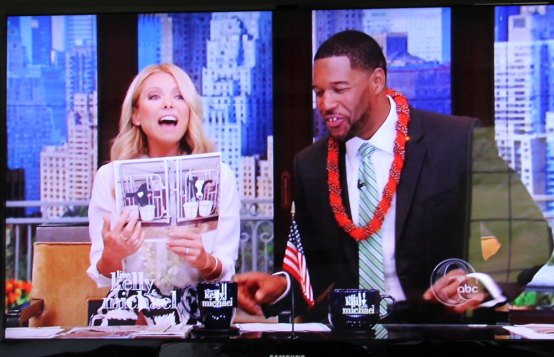
She had emailed a photo of the two calves side-by-side in the calf barn and they made the show last Wednesday as the real Ripa and Strahan read Mary Lou’s email and held up pictures of the calf, giving “Live” audiences yet another exposure to life on a family dairy farm.

As spring unfurls throughout the Chester County countryside, Neal and Colton were getting their equipment ready last week for first cutting alfalfa just around the corner. They have a high producing herd, making 95 pounds/cow/day, which they attribute to their focus on harvesting high quality forages and working with their independent Agri-Basics nutritionist Robert Davis.
Image

“I like milking full udders,” says Mary Lou as Neal explained they feed a total mixed ration and that the ration forages are about 50/50 corn silage and alfalfa haylage. They also bale hay and grow their own soybeans for toasting.
Image

In addition to their parents’ example, Kristy says their involvement in 4-H and showing cows at the Solanco fair “made you really love the cow because when you own them, you really learn to care for them.” Sister Kelly enjoyed showing for the clipping and grooming “and making the cows really look good.”

Everyone here has a job to do. Kristy is still in school, but he helps with the afternoon milking as the designated “prepper.”

“What’s nice about living and working on a family farm is that the whole family is involved,” says Mary Lou.

“Everyone cares,” her children finish the sentence, adding that they haven’t lost a calf in three years since building the calf barn. “If any of us hears a calf cough or notices something, we’re right here to notice and we do something about it.”

Faith is also a big part of the equation in the family’s relationship and care of youngest daughter Kandy. “God has a reason for her here, a purpose. I don’t question that,” Mary Lou relates. “I know ABC had to remove some of Kelly’s references to faith and to Jesus in her original letter, but I think they could still see that what holds our family together… is faith.”
Image

Image

PHOTO CAPTION:

KingFamily6455 or 6456 or 6463:

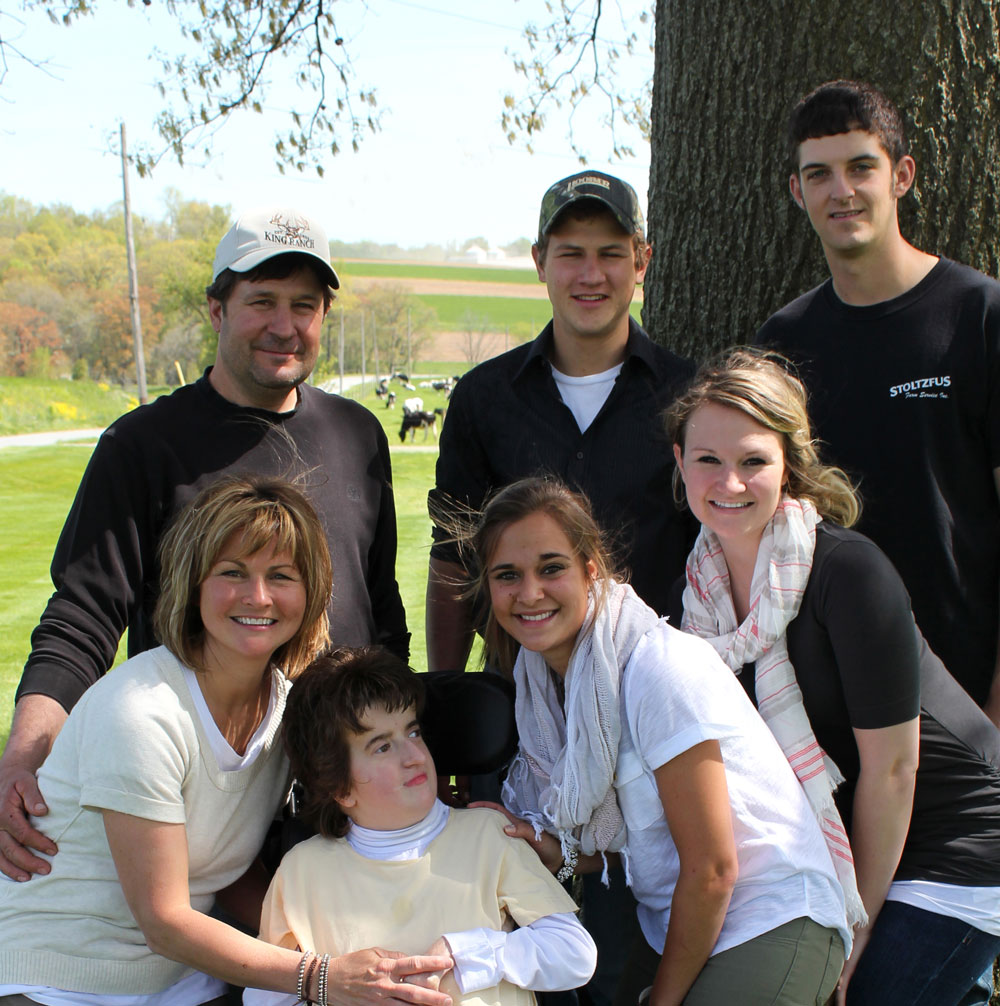
Neal and Mary Lou King with their children Kandy, 14; Kristy, 18; Kelly, 22 with husband Kyle Stoltzfus; and Colton, 20. Winning the 2013 Unstoppable Mom award from ABC’s morning show — “Live with Kelly and Michael” — left Mary Lou wanting to thank everyone from the producers of the show to the viewers who voted for her in March. But what has meant more than the grand prize is that her daughter appreciated her upbringing enough to write a letter about it. Mothers’ Day is Sunday, May 12 and this week of May 6 — 11 was National Nursing Professionals Week. Mary Lou was inspired by her own mother Evelyn Rohrer and her late mother-in-law Jeanette King to want to milk cows with her children as they grew. Milking time is family “together time.” It’s where farm moms and dads stay in touch with what’s going on in their children’s lives. Her example in the barn and as a trained nurse with daughter Kandy also inspired daughters Kelly and Kristy to go to nursing school like their mom. Photos by Sherry Bunting

KingFamily6433:

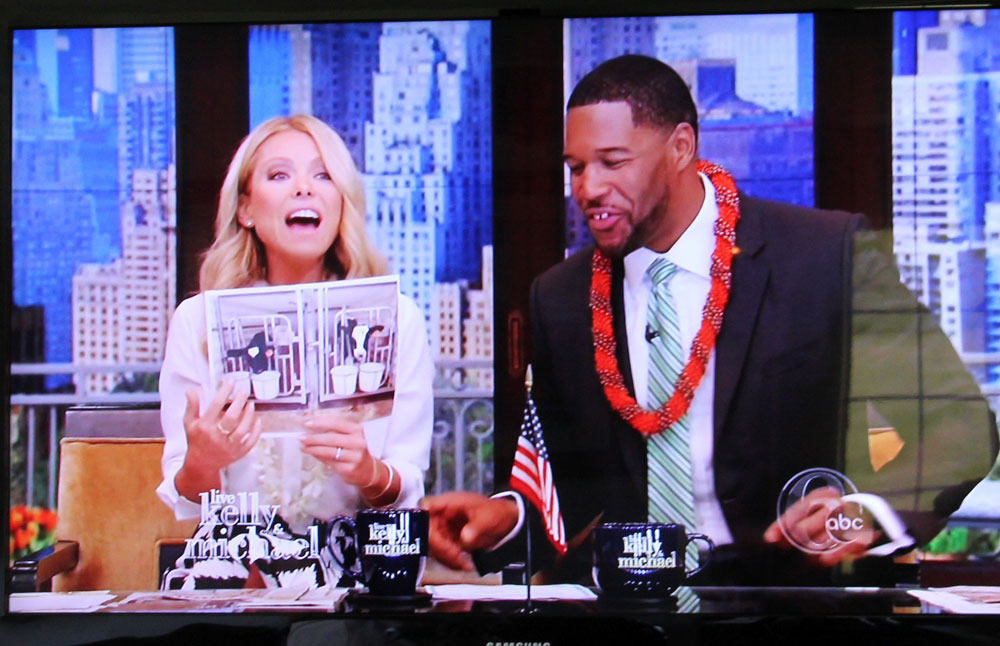
ABC television personality Kelly Ripa reads a thank you email the “Live” show received from Mary Lou King on Wednesday, May 1 — pointing out the photo Mary Lou sent along of the little heifer calf the King family named “Ripa” and the bull calf (right) named for Ripa’s co-host and hall-of-fame football player Michael Strahan.

KingFamily6368:

Mary Lou reports the television producers of ABC’s “Live” enjoyed farm life for two days, right down to the flavor of the raw milk from the bulk tank. She sent an email of thanks last week and included a photo of the King farm’s new calves: “Ripa” and “Strahan.”

KingFamily6403:

Mary Lou introduces the heifer calf “Ripa” (left) out of Rushmore and bull calf “Strahan” out of Storm. The family tends to name their registered Holsteins after the people, places and events of their lives. The calves were born soon after Mary Lou was voted The Unstoppable Mom by viewers of “Live” co-hosted by actress Kelly Ripa and hall-of-fame football player Michael Strahan.

KingFamily6373:

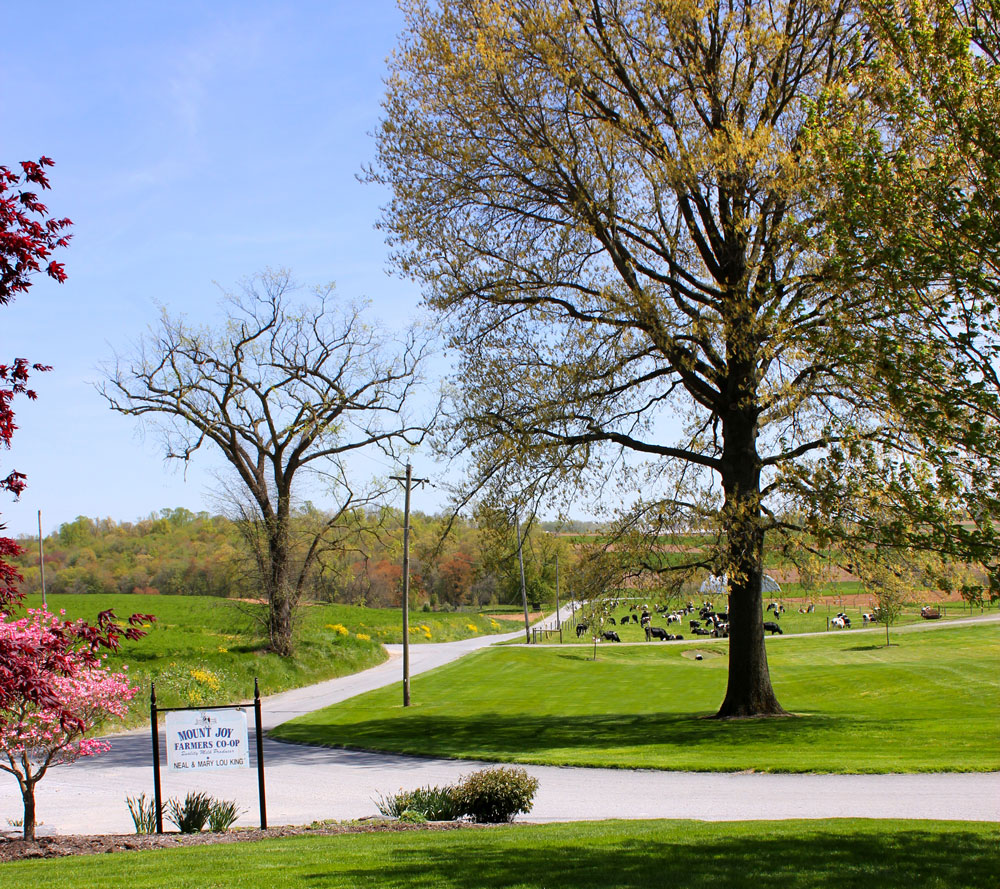
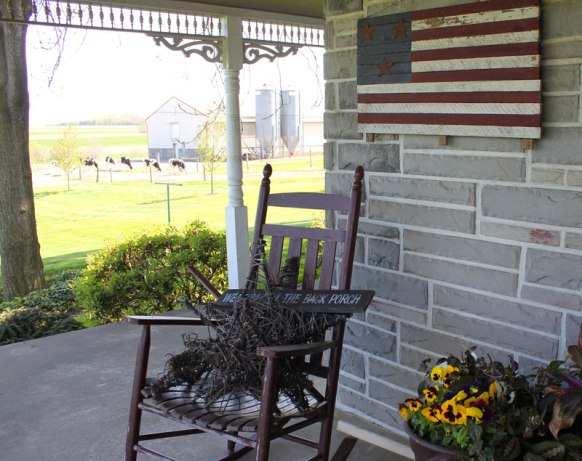
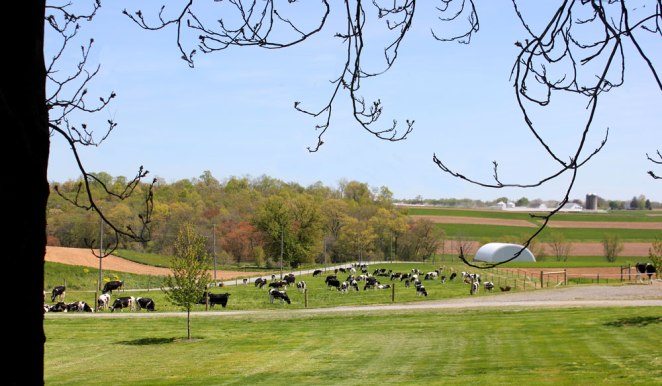
The back porch view of dry cows grazing at the King family dairy farm. The farm, founded by Neal’s grandparents Valentine and Naomi King, and then operated by Neal’s parents Merle and Jeanette, has been in the King family for three generations. Son Colton is the fourth generation now working full-time on the farm.

KingFamily6381:

Neal King took a quick break from fieldwork last Friday for a quick photo with Mary Lou. They’ve been milking cows together at the third-generation dairy farm in Chester County since 1988, and moved to the farm in 1995.

KingFamily6415:

Everyone cares about the youngstock at the King family dairy farm near Cochranville, and feeding is Colton’s job. He feeds all the calves, heifers, and cows on the farm.

KingFamily6419 or 6493:

Mary Lou loves the cow-side of the dairy farm. She picks the bulls and manages herd health and repro. Son Colton does the actual breeding.

KingFamily6482:

The Kings milk 120 cows, and base their rolling herd average on 150 cows, including dry cows. They watch the bulk tank production, which averages 95 pounds/cow/day.



‘Hope’ travels west from Virginia

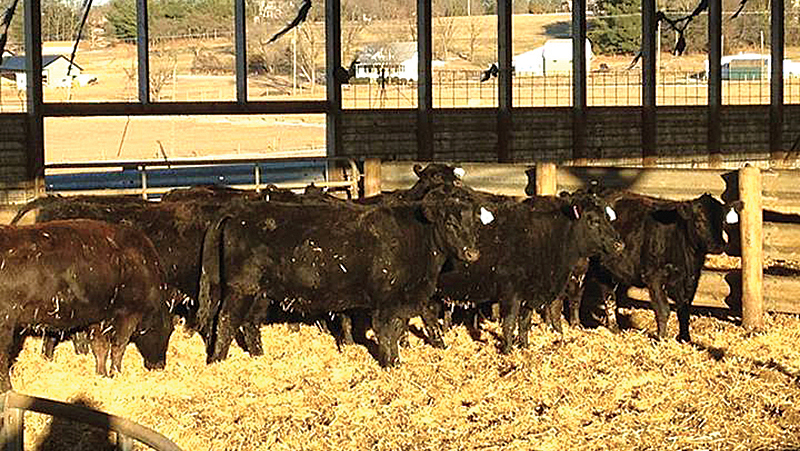
Photo caption:   40 bred heifers were donated, commingled, preg-checked, and readied for travel by the Rockingham Feeder Cattle Association. They left Virginia last Thursday, Feb. 6 from Rockingham Livestock for the first leg of their journey. With the freezing temperatures and sub-zero windchills in the East this winter, they’ll be ready for western living. The Heifers for South Dakota Project strives to make a difference delivering “Hope with the hide on” and operating by the tenets of Galations 6:10. Photo by Jessica Koontz

Photo caption: 40 bred heifers were donated, commingled, preg-checked, and readied for travel by the Rockingham Feeder Cattle Association. They left Virginia last Thursday, Feb. 6 from Rockingham Livestock for the first leg of their journey. With the freezing temperatures and sub-zero windchills in the East this winter, they’ll be ready for western living. The Heifers for South Dakota Project strives to make a difference delivering “Hope with the hide on” and operating by the tenets of Galations 6:10. Photo by Jessica Koontz

*** Hope is sometimes a fragile thing, yet it can be as durable as the land and the people who are sustained by it.  Heifers for South Dakota has a beautiful facebook page where stories of hope are told. Their latest post is about the recent delivery of the last of the heifers featured in the story below. One by one, people — and heifers — are making a difference.

By Sherry Bunting, Farmshine, Feb. 7, 2014

HARRISONBURG, Va. — Ever lay in bed at night and get hit with an idea? That’s what happened to Virginia cattleman Lynn Koontz of Spring Valley Farms, Harrisonburg, after hearing and reading about South Dakota ranchers devastated by Storm Atlas last October.

“I read about the number of cattle lost and about the Heifers for South Dakota project. I got to thinking how really blessed we’ve been the past two years here,” said Koontz in a phone interview with Farmshine this week. “We’ve had super crop years, marvelous corn and cattle prices. What better time for us to take advantage of good times to help ones who fell on hard times?”

He recalled how years ago, he and his dad had dry years, “and those boys out West would load hay on rail cars and ship it East,” said Koontz, wanting to return the favor.

So Koontz, who serves as president of Rockingham Feeder Cattle Association, talked to Ty Linger, founder of the Montana-based Heifers for South Dakota project.

“There’s some desperation out there, and they would take anything with a heart beat,” said Koontz. “But we wanted to give of our best. What they really need right now is pregnant bred animals because they need something that will put money in the pocket — this fall — right away.”

The window of opportunity was short because spring calving gets underway in both regions this month. In late December, Koontz put the word out to fellow cattlemen that he was organizing a western cattle drive of sorts. He and his children donated some of their own bred heifers and asked others to do the same.

Koontz received donations of 40 bred heifers and cash from more than a dozen cattlemen in Rockingham and Augusta counties, and local businesses gave toward transportation costs.

“People told me it couldn’t be done — moving heifers out there from the East,” he said. “But I’m a little stubborn and made up my mind to do it.”

He recalled the days when he and his father still had dairy cows — milking up to 120 before getting out of the dairy business. “We used to ship heifers from here to Florida all the time,” Koontz recalled. “I’m just glad we’re able to do this.”

The 40 heifers have been commingled by Koontz at his farm near Rockingham County Fairgrounds. They were preg-checked last week and readied for transport. At dawn on Thursday, Feb. 6, they’ll board a truck at Rockingham Livestock on the first leg of their journey with a stopover at Greenville Livestock near Hugo, Illinois on the way to South Dakota.

That stopover will break the trip into two 12- to 14-hour rides. Lifelong friends Clem and Doris Huber of Illinois — with whom Koontz stayed as a kid in the 4-H exchange program — helped him locate the place to yard the cattle just off the Interstate in Illinois.

“That was the deal maker,” said Koontz. “We can let those girls off for rest, hay and water.”

Bred heifer donations are a substantial investment in young ranchers hard-hit in the Black Hills region of South Dakota, Nebraska and Wyoming. To pay current values at auction ranging $2000 to $3000 due to the national beef herd being the smallest in over 60 years and sky-high cattle prices creating stiff buying competition, makes the donations by ranchers to ranchers through the Heifers for South Dakota project even more significant. The project specifically targets young ranchers to receive the donated cattle under the mantra: “Hope with the hide on.”

To-date, Heifers for South Dakota reports delivery of 714 head of cattle to 68 ranchers with 176 head of pledged cattle still yarded. They have also received about $265,000 in monetary donations to help with transportation costs and to purchase quality bred heifers for donation.

“Value of cattle delivered into the hands of those who are hurting is in excess of $1.25 million,” according to the project’s Facebook page.

While this is a drop in the bucket — in real economic terms — the hope these donations bring has been absolutely huge. For Koontz, it’s not the cattle losses he is focused on. It is the loss of young ranchers he is hoping to help prevent.

“Like somebody told me years ago, when there’s a barn fire, as long as the problem stays in the barn, you’re in good shape,” he said. “With Storm Atlas, the real loss is where we have a young family that has put everything they have into it to get started in ranching.”

Some of those young families lost it all in October just before they would have sold that calf crop, plus they lost the cows to have another calf crop this season. That’s potentially two years without income because the fall sale of the calf crop is the income for the whole next year.

“If we lose those young ranchers out of production agriculture, that’s when we incur the big loss — losing that young person out of farming,” said Koontz. “We can replace cattle, but we cannot replace that person back on the farm. If I had the ways and means, I’d be gathering up cattle until the first of April, but I’m just one person.”

Koontz and his wife Kim operate their cow-calf and cattle backgrounding operation, along with two broiler houses and crops. The participation in Heifers for South Dakota has been a family affair with son Bud and daughters Lacey, Katlyn, Jessica, Cindy and Vanessa all pitching in.

Koontz is working with cattlemen in other parts of the state to do a later round of open heifers for donation this summer. To learn more about Heifers for South Dakota, visit their website at http://helpforsouthdakota.com and “like” the “Heifers for S. Dakota” page on Facebook to see how ranchers are helping across the country.


Triumph in 2013 trumps tragedy in 2012


Image

‘Amazing return’ for top type and production Jersey, now a 100,000 lb All-American nominee 

By Sherry Bunting, reprinted from Farmshine, Nov. 22, 2013

 MADISON, Wis. — Wendy Schmidt remembers the kindness of passersby a year when a distracted driver tipped her trailer not far down the road home to Bloomer, Wisconsin after the 2012 World Dairy Expo in Madison.

One animal died. The rest of the show string was traumatized.

“Jersey cows are like people,” says Wendy. She and her husband Jon own and operator Woodmohr Jerseys – home to 40 Jersey cows with a classification average of 91 points and four generations of Godiva.

“After the accident a year ago, it took all of us a while to get over the trauma. For weeks, the cows would follow me around in the pasture. I was their comfort and they were mine,” she recalls. “I got up every night to check on them, and found myself checking them constantly throughout the day.”

Especially ‘Jade Diva.’ She was positioned on the trailer right next to the one cow that died that night.

“Jade Diva had a lot of injuries after the trailer tipped. She had cuts all over and swelling. Her head was even swollen, and she wanted the other cows to keep away from her for days because her head hurt. Our vet prepared us to see issues later with all the animals that were traumatized, and we did see some pregnancy issues,” says Wendy, quite thankful a year later the cows are alive and pregnant or have calved.

Reflecting on that night, she is quick to add her gratefulness to the folks who stopped along the road to help with the cattle. “It was such a relief and we are so thankful,” she says.

Wisconsin dairywoman Carrie Mess, of ‘Dairy Carrie’ blogging fame, was one of the people who stopped that night.

“We just pitched in,” Carrie recalls. “It’s instinctive for any of us, you know? These cattle were pretty shook up. I had lots of Udder Comfort in my car from the Expo, and so once the animals were secured, we just started spraying legs and udders… right there.”

“That was the first thing we did. And if we had not done that for this cow in the accident, we don’t know what would have happened to her,” adds Wendy, referring to GB Jade Diva of Woodmohr — the EX-94 winner of the 2013 NASCO type and production award at the International Jersey Show during the 2013 World Dairy Expo last month.

Jade Diva was third place in the 100,000-lb class before going on to receive this high award in fine show condition just one year after the accident in which she sustained numerous injuries.

“It was amazing to bring her back to Expo this year to get third in production and win the NASCO type and production award,” Wendy says with a smile. “I love working with purebred cows and fell in love with the Jersey breed 20 years ago. These cows are my life.”

A thankful heart

 ChristmasBarn05Sept6691

Looking over the past year, and especially the past few months, the needs seem so great in the wake of weather events that have surpassed expectations. An early autumn blizzard in the Plains, a typhoon of immeasurable proportions in the Philippines, scores of tornadoes unleashed unseasonably in the Midwest — each event bringing its own form of devastation to a location, a people, a community.

And yet, folks in the midst of ruin are thankful. Reading the accounts or speaking with those affected personally, one common thread emerges… People who have survived a devastating event often have a more thankful heart than those of us going about our daily lives without having to face such immediate danger and loss.

As we celebrate Thanksgiving in a few days, we talk about what we are thankful for. We look around at family, friends, home, hearth, sustenance, and the Lord’s blessings in our lives.

But do we have a thankful heart? Are we full of gratitude? While giving thanks is an action we are reminded to engage in, a thankful heart, on the other hand, is a state of mind.

One example for me is the rancher in South Dakota who — when selected to receive heifers from the Heifers for South Dakota project — instead said no, let me give four of my best to someone who needs that spark of hope. In that case, the rancher had lost nearly half his herd in Storm Atlas October 4-5, but he said he would pull through. With a thankful heart, he gave four heifers to the project so that someone else in a similar situation could benefit.

After the tornadoes last weekend, farmers in some areas of the Midwest lost buildings, communities lost schools and homes. Within hours, neighboring communities and farm groups had mobilized cleanup efforts to help with the first step and most difficult step in rebuilding — grasping the devastation and sifting, sorting, cleaning up to regroup and move forward.

An ocean away in the Philippines, an even darker picture emerges, with a staggering death toll and untold survivors without food, water, shelter. As organized aid finally is able to flow to that region, stories of thankfulness follow.

We live in a world today with all the bells and whistles. We have so many distractions from the things that are most important. Each of us can be one moment away from a change or loss unexpected, which is all the more reason to not just give thanks for what we have but to embrace an attitude of thanksgiving, to have a thankful heart. 

The first Thanksgiving in 1621 was such an occasion. The celebration was of the first successful harvest, preceded by a winter of loss, disease, hunger, and fear and a spring and summer of drought but trusted still to be blessed with a harvest.

I am reminded of the Rose Kennedy quote: “Birds sing after a storm; why shouldn’t people feel as free to delight in whatever sunlight remains to them?”

A thankful heart then paves the way for optimism, faith, hope. A thankful heart allows us to see the new sunshine and sing instead of remaining quietly in the dark of the storm.

Happy Thanksgiving.birds-barn

Dawn renewed

Sunrise8591

“It will never be the same,” said a Boston athletic association representative in the dawn following yesterday’s tragedy.

He might well have been talking about all of us because those are the words a nation grieved with after innocent lives were lost on 9/11. 

“It will never be the same” is that sickening punch to the gut each time our freedom and security are attacked in broad daylight and when we might least expect it.

Young Martin Richards was just eight years old welcoming his father across the finish line even as God welcomed this young soul home at the hands of unspeakable evil.

Yesterday was not only the running of the iconic 26-mile marathon, it was also “Patriot’s Day” in the city that fathered the Sons of Liberty, Paul Revere and the Mechanics, the Boston Tea Party — the birth of a free nation.

Our hearts are heavy as a nation. This tragic act of terror is the work of coward(s). We must remember that.

And in the face of events that shatter our security, we must remember we are America: Land of the Free and Home of the Brave.

Though the violence of evil may seek to extinguish it, America’s light is not of fear, but of faith and of freedom and — Godspeed — will continue to shine in a dark world in the same way God’s hand renews from dark the dawn each day.

KEEP AMERICA BEAUTIFUL! please

Image

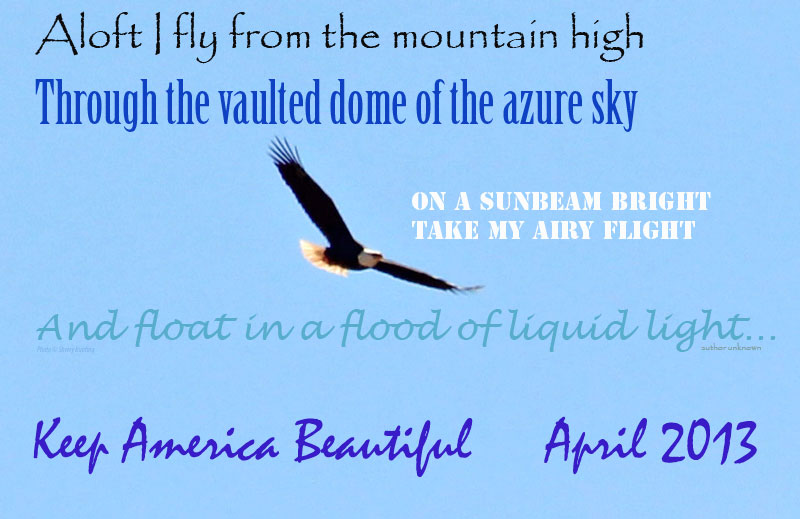
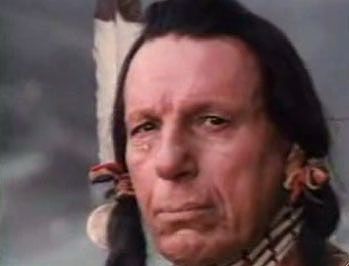
APRIL IS KEEP AMERICA BEAUTIFUL month. Bet you didn’t know that. Remember the old commercials and the Native American with a tear in his eye?

http://www.youtube.com/watch?v=j7OHG7tHrNM

We just don’t see the emphasis on this anymore.

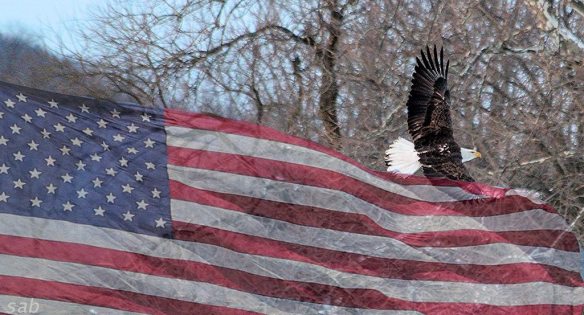
While photographing this eagle in flight at Middle Creek Wildlife Management Area this recently, I was disheartened to see roadside trash and rubbish along our driving and walking route.

Farmers also deal with the effects of littering when they harvest hay or silage as feed for their cattle and other livestock and find it has roadside rubbish, bottles, cans and plastic mixed in, causing costly machinery repairs and animal health problems if ingested.

Trash in any area attracts rodents and pathogenic activity as well. Broken glass and other sharp objects are also dangerous to people and animals.
Did you know that plastics and styrofoam can not only cause birds, wildlife and farm animals to choke, it can also lay undigested for a long time in the digestive tract causing illness and even death?
When I see dirty diapers, bottles, cans, fast food bags, cups, old furniture, old appliances, and even full garbage bags of trash strewn alongside a road or walking path, I feel as though this can’t be some poor soul who has no other way to dispose of his/her trash, but just chooses to be thoughtless.
I feel that Indian’s teardrop for the careless, thoughtless, cruel, and ugly act to care so little about the world around you…

crying-indian_349