Covering Ag since 1981. The faces, places, markets and issues of dairy and livestock production. Hard-hitting topics, market updates and inspirational stories from the notebook of a veteran ag journalist. Contributing reporter for Farmshine since 1987; Editor of former Livestock Reporter 1981-1998; Before that I milked cows. @Agmoos on Twitter, @AgmoosInsight on FB #MilkMarketMoos
Dairy category sales are up, Whole milk is the star, up 14.5%
The Drink Whole Milk (virtually) 97% Fat Free dairy case stickers are up, and the “Whole Milk – School Lunch Choice – Citizens for Immune Boosting Nutrition” yard signs are being displayed at Redner’s Markets store locations. Bernie Morrissey (center) and Nelson Troutman (right) appreciate the way Redner’s and marketing director Eric White (left) are out in front as leaders in whole milk education.
By Sherry Bunting, Farmshine, December 18, 2020
SINKING SPRING, Pa. — “This is an easy message to sell, and sales of whole milk are way up,” said Eric White about the Drink Whole Milk (virtually) 97% Fat Free” grassroots milk education campaign.
White is director of marketing and communications for Redner’s Markets, headquartered in Reading, Pa. with 44 stores, 35 of them in central Pennsylvania, the balance in Maryland and Delaware.
He was not surprised by the grassroots marketing campaign for whole milk: The painted round bales started by Berks County dairy farmer Nelson Troutman, the banners promoted by retired agribusinessman Bernie Morrissey, and the social media and website promotion by 97 Milk.
When Morrissey visited him some months ago, White was eager to join in.
The “Drink Whole Milk (virtually) 97% Fat Free stickers” are up on dairy cases at Redner’s Markets locations, White had them made with the signature red type on white background. Clover Farms Dairy, the milk bottler in Reading that supplies milk to all Redner’s stores, indicates they will be changing the case strips to promote whole milk too.
White is also putting up the “Whole Milk – School Lunch Choice – Citizens for Immune Boosting Nutrition” yard signs in the store above the dairy case and on the grounds as well.
Both the grassroots stickers and the signs include the 97milk.com website where shoppers can get more information and milk education. The Redner’s Dairy cases also include the Choose PA Dairy signs, featuring photos of local farms, and the chocolate milk refuel signage from the national and regional checkoff programs.
During an interview at the dairy case in the Redner’s Sinking Spring store this week, the impact was clear: Whole milk in the jug is very much the star of the show.
In fact, the Redner’s brand, bottled by Clover, has always been whole milk. Whole milk is the only milk that gets the Redner’s name. It has always been that way, says White.
He confirmed their whole milk sales have increased dramatically. Yes, the Coronavirus pandemic has had some impact, he said: “But when I look at January through March numbers, that is how it was tracking even before the pandemic.
“I pulled the numbers, and we have seen a 14.5% increase in whole milk sales, alone, which is tremendous,” White confirmed. “The consumer message has changed, and we see people coming back to whole milk, knowing that they don’t need to drink the lower fat milk. We give our own kids whole milk at home now. It’s better for isotonic replenishment.”
Sales of whole milk at Redner’s 44 stores are up 14.5%. The entire dairy category sales are up and milk is the star, especially whole milk.
White also reported that sales for the entire dairy case are up.
“The whole dairy category is higher, with milk being the number one product selling from the dairy category, and whole milk the number one type of milk being sold,” he said.
White also sees how whole milk sales benefit local dairy farms. “There is a confluence in how these sales benefit local agriculture that we need to support more than ever. We are seeing the messages in the media. With digital and social media, the message spreads.”
“We want to thank Redner’s for being a leader,” said Morrissey. “They are pro-farmer, pro-education and pro-consumer. They are completely on the 97 Milk page of educating consumers about whole milk as immune boosting, like our sign says. Eric has been tremendous to work with. If every supermarket chain would start educating consumers about whole milk, we would see even more benefits for consumers and farmers. The secret is education, and Redner’s is the store that is out there in front of the pack, doing it.”
The Redner’s store brand, bottled by Clover Farms Dairy in Reading, Pa., has always been whole milk.
Eric White has been with Redner’s for 22 years. He notes that they have long partnered with Clover Farms Dairy for their milk. They feature Clover milk in all of their stores, along with other local name brands, and of course, the Redner’s brand — whole milk — is bottled by Clover.
“It’s not that hard to do this,” said White. “We are a local family-owned company, and supporting this message brings it full circle back to the local dairy farms that are the backbone.
“We can underestimate why we are in business, and it is only because of the farms producing the food,” he observed. “Dairy and agriculture are the backbone of everything here in central Pennsylvania. A lot of businesses are here because of dairy. We are here selling food and feeding people because of the farms.”
White notes that as Redner’s expands, they are also expanding the reach of the farms shipping to Clover. More distant store locations also feature brands local to those sites as well. In fact, it is Redner’s practice to work with local farms on in-season vegetables and fruits as well as year-round products like yogurt.
Morrissey agrees, he notes that the Morrissey Insurance business he founded in the 1980s is in multiple states and appreciates grocers with stores in multiple states supporting their local and regional farms. He stresses that one of the best ways to do that is to educate consumers about whole milk.
When Troutman started painting round bales with the “Drink Whole Milk (virtually) 97% Fat Free” message in December 2018, he said he never thought it would go so far.
“This is a dream come true to know all that has happened in the past two years — from the stores to the signs to the website and social media — and how the message has gone to other states and around the world,” said Troutman.
He added that, “When people work with you and work together, that’s the key.”
Troutman recalled a Pa. Milk Marketing Board listening session in Lebanon in December 2018. “I went home frustrated,” he reflected. “I looked around at what I had, and thought, I’ll paint a round bale with the message and put it out.”
The rest, as they say, is history — and it’s a history still in the making.
Morrissey recalls the first time he stopped in at Redner’s main office. “I didn’t know Eric at the time, and I didn’t have an appointment. He saw the banner I brought with me and was eager to talk with me.”
White had seen the message on round bales popping up around the area, and he was seeing the impact on Redner’s whole milk sales.
“The 97 Milk message was not much of a revelation to me because I always knew it. I drank whole milk growing up and through college. But my wife was convinced on fat-free. Now that we know drinking whole milk does not condemn us to a life of Lipitor — especially for our kids — she is buying whole milk for our family,” he says, adding that even their pediatrician recommended whole milk.
White points out that in today’s age of marketing and new products (not to mention government edicts for schools), there are a lot of opportunities for people to get off track in healthy eating — especially for children.
Morrissey, Troutman and White all agree that the beauty of the 97 Milk effort is how it has spread, and the beauty of social media is when the truth gets out, it spreads fast.
While not present for the interview, Gn Hursh, president of 97 Milk LLC, added his voice of appreciation for Redner’s. “Milk education is a win-win for everyone involved. The biggest winner is the consumer. Thanks to Redner’s for being part of the milk education team,” said Hursh.
“Without Redner’s, without Eric, we could not accomplish this,” added Morrissey. “Redner’s is the leader in educating the public and being very transparent about why whole milk sales are good for consumers and for farmers.”
The importance of whole milk to consumers is evident. During the height of the pandemic last spring, White said consumers showed how much it is a staple they rely on. Even during our interview Tuesday, Dec. 15, with the forecast calling for a record December snowstorm in the area for the next day, the dairy case was very busy with shoppers and constant re-stocking of milk, especially re-stocking the shelves with Redner’s Farm Fresh Vitamin D whole milk – in demand!
While left hand says it’s busy building ‘mountain’ of evidence, right hand has already moved the nutrition definition goal post
By Sherry Bunting, Farmshine, Dec. 23, 2020
BROWNSTOWN, Pa. — Preponderance of the evidence. We hear that phrase over and over when it comes to the Dietary Guidelines for Americans (DGAs) and the effort to reverse 40 years of increasingly strict rules on dietary fat affecting children in schools and daycares, the military, seniors in nursing care or retirement villages, food-insecure families relying on government feeding programs like WIC, and countless other insidious prohibitions on healthy choices when it comes to whole milk, butter, full-fat cheese, dairy products like sour cream and cream cheese as well as other animal protein foods containing fat.
But the whole concept of ‘preponderance’ is really preposterous when applying the legal definition.
Let’s review.
Last March at a DMI forum on a Chester County dairy farm, DMI chair Marilyn Hershey and executive vice president Lucas Lentsch described the ‘preponderance of evidence’ standard as “building a mountain of evidence.” They said the National Dairy Council is building that mountain, but it takes time to keep pushing more evidence forward “until we have enough.”
When former Ag Secretary Tom Vilsack gave the 2015-20 Dietary Guidelines his stamp of approval, a Congressional hearing took the USDA and HHS secretaries to task, grilling them on science that was not considered then (nor is it now in the 2020 version of the DGAs). Remember, former Ag Sec. Vilsack promptly became the current top-paid dairy checkoff executive for four years (Jan. 2017 to present) and is now poised (again) as President-Elect Biden’s Ag Secretary pick 2021 forward.
During that 2015 congressional grilling, then Secretary Vilsack said “It’s the preponderance of the evidence that is the standard, and we know stuff is always changing so there has to be a cutoff.”
On whole milk (which he helped remove from schools in 2010), then Secretary Vilsack, when confronted in 2015 with what he called “emerging” science on saturated fat — said “the preponderance of evidence still favors the recommendation for fat-free and low-fat dairy.”
Much of the saturated fat discussion during the 2020 DGA Committee work used the 2015 DGA’s body of science, that was one of the screening criteria. The cutoff bar didn’t move.
In 2015, then Secretary Vilsack explained the ‘science’ of the DGAs this way:
“Well, the process starts with a series of questions that are formulated and then information is accumulated and it goes through a process of evaluation,” he said.
Answering a charge by then Congressman Benishek, a physician from Michigan who was concerned about the 52% of Americans who are diabetic, pre-diabetic and carbohydrate intolerant as regards the fat caps and the exclusion of science available — even in 2015 — on low carb, higher fat diets, then Sec. Vilsack stated in 2015:
“The review process goes through a series of mechanisms to try to provide an understanding of what the best science is, what the best available science is and what the least biased science is, and it’s a series of things: the Cochrane Collaboration, the Academy of Nutrition and Dietetics, the aging for health care equality, data quality, all part of the Data Quality Act (2001 under Clinton Admin). That’s another parameter that we have to work under, Congress has given us direction under the Data Quality Act as to how this is to be managed.”
Vilsack said (2015): “In some circumstances, you have competing studies, which is why it’s important to understand that this is really about well-informed opinion. I wish there were scientific facts. But the reality is stuff changes.The key here is taking a look at the preponderance. The greater weight of the evidence. If you have one study on one side and you have 15 on another side, the evidence may be on this side with the 15 studies. That’s a challenge. That’s why we do this every five years to give an opportunity for that quality study to be further enhanced so that five years from now maybe there are 15 studies on this side and 15 studies on this side. It’s an evolving process.”
During a recent dairy checkoff yearend news conference with reporters, DMI CEO Tom Gallagher answered a question about consumer health attitudes and checkoff research targets for 2021. Whole milk was never mentioned in the question, but here is Gallagher’s answer as he, too, cites the “preponderance” criteria:
Gallagher said (2020): “Our research plan (for 2021) is very robust at our centers. The primary research that we focus on is whole milk because we are, number one, the only group to be pushing the research on whole milk and taking it to the scientific community so the scientific community does more research because the Dietary Guidelines will never change until the preponderance – not the best – evidence, but the preponderance of the research is in favor of whole milk. We’re helping to move that needle to that point.”
I looked up the legal definition of this ‘preponderance of the evidence’ phrase, this standard for the DGAs as determined by Congressional statute. It is clear that DMI’s assertion of building a mountain of evidence is not needed to achieve a preponderance, according to the legal definition.
According to the law.com legal dictionary, ‘preponderance of the evidence’ is a lower burden of proof than other evidentiary burdens. It only requires a better than 50% chance that it’s true!
In fact, the law.com definition states “Preponderance of the evidence is based on what is the more convincing evidence and its probable truth or accuracy NOT on the amount of evidence.” An example is given where one credible witness outweighs a pile of other evidence! It’s not the amount of research, then, it is the more convincing in terms of probable truth.
The word preponderance itself means “quality or fact of being greater in number, quantity, OR importance.” Yes, importance and quality can trump quantity to achieve preponderance!
Mountain-building is a stalling tactic by the left hand of industry and government, while their combined right hand is moving the goal post. (In fact, mountain-building is futile because the USDA structure on Dietary Guidelines has not allowed new evidence to be considered on certain dietary fiction it deems as settled science. There are fancy ‘mechanisms’ that have kept credible science out of the equation in 2015 and again in 2020).
Who are the attorneys advising USDA and dairy checkoff as to the meaning of “preponderance of the evidence?” Could it be Mr. Vilsack, an attorney by trade, going from USDA Secretary to top-paid DMI executive and back again potentially as the next Ag Secretary?
Clearly, Mr. Vilsack and his colleagues at DMI are fond of citing “preponderance” as a stalling tactic for fat flexibility in the DGAs. But contrary to Gallagher’s point during this yearend news conference, the legal definition of “preponderance of evidence,” really does mean the BEST evidence can trump the MOST evidence.
It’s not about which theory has the most evidence, but which one has the best and most convincing evidence. This definition suggests that you don’t need 15 studies on one side to match 15 studies on the other side. To add flexibility on school milk choice or to reverse the saturated fat caps set at 10% of calories, a mountain of evidence is NOT needed, and a lot of good and convincing evidence keeps getting excluded from the process anyway.
The saturated fat question and the casting aside of research feels like being forced to doggy paddle in an olympic swimming competition.
Ahead of the 2015 DGA cycle, scientists and investigative journalists, like Nina Teicholz, exposed the weak scientific basis for Dr. Ancel Keys’ diet-heart hypothesis that these DGAs have been built on for over 40 years. Not to mention the many studies back then that were buried, once Keys became the dietary darling, and not to mention all of the newer studies that show saturated fat is not the health demon it has been made out to be, and in fact is necessary in diets to prevent chronic diet-related illness.
Here’s a look at where nutrition science is going next.
Yes, they have moved the goal post via climate change. And yes, they are telling us that consumers are more concerned about climate change after Covid-19.
Basing DMI’s 2021 plan assertions on a Kearney report (April 2020), Gallagher said: “Covid-19 has made people more hyper-sensitive to things, like the environment. 58% of consumers are more concerned about the environment since Covid, and 50% want companies to respond to climate change with the same level of urgency as responding to the pandemic.”
When asked where consumers ranked health in that particular survey — given a recent report on CNBC business news about corporations trying to get consumer ‘buy-in’ on sustainability benchmarks and finding the only way to achieve it is to link sustainability to health.
You guessed it. Gallagher was ready with the answer.
“Sustainable nutrition is the phrase you’re going to hear going forward. You’re going to see those two things inextricably tied,” he replied during the yearend and look ahead news conference by phone.
We recall in October 2019, Gallagher telegraphed a message during the 53rd World Dairy Expo that the dairy checkoff simply accepts waiting another five years until 2025 (not the current cycle) as the year that the saturated fat caps could be reversed. The 2020 DGA committee was only just partway into the process back in Oct. 2019 with a whole year of work ahead — and already the head of dairy checkoff was being quoted in the Oct. 14, 2019 Hoard’s article broadcasting that the fat issue could likely happen by the NEXT DGA cycle (2025), not this one (2020).
Gallagher further indicated in that Oct. 2019 Hoards article that the “forest” must be “populated with more trees.” (Again this idea that preponderance is based on the amount of studies, not the importance or reliability of the studies and not acknowledging that half the trees in that so-called forest are being ignored by USDA and the DGA committee — screened out of consideration at the outset. Not one of the checkoff or ag commodity group was standing up for producers and consumers on this score at the START of the 2020 DGA cycle, nor the finish).
However, we now know that the new goal post will be entrenched by 2025: ‘Sustainable nutrition’ will be the new phrase, the new goal post, according to Gallagher’s response during the December 2020 news conference.
Make no mistake about this: As much as the sustainability overlords talk about farmers being paid to plant cover crops (most already plant cover crops after corn harvest) or to recover nutrients and methane through other practices and technologies, paying for offsets and dilution of animal foods in diets are two strategies already on deck. We heard a little of this also during the December 2020 news conference as Gallagher and DMI president Barb O’Brien talked about how their partners are getting into ‘competitors’ (fake dairy lookalikes) because when a family of four comes in to eat, one may want a new taste experience, and DMI partners have to provide that ‘new experience’ to keep from losing the entire family.
Gallagher described the situation this way: “Health, taste, price – those things are still important, but as more and more companies are offering things that are competitive, what we’re seeing people saying is ‘Well, I’m going to look at sustainability as a difference maker in who I purchase from and what I purchase,’” he said.
“The days of 10 to 15 years ago — where things like sustainability were believed to be made up by retailers for marketing — are over,” Gallagher added.
“Everyone gets it. We are past that. The beautiful part is the U.S. dairy industry has the best sustainability story in the world to tell, and we’re telling it,” he said.
As promised, a follow up email provided more details on Gallagher’s whole milk research assertion, stating: “Dairy farmers have been funding research led by National Dairy Council on the role of whole milk dairy foods and wellness for over a decade. In fact, around 70 studies have been published, adding to the growing body of evidence indicating that consuming dairy foods, regardless of fat content, as part of healthy eating patterns is not linked with risk of heart disease or type 2 diabetes. The paradigm shift to more fat flexibility in the dairy group is already happening in the real world as demonstrated through the many actions of consumers and thought leaders.”
Three research items were specifically mentioned in the email — all published within the past 6 to 24 months:
1) A Science Brief: Whole and reduced-fat dairy foods and cardiovascular disease. Upon following the link published January 17, 2019, we find it begins as a regurgitation of 2015-20 Dietary Guidelines with all references to dairy qualified as ‘low-fat and fat-free’, but then goes on to discuss: “Emerging research also indicates that saturated fat intake on its own may be a poor metric for identifying healthy foods or diets.” A downloadable PDF summarizes this “emerging” research on dairy fat at: Science Brief: Whole and Reduced-Fat Dairy Foods and CVD | U.S. Dairy
2) Posted in Sept. 2019 is this resource where National Dairy Council’s Dr. Greg Miller talks about “landmark shifts” and states that, “As the research continues to grow, a preponderance of evidence (exists linking milk, cheese and yogurt, regardless of fat level, with lower risk of chronic diseases like type 2 diabetes and cardiovascular disease. This one is found at: Ask Dr. Dairy: Can Whole Milk-Based Dairy Foods Be Part of Healthy Eating Patterns? | U.S. Dairy
3) The third item posted June 2020 in connection with DMI’s Dietary Guidelines comment talks about dairy consumption lowering risk of high blood pressure and diabetes and cites a study that, “indicates there may be room for fat flexibility in peoples’ dairy group choices to include dairy foods like milk, cheese and yogurt – at a variety of fat levels – as part of healthy eating patterns in the U.S. and worldwide.”
We can see the tight rope being walked, hinging everything on this idea of slowly building a mountain of evidence as though this is the definition of what is needed to fulfill the “preponderance” standard. But as we know from the legal definition, the amount of evidence is not what’s important, but rather what is credible and convincing. The available evidence is already preponderant. Whole milk, at 41% of market share, has grown by leaps and bounds over the past two years, and is now the largest selling product in the milk category because consumers are convinced. In the past two years, they have moved toward choosing health instead of allowing the government to choose for them — at least when they CAN choose.
Thinking on the many topics that were part of the fairy checkoff yearend news conference, some clear themes take us into the new year in terms of the 2021 dairy checkoff plans.
Gallagher, O’Brien and Hershey talked about “moving milk” differently because of Covid, of working in Emergency Action Teams to unify the supply chain with these top priorities in mind:
4) Developing tools and promotions for corporate partners.
On the latter, Gallagher was proud to give the example of DMI’s funding for Domino’s “contactless delivery” in Japan during the early days of Covid. He said this partner (named as Leprino, DFA and Domino’s) would not have been in a position to move so much pizza cheese when the pandemic hit the U.S. had it not been for DMI’s funding of that contactless delivery innovation first in Japan and then used here.
(Contactless delivery is used by almost every restaurant doing takeout today in the Covid era. It simply means ordering and paying online, texting when arriving, and having your food placed in your car. Not rocket science.)
Since 2008, DMI and USDA — through Vilsack-era Memorandums of Understanding — have a hand-in-glove relationship on GENYOUth and Sustainability. DMI works for its partners and has adopted a role for itself as global supply-chain integrator — the prime mover of milk.
Increasingly, there is the sense that the dairy checkoff bus has morphed into a ride for its key partners, while rank-and-file producers keep paying the fare, just hoping for a lift.
Look for more yearend checkoff review in a future edition of Farmshine.
New labels are on, and new signage is up in the dairy case at the Oregon Dairy family-owned grocery store. While other brands of milk are sold here, like in any grocery store, the buzz is all about the milk with “mooore” — Naturally Better Omega 3 Oregon Dairy Milk. Since omega-3 is a healthy fat, the benefits are only available in milk products containing fat — whole milk, whole chocolate milk, 2% milk and cream.
By Sherry Bunting, Farmshine, December 11, 2020
LITITZ, Pa. — Whole milk sales are rising. Consumers are returning to fat, and they are looking for healthy, local foods. These trends were underway well before Covid-19 and have only accelerated since. At the same time, dairy farms look for growth in diversification or getting closer to the consumer, rather than expanding cow numbers.
For Oregon Dairy, Lititz, Pennsylvania, those paths intersected. They downsized the dairy herd from milking 500 cows to 60 in July 2019, which was the first step to becoming first in the nation (likely first in the world) to produce and market milk with “mooore omega 3” – naturally. The marketing began recently in November 2020.
“We are very proud of our milk. We have always been tied to the story of our milk from the farm to the store. But we are also looking to go to the next level in differentiating it,” says Jon Hurst, center store manager. “Now we have a story to tell about our Naturally Better Omega 3 Oregon Dairy Milk.”
In fact, shoppers at the family-owned grocery store can scan a QR code on the cap of the milk jug that takes them directly to a video about how the cows are fed to naturally produce milk with more omega 3.
The video talks about healthy omega-3 fat found in dairy foods (and fatty fish).
Therefore (as noted on the dairy case signs below), the higher omega-3 levels pertain to the whole milk (57 mg), whole chocolate milk (53 mg), 2% milk (28 mg) and cream.
While there are other milk brands that increase omega-3 by adding fish oil or algae derivatives directly to the milk in the form of additives, what Oregon Dairy has done is to feed the cows a supplement that balances the ratio between omega 3 and 6, so the cows naturally produce milk with consistently higher levels of omega-3 – and do it within a conventional dairy setting.
The distinct businesses of Oregon Dairy near Lititz, Pennsylvania include the farm, bottling at the grocery store, restaurant, ice cream shoppe and agri-tainment with four brothers, George, Willie, Curvin and Vic, owning different segments. As they partner with the next generation of siblings and cousins, communication has grown closer on a farm-to-table vision that has always had the dairy cow front and center.
Celebrating the ‘Naturally Better Omega 3 Oregon Dairy Milk’ in front of the model cow painted to show her unique digestive capabilities are family members involved in the distinct businesses of Oregon Dairy (l-r), Willie Hurst, Krista Martin, Jon Hurst, Maria Forry, George, Brent and Curvin Hurst. Absent from photo are Vic and Chad Hurst.
Like any grocery store, other big-name brands are sold, but the focus is to continue highlighting local through what they do at the farm and other enterprises under the Oregon Dairy umbrella, as well as partnering with other local farms and businesses in the community.
Before downsizing, the farm — co-owned by George Hurst and his son Chad and daughter Maria and her husband Tim Forry — sold 90% of their milk through a cooperative in the commodity market and just 10% was purchased by the store and restaurant as needed.
Now, the various branches of the Hurst family and sector managers must communicate more directly about milk supply and marketing — putting them in the position to tailor what they do at the farm level to differentiate the milk at the store level.
With 18,000 followers on Oregon Dairy’s social media platforms, Jon has become a promotion powerhouse with the “farm fresh family fun” tagline, producing videos and contests and in-store partnerships that began before the Coronavirus disruptions and have given shoppers something to look forward to — with humor and sincerity — during this Covid-19 era.
For generations, they’ve been just bottling milk at the store and having their cream turned into ice cream by another manufacturer. But Jon and his cousin Maria, see a future of possibilities.
The Naturally Better Omega 3 (NBO3) Oregon Dairy Milk opens opportunities, but it really starts at the basic cow level, where the total mixed ration is balanced for omegas by feeding greatOPlus, an omega-3 nutrient supplement in the TMR mineral pack from Sporting Valley Feeds.
Their longtime nutritionist and veterinarian Dr. Robert Stoltzfus of Lancaster Vet Associates suggested the product last fall — a few months after the cow herd was downsized.
Across species, feeding flaxseed is nothing new, but it is the supplement’s algae derivatives that add additional properties for animal performance and transfer a more optimal omega balance to the meat, milk and eggs the animals produce.
“The benefits are on two levels,” says Paul Rosenberger, a consultant with NBO3, maker of greatOPlus and the largest algae producer in the country. We spoke with him by phone this week to understand the process.
“By balancing the ratios of omega 3 and 6, we get the benefit of omega-3, and in bypassing the rumen, we improve the conversion of that balance to the milk,” he explains about the natural feed nutrient.
Omega-3 has attracted attention as a healthy fat in the human diet, including reducing stress and inflammation, as well as heart health and other benefits the long chain fatty acids provide.
Oregon Dairy is one of a couple dairies Rosenberger is working with to introduce the product and acquire data.
Through Kansas State University, the Manhattan, Kansas-based NBO3 company has already received over 8000 data points from beef herds, poultry (eggs), swine, and now milk from dairy cows.
“In beef cattle, our data show improved marbling and color of the meat. In dairy cattle, there are performance benefits, but what we’re looking at with Oregon Dairy are the ratios of omega 3 and 6 in the milk,” he explains. “They are a natural for us with their retail connection providing so many attractive possibilities.”
Jon and Maria confirm the milk looks and tastes the same. (We took some home and agree, the milk is delicious as always with no difference in taste.) The difference is on the label in the milligrams of omega-3. Getting to that point took nine months of testing.
Maria explains: “We started feeding (the supplement) to our cows at a half a pound per cow in the ration, then tested, then increased our feeding rate until our tests showed we reached the omega-3 levels in the milk and were holding at those levels for months.”
Today the TMR inclusion rate is at about one and a half pounds, and the testing through NBO3 incorporates three prongs: the K-State university system, their own company labs and a third-party verifying lab.
“Once we got to the level of omega-3 in the milk and could sustain it, that’s when we got involved in the marketing and telling the story,” says Jon.
George explains that some producers are feeding the omega-balancing product to improve cow health, fertility and performance. He says they weren’t looking for specific herd improvements, but rather to improve the milk the cows produce.
Tim says the performance of the cows has been quite good in production, SCC and fertility, but again, their goal is what transfers to the milk.
Tim and Maria Forry are flanked on the left by the downsized dairy herd of 60 milk cows and on the right by the new group of 180 beef heifers being fattened for market next spring.
“We want to niche our milk,” George relates. “Downsizing the herd was never a question of not producing milk. It was a business decision on the farm side because of the dynamics of the milk market and dairy pricing. We chose to downsize and diversify.”
The farm has gotten into custom work and a seed dealership. “We went from being 40% overcrowded to having less than 50% of our freestall capacity used, that changes a lot of things,” says Tim.
One thing it changed is feeding the methane digester that has been integral on the farm since the 1980s, so they’re fattening 180 beef heifers that go to commercial markets, along with a small number of pasture-raised Angus cattle, owned by the store, that are finished at the farm.
The beef cattle help keep the digester fed and stable to receive the other waste, to generate electricity and be part of the composting business they started over a decade ago.
Meanwhile, the store was also looking to diversify and capitalize on direct relationships with consumers.
“I go back to the concept of doing what you are good at, and this is what we are good at,” says Jon. As part of the next generation bringing their perspectives to the business, he sees local, natural, family and fun as what Oregon Dairy is good at. This omega 3 niche allows them to envision more about the future.
“We want to be thinking outside the box of how to handle the amount of milk produced and needed,” Jon observes.
“It all ties back to the consumer and the cows. Through our agri-tainment and corn maze and events, we hear consumers talk about health, we talk to consumers about milk and health. I talk to my own friends and family about cows and milk, but it always comes back to a health discussion,” Jon explains. “People in my generation want natural and local, and this is natural and local. Those two words capture carbon footprint and health, and it’s part of our story.”
“I think what is encouraging for other farms to take from this is to look for opportunities to diversify and differentiate within your sphere — to pursue and collaborate with others even in a small way, to find the opportunities whether producing milk, meat or eggs,” George reflects, adding that the beef industry seems to have a better handle on dealing with plant-based competitors where the dairy industry is playing catch up.
Differentiating Oregon Dairy’s milk with “mooore omega 3”, provides new ways to reach consumers with positive messages about the benefits of milk — things you just can’t get from plant-based lookalikes.
For Oregon Dairy, the bottom line in this first-ever product is to provide the same great milk from the same great cows at the same great price with the same local story, the same great health information – but now with a little more to show and tell.
The marketing is so fresh, Jon and Curvin Hurst don’t have a handle yet on how much their sales have increased, except that the omega 3 message dovetails with the trend they already see of consumers buying the higher fat milks.
“Whole milk sales, in general, are higher,” says Jon. “We have seen that shift increase in the last two years. Whole milk is number one now.”
That trend made this possible, because without the fat, there’s no omega 3.
Cousins Maria Forry and Jon Hurst demonstrate how shoppers can instantly pull up the video about Naturally Better Omega 3 Oregon Dairy Milk when scanning the QR code on the bottle cap with a smart phone.
At the store, the staff is trained to answer questions, the QR codes are on the bottle caps, the omega 3 milligrams are on the new labels, the ‘Don’t forget mooore milk’ signage is up with information about omega 3 health benefits, and free milk giveaway contests have been done on facebook, along with celebratory videos launching the message.
Much planning went into the launch, which they never dreamed would happen during a pandemic.
But that really doesn’t matter.
“We are already hyper-local, and now we have this extra step to further differentiate our milk,” says Jon. “As always, our story, even this new story, starts with the cows. Yes, we are proud of our milk.”
But… when given the opportunity, teens choose regular fresh whole milk
siips: Siimply Perfect. Real Milk. Real Good. You Be You. These are the descriptive taglines for SIIPS, a shelf-stable, aseptically-packaged, ultrapasteurized, lowfat milk packaged by DFA in an 8-oz. aluminum can as a new “teen milk” based on DMI’s research of what it takes to make milk relevant to teens again. And DMI says more ‘innovations’ or ‘reinventions’ or ‘relevant products’ are on the way from other partners. All of this money and time spent to answer a question teens and pre-teens and elementary-aged students could have told us quickly, cheaply and easily, given the opportunity to choose whole milk – without the fancy packaging and processing that puts it neatly into a global supply chain instead of a local or regional fresh food system.
By Sherry Bunting (Farmshine, Nov. 13, 2020)
HARRISBURG, Pa. – On one hand they say they are not involved in reinventing school milk and then, well, they say they are.
Siips is the new low-fat, shelf-stable grab-and-go “teen milk” from Dairy Farmers of America (DFA). According to Dairy Management Inc (DMI), checkoff led the way on the innovation and test launch in selected locations over summer.
“Siips is a result of DMI’s fluid milk revitalization efforts and is targeted to improving the youth milk experience with relevant packaging and flavors,” according to a recent edition of Your Checkoff News.
During last week’s Center for Dairy Excellence industry conference call, a portion of the hour was devoted to questions and answers with DMI leaders, and we learned more about revitalization, innovation, and reinvention.
According to Paul Ziemnisky, executive vice president for global innovation partnerships at Dairy Management Inc. (DMI), DMI has been working since last summer to “understand perceptions of milk in schools.”
He said products like siips represent what DMI has learned from students in a variety of demographics so that milk can compete again.
“Siips is grab-and-go milk in an aluminum 8-oz. can in the flavors of caramel, mocha and chocolate,” he explained. “Products like this will make milk competitive in the school ala carte area, and we are working with other partners for other ala carte grab and go products.”
Ziemnisky noted that DMI is also working with processors and technology companies to develop dispensers like those used in foodservice where students can choose their milk ‘formula’ or ‘flavors’. He said Covid set the test launch back for those, but they are coming.
The bottom line is, he said: “We are looking at new packaging systems… aseptic sustainable packaging, all in the process of starting up. We are working with the industry to line up 6 to 7 tests in key systems to create a catalytic effect across the whole industry.”
A dairy producer submitted this question: “We are seeing grants from checkoff to develop a ‘kids milk’ at Cornell. We already have a ‘kids milk.’ It is called whole milk. We are frustrated. Why would our checkoff spend money on this rather than spending money to get whole milk back in schools?”
DMI president Barb O’Brien replied that she is “not familiar with the ‘kids milk’ project. We are not involved in specialized formulation for school milk,” she said. “But we can tell you about the research programs we have invested in.”
Ziemnisky picked up from there to explain that, “Everything we do has to start with consumers to make sure what we do is relevant.”
He said DMI’s partners, including MilkPEP, are the experts in marketing and advertising while DMI is the expert on consumer research and insights.
O’Brien and Ziemnisky explained that what DMI does is “back-end strategy with brands to advance U.S. Dairy’s priorities.”
They said the brand partners spend “10 to 20 times our investment in bringing to market these innovations.”
“Three years ago, the milk revitalization alliance was formed,” said Ziemnisky. “By partnering with brands, we unlock new platforms and then leverage that to access their customers.”
O’Brien said that’s how DMI has managed what is essentially a $300 million state and national budget to become the equivalent of $3 billion in consumer access and increased per capita dairy sales.
Ziemnisky reported that whole milk sales grew by $1.8 billion on a value basis over the past five years to 41% of net sales at retail. He owed this to what he said were DMI’s “57 whole milk studies.”
(We can’t find any whole milk studies on the list of 57 studies, just a few studies related to full-fat cheese.)
The problem with 40 years of declining overall fluid milk sales, said Ziemnisky is that “the sector has gone 40 years without innovation.”
(The sector has also gone 40 years under what have become increasingly fat-restrictive USDA enforcement of its Dietary Guidelines, but that wasn’t mentioned.)
Ziemnisky pointed out that the gains made in whole milk sales have come at the expense of fat-free milk sales.
“We have a fix for that too,” he said. “Our goal is to make milk relevant again with high protein, low carb, portability, as well as reinvention at schools, foodservice and e-commerce to fit changing consumer lifestyles.”
As for the simple choice of whole milk in schools? DMI leaders were asked if they would fund and support a research trial like the one done last year at one middle/high school in Pennsylvania showing 65% gains in milk sales and sustainable reductions in waste of 95%.
O’Brien was “thrilled” to hear about that study and said exceptions can be granted for research, but quickly turned the conversation over to Ziemnisky to talk about the research and innovation of school milk DMI is already investing in.
Look for more in the next edition on DMI’s partnership with DFA on plant-based blends – why and how and other topics.
Congressman G.T. Thompson (center) is flanked on left by Dale Hoffman of Potter County and Sherry Bunting of Lancaster County and on his right by Bernie Morrissey of Berks County, Krista Byler of Crawford County and Nelson Troutman of Berks County. The Grassroots PA Dairy Advisory Committee involved in the 97 Milk effort met with Rep. Thompson this week on dairy issues.
By Sherry Bunting, Farmshine, October 30, 2020
BELLEFONTE, Pa. — From the Dietary Guidelines and whole milk choice in schools to dairy checkoff and milk pricing formula concerns, five members of the Grassroots PA Dairy Advisory Committee involved in the 97 Milk effort from across northwestern, northern tier and southeast Pennsylvania met with U.S. Congressman Glenn “G.T.” Thompson (R-15th) in Bellefonte, Pa. this week to talk about dairy.
Rep. Thompson helped lead the writing of a letter signed by 53 members of the U.S. House, including Ag Committee Chairman Collin Peterson (D-Minn.) and Ranking Member Mike Conaway (R-Texas) to Secretary of Agriculture Sonny Perdue asking for a delay on the decision about final Dietary Guidelines for Americans (DGAs) for 2020-25 until all of the science on saturated fat is considered.
Despite the bipartisan letter, Thompson indicated that USDA and Health and Human Services (HHS) will move ahead to finalize the guidelines by the end of the year.
Thompson shared his thoughts about the disconnect between the legislative branch and a bureaucratically appointed DGA Committee in formulating the DGAs which have so much impact on children and Pennsylvania’s rural economy.
With the election next week in the balance, Thompson said he is looking at introducing language that would give the legislative branch some role in advise and consent with regard to the DGAs. He also praised his colleagues from Pennsylvania as many have cosponsored the Whole Milk for Healthy Kids Act and the Give Milk Act. These bills would allow whole milk as an option at school and in the WIC program.
Under the current House leadership, the bill on school milk is not moving as it has not been taken up by the chair of the Committee on Education and Labor.
“As you know, our office made recommendations for members of the DGA Committee, but that didn’t happen,” said Thompson. “It’s hard to believe that the modern-day science is being ignored on this issue of whole milk. We need checks and balances, not only to serve the needs of children in school, to give them this choice, but also because of the damage these rules do to our rural economy.”
It goes without saying that if the Republicans are able to gain a majority in the House, there would be a better pathway to moving on some of these issues surrounding the way whole milk (and even 2% milk for that matter) are banned from school choices while other less nutritional beverages are offered unchecked. With Democrats in the majority for the past three years, there has been no movement on the bills.
Grassroots PA Dairy Advisory Committee member Krista Byler of Spartansburg, Crawford County, reported to the Congressman that while the beverages offered ala carte at school are calorie controlled per serving, there are no limits on how many of these beverages a student can purchase. At the middle and high school level, sports drinks, diet tea coolers, diet soda, and energy drinks are all allowed.
“But students can’t purchase even one serving of whole milk,” she said. “They simply aren’t allowed.”
“We need to get back to where milk is not tied to the school meal calculation and let it stand alone, and give students the choice,” said Thompson.
Byler serves as head chef and foodservice director for Union City School District, and her husband Gabe operates a 125-cow dairy farm with his father and brother, along with beef cattle and grain crops.
She explained that schools are afraid to move outside of the USDA edicts based on the Dietary Guidelines because of financial repercussions, and it’s difficult to get others to see the issue because so many people are generally unaware that children are limited to only fat-free and 1% low-fat milk options at school.
Five members of the Grassroots PA Dairy Advisory Committee from around the state talked about dairy issues with Congressman Thomspon, especially the Dietary Guidelines and getting whole milk choice in schools.
The group discussed ideas for how to obtain waivers from USDA to do a statewide trial where schools could simply offer all fat levels of milk and collect the data. One such trial, done quietly in Pennsylvania during the 2019-20 school year, revealed that when students at the middle and high school level were given the choice, they chose whole milk 3 to 1 over low-fat. At the same time total milk consumption rose by 65%, and the volume of milk discarded daily by students declined by 95%.
“That’s huge,” said Byler, a constituent of the Congressman. “We don’t need to reinvent a new ‘kids milk,’ we already have one that students will choose if given the opportunity.”
Thompson agreed, stating that, “Now is the time to look at something like this because what have families been turning to in this pandemic? Whole milk,” he said.
This is supported by the most recent USDA data through June showing that both whole milk and 2% milk sales made big gains in June as supply chains worked through the early Covid issues – pushing total fluid milk sales up 2.2% over year ago year-to-date January through June with whole and 2% unflavored white milk together accounting for more than 70% of all fluid milk sales categories, and whole milk alone being the largest selling category.
“Whole milk is what families are seeking when the choice is up to them,” said Thompson, indicating that while consumers are seeing the science on whole milk, the DGA committee is not.
“All of the doctors interviewed on news programs during this pandemic are talking about Vitamin D as boosting the immune system,” said Bernie Morrissey of the Grassroots PA Dairy Advisory Committee.
Thompson observed that with Vitamin D and other nutrients being fat soluble, the DGAs are missing the boat.
Morrissey and Troutman are working with businesses and organizations buying and distributing “Vote Whole Milk School Lunch Choice, Citizens for Immune Boosting Nutrition – 97milk.com” yard signs that are proliferating across the countryside. A link at the 97 Milk website lets citizens know how to get involved, and a second link provides information to get involved in delaying the 2020-25 Dietary Guidelines until all the science is considered on saturated fat.
Concerns about the transparency and accountability of the dairy checkoff program were also discussed, and Thompson was receptive to looking at ways to turn this around.
The Grassroots PA Dairy Advisory Committee suggested ending the influence of importers by ending the import checkoff of 7.5 cents per hundredweight equivalent. This seemed like a good idea when it was implemented in 2007, but in retrospect has set the globalization direction of the national dairy checkoff’s unified marketing plan and ended the practice of promoting Real Seal, made in the U.S. products.
The committee was also looking at the promotion order asking the Secretary of Agriculture, who can amend the order at any time, or to work legislatively to clarify producer rights under the law in where their ‘local’ dime portion of the checkoff is assigned for education and promotion.
Nelson Troutman, a dairy farmer in Richland, Berks County, who started the Drink Whole Milk 97% Fat Free ‘baleboards’ noted that the corn and soybean growers have periodic review of their checkoff programs, and asked if there is a way for dairy farmers paying the mandatory checkoff to have more say on whether it should continue, or more transparency to see all of the expenditures and the plans submitted by DMI to USDA.
The Committee also suggested evaluating the way the boards are formed and even noted that the language of the order suggests the Secretary can call for a referendum even without a petition by 10% of the producers and importers.
They noted that fresh fluid milk and other fresh dairy products are a critical market for Pennsylvania producers, but the emphasis of the industry appears to be moving in a different direction. Education, promotion and research are important, but the current direction of the national drivers is in question.
Dale Hoffman of Hoffman Farms, Shinglehouse, Potter County and Troutman both shared the economic conditions in milk pricing and marketing of milk, especially the extreme difference between high protein value and CME cheese markets since June compared with what dairy farmers in the Northeast are actually seeing in their milk checks as negative PPDs subtract the value of their milk components.
In fact, the official Dairy Margin coverage margin for Pennsylvania is running $1 to $3 behind the U.S. average for June through September, when normally Pennsylvania runs with the U.S. average or 20 to 50 cents above it. The divergence makes it hard for producers to use risk management tools and have them function as intended.
Hoffman noted that producers have lost their ability to market their milk competitively in the region – especially in the north and west of the state — and their voice in how milk is priced is lacking. He observed that even Farm Bureau is recognizing this issue with some new recommendations.
Thompson welcomed the idea for a national hearing on milk pricing, especially as the next Farm Bill is not far off, and these issues need to be on the table early.
But first, there’s an election to get past. It is hoped that after November 3, these issues can be looked at. This has certainly been a difficult year on many fronts for all Americans, and the Grassroots PA Dairy Advisory Committee was grateful to speak with the Congressman about their concerns.
Dale and Carol Hoffman of Hoffman Farms took “Vote Whole Milk” yard signs home to Potter County.
CHICAGO, Ill. – On October 9, Dairy Management Inc (DMI) and Nestlé made big announcements. DMI’s Innovation Center for U.S. Dairy officially unveiled the Net Zero Initiative it calls “an industry-wide effort” to meet 2050 goals for carbon neutrality, optimized water usage and improved water quality.
On a DMI media call last week, Innovation Center chairman Mike Haddad and others discussed the Net Zero Initiative and the simultaneous announcement of a $10 million commitment and multi-year partnership by Nestlé to support the “scaling” of “access” to environmental practices and resources on farms across the country.
As clarified by Karen Scanlon, senior vice president of sustainability initiatives for DMI, this investment by Nestlé will have a “farm and field focus” and represents a five-year partnership.
Haddad suggested that other companies are looking to invest, including companies from the financial and technology sectors.
Although the press statements talk about the Net Zero Initiative (NZI) as supporting “access” for all farms of all sizes and geographies to meet the industry’s 2050 climate and environmental goals, the details are still sketchy in how this all will translate at diverse farm and industry sector levels.
California dairy producer and DMI vice president Steve Maddox noted that when times are good and producers have a good margin, they like to experiment and invest and test new ideas. He acknowledged that it’s “hard to go green when you’re in the red.”
Maddox said for 2050 goals to be met, technologies and practices have to positively impact the dairy’s bottom-line.
Krysta Harden, executive vice president of global environmental strategies for DMI and former undersecretary of agriculture under Tom Vilsack, noted that the Net Zero Initiative helps with this “affordability.” NZI will identify the pilot farms and test the ideas, the technologies and practices on those farms to show what pays.
She said Nestlé’s $10 million investment make “Nestlé our first legacy partner to come on board to really transform dairy.”
Harden explained that the funds will be used in three key areas: Foundational resources, new products (clarified as manure products), and on-farm practices.
Haddad noted that the financial and tech sectors are reaching out also, and Nestlé has pledged its expertise as well as the financial investment.
“We need capital and technology to do this,” he said. “We also need the experience and expertise of others. We believe Nestlé’s commitment is huge and hope it is the first of several.”
While the nuts and bolts are not clear, it does appear that investments, such as the $10 million from Nestlé, will help pay for the testing and development of technologies and practices on pilot farms.
What happens around that piece is called “scaling up” and “providing access” and “improving profitability,” but without a disclosed road map of how that ‘scaling’ will look to the rest of the non-pilot farms in the U.S.
“We are already talking to pilot farms,” Harden acknowledged. “We like to say that every farmer can do something, and they are already doing a lot. We talk about this at DMI board meetings to see where we are at, and the hands go up, we see that our farmers are already working on the list of things. They are already committed.”
Scanlon gave a little bit of a road map when she noted that there are three “buckets” that the Net Zero Initiative will need investment in order to address the barriers to meeting the 2050 goals:
1) Data and research gaps, the need for more dairy research with quantifiable outcomes,
2) Affordability, the need for economically viable technology and practice solutions so that farmers can make the choices that drive industry success, and
3) Accessibility, to reach scale across the diverse industry in terms of dairy size and geography, to enable farms of all sizes to access the technology and have the support to implement it successfully.
Harden explained there is “no one solution,” that technologies and practices will have to be “adapted” and “make sense.”
She listed the four areas Net Zero practices and technologies are divided into: 1) Feed production, 2) Manure handling and nutrient management, 3) Cow care and production efficiency, and 4) On-farm energy efficiency and renewable energy
According to Harden, “Net Zero is already possible on certain farms. The purpose of NZI is to expand our knowledge and adoption of policies to reduce GHG and water use.”
A bit of history
Haddad, chairman of Schreiber Foods, has been chairman of the Innovation Center for U.S. Dairy for two years and a member for 10.
He explained how the Innovation Center got started first as a “globalization initiative” followed by safety and social responsibility initiatives, but that “sustainability” was one of its main active committees from the start in 2008. Haddad said that the Sustainability Committee has operated 12 years under the continuing leadership of its chairman Dr. Mike McCloskey of Select, Fair Oaks and Fairlife.
“The Innovation Center for U.S. Dairy was created by DMI (in 2008-09) at the urging of farmers,” said Haddad.
“DMI wanted to bring together a forum of many stakeholders — dairy farmers, processors, NGOs (like WWF), retailers and foodservice — to function as a voluntary board. Farmers wanted to be connected at the middle level to collaborate with those that sell milk and milk products,” Haddad related.
Today, 27 companies have representation on this board, and over 300 companies are “engaged in the journey, along with our shoppers, citizens and neighbors around the world,” he said.
Globalization first initiative
“It started initially with a globalization initiative,” Haddad explained, adding that even though the current talk in the industry since Covid is about “re-shoring” and local, “we do not exist in an island,” he said.
According to Haddad, the original globalization initiative of the Innovation Center for U.S. Dairy back in 2008-09 started with the Bain Study. Back then, the Bain Study was touted as showing opportunities for trade.
However, Haddad said Wednesday that the Bain Study — as part of the original Innovation Center globalization initiative — “showed us that we could be informed and enlightened together and raise all boats together pre-competitively.
“The globalization study showed we need to go together. This got into our blood that we can work together on certain platforms and go farther, together than we can go alone,” he said.
By 2015-16, the Innovation Center for U.S. Dairy had evolved into a “social responsibility platform,” and Haddad said food safety was among the next pieces. Once the industry could see how to collaborate on food safety, the “pre-competitive” techniques were applied to animal care and sustainability.
In other words, the members of the Innovation Center for U.S. Dairy wanted the industry to first “go together” toward globalization, then food safety, now animal care, for which FARM is the driver, and sustainability, for which Net Zero Initiative is the driver.
“We don’t want to compete with each other in these areas,” said Haddad. “We should only compete on the attributes of our products. We should not be saying ‘mine is safer than yours’ (or more sustainable than yours), because that undermines confidence and trust in dairy.”
Haddad explained that the Innovation Center works closely with National Milk Producers Federation (NMPF) and International Dairy Foods Association (IDFA).
Part two continues next week in Farmshine.
DMI integrates the dairy industry through its unified marketing plan and the various nonprofit organizations, alliances, committees and initiatives — beginning with the Innovation Center for U.S. Dairy. The IC was formed in 2008-09, launching the industry’s structural drivers beginning with the globalization initiative (Bain Study 2008), then social responsibility (FARM program 2015) and now ‘sustainability’ (Net Zero Initiative 2020). Graphic by Sherry Bunting, source USdairy.com
Dairyland Classic co-superintendent Jay Moon of Moon Farms (left) displays the commemorative milk can painted by Debbie Cornman, Boiling Springs, Pa. Show superintendent Carol Williams of WDairy is pictured congratulating Jacob Johns of Chapel Hill, Tenn., winner of the jackpot showmanship contest with 39 entries judged by the supreme showmanship winners. Photo by Katie Williams
By Sherry Bunting, Farmshine, October 16 and 23, 2020
MADISON, Ga. — Georgia dairy producers Carol Williams of WDairy, and Jay Moon of Moon Dairy, heard in mid-June of fall show cancellations after already losing the spring shows to Covid, they knew they had to do something. They put together a small committee with Carol serving as show superintendent and Jay as co-superintendent and started raising funds.
“The response from companies was overwhelming,” says Carol. “Once we had the funding coming in, we knew we would have the draw in premiums. The generous sponsorships included some very good premiums and prizes.”
The first annual Dairyland Classic was born in Madison, Georgia — held Sept. 30 to Oct. 3 at the Morgan County Ag Center – and dubbed by exhibitors as ‘Little Madison.’
In addition to cash awards, companies gave semen certificates, services, halters, products… “We got money and goodies for the exhibitors,” Carol explains.
The three-months of planning turned into a big event attracting 80 exhibitors, 222 entries from 8 southeastern states clear up to Pennsylvania — many making it double as a vacation, enjoying the southern charm and historic district of Madison, Georgia with its rich agricultural history.
Carol and Jay say their committee was fortunate to bring in Kevin Lutz of Treasure Chest Jerseys, Lincolntown, North Carolina to judge five breeds — Ayrshire, Brown Swiss, Guernsey, Holstein (Black and Red combined), and Jersey.
Photo by Katie Williams
They decorated for the feel of a party, setting up tables and chairs for people to visit. They had a macaroni and cheese supper followed by an ice cream social on opening night.
“We easily fed over 150 people,” Carol relates. “The milk, cheese and ice cream were all donated by local creameries.”
Facebook comments were glowing. Participants commented that it felt like they stepped out of the truck after a long drive hauling their animals to find southern hospitality to the max.
“That’s what we wanted,” says Carol. “With the tents and the lights and the atmosphere, we had fun.”
‘Friday night lights’ under the tents at the Ag Center in Madison, Georgia. A committee of five, headed by Carol Williams and Jay Moon spent three months planning and pulling off the first annual Dairyland Classic Sept. 30-Oct. 3, attracting roughly 80 exhibitors from 8 states, 222 entries and 176 show animals arriving at the barn in five breeds for the opportunity to show and enjoy plenty of ‘southern hospitality.’ Photo by Katie Williams
The work paid off. For many of the breeders and exhibitors traveling up to 12 hours to get there, this was their first show of the year. In a normal year, they would have been to five or six shows by October. And this one was memorable.
In addition to type classes for juniors and open combined, as well as showmanship, the Dairyland Classic featured a jackpot showmanship class for youth 16 and up. They could show with their own animal or borrow one. The entry fee was $25 — winner-take-all.
“We had 39 people in the jackpot,” Jay relates. “The youth who won supreme showmanship were the jackpot judges. It was a fun event. The jackpot turned out to be $860. We turned over the whole amount, put it in a milk bottle engraved with our Dairyland Classic logo,” and it all went to the winner – Jacob Johns, a college student from Chapel Hill, Tennessee.
This first annual Dairyland Classic was held during the week that would have been World Dairy Expo in the other Madison — Wisconsin — earning it the nickname ‘Little Madison.’
“We know we’ll pick a different week for next year, but this show will go on. People enjoyed it,” Jay says. “From the planning to the actual event, it felt good to bring the dairy industry together, and know for some it might be the only show they get this year, that makes it all worthwhile.”
“Seeing the happiness on the faces of participants, the joy of getting into the show ring from little bitty kids to senior citizen showmen, some saying ‘we still got to go to Madison this year,’ that was satisfying,” Carol relates.
The Dairyland Classic was open to anyone, and early on they had entries and interest from the Midwest, but then the North American Open was moved from mid-October in western New York to Circleville, Ohio and falling then on the same week as the Classic in Georgia.
As superintendent, Carol throws her passion for youth and agriculture into everything she does. She and her husband Everett have long been involved with children and now grandchildren in 4-H, and Carol is instrumental in the family’s 1700-cow dairy farm and its growth over the years.
She serves as president of the Georgia Dairy Youth Foundation and chairman of the the Morgan County Agriculture Center Authority, to keep the dairy programs going. Serving on the board of directors for the Georgia Junior Livestock Foundation and the Georgia Cattlewomen Association, she gives the dairy industry a face and voice.
As co-superintendent of the show, Jay is instrumental on his family’s Moon Dairy, milking 120 Holsteins in a grazing operation. His youth experiences led him to University of Georgia earning a degree in Agriculture Education, and he splits his time between the home farm, managing the county agricultural center, and working in extension as 4-H AmeriCorps Service Member.
Also serving on the show committee were Kimberly Bragg, a Jersey breeder from Millen, Katelin Benkoski of Madison, and Katie Williams, Madison. Katie and Katelin did some of the show photography, and the show committee had cow photographer Frank Robinson on site to do cow portraits.
Photos by Frank Robinson
After placing all five breed shows, Judge Kevin Lutz named the Holstein grand champion, Pop-A-Top Rocket 1289, as supreme champion. The aged cow exhibited by Carter Major of Lebanon, Tenn. was also supreme bred and owned.
Carter Major of Lebanon, Tenn. with his grand champion Holstein. The aged cow was supreme champion and supreme bred and owned of the show.
Reserve grand champion Holstein was the four-year-old Archival Rae 2-ET shown by Conrad Horst, Millen, Ga. From South Carolina, Elisabeth Lark’s spring yearling Car-J Diamondback Barbie was junior champion.
Breed grand champions from left, Carter Major with his Holstein Pop-A-Top Rocket 1289, Jayme Ozburn at the halter of his brother Forest’s Jersey OBJ Applejack Julep, Stephen Terhune with his Guernsey Jastes Hayden Almond, Whitney Keith with her Brown Swiss Horseshow Hill Birthday ET and Jennifer Blankenship at the halter of Neal Smith’s Ayrshire Lazy M Gentle Lady GaGa-ET.
Showing the reserve junior champions in both Holstein and Brown Swiss competition was Caitie Collier, Harrodsburg, Ky. with her Holstein winter calf KA-Buck Bemer Crizal and Brown Swiss winter yearling Triple C Bodacious Bree.
Whitney Keith of Franks Farm, Lenox, Ga. exhibited Horseshow Hill Birthday ET, the Brown Swiss grand champion. Her winter calf, Crows Nest Posse Persnicka was junior champion. Reserve grand honors and best bred and owned went to Jacob Johns, LazyJ Farms, Chapel Hill, Tenn. for his four-year-old LIF Seamans Coll Party.
Jersey classes were the largest. Forest Ozburn, Lewisburg, Tenn. had grand champion and best bred and owned with three-year-old OBJ Applejack Julep. He also had reserve junior champion with his fall calf OBJ Mr. Swagger Pandora.
Reserve grand in the Jersey show was a fall milking yearling, South Mountain Chrome Renegade ET, shown by Hobbs Lutz of Her-Man Jerseys, Chester, S.C. The top Jersey heifer was Heart & Soul Fizz Flame, a spring yearling shown by Austin Baker, Pride Rock Farms, Staley, N.C.
A pair of four-year-olds topped the Ayrshire show. Neal Smith of Smyrna, Tenn. had the grand champion Lazy M Gentle Lady GaGa-ET, while Auburn Strange of Stell’R Genetics, Ky. showed the reserve grand JCC Dreamer Hilary.
The top two Ayrshire heifers were both bred and owned by Georgia Hazelwood, LaFollette, Tenn. The junior champion was her spring calf Hidden-Springs Kingsire Jinger also earning best bred-and-owned of the Ayrshire show. Her winter calf Hidden-Springs Kingsire Jewell was reserve heifer.
In the Guernsey show, Stephen Terhune, Locust Hill Farm, Winchester, Ky. had grand champion with his aged cow Jastes Hayden Almond. Hobbs Lutz, Chester, S.C. garnered reserve grand and best bred-and-owned with two-year-old Walnut Ridge Jackpot Stan ET. His winter calf Dairyman Beaver 4589 Norda ET was junior champion. Hickman Valleys Light Garfield, the homebred fall calf of Mike Hickman of Shelbyville, Tenn. was reserve junior champion.
Supreme showmanship honors went to Tennesseans Forest Ozburn and Carter Major, as champion and reserve, respectively. Ruth Adkins, York, S.C. placed third, Caeden and Colton Swartz, Senoia, Ga. fourth and fifth, respectively, and Jaylee Bennett, Millen, Ga. placed sixth.
Kevin Lutz of Treasure Chest Jerseys, Lincontown, North Carolina judged all five breeds at the Dairyland Classic. Photo by Katelin Benkoski
Carol and Jay say having Judge Lutz was a key to the event’s success. Lutz and his family milk 150 registered Jerseys at Treasure Chest Jersey Farms. Dairy farming and Jersey cows have been part of the Lutz family since the 1890’s, and in recent years they have exported genetics to many countries. Lutz has judged prestigious shows around the world.
Lutz twice judged The All-American, The Jersey Jug and Western National as well as over 18 state fairs and internationally in Australia, Italy, and Argentina.
Carol and Jay are also grateful to the many companies and individuals in the southeast dairy farming community for generous contributions making the Classic a successful event for cattle breeders and exhibitors from Georgia, North and South Carolina, Kentucky, Tennessee, Florida, Alabama and Pennsylvania.
Sponsors are highlighted in the show book and on the Dairyland Classic Facebook page (@GeorgiaDairylandClassic) where more photos and information can be found.
Juniors and adults competed together in one open show with Lutz placing all classes. The top three in each class by breed, follow.
AYRSHIRES:
Spring Calves: 1. Hidden Springs Kingsire Jinger (jr. champion, best bred-owned), Georgia Hazelwood, TN.
Winter Calves: 1. Hidden-Springs Kingsire Jewell (res. jr. champion), G. Hazelwood, 2. Lazy M Kingsire Tiffany, Neal Smith, TN, 3. Stell’R Hilary’s HellYeah, Auburn Strange, KY.
Fall Calves: 1. Stell’R Berkely Ziggy, A. Strange, 2. Destiny Pred Bella Sera-ET, Russell Isley, SC.
Spring Yearlings: 1. Stell’R B Zinnia, A. Strange, 2. Blue-Spruce B-King Bonnie-ET, Russell Isley, 3. Hickman Valley Raney Daisey, N. Smith.
Winter Yearlings: 1. JCC Reagan Mabel, Strange, 2. Lazy M Gentle Shantel, G. Hazelwood, 3. Hickman Valleys Raney Daffodil, N. Smith.
Two-year-olds: 1. Ollie Hilary’s Hellcat, A. Strange.
Four-year-olds: Lazy M Gentle Lady GaGa-ET (grand champion), N. Smith.
Aged Cow: 1. JCC Dreamer Hilary (res. champion), A. Strange.
Breeders Group: Auburn Strange.
BROWN SWISS:
Spring Calves: 1. Hidden Springs Victoria, G. Hazelwood, 2. Crows Nest Candie Onyx, Whitney Keith, GA.
Winter Calves: 1. Crows Nest Posse Persnicka (jr. champion), W. Keith, 2. Triple C Moonlight Dixie, Caitie Collier, KY, 3. T&T FMS Sterling Reilly, Heath McGaha, NC.
Fall Calves: 1. Crows Nest W Birthday Party, W. Keith, 2. T&T FMS Eason Saylor OCS, H. McGaha, 3. Fairdale Easton Wilma, Attie Taylor, KY.
Three-year-olds: 1. Siegerts Braiden Porsha, Carter Major, TN, 2. T&T FMS Pegasus Raelee, H. McGaha, 3. Crowsnest WF Birthdaygirl, W. Keith.
Four-year-olds: 1. LIF Seamans Coll Party (res. champion, best bred-owned), J. Johns, 2. T&T FMS Bosephus Skye, H. McGaha.
Aged Cows: Horseshow Hill Birthday ET (grand champion), W. Keith.
Breeders Group of 5: 1. Whitney Keith, 2. Heath McGaha.
GUERNSEYS:
Spring Calves: 1. SC Sunny Day Beau Star, Hobbs Lutz, SC, 2. Hickman Valleys Legend Truth, Mike Hickman, TN.
Winter Calves: 1. Dairyman Beaver 4589 Norda ET (jr. champion), H. Lutz, 2. Hickman Valleys Luxury Jaycie, M. Hickman, 3. Hickman Valleys Luxury Tori, N. Smith.
Fall Calves: 1. Hickman Valleys Light Garfield (res. jr. champion), M. Hickman, 2. Kelly’s Reno Layla, Charlie Kelly, SC.
Summer Yearling: 1. Kelly’s Reno Lula, C. Kelly.
Spring Yearlings: 1. Kelly’s Ladysman Trinity, Ruthie Adkins, SC.
Winter Yearlings: 1. Jastes Randa Boo, Stephen Terhune, KY, 2. Springhill Mentor January, H. Lutz.
Fall Yearlings: 1. Kelly’s Legend Lyla, C. Kelly, 2. Twins Ridge Ladysman Maple, H. Henson.
Two-year-olds: 1.Walnut Ridge Jackpot Stan ET (res. champion and best bred-owned), H. Lutz, 2. Green Slopes A1 Brooklyn, Macy McDonald Walason, PA.
Three-year-olds: 1. Springhill GG Priceline, M. Walason, 2. Green Slopes A1 Noelle, M. Walason.
Aged Cows: 1. Jastes Hayden Almond (grand champion), S. Terhune, 2. Green Slopes Aristocrat Maybelle and 3. HI Field Big Ben Blossom, both exhibited by M. Walason
HOLSTEINS:
Spring Calves: 1. Mats Uno Beemer Vivian, Ella Gilmore, TN, 2. Hobbs Deceiver Cookie, H. Lutz, 3. Miss Liz Atwood Annie, Elisabeth Lark, SC.
Winter Calves: 1. KA-Buck Bemer Crizal (res. jr. champion), C. Collier, 2. T&T FMS Defiant Bristol-Red, H. McGaha, 3. Pop-A-Top Tattoo Tonya-ET, Carter Major.
Fall Calves: Ms-Aol Jordy Revamp-Red, by C. Collier, 2. MS Doorman Viola, E. Gilmore, 3. Crowsnest DB Rosa, W. Keith.
Summer Yearlings: 1. Pop-A-Top Jizz Sister, C. Major, 2. Ash-Go Delight Moonpie, Ashlee Godbee, GA, 3. Rocky-Tp Solomon Axle-ET, Mary Helen Coble, GA.
Spring Yearlings: 1. Car-J Diamondback Barbie (jr. champion), E. Lark, 2. Canary Crush Aplen, Charlotte Canary, NC, 3. Crows Nest A Sunny-Red ET, W. Keith.
Winter Yearlings: 1. Mats-Uno Apple Crisp Ruth-Red, E. Gilmore, 2. Pop-A-Top Diamondback Ace, C. Major, 3. Miss Liz Beemer Callie, E. Lark.
Two-year-olds: 1. Pop-A-Top Kingboy Trina, Addison Major, TN, 2. Stunning J Sundrop-Red, W. Keith, 3. Ja Bob Cuda Harmony, Reagan Britt, GA.
Fall Calves: OBJ Mr. Swagger Pandora (res. jr. champion), F. Ozburn, 2. Tierneys Victorious Lively, Jaylee Bennett, GA, 3. Her-Man Victorious Davina, Caroline Wilks, SC.
Summer Yearlings: 1. Steel-Lane Andreas Berry, Wayne Lutz, SC, 2. OmaBraggin Victorious Finish, J. Bennett, 3. Avon Road VIP Venture, M. Bond.
Spring Yearlings: 1. Heart & Soul Fizz Flame-ET (jr. champion), A. Baker, 2. Deerview Chrome Cod, W. Lutz, 3. OBJ Gentry Ava, F. Ozburn.
Winter Yearlings: 1. Her-Man Swagger Dreamy, H. Lutz, 2. OmaBraggin Showdown So Fearless, J. Bennett, 3. Heart & Soul Fizz Felicity-ET, A. Baker.
Fall Yearlings: 1. Rokey Benfer Casino Adrina-ET, C. Evans, 2. Suess Craze Reva, Noel Pickel, GA.
Fall Yearlings in Milk: 1. South Mountain Chrome Renegade ET (res. champion), H. Lutz, 2. Cherub Rockstar Plymoth, M. Bond, 3. River Valley 1801, Mackenzie Jones, GA.
Two-year-olds: 1. Her-Man Colton Fobia, H. Lutz, 2. OBJ Tequila Jacklyn, F. Ozburn, 3. Cherup Colton Naomi, M. Bond.
Three-year-olds: 1. OBJ Applejack Julep (grand champion, best bred-owned), F. Ozburn, 2. BRJ Dazzler Mint, H. Lutz, 3. Avon Road Scout Vivian-ET, M. Bond.
Four-year-olds: 1. OmaBraggin Windstar Funny, Obrien Bragg, GA, 2. TK-ENT-In Vancouver, M. Bond, 3. Peelers Megtron Trouble 1519, H. Swartz.
Does milk need reinventing for kids? USDA and dairy checkoff say yes. Meanwhile kids, parents and experts who’ve studied the issue say… not so fast… just allow the schools to provide whole milk as a choice. Istock photo by Aaron Amat
ALBANY, N.Y. – As part of the 2021 checkoff funds for Cornell dairy research approved recently by the New York State Dairy Promotion Advisory Board is the first phase (2021-22) of a two-year project to develop and build a “Kids Milk” for schools, foodservice and retail. The first phase is to complete the successful multi-step innovation process (remove lactose and add sugar), and the second phase will be to implement the “future view” (remove whey to improve shelf-stable flavor and reduce transportation cost and refrigeration).
The project was one of 12 presented by Cornell, which is one of five universities that are part of DMI’s Dairy Research Institute (DRI). The DRI was formed as a 501 c 3 non-profit by DMI’s Innovation Center for U.S. Dairy a decade ago in August of 2010.
Reading through this project’s innovation process and vision, in essence, by year two, ‘Kids Milk’ (aka ‘school milk’) could be compositionally the same as the ultrafiltered / microfiltered cheese starter milk that has the lactose and whey removed. In essence large-scale-cheese-vat-ready-milk would be positioned as ‘Kids Milk’ tested and touted as beneficial for children’s taste, tolerance and nutritional reasons, of course. (Think about this within the context of the large-scale cheese processing shifts now occurring in the dairy industry.)
According to the researchers’ slides presented to the NY Board in September, the ‘Kids Milk’ will be stripped of lactose, but then have sucrose (sugar) added in order to “achieve a higher sweetness intensity and achieve higher liking scores without increasing calories from carbohydrates in 1% fat chocolate milk,” for example. A copy of the Cornell researchers’ presentation is available online with the NY Board’s minutes at https://agriculture.ny.gov/dairy/dairy-promotion-order
The ‘Kids Milk’ would also be a high-heat pasteurized, extended shelf-life product, and the second phase talks about making it shelf-stable. In concert with this, another NY checkoff-funded Cornell project, in its second year of research, is determining how to solve off-flavors in extended shelf-life and aseptically-packaged shelf-stable milk products by removing the ‘offending’ whey — with an eye to the school foodservice applications in terms of transport and refrigeration.
The ‘Kids Milk’ research project is jointly sponsored by the NY State Dairy Promotion Advisory Board (checkoff) approving $76,269 per year for the portion conducted at Cornell, along with H.P. Hood and Dairy Management Inc. (DMI) funding the portion being conducted at North Carolina State University’s dairy research center. Hood’s contribution is $50,000 per year and DMI’s checkoff contribution is $20,000 to $30,000 per year.
In their presentation of the two-year research and innovation phase (2021-22), the Cornell researchers explained that they have proof of concept as of August 2020 for the first step in the two-step process of removing lactose and adding sugar to replace it. They explain in a power point slide that once they achieve success in the innovation research, they will move to the “view into the future” for ‘Kids Milk,’ using the microfiltration whey-removal research being done simultaneously at North Carolina State.
The “view of the future” for ‘Kids Milk’ is revealing and was described by researchers as follows:
Step 3 – “Increase the protein content by ultrafiltration to have 1% fat and 6 to 7% protein to build mouthfeel, achieve a calcium and protein per serving higher than regular milk, and bring the product to a milk solids-not-fat that would allow it to comply with standard of identity for milk and to be labeled lactose-free ultrafiltered milk.”
Step 4 – “Increase the protein content by ultrafiltration by a combination of ultrafiltration and microfiltration. Microfiltration removes milk derived whey proteins from milk. The milk derived whey proteins have been identified in our research as the ones that cause the objectionable cooked sulfur flavors in the UHT (extended shelf-life) milks. Our goal is to remove these proteins to build a milk that will taste good to children and meet nutrition guidelines while being shelf-stable. This will reduce shipping and distribution costs for milk by reducing the number of deliveries and the need to separate refrigerated delivery to schools.”
Back on August 5, 2020, DMI CEO Tom Gallagher in an ‘open mic’ call addressed the grassroots push to get whole milk back as a choice in U.S. schools. He stated to the farmers, board members and media on that Aug. 5 call that, “Farmers are great, and our product is great… but even if whole milk is eventually recommended for kids, we still need innovation to get it to the kids in a style that they like.”
Voila: ‘Kids Milk.’
Meanwhile, as reported in the August 7, 2020 edition of Farmshine, a simple trial at a middle and high school in Pennsylvania was conducted without fanfare — and anonymously due to USDA ‘milk rules’. It found that teenagers like milk the way it is, without the reinvention.
In fact, this anonymous 2019-20 trial simply offered all fat percentages of milk, and within the first month, found students choosing whole milk 3 to 1 over the lower fat options. Five months later, students responded favorably to the surveys.
But what was really significant was this: the trial resulted in middle and high school aged students – teenagers! – choosing milk over less healthful competing beverages as revealed by a 65% increase in milk consumption and a 95% decrease in the amount of milk being discarded. Instead of taking the ‘served’ low-fat and fat-free milk (per USDA), throwing it away and buying something else, the students were choosing milk and drinking it!
Whole milk is also shown to be tolerated by many who claim to be lactose-intolerant as the amount of lactose is slightly less when more of the fat is retained, and the fat slows the rate of absorption of the lactose carbohydrate. This finding is both anecdotal and referenced in an official USDA Dietary Guidelines comment by Dr. Richard Theurer, adjunct professor in the Dept. of Nutrition Sciences at North Carolina State University. In his comment (2018 and 2020-25) to the Dietary Guidelines Advisory Committee, he supports a reversal of the DGA’s misguided recommendation that children over age 2 be offered only fat-free and low-fat milk (now required at schools and daycares) instead of the healthy choice of whole milk.
Does milk need to be reinvented with farmer checkoff funds in order to “get it to the kids in a style that they like” as DMI CEO Gallagher suggested during the Aug. 5 open mic call?
Looking at year two of the checkoff-funded Cornell ‘Kids Milk’ project, the presenters own words offer a clue. They described a successful outcome “will reduce shipping and distribution costs for milk by reducing the number of deliveries and the need to separate refrigerated delivery to schools.”
This look into the ‘Kids Milk’ future reveals the bottom line is the disassembly and extrusion of milk at finer and finer molecular levels to reinvent and build a beverage that fits the increasingly concentrated globalized supply chain of food transformation.
It’s really not about the kids, at all.
Author’s postscript: Think about this in the context of Coca Cola now owning 100% of the fairlife ultrafiltered milk brand and the potential for reducing school milk (‘kids milk’) to the equivalent of milk protein concentrate (MPC) added to sucrose or high fructose corn syrup (HFCS) for shelf-stable concentrate reconstituted in soda-style — ‘just add water’ — beverage dispensers. Get the picture?
BROWNSTOWN, Pa. — The bottom line is the Federal Milk Marketing Orders are not functioning as farm-level pricing can be easily manipulated.
Negative PPDs continue to persist, and all indications are this could be the case through yearend. Several stories in Farmshine since May have covered the Producer Price Differential (PPD) situation and what it means to producer milk checks.
Now, even the American Farm Bureau Federation (AFBF) is on record evaluating the fallout from the new way of calculating the Class I advance base price as implemented May 2019 after passage of the change was made part of the 2018 Farm Bill.
In terms of the money subtracted from Federal Milk Marketing Order (FMMO) pools, Farmshine first reported the $1.48 billion in FMMO revenue gap across 7 of the 11 FMMOs that are multiple component pricing orders. The article and above chart were published in the September 18 edition. September losses will be reflected in FMMO reports in mid-October, and so far PPDs for September milk are mixed, some positive and some negative, but all are well below what would be the case under the old Class I pricing method.
This week, AFBF dairy economist John Newton pegged the cumulative loss to Class I value, alone, at $2.00 per hundredweight or $403 million to-date, across all FMMOs just on Class I milk — money unpaid to farmers that stayed in processor pockets. That figure is about 28% of the $1.48 billion component loss figure shown in FMMO negative balance and it correlates to Class I utilization being roughly 28% of total U.S. milk volume.
The Farm Bureau summary also shows the concentrated loss of $436 million in Class I value for May through October 2020. (Interesting coincidence: DFA is today the largest Class I milk bottler with the May 2020 acquisition of 44 of Dean Foods’ 57 milk bottling plants at a bankruptcy auction price of $433 million.)
“Due to the rapid rise in Class III prices and a modest increase in Class IV prices, the spread between the two was $6.83 per hundredweight in July, $10.96 per hundredweight in August, $10.30 per hundredweight in September and (will be) $3.56 per hundredweight in October,” writes Newton this week in the Farm Bureau analysis.
“As a direct result of no longer including the higher-of in the milk price formula, the Class I milk price never fully captured the rally in Class III milk prices. Instead, the new Class I milk price was as much as $4.57 per hundredweight below the higher-of formula price in August and $4.26 lower in September,” he continues.
“As identified in Figure 2 (above), had the higher-of formula still been in place, the Class I mover would have exceeded $24 per hundredweight in August,” states Newton.
Newton cites a Class I minimum example for the Southeast, stating that these losses are “before Class I location adjustments are added. In South Florida, for example, with the $6 per hundredweight location adjustment, the Class I milk price would have been more than $30 per hundredweight in August 2020.”
Newton notes that from May 2020 to October 2020, the average difference between the old and new Class I milk price formulas was $2.04 per hundredweight in favor of the beverage milk processor. This means that the regulated minimum prices fluid milk processors had to pay dairy farmers from May through October 2020 were an average of $2.04 lower than what they would have been if the higher-of was still in place.
Going back to May 2019 when the new Class I formula was implemented, Newton notes that the Class I milk price was 62 cents per hundredweight lower on average for the past 19 months compared with the pre-farm bill higher-of formula. (Fig. 3 above)
When looking just at the 12 months pre-Covid from May 2019 to May 2020, the new Class I calculation added 9 cents per hundredweight to Class I pooled volume.
Newton writes that the Class I volume, alone, saw a $32 million benefit in the new Class I pricing in the first 12 months May 2019 through April 2020. Post-Covid, the new Class I pricing method is reflected as a $436 million loss May to October 2020, so the cumulative loss is estimated at $403 million over 19 months of implementation.
This analysis, says Newton, was based on actual Class I pool volume as determined pre-Covid, and does not account for the impact on all milk in and out of the pool for which producers were paid at or near FMMO blend price, before deductions.
The bottom line in looking at the Farm Bureau analysis, along with our own past four months of analysis, the new way of calculating Class I – per the 2018 Farm Bill – would be a relatively benign factor in a ho-hum market if dairy product and component values were at least somewhat accurately reflected across multiple manufacturing classes.
On the other hand, it works poorly in a lopsided market where markets are disrupted, huge government purchases occur on some products and not others, and where huge imports of some products (butter) and not others (cheese) impact accumulating inventory differently for the different milk classes.
While magnified in a severe market disruption like Covid-19 has created, the dairy “market” complex has had lopsided markets in the past and will again in the future at some level. The fact that this pricing change was made without a national hearing and without a dairy producer vote and without an FMMO administrative hearing is concerning.
Some members of Congress have stated that National Milk Producers Federation (NMPF) and International Dairy Foods Association (IDFA) — together — agreed on and requested this Class I pricing change and that Farm Bureau took a non-position, making the change a “no-brainer” for Congress to include in the Farm Bill.
Farm Bureau had done analysis before the change was implemented showing the average over time was neutral. But neutral over time does not reflect month to month cash flow impacts and messed up risk management tools when markets diverge.
What we see in this so-called “neutral” change is the capacity for processors to manipulate the transfer of market value by playing one class against others and essentially removing ‘market value’ from producer milk checks.
Congress needs to hear the story of how dairy farms are impacted in their cash flow and use of risk management tools when a minimum of $1.48 billion in component value is simply sucked out of milk checks over a 4-month period.
Yes, CFAP payments help dairy farmers. But government payments lead dairy even farther away from establishing market value to become more reliant on government payments that, quite frankly, come with more and more strings attached.
Remember, USDA Dairy Programs responded in a Farmshine interview in August to explain that the value missing from pools is “still in the marketplace” even if it doesn’t show up in the FMMO blend prices.
Specifically, USDA stated in that August 3 email that, “The blend price (SUP) is a weighted average of the uses of milk that was pooled for the marketing period (month). If some ‘higher value’ use milk is not in the ‘pool’ then the weighted average price will be lower. It is important to note that the Class III money still exists in the marketplace. It is just that manufacturing handlers are not required to share that money through the regulated pool.
From the looks of milk checks shared in Farmshine’s Market Moos survey in June and July — and looking at the All-Milk prices reported by USDA through August — this ‘money that still exists in the marketplace’ has been largely unshared with producers.
The Class I pricing change was made, according to NMPF / IDFA to so that Class I processors could manage their price risk with forward contracting.
However, CME market brokers and analysts who were questioned about the use of forward contracting by Class I milk bottlers say that few, if any, are doing it. Part of the NMPF / IDFA push for this change was their statements that Class I bottlers would use risk management to stabilize their milk costs if the higher-of method was abandoned in favor of “averaging”.
In fact, some analysts we spoke with report there’s no incentive – even with the new formula – for processors to forward contract a perishable, quick-turnaround product like gallon jug milk. It doesn’t sit in a warehouse like cheese or butter or powder.
… Unless it is shelf-stable ultrafiltered milk — like Coca Cola’s Fairlife products. Coca Cola purchased the remaining shares of Fairlife from the Select Milk Producers cooperative on Jan. 3, 2020 — just 9 months after the new Class I pricing method was implemented.
The industry said this Class I pricing change was needed so that fluid milk processors could stabilize prices and in turn be positioned to invest in fluid milk processing and innovation, which would help dairy producers in the end by providing more Class I markets.
But what happened? Just 6 months after the new Class I pricing method was implemented, the largest fluid milk bottler, Dean Foods, filed for bankruptcy protection and sale in November 2019 with DFA waiting in the wings to buy. Then, 3 months after that, Borden filed bankruptcy and ended up selling to a consortium headed by former Dean CEO Gregg Engles.
Farm Bureau’s analysis this week estimates the impact on dairy farmer revenue from a purely Class I perspective. It does not quantify the full extent of component value removed from FMMOs in the process. Thus, the $403 million cumulative loss impact declared by Farm Bureau represents about 28% of the total loss – which is equivalent to the current nationwide Class I utilization.
This is a Class I pricing calculation change, but its impact on FMMO blend prices and farm-level mailbox prices is pervasive.
In addition, it is important to be aware in this discussion of loss impacts that there is absolutely zero method of calculating the market value of fresh fluid milk. It is not possible to determine what fresh fluid milk is worth because it is:
1) Regulated by federal and state milk marketing orders and boards,
2) Used as a loss-leader by supermarkets selling it far below its cost – especially the largest milk bottling retailers like Walmart and Kroger, and
3) Federal government restrictions on the fat level of milk children are “allowed” to consume at school or daycare.
In short, the federal government controls fluid milk through USDA in lockstep with NMPF / IDFA — and don’t forget, DMI. Dairy checkoff figures prominently in this equation with the same heavyweights at the same table — pushing fat-free, low-fat, ultrafiltered, shelf-stable products, even 50/50 plant-based blends.
Even DMI CEO Tom Gallagher is on record stating that the white gallon isn’t the future because even if children can have whole milk “innovation” is needed and admitting that his job is to “get processors to do stuff with your milk”.
For processors to “do stuff with your milk”, they have to be promised a bigger margin. This could explain why the forward-looking focus of farmer-funded checkoff efforts is on innovation (processing partner margin), not on promoting and educating consumers about fresh fluid milk. And, it might explain why this new Class I formula was needed to average the only so-called market value left in the so-called dairy market.
CFAP payments are salve on some wounds, but the larger issue is still clear: Dairy producers need a voice — apart from the organizations that claim to represent them.
By Sherry Bunting, published Sept. 14, 2020 in Farmshine
BROWNSTOWN, Pa. — The negative Producer Price Differentials (PPDs) persisted in final payments for August milk received by dairy farmers in mid-Sept., according to uniform prices announced by USDA Federal Milk Marketing Orders September 11 and 12.
This pushed uniform prices lower in some Federal Orders, while others were higher. (See chart above).
The bottom line is a cumulative loss impact of $1.48 billion in UNPAID market value of milk components across the seven Multiple Component Pricing Federal Milk Marketing Orders (FMMOs) — not to mention unquantified losses in the 4 fat/skim pricing FMMOs — after three months of significantly negative PPDs for June, July and August milk as paid in July, August and September 2020.
Losses incurred by the four Fat/Skim Pricing Orders, but are not easily quantified on the FMMO pool balance sheet and were most pronounced in June for those FMMOs.
More losses will be added for September milk, paid in October, and the CME futures indicate loss impacts could continue through yearend.
This unpaid component market value — represented by negative PPDs (the difference between the uniform price and the announced Class III price) — has cost dairy producers using risk management tools even more as such tools utilize primarily the Class III price as a market indicator. When the Class III price rallies, but the milk check doesn’t mirror that, a producer can be left without the higher price in the milk check and without the coverage through the risk management at the same time.
This would be like having a fire and having the adjuster look at a neighbor’s intact house to determine no claim, instead of looking at the house that burned. When the market says ‘no fire here’ but the house burned down just the same, it’s a double-whammy.
Remember, fluid milk does not have a ‘market’ because the Class I price is both regulated at varying degrees by state and federal marketing orders, and at the same time, fluid milk is used as a loss-leader by the nation’s largest supermarkets. Thus, it is impossible to determine the “market value” of fluid milk.
Add to this the restriction of fat content in schools and other institutional feeding by the federal government, and market value of fluid milk – especially whole milk – is further impinged by non-market factors.
This means the value of the components in fluid milk can only be assigned by the value of dairy products made with milk. When that market rallied on Class III, while plummeting on Class IV, the “market” value was pulled instead of pooled.
Several factors are creating the problem.
First, Covid-19 caused disruption in markets that are now heavier on the retail side and lighter on the foodservice side. The industry is adjusting to this.
Second, a ‘band aid’ approach to milk pricing reform in the 2018 Farm Bill changed the Class I relationship to an uptrending manufacturing class market by using an averaging method instead of the “higher of” Class III or IV. This is just one reason a national hearing on milk pricing with report to Congress is long overdue.
Third, the spread between Class III and IV milk futures persists, so even when Class I and Class III were close in price for August, Class IV and II were so far behind that negative PPDs and de-pooling occurred. Current levels show a $4 to $5 spread for September and October and $2 to $3 for November and December.
Fourth, government purchases and import-export factors are affecting storage of Class III and IV products differently, which in turn affects the markets differently.
As mentioned previously in Farmshine, the most recent USDA Cold Storage Report showed butter stocks at the end of July were up 3% compared with June and 13% above year ago. On the other hand, total natural cheese stocks were 2% less than June and up only 2% from a year ago.
On the import side, the difference between cheese and butter is stark. Cheese imports are down 10% below year ago, but the U.S. imported 14% more butter and butterfat in the first seven months of 2020 compared with a year ago.
Is it any wonder butter stocks are accumulating in cold storage to levels 13% above year ago at the end of July — putting a big damper on butter prices and therefore Class IV?
Butter demand is up. Butter imports are up. But the PRICE of butter is at the lowest level since 2013.
Analysts suggest that butter and butterfat imports are higher because U.S. consumer demand for butterfat is higher. But that reasoning doesn’t make sense because the Class IV price and butterfat value is depressed because of “burdensome inventory of butter” in cold storage, holding back butter prices and amplifying the Class III and IV divergence that is at the root of the negative PPDs.
Again, a national hearing on milk pricing is long overdue. Even the risk management tools touted by USDA do not perform as expected due to inverted and divergent price relationships and reduced ability to transfer market value.
On October 5, 2020, American Farm Bureau published its analysis which evaluated a similar loss impact. Read the AFBF analysis here

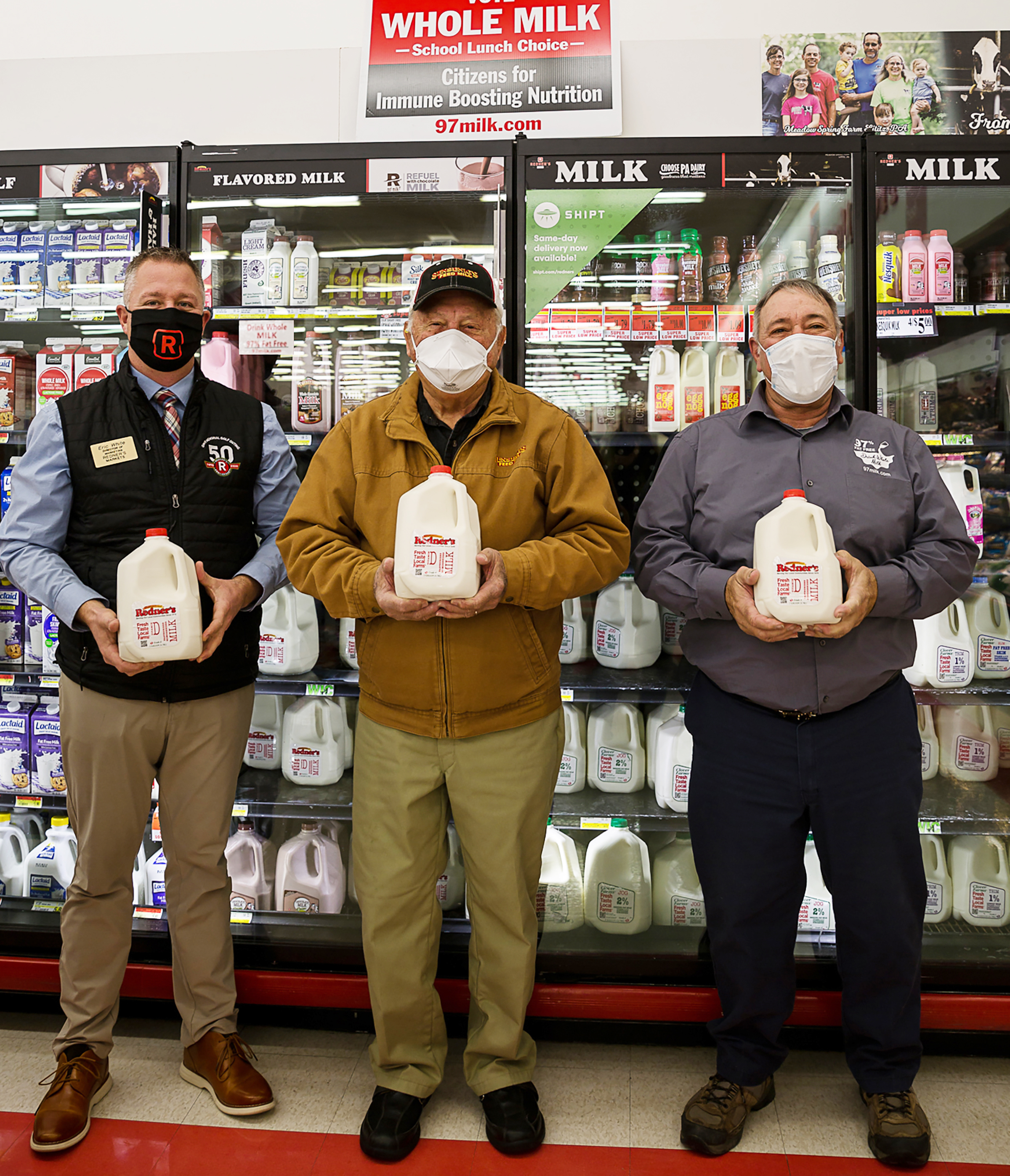
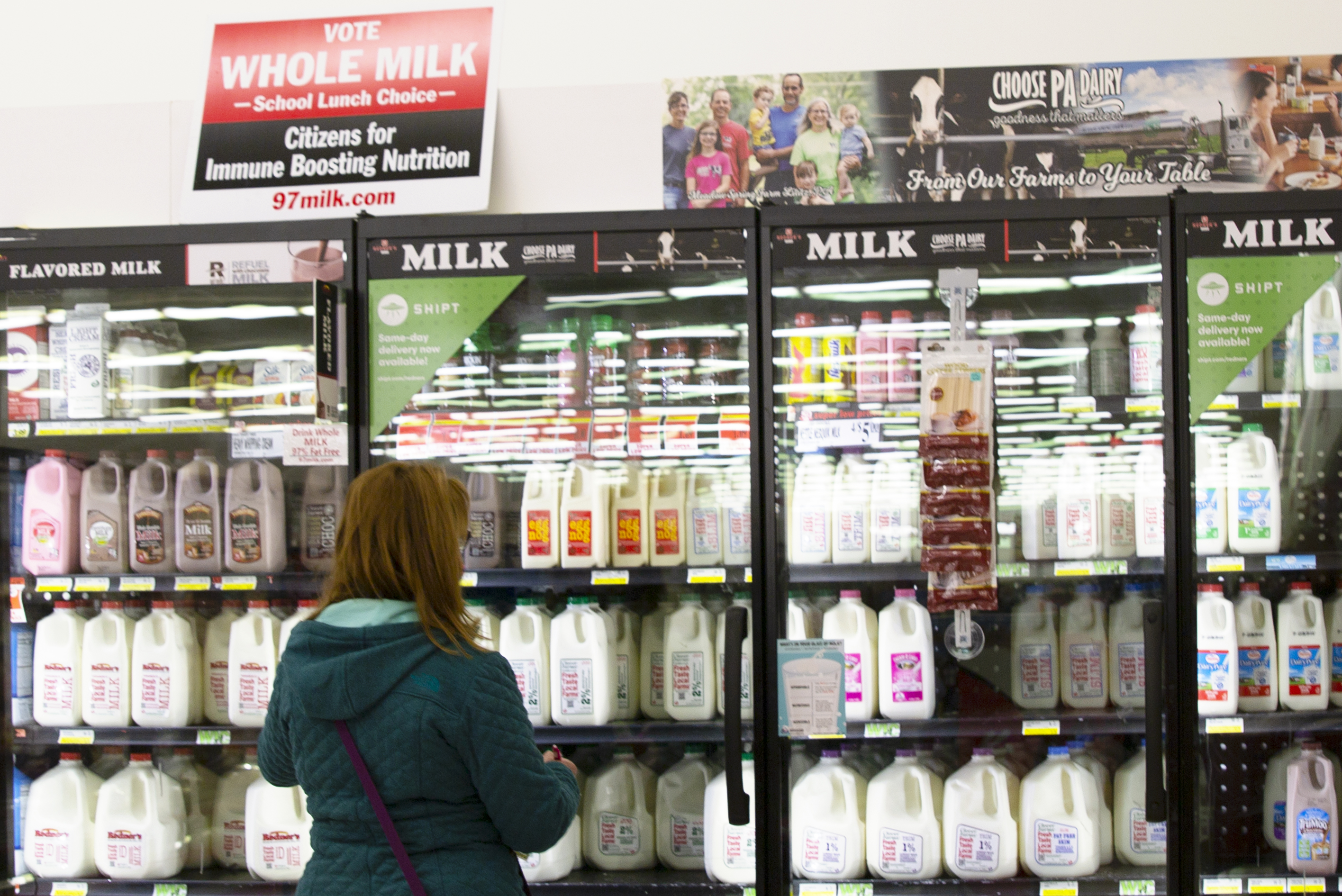
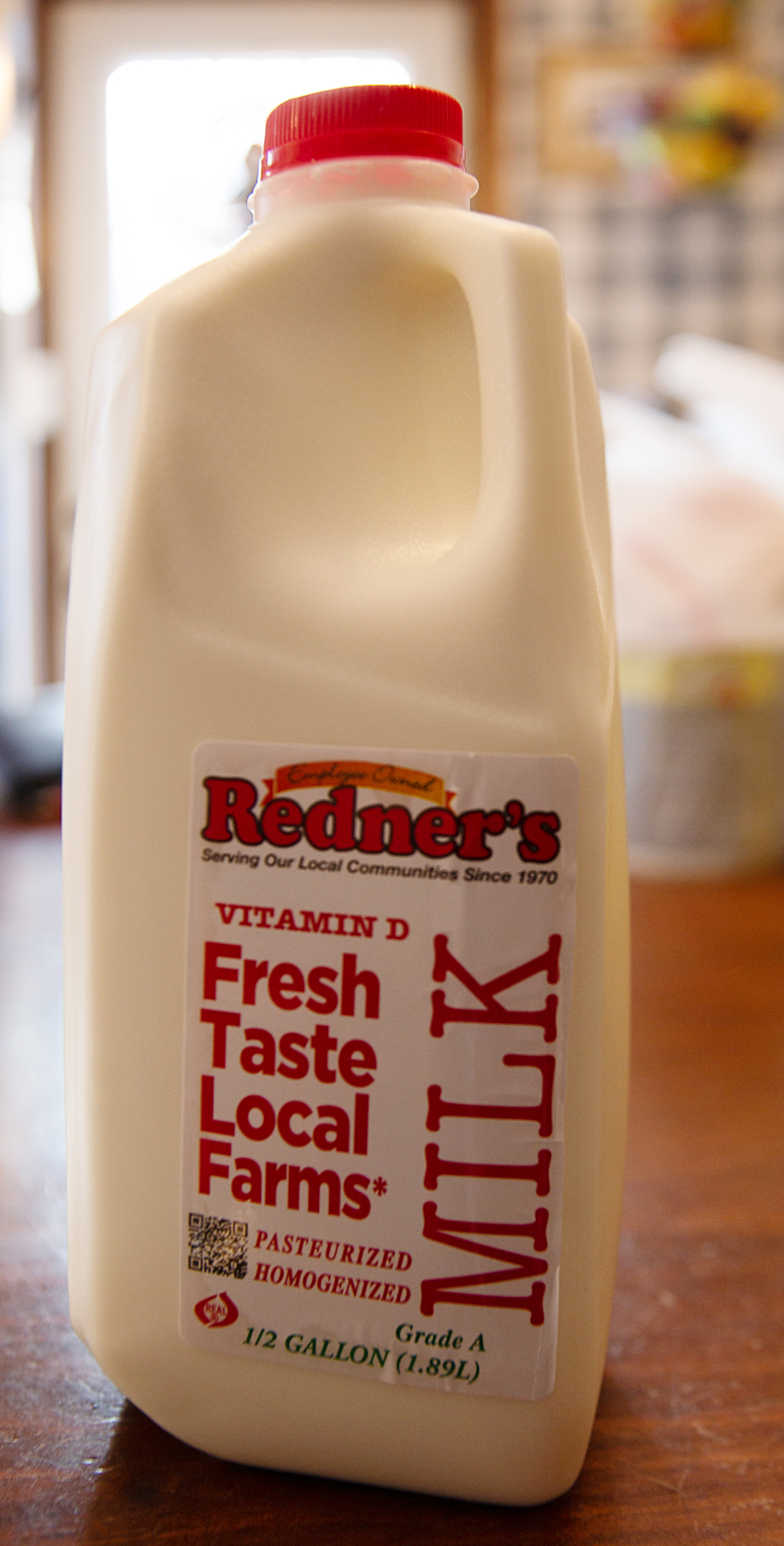
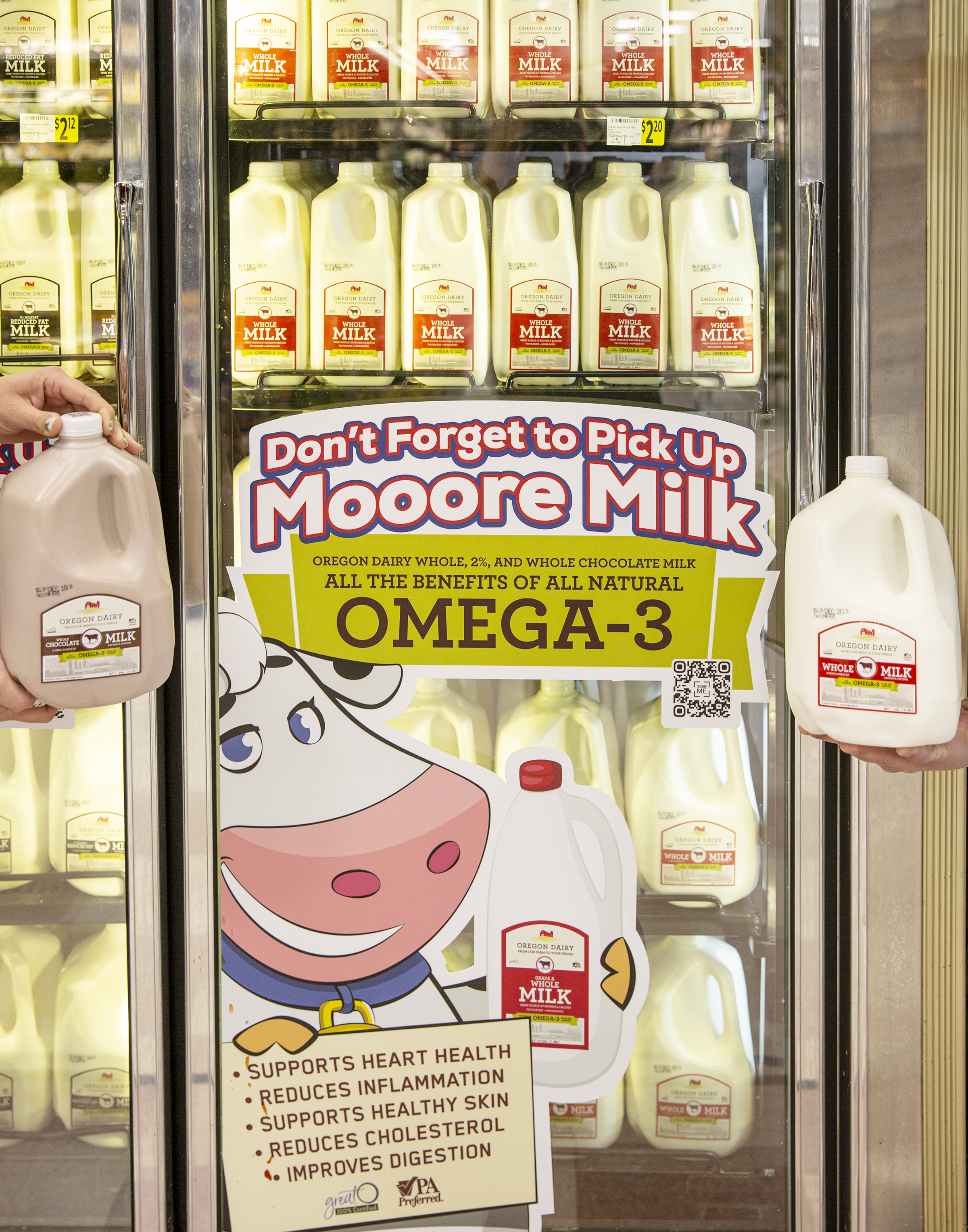
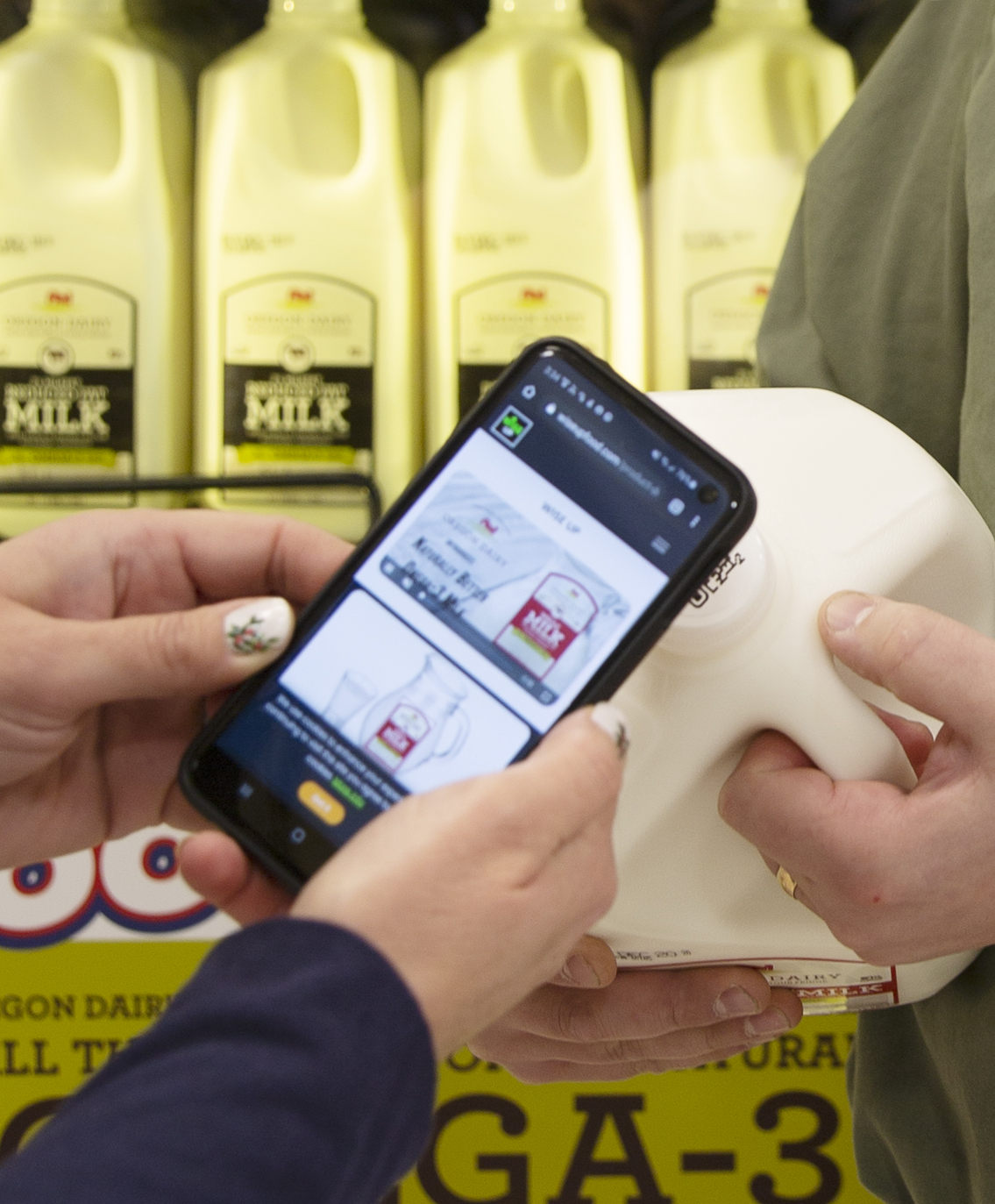
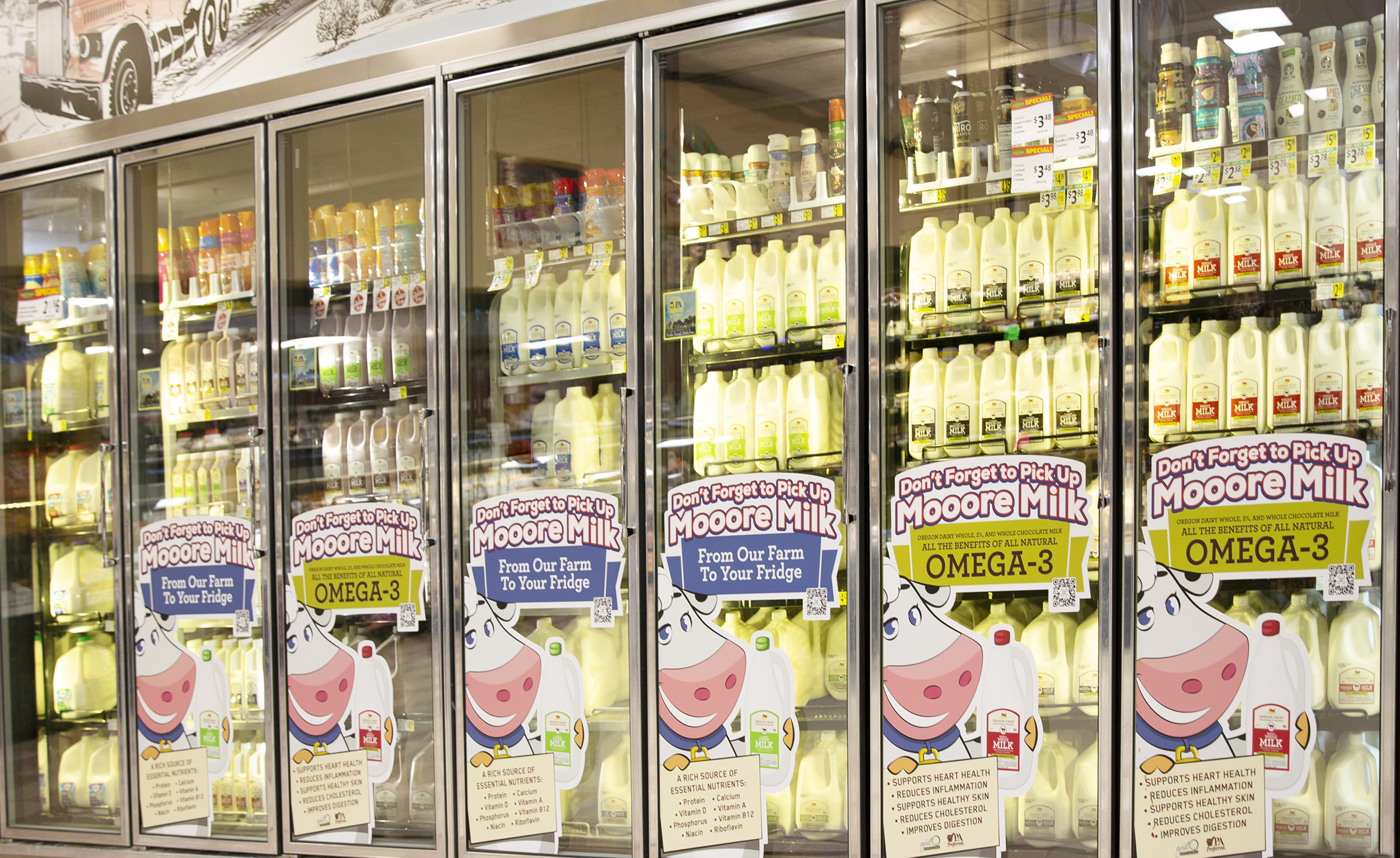
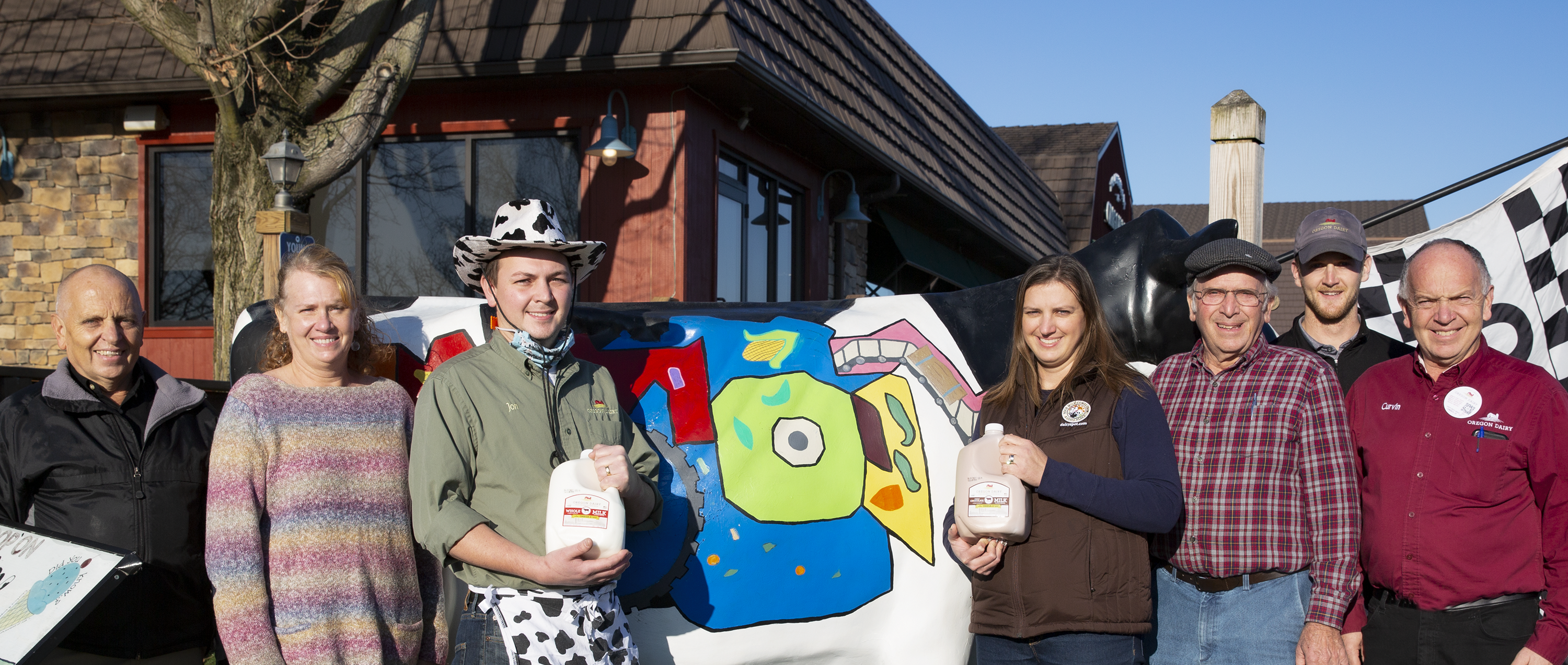
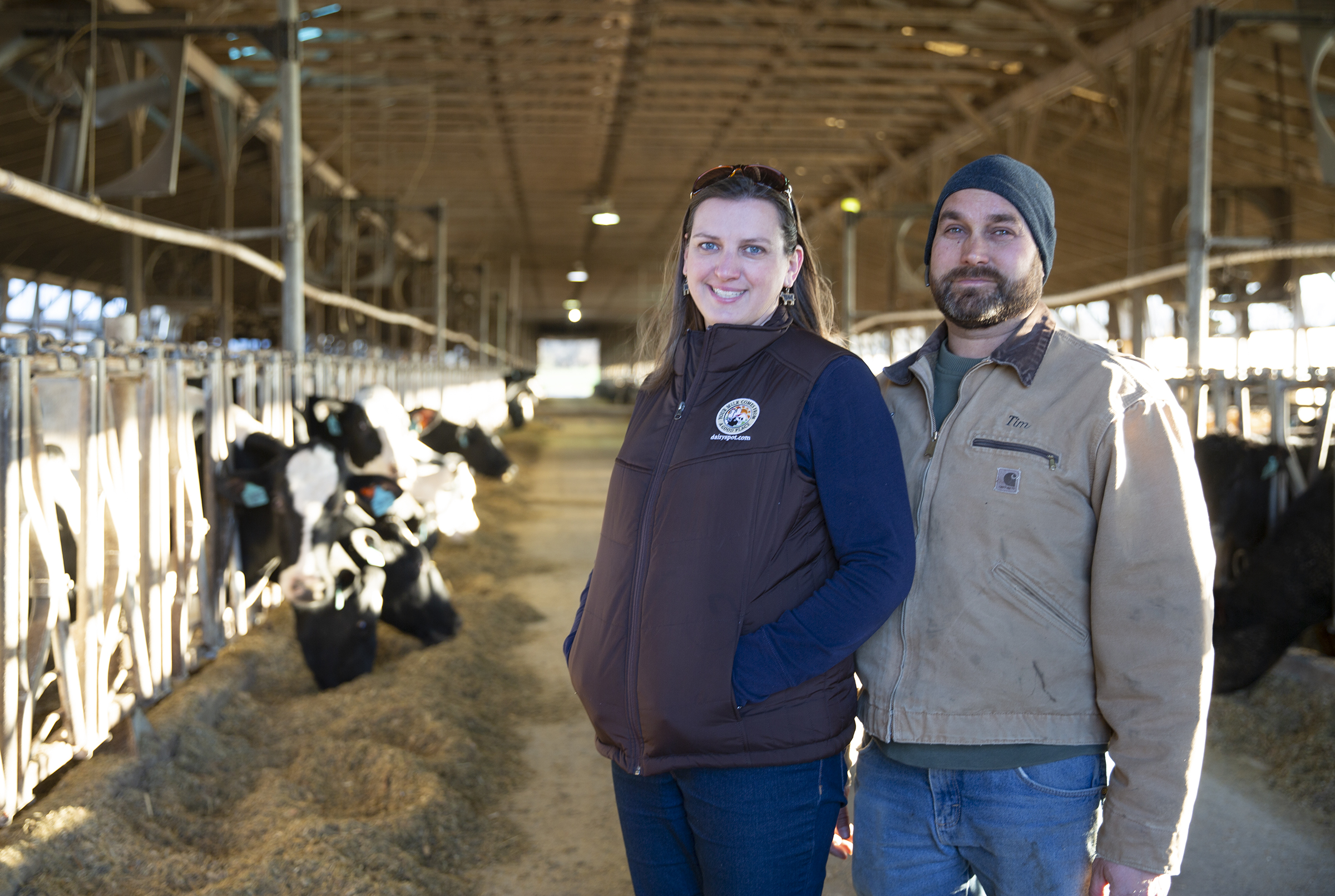
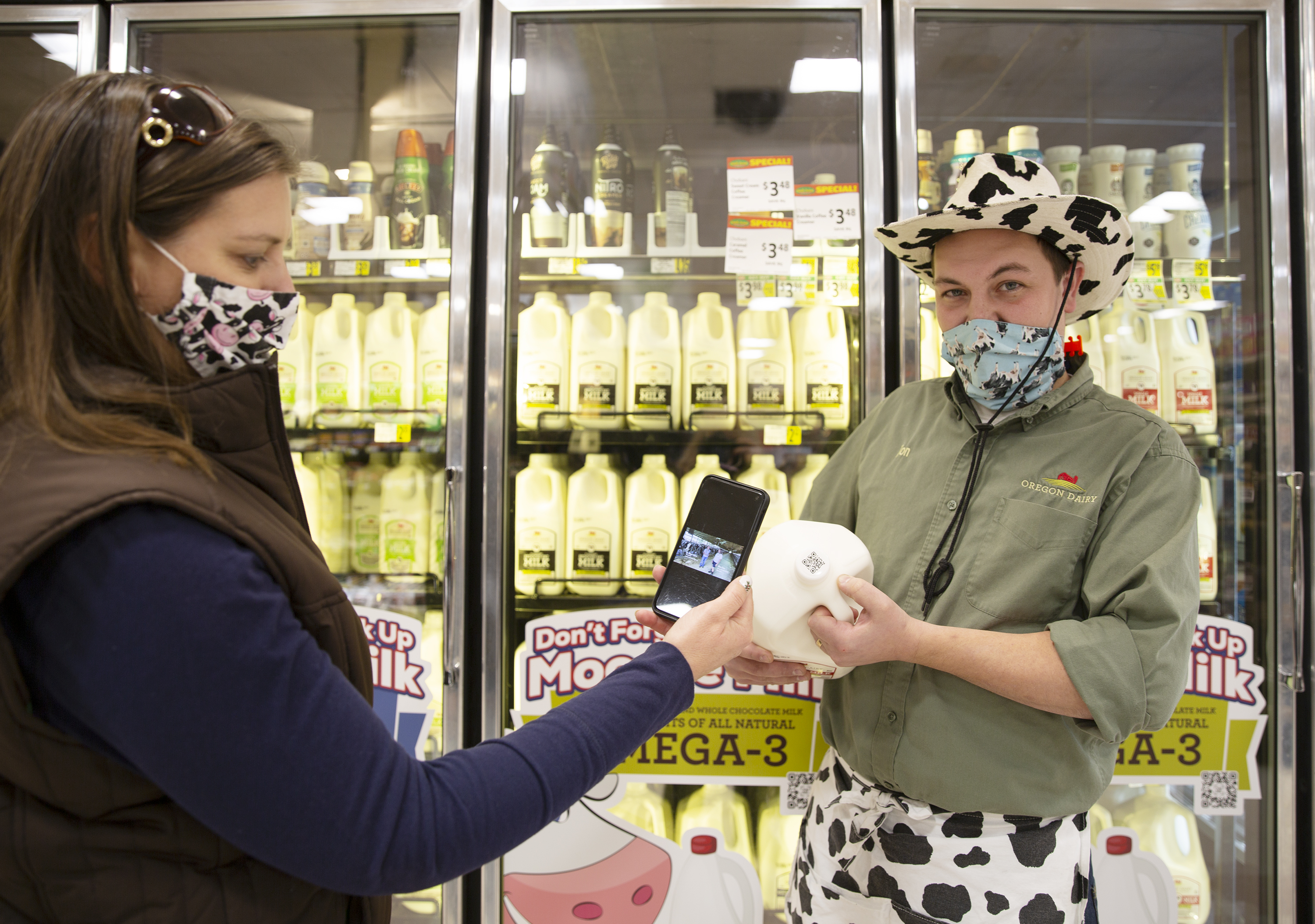

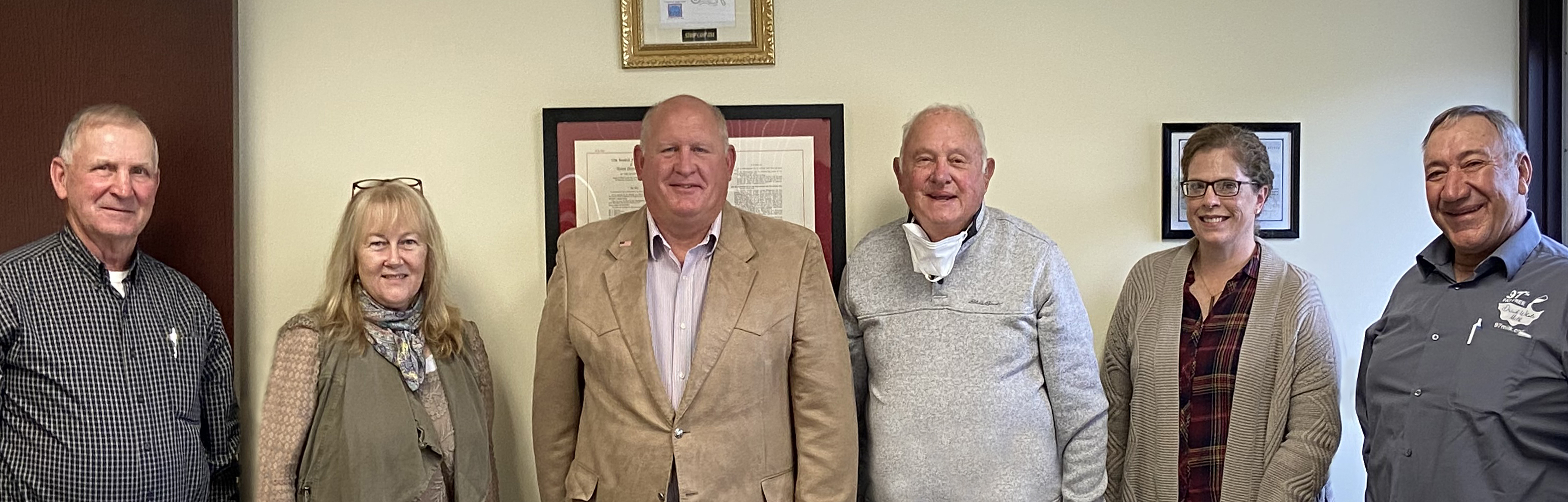


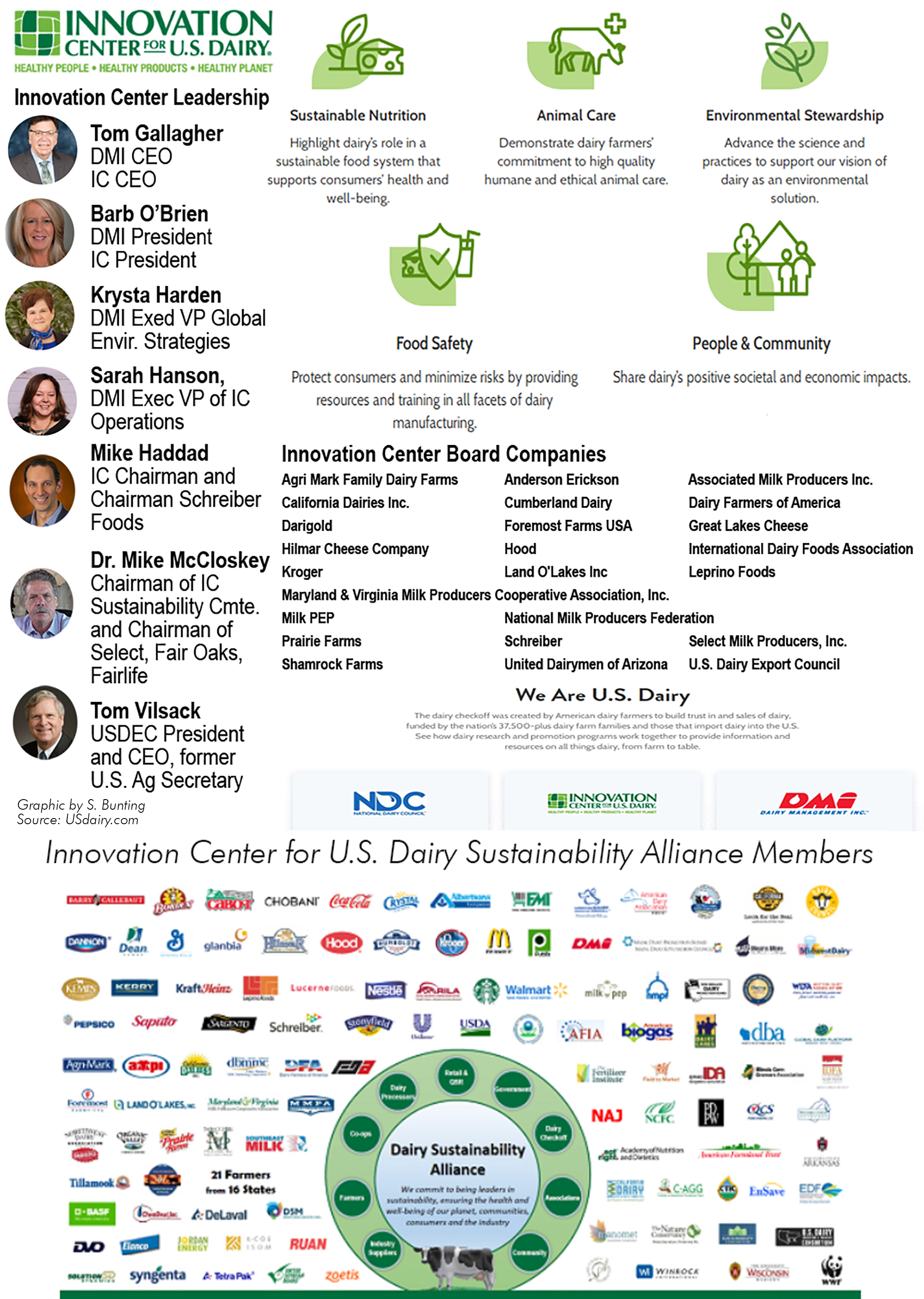
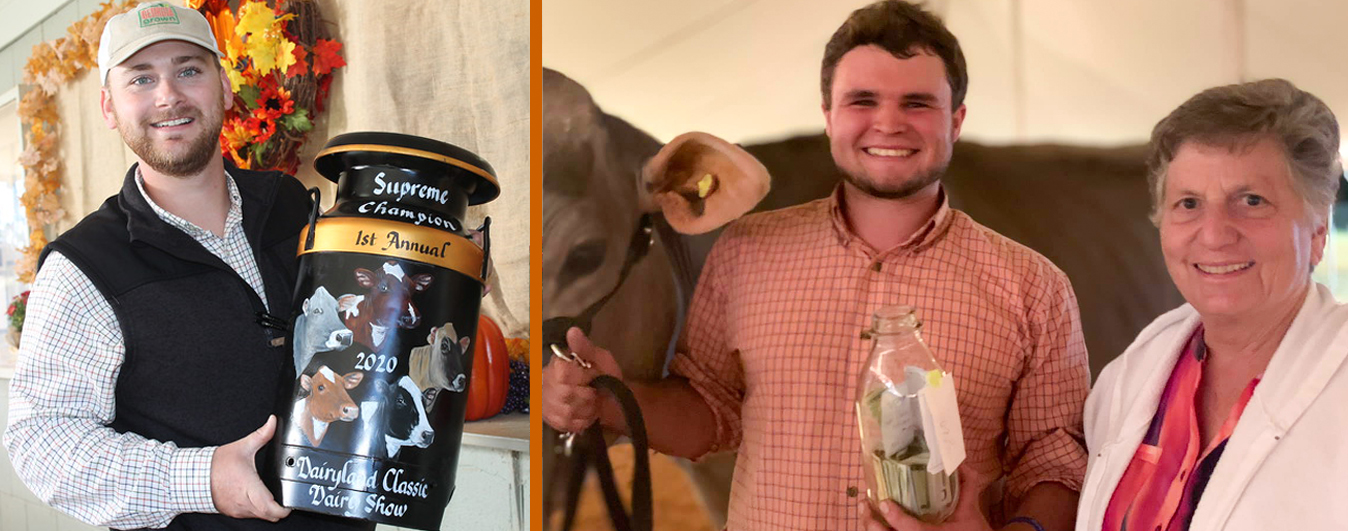


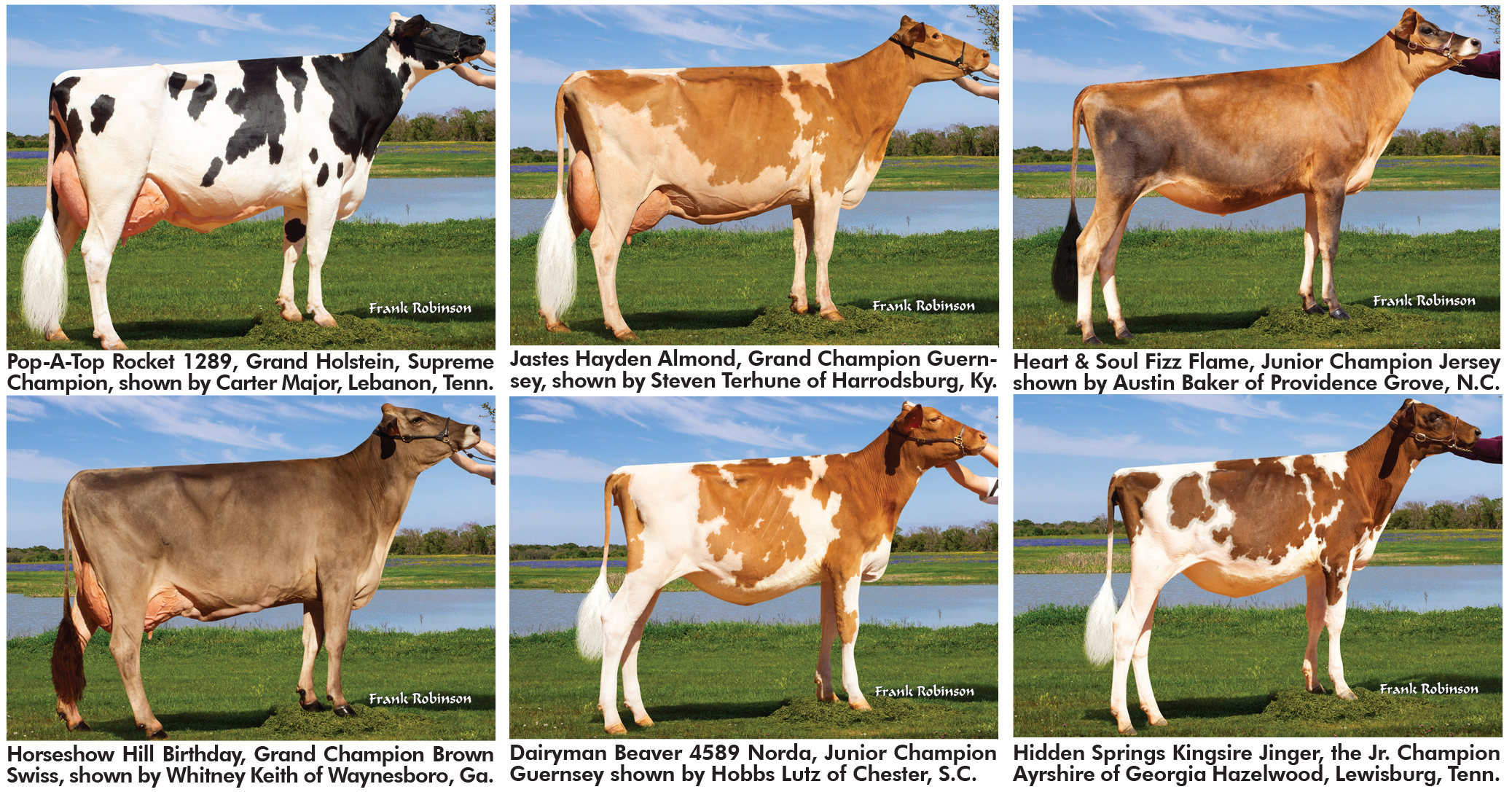


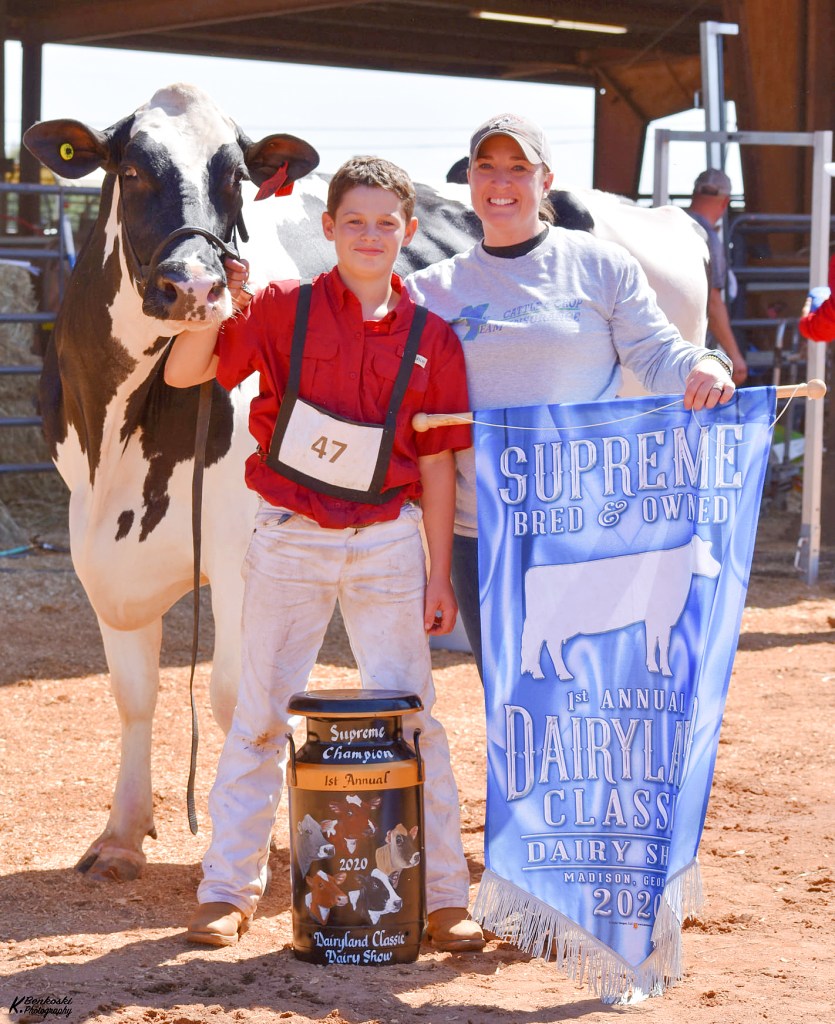


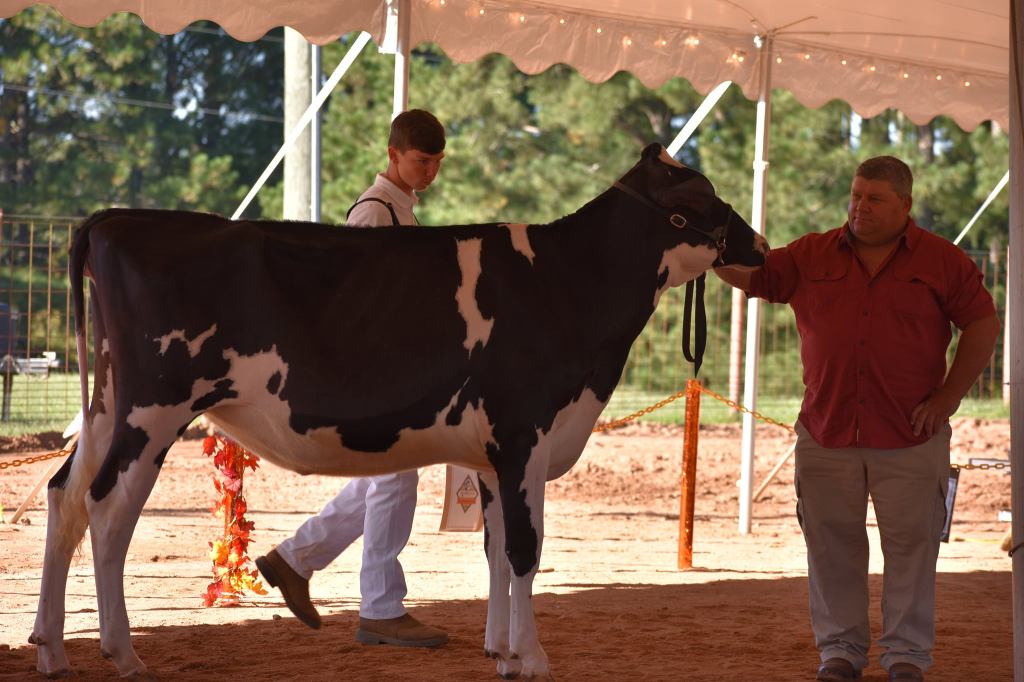

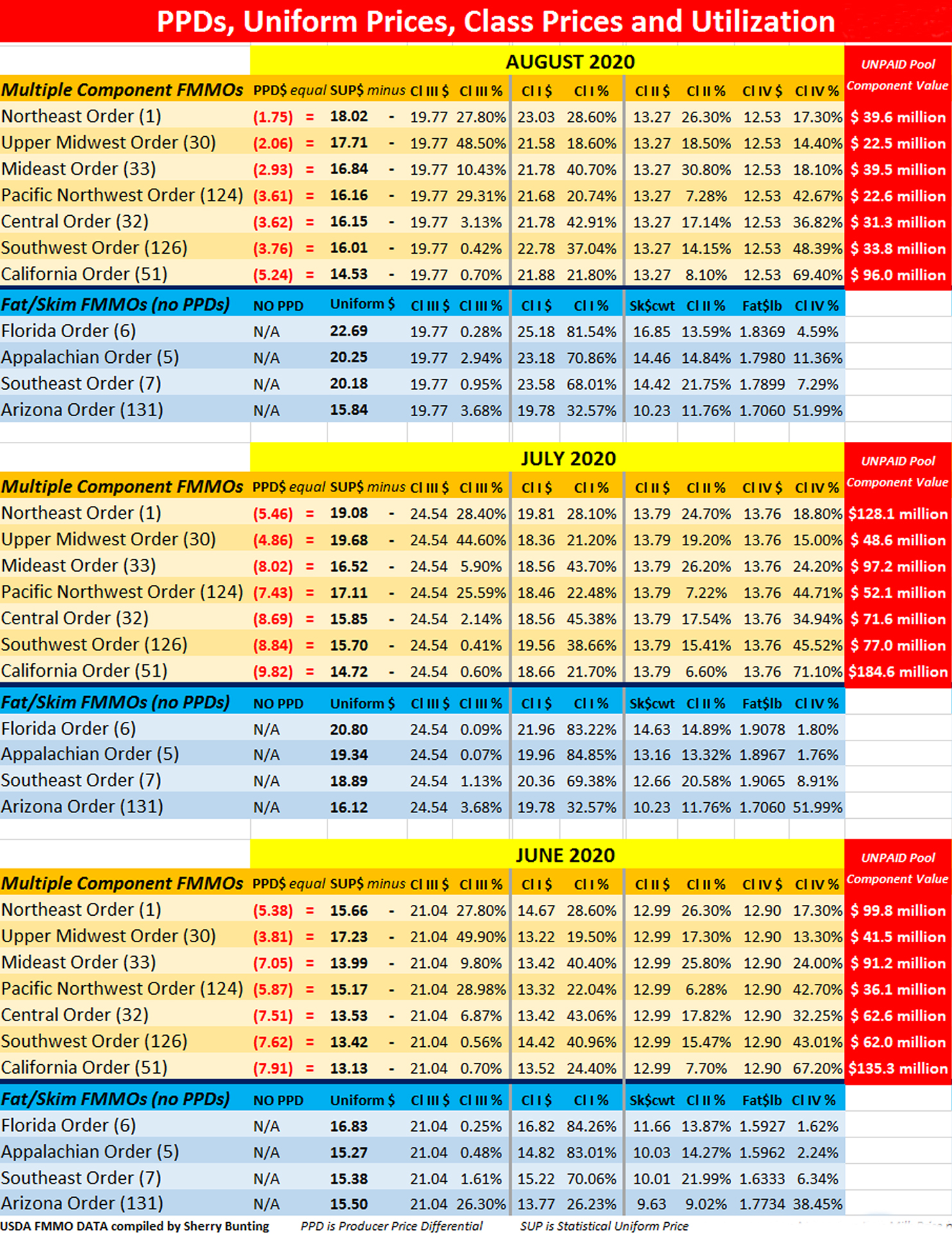
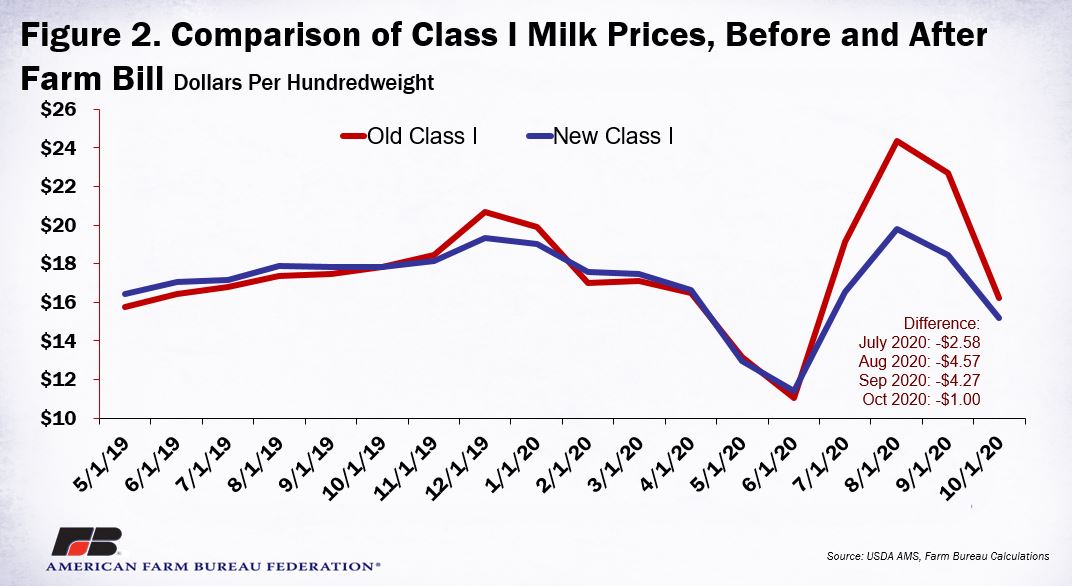
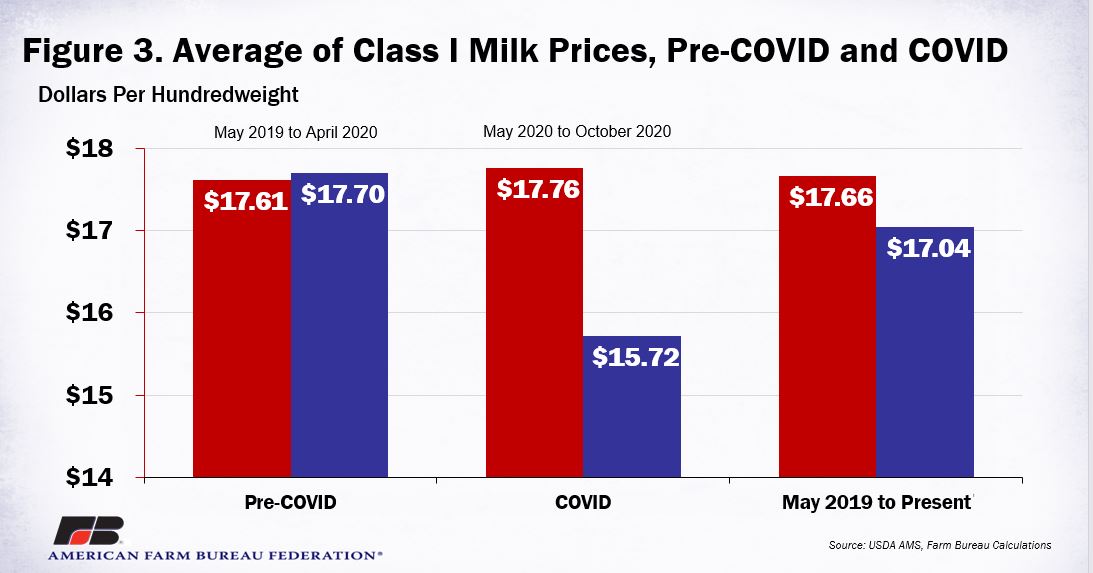
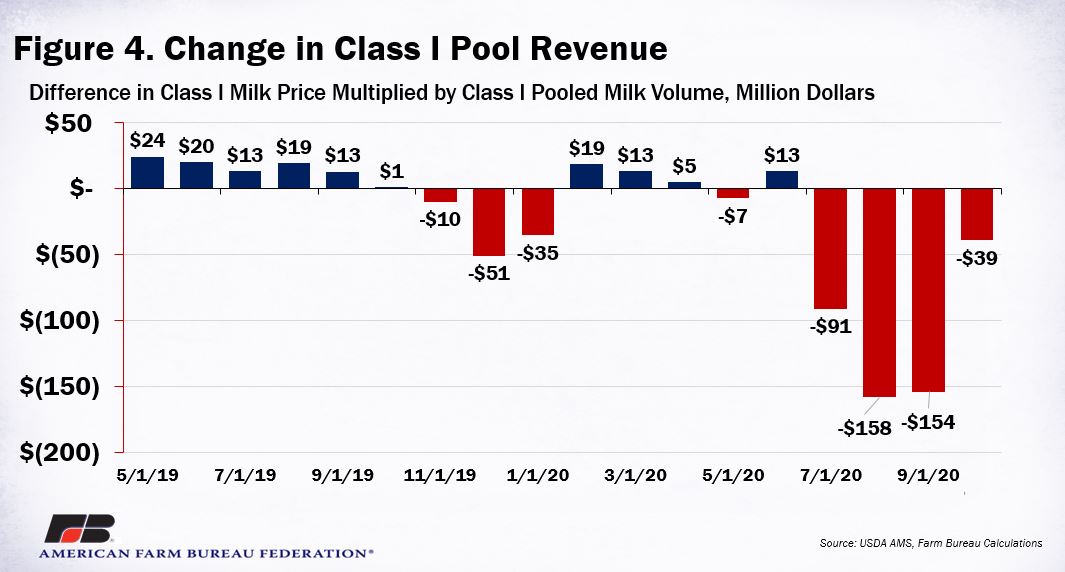
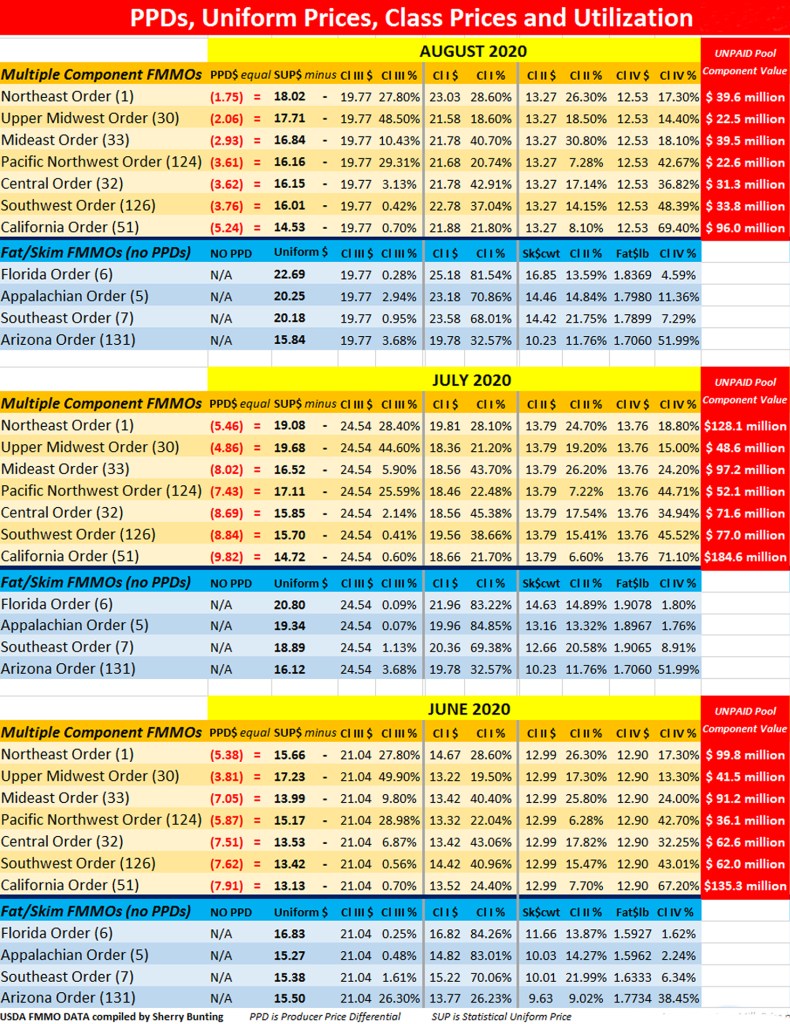
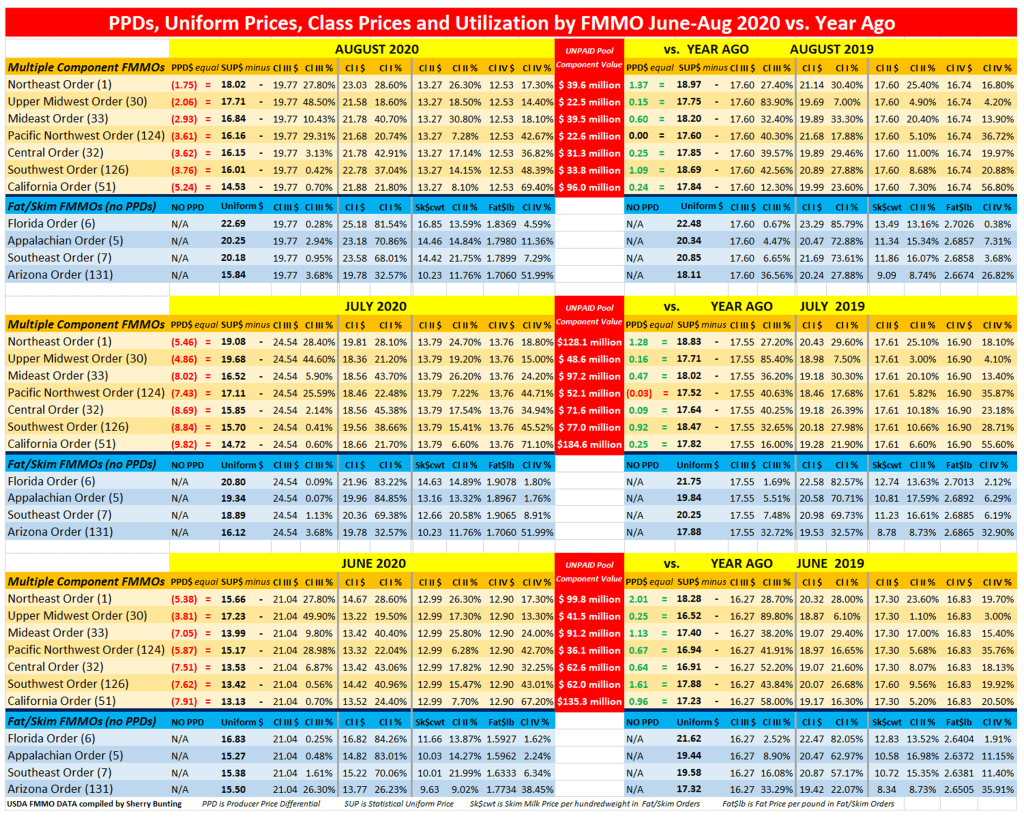
 Ag Moos