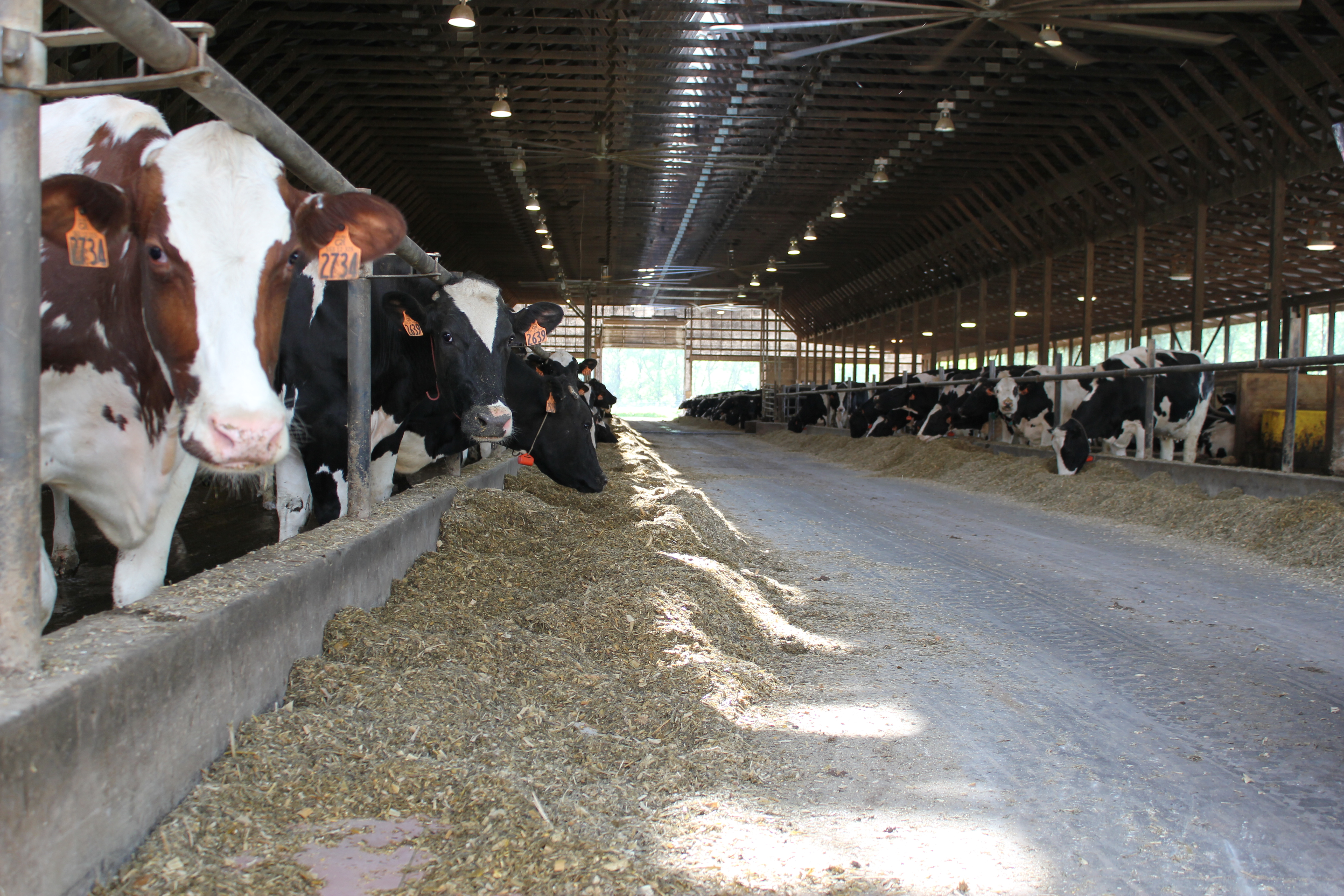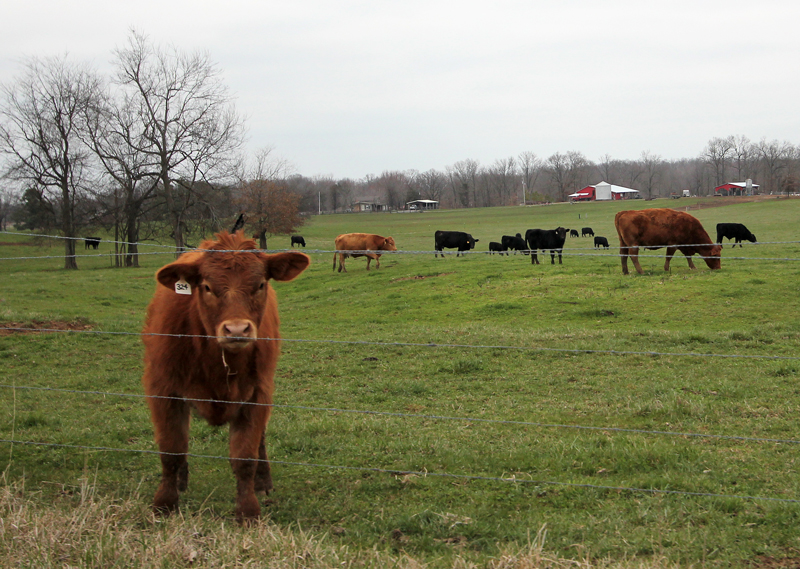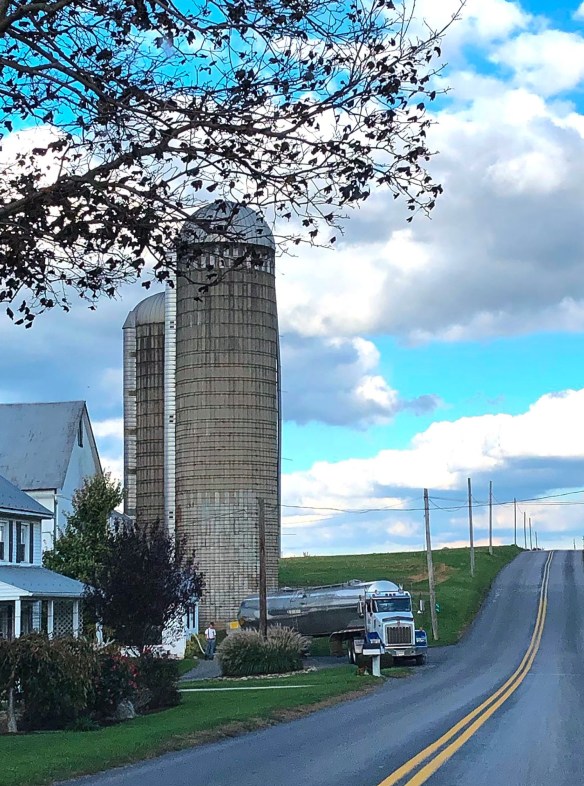
Dairy at a Crossroads Part I: 2018 Turning point?

dairycrossroadssherry4-e1519953486606.jpg

Number of farms, robust infrastructure are interdependent. The ripple spreads wide and the pain in rural communities, deep.

 By Sherry Bunting, reprinted from Farmshine, February 23, 2018

BROWNSTOWN, Pa. — Dr. David Kohl recently said he is still bullish on the small farms that populate the eastern dairy industry, that there will always be a place for them, but they will change their focus.

Still, lenders and industry participants confide they are concerned about a large number of dairy exits in 2018. They are encouraging producers to work with advisors, and urging the industry to work together in the embattled eastern U.S., because the whole infrastructure depends on the number of farms as much as — if not more than — the number of cows and amount of milk produced.

While lenders like Dale Hershey, director of ag lending for Univest Bank and Trust, say they have already seen many diversify and change how they operate, others are in the process of re-thinking their futures.

The biggest concern for Hershey is when farms decide to sell the cows, seldom do the cows come back to the farm.

“Some of those farms will stay empty. That, I do see,” he asserts. “Occasionally they’ll come back in and milk, but mostly they will go into something else, or if the farm is sold, we’ll see most of them stay dark in terms of dairy production.

“I think we’ll look back 10 years from now and see 2018 as a turning point.”

Mike Peachey of Acuity Advisors and CPAs agrees. He sees dairy at a crossroads similar to the hog industry in the 1990s: “My concern is that we will see a dairy industry 10 years from now that looks very different from how it looks today, and we are helping our dairy customers take stock of that.”

Peachey observes that as the number of farms decreases, “This puts a lot of pressure on the dairy infrastructure and the ag businesses that support the dairy farms. One of Pennsylvania’s competitive advantages is that there is a lot of infrastructure and support in the whole supply chain that is very beneficial for competitive pricing for our dairy farmers.”

He cites the region’s multiple feed companies, multiple points of expertise, nutritional perspectives and a bidding process, multiple veterinarians, the strong ag lending infrastructure, equipment dealers, and expertise in different specialties.

“My concern is that if the number of dairy farms decreases, and if the infrastructure goes away, then it changes that competitive advantage,” he says, observing that the number of cows or the amount of milk produced does not necessarily make up for what is lost when the quantity of individual farms is reduced by consolidation.

Yes, the dairy industry is at a crossroads, and no where is this perhaps more evident than in eastern states, like Pennsylvania.

The Northeast was a fluid milk market in the past, close to 50% of utilization. Today it is less than 30%. As more milk is produced — even if per capita fluid milk consumption stayed the same — not enough other products are made here, so mailbox prices are falling under the coinciding weight of increased hauling costs and losses in competitive and quality premiums.

Meanwhile, the Class IV utilization has increased as a percentage in the blend price, leading many to believe the Northeast model of dairy pricing may be broken.

In fact, so concerned are states and dairy organizations that state-wide analyses are being conducted in top tier “notably fluid” states like Pennsylvania and New York in the Northeast as well as in Georgia, in the Southeast. The states of Michigan and Wisconsin are also looking at their state’s production, processing and infrastructure to improve their future competitiveness.

In Wisconsin, milk prices are driven off the cheese market — a growing market that has been cultivated to generate variety, demand and competitive premiums — whereas the Northeast model is built off Class I, which is not competitive, nor is it growing. And, unlike cheese with its diverse growth in specialties and brands, the Class I milk at the store is treated like a base commodity against which all newcomers and imitations are compared and premium-priced.

Dairy producers and industry participants also say they are concerned about the Pennsylvania Milk Marketing Board’s role in terms of the costs associated with milk assembly vs. where the state premiums are going.

Meanwhile, store inventories are kept close to the bone. If they throw a gallon of milk away, the margin on every other gallon is affected, and so stocking depth is being reduced.

These are the kinds of issues that states like Pennsylvania, Georgia, New York and Michigan, among others, are actively looking at as they study capacity and market needs and trends.

Producers don’t control these decisions, but their input is vital.

From farm to table, technology and workforce are two other big pieces with immigration reform being a double-edged sword.

If the Congress and the Trump administration are able to legalize immigrant worker status, what will that really do for the dairy workforce? A National Milk Producers Federation study with Texas A&M reveals that 80% of the nation’s milk was harvested by immigrant workers — up from 60% in 2009.

With general unemployment now falling below 5%, which many economists consider to be full employment, a legalized immigrant workforce may be lost to jobs in industries with better margins.

Workforce issues are also affecting trucking and other infrastructure employment.

Labor is fast replacing environmental as the number one issue facing the dairy industry, and against that background, farms will do things differently over the next 10 years to systemize their production, say various experts.

Builders, lenders and others are seeing the emphasis for this in three areas: wet calves, dry cows and post fresh, as well as through investments in technologies that improve management, specifically by their impacts on cost of production because this is the criteria that will drive farm-level investments into the future.

Technologies may help solve it, but this requires investment. The right answer, policy-wise, is elusive, but for individual farms, the right answer comes, again, from knowing cost of production from which to weigh out the options and run projections and scenarios based on where the farm is now and where it wants to be in the future.

While some see opportunities to drive milk output per cow higher with more cow comfort and better heifer programs, pointing out that Pennsylvania lags behind other states in its milk output per cow, others in the industry point to imposed restraints pushing the focus toward managing risk.

Complicating the marginal milk model for improvement in Pennsylvania is the Land O’Lakes base program. When producers are over base — because they’ve improved their management — they take a penalty when the base is enforced, depending on the eastern region’s total production.

Learning to manage through this intermittent penalty seems to be affecting mainly the producers in the East, despite more substantial growth in the West. In addition, DFA has started a base program for portions of its membership in parts of the Southeast U.S., where milk is already regionally deficit.

How will this push-pull play out at the farm level?

Some producers will carry a lunch. Hershey is seeing a trend toward small farm operators finding seasonal off-farm employment to keep their dairy farms running.

Others have and will become diversified, which can reveal two pathways: Getting successful in another area and exiting the dairy, or seeing the dairy as a lifestyle to keep, and using other income streams to weather the storm.

In addition to diversifying, lenders note niche processing will be a path for some. There are a number of niche producers in this part of the country. Some have been doing this a long time, others are just getting in.

“The good economy has really helped those operations. Tourists are traveling, coming to our county, dining out, and packing the places we deal with,” Hershey observes about Lancaster County, Pennsylvania. Some of our cheesemaking stores are flourishing right now, but that business is not for the faint of heart. It requires deep pockets to get into.”

Connecting dots for consumers is essential for eastern states, like Pennsylvania. For example, in Lancaster County, Pennsylvania, there is this dichotomy. The county — like other parts of the eastern U.S. — has grown in produce and other specialty crops to become a great hub of food. To some degree this includes dairy, but more stimulation is needed.

As will be further discussed in part two of this dairy-at-a-crossroads series, knowing the cost of production for the farm business and knowing where lie the passions, strengths and weaknesses of the farm family are keys to finding each farm’s own path — whether that means keeping the cows and diversifying, investing in niche marketing, getting more competitive on cost of production or giving the cows up and channeling that valuable positive experience and energy to new pursuits.

This industry is about the milk and the cows, but even moreso, it is about the people.

“We can do it here,” says Peachey. “When we know our farm’s cost of production, we know the weak spot in our model and can figure out how to compensate for that and find where our opportunities are.”

As these changing tides and issues sort themselves out, Peachey observes how dairymen are making these “tremendous strides to improve their operations,” and he believes the next wave of improvement is figuring out how to do risk management well, how to capture margins when they are available, and how to protect operations from downside risk.

“We can take an operation so far and continue to improve, but the next wave of significant profitability and improvement is in managing the top line price and the input costs and locking in those good margins when they are there,” says Peachey.

“A generation ago, with price supports, dairy farmers could work hard and do okay or very well. Now it is a business requiring an approach to management for the long run,” he adds.

In part two of this series, we’ll examine the map for navigating the dairy crossroads.


-30-
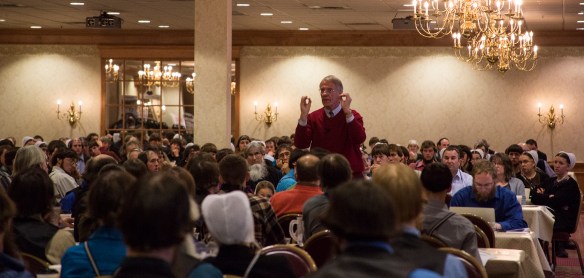
Ag economy runs counter to urban economy

Dr. Kohl connects dots, prepares farmers for economic reset

UnivestMeeting(DavidKohl)1.jpg

By Sherry Bunting, reprinted from Farmshine, February 2, 2018

EAST EARL, Pa. – “The growth of the economy is hotter than a pepper sprout, but for how much longer?” observed Dr. David Kohl, Virginia Tech professor emeritus. He then opened eyes, and ears, saying that, “When the urban and suburban economies are going gangbusters, the ag and rural economies tend to struggle. That is very typical. The ag economy tends to run counter to the general economy.”

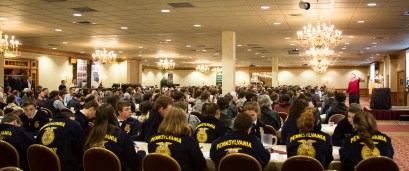
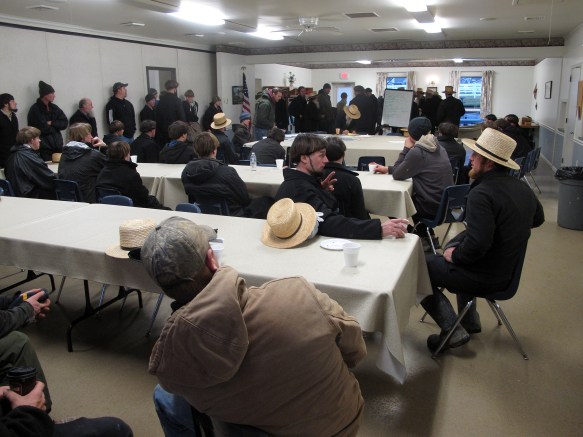
And with that, we were off to the races with Dr. Kohl, who spoke about positioning for success in the economic reset as the keynoter for the annual Univest Ag Summit that drew over 350 people — mainly farm families and many of them dairy producers — to Shady Maple Smorgasbord here last Friday, Jan. 26.

When Kohl is on the agenda for a meeting, you know you are in for an invigorating look at socio-economic trends, and a whole lot more. His high energy presentations deliver tidbits of insight that help make sense of market patterns that are so difficult to understand. The fact that he is a partner in a creamery is just ice cream on top of the cake.

Part of the reason for these opposite fortunes for urban vs. rural economies is the strength of the dollar and the price of oil that coincide.

Kohl is watching what happens with the U.S. dollar because this will influence inflation and interest rates in the general economy as well as exports in the ag economy.

“When the dollar is stronger, we are in a weaker position to trade commodities,” said Kohl. “When the dollar is weaker, it picks up inflation, so we have to watch out for higher interest rates. We are well into this period of low flat interest rates, but that is about to change.”

Kohl sees the Fed raising the prime rate possibly four times in the coming year, but that will depend on the rate of inflation. If it stays below 3%, there will be less incentive to raise interest rates. In fact, the report released that day pegged it at 2.6%. We shall see.

As he went through the indicators, Kohl indicated his bullishness on agriculture in the East. “One-third of the consumers with money reside within 10 hours of you,” he said.

While it is true that as the economy improves and consumers have more money in their pockets, the food processing and foodservice sector positions have improved, the problem is that the farm sector tends to ride at the back of that bus. What makes the difference for ag, according to Kohl, is the economic growth of export partners.

Trade has become integral to the marketing, pricing and distribution of farm commodities, including dairy, according to Kohl.

He travels extensively, especially during meeting season, and he said it is his ability to go out and confirm the numbers that allows him to see trends and connect dots.

Right now, he said, the problem for dairy is that we are working through a surplus. “The high prices of 2014-15 brought in some inefficiencies,” said Kohl. “When I see the bottom third of producers making good money, that’s when I know we will see financial issues within the next two years.”

On the trade issues, Kohl said that 1 out of 7 days’ worth of milk production in the U.S. is exported somewhere, and 39% of those exports are going to Mexico. During a conference in Mexico, he learned that those buyers will go elsewhere and pay more for dairy if they need to.

And while Asia, and China, are important export destinations for farm products, Kohl said that  NAFTA re-negotiations are important because the U.S. exports more ag products to Canada and Mexico, combined, than to China.

He observes that 47% of the Mexican population is under 25 years of age, and that “This youthful population of consumers helps fuel continued growth in U.S. agriculture.”

He also noted that 3 of every 7 consumers with money to buy goods reside in Asia, but the U.S. has pulled out of the Trans Pacific Partnership, “leaving China to fill our spot, so now Canada and Mexico are in the TPP and they are making agreements without us there.”

Kohl acknowledged the currency manipulations that go on by other countries, including China and Mexico, to improve their market competitiveness globally, and he said that is something to watch both in the trade negotiation processes and in terms of economic factors affecting agriculture, particularly as the U.S. dollar is likely to weaken.

Within this trade discussion, Kohl said the single most important thing that President Trump has done is appointing former Iowa Governor Terry Branstad as Ambassador to China.

And here’s the stuff you get from a guy like Kohl: Branstad and China’s leader Xi Jinping have a very close trusting relationship that dates back 35 years to their work on an Iowa hog farm. In fact, China’s leader holds a Ph.D. in ag and rural markets. He came from an elite family in China, but during the 1980s farm crisis circumstances had him working on farms in east Iowa.

UnivestMeeting(DaveKohl)2“The leader of China worked on hog farms for two years. He ‘gets’ agriculture,” said Kohl, as he turned to a table populated with blue and gold jackets and said: “The relationships you form today, you will not know their impact down the road.”
Under the Trump administration, the U.S. sealed a “beefed up” pork and protein deal with China that has been good for the livestock sector. Perhaps dairy is next?

 Kohl also watches the weather. South America is in their double crop season and it is dry there. In the U.S. southwest, it is very dry in Texas, Oklahoma and Kansas. “If this continues through April 15 or May 15 and if it goes to the upper Midwest with a dry Southeast, it will impact corn.

He also keeps a careful eye on oil and energy prices, proclaiming that the U.S. made a pact after 9/11 to become energy independent within 25 years, but has done it in 10.

“We are now the energy leader in the world, so other nations can’t control us anymore,” said Kohl. Oil and energy costs influence the general economy, and really have an impact on farms. “8 out of every 10 dollars spent on the farm business are connected to oil.”

On the flip side of the oil coin is the historical relationship between oil prices and farm commodity prices. Kohl sees oil getting cheaper. “The demand side is changing. People are moving to cities and using public transportation,” he said, adding this surprising statistic: 31% of people aged 18 to 25 do not have a driver’s license.

He also noted that in Germany, they want to outlaw the internal combustion engine by 2040! And that in China, they want to have 25% of all vehicles run by electric by 2025.

The big trends impact so many things over time, and that is why Kohl pays attention to them.

In fact, he noted that the advances in farming technology have produced surpluses by taking the lower yield farms and really improving those yields. “That is what technology does. It improves the bottom end and that creates surplus, and this is why we need export markets.”

What does all of this mean for farmers? Kohl put the “correction” or “reset” he sees coming into perspective, observing that the 1980s correction went down fast and lasted five years. “This one is a grinder,” he said. “We are not seeing a collapse in the ag economy like we did in the 1980s. We are seeing it grinding along and surviving with technology and management.”

Kohl sees the stock market rate of gains as something that can’t last forever and believes it is a “bubble.” He quickly added that many people disagree.

He noted that student debt is record high, the rate of consumer savings in the U.S. is at the lowest level since 2007 and credit card debt just exceeded a trillion dollars.

Bubble or no bubble, Kohl encouraged listeners with his belief that what we have now is an “asset bubble” where equity and resilience will be the tools to guard. “Don’t get complacent on equity,” he urged.

The economic drivers of the current cycle are its elongation into a supercycle, the available technology and management, interest rates, stronger financial underwriting, working capital, land equity cushion, and crop insurance programs.

“Currently 90% of the world economy is hot,” said Kohl, adding that, “If it grows too fast, it’s a weed.” In his opinion, it is growing too fast.

The killers to watch out for are a rise in oil prices, a decline in the stock market, a tightening of credit strategies by the Central Bank and ‘bubbles.’ The bubbles to watch are auto debt, student debt, stock market, credit card debt and farm land asset to credit.

“Economic expansions do not die, they are killed off, and those are the things that can kill them,” said Kohl.

He said workforce development will be critical for sustaining the economic engine that is revving up, and he was encouraged to hear President Trump say last week that, “Not everybody needs to go to college. There is nothing wrong with vocational skills.”

What can dairy farmers do as these macro-economic factors around them are out of their control?

“Look at your business, and drive it toward efficiencies,” said Kohl. “Do your cash flows early and often to adjust to changing tides.”

Recognizing the trend toward diversified income streams on farms in southeast Pennsylvania, Kohl said that is more sustainable in today’s environment.

But the biggest piece of advice he gave was for farmers to “be proactive. Whether large or small, the top producers are making the adjustments, the middle is in denial waiting for bad weather somewhere to bring back commodity prices and the bottom third are at the end of the pier not knowing what is wrong.”

Look for Kohl’s cornerstones for success as this continues in a future edition.

Fire extinguished. Help, hope ignited.

worden4042w

2013 Photo: Chuck and Vanessa Worden

By Sherry Bunting, Reprinted from Farmshine, Jan. 20, 2017

CASSVILLE, N.Y. — On Saturday evening, January 14, the entire Worden family was together at the dining room table celebrating Chuck and Vanessa’s birthdays, including daughter Lindsey who was home visiting from Vermont.

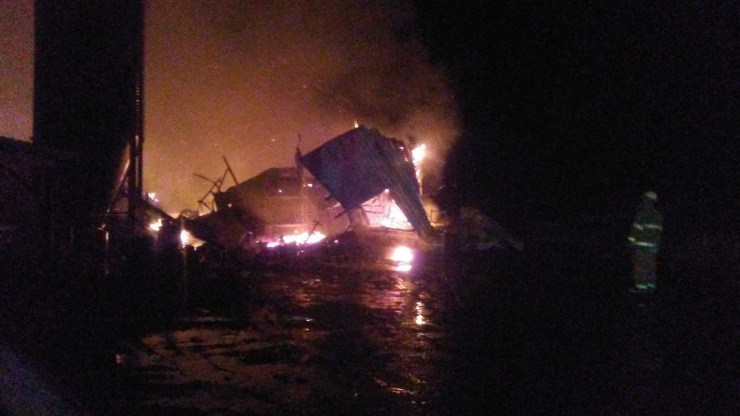
By daybreak Sunday, the family was facing an uncertain future, but was lifted forward by friends and neighbors showing up when news spread quickly of the fire at Wormont Dairy, Cassville, New York.

“I had just walked through the cows and done a little clipping that night, so proud of how the whole herd looked and how well they were responding to the changes we had been making in the ration and fresh cow protocols,” Lindsey Worden reflected. “Less than four hours later, I was calling 911.”

Worden1.jpg

Photo from Kate Worden

Wayne and Mark Worden, who live off the farm but nearby, were throwing on clothes to come down and join their father Chuck and brother Eric in rescuing calves and heifers penned in the box stall barn adjoining their parlor/holding area and office, which was totally engulfed in flames.

Their mother Vanessa had gotten up in the middle of the night and saw the flames from the window.

“Just as Eric was carrying out the last calf, the fire trucks arrived and the barn was totally filled with smoke and starting to catch fire as well,” Lindsey reported. “Volunteer firefighters, friends and neighbors were pouring in. We managed to wrangle all the baby calves and young heifers into a bay of our machine shed, and got the older show heifers into our heifer freestall, while dad and the boys were helping the firefighters.”

Amazingly, the wind was blowing in the opposite direction of its usual course – sparing the main freestall barn and Wormont Dairy’s 270 milking cows from damage.

By 4:00 a.m. Sunday morning, “It was quiet,” Lindsey shares. “At daybreak we met to try and figure out a game plan for how to get 275 cows milked on a farm with no milking equipment.”

16143230_10106250973416047_629635797440443966_n.jpg

Photo provided by Lindsey Worden

Not one person or animal was harmed, and the family was so thankful, but reality was sinking in. Now what?

“It was amazing,” said Vanessa. “There are no words for the way people just showed up and lifted us up.”

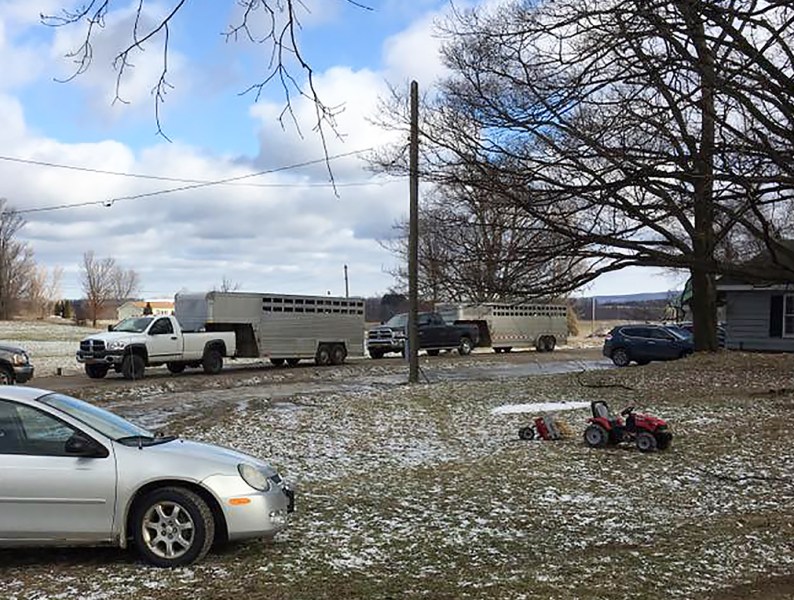
Chuck said a neighbor started the ball rolling to place the cows, and people came with trucks and trailers lining the farm lane. “I didn’t make one call, people just came,” he said.

As Wayne and Mark noted, “It was humbling.”

Worden4.jpg

Photo provided by Lindsey Worden

Before long, with the help of some awesome neighbors, the Wordens had figured out two farms that could take the majority of their milking cows (heifers and dry cows are staying), and a short while later, cattle trailers started showing up, as did more friends and neighbors to help get them loaded.

“At one point, we had at least 10 cattle trailers lined up out the driveway, and we got animals relocated more efficiently than I would have ever imagined possible,” Lindsey reflects. “We are so thankful to the friends and first responders who showed up at 1:00 a.m. on Sunday morning to help get our immediate emergency under control.”

Friends and neighbors came from near and far – bringing trailers, helping to get cattle loaded and moved, helping to get scared cows milked off site.

“People brought enough food to feed an army for a week,” said Vanessa.

“At 7 a.m., my first thought is that we were probably just have to sell everything, but then as neighbors showed up, and connections were made, and trucks started moving cows, you start to feel how hope can change the whole outlook,” said Vanessa. “By 3:00 p.m., our friends and neighbors had given us hope that we can do this. I was actually happy yesterday. There is no way I could be sad after all that everyone has done, after all the hope they have given us.”

Each member of the family has so much gratitude for the dairies that opened their barns and took in cows. The 270 cows were moved to three locations by 3 p.m. Sunday.

“What an incredibly humbling day,” Wayne shared Sunday evening. “There are no words to describe the support we received and are still receiving with the cows. Thank you is not enough to say about what we were all able to accomplish today. What an incredible community the dairy industry is.”

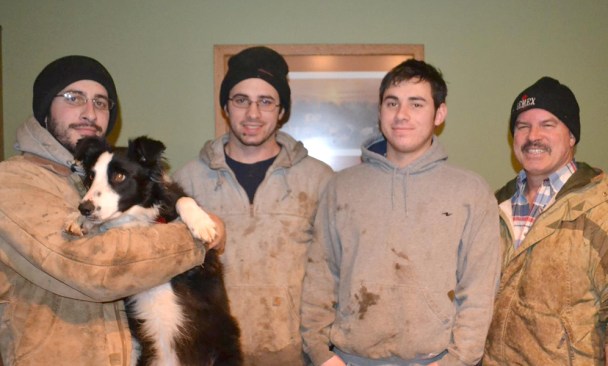
chuck-and-sons.jpg

2013 photo Wayne, Mark, Eric and Chuck Worden

Electricians worked all day Sunday to restore power – light, heat and water. “And companies worked with us quickly to help us with things like restoring our DairyComp records on a new computer, getting basic medical and breeding supplies and all those little things that we need to keep the wheels on the bus this week,” Lindsey observes. “It is a really strange feeling to literally have none of those everyday supplies like calf bottles, navel dip, ear tags, IV kits, etc.

Everyone who reached out with suggestions for help or just kind words, prayers and encouragement, by call, text message, email, and facebook, or dropping by in person. We are so very grateful.”

Eric shared how “truly overwhelmed” he was by the amount of support received from farmers across the state following the fire. “Thank you for making the day go easier,” he said. “This is a tough blow for my family, but we will come back stronger than ever.”

Adds Lindsey, “By some miracle, not a single animal was lost, not even our lone barn cat!”

While there is no question, “we’ve got a tough road to hoe to get back on our feet over the next several months,” said Lindsey, “with some luck and the attitude everyone in the family has maintained over the last two days, I have no question we will come out on the other side.”

“Words cannot express how thankful we are,” Vanessa said. “The way people reached out to us in those early hours gave us hope. Hope is an important thing. It’s what we give each other, and it is amazing.”

As the family meets with insurance adjusters, lenders, builders, equipment specialists and others to chart a course for moving forward, the ready support of others in the darkest hour serves as a continual reminder of what the dairy community is made of – people who keep putting one foot in front of the other and helping their fellow producers get through times like this.

Even more importantly, the family notes that this dairy community is quick to give each other hope — that they’re not alone when confronted with a life-changing event — that when it seems everything is coming to a halt, it is the hope brought by others that carries everyone forward.

Crews from six fire departments responded to the fire at Wormont in the wee hours of Sunday morning, January 15, with others on standby.

Cleanup continues as the family pulls together to make decisions for the future – a future that they say reinforces how special the dairy industry is and how humbled they are to be part of it.

chuck-eric-lindsey.jpg

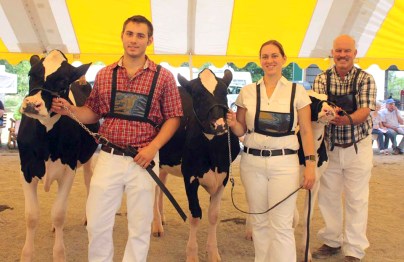
Aug. 2016 Eric, Lindsey and Chuck at county fair

wormont

2013 photo Wormont Dairy

Leaving boots in the mud to seek new ground on Tuesday


Editorial Comments by Sherry Bunting, Farmshine, Friday, Nov. 4, 2016

flag19Agriculture is at a crossroads, and so is America. But the choice of paths that lie before us are neither clear nor direct.
When we go to the polls on Tuesday, it will be with mixed thoughts and emotions.

As the mainstream media analyze and over analyze every breaking news story, every “narrative,” every campaign “spin,” every poll, every issue that they deem important, there is much that gets left on the cutting room floor — important issues that no one really talks about, and yet they are harbingers of our future.

What they don’t talk about – of course – is agriculture. What they don’t talk about is the backbone of our economy, the original resource from which all other facets of the economy are made possible.

Take, for example, Hillary Clinton’s speech to financial institutions, where she said she dreams of one world, one economy, without borders. When pressed on that issue, her response was to say that, ‘Oh, that speech! I was talking about the energy economy, a worldwide energy grid. I want the U.S. to be the renewable energy super-power of the world.’

A convenient response to a concept that should give us all pause — in and outside of agriculture.

In talking with farm folk who volunteer for missions or projects in third-world countries where helping to establish indigenous agriculture practices and infrastructure is deemed so important, it hit me: We will be that third-world country — maybe not in my lifetime – but nevertheless that is one path on this crossroads if we do not take care to protect our farms and our farmers. Not only is their stewardship of the land vital to regional food security, but they are the place-holders for the essence of our liberty as a nation. Private property rights and ownership are the keys to our freedom as a nation, as a people.

Globalization is happening at a rapid pace. Running parallel to globalization is market concentration as mergers and acquisitions put more and more power into the hands of the few when it comes to food and agriculture. And then those ‘too big to fail’ entities are being sold off to foreign nations, like China, who already owns, according to the Department of the Treasury, $1.24 trillion in bills, notes and bonds (about 30%) of the over $4 trillion in Treasury bills, notes and bonds held by foreign countries.

That, my friends, is the auctioneer’s gavel on our national debt. True to form as a businessman, Donald Trump is talking about the national debt. Hillary Clinton is not.

Exports are said to be necessary for all agriculture commodity markets, especially dairy, and while I believe exports are important, they are not the end-all, be-all – except to the multi-national companies that view us as though they are on a satellite in space counting their dots on the globe: production units or consumption units, bars on a graph, slices on a pie-chart, numbers on a sales report, quarterly statements to shareholders.

In these third world countries I referenced earlier — where the good folk of the USA help farmers establish themselves — one of the first realizations is that when we throw cheap food at them, through exports, they have difficulty getting their own agriculture established to have the food security we Americans enjoy and truly take for granted.

Think about that for a moment. Are we not in danger, ourselves, of going down a path that could leave us food insecure?

The trade agreements that give our farmers market access to foreign markets also give our domestic market away to foreign imports. The give and the take are contrived and uneven. Winners and losers are made, created.

There is nothing fair or free about world trade because nations are losing the ability to care for and protect their own – particularly the U.S. – and we don’t even realize it. We are focused on the tantalizing allure of what we can sell … so that we are blinded to being sold-out.

The magician’s trick. Watch the elaborate thing I am doing with my left hand while I fool you with my right.

Many of these trade agreements are not free and fair trade, but rather a march forward to globalization, where the World Trade Organization and the United Nations become a higher power than our own Congress, our own President.

We saw just a tiny inkling of this, firsthand, when Congress quickly repealed the Country of Origin Labeling (COOL) last March, and when the administration lifted the ban on Brazilian beef in August, and when the first boatload of beef hit Philadelphia, via JBS, just three weeks ago, followed by a rapid downturn in cattle prices here at home.

We’ve already seen foreign interests, namely China, purchase Smithfield and Syngenta, to name a few. This week, the Dallas News reported that a team of Chinese bankers and a Chinese dairy are considering a possible takeover bid for Dean Foods, our nation’s largest milk bottler that handles 35% of the raw farm milk produced in this country.

What does this have to do with Tuesday’s presidential and congressional election? Plenty.

You won’t hear Hillary Clinton or Donald Trump talk about agriculture, specifically, but listening to their differing outlooks, overall, a few things are clear and have helped me make my choice for next Tuesday.

For me, voting for a third party candidate or writing in a name like John McCain (as previous candidate and Ohio governor John Kasich did) is not an option. Neither is it an option to write in Mickey Mouse or to leave that part of the ballot blank.

Folks, this is serious. This presidential election – for all of its circus acts – is no circus. This is our future. This is the future we are handing to our children and grandchildren. I, for one, cannot trust it to a candidate who has spent the past 30 years in the political realm as a profitable public servant, and has wasted so much of that time on her own agenda with such disregard for the rules others live by as to again be under investigation.

I will vote between the two major party candidates based on what I know about their outlook on the future along with what my gut tells me about the investigations into their pasts and what it says about what they could or would do with the power of the Presidency in the future.

Neither candidate lives like we do out here in middle and rural America. But, at least one of the two candidates lives outside of the political realm.

We are governed by career politicians embroiled in endless self-perpetuation. The more paralyzed they are in their elected offices, the more power is diverted to the longstanding and quite powerful bureaucracy whom are elected by no one.

Everyone complains about the gridlock inside the beltway, like nothing ever gets done.

Wrong.

Plenty of work is getting done in Washington D.C., it is just mainly the work of career bureaucrats that exercise more control and make us weaker, tearing at our moral fabric, eating away at the base of our economy, ripping through our roots, and chipping away at our freedoms.

There is a power- and land-grab underway in this country. Most all agriculture commodities are at prolonged below-breakeven prices while the political elite is poised to push yet another trade agreement, the Trans Pacific Partnership, into the mix.

Meanwhile, we have a hammer of political correctness keeping us in our place, not daring to be free thinkers. Many voices are silenced as the economic and moral decay are inextricably linked.

Take, for example, the way we accept how the government imposes ridiculous rules on what our children can eat for lunch at school. All things are connected so that local communities cannot even feed their children the way they see fit. Those rules, incidentally, create winners and losers. And in so doing, the voices of the affected are silenced.

We have a runaway EPA with the implementation and flawed interpretation of the Waters of the United States (WOTUS) legislation that threatens to create a second wave of land-grab after the market pushes a first wave of farmers off the land.

And then there is the Humane Society of the U.S. (HSUS) and their silver-tongued Wayne Pacelle. He is campaigning for Hillary Clinton. Her animal rights agenda dovetails with the candidate and Democratic Party’s obsession with climate change — right down to the livestock and dairy cattle on our farms.

There is so much more I could say, but to summarize, consider this: Who better to tackle over-regulation, unfair trade agreements, national food security, a vital agriculture, family farms and small businesses besieged by a labyrinth of complexities foisted upon them by a government run by self-perpetuating career politicians and ever-present, accountable-to-no-one bureacrats than a business man — a man that for all of his faults, at least does not live and has not spent 30-plus years operating in the self-perpetuation of the D.C. beltway.

We need to break free of the career politician mentality and breathe fresh air and common sense into the mix as well as to toss a bit of our sensitivity and political correctness to the side to break the cycle we are in and alter the path down which we are being led.

For all of his faults, Donald Trump is the only one of the two less than optimal choices we have in this election that fits that description.

Even on immigration reform, he is the one to have the best chance of getting it done. Only after our border is secured will our divided nation have a chance to come together with compassion for the illegal workers who are here today, working hard, making a contribution and raising their families that were born here. I have listened to Trump on this issue, and I get it. He is leaving room for that conversation after the border is secured and the estimated two million illegal immigrants that have committed crimes are properly dealt with. He will consult the American people on the next move after that first important move.

Election after election, candidates promise to shake things up, bring about change, bring people together, work for the people, protect our country.

Meanwhile, the beltway fills with sludge and slow-motion sets in to the point where boots are stuck.

Instead of standing fast, I’m leaving the boots in the mud, these bare feet are seeking new ground next Tuesday.

‘This is the best area. We never felt alone.’

In Lancaster County, Pennsylvania, we just don’t get emergency texts on our cell phones saying “Tornado warning in this area. Take shelter now.” But in February, we did. An EF 2 tornado traveled 6 miles in eastern Lancaster County. No one was injured, and the community pulled together and set to the task of rebuilding just 8 miles from my home. 


‘This is the best area. We never felt alone’

With livelihood gone, Ebys thankful as they face major rebuilding after tornado
(Reprinted from Farmshine March 4 and 11, 2016)


SALISBURY TOWNSHIP, Pa. — With little more than a 10-minute warning for those with cell phones, the tornado had struck eastern Lancaster County after dark last Wednesday (Feb. 24). Of all the folks interviewed in the days after, no one saw it. But many felt its fury.

Corrie Eby was just trying to put her two-year-old daughter to bed. Her husband James was in Paradise at a church event with their two older daughters. Her mother-in-law called from the house next door and said she had just heard the warning. Corrie called her husband as she and her daughter headed for the basement. They spoke briefly and then lost contact.

Minutes later, she heard the roar and felt the wind rip as though right through the house above them. It lasted but a few seconds, she said: “Then complete silence. The power was out. It was absolute dark and so still.”

The house had been spared except for some damage to the slate roof. She called her husband.

“I told him something has happened. This is not normal,” Corrie recalled a week later.

wtornado01

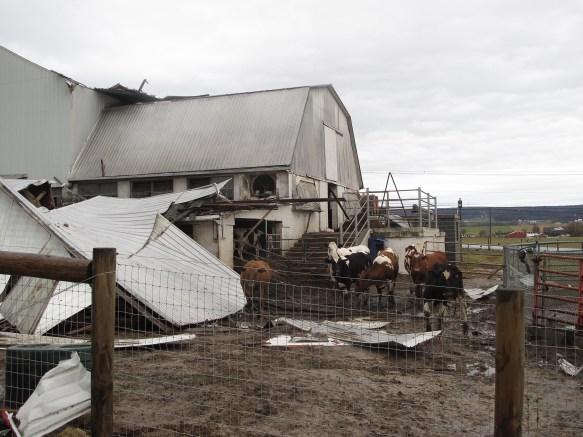
Indeed, it wasn’t. She saw the row of pines, separating their home from James’ parents’ home, was gone. She heard the generator going in the chicken houses on the hill so she didn’t give that a thought. She saw a stone’s throw from the house that the garage, shed and huge portions of the 200-year-old bank barn were gone, gates were flung everywhere and the door of the barn was crumpled-in like tin foil.

“The cows were all safe and sound, so I rigged some gates for them,” she said.

James was on his way home and received a call from the White Horse Fire Co. that his chicken houses were gone, destroyed. They were the home for the couple’s 35,000 organic cage-free layer hens — their sole source of income, apart from the small beef cow/calf herd of which all 25 cows survived.

By the time James got home, people were arriving by the dozens. “We easily had 200 people here that night,” he recalls. “Emergency management said it was too dangerous to go into what was left standing of the second chicken house until it could be evaluated in the morning.”

At first light, emergency management folks and the team from Heritage evaluated the surviving and injured poultry and set about the trying task of humanely euthanizing them.

“People just kept showing up that morning by the van loads. We had 300 people here, an incredible outpouring from friends and family, and people we never met before,” he said.

“Before we could even assess what we needed or grasp what was happening, people brought large equipment. Dumpsters came and went,” Corrie added. “The organization was phenomenal, incredible. By day two, the area was completely cleared of rubble.”

tornado(provided)01.jpg

A roller-coaster of emotion followed. Going into the weekend, the couple was invigorated. But on Monday morning, reality struck.

Their layer hens were gone, and their income along with them. A new flock at the hatchery was already tagged for them for June delivery in the normal turnover of layer flocks, so they realize they now have a narrow window to rebuild the two houses and see the difficulty of getting the building scheduled into that window. If they miss the June rebuilding date, it could be months before another flock could be scheduled for them.

One of the two chicken barns lost was built in the 1980s when James’ father Dennis operated the farm, and the other barn would have been one year old in April. Both are completely gone, except for the egg-packing house at the far end.

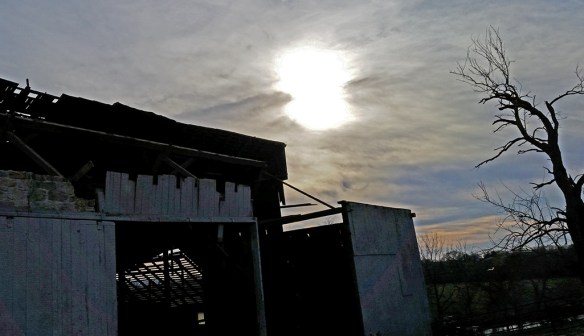
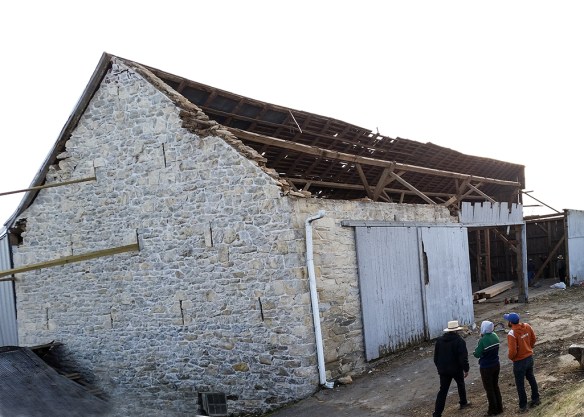
And then there is the bank barn. The stone end wall and part of the rock side wall, mortared with horse-hair plaster from over 200 years ago, still stands, but it took a major hit with much of the surrounding wood structure gone or damaged. The farm has been in the Eby family five generations. The barn houses their small herd of cattle and their hay. It has stood the test of time and is the spot where James and Corrie celebrated their marriage.

wtornado02.jpg

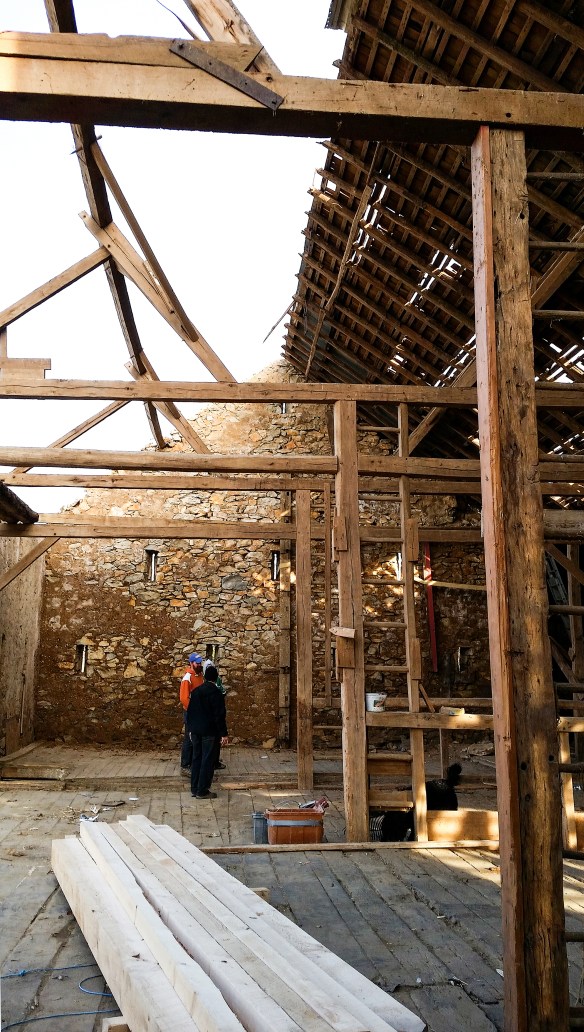
On day five after the storm, a builder, stone experts and an architect were on hand working to secure the stone wall before arrangements could be made to set new rafters and restore it.

“A lot of people have backed us this week. We never felt alone in this,” the Ebys agreed.

Sharing the thoughts of many who have worked in this community and volunteered all week to restore its homes, barns, and schools, Chris Stoltzfus of White Horse Construction noted, “This is so much bigger than any one of us are. It’s good to be part of something bigger and think beyond ourselves.”

He and his crew had worked on another damage site before coming to the Eby farm on day four to work on outbuildings and the stone bank barn. Like other contractors, he had been out all week and into a second week doing this work in the tornado-stricken community.

 Stoltzfus tells of the professional network of suppliers also opening up their schedules. For example, “Rigidply Rafters got trusses to us in less than 24 hours, and the concrete and stone companies offered special pricing and kept drivers on staff to help,” he said. “AJ Bolenski suppled us with dumpsters, not free, but this took extra staffing. And Lowes gave us a 10% discount and prioritized delivery.

“The real heroes are the ones doing all the work and those behind the scenes, including the ladies at the fire hall with the food, the office staff and my wife Kate,” Stoltzfus added.

Stoltzfus and others on-site at the Eby farm Tuesday, said it was the hardest hit from an economic standpoint. When work begins on the chicken houses — once the Ebys secure a poultry house builder who can schedule it — skilled volunteer crews from the community and beyond will be coordinated to move the process along and make the deadline for the June flock. They hope to avoid going more than three months without income.

tornado2733.jpg

At the same, time, they realize, “We are so blessed no one was hurt and that our home is still standing,” the couple said. “As for the outpouring of this community, we can’t describe fully how thankful we are. We live in the best area. This has proven to be true.”

tornado1237.jpg

A friend of the family has up an Eby Tornado Restoration Fund at https://www.gofundme.com/rrr93ns8. Over $8000 has been raised toward the goal within the first 10 days.

-30-

‘Tornado seemed to find its own path of least resistance’

Community recovers, rebuilds in week after Lancaster County tornado

WHITE HORSE, Pa. — It was 7:22 p.m. last Wednesday evening (Feb. 24) when cell phone alerts warned residents in eastern Lancaster County from Gap to Caernarvon to New Holland and Terre Hill: “Take shelter now.”

The EF 2 tornado touched down just 10 minutes later, along a 6-mile stretch on both sides of Rte. 340 by the Pequea Creek, producing winds over 100 mph and doing an estimated $8 million in damage to barns, sheds, homes, and schools of this largely Amish community of farmers and craftsmen, including the loss of two-chicken houses and 35,000 hens at the non-Amish of James and Corrie Eby.

tornado(provided)05.jpg

Miraculously, not a single person was injured — even more so, considering that in a barn just across the road from the one-room schoolhouse that had been completely blown away, 150 youth were holding a benefit auction. There was no time for them to do anything but wait it out. They described feeling as though the wind lifted the roof six inches from the rafters above them without removing it. The 100-foot wide tornado veered just northeast of the barn to level the empty schoolhouse and proceed through a windbreak of trees, missing a house on the hill and diminishing in its fury just shy of the Wanner farm in Narvon.

“The tornado seemed to find its own path of least resistance,” said Melvin King of White Horse Machine, a longstanding volunteer with the White Horse Fire Co. “It could have been so much worse.”

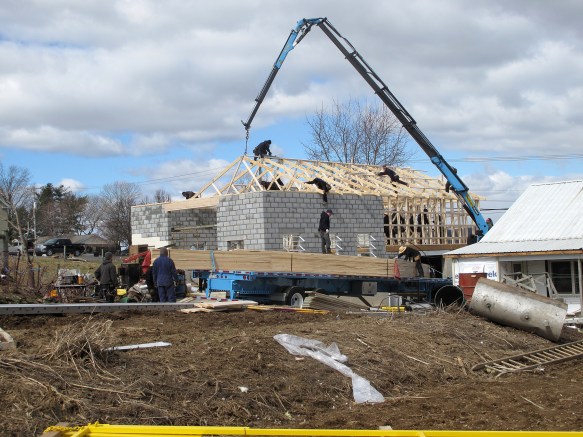
Much of the damage along the tornado’s path lay immediately west of the fire hall. Traveling the area on day four after the storm, it was unbelievable what had been accomplished with a little organization from the fire hall and the community’s storm recovery committee, combined with the downright amazing outpouring of volunteer crews within the extended community, as well as skilled crews coming in from more than 100 miles away.

On the night of the storm, White Horse Fire Co. was busy responding to calls, checking for injuries, helping those whose homes were impacted find refuge, and securing the safety of the situation.

tornado(provided)08.jpg

By 7:30 the next morning, over 150 people and 10 to 12 contractors showed up with their trucks, tools and skills at the fire hall, instead of going to their jobs. The efforts gradually bridged over to the community via the White Horse Storm Recovery Committee.

By days two and three, there were over 500 volunteers on one major-damage site and 300 on another. And there was plenty of food all week, donated by the area’s restaurants and grocers too numerous to name.

“Each day, every morning, people just walked in to the fire hall to help,” King recounted.

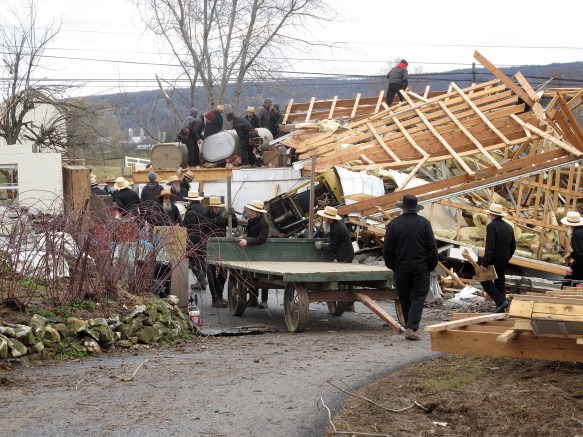
They brought vehicles, equipment, backhoes, track hoes, and contractors secured a steady flow of dumpsters. Skilled craftsmen made outbuildings at their shops and brought them to the locations sustaining losses. Taxi drivers and shuttle vans showed up donating a day of service picking up volunteers and moving them between damage sites.

tornado(provided)03.jpg

There were seven primary damage sites and a total of approximately 35 properties sustaining a range of minor to severe damage. A firefighter was assigned to each of the seven primary sites to maintain radio communications because the first priority was to secure the safety of workers as they cleared debris and evaluated and stabilized buildings.

Of the dairy farms affected, it is reported that cows were able to be milked pretty much on schedule. While the tornado lifted and scattered the second story on several bank barns, the tie-stalls below were largely spared.

tornado(provided)06.jpg

As for the rest of the largely Amish community, most were unaware of the broadcasts on local television until the national news media began to show up. They were amazed by how the outside world would be so generous to come help. People were calling the fire hall and visiting the White Horse Fire Co. website looking for ways to donate money, services, food. The fire company created a link on their website where visitors could link up with the Mennonite Disaster Service, based in Lititz, Pa.

A committee was formed for the White Horse Tornado Relief Fund so that donations there go to the folks who are facing true hardship. Once those needs are satisfied, any potential remaining funds will go to victims of other storms elsewhere through the Mennonite Disaster Service.

For those wanting to donate to the Tornado Relief Fund for Salisbury Township and the village of White Horse, donations are being received by the Mennonite Disaster Service, 583 Airport Road, Lititz, Pa. 17543. Checks should be made payable to Mennonite Disaster Service while noting “Lancaster County Tornado” in the memo line.

Skilled crews who want to be involved in current and future restoration from the impact of the tornado in Lancaster County, can contact the White Horse storm recovery committee via the fire company at whitehorsefire.org.


tornado3753

tornado3749

wtornado4522

-30-


CAPTIONS:


Tornado(provided)05 and/or Tornado(provided)07

The scene 12 hours after the tornado at 7:30 the next morning as crews arrived to begin cleanup before restoring dairy buildings on this Amish dairy farm. Photos by Jim Landis

Tornado(provided)02 and/or Tornado(provided)03

One of seven major-damage sites, this was the scene on day three as rebuilding of dairy barns was nearing completion. Photo by Jim Landis

Tornado(provided)08 and/or Tornado(provided)04

Volunteer crews met every morning at the White Horse Fire Co. and at the end of some work days to coordinate community restoration efforts. Photo by Jim Landis

Tornado2342

Over 150 youth were in the red barn at right when the tornado came through and completely blew away the one-room schoolhouse across the road. At the far left behind the trees, the rebuilt schoolhouse awaits windows and paint on day four. Photo by Sherry Bunting

Tornado3754

Another Amish dairy and heifer barn in the restoration process on day four after the tornado. Photo by Sherry Bunting


Tornado(provided)01

Within two days, all of the rubble was removed from the site of the two large chicken houses, that were home to 35,000 organic layers and the sole source of income for the Eby family. Photo by Jim Landis

Tornado3748

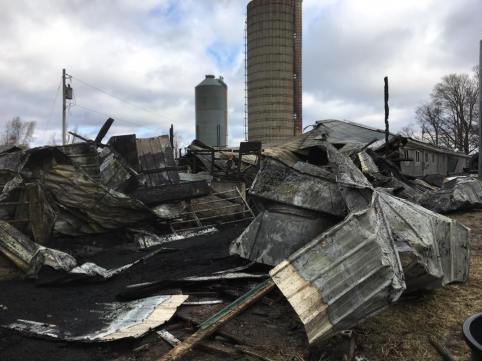
From the road above, the path of the tornado crossed the Pequea Creek to destroy outbuildings and damage a 200-year-old stone barn at the Eby farm before continuing up the hill to destroy both chicken houses that once stood a bit left of the center of this photo to the right of the small red egg-packing house that still stands. From there, the tornado continued onto the next few farms, including several Amish dairies before damaging a one room schoolhouse and barn, pushing debris into a portion of the roof of the Pequea Evangelical Congregational Church, where it crossed Rte 340 and continued northeast through the cemetary of the Pequea Presbyterian Church and across Meadville Road where it leveled another one-room schoolhouse before stalling in the windbreak where trees four days later showed the remnants of barn siding, insulation, and other telltale signs of debris from three to five miles away. Photo by Sherry Bunting

Tornado2024 and/or Tornado 2733 and/or Tornado3949

In addition to the chicken houses and some outbuilding losses, the Ebys are trying to restore the portion of the 200-year-old stone barn that still stands. Photos by Sherry Bunting

 Tornado1235

James and Corrie Eby say they have not been alone in this. They are thankful for the outpouring of the community even as the reality hit them Monday that their livelihood is gone. One of the two chicken houses lost in the tornado was not quite one year old and a new flock would be coming from Heritage in June, so they have precious little time to get them rebuilt. Photo by Sherry Bunting


Ode to long days, warm sunshine, thoughts, images

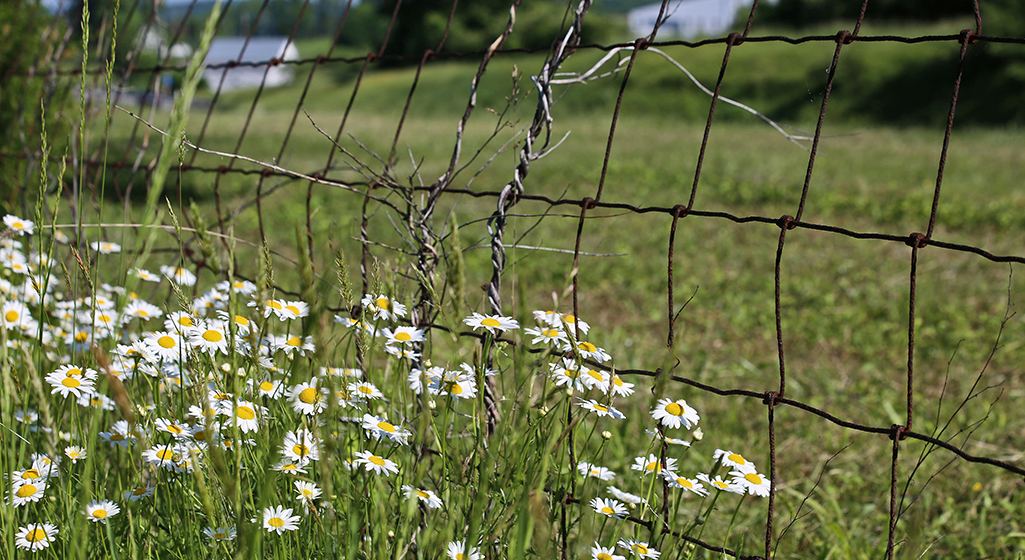
daisies

As I sort photos for a newspaper story… it seems a good time to share the random thoughts and images recorded while driving through America’s Heartland from deadline to deadline the last few summers. Much of it, the things I see, but don’t have time to stop for picturing, as I’m always running late for the next deadline. Feel the copious doses of Vitamin D, long days, warm sunshine, rural lands… 

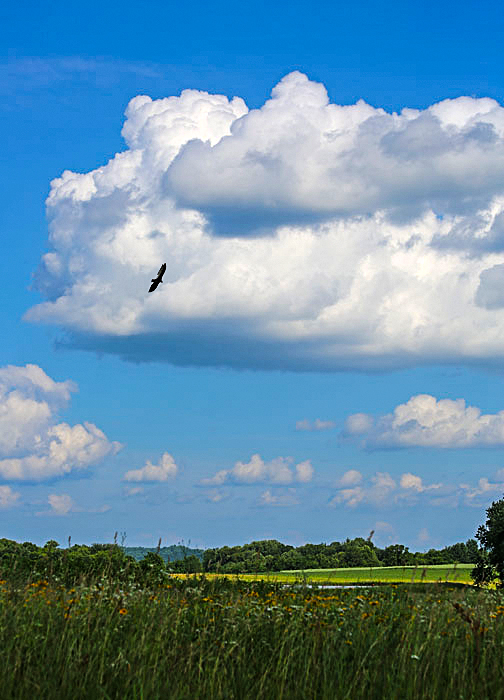
Birds of flight soar between tufts of congregating clouds. Snowy white egrets glow sunset silver above crystal blue lakes… Appearing out of nowhere, they punctuate the landscape and reflect the vivid sky.

thingsyousee100

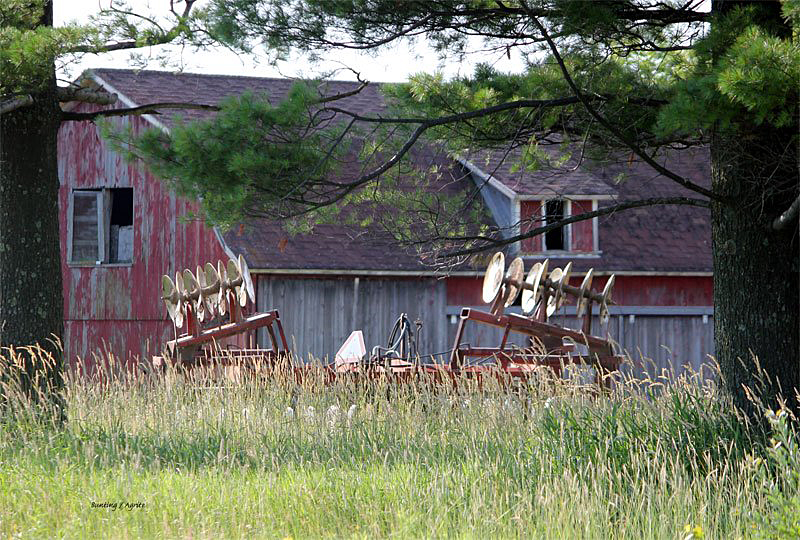
Working metal parked by barns take on the rust red hue.

thingsyousee82

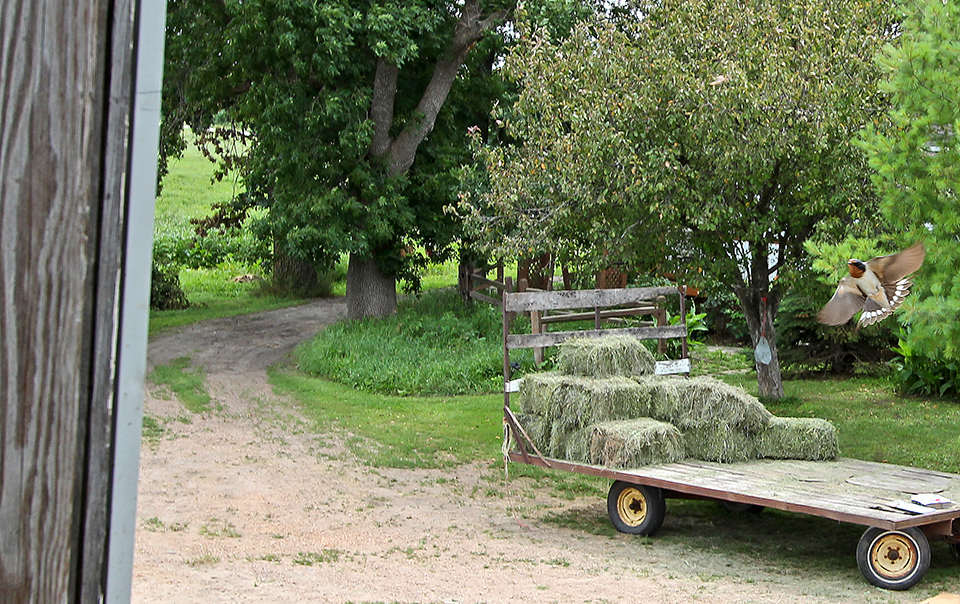
Birds dance atop fields of corn … a burst of orange Tanager, brilliant Blue Bird, the acrobatic, ever-present Swallows, A woodpecker’s crisp white-wing slices  the air…

thingsyousee5752

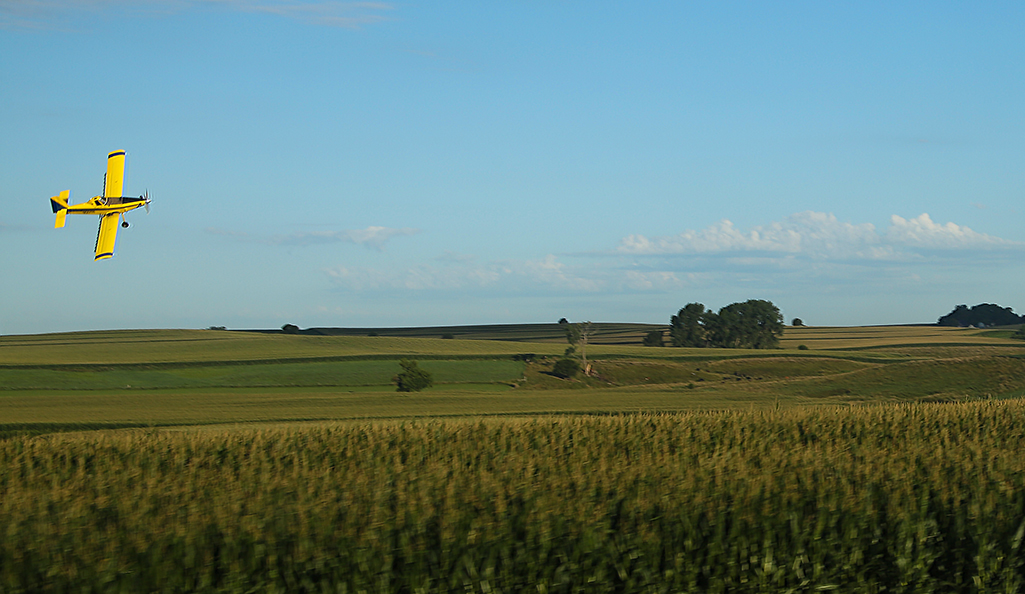
and swallow-like … the sweeps and turns of the yellow crop-duster — left side, right side. Now you see him. Now you don’t.

thingsyousee14

Sunlight plays off green waves of midseason soybean.

Corn, gold-fringe tasseled under the brilliant moon.

thingsyousee35

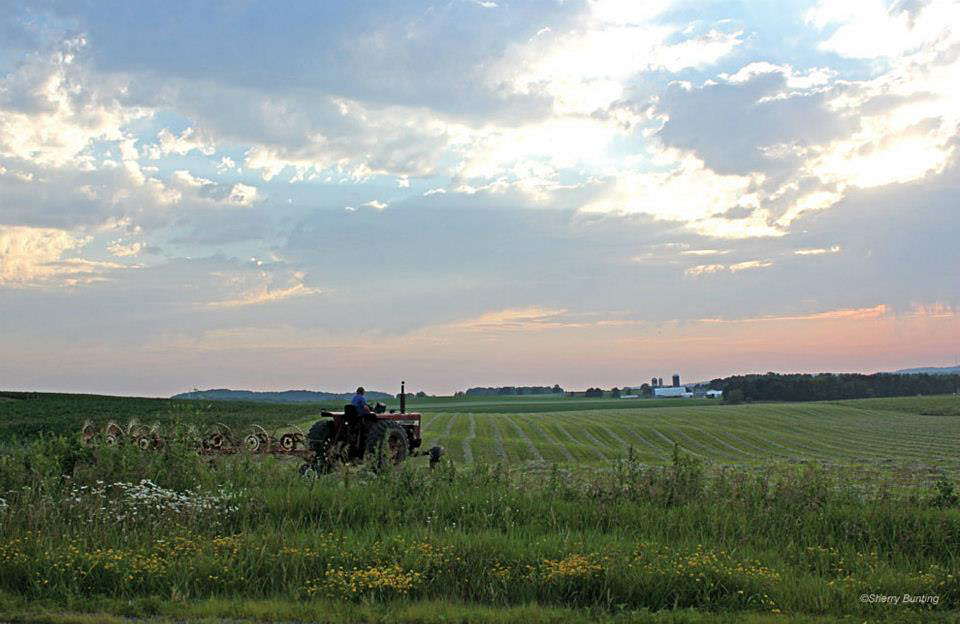
Tractors on a mission up and down the road… Everyone waves.

thingsyousee19

From Wisconsin to the Buffalo Ridge of Minnesota to Sioux Country and the Western Skies Scenic Byway…

thingsyousee25


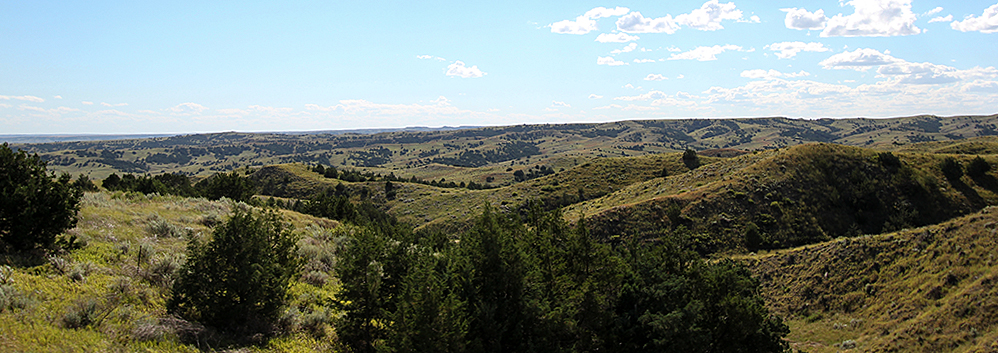
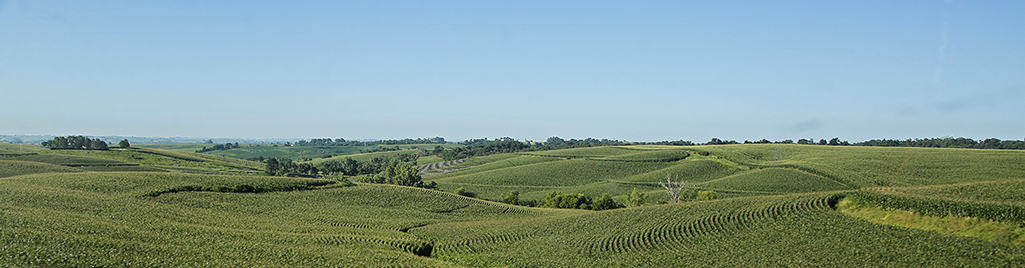
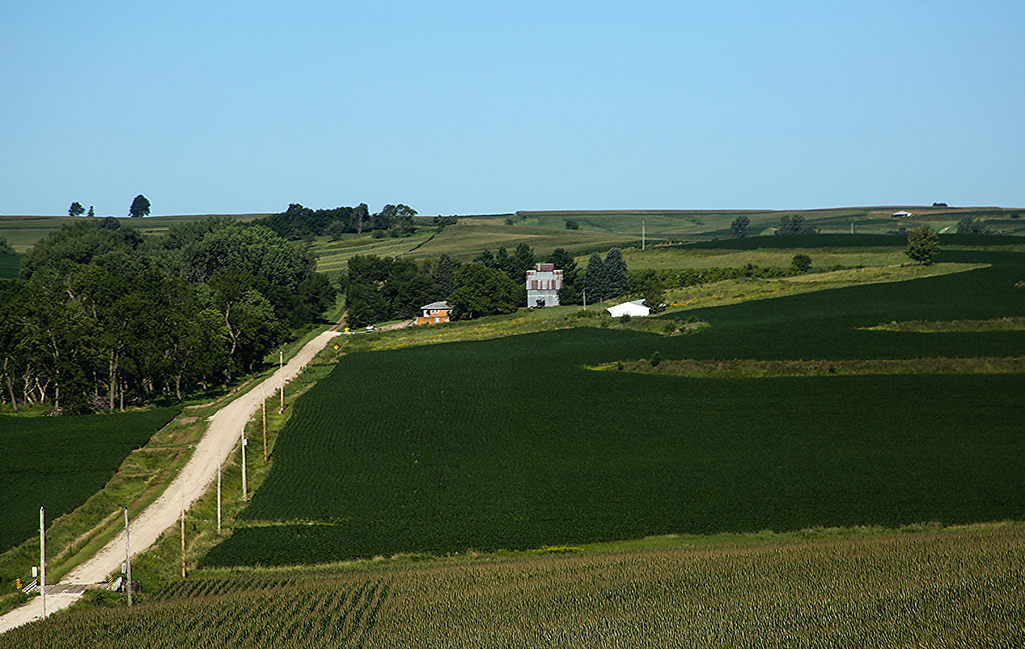
Rolling, potholed landscape almost like that of the Dakotas — where wheatgrass shimmers silvery and sage brushes gold the green sheen dotted by low cedars. But in western Iowa, gentler are the dips melding to the flat, allowing crops to be planted in organized rows that curve to the contours of the land.

thingsyousee87

thingsyousee13

Proud large Hawk atop a Green Barn. No time to stop.

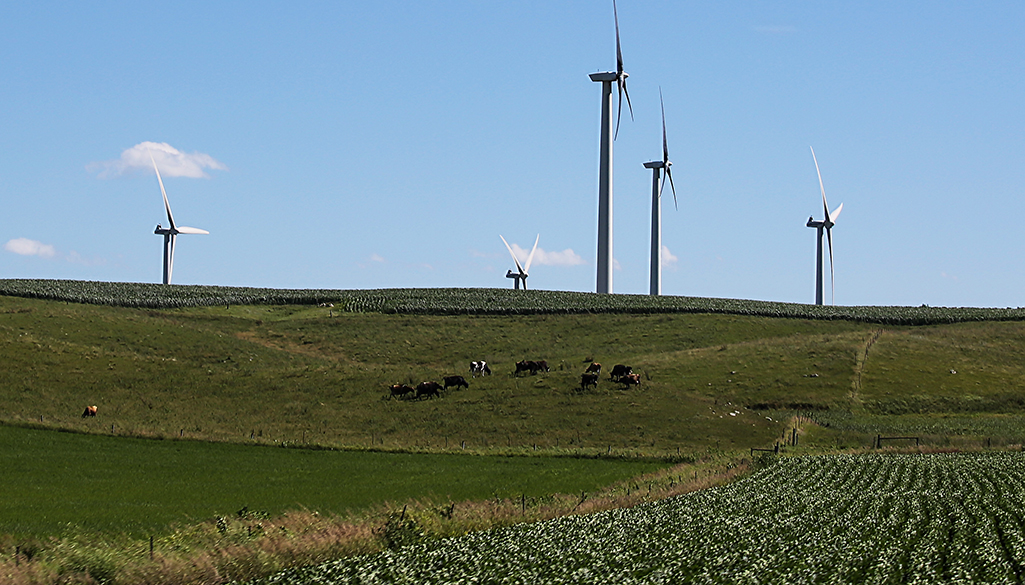
Cattle graze juxtaposed with large wind turbines of the Buffalo Ridge in Minnesota.

thingsyousee16

Rising tall and metallic from the carpet of green… grain elevators every 20 or 30 miles.

Lines of tractors and implements in a rainbowed density of reds, orange, greens and golds.

thingsyousee81

Small towns fringed with angularly parked pickup trucks – clods of dirt between treads as the creases of hard working hands at the wheel.

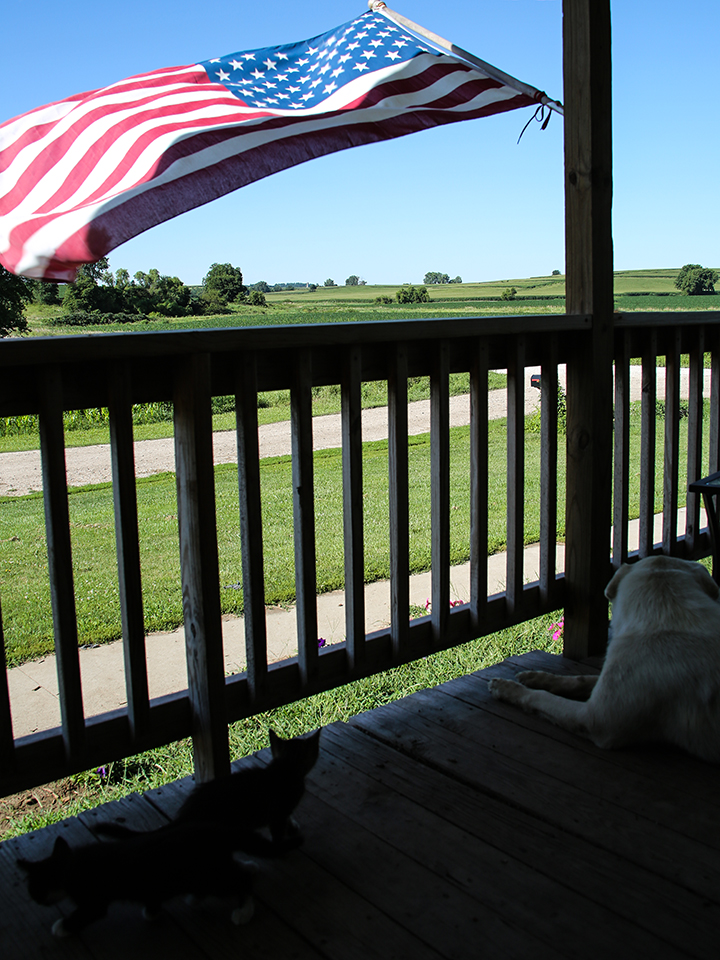
Flags diffuse light on front porches… proud fabric flies in the midst of cornfields, lining small town streets, atop grain elevators and silos.

thingsyousee12

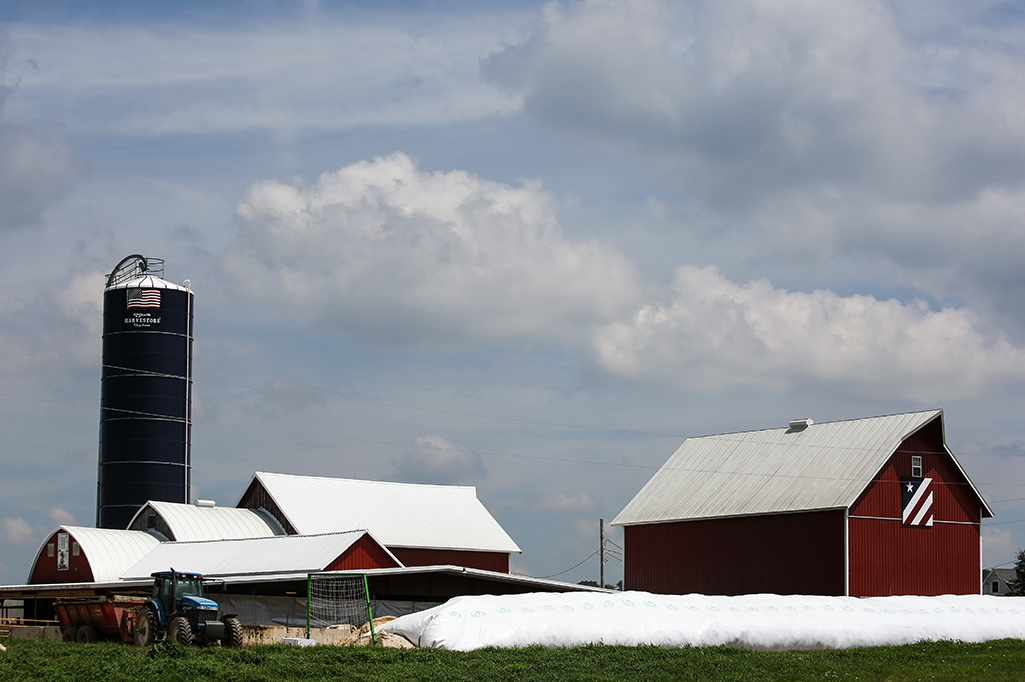
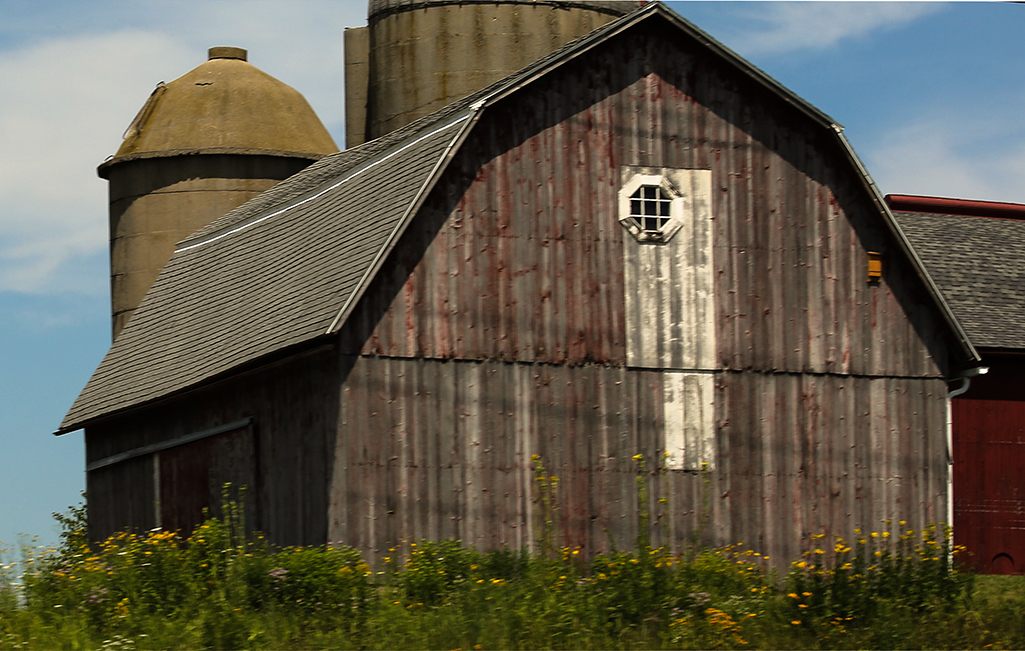
Synergy: old barns juxtaposed with new. Wood, weathered by age, what stories have they seen, will they tell?

flag barn thingsyousee222

thingsyousee80

thingsyousee86

thingsyousee83

thingsyousee85

thingsyousee7

thingsyousee11

thingsyousee26

An old man’s grave from the 1800’s, buried right where he fell walking home from church… a family farming there now farms around the odd space each season.

From the pushed up earth to the flats where one imagines torrents of water resting to round sharp edges into mounds that become smaller as they come together in a swath that eventually lay across miles so flat as to suggest no horizon.

Radio on. Squawking the town’s happenings: a Saturday night fire hall dinner. The local softball standings. A community parade. Radio commentary so thick with farm talk and market reports, suggesting an area, an era, insulated from the coldness of an outside world depending on them for sustenance.

thingsyousee21

Delicate hues soften weathered wood.

thingsyousee20

thingsyousee84

Sandpipers and plover find morsels of grain amid a stiffened manure lagoon.

Two white ducks peer into a farm shop door. Two pigs laying on the concrete stare back… and the chorus that accompanies the leisurely standoff.

A sun-bleached road like ribbon punched through rain-fed emerald green soybeans disappears into another sea foam green of a grassy knoll, meeting the blended hues of the evening’s summer sky.

thingsyousee6

thingsyousee9

thingsyousee212038718_10208305567380955_984244853511889997_o (1).jpg

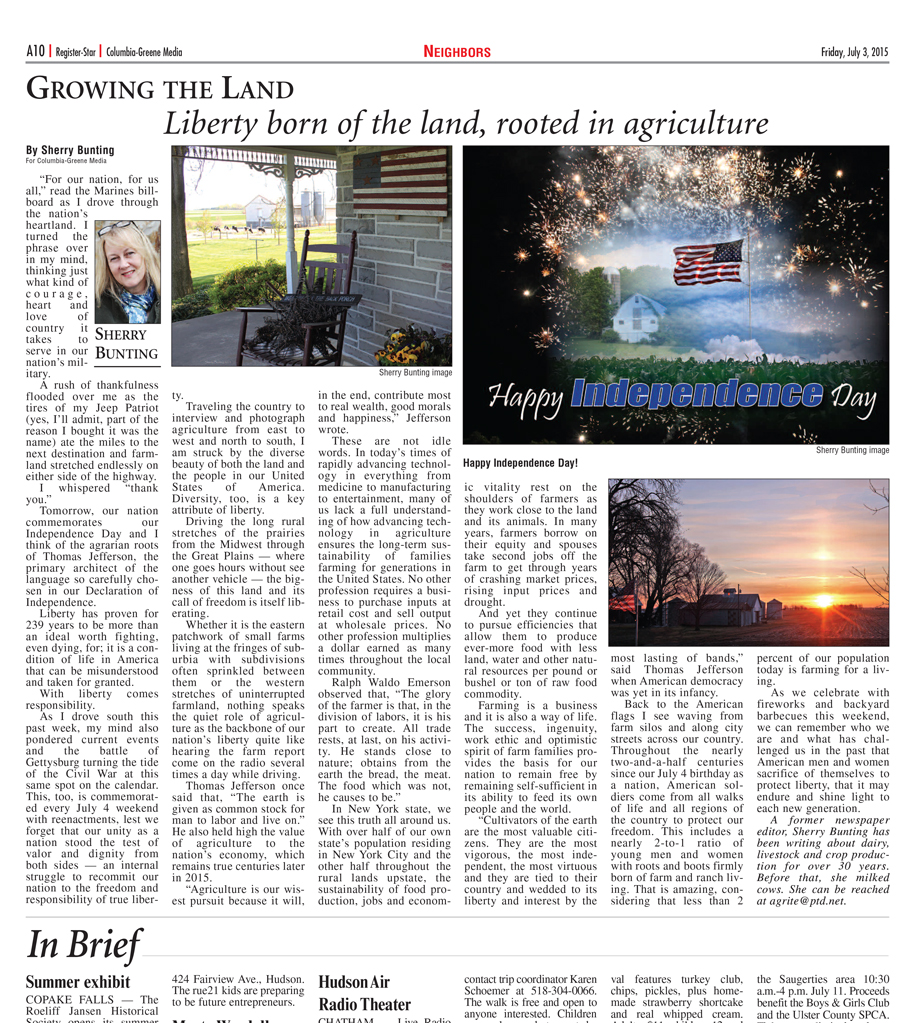
Liberty born of the land, rooted in agriculture

By Sherry Bunting (Growing the Land in July 3, 2015 Register-Star)

“For our nation, for us all,” read the Marines billboard as I drove through the nation’s heartland. I turned the phrase over in my mind, thinking just what kind of courage, heart, and love of country it takes to serve in our nation’s military.

A rush of thankfulness flooded over me as the tires of my Jeep Patriot (yes, I’ll admit, part west-texas-sunsetof the reason I bought it was the name) ate the miles to the next destination,
and farmland stretched endlessly on either side of the highway.

I whispered ‘thank you.’

Tomorrow, our nation commemorates our Independence Day, and I think of the agraweb063A8492rian roots of Thomas Jefferson, the primary architect of the language so carefully chosen in our Declaration of Independence.

Liberty has proven for 239 years to be more than an ideal worth fighting — even dying — for, it is a condition of life in America that can be misunderstood and taken for granted.

With liberty, comes responsibility.WestPA7331

As I drove South this past week, my mind also pondered current events and the battle of Gettysburg turning the tide of the Civil War at this same spot on the calendar. This too is commemorated every July 4th weekend with re-enactments, lest we forget that our unity as a nation stood the test of valor and dignity from both sides — an internal struggle to recommit our nation to the freedom and responsibility of true liberty.063A1117xx

Traveling the country to interview and photograph agriculture from East to West and North to South, I am struck by the diverse beauty of both the land and the people in our United States of America. Diversity, too, is a key attribute of liberty.

Roundup7357x

Driving the long rural stretches of the prairies from the Midwest through the Great Plains — where one can go hours without see another vehicle — the bigness of this land and its call of freedom is, itself, liberating.

Whether it is the eastern patchwork of small farms living at the fringes of suburbia with subdivisions often sprinkled between them or the King6373western stretches of uninterrupted farmland — nothing speaks the quiet role of agriculture as the backbone of our nation’s liberty quite like hearing the farm report come on the radio several times a day while driving.

wElmFarms(IL)9570

Thomas Jefferson once said that, “The earth is given as common stock for man to labor and live on.” He also held high the value of agriculture to the nation’s economy, which remains true centuries later in 2015.

“Agriculture is our wisest pursuit because it will, in the end, contribute most to real wealth, good morals and happiness,” Jefferson wrote.

wfinke9634

These are not idle words. In today’s times of rapidly advancing technology in everything from medicine to manufacturing to entertainment, many of us lack a full understanding of how advancing technology in agriculture ensures the long term sustainability of families farming for generations in the U.S. No other profession requires a business to purchase inputs at retail cost and sell output at wholesale prices. No other profession multiplies a dollar earned as many times throughout the local community.

063A6426xxx

Ralph Waldo Emerson observed: “The glory of the farmer is that, in the division of labors, it is his part to create. All trade rests, at last, on his activity. He stands close to nature; obtains from the earth the bread, the meat. The food which was not, he causes to be.”

In the East, we see this truth all around us. With over half of the New York State population residing in New York City and the other half throughout the rural lands upstate, the sustainability of food production, jobs and economic vitality rest on the shoulders of farmers as they work close to the land and its animals. In many years, farmers borrow on their equity and spouses take second jobs off the farm to get through years of crashing market prices, rising input prices and drought.

chitt-alto-

And yet, they continue to pursue efficiencies that allow them to produce ever-more food with less land, water and other natural resources per pound or bushel or ton of raw food commodity.

ElmFarms9596xx

Farming is a business, and it is also a way of life. The success, ingenuity, work ethic and optimistic spirit of farm families provides the basis for our nation to remain free by remaining self-sufficient in its ability to feed its own people and the world.

“Cultivators of the earth are the most valuable citizens. They are the most vigorous, the most independent, the most virtuous and they are tied to their country and wedded to its liberty and interest by the most lasting of bands,” said Thomas Jefferson when American democracy was yet in its infancy.

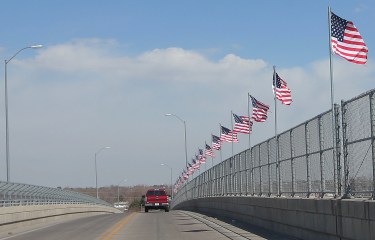
flag5

Back to the American flags I see waving from farm silos and along city streets across our country…  Throughout the nearly two-and-a-half centuries since our July 4th birthday as a nation, American soldiers come from all walks of life and all regions of the country to protect our freedom. This includes a nearly 2-to-1 ratio of young men and women with roots and boots firmly born of farm and ranch living. That is amazing, considering that less than two percent of our population today is farming for a living.

flage

As we celebrate with fireworks and backyard barbecues this weekend, we can remember who we are and what has challenged us in the past that American men and women sacrifice of themselves to protect liberty, that it may endure and shine light to each new generation.

A former newspaper editor, Sherry Bunting has been writing about dairy, livestock and crop production for over 30 years. Before that, she milked cows. She can be reached at agrite@ptd.net.

cropped-cropped-flag-4323.jpg
-30-

RegisterStar070315web

PHOTO CAPTION: Happy Independence Day! Sherry Bunting image.

NUTRITION POLITICS: Kids and cattle caught in the crossfire

GROWING THE LAND: Nutrition Politics: Let them eat cake!

April 2, 2015 Hudson Valley Register-Star

Seems like an April Fools’ joke, but I am sorry to say it is not. Like the ill-fated Marie
Antoinette in her final words, the federal government lacks understanding for the nutritional realities of the masses as it turns the simple act of providing a nutritious lunch to schoolchildren into an exercise in frustration.

Kids buy Twinkies instead of lunch. Or they pack. Some go hungry.

For 40-plus years, the concept of a “heart healthy diet” has been unchallenged even though it was implemented based on a set of hypotheses created from epidemiological studies on middle-aged men. No study of impacts on women and children. No clinical trials on anyone.

As noted in this column on Jan. 27, schoolchildren have been eating the equivalent of a heart patient’s diet since the mid-1990s as the fat percentage was tightly controlled even though the sugar was not. Then, the government cut the calorie totals realizing the fat that was removed was replaced with sugar to meet the calorie requirements of a growing child.

What have we to show for it? Rising levels of obesity and diabetes, particularly among children.

It is about to get worse, but there is still time to be heard. The Dietary Guidelines Advisory Committee — charged with making recommendations every five years — has now
stepped beyond its nutritional realm to consider the “environmental impacts” of foods.

From the frying pan into the fire we go.1538850_10203867018139998_98482634260761802_n

In this column on Feb. 8, we looked at the National School Lunch Program and the Dietary Guidelines just as the five-year Advisory Committee submitted its Advisory Report to the Secretaries of the U.S. Department of Health and Human Services and the U.S. Department of Agriculture.

The Committee states that “The purpose of the Advisory Report is to inform the federal government of current scientific evidence on topics related to diet, nutrition and health. It provides the federal government with a foundation for developing national nutrition policy.”

However, the Advisory Report constructs and reinforces further reductions in its guidelines on the consumption of red meat and whole dairy fat such as butter and whole milk by using these so-called “sustainability factors.”

This area of science is even more subjective than the past four decades of nutrition science have proved to be. Just when the truth is coming out that decades of nutrition policies are based on hypotheses steering unwary consumers away from healthy fat and into the arms of carbohydrates, suddenly “sustainability” emerges to perpetuate the lie.

New York Times bestseller “The Big Fat Surprise” delves deeply into this subject. Author Nina Teicholz, an investigative food reporter, compiled nine years of research covering thousands of studies and many interviews with nutrition scientists to discover this April Fools’ joke has already had too-long a run and with unintended consequences for Americans.
As noted by Anne Burkholder, a rancher and blogger (Feedyard Foodie), who wrotGL 1847 (1)
e after reading Teicholz’s book: “The diet-heart hypothesis (coined by a biologist Ancel Keys in the early 1960s) proclaimed that a low fat and high carbohydrate diet provided the basis for good health. Although not proved through clinical trials, the hypothesis gained support from the federal government and provided the basis for mainstream dietary advice during the ensuing decades.

“…The culture of the American diet has shifted dramatically. According to USDA, the consumption of grains (41 percent), vegetables (23 percent) and fruits (13 percent) rose significantly from 1970-2005 while red meat (-22 percent), milk (-33 percent) and eggs (-17 percent) fell dramatically. Overall carbohydrate intake for Americans rose with low fat starches and vegetable oil took the place of animal protein and fat in the diet. Animal protein lovers shifted from beef to chicken and many traded whole fat dairy for skim milk and margarine thereby forsaking nutrition density for lower saturated fat options,” Burkholder writes. “All of this occurred during a time in the United States when obesity rates more than doubled (15-32 percent), the prevalence of heart failure, cancer and stroke all increased and the rate of diabetes increased from less than 1 percent to 11 percent.”
Here are just some of the conclusions Teicholz highlights in “The Big Fat Surprise” after nearly a decade of research:

1. Causal associations between red meat consumption and heart disease are minimal.

2. The HDL (good cholesterol) is increased by the saturated fat found in animal protein.

3. Animal fat is nutrient dense, packing protein, energy and essential vitamins and minerals — plus helping the vitamins and minerals of other foods eaten together to be better absorbed by the human body.

4. There are no health studies to learn the effect on health of liquid vegetable oils. We do know that the process of solidifying vegetable oils creates the very unhealthy transfats. Butter and red meat do not contain these transfats.

5. Insulin levels are elevated by constant carb consumption, not by animal fat and protein. Furthermore, as insulin levels are raised, the body is less able to digest its own stored fat created by — you guessed it — carbs!

Our children have been and will apparently continue to be test subjects for nutrition GL kids-cowspolitics. The simple act of providing a nutritious school lunch will become even more
complicated if the Advisory Report is accepted and used by the U.S. Department of Health and Human Services and U.S. Department of Agriculture secretaries in the food programs they administer.

Published in the Federal Register (Vol. 80, No. 35) on Feb. 23, the public comment period was recently extended to May 8. After that, the secretaries will jointly release the official Dietary Guidelines for Americans 2015.

A quick perusal of comments already logged shows that two parts of the Report are garnering attention:

1. There is an overwhelming support for the recommendation to reduce the amount of added sugar in the diet. My only question is: What took them so long?

2. There is an overwhelming lack of support for the recommendation to reduce even more the role of saturated fats — red meat and whole dairy fat — in the diet.

Some children may forego the school lunch and pack a nutritious replacement. But what about the child in poverty? Their options are limited to taking what the federal government dishes out, literally.

To comment on proposed Dietary Guidelines by May 8, visit www.health.gov/dietaryguidelines/dga2015/comments/. It is easy to do electronically.


GROWING THE LAND: Kids and cattle caught in the crossfire 

Feb. 8, 2015  Hudson Valley Register Star

Kids and cattle are caught in the crossfire of nutrition politics, and it may get worse. GL 0263Two weeks ago we talked about the changes over the years in the federal Dietary Guidelines for Americans and their direct influence on the National School Lunch Prog
ram. This week we look at how the simple act of providing a nutritious school lunch could become even more complicated.

What I have gleaned from reader comments is a high level of frustration about the current status of the National School Lunch Program limiting the caloric intake and food choices of growing children. Now, the next twist in the nutrition-noodle may not even be nutrition-based.

The Department of Health and Human Services (HHS) is the deciding agency for new “Dietary Guidelines for Americans” expected to be released soon. The HHS Secretaries are deliberating the recent report from their Dietary Guidelines Advisory Committee, which held meetings for months.

When the new Guidelines are officially published in the Federal Register, a second round of comments will open. I’ll let you know when and how to comment when the time comes.

For now, let’s look at a few concerns with the committee’s report.

1) It is worth noting that back when we had a Food Pyramid, physical exercise was Boilermaker6929visually highlighted, where today it is notably absent from the MyPlate diagram.

2) More troubling this time around, is the fact that the committee is not just focusing on new information about healthful eating, they have incorporated so-called “sustainability”
factors or environmental impacts of various foods — namely lean meats. This opens a whole can of worms that — quite frankly — have nothing to do with nutrition!

3) Furthermore, some of the science the committee used to come up with thewWill-Feed3983 idea of eliminating lean meat from its so-called “healthy eating pattern” is quite controversial and involves a United Nations study that has since been refuted.That study had suggested meat production contributes more to climate change than transportation.

Scientists have come forward in droves with counter-studies showing the greatly reduced carbon footprint of agriculture, particularly animal agriculture. The whole lifecycle of beef and dairy cattle needs to be considered when formulating environmental impacts.

While the dietary gurus in Washington debate the merits of meat and whole-fat milk, let’s look at this term “sustainability” and what dairy and livestock producers actually care about and accomplish for their land, animals — and us!

Regarding potential replacement of a “healthy eating pattern” in favor of a “sustainable eating pattern,” there are several concerns.

1. If red meat and full-fat dairy are not considered a component in a healthy eating pattern, students will increasingly see this nutrient dense protein source removed from their diets and replaced with foods that are less nutrient dense.

2. Since these guidelines affect the most nutritionally at-risk children through their effects on the school lunch program, WIC and food stamps, the impact of the dietary guidelines would fall mostly on those children who are already on the hunger-side of the nutrition equation.

3. How can the committee recommend a “sustainable dietary pattern” when mothers, doctors, scientists, and all manner of experts can’t even agree on what “sustainable” actually means? Let’s stick to nutrition. Defining that is a tall-enough order.

Scientist, cancer survivor and new mom Dr. Jude Capper covers this topic best. She points out that, “With the world population officially hitting 7 billion people earlier this year and projected to reach 9.5 billion by 2050, farmers and ranchers must continue to find ways to sustainably feed a growing world population using fewer natural resources.”

She notes the many improvements to the way cattle are raised and fed in the United States between 1977 and 2007 that have yielded 13 percent more total beef from 30 percent fewer animals. More beef from fewer animals maximizes resources like land and water while providing essential nutrients for the human diet. U.S. cattlemen raise 20 percent of the world’s beef with 7 percent of the world’s cattle.

Capper’s research in the Journal of Animal Science shows that beef’s environmental footprint is shrinking. Each pound of beef raised in 2007 (compared to 1977) used 19 percent less feed; 33 percent less land; 12 percent less water; and 9 percent less fossil fuel energy. Significant gains have been made in the seven years since the data was collected for this report.IMG_2657

What is discouraging to cattle producers — be they beef or dairy — is the lack of understanding for how cattle are raised and fed. They utilize feedstuffs we humans cannot digest and turn that into meat and milk, which are nutrient-dense sources of proteins, minerals and vitamins.

Some of their lifecycle is spent on grass or eating a mostly grass / hay diet and some of their lifecycle is spent eating a more concentrated diet at certain stages. Feedlot beef wky3327

cattle start out as calves on grass. Even in the feedlot, today’s rations — especially in the east and near food processing centers — utilize bakery waste, over cooked potato chips, wilted produce and the like that would otherwise end up in a landfill. Incorporated into cattle diets along with traditional feedstuffs, these foods provide protein and energy for the animals without sole reliance on corn. In addition, when corn is fed, the whole plant is used.

Farmers are thrifty. They don’t like to waste a thing. They understand the balance of working with nature because it is not just the vocation, but also the very life they have chosen working with their animals and the land.

I can’t think of any other reason why someone would work this hard and put their entire livelihood and all of their capital at risk to the swings of the marketplace other than they are passionate about producing food and using science and ingenuity to work with

Mother Nature in preserving a sustainable balance for all of God’s creatures — the 2-legged and the 4-legged.

Send me your questions and look for part three when the official new guidelines are posted in the Federal Register for public comment. Email agrite@ptd.net.10256404_10204082794934283_4627952695489572277_o


GROWING THE LAND: How did school lunch get so complicated        

Jan. 27, 2015 Hudson Valley Register-Star

Are you satisfied with your school lunches? Do your children eat them? Do they come home so hungry they binge out of the snack drawer?

The National School Lunch Program and the Dietary Guidelines for Americans are lightning rods for the latest nutritional ideas — none of which seem to be working particularly well because we’ve gotten so far from the basics, and yet both childhood hunger and childhood obesity are on the rise.

Now it seems there will be another twist in the nutrition-noodle. Recent food studies and “The Big Fat Surprise,” a best seller by Nina Teicholz, reveals the truth about the healthfulness of natural fats in whole milk, butter, beef, ice cream, etc. Teicholz was profiled on “Live! with Kelly and Michael” last week, where she described the “nasty nutrition politics” that continually shape these programs.

In response to these animal-protein-friendly nutritional revelations, the environmental webfeed9297nail-biters (under the influence of refuted studies) are “concerned” about what they see as the effect of dairy and beef production on climate change. According to news reports last week, these groups would like the government to take their version of the facts and tweak new-again the nutrition guidelines. This means yet another lunchroom brawl will soon be coming to a school cafeteria near you where the already burdensome and counterproductive rules for lunch menu planning have lunch ladies and foodservice directors — not to mention kids and parents — tearing their hair out.

How did we let serving a decent healthy meal to schoolchildren become so complicated? Why don’t schools take their cafeterias back? One reason is the federal government ties its financial support for literacy programs (extra teachers and tutors) in schools to the number of students enrolled in the free and reduced lunch program as monitored by — you guessed it — the federal government. Oh what a complex web we weave when all we set out to do is healthfully eat!

The government’s interest in the school lunch program got its first foothold during World War II when more women joined the workforce as part of the war effort. The emphasis at that time was to provide a hot meal with plenty of protein, calories for energy and the healthy fat necessary for brain development and satiety — a fancy word for no hunger pains during the end of the day math class!

My generation grew up with the “eat all things in moderation” mantra. Lunches were a bit repetitive, but they were good, honest meals and we ate them. We learned about the four food groups, and we ran and played and worked outside ‘til dusk.

My children’s generation grew up in the “food pyramid” days, spelling out the servings deal differently. Then, in the 1990s, the school lunch program went through a major metamorphosis that paralleled the “low fat” offerings in nearly every product category at the supermarket. What the 90s gave us was less fat and more carbs, and a lot of guilt. I would say those three things are actually ingredients for obesity.

By the late 1990s, the government came out with the nutrient standards for menu planning, and school districts across the country bought the software and began to submit their menus for approval. I was editor of a farm publication at the time and served as an elected director on a local school board. I interviewed not only our own district’s foodservice director but others as well, and I visited one of the schools that had piloted the program for USDA.

“Schoolchildren were being relegated to the equivalent of a heart patient’s diet,” explained the foodservice director who was piloting the program in 1997. The calorie thresholds were unchanged, but the government began regulating the percentage of those calories that could come from fat. There were no regulations yet for sugar or carbohydrates. And yes, as always, the goal was to get kids to eat more veggies and fruits and fiber. We might take a lesson from France in that department. They require lunches to be made from fresh ingredients, but they aren’t afraid to deep-fry some broccoli or soak a healthy vegetable dish in yummy cheese — real, of course.

The new fat rules forced foodservice folks to put imitation cheese product on their once delicious pizza. Ground turkey replaced beef in spaghetti and tacos. Rolls were served without butter. All milk was reduced to nonfat or 1 percent so the amount of chocolate milk consumed increased. (Whole milk is much more flavorful than nonfat, and it is just 3.25 to 3.5 percent fat!

As fat was reduced, so were calories and flavor. To get back up to the number of calories required, “we just served a bigger brownie, for example,” that foodservice director recounted. Of course, they used applesauce to replace the shortening in making such desserts. But still, no requirement on sugar and carbs.

“Two elements give food flavor: fats and sugars. When you pull one out, chances are the other is added,” the wise foodservice director observed. Whether natural or added, sugars and fats provide flavor, but what most people don’t think about is: The fat in real foods — such as beef and butter and cheese — is accompanied by a nutrient dense protein source that naturally supplies vitamins and minerals and helps kids feel satiated, not hungry or hyper, so they can concentrate and learn. Healthy fats are known to be good for brain development.

Fast forward to the decade of the 2010’s. More tinkering! The food pyramid became the plate showing portions of different food types, and we are now in a time when school menus are regulated in the number of calories that can be served using arbitrary, across the board calculations.

Caught in the crossfire are kids and cattle. We’ll continue this topic in the next edition of “Growing the Land,” so send me your questions about nutrition standards, new information on healthy fats, school lunch programs, and the real-deal on the carbon footprint and environmental contributions of today’s dairy and beef cattle. Email agrite@ptd.net.

Breaking winter’s stillness. Better late than never.


Breaking winter’s stillness with a cacophony of sound, a sea of white emerges over the hill, nearly blending with the remnant snow, as 75,000 (and counting) snow geese arrived March 10 -13, 2015 to the frozen tundra that is usually the lake at Middle Creek. Pushed from their normal roost on the lake by 15 inches of frozen cover on which ice-fishing continued this week, the annual harbingers of spring moved inland to the fields in various stages of snowmelt —  like waves to a beach.

aweb7822x

Typically they arrive in mid-February and stay through March 10 to 20 to refuel for the rest of their long trip.

This year and last, the longer and colder winters here delayed their arrival, and it will undoubtedly be brief.

These are the scenes of flocks arriving from points south in the afternoons of March 12 and March 13.

aweb8342

So glad I was to hear them, see them, feel them with my husband and our grandchildren before heading south and west, myself, for a 2-week business migration to farms and dairies.


As a child of March, the tundra swan and snow geese connect me to a new year through this annual rite of the not-yet-spring.

aweb8230


These migrations are another intangible benefactor of Growing the Land…


aweb7938

In the deep rural countryside and fringelands of urban development, farmers and ranchers sustain the land that sustains these beautiful migrating birds with open space and nourishment before the new crop season begins.

aweb8361

Wildlife management areas, alone, are not enough. Working farms and ranches provide the interconnectedness of the migration — growing the land these flocks require to heed anew the age-old call of the changing season.


Photos by Sherry Bunting

aweb8230

aweb8198 aweb7938 aweb7929 aweb7905 aweb7892 aweb7822x aweb7808 aweb7724 aweb7709 aweb7684 aweb7641 aweb7627 aweb8473 aweb8466 aweb8400 aweb8384 aweb8370 aweb8361 aweb8351 aweb8345 aweb8342 aweb8307 aweb8286 aweb8284


Moving forward… ‘We take care of their families and they take care of ours’

By Sherry Bunting, reprinted from Farmshine, November 21, 2014

NEW LONDON, Wis. — November is a many-faced month for agriculture. It’s the month we recognize women in agriculture. It’s the month we bring the sewebTank7962ason’s harvest to a close. It’s the month we are reminded to be thankful for God’s blessings.
In September, I met a truly inspirational dairywoman who is quietly and methodically moving forward in the face of difficult odds. She and her two daughters exemplify a thankful heart as they care for their cows, which in turn care for them.

It was a downright cold, rainy central Wisconsin day as I was visiting farms ahead of the World Dairy Expo at the end of September. My lastwebTank8066 stop of the day was Milk-Flo Holsteins, New London, where Cathy Tank still does the 3 a.m. milking of her 150-cow dairy herd, and then works off the farm until supper time; so the appointed time to meet was toward evening. Her daughters were home from school and the hired man was busy pushing up feed for the cows.
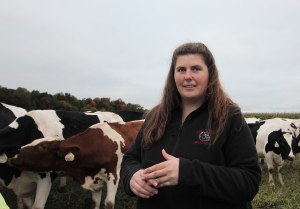
What started as a typical family farm interview, soon turned into much more. By the time I left a few hours later, it was dark and one of the two ladies employed to milk the other two of the 3x milkings had arrived as Cathy’s daughters fed the chickens befowebTank8046re heading inside to do homework.

A former dairy queen of Wayne County, Wisconsin, Cathy Tank is a woman who not only works hard, she believes in working smart and using the right tool for a job.

She and her daughters Elizabeth, 15, and Rebecca, 11, love the dairy farm they are keeping going — and progressing — after losing husband and father Bob Tank to melanoma in 2009. It has been a journey, to say the least, and Cathy is quick to point out the way communities and extended family work together during harvest and in times of need.

“That’s what makes farm folk different,” she says. “A farmer can be having the worst day, ever, and would still stop and help pull another out of the ditch.”

“I am fortunate to have good help,” she adds. Working smart, means picking the jobs she can and can’t do. While she harvests her own haylage and works the ground to get it ready for planting, Cathy uses custom manure hauling and custom choppers for the corn silage harvest.

“They can do in a few hours what would take me weeks,” she says, adding that her brother helps her do most of the planting. That is something her father, Keith Knapp, helped her with over the past few years, but this spring she lost her Dad, too, in an accident.

Getting on the tractor is therapeutic, she says matter-of-factly. “It is refreshing work, and it reminds me to be thankful. I think about all of the things my Dad taught me how to do.”

While fieldwork is refreshing, what Cathy really loves is the cows. The dairy herd was her domain until six years ago. One year before Bob’s illness, they decided she would take a job off the farm. Today, she continues onward with both the job and the farm, and she’s set some pretty high goals for her cows with the focus on paying down debt. She would like to see her cows get over that 90 lbs/cow/day mark into 100-lb territory. “That’s a hard goal,” she says. But she’s already reached a few toughies.

She started 3x milking in February, and over the past two years, she made a focused effort to reduce somatic cell counts. Today, the herd averages 87 pounds/cow/day with 3.5 fat and 3.9 protein and SCC ranging 100 to 150,000.

The herd cleared $1 million in milk sales last year, which was a goal, reached, and Cathy says she has been able to reduce the farm’s debt by almost half. The milk from Milk-Flo goes to a cheese plant, and so the premiums for reducing SCC have really helped the bottom line.

While shifting the farm from pasture-based to more conventional in order to increase production and pay down debt, Cathy muses that maybe one day in the future, it webTank8077could return to more of a pasture-based system. She has already diversified a bit, adding pastured poultry and home-raised pork, beef and chicken. She and the girls sell their eggs at a local farmers’ market. The few steers on the farm are fed refusals from the milking herd and the chickens help keep some of the lawn areas mowed.

“We do what we can to not waste anything here. We are learning how to be more self-sufficient. You learn to be resourceful when you are on your own,” she says.

“We also try to do as much as we can without antibiotics,” explains Cathy, who grew up milking cows and has an Ag Education degree from the University of Wisconsin-River Falls. “We don’t sell the milk at the farmers’ market, but people who buy our eggs know we have cows, and we get those questions. We are trying to pay attention and be more preventive in how we manage the cows, so we don’t have as much need for treatments during lactation. This approach has helped us qualify for quality premiums and have a healthier herd.”

Cows are milked in a step-up parlor and housed in an open-front barn in freestalls. The farm includes 310 acres of forages for the 150-cow milking herd and young stock. Dry cows and older heifers are on pasture.

“I like color and variety,” says Cathy about the composition of the herd today, which is mainly Holstein but includes Brown Swiss crosses, Red & Whites, Linebacks,webTank8013 and Ayrshire crosses. She has hired a breeder but picks the bulls. The two biggest things she looks at are feet-and-legs and protein.

After two years in a row of poor forage in parts of the Upper Midwest, Cathy is thankful for this year’s good hay crop and the “jumbo corn” crop yielding over 23 tons of corn silage per acre, much of which was still ‘ripening’ in the field as the calendar headed into October.

She has put some thought into positioning the farm for alternate plans should the need arise. A few years ago, she installed a scrape alley and simple manure storage for the parlor holding area. This and the open-faced barn make the property suited to substantial heifer-raising if milking cows would ever get to be too much.

Elizabeth and Rebecca are the fourth generation on the farm. Cathy explained that Bob’s family has farmed here 100 years as of 2008, which was the year before he died.

“I’m just a steward,” she said. “I’m pretty interested in staying in this industry. I can’t imagine the farm without the cows.”

While she focuses on the areas of the farm where her efforts are most productive, she still enjoys the 3 a.m. milking. “I like getting up when it’s calm and you can see the stars,” she says as she looks around at the herd, noting her oldest cow is 15 years old. “It’s a good feeling to have dams, grand-dams and daughters in the barn here. We take care of their families and they take care of ours.”webTank8005

-30-