Electronic trading brings anonymity. Understand how CME dairy spot markets function

By Sherry Bunting, Reprinted from Farmshine, February 9, 2018

CHICAGO, Ill. — The CME dairy spot markets have been evolving since arriving in Chicago after a tumultuous past on the Green Bay Cheese Exchange, writes Ronald K. O’Brien, II, a dairy market risk specialist and geostrategist. He is director of global derivatives for Interfood, multidimensional global dairy risk managers using physical and financial global dairy markets to offset internal sales and inventory risk.
CME(RonOBrien).jpgRecently, Farmshine interviewed O’Brien to better understand from a trader’s perspective how the dairy spot markets function since the transition from live floor trading to electronic trading in the second half of 2017. We also gained insights on some differences between the global and domestic trading platforms.

This conversation matters because the daily price at which those 15 minutes of CME trading close — whether bid, offer or trade — helps set pricing for the weekly USDA National Dairy Product Sales Report for cheese, whey, butter and nonfat dry milk (NFDM), which in turn sets the monthly commodity prices that are plugged into the Federal Order formulas that form the basis for how dairy farmers get paid for their milk.

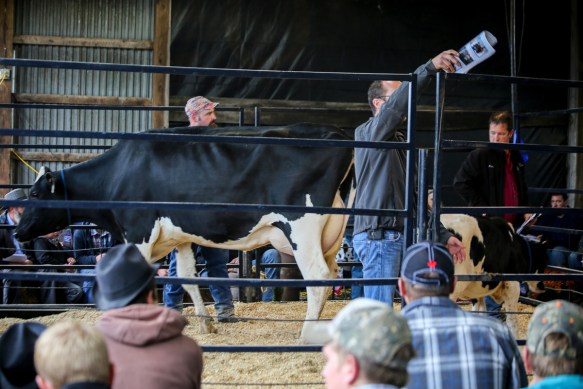
O’Brien points out that markets are based on the “who” and the “what.” That’s as much true about CME dairy spot markets as it is about cattle auctions. People want to know, in the moment, where the auction is going in price, but also who is buying and who is selling, to infer a sense of market demand and resistance at those positions.

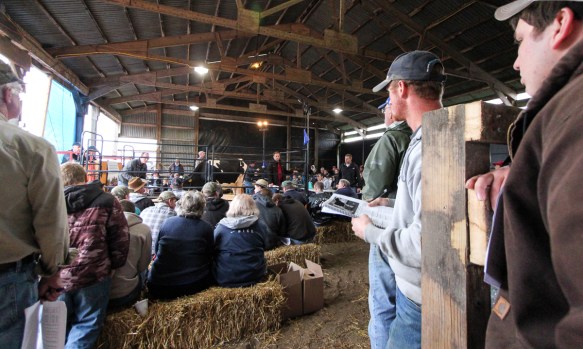
“Fundamentally, we have the same participants on the dairy spot markets, and it is still like coming to an auction,” says O’Brien of how bids, offers and trades occur on the electronic platform today, just like when it was live on the floor of the Chicago Mercantile Exchange (CME). “The difference, now, is the anonymity. This requires you to participate if you want to know what is going on. This brings a little more interest to those 15 minutes of spot trading.”

The anonymity also creates a situation where the largest market leaders know more because they know the buyer or seller once a trade is completed; whereas before, others outside of that transaction could observe and speculate based on which brokers were trading.

O’Brien observes that when the CME dairy spot markets traded live on the floor, analysts would not precisely know who was buying and selling; however, they knew the brokers and who they typically bid or cleared for.
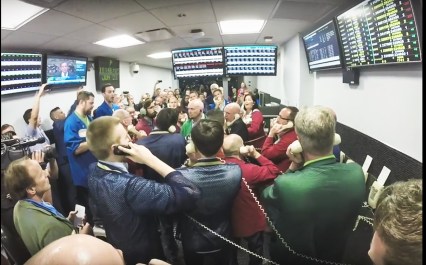
CME(lastOpenOutcryDAIRY)For example, in past years, the largest physical producers and end users in the United States would regularly use the same clearing broker for their spot transactions, resulting in the majority of market participants acting on this inferred knowledge in real time. A single bid or offer from certain brokers would set distinct levels of support and resistance, and this was coveted as the most prolific dairy information of the day.

The electronic platform “made this all disappear,” says O’Brien. “Spot traders know who is trading when a transaction is complete, at the end of the auction, if they are involved in that transaction, but they have no clue about who else was involved during the session.”

Thus, he says, “it is now more difficult to sense how strong the support is or how heavy the resistance because (with electronic trading) you don’t know if the buyer in a session was the largest end user, or your grandmother taking a position.”

In fact, anyone with eligible product in a warehouse, a CME auction account and a funded futures account can sell on the CME dairy spot market.

This is different from the Global Dairy Trade (GDT), which is run by Fonterra of New Zealand. In the GDT biweekly internet auction, not just anyone can bring product to that exchange. “They have to be vetted and approved to offer product on the GDT, and selling is limited to processors,” O’Brien notes.

For this reason, the CME is more of a “natural and price transparent marketplace,” he explains.

He calculated the trade volume for the 12 months leading up to the change from floor trading to electronic trading, noting that 38,000 tons of 40-lb blocks and barrels were traded on the CME during the second half of 2016 and first half of 2017.

Trade volume on 40-lb Cheddar blocks has increased 16% and on barrels 38%. O’Brien points out that the amount is still relatively small considering that the U.S. produces 5.5 million tons of cheese annually, which is essentially priced off the CME session trades, bids or offers.

“We were trading 7/10ths of one percent of total cheese production on the CME spot market,” says O’Brien. Since the change to electronic trading, this has increased slightly to just shy of 1%.

The volume of CME spot butter trades, on the other hand, has increased 138%, while NFDM has been flat.

With more trades, one can argue that the CME spot markets have become a better price discovery mechanism via electronic trading, particularly for butter. For the 12 months prior to going electronic, the CME traded 1.44% of the total U.S. butter production, compared with trading 3.7% of total production in the past six months since going electronic.

“That is a dramatic jump in the price discovery for butter,” says O’Brien.

The CME spot market for cheese has some product specification differences from butter and powder. “It is a fresh cheese market,” O’Brien points out. “Sellers cannot bring product older than 30 days to the CME, so we can have 400 million pounds of cheddar in inventory, but if there are no sellers of fresh cheese, and if buyers have a need for fresh cheese, we get these massive short-squeezes.”

He notes that the CME could price fresh cheese at $1.60/lb on the spot market, but cheese that is 31 days old or older could be trading through normal distribution channels at discounts as great as 20 cents per pound.

In that sense, the CME gives dairy farmers hope — when they see Cheddar up 10 to 20 cents on the CME spot market — but then the rally erodes in real time as the “short-squeeze” on fresh product passes, and the CME spot market falls.

This volatility is often seen from week to week, and cheesemakers can get caught when their input cost for milk does not align with their output sales of cheese that is older than 30 days.

On NFDM, the product age window is 6 months, and for butter it is one year, making those spot markets more reflective of supply and demand in terms of stored product realities.

“We could have a better marketplace (for cheese), but at the moment, these are the boundaries that participants are forced to operate within, regardless of the increased volatility that results from them…volatility greases the track and gets things moving,” observes O’Brien.

His experience with dairy market risk over the past two decades gives him insights into many sectors of the dairy industry. He suggests that dairy farmers need to be aware of their options and be realistic about their cost of production.

“Everyone is in same boat (in terms of market risk), but for dairymen, it is different because they are mostly price takers, while physical trading houses and other market participants that have risk management departments can be price makers,” he says. “Physical traders incur risk when they can manage it, and if they cannot, they immediately offset it or avoid it altogether, whereas dairy producers make milk and work hard and do some things about risk on their inputs but neglect fixing the price of milk outputs.”

O’Brien notes that with the farm milk price based almost completely off the CME spot markets, this is also affected by delays. The CME spot market can be going up while the USDA weekly National Dairy Product Sales Report can be going down in the same window of time. Meanwhile, the CME spot dairy markets, especially on cheese, remain a “market of last resort” with limited participants on the processing side.

While there is increased activity of end-users coming to the spot market directly to buy — especially for butter — the spot market is mainly selling more product with the same participants. There are still a limited number of butter sellers — traders fulfilling contracts and a handful of processors that make butter.

The large processors and cooperatives focus on allocating the bulk of their sales for the year and make inventory based on those allocations. Global dairy traders, on the other hand, have ever-changing risk profiles, which forces them to buy, sell and arbitrage to survive.

“We don’t operate under the luxury of make allowances,” says O’Brien of the role of market participants such as themselves.

Meanwhile, market dynamics are changing in the cheese industry where cheese plants are being built as much for the cheese as for the whey stream valorization. This creates a supply of Cheddar barrels that can build up and are seldom exported.

U.S. processors continue to produce yellow Cheddar blocks and barrels, but few globally have the equipment to break down the barrels, so they are not exported. The industry makes what it wants — what milk is priced from — but is that reflective of the market?

There are certainly inefficiencies in the current commodity market pricing systems that underpin the Federal Order milk pricing. Can a case be built to improve this?

Could inclusion of more indexes built off more pricing points (products) bring better market transparency?

Meanwhile, the four basic commodities from CME to Federal Order set the allocation pricing barometer for dairy processing as well as both the spot milk and milk futures markets.

Looking overseas, O’Brien suggests that the countries of the EU “would love what we have in the ability to lock in a milk price for up to two years (via a mechanism like the CME futures markets). For the most part, farmers in Europe are paid on what milk-derived sales their co-op or processor can attain. Their pay price does not float with the market. But farmers in Europe have the intervention program — similar to the former dairy product price support program the U.S. eliminated in the 2014 farm bill,” O’Brien relates.

Volatility in the marketplace provides opportunities to manage risk, but it is easier said than done. For example, there must be access to funds to hold positions (through the margin calls when the market goes against their positions).

On the processing side, says O’Brien, “Deferred positions of just 5 months can move against you as much as 70% for products such as NFDM or Cheese and as much as 100% for butter.”

As for dairy farmers, he observes that there were opportunities during late 2008 to lock in $20 Class 3 milk prices during 2009.

“But most dairy farmers didn’t do this. A super majority operate without safeguards, eternally optimistic. Dairy production is not a pastime, and survivability is not certain,” he suggests. “The future is managing risk. The multinational companies do it, and traders do it. Successful farmers will have to do it also.”

Ron O’Brien can be followed @rko2milk on twitter and at milkfutures.com

Check out the final open outcry live CME dairy spot market auction from June 2017 here


check it out at https://www.youtube.com/watch?v=si2vVdOQemo&t=35s

 

Dairy Exports: Jekyll and Hyde

MilkMarketMoosHeader070914web.jpgDairy Exports: Jekyll and Hyde

By Sherry Bunting, Milk Market Moos, Farmshine, February 2, 2018

Talk to dairy farmers and industry observers about dairy exports and the response runs the gamut from enthusiastic full-court-press to cautious optimistic pursuit to a pessimistic skepticism about the profitability they bring to the table.

awGDC18-Day1-56.jpgNo matter where you are on the scale of good, bad or indifferent, exports are essential for agriculture and for dairy.
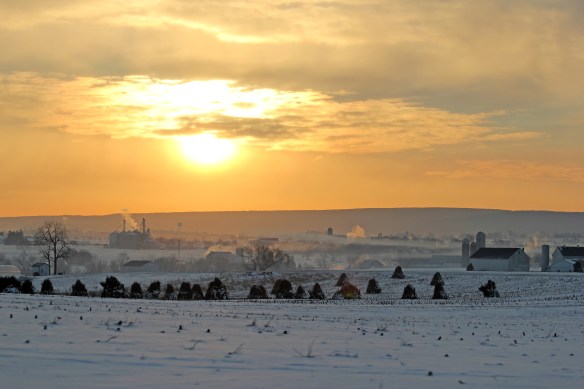
The hands of time do not turn backward on technology and progress, and so we are in a global market. If we want to be competitive in our domestic market, we need to also be competitive globally.

The food industry is increasingly served by global players and multinational companies that can source and supply from all corners of the globe. People would be surprised to learn how relatively small the transportation cost is in exporting ag commodities, especially further processed dairy products, overseas compared with cross country, on a per-unit basis.

If our ships are not arriving at other ports because we can’t compete, then other ships will arrive at our ports because we can’t compete.

That said, forward progress in supplying markets overseas needs to be pursued, not with reckless abandon finding ‘homes’ for excess milk, but with strategic thinking that includes the marketing and a consideration for the well being of our dairy farm sector.

As Secretary of Agriculture Sonny Perdue pointed out in his visit to Pennsylvania last week, America’s food security is America’s national security. Our farmers are the thin green line that, along with our military, keep our nation safe. After 9/11, the U.S. set out to be energy independent within 25 years and accomplished this in 10, according to a talk, given by Dr. David Kohl, Virginia Tech professor emeritus, in Lancaster County, Pennsylvania last Friday.

Just as our growing economy became at one point dependent on other nations for a portion of its energy needs, to its peril, we should take care that we do not become dependent in the future on other nations for our food.

A laughable thought, perhaps, but the rapidly consolidating agriculture industry needs its wide and varied base of family farms, small independent businesses, that support a varied and competitive rural infrastructure and provide the safety net of food security for American consumers through their independent pursuit of partnering with industry and academia to producer more, with less.

Kohl talked about how important trade is to American farmers, including the dairy industry, which currently exports 1 out of every 7 days’ worth of milk.

He made some observations about China’s agriculture. That Chinese interests purchase of Smithfield was largely to purchase the food safety protocols to ensure their food security. Here’s a statistic Kohl shared that got me thinking. He said that while there are 2 million farmers in the U.S., there are 314 million farmers in China.

“They are not taking on technology there as rapidly because there are 800 million people living in rural China and they need something to do,” said Kohl.

Just think about that for a minute. Technology is as essential to the future in agriculture as are our trade negotiations and exports; however, this statistic made me think about our rural youth both on and off the farm.

Dairy farming, like the hog business in the 1990s, is at a crossroads. Farmers, through their cooperative memberships, partnerships and other arrangements, own some of the largest and most aggressive processing assets that are strategically consolidating markets and distribution.

They hold in their hands their futures as individual small businesses — parts of the whole, contributors to a market, dairy farmers who not only are improving their own business acumen but continually improving how they manage their herds and possess a passion for what they are doing, a passion that is being called upon to directly market their farming lifestyle to consumers to counteract the negative attacks of anti-animal activists casting doubt wherever they turn.

U.S. Dairy Export CEO Tom Vilsack has set a lofty goal of getting U.S. dairy exports to 20% of production vs. the current 14. That would be nearly one and a half days’ worth of milk production out of every seven.

That sounds exciting, but when have we heard percentage of increase goals set for the fluid milk category? Could that incremental effort not also be exciting?
There are reasons why we are not seeing this, and in some respects, those reasons bring us back full circle to the export discussion.

Beverage milk is not exported on the scale that dairy commodities and dairy products are. Yes, DFA is among those exporting shelf stable milk to China for supermarkets, but this is not a globally traded product as are cheese, butter, and particularly dairy indgredients and protein powders.

While dairy processors eye up the opportunities and build inventories around allocated sales, and manage their risk with offsets, dairy farmers are in the price-taking position with the promise that if exports grow, they and their families can grow their businesses, without a serious discussion about the profitability in that proposition.

All of this to say, that the main market for U.S. farm milk is here at home as not only a beverage but also a growing number of dairy products finding good demand.
We are not New Zealand, which exports most all of what they produce.

The U.S. has, already, a strong robust customer base for cheese, yogurt, butter and a host of dairy products, as well as a sector of our industry (beverage milk) that needs our committed attention through dynamic labeling, comparative promotion vs. the imposters, consumer education about MILK, not how many situps and pushups to do each day. It needs people in charge who truly believe it is important, not an offhand remark by a checkoff-paid employee for U.S. DEC speaking at a conference, saying that fluid market is a dead horse as he proceeded to dig into the exciting team of horses (exports) waiting in the wings to save the day.

Having said all of this, it is imperative that U.S. dairy farmers be competitive to be involved in the global marketplace because it is here, with all of its pluses and minuses, but that does not mean we turn way from the prize in which the Federal Orders place high value and for which other products are taking over because we have, in effect, laid down and allowed the incremental loss of beverage milk sales.

But let’s examine the fluid milk dilemma further in the next edition.

Author’s Note: Re-inventing this Ag Moos blog for the times….  Milk Market Moos is a column I have been writing in Farmshine since 2003. It became a weekly feature in 2007. Find some of this content here, at Ag Moos, along with other dairy and beef market related stories, agriculture news, and, in between, the stories and images of the inspirational people of agriculture… but you can get it first, and you can get it all, in Farmshine Newspaper, just $15/year. Farmshine is a weekly newspaper published in Brownstown, Pennsylvania — now in its 39th year of publishing all-dairy, all-the-time.

Out with the old. In with the new: Relentless cold.

SnowyFarms7280.jpgBy Sherry Bunting, Reprinted from Farmshine, January 5, 2018
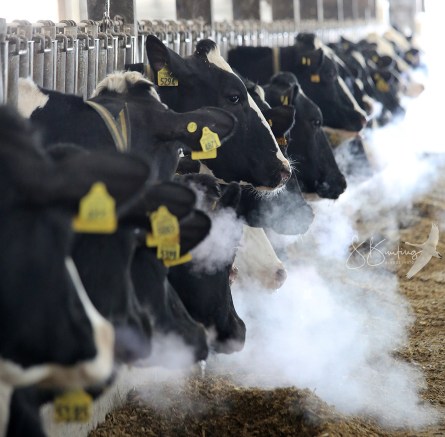
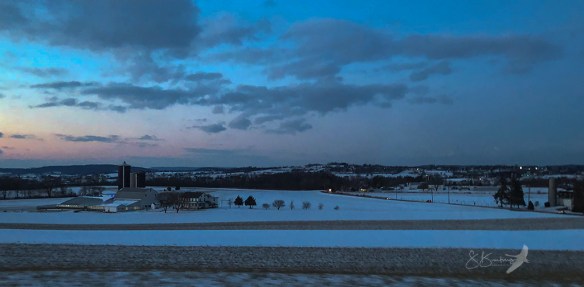
BROWNSTOWN, Pa. — Out with the old. In with the new. Record-smashing snowfalls and a relentless deep-freeze, that is what’s new as 2017 gave way to 2018 this week under a very bitter ‘wolf-moon’. The onslaught of extreme temps, high winds and heavy precipitation are taking their toll on dairy farms from New England to Georgia and from Pennsylvania to South Dakota.

In addition to bitter cold temperatures — persisting for four to five days with a one- to two-day ‘break’ at midweek — the next round of snowfall is already traveling up the coast and across the lakes ahead of another steep temperature plunge in the forecast.

Meanwhile, northwest Pennsylvania is still digging out of its record-breaking snowfall at Christmas, just ahead of the extreme drop in temps.

The Christmas Day lake-effect snowstorm lasted 48 hours and dumped a record-breaking 53 inches of snow in Erie, Pennsylvania, with additional snowfall two days later for a 4-day total of 63 inches. This eclipsed every snowfall record for the state of Pennsylvania, according to the National Weather Service.

The biggest problems being seen on dairy farms are from the bitter temperatures — ranging on the mechanical side from gummed up diesel fuel to the inability to move manure and problems keeping milking system vacuum pumps and compressors running.

On the animal side, cattle and youngstock losses are being reported as well as frostbite concerns. These types of concerns are mostly reported in the areas along the great lakes from upstate New York to Minnesota, where temperatures hit -15 to -30 – not including the wind chills.

Milk is still moving from farms to plants, but delays are indicated this midweek where transportation has been slowed by problems with diesel fuel.

In its fluid milk summary this week, USDA reported that frigid temperatures throughout the East have created hauling delays, and frozen pipes have created issues at dairy manufacturing plants. This has added to the supply-demand imbalance that lingers from the holiday period.

Everyone from plant operators to farmers to haulers are yearning for a return to normal schedules that may not normalize until after the second round of arctic blast comes and goes next week.

Impacts on milk production in the Northeast and Midwest are also beginning to show up in load counts, but the lack of normalcy in milk movement means production is still steady to ample for usage.

On farms, producers are dealing with frozen pipes, slippery floors, frozen accumulated manure creating uneven walking surfaces, and the fact that everything — including moving cows to and from the parlor — takes more time.

Weather6782buntingw

Producers need a break in the weather to thaw out, clean out, and get ready for the next round of arctic air to hit.

In closed group discussions throughout social media, farmers are exchanging ideas and seeking support from each other — to know they are not dealing with these hardships alone.

The extreme cold has also increased the risk of fires as producers pull out the stops to keep animals warm and power infrastructures are tested to the max. A dairy outside Little Falls, New York experienced a tragic fire last weekend, in which all 50 cows were lost.

At midweek, temperatures climbed briefly, but snow has begun falling in earnest along the southeast coast where snow is seldom seen, while the Northeast coast braces for blizzard conditions with more snow and high winds, followed by a plunge back into low temperatures.

It is not an understatement to say that dairy producers everywhere are dealing with weather extremes that are testing their collective resolve. Whether it is 17 degrees in Texas or -30 in western Minnesota, -15 in upstate New York and New England, -3 in Kentucky or -1 in Lancaster County, Pennsylvania, the extremes are beyond what each area is typically prepared for. Producers are taking advantage of any temporary warmth to prepare for the next plunge.

Frozen waterers, vacuum pumps, manure removal equipment and difficulty starting feeding equipment are most commonly reported concerns shared by producers across the country in facebook posts.

Some asked for prayers this week, hoping for a break in the weather; others rejoiced with humor when 30 degrees below zero became 15 degrees above at midweek, saying ‘break out the shorts.’

But this respite is short-lived before the next mercury dive Friday through Monday.

Winter is tough, and farmers are prepared for it, but this is extreme, and there is only so much that can be prevented. What does not get prevented, must be dealt with as it happens, and this is causing frustration and low morale as producers strive to get the work done while also fighting the feeling of failing the cows.

You are not failing. You are heroes. Please be careful out there.

Bottom line for the cattle, say veterinarians, is plenty of feed and water and to be out of the wind with a dry place to lie down. These basics enable cows to survive a lot.

Dairies truly are in survival mode, focused diligently on animal care and getting done what must be done and no more.

Keeping waterers from freezing and breaking ice out of waterers that are frozen is a never-ending job in these temperatures.

For calves, experts suggest increasing milk feeding and frequency since they do not have a rumen to heat them up. This will help calves stay warm and cope with the stress. But it’s difficult to do more when temps make everything take longer. Please be careful.

For cows, the mantra is energy and more energy. Rations can be adjusted to dense up that energy, without losing fiber. Cows normally eat more when it is cold, getting more energy into the cows helps.

From farmers to truckers to veterinarians to dairy system technicians and to all who are taking care of animals, equipment and transportation — we at Farmshine see and know how hard you work to keep things going. You have our ultimate respect and our prayers for safety during the bitter cold and we wish for a warming break in the weather to take hold soon.

-30-

bitter(wolf-moon)03Jan2-2018w

From East to West and North to South, relentless frigid temperatures are making things difficult on dairy farms. Photos by Sherry Bunting

Gift of life, keeps giving

Status

Agmoos's avatar
Burdettes_Dec2017(SherryPhoto)vertical.jpg

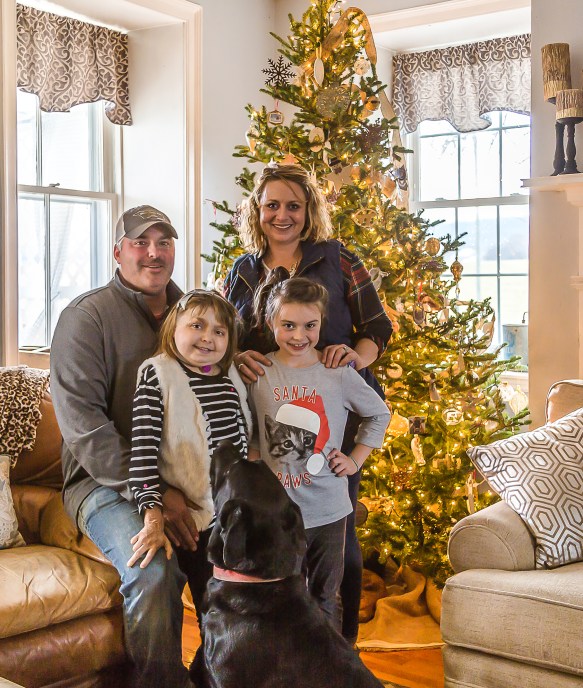
Justin, Claire, Reese, 10, Brinkley, 8, and Tripp, the dog, by the Christmas tree on a December afternoon just 3 weeks after the kidney transplant that gives Reese a new lease on life. Tucked in under the tree is Reese’s beloved cat Jack. Reese is quite enthusiastic about her four-legged friends, be they Holstein dairy cattle or house pets. Photo by Sherry Bunting 


‘Reese shows us you can have tragedy in your life and still move on and be full of life and hope for the future.’

 By Sherry Bunting, reprinted from Farmshine, Friday, December 15, 2017

MERCERSBURG, Pa. — Cheese ball is back on the menu this Christmas at the Burdette house on Corner Road outside of Mercersburg, Pennsylvania. It’s among the favorite foods that Reese Burdette has had to forgo for nearly four years to be easy on her damaged kidneys as she recovered from the May 2014 house fire.

That, along with hash brown casserole and all the yummy goodness of dairy foods, potatoes, orange juice and bananas — essentially nutritious foods high in vitamins such as potassium. In fact, so happy is Reese about bananas, Claire believes she’s eaten a tree full already.

Not only is Reese happy to be eating these foods again, “I hope to start growing again too!” the smiling 10-year-old said during my visit to Windy-Knoll View farm last Thursday.

While she has forged ahead on this journey on every front, it was the kidney transplant everyone knew Reese would eventually need that was hanging out there on the horizon. Justin and Claire Burdette learned in September that their daughter was in renal failure. She had been doing so well, so the timing was a bit of a shock.

Many people had already been tested as live donors — from friends and family members to colleagues in the dairy industry. But who would think that the “angel” sent into Reese’s life would be a friend of a cousin by marriage who had met Reese one time, a young, single woman with a heart of gold and willing to go through the surgery to donate a kidney to give Reese the vitality of life this ‘tuff girl’ has been fighting for.

Reese&Alyssa

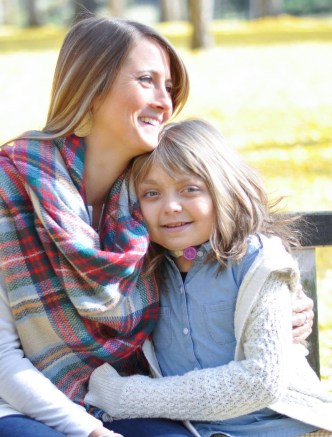
Ahead of the kidney transplant surgery, Reese’s aunt Laura Jackson updated on social media describing Alyssa as selfless, inspirational, courageous and beautiful with a giving spirit that is truly admirable. “Her love of children and animals led her right to us because right now, Reese does need some extra help,” wrote Laura. What many may not realize is that this gift of a new kidney comes from a woman “who loves her family and just wants to make a difference in this crazy world we live in… What this beautiful soul has offered up is a very different kind of life for Reese… the chance to be a normal 10-year-old with a chance to grow.”  Photo credit Bre Bogert Photography

Through the selfless generosity of Alyssa Hussey, 32, of Winchester, Virginia, a special education teacher with the Loudoun County Public Schools, the successful kidney transplant took place at Johns Hopkins on November 20. Not only are they both home and doing well, Reese was released just five days after the surgery, getting her home just after Thanksgiving and far sooner than imagined.

The two were expecting to have a visit at the farm this week, and Reese said she is anxious to show her hero around to see her growing little herd of 12 Holsteins, not to mention the five calves her sister Brinkley has accumulated among the Windy-Knoll View herd of top registered Holsteins.

Ahead of the transplant surgery, Reese’s aunt Laura Jackson updated on social media to say:

“What many may not realize is what this beautiful soul has offered up is a very different kind of life for Reese, a chance at a life with more quality and abundance, of water parks, river swimming, better health and the chance to be a normal 10-year-old with a chance to grow.”

Alyssa has given Reese the ultimate gift — the gift of life.

“We are relieved to have faced this. We knew it was coming. We just didn’t think it would be now. But what a blessing,” Justin reflects. “This kidney transplant would not be possible without someone like Alyssa. It’s proof that living donors are out there and we found one that we had ties to and never knew.”

Claire says that, “It’s hard to fathom someone willing to give our child their kidney and we barely knew her. But she didn’t think twice. We are beyond grateful.”

Burdettes_Dec2017-14 (1)It was a regular day on the farm when I arrived just as Reese was finishing school via the virtual robot — a necessity as she avoids large indoor crowds for the next 100 days since the transplant. Her younger sister Brinkley was just getting off the school bus. We had an hour to talk before Justin headed out to milk, driving down Brinkley and Reese Way, the dirt roads across the field between their house and the farm. The late afternoon sun, as the farm’s name suggests, broke through cold windswept clouds in the gap of the south mountains.
 

Reese-Brinkley-Jim-Nina(FacebookPhotoProvided).jpg

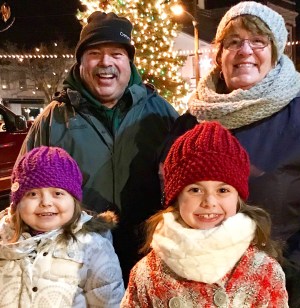
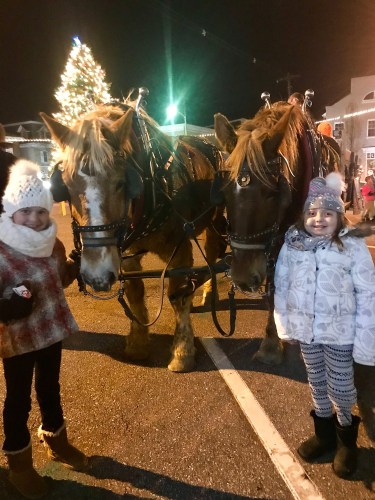
Three weeks after her kidney transplant, Reese looked forward to the annual sleigh ride in Greencastle last Friday evening with grandparents Jim and Nina Burdette. While she must avoid indoor crowds for 100 days, the outdoor Christmas festivity was high on her list of things to look forward to. Facebook photo.

At the kitchen table, the topic of conversation centered on the many things Reese was already reintroducing into her life since the transplant, the goals she and her mother Claire have set, and the activities she is looking forward to – not the least of which was a trip to Greencastle Friday evening for the annual horse-drawn sleigh ride with her Momo and Papap (Jim and Nina Burdette).

What is it about Reese’s story that has inspired such a far-reaching interest and impact? People write and call and follow her progress from near and far. It’s a story of faith, hope and the determination to live life to the fullest, to overcome challenges and setbacks, to never give up, never let go of the rope and to keep moving forward in a matter-of-fact way with fierce strength, raw honesty, family love and accountability filtered by the wisdom of a 10-year-old’s keen sense of humor.

Justin notes that they had a visit not long ago from a Canadian couple who keep in touch often to see how Reese is doing. They traveled to Pennsylvania just to visit her, amazed by her journey after nearly two years at Johns Hopkins recovering from the fire. This dairy farming couple had been through a barn fire and had dealt with animal losses that were depressing. Knowing Reese, seeing her, has made a difference in their world.

They are but one example of hearts Reese has helped to heal through her own example.

They are among the many who have written the Burdettes about what Reese’s story means to them, and what her journey has done for them in their own circumstances. Claire explains that, at first, these responses were hard to realize and digest because so many have done so much for Reese and their family that they felt they were leaning on others only to learn that others were finding support also in them.

Reese-Brinkley-Sleigh(FacebookPhotoProvided)“I think what Reese shows us is that you can have tragedy in your life and still move on and be full of life and hope for the future. I think that is what Reese has done for people,” Claire explains.
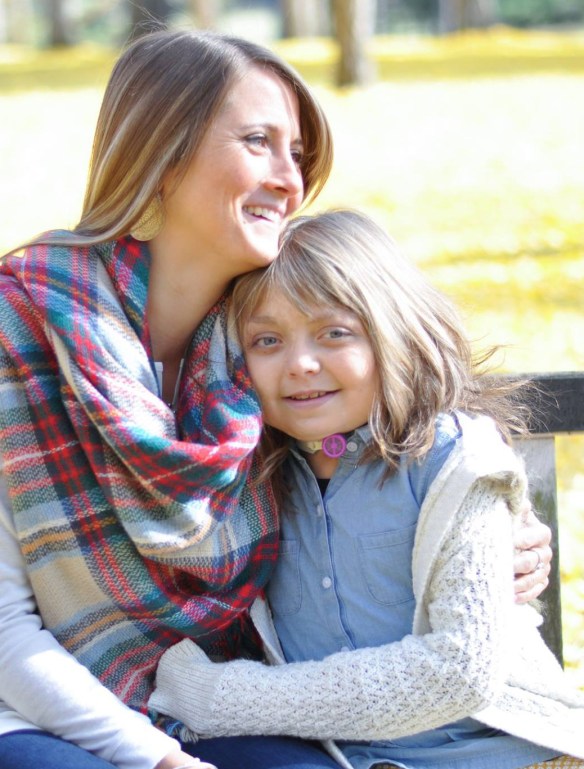
Healing and support going both ways – a lifeline — gifts that keep giving.

In like manner, the kidney donated by Alyssa Hussey is new hope transplanted, a gift that keeps giving in a young girl with a second chance.

Justin and Claire also had high praise for their summer intern who came back to help at the farm so they could be with Reese, worry-free, in the hospital for the transplant. Mikey Barton is the grandson of Ken Main of Elite Dairy and Cutting-Edge Genetics in Copake, New York. He had served as an intern last summer at Windy-Knoll View, and when he heard about the upcoming kidney transplant for Reese, he came down to help take care of things.

“We are so blessed,” the Burdettes said, describing the bond Mikey has made with their family. “Blessed that he comes back to see us and that he would take his time off to come down here so we could focus on Reese.”


Justin was quick to point out that he got back to the farm Wednesday to be sure to have Mikey home with his family for Thanksgiving, and that Mikey made time to drive the two hours south to see Reese in the hospital before heading north back to New York.

“We felt we have learned as much from Mikey as he has learned from us through this internship experience,” said Claire. “It has been a neat connection. He knows our routine and we didn’t have to worry about things at home for those few days.”

The Burdettes also credit the support of their local community and the dairy community from the beginning. Flannery’s Tavern on the Square in Mercersburg hosted a Team Reese fundraiser a week before the kidney transplant to help with medical and related expenses with the restaurant donating 15% of the days sales and providing a room for 75 silent-auction items donated and bid on by the greater community.

For the Burdettes, it has been the physical outpouring that accompanies the financial support of others that has lifted them up. To see a Team Reese fundraiser pack the local restaurant from open to close shows how much Reese has lived up to her nickname as “Mercersburg’s daughter.” When she and Brinkley walk into Flannerys, as they do once a week, people cheer. No price can be put on that physical show of support.

Every effort to this point has come together toward a life that will be much different for Reese now. No lines to tether her. No long trips for dialysis.

Clair confirms the doctors are very happy with her progress and her bloodwork looks good. Her main job in the next 100 days is to stay healthy and drink lots of fluids for that new kidney.

High on Reese’s list of “new” is fewer shots, fewer medicines, and working on giving up the tracheotomy for supplemental oxygen.

She is pretty excited about her Dad’s promise of a trip to Great Wolf Lodge where a waterpark is in her future.

“I can’t wait to bathe in that waterpark and get Brinkley soaked!” she says with a laugh.

But first she needs to reach the point in her journey where the trach is no longer needed. Now that the kidney transplant has occurred, there will be sleep studies and trials to be sure the timing is right to close the trach, and then the watersports and other activities will beckon. Reese already gave up the constant companion of traveling oxygen last Easter when she wanted to be outside with the other kids for a longer period of time, and decided on her own, she didn’t need it.

Reese has set a goal to attend the Pennsylvania Junior Holstein Convention in Lancaster in February. Mom’s goal is to get her through the next three months away from crowds to be strong and healthy into this next chapter of her journey.

Because we all know what comes next. There are calves to work with and cows to care for and in addition to a new calf Cream Cheese from her Carrie cow, named after the child life specialist who has been inspirational on this journey, there are the new gals from her Pantene line, like Potato Chip and Pretzel.

Reese and Brinkley talk excitedly about their cattle as they rattle off names and pedigrees.

But the cow work will have to wait, except for drive-throughs this winter. Instead, Reese is happy to be making and eating some of her favorite dishes. This week she made sticky buns with her Momo and a repeat favorite meal – sloppy joes.

She says, “No more driving to dialysis and getting home late at night!” That all ended on November 21 along with the line in her belly and the constant hemoglobin shots.

The people who have stuck with Reese from the beginning continue to be there in large ways and small. A woman in town still sends Reese a card every week, just as she has since May 2014.

As for the Christmas celebration, her second at home since the fire, Reese has big plans. She shared her small, but typical 10-year-old’s list for Santa and the family traditions she looks forward to. To avoid contact with crowds, she’s shopping by internet, and she’s pretty excited that on Christmas Eve, she will be helping her Momo prepare the dinner.

For Claire and Justin, having their daughter home with her new kidney for Christmas is the greatest gift of all.

“There is so much good in this world,” Justin affirms. “We just have to look for it.”

One place to look is the inspiration of little Reese Burdette.

Correspondence can be sent to Reese Burdette, 8656 Corner Road, Mercersburg, PA 17236. Financial contributions or fundraisers for Reese and her family, can be sent to “We Love Reese” First Community Bank, 12 S. Main St., Mercersburg, PA 17236.

-30-

Love and hope, transplanted. Hearts full of thanks for gift of life

Reese and kidney donor Alyssa are recovering from Monday’s transplant

Reese&AlyssaBy Sherry Bunting, Farmshine, November 24, 2017, Photo courtesy Bre Bogert Photography
BALTIMORE, Md. — At this season of Thanksgiving and gift-giving, it is a precious gift for Reese Burdette that has her and her family, friends — and all who have followed her journey back from the fire — especially thankful for the selfless generosity of another.

After nearly two years at Johns Hopkins from the May 2014 fire, Reese returned home to the family’s Windy Knoll View dairy farm, Mercersburg, Pennsylvania, in March of 2016. Since then, she has accomplished goals she set for herself, such as getting back to school with her friends and showing her cattle at the All-American. She had returned to an active life this year, improving every day.

But just before the All-American in September, her journey hit a rough spot. She was admitted to Johns Hopkins, where she and her family learned that Reese was in the final stages of renal failure and would need a kidney transplant.

The news was a shock. It seemed impossible. She was doing so well.

Reese returned home. Put her game face on. Showed her cattle at the All-American in Harrisburg. And everyone prayed for a miracle. Finding a match for Reese would be difficult, the doctors had said.

Enter Alyssa Hussey, 32, of Winchester, Virginia, a special education teacher with the Loudoun County Public Schools.

She is a friend of a cousin by marriage to sisters Claire Burdette, Reese’s mother, and Laura Jackson of Waverly Farm Jerseys. She had been among the friends and family tested to find a match. Alyssa had met Reese a few times before the fire and had followed her recovery after.

“Being around her and seeing that she’s such a sweet little girl just made me want to try and help,” a humble Alyssa told the Chambersburg Public Opinion in a story published over the weekend before the transplant surgery on Monday, November 20.

The seven-hour surgery to remove one of Alyssa’s kidneys and do the transplant Reese desperately needed began at 7 a.m. at Johns Hopkins after a celebratory time between family and friends and medical staff, Sunday evening.

“What a blessed day it has been,” wrote Laura Jackson, Reese’s aunt, in an update Monday afternoon. “It has been a long day, but a good day. Donor Alyssa is now recovering in her room. Bless her for all she has been through. From what we are told, Alyssa’s kidney is large and healthy.

“Reese is in recovery. Her surgeon was very pleased with how the surgery went. As always, Reese rocked her surgery and handled it very well. Now we wait to see if the new kidney kicks in. Pray that this new healthy kidney takes over and learns to love its new home,” Laura said further.

Reese will spend the next 100 days recovering at home and will attend her school class via the video robot she used when she first came home in March of 2016.

For her part, Alyssa told the Public Opinion: “I grew up (and) I didn’t have any issues or problems when I was a kid, so I knew what it was like to do all those normal kid things.

“I can only imagine how it would feel to have those taken away, still being so young and not being able to experience some of those things that (Reese is) not able to do right now. So, it’s a great feeling to know that she’s going to get those things back,” Alyssa said.

As she has from the beginning, Laura posted on Facebook about this rough spot in Reese’s journey. She observed that Reese “just wants to be a normal kid.”

But as all know who love and are inspired by her, Reese is an extraordinary 10-year-old. She is wise beyond her years — a ‘tuff girl’ with a big heart and a strong spirit and a determination and sense of humor that gives strength, focus and hope to those around her.

And they give back to her, and the circle continues. So many from across the country and around the world have reached out since May of 2014 to encircle Reese and the Burdette family with prayers, cards, gifts, and financial assistance.

This season, it is the kind and considered offering by someone willing to give a part of themselves — and all that goes with it — that is the gift invoking pure thanks-giving.

“We had a tremendous evening celebrating Reese, Alyssa and many doctors and staff,” wrote Laura in an update Sunday evening before Monday’s surgery. “Tonight, we celebrated life and all that Alyssa is offering to Reese. Pray big tomorrow. Bless these two and all involved.”

As they recover from Monday’s surgery, Reese is prepared to take a step back and build herself back up. She told the Winchester Star in a story published ahead of the surgery that she is looking forward to doing inside things during her recovery, that she loves cooking and baking for her family… but the cows that have inspired her fight to always get back are still inspiring her. This time, the calf a-callin’ is Cream Cheese (so named because she is mostly white).

We at Farmshine offer our heartfelt prayers and thoughts for Reese and her giver Alyssa as they recover. (Laura reports the recovery is going well!)

Correspondence can be sent to Reese Burdette, 8656 Corner Road, Mercersburg, PA 17236. Financial contributions to Reese and her family, can be sent to First Community Bank, 12 S. Main St., Mercersburg, PA 17236. Checks should be made out to “We Love Reese.”

-30-

CAPTION and CREDIT for photo

Photographer Bre Bogert captured this image of giver and receiver ahead of transplant surgery. Alyssa Hussey, 32, is the donor match for the kidney Reese Burdette, 10, needs. Both are recovering at Johns Hopkins where the 7-hour surgeries took place on Monday, November 20. Photo courtesy Bre Bogert Photography


Tribute to the legendary Snickerdoodle (1998-2017)

By Sherry Bunting, Farmshine, Friday, October 13, 2017

She remains a favorite dairy cow with a worldwide legacy.

22361205_1788983801144277_1460351895_n

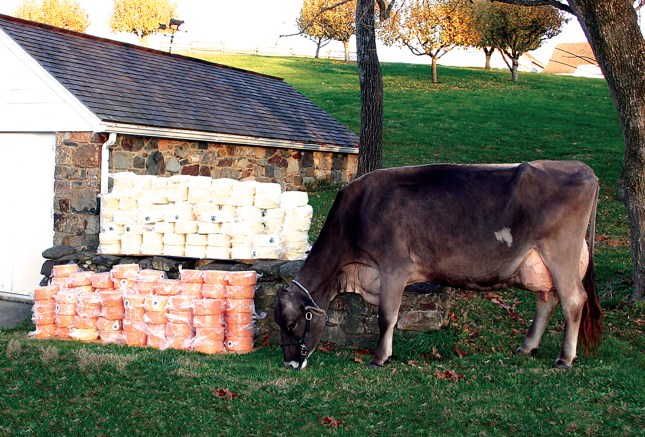
SARASOTA, Fla. — Legendary Brown Swiss Old Mill E Snickerdoodle died peacefully just shy of 19 on Monday, October 2, 2017 — the eve of the 51st World Dairy Expo, where she is the only cow in history, of any breed, to win her breed championship six times.

Snickerdoodle was also named Supreme champion at age 4 in 2003 and twice Reserve Supreme at age 9 and 10 (2008 and 2009).

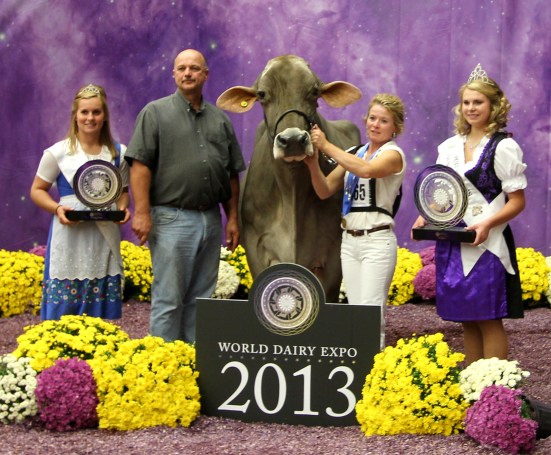
In 2013, she stopped milking at over 14 years of age, with an impressive lifetime production of 261,000M 12,665F 9,895P having milked 3,629 days! That was the year she won the dry cow class with a huge show of respect from colleagues and spectators at the 2013 World Dairy Expo at nearly 15. And she produced her last few embryos in her final flush at over 16 years of age in 2015. Her lifetime total exceeds 400 regular embryos and 60 IVF.

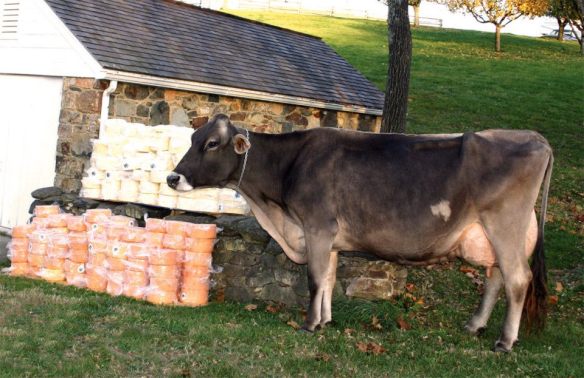
SNICKERDOODLE&CHEESE

Of all her winnings on the colored shavings of Madison, most memorable for owner Allen Bassler was the 2013 Expo, where she competed as a dry cow to the applause
of the coliseum crowd.

aSnickerdoodle6411(Sherry)“She didn’t have an udder that year, she was there as a dry cow, and it was obvious that her work was complete,” Allen recalls. “The respect that she received that day was more than I realized, and it represented every year of building she had to get to that moment. Now her legacy lives on in her next generations.”
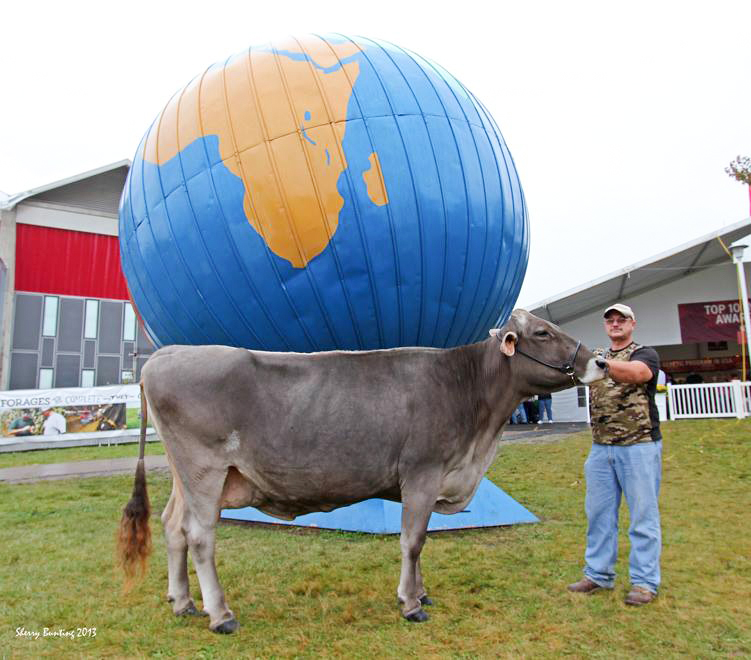
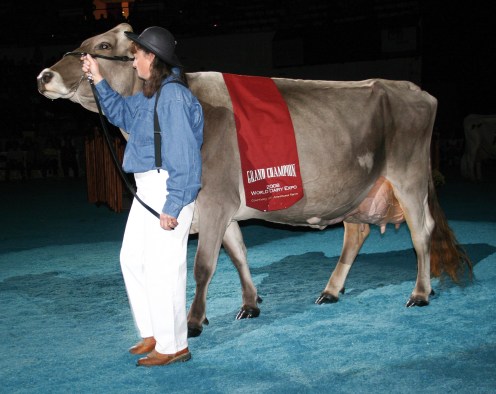
One of her A.I. sons, Supreme, was 2013 premier sire of the Expo’s Brown Swiss Show, and the sire of the grand champion Brown Swiss bred and owned by Wayne Sliker of Top Acres at this year’s show on Wednesday, Oct. 4.

Last classified EX-94 — the max for Brown Swiss of her time, which has since been increased — Snickerdoodle had a 97 point mammary. Two of the three EX-95 Brown Swiss in the U.S. today are daughters of her son Supreme.

This image has an empty alt attribute; its file name is snickerdoodleworld2-1.jpg

Snickerdoodle’s legacy extends well beyond her bannered trail and notable 8 times unanimous All-American status. She has over 100 offspring in the U.S. and additional offspring in at least 12 countries across the globe, including around 22 Excellent daughters in the U.S. today and 8 in Switzerland, that Allen knows of.

In Switzerland, alone, Snickerdoodle had 15 registered sons and 16 registered daughters as of 2015. They love her there. Allen is moved by the tributes from around the world to Snickerdoodle’s facebook page since her passing, and particularly the comments from people citing her as the reason they started in Swiss.

Uniquely a very strong cow, what Snickerdoodle has been famous for is her predictability.

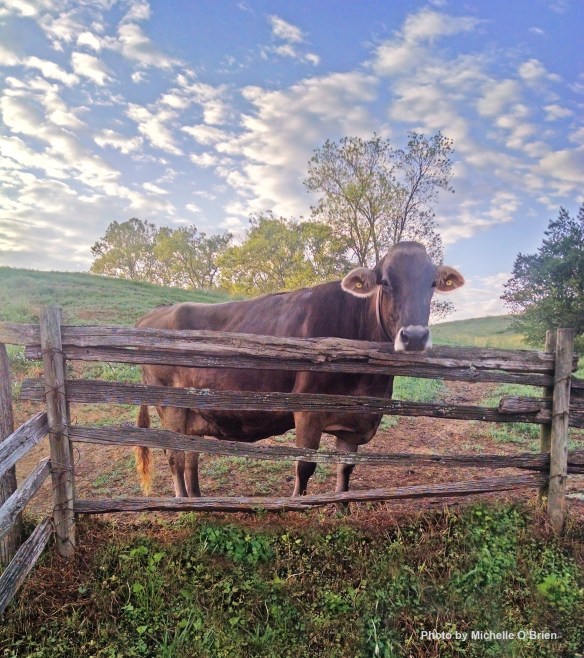
aSnickerdoodle-SwissChamp2008“Her sons transmit her udder qualities,” Allen notes. “Supreme and Snic Pack are making the udders and strength that is Snickerdoodle. What was special about her is that she would respond to anything you challenged her with. There was always a character of strength about her, never timid or weak.
487113_4906228777687_712375240_n

In 2015, Snickerdoodle retired to Florida when Allen took the job as cheesemaker at Dakin Dairy near Sarasota. She survived Hurricane Irma a month ago, but when Bassler returned from judging shows in Brazil, he saw that his girl was reaching her “time.”

“She was in a pasture with weaned calves and loved that,” he said, noting she was slower to get up in recent weeks.

“Sunday and Monday, Tammy and I just prayed,” he said. “She passed peacefully on her own Monday night and is buried on the farm with a headstone under four oak
trees.”

Snickerdoodle(2015)2

Blessings counted in Irma’s wake, challenges ahead

Damage to dairy buildings, but people safe, livestock losses minimal. Processing and distribution channels challenged. Biggest issues: Power. Fuel. Communications. 

wFlorida2812(Dakin)

By Sherry Bunting, Farmshine, Friday, Sept. 15, 2017 (Photos courtesy of the dairies)

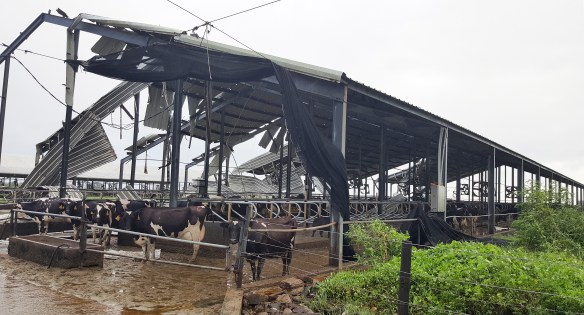
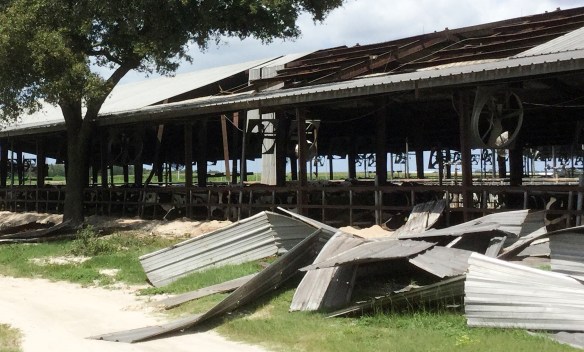
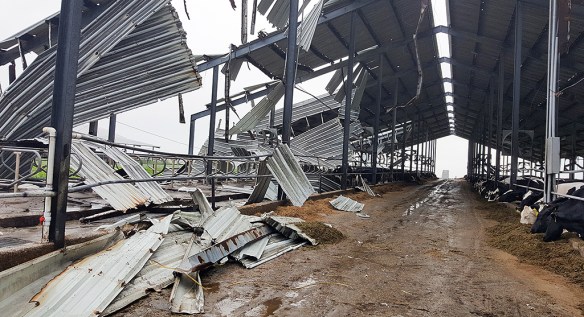
FLORIDA – “Four freestall barns are damaged, one completely collapsed, but amazingly not one cow was hurt. God had his hands on us,” said Jerry Dakin in a Farmshine phone interview Tuesday morning, 36 hours after Hurricane Irma hit Dakin Dairy, Myakka City, Florida, just 20 miles east of Sarasota as the eye wall nudged inland after traveling up the west coast of Florida to continue its trek up the center of the state. The more than 300-mile-wide hurricane — packing winds in excess of 100 mph — produced widespread damage as well as loss of power to over 5 million homes and businesses across the entire state of Florida and into Georgia and South Carolina.

The reports are still rolling in and the stories we heard are similar in the South — from the Rucks family of the Milking R in Okeechobee and Dakin Dairy in Manatee County, east to the Wrights in Hardee County — and north — at Alliance Dairies and North Florida Holsteins in Gilchrist County — all the way to Hillcrest Farms Inc. near Augusta, Georgia.

Dairy producers were in high gear preparing for Hurricane Irma last week, and while it appears that dairy buildings have sustained substantial damage throughout the Sunshine State and beyond, producers are counting their blessings in Irma’s wake: People are okay, livestock losses are minimal, second crop corn silage largely held its ground.

The most pressing concern in rural areas is the same as in urban — no power, limited supplies of fuel, spotty communication capabilities and a breakdown in the normal processing and distribution channels for food and other necessities, which means, for dairy farmers, where to go with the milk?

Of the four dairies interviewed early this week across a 250-mile stretch from South Florida to North ranging 1200 to 10,000 cattle and representing over 25,000 cows, just four animals were lost — a milk cow euthanized for injuries at one farm and three young heifers at another were found quite possibly hit by lightning or electrical shock. Among the social media posts of additional farms throughout the region were similar stories and responses of appreciation for the prayers and encouragement of others while focusing the first 24 to 36 hours post-Irma on getting generators going and getting cattle fed and milked and watered and then settling in to sort, evaluate and prioritize additional special needs.

Perhaps most important, however, are the stories of encouragement. Dakin said he spoke with fellow dairymen in a show of support before the storm and that it has been the encouragement of others “even folks from up north texting us and letting us know they are praying for us” that has gotten them through it.

“I have an unbelievable team of employees,” said Dakins of the over 60 employees who work for the dairy he built in 2001 and the dairy plant and store that were added in 2009.  “I am only one man, but it is this team of family and employees that is getting things done.”

Florida0609(Dakin-CavalryArrives).jpg

Dakin was feeling fortunate Tuesday morning after the cavalry arrived Monday night — five utility trucks got the dairy, and its milk plant and store, back on the power grid. Since then, the plant has worked overtime separating and pasteurizing milk for multiple cooperatives. In some cases, the skim is being dumped because milk channels are backed up due to plant, supermarket and school closures and other infrastructure issues.

“It’s a big deal to have our plant processing because we are able to unload tankers and get them back to farms,” he explains that they are processing 20 more loads than normal since the storm. “When it comes to a disaster like this, we’re all in this together.”

IMG_4589 (1).JPG


They milked their own 2200 cows at 6 p.m. Sunday evening ahead of the storm, and then shut everything down, planning ahead to skip the night milking. They had boarded things up, pushed 1200 dry cows and heifers two miles away from buildings into pastures with wooded windbreaks, and parked large equipment all around the house where 25 family and crew hunkered down “like we were going to war.”

“We were so boarded up that we didn’t feel the true impact, until we opened a door, and it was wild. I decided not to walk outside, to stay calm, pray and rest because I knew there was nothing I could do during the storm and there would be a lot to do when the storm was over,” Dakin recounted.

The storm hit with all its fury at 10 p.m. Sunday evening. By 3:00 a.m. Monday morning, the winds were still blowing, but the core, or eye wall, had passed.

“I didn’t want to walk out of the house, scared about what I was going to see, but I knew I had to face it,” Dakin recounted. “I went straight for the barns, and I saw the buildings down and the cattle out where the gates were knocked down by the collapsed building. Cows were standing in the holding pen bellowing.”

Florida2718(Dakin).jpg

He cranked up the generator and got help and got to milking. He had already pulled grain concentrates from the ration in the days leading up to the storm to slow milk production, but even so, the pumps could not keep up with the initial milk flow after missing the night milking. “We couldn’t milk them fast enough,” Dakin related, adding that this is the first hurricane his farm has ever seen and that his brothers’ farms in the county were having similar experiences for the first time.

Northeast of Dakin, about 50 miles as the crow flies, Joe Wright was hunkered down at his dairy in Zolfo Springs. He was in the same closet in the same concrete building he took refuge in at the dairy during Hurricane Charley 13 years ago. Of the four hurricanes his farm has weathered, three were in 2004. Irma, the fourth, was second only to Charley in terms of its impact on Wright’s dairy, but he says Irma is the worst in its broad impact on his state and the region’s dairy industry.

Wright looked at the Weather Channel “spaghetti models” ahead of the storm and had a feeling it would track up the nearby Peace River, like Charley, so he didn’t let his guard down when he heard it was heading in a northwesterly direction. True enough. Once the eye wall got close to St. Petersburg, it’s northwest track bent east, putting the edge of the eye wall near Wright’s dairy. The structural damage to buildings tells the tale.

“Right now we are just milking and feeding and trying to return to some normalcy to begin evaluating cows,” he said, explaining that in 2004, they lost cows. The barn fell in on them when Charley came through. Since then, they have converted to modified grazing and so one of the things they did ahead of Irma was to intentionally push the cows out of the barns and lock them out and away from the buildings.

“We thought they would be better off in pasture, and it appears so because the roofs and ends of our freestall barns were just ripped off by Irma,” Wright said Tuesday from his son’s cell phone as they drove 100 miles for a backup generator after their primary generator sustained voltage issues that were impacting pumps and motors on the farm. Fielding a call from a roofer on his own phone, Wright said another pressing concern is getting a roof over the milking parlor, and if possible, the cattle working areas. “The rest of it will wait for winter.”

Confessing he hasn’t slept, really, since Friday or Saturday night and hasn’t been to his home 10 miles from the dairy, Wright shared that, three big oak trees were down at home that he couldn’t deal with. “My neighbors in town know what we’re up against with the dairy,” he said. “They came and cut them up and hauled them away. It’s hard for me to explain what that means. It’s uplifting.”

At Dakin Dairy, the milk cows had remained in the freestall barns, and survived. Dakin observed how difficult it had been to move 2200 cows from the barn to the milking parlor as the storm was within four hours of reaching them. They milked quickly and cows literally wanted to run back to their barns.

Florida5602(Dakin-MovingToPastureAheadOfStorm)

Like Wright, Dakin did make the decision to move his pasture cattle away from buildings, and apart from clearing sheet metal and removing safety hazards around the collapsed areas of the barns, rebuilding will be put off until winter.

“We’ve got a month and a half yet of the real hot weather,” said Dakin. “If anyone is looking for construction work in sunny Florida this winter, we’ll have it.”

Another 180 miles north in Trenton and Bell, the Sunshine State’s two largest herds – Alliance Dairies and North Florida Holsteins – were also in line for hurricane force winds. By the time the eye had traveled inland those nearly 200 miles, Irma had been downgraded to a Category 1 hurricane but still packed high winds, spin-off tornadoes and significant rainfall on the back edge.

“We survived it pretty well and have enough generator power to milk cows, cool milk and pump water. We’ve been able to keep enough manpower to get things done,” said Don Bennink of North Florida Holsteins in a phone interview Monday night from the darkness of his home without power. He was thankful to be just four hours behind in the milking schedule after hearing of others being as much as a full day behind and said all of the generator power is devoted to the dairy. His home can do without power for now.

“We got hit, but south Florida got nailed,” said Bennink. He had spent the days leading up to the storm making sure the generators were backed up and operable, having extra feed and fuel delivered and double checking everything he could think of.

“The worst of the storm, for us, was from 1:00 a.m. to 6:00 a.m. Monday morning,” he said. “We shut down when it got bad and restarted Monday afternoon. We had a crew here because we provided shelter for a lot of our people.”

The dairy’s office, where the former milking parlor had previously stood, was sturdy, and 50 people, including employees and their families, weathered the storm there with provisions while the winds blew roofs and debris.

NorthFlaHolsteins-Calves

Newborn calves at the time of the storm were stowed safely in the herdsman’s office near the calving area.


The storm had its impact. While the tunnel-ventilated barns for the milk cows are intact, the large tunnel fans were ripped apart. The estimated 20 inches of rain that fell in a short time at North Florida Holsteins created substantial flooding in the heifer yards.

“We expected this much wind, or more,” said Bennink, “But we did not expect this much water.”

Like the incidental reports from other dairies on social media that had found a few individual animal losses, Bennink said of the 10,000 head of cattle at North Florida Holsteins, three calves were lost.

He was counting his blessings Monday evening, and thankful for his “reliable people.”

Just west of Bell in Trenton, Florida, Jan Henderson at Alliance Dairies had spent the days leading up to the storm pleading with fuel suppliers to get fuel to them. “We wanted our tanks full for gasoline and diesel, and we even filled our choppers so we could siphon if needed,” she said in a phone interview Tuesday. Being responsible for over 10,000 cattle between the main dairy and two grazing operations at other locations, Henderson relied on her managers, quarterbacked plays they had run through and filled in hands-on wherever she was needed.

“We tested our generators to operate under load and made sure our mobile generators were working. We had multiple meetings with our managers on the course of action to make sure cows get milked and fed and youngstock get watered and fed,” she explained.

Before the storm, Henderson was in people prep mode, bringing in plenty of food and energy drinks for employees. Once the storm hit, she was communicating with managers and filling in the gaps on shifts bringing cows to the parlor.

“We are very blessed that Irma weakened from its earlier strength, and we had already determined we would go to 2x milking the day of the storm. We kept going until 6 p.m. when everyone needed to be wherever they were going to shelter,” she said, noting that Saturday’s crew was smaller than normal, and managers from all areas of the farming enterprise helped cover milking shifts — hunkering down at the dairy.

Two days after the storm, one of their grazing dairies has power and the other is still waiting. Alliance Dairies, where 5200 cows are milked, is expected to be without power until next week.

Florida0407(Alliance).jpg

“We are able to milk and cool milk, and we can provide water, but we are not able to operate our fans,” said Henderson. “It was cool and comfortable the day after the storm, but the heat and humidity is returning.”

“We have very committed people here, and I am awestruck by what our people have been able to do,” said Henderson.

Florida0402(Alliance).jpg

Like most dairies in Florida right now, they have milk accumulating on trailers with 10 full trailers sitting as of Tuesday morning. One of the grazing dairies was completely full when two milk trucks pulled in, one without a trailer and the other with an empty trailer just in time on Tuesday morning.

While most of the plants are closed and reopening on differing schedules, Henderson notes the power outages and evacuations mean that, “There are 6 million fewer people drinking milk right now, so processors are not feeling the need to process milk.”

Bennink also noted that as processors have been closed with two to three days of milk in silos, milk is also backing up on farms with no place to go.

“It will go from one extreme to the other. When they start needing milk again, they won’t be able to get it fast enough, but we can’t just hold it for them. They will want fresh milk,” he explained, adding that while the coop management is doing a “fantastic job” handling this difficult situation, there will be milk dumped in Florida.

“There’s a lot of milk out there (nationally), and we don’t have the over-order premiums we used to have here, so we’re not going to get sympathy from our customers over the costs our cooperative has to bear to deal with the situation,” Wright observes, adding that in addition to fuel shortages, milk transportation is also hampered by availability of trailers and the ability to wash them down.

More will be known in the coming week, but the Southeast dairy producers will bear the brunt of the costs of handling these issues and it’s unclear what insurances may or may not cover such market conditions that are exacerbated by a natural disaster.

Fuel shortages, plant closures, power outages and evacuations have changed the dynamics in the region.”

Dakin’s plant and a Dean’s plant are currently operating. Some plants are flooded, others have generator problems and some are light on staff to operate. Supermarkets are also having refrigeration and power generation issues.

Restoration of power and fuel to the area will go a long way to immediate needs in this recovery.

Notes Henderson: “You prepare for the worst and hope for the best, and we certainly got a little of both. It was bad enough, but if it had not weakened from earlier forecasts, I don’t want to think about what we might be seeing.”

Wright observes the basics: “If we have feed, fuel and a generator, we can get through this. If we get power, we can do a lot of this cleanup. But without power, it wears on you, and it’s tough on the equipment with the voltages.”

Bennink said it will be a long while for the state of Florida to pick up the pieces, and yet he was feeling fortunate to have his people around and to be able to provide food and shelter during the storm. “One hand washes the other,” he said.

Adds Dakin: “Prayers lifted us up. It is amazing to hear from people in so many other states and to know they have been praying for us down here.”

-30-


Thanking the Milkshake Man for his heart of gold

SmithGoldenMilkshake6657w2.jpg

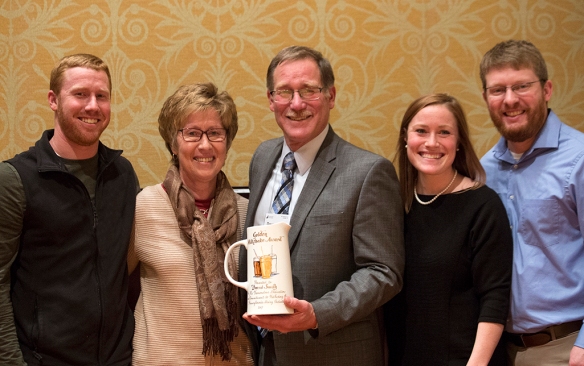
Waiting in the wings so as not to spoil the surprise, Dave Smith’s family was on hand to celebrate the ‘milkshake man’s passion, dedication and commitment to Pennsylvania’s dairy farmers and the next generation, which earned him the unanimous appreciation of his peers in the form a special Golden Milkshake award. Not only have the milkshake sales helped get fresh milk into the hands less fortunate but also helped the Dairymen’s Assn give $1 million in grants over the last 15 years for programs geared for the next generation of dairy farmers. Dave and wife Sharon are flanked by son Joel (left) and daughter Erin and her husband Aaron Wachter. 

By Sherry Bunting, Farmshine, February 17, 2017

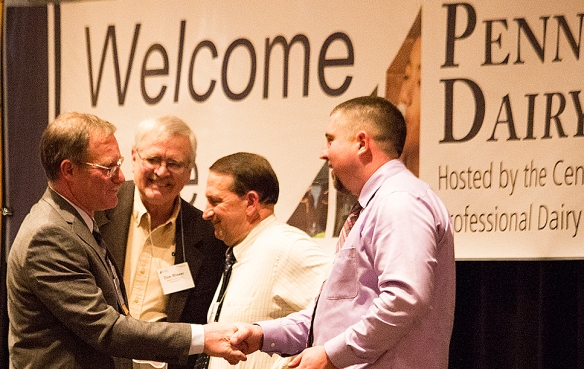
LANCASTER, Pa. — Leaders of the Center for Dairy Excellence (CDE), Pennsylvania Dairymen’s Association and Professional Dairy Managers of Pennsylvania (PDMP) pulled off a surprise honorary service award during the 2017 Pennsylvania Dairy Summit here at the Lancaster Marriott last Wednesday evening, February 8.

Dave Smith, known practically everywhere as ‘the milkshake man’ was presented a special Golden Milkshake award for his dedication and commitment to Pennsylvania’s dairy industry.

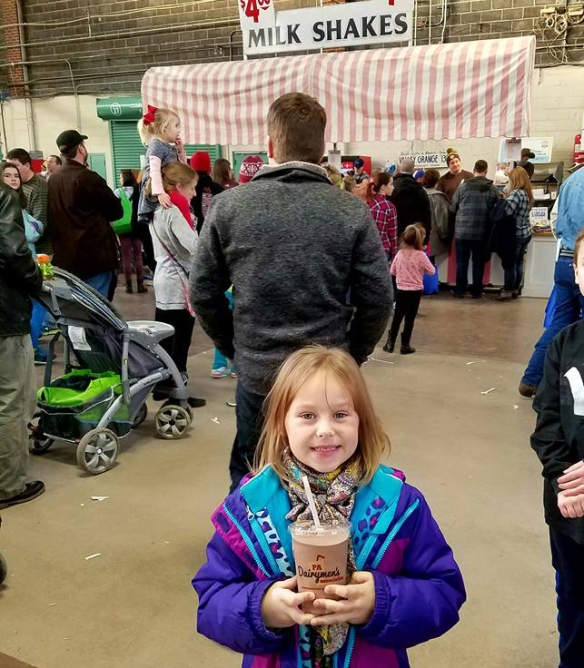
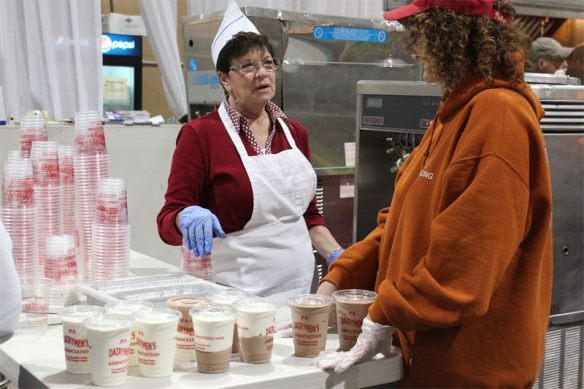
Not only has Dave been the driving force behind the ubiquitous Pennsylvania Dairymen’s milkshake sales, and more recently fried mozzarella cubes, at the Pennsylvania Farm Show and other venues, he was instrumental in the launch of the Fill a Glass with Hope campaign — facilitating dairy relationships with Central Pennsylvania Food Bank and Feeding Pennsylvania to raise money to put fresh milk in food banks across the state.

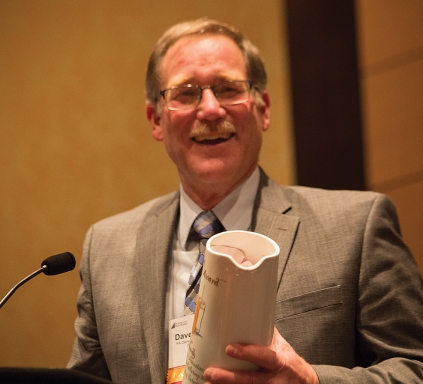
dave-smith6637A surprised and humbled Dave Smith was speechless at first, but quickly took the podium to say:
“You dairy farmers are truly the reason for the success of the milkshakes.

“This is your product. You work hard to make a quality product. Consumers want what you have.”

SmithGoldenMilkshake6648w.jpg

Dave (left) was lauded by his peers Don Risser (second left), president of the CDE Foundation, Doug Harbach (right), president of PDMP and Reid Hoover (second right), president of the Pa. Dairymen’s Association for his continual focus on improving the state’s dairy industry for future generations through promotion and combining this with avenues for getting dairy into the hands of those less fortunate.

In addition to serving as the Pennsylvania Dairymen’s Association executive director since 1995 and serving on the board for six additional years, Dave has been active in leadership with Young Farmer’s, 4-H dairy club and 4-H dairy judging as well as being an active member of Lebanon County Farm Bureau and the Pennsylvania Guernsey Breeders’ Association.

“Dave has given tirelessly to our organization and its mission for the past 22 years,” said Hoover, who credited his oversight with the Association’s success in selling milkshakes and dairy foods at the Farm Show. “Dave is continually looking ahead to find new markets for fluid milk and to put milk in the hands of those who need it most.”

381302_3132924326184_1096442989_n

Dave shows the mozzarella blocks bought and cut into cubes for Farm Show fried cheese cubes. In 2014, Dave estimated the Dairymen’s Assn moved 3 tons of mozzarella in 8 days in this delicious Farm Show treat that is only growing in popularity at Farm Show since then.

Through expansion and new product introduction, gross sales have been increased approximately 500% in 15 years, allowing for $1 million in grants to be distributed to dairy and agriculture programs focusing on next generation development.

“We appreciate Dave’s active promotion and advocacy for dairy youth,” said Risser. “We are incredibly grateful for his efforts that bring success to these programs.”

Recently, Dave has been working out the details for the Calving Corner, a cow birthing center that will be part of the 2018 Pennsylvania Farm Show.

The fourth generation of his dairy farm family, Dave grew up raising and caring for the Guernsey herd in Annville, received his B.S. in Dairy Science from Virginia Tech and co-managed the farm with his father for a number of years, including the former dairy store where Ja-Mar Dairy’s milk was processed, bagged and sold until the late 1980s.

Today, the milk cows are gone, but Dave and his son Joel raise 140 head of cattle and farm 400 acres of ground.

milkshake

403087_3132926006226_781277188_n

smithgoldenmilkshake6657w2

Fire extinguished. Help, hope ignited.

worden4042w

2013 Photo: Chuck and Vanessa Worden

By Sherry Bunting, Reprinted from Farmshine, Jan. 20, 2017

CASSVILLE, N.Y. — On Saturday evening, January 14, the entire Worden family was together at the dining room table celebrating Chuck and Vanessa’s birthdays, including daughter Lindsey who was home visiting from Vermont.

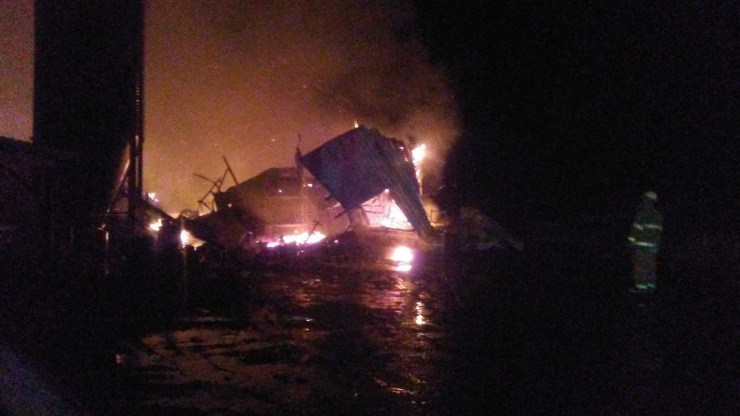
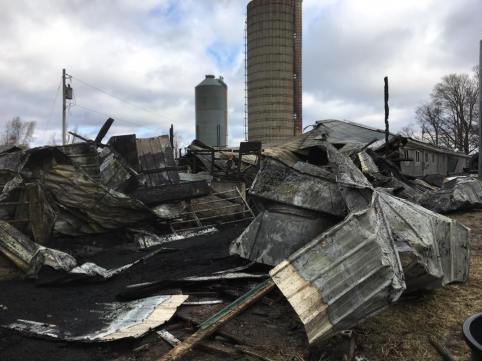
By daybreak Sunday, the family was facing an uncertain future, but was lifted forward by friends and neighbors showing up when news spread quickly of the fire at Wormont Dairy, Cassville, New York.

“I had just walked through the cows and done a little clipping that night, so proud of how the whole herd looked and how well they were responding to the changes we had been making in the ration and fresh cow protocols,” Lindsey Worden reflected. “Less than four hours later, I was calling 911.”

Worden1.jpg

Photo from Kate Worden

Wayne and Mark Worden, who live off the farm but nearby, were throwing on clothes to come down and join their father Chuck and brother Eric in rescuing calves and heifers penned in the box stall barn adjoining their parlor/holding area and office, which was totally engulfed in flames.

Their mother Vanessa had gotten up in the middle of the night and saw the flames from the window.

“Just as Eric was carrying out the last calf, the fire trucks arrived and the barn was totally filled with smoke and starting to catch fire as well,” Lindsey reported. “Volunteer firefighters, friends and neighbors were pouring in. We managed to wrangle all the baby calves and young heifers into a bay of our machine shed, and got the older show heifers into our heifer freestall, while dad and the boys were helping the firefighters.”

Amazingly, the wind was blowing in the opposite direction of its usual course – sparing the main freestall barn and Wormont Dairy’s 270 milking cows from damage.

By 4:00 a.m. Sunday morning, “It was quiet,” Lindsey shares. “At daybreak we met to try and figure out a game plan for how to get 275 cows milked on a farm with no milking equipment.”

16143230_10106250973416047_629635797440443966_n.jpg

Photo provided by Lindsey Worden

Not one person or animal was harmed, and the family was so thankful, but reality was sinking in. Now what?

“It was amazing,” said Vanessa. “There are no words for the way people just showed up and lifted us up.”

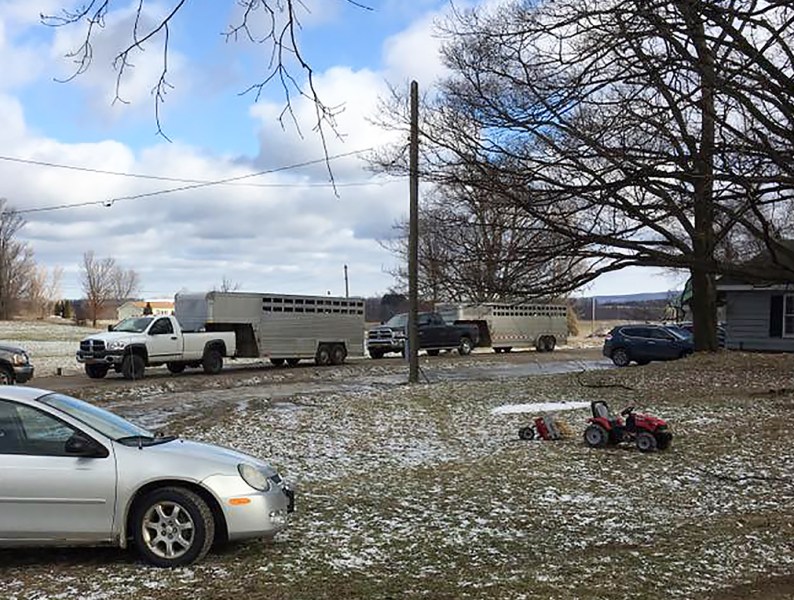
Chuck said a neighbor started the ball rolling to place the cows, and people came with trucks and trailers lining the farm lane. “I didn’t make one call, people just came,” he said.

As Wayne and Mark noted, “It was humbling.”

Worden4.jpg

Photo provided by Lindsey Worden

Before long, with the help of some awesome neighbors, the Wordens had figured out two farms that could take the majority of their milking cows (heifers and dry cows are staying), and a short while later, cattle trailers started showing up, as did more friends and neighbors to help get them loaded.

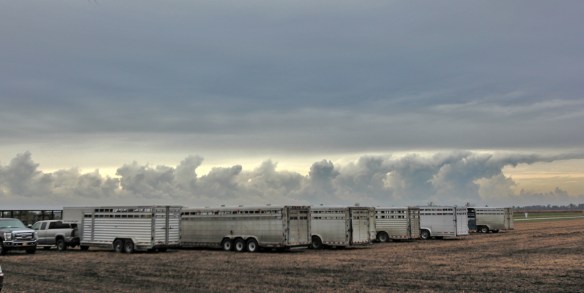
“At one point, we had at least 10 cattle trailers lined up out the driveway, and we got animals relocated more efficiently than I would have ever imagined possible,” Lindsey reflects. “We are so thankful to the friends and first responders who showed up at 1:00 a.m. on Sunday morning to help get our immediate emergency under control.”

Friends and neighbors came from near and far – bringing trailers, helping to get cattle loaded and moved, helping to get scared cows milked off site.

“People brought enough food to feed an army for a week,” said Vanessa.

“At 7 a.m., my first thought is that we were probably just have to sell everything, but then as neighbors showed up, and connections were made, and trucks started moving cows, you start to feel how hope can change the whole outlook,” said Vanessa. “By 3:00 p.m., our friends and neighbors had given us hope that we can do this. I was actually happy yesterday. There is no way I could be sad after all that everyone has done, after all the hope they have given us.”

Each member of the family has so much gratitude for the dairies that opened their barns and took in cows. The 270 cows were moved to three locations by 3 p.m. Sunday.

“What an incredibly humbling day,” Wayne shared Sunday evening. “There are no words to describe the support we received and are still receiving with the cows. Thank you is not enough to say about what we were all able to accomplish today. What an incredible community the dairy industry is.”

chuck-and-sons.jpg

2013 photo Wayne, Mark, Eric and Chuck Worden

Electricians worked all day Sunday to restore power – light, heat and water. “And companies worked with us quickly to help us with things like restoring our DairyComp records on a new computer, getting basic medical and breeding supplies and all those little things that we need to keep the wheels on the bus this week,” Lindsey observes. “It is a really strange feeling to literally have none of those everyday supplies like calf bottles, navel dip, ear tags, IV kits, etc.

Everyone who reached out with suggestions for help or just kind words, prayers and encouragement, by call, text message, email, and facebook, or dropping by in person. We are so very grateful.”

Eric shared how “truly overwhelmed” he was by the amount of support received from farmers across the state following the fire. “Thank you for making the day go easier,” he said. “This is a tough blow for my family, but we will come back stronger than ever.”

Adds Lindsey, “By some miracle, not a single animal was lost, not even our lone barn cat!”

While there is no question, “we’ve got a tough road to hoe to get back on our feet over the next several months,” said Lindsey, “with some luck and the attitude everyone in the family has maintained over the last two days, I have no question we will come out on the other side.”

“Words cannot express how thankful we are,” Vanessa said. “The way people reached out to us in those early hours gave us hope. Hope is an important thing. It’s what we give each other, and it is amazing.”

As the family meets with insurance adjusters, lenders, builders, equipment specialists and others to chart a course for moving forward, the ready support of others in the darkest hour serves as a continual reminder of what the dairy community is made of – people who keep putting one foot in front of the other and helping their fellow producers get through times like this.

Even more importantly, the family notes that this dairy community is quick to give each other hope — that they’re not alone when confronted with a life-changing event — that when it seems everything is coming to a halt, it is the hope brought by others that carries everyone forward.

Crews from six fire departments responded to the fire at Wormont in the wee hours of Sunday morning, January 15, with others on standby.

Cleanup continues as the family pulls together to make decisions for the future – a future that they say reinforces how special the dairy industry is and how humbled they are to be part of it.

chuck-eric-lindsey.jpg

Aug. 2016 Eric, Lindsey and Chuck at county fair

wormont

2013 photo Wormont Dairy

Life after cows.


Anatomy of a dairy exit and dispersal.  Community support softens sting.

More than a few families can relate to this story and others are examining the fork in the road to see which direction their family farm businesses should take. Farmers are aging, and discussions are being had around kitchen tables all across Rural America about the future, whether to expand and modernize, exit, diversify, or stay the course. Even as farm families persevere in these difficult times of steep losses and low commodity prices, some are making the tough decision to exit dairy production.

These decisions are rarely easy, particularly when cattle values are down and next generation career paths are uncertain — or evolving away from the farm. The future doesn’t always follow a plan even when there is a plan. It is a tough economic time to sell a herd, a life’s work, and to send the next generation of cattle and children off to new pursuits, pathways, careers, lives…

Bittersweet. Thankfulness shines through in this video where end makes way for beginning … Whether living it or leaving it, the steps forward are grounded in faith, and a whole lot of love.

Love never fails. 1 Corinthians 13:8

By Sherry Bunting, Farmshine, Nov. 4, 2016

troxel-sale-133.jpg

HANNA, Ind. — “It’s not like a death, but in a way, it sort of felt like that, at first,” said LuAnn Troxel a few days after the herd dispersal of 215 lots plus calves and embryos at Troxel Dairy Farm on October 20. “The first cow started selling, and I was concentrating on that, and then I got busy, and before I knew it, the last cow was selling. But when I saw the big semi-truck back in for the largest load, that’s when it hit me as final. They are leaving.

20161020_131540

She was quick to add that her “heart is so thankful for what we have and for all the people who came out to support us. The auctioneer was right, these cattle are the future, and our son Rudy did an incredible job with the genetics. Young dairy producers who purchased some of these cattle will have some valuable animals to work with, and that feels good.”

troxel-sale-2.jpg

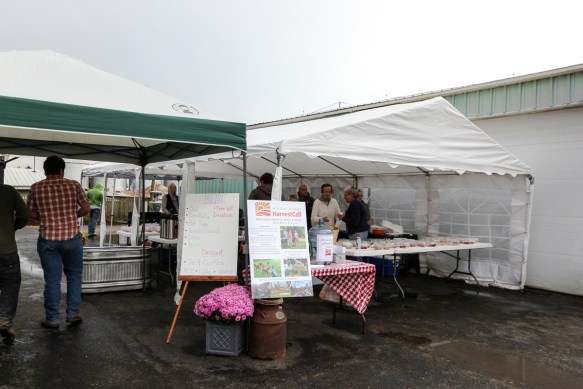
Sale day dawned rainy and cold, and the community came out in large numbers, with over 70 registered buyers. Many came for morale support and to enjoy the hot chili and baked goods provided by their church family with a free will offering raising $5000 for the Harvest Call Haiti Dairy Project.

troxel-sale-269.JPG

Dr. Tom and LuAnn Troxel had made the decision to exit the dairy business a year ago. Certainly the cattle would have brought more  a year ago, than they did a month ago amid October’s downturn in what had appeared to be a recovering dairy market, burdened further by a rapid decline in the beef market that often softens dairy cattle market values.

14690957_10211530107472442_1260012671648312819_n

The sale consisted of over 100 grade commercial cows and another 125 registered Holsteins of all ages, and about a dozen Jerseys. Son Rudy had developed the registered herd in his four years of full-time employment on the farm.

troxel-sale-21

Registered cattle with genomic numbers ranged $1800 to $2200 with not many lower and a few higher. The average for the full sale — including unregistered grade cows and the younger heifers over three months old — was $1453.

troxel-sale-12

The top sale was Lot 62 MS McCari Nomi 57900-ET. The fresh 2-year-old with a GTPI of +2525 sold for $5500 to Russell Springs, Kentucky through Max Dunseth of Holstein USA. Her Mogul daughter — a calf born July 24, 2016 and with a GTPI of +2600 — was the second-high seller of the day at $3800.

troxel-sale-39.JPG

troxel-sale-303Dunseth purchased a load of cattle for various orders, and the largest volume buyer purchased 34 cows, both registered and grade, on order to Illinois. troxel-sale-107
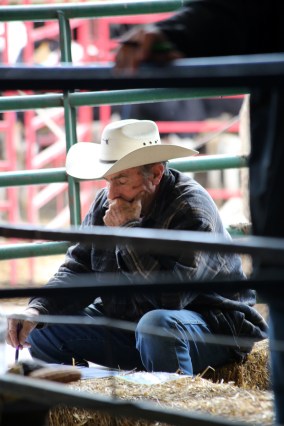
 

Other volume buyers supported the sale, including Andrew Steiner of Pine Tree Dairy. With Pine Tree genetics in the young registered herd — and several sale offerings descending from the Rudolph-Missy family — Steiner said he was looking for protein, and remarked on the quality of the cattle. He and his wife Julie took 14 head home to Marshallville, Ohio.

The balance of the cattle sold locally to the many in-state buyers. Several neighbors said they were there “to support the Troxels” and came with plans to buy one or two good cows from “some really good people.”

troxel-sale-104

Young dairymen from nearby Indiana counties purchased for their young dairy herds. One from Elkhart called two days after the sale to say how well the nine cows he bought are working out for him and how “really nice” the animals are.


troxel-sale-91

troxel-sale-94The Troxels’ niece, 10-year-old Anna Minnich, brought her checkbook and bid on several Jerseys. She had lost her Jersey cow Elegance at calving in September and ultimately purchased one of the Troxels’ Jersey cows named Utah as a replacement, along with two calves from the same family — Utopia and Unique. Anna plans to show them next year.
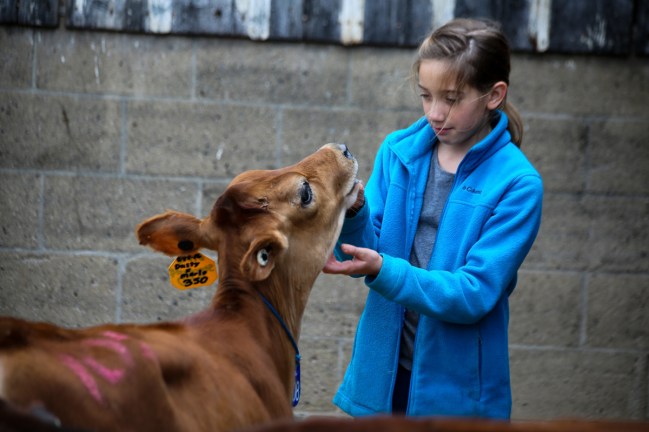
troxel-sale-125

A local heifer grower purchased some registered heifers, and another buyer purchased two for himself and an additional registered heifer with great numbers to donate to the Mennonite Disaster Committee heifer sale, showing how people in this industry want to give back.

“We had quality animals, and they sold for what the market would bear,” said Dr. Tom, with a smile, when asked how he viewed the sale outcome. “I am glad they did not have to go to the livestock auction.”

troxel-sale-6

Last fall, just eight buyers attended the small string sold ahead of this year’s complete dispersal. “One cow that we didn’t sell last year brought $400 less today,” LuAnn observed. “That gives you a true indication of the strain we are all under.”

But despite the strain, having more than 70 registered bidders, and such an attendance from the community, helped soften the sting. Dr. Tom is well known to the community as a large animal veterinarian who operated the dairy as the second generation on the farm, with LuAnn a prominent dairy advocate.

“To know people were here and that they cared about the cattle did insulate us a little,” LuAnn added. “We could not have gotten even these prices for this many cattle on just the market, alone.”

troxel-sale-9 - Copy.JPG

Many connections were made between articles, ads and social media that resulted in buyers no one expected. The buyer from Illinois taking 34 cows was one example. A college friend of her daughter-in-law — both having no farm background but marrying into farm families — saw the note about the sale on Facebook, and her husband bid online. In fact there were some cattle in the sale that lit up the online Cow Buyer computer and had ringmen and order buyers on their phones taking bids. Courtney Sales, LLC managed the sale.

“The decision was made and we kept with the plan to move forward and trust God to work out the details,” LuAnn added.

troxel-sale-17

While farms have to have money to make things happen and get by, LuAnn expressed what many dairy farmers feel, that “while money is necessary, it is not the primary motivator or we would have exited the dairy business a long time ago,” she said. “Family is huge in this. Most of the time dairy farming is good for families, but these tough downturns do put a strain on families. We are blessed to have worked together and to have raised our family here on the farm.”

Having all four boys come home for the sale and hearing them talk, reinforced that sentiment.

14666078_10154469636877870_8900445519262779571_n

troxel-sale-38.JPG

Each of the sons took in the sale preparations and the emotions of the sale day differently, but the bottom line was in saying goodbye to a piece of who they have become. While the farm and veterinary practice go on, the cows are leaving and they were central to life on the farm.

“I have to believe that what we have done for 33 years has been beneficial to our boys, but also to the 30-plus high school kids we’ve employed here over those years,” LuAnn acknowledged.

Certainly true as they have all stayed in touch over the years and some came out to the sale.

“We tried to make our dairy something that people felt good about, where kids could learn how to take care of an animal and have it be something that they remember fondly, that they could work here and develop into responsible young adults with the confidence that comes with knowing and doing something that is bigger than yourself,” LuAnn related.

troxel-sale-202.JPG

She will miss the girls that have most recently milked for them up until the sale. “They were laughing and talking about the different cow personalities and wondering how it will be for them at their new homes. All of this life around the animals just adds to the richness of the dairy experience and why this is such a compelling lifestyle.”

troxel-sale-288.JPG

There are so many aspects to a family’s decision to exit the dairy business. First comes the realization of the next generation’s plans for their own families’ futures. Next comes the actual sale planning, which can be very time consuming, so much so, that the emotional weight of saying goodbye to the animals is not top-of-mind.

troxel-sale-55.JPG

In addition to coming out to buy cattle and be supportive, some sale attendees indicated they are facing similar decisions and wanted to see how it all works. Others had read the articles and just wanted to be there. Still others knew they wanted to bring a few of the Troxel girls home to their farms.

troxel-sale-266.JPG

As the Troxels adjust to life after cows, LuAnn notes that other producers, who have been through this process, have encouraged her to “hang on to find the blessing in this decision.”

troxel-sale-130

At the moment, she still has 20 calves to feed, and there are six dry cows to calve. While they sold all of the registered animals of all ages, plus the grade milking cows, they kept the grade dry cows and unregistered young stock to sell later as fresh or springing heifers.

“It is strange to walk out and see just one or two cows,” LuAnn said with a hint of emotion. “But we have heard from some of the buyers. And that’s good. It’s good to know they appreciate our cattle.”

In fact, buyers repeatedly complimented the family on sale day about the quality of the cattle as they paid their auction bills and backed trailers in to load.

“They did look good,” said LuAnn, not in a prideful way so much as satisfaction for having raised good, productive, healthy animals that will work for their new owners the way they worked for the Troxels.

troxel-sale-84

“There’s no time to dwell on it,” she said. “The boys were all home and they are leaving today. Then we help move Rudy and his family to Wisconsin for his new job with Genex-CRI.

“We knew all of these changes would be coming. It is just strange for it to be so quiet here. The challenge will be the transition from going a million miles an hour to having it just stop,” she explained. “First, we’ll take it easy, and then, we’ll get at it. Next week the vet calls will need to get caught up, and then we’ll need to figure out what our new normal is, and that will take a little time.”

troxel-sale-242.JPG

14650119_10207500503818297_5414493283063789248_n.jpg

-30-